Tiago was such a wonderful guide! All our party enjoyed the tour thoroughly, including our teenager! We learned so much about this beautiful city and fell in love with it’s rich culture that Tiago brought to life in such a short time.
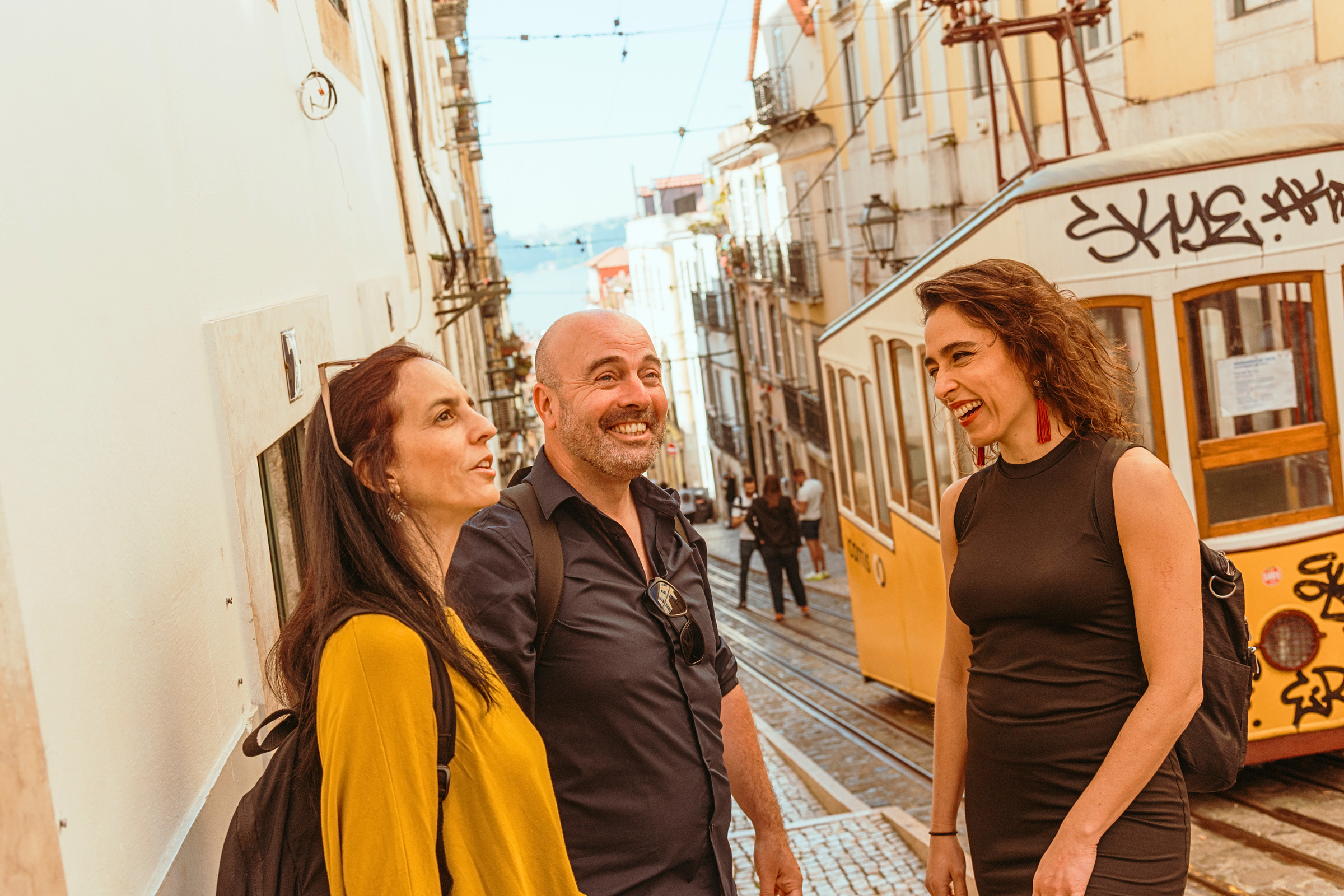
Sites & Insights: Lisbon City Tour
Discover Lisbon through Bairro Alto, Chiado, and Baixa
The Finer Details
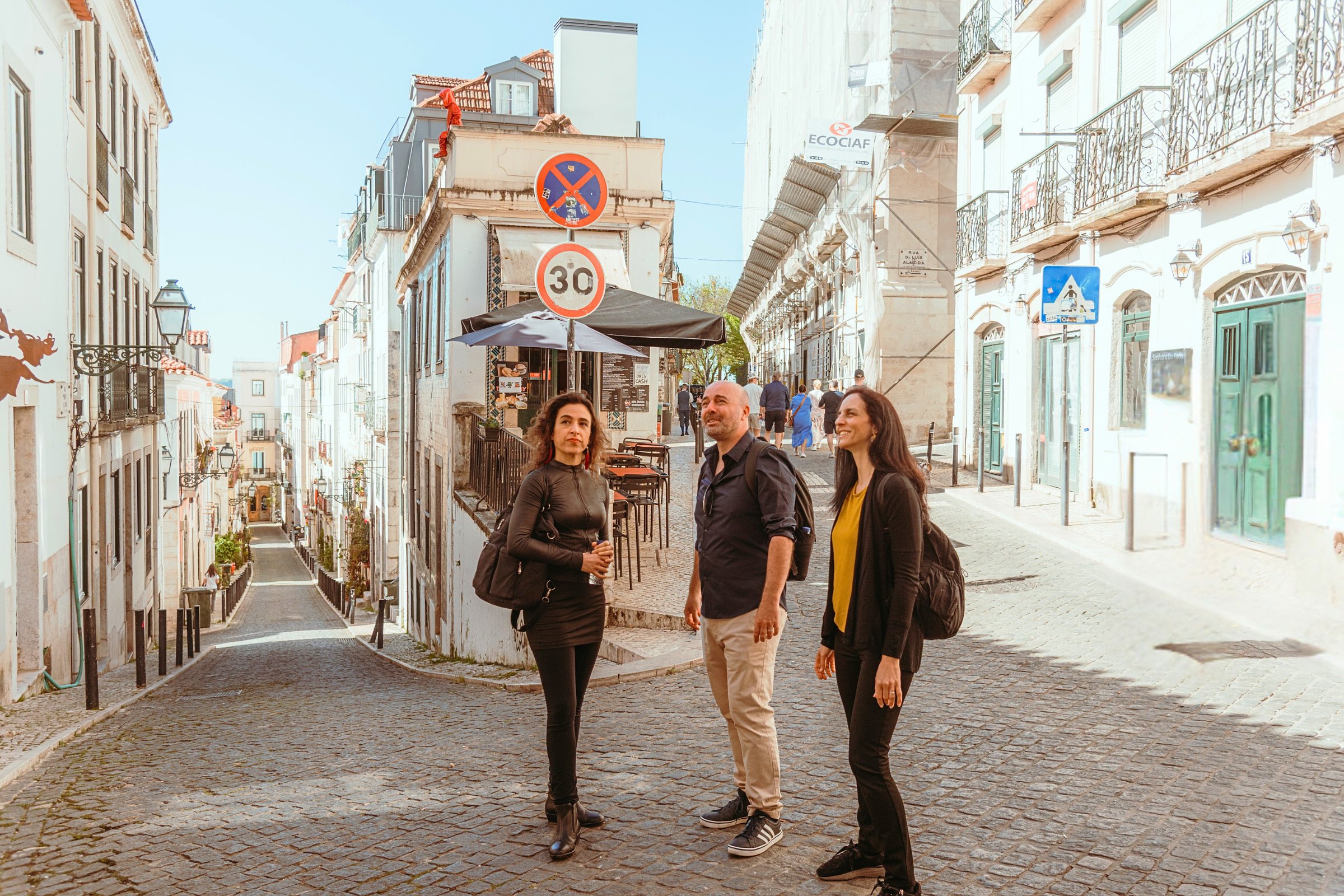
This walking tour of Lisbon takes you to the heart of the bohemian, historic, and creative hubs of Lisbon in the company of an expert guide, where you’ll explore its three most iconic neighborhoods: Bairro Alto, Chiado, and Baixa.
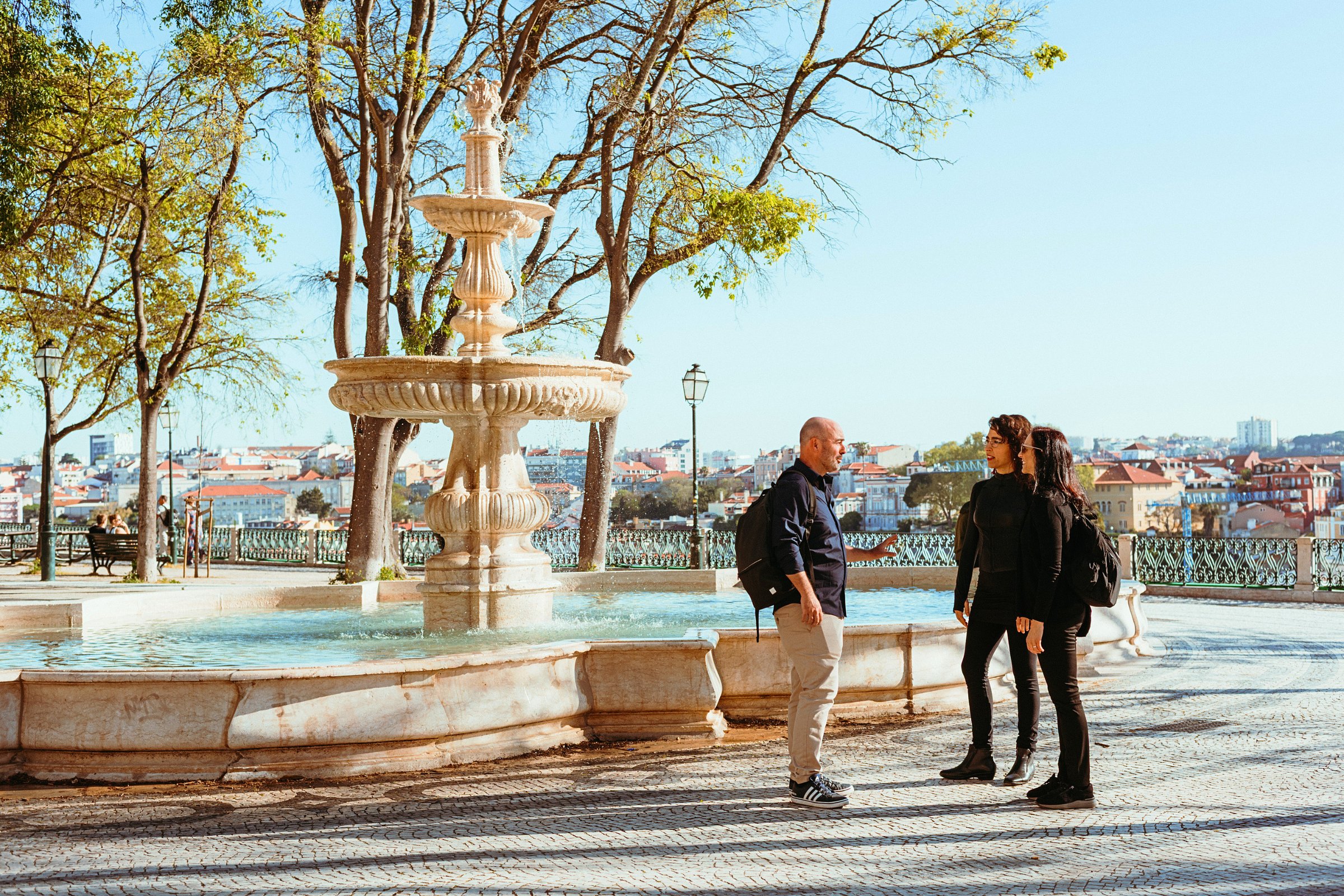
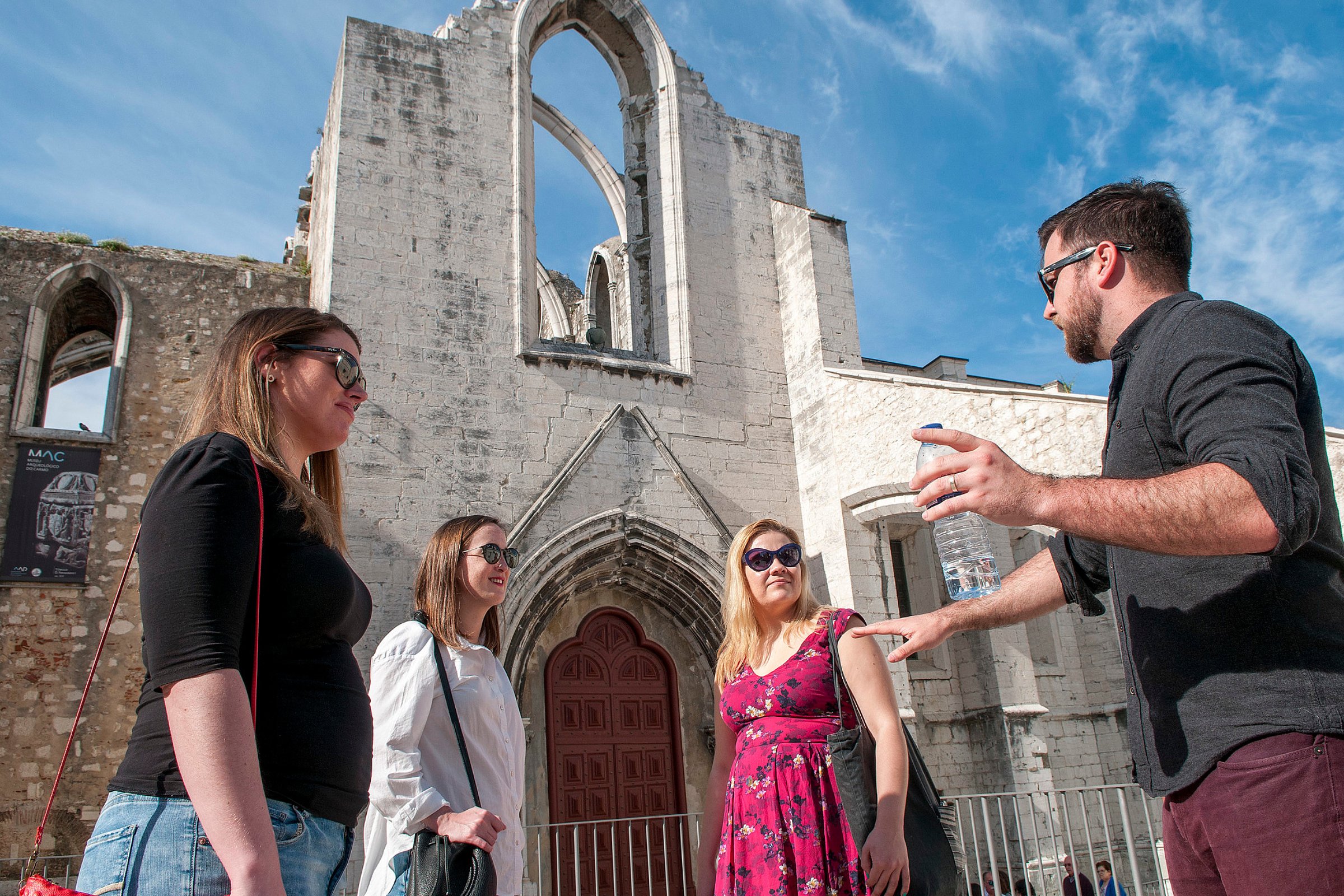
There’s no better place to kick things off than at the São Pedro de Alcântara viewing point. With a sweeping view of the hills of Lisbon before you, you’ll learn about the origins of the city—arguably the oldest in Western Europe— as well as the decisive moments in its history that have shaped the way the city has evolved into a modern cultural capital. You’ll then make your way through the winding streets of Bairro Alto. You’ll marvel at the treasures within the São Roque Church as evidence of the prominence of the Jesuits in 16th-century Portugal, continuing through the Carmo Convent—a visceral representation of the impact of the 1755 earthquake.
You’ll continue into the Chiado neighborhood, a popular shopping district that has long been a haven for artists and creatives. This is the perfect setting to touch upon Portuguese café culture and the literary and artistic movements that have been nurtured here, like the great Renaissance poet Luis de Camões, who gives his name to a nearby picturesque square, or the vibrant contemporary art scene. Your expert guide will wrap things up with a stroll through Baixa and the iconic Praça do Comércio to take in the impressive panorama of the Río Tejo, leaving you much more acquainted with central Lisbon, with plenty of recommendations from your expert about how to best explore the city further.
Choose this tour if...
- You love to walk and want to cover a lot of ground to orient yourself in the city
- You're a culture lover interested in deeper knowledge of local traditions and customs
If you’re looking to go even deeper into Lisbon’s history, we recommend our Lisbon Old Town Tour in Alfama or our Lisbon Belém Tour.
Sites Visited
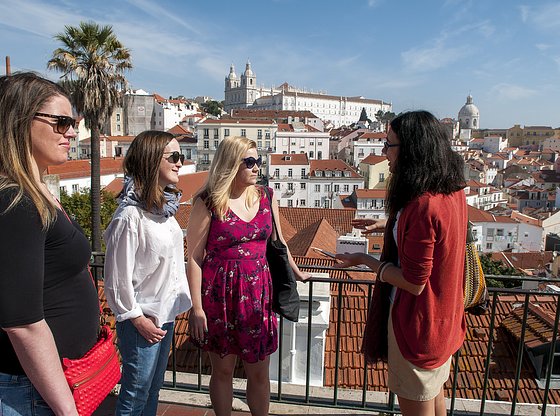
- São Pedro de Alcântara offers a panoramic view of Lisbon from its terrace, serving as a beloved lookout point that also features a serene garden.
- Bairro Alto, Chiado, Rossio, and Baixa neighborhoods form the vibrant heart of Lisbon, each with its own character, from bohemian vibes to chic boutiques and historic squares.
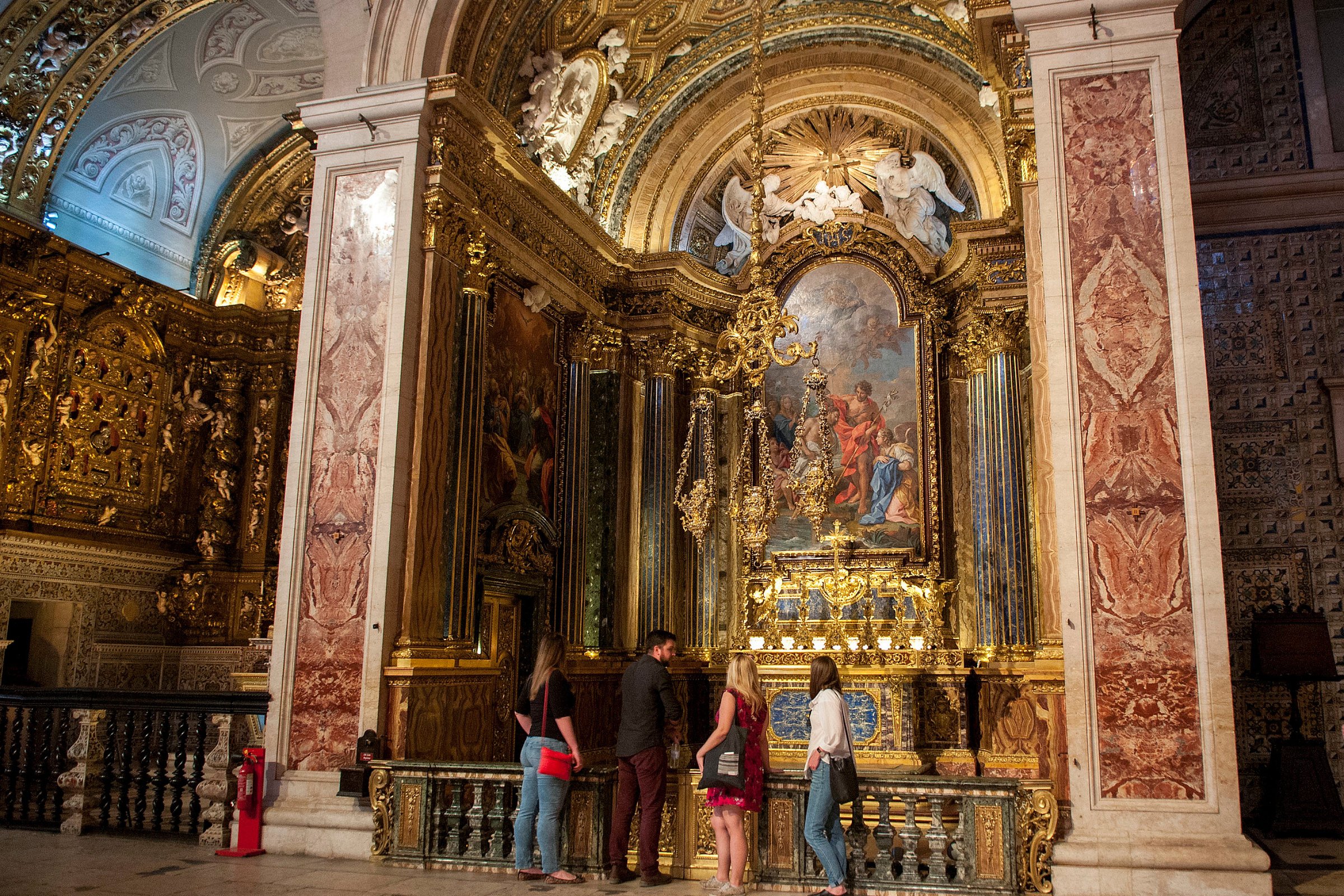
- The Church of São Roque, modest from the outside, hides a rich interior with ornate chapels, showcasing a splendid example of baroque artistry.
- Santa Justa Lift, an industrial age marvel, connects the lower streets of the Baixa with the higher Largo do Carmo, and is a striking urban landmark.
- Carmo Convent stands as a poignant reminder of the devastation of the 1755 earthquake, with its roofless nave offering a unique glimpse into the city’s resilient past.
- Praça do Comércio is a grand riverside square that has been the gateway to Lisbon for centuries, framed by yellow Pombaline architecture and the Tagus River.
Logistics
Resources
- For more information on planning your trip, take a read through our Insider’s Guide to things to do in Lisbon
%20-%202026-04-28T082540.267.png)
"A conversation with a trusted friend"
"He was a terrific guide and storyteller. Providing excellent context and answered all our questions authentically. It was like having a conversation with a trusted friend and someone who loves the city."
Nancy E.
Nancy E.
"Tailored to our interests"
"Tiago was an enthusiastic knowledgeable and intelligent tour guide who tailored the walk talk to our interests and needs"
Yolanda K.
Yolanda K.
Meet the Experts


















%20-%202026-04-23T140854.376.png)
Where You’ll Go
From iconic landmarks to tucked-away local favorites, these are the places you’ll explore and experience firsthand with your Expert.
-
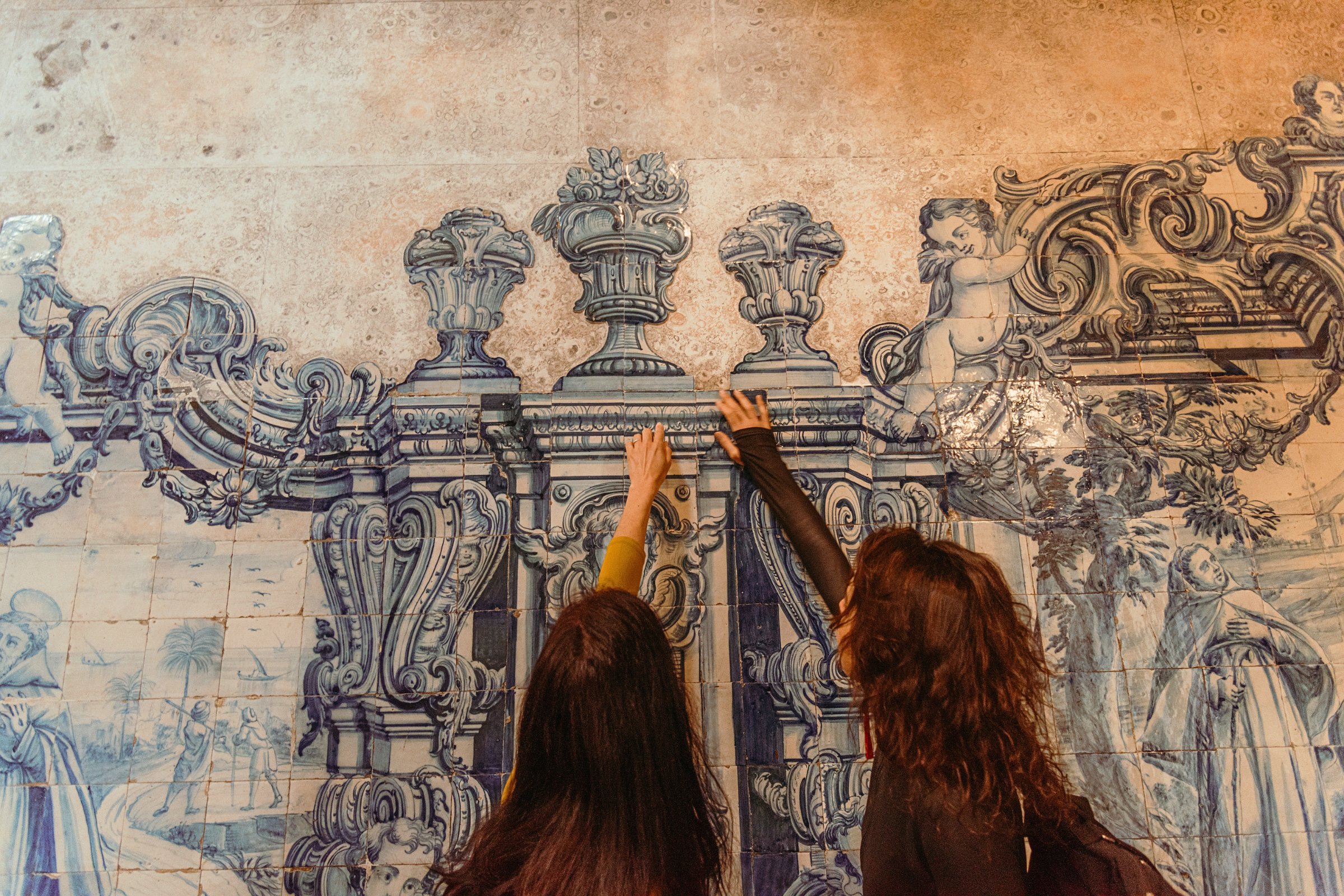
Church of São Roque16th-century tiles inside a landmark church
-
Carmo Convent
-
Santa Justa Lift
-
Praça do Comércio
-
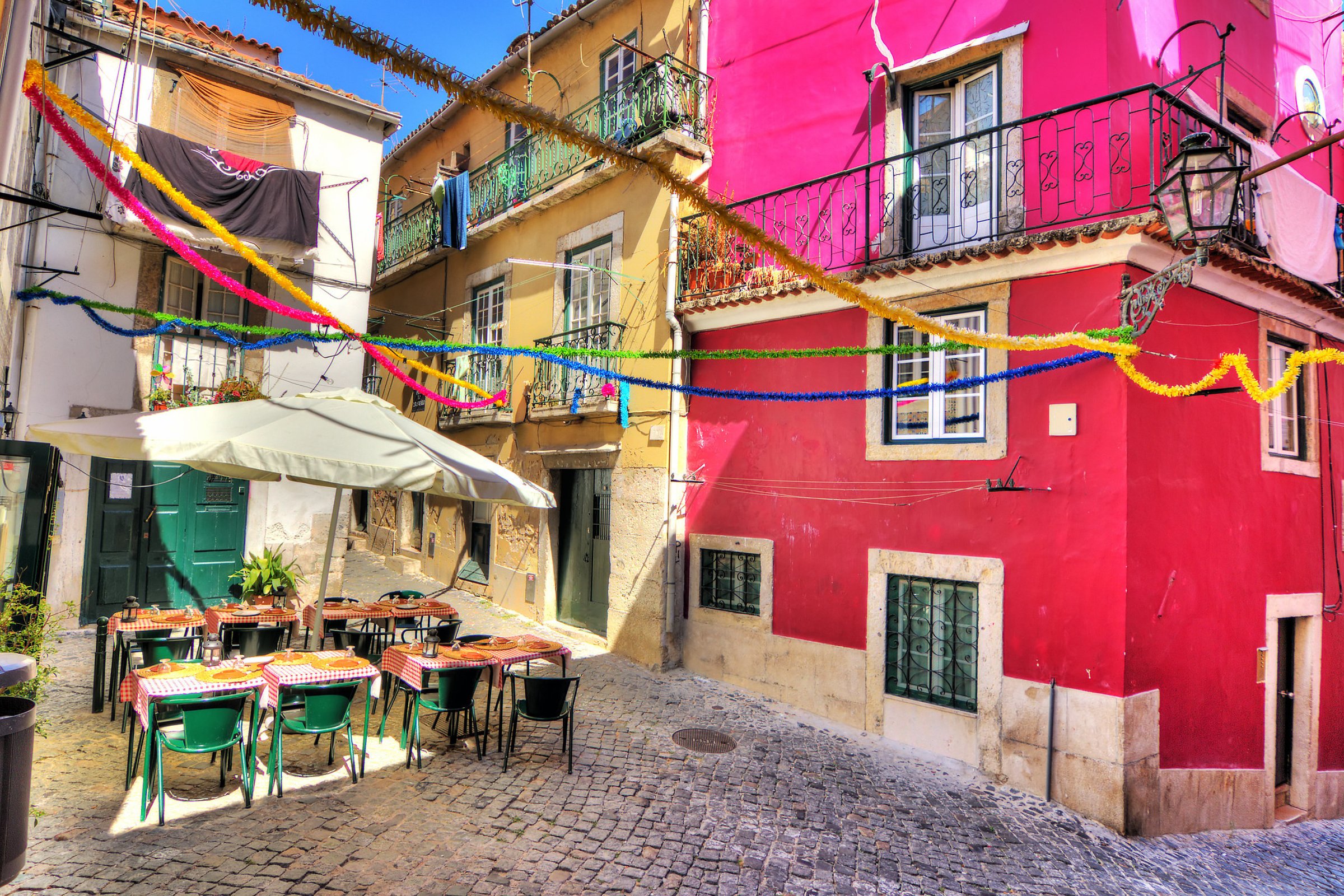
Bairro Alto Neighborhood
-
Baixa Neighborhood
-
Chiado Neighborhood
What’s Included As Standard
Here’s a look at what your tour covers, plus anything you’ll want to consider arranging separately, so you can plan with confidence.
Included
-
English-speaking expert guideTours led in English, offering you unbroken understanding throughout.
-
Intentionally sized groupsA smaller group means more time for conversations and questions.
-
Tickets and entrance feesAll entry tickets included (unless clearly stated otherwise).
-
HeadsetsHeadsets are included on tours that need them, so every word can be heard.
Not Included
-
Food and drinkUnless booking a Food & Drink tour or tasting experience, refreshments are not included.
-
Transportation to and from the meeting pointUnless noted, pre- and post-tour transport isn’t included - this service can be added by request.
-
GratuitiesTips aren’t included, but we encourage tipping as a way to thank your guide after your experience.
-
Hotel pickup or drop-offUnless noted, travel to or from accommodation isn’t included - this service can be added by request.
Where You'll Explore
Make the Most of Your Tour
Some helpful advice for getting the most from your experience, from practical prep to small on-the-day tips.
Dos:
- Wear comfortable footwear
- Check the weather and dress appropriately
- Bring a bottle of water (no glass)
- Feel free to ask your Expert anything
Don'ts:
- Bring firearms or weapons
- Bring sharp objects (e.g. knives, swiss army knives, switchblades, hiking sticks)
- Dress inappropriately to enter religious sites or sacred monuments
Any questions? You can always
contact us.
Frequently Asked Questions
You can get to the viewpoint on foot, although it is a bit uphill. You can also easily order an Uber or a taxi to bring you to meet your expert guide.
Lisbon, overall, is quite a hilly city. Consider that there are mostly cobblestone streets, and this is a walking tour that mainly visits the exterior of various locations. While we have designed the tour to generally walk downhill, there may be some stairs and inclines. We may then have difficulty and a lack of control in curating the tour to fit the needs of someone with mobility issues.
Book with confidence — see Context's flexible cancellation policy here.
Lisbon is a very hilly city, and unfortunately, we cannot recommend this walking tour of Lisbon for wheelchair users. Although we have designed this tour to generally walk downhill, there may still be stairs and inclines that are difficult to navigate.
Don’t just take our word for it
Jose was beyond informative. His presentation of Portuguese history, from the pre-Roman influence to the state of present day Portugal was “eye opening”. We emerged from the tour with both a view of downtown Lisbon and an understanding of how it came to exist. A true walking history lesson in a day.
The passion and iteration to bespoke was next level. 3 hours felt like 1. He is a true keeper on your bullpen of guides.
Let Your Curiosity Shape Your Journey
Join passionate experts on intimate walking tours that reveal a city’s unique stories, spark conversations, and leave you seeing the world—and yourself—a little differently.
Structured, never scripted
Your interests guide your Expert, leading to stories and perspectives that matter to you.
Crafted for conversation
With 12 or fewer guests, ask questions, engage with your Expert, and fully immerse yourself.
Experts, not guides
Explore with 1,200+ Experts—from historians and architects to archaeologists and chefs.
You May Also Be Interested In…

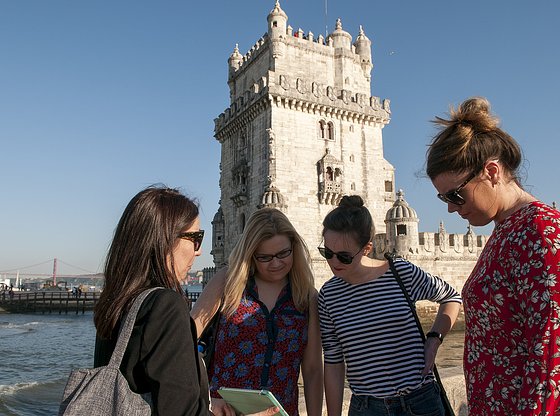
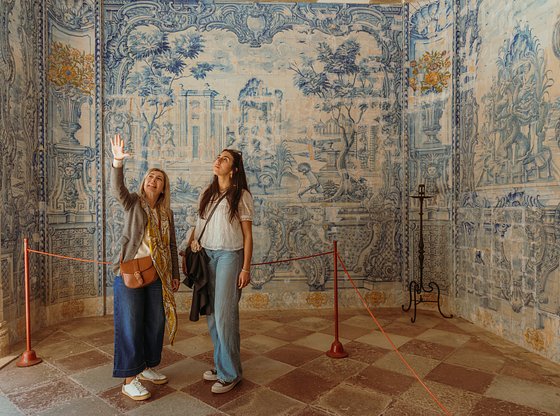
Understand Lisbon on a Walk from the Hills to the River
Lisbon’s history is spread across steep hills, changing neighborhoods, ruined churches, tiled façades, and the broad Tagus waterfront. Beautiful as these details are, their relationship is not always obvious on a first visit.
This Lisbon walking tour brings the city’s defining periods into one clear narrative. Beginning above the center and gradually descending toward the river, you will explore Bairro Alto, Chiado, and Baixa with a Context Expert who connects ancient settlement, maritime expansion, the 1755 earthquake, dictatorship, and democracy.
The thoughtfully planned downhill route also helps you navigate Lisbon’s difficult terrain efficiently. By the time you reach Praça do Comércio, you will be better oriented geographically, historically, and culturally for the rest of your stay.
Why Take a Walking Tour of Lisbon?
Lisbon can be difficult to understand from a list of landmarks. Its neighborhoods sit at different elevations, major historical events altered the street plan, and much of the city’s character appears in details that are easy to pass without noticing.
A guided walking tour of Lisbon gives those places a meaningful sequence. Viewpoints explain the geography. Ruins show the physical consequences of disaster. Ordered streets reveal how the city was rebuilt, while churches, cafés, and public squares introduce the institutions and ideas that shaped everyday life.
This tour is especially useful near the beginning of a trip because it provides both historical context and practical orientation.
Which Lisbon Neighborhoods Does the Tour Explore?
The route moves through three central neighborhoods: Bairro Alto, Chiado, and Baixa. Each represents a different part of Lisbon’s identity.
Bairro Alto introduces the hilltop city and its traditions of local, creative, and nocturnal life. Chiado brings literary and artistic Lisbon into focus through cafés, churches, and public squares. Baixa reveals the rational urban plan created after the 1755 earthquake and leads toward the Tagus at Praça do Comércio.
Their proximity makes it possible to experience several sides of Lisbon without turning the walk into a rushed survey of disconnected areas.
What Will You See on This Lisbon Walking Tour?
São Pedro de Alcântara
The tour begins with a broad view over Lisbon’s rooftops, hills, castle, and river.
From this vantage point, your Expert can introduce the city’s geography before you enter its streets. The Tagus helps explain Lisbon’s early settlement, commercial importance, and later role in maritime expansion. Its hills reveal why moving around the city can feel challenging—and why a well-planned route matters.
The viewpoint provides a visual framework that the rest of the walk gradually fills in.
Bairro Alto
Bairro Alto’s narrow streets offer a more intimate view of Lisbon.
Developed above the older center, the neighborhood became associated with printing, journalism, artistic life, traditional restaurants, and nightlife. Its changing identity opens a conversation about how historic neighborhoods adapt while retaining a recognizable local character.
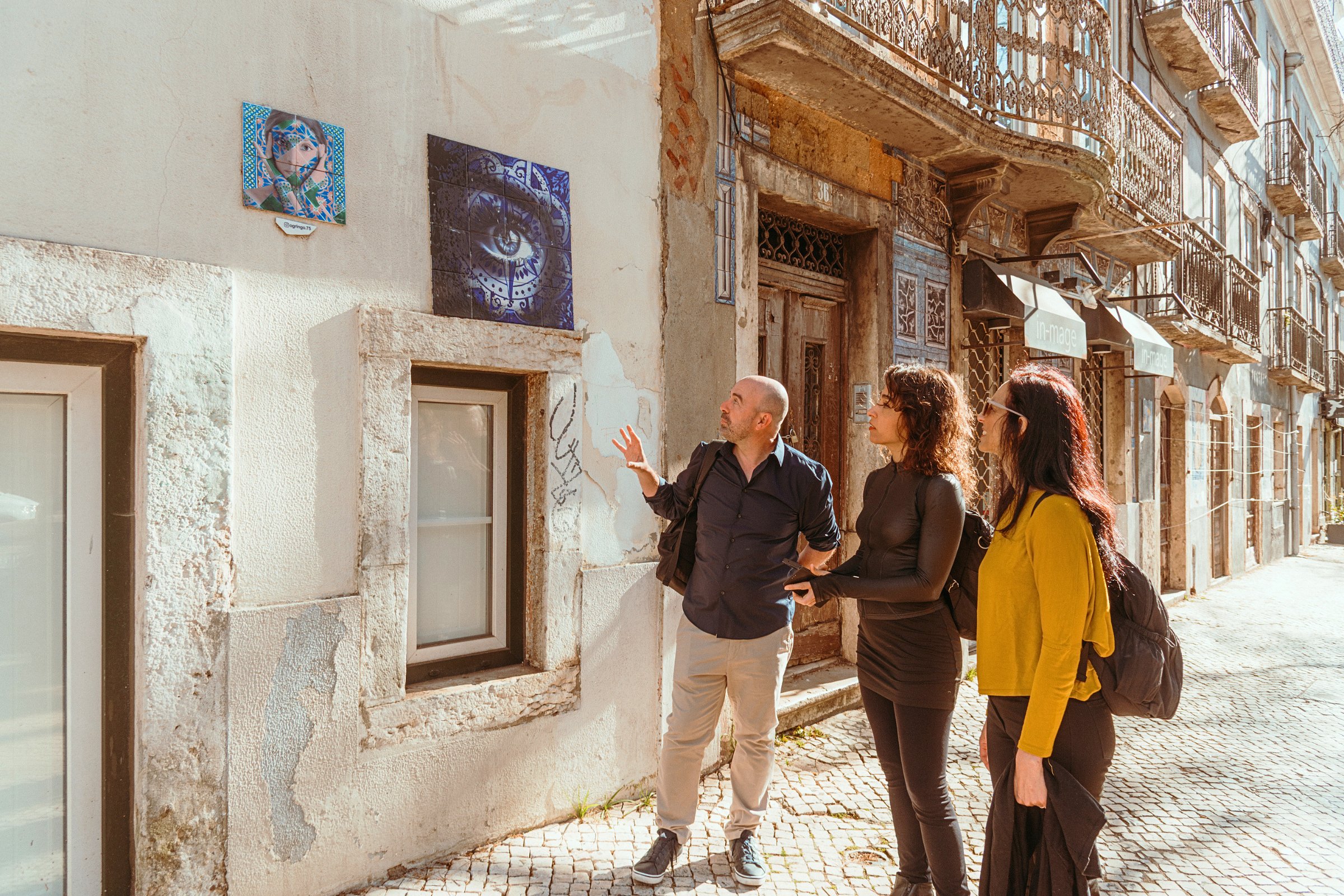
Your Expert may also point out Portuguese pavement, tiled buildings, and small details that show how craftsmanship shapes the city’s everyday appearance.
Church of São Roque
The Church of São Roque demonstrates how misleading Lisbon’s façades can be. Its restrained exterior conceals richly ornamented chapels connected to Jesuit influence, royal patronage, and Portugal’s overseas wealth.
Inside, decorative materials and religious imagery reveal the relationship between faith, politics, trade, and artistic ambition in early modern Portugal. With an Expert, the church becomes more than an ornate interior: it offers evidence of how Lisbon’s global connections affected life and culture at home.
Carmo Convent
The roofless Carmo Convent is one of Lisbon’s clearest surviving reminders of the earthquake of November 1, 1755.
The earthquake, subsequent tsunami, and fires devastated much of the city. Rather than restoring the church completely, its open nave now makes the destruction physically visible.
Here, your Expert explains not only what happened, but why the disaster became a turning point in Lisbon’s architecture, government, and intellectual history.
Chiado
Chiado has long been associated with writers, artists, theaters, shops, and café culture.
Walking through its squares and streets creates opportunities to discuss figures such as Luís de Camões and Fernando Pessoa, as well as the role cafés played in Lisbon’s cultural life. The neighborhood also shows how the city rebuilt and reinvented itself after fires, earthquakes, and political change.
Rather than treating literary Lisbon as a list of famous names, your Expert connects its creative traditions to the places where people met and exchanged ideas.
Baixa
Baixa’s broad streets and regular blocks contrast sharply with the older neighborhoods above it.
Much of the district was reconstructed after the 1755 earthquake under the direction of the Marquis of Pombal. The resulting plan introduced a more ordered approach to streets, squares, and building design, including early attempts to make structures more resistant to earthquakes.
Walking through Baixa makes Lisbon’s recovery visible in its urban form.
Praça do Comércio
The tour reaches the Tagus at Praça do Comércio, one of Lisbon’s defining public spaces.
Once the site of the royal palace, the square was rebuilt after the earthquake as a monumental entrance to the city. Its relationship with the river recalls Lisbon’s role in trade and maritime expansion, while its political history introduces later periods of monarchy, dictatorship, and democracy.
The riverfront brings the route’s themes together: geography, commerce, royal power, destruction, and renewal.
Why Was the 1755 Lisbon Earthquake So Important?
The 1755 earthquake was one of the most consequential events in Lisbon’s history. It struck on All Saints’ Day and was followed by fires and a tsunami, destroying much of the lower city and killing thousands of people.
The disaster forced Lisbon to rebuild on an enormous scale. Baixa emerged with wider streets, regular blocks, and buildings designed with greater attention to structural resilience. It also provoked philosophical and religious debate across Europe about catastrophe, faith, government, and human responsibility.
At Carmo Convent and in the streets below, you can see how the earthquake changed both Lisbon’s appearance and the way the city understood itself.
Why Are Bairro Alto, Chiado, and Baixa Important?
Together, these neighborhoods explain how Lisbon developed across different periods and elevations.
Bairro Alto reflects the growth of the city beyond its older medieval core and later became known for publishing, local culture, and nightlife. Chiado developed as a center of commerce, literature, theater, and café society. Baixa embodies the planned reconstruction that followed the 1755 earthquake.
Moving through all three reveals Lisbon as a city shaped not by one defining era, but by repeated cycles of expansion, disruption, and reinvention.
How Does This Tour Help You Get Oriented in Lisbon?
Lisbon’s hills and irregular streets can make short distances feel deceptively complicated.
This route begins at a higher elevation and works gradually downhill toward the Tagus, reducing unnecessary climbs while showing how the central neighborhoods connect. Along the way, your Expert can point out useful landmarks, explain the city’s layout, and share recommendations based on your interests.
The goal is not only to understand what you see during the tour, but to make the rest of Lisbon easier and more rewarding to explore independently.
Is This a Lisbon History Tour?
History forms the tour’s central narrative, but the experience also addresses architecture, religion, literature, urban planning, traditions, and contemporary life.
The story stretches from Lisbon’s ancient origins through maritime expansion, the 1755 earthquake, political upheaval, dictatorship, and the Carnation Revolution. Your Expert adjusts the depth to the group, making the walk accessible to first-time visitors while leaving room for more detailed questions.
How Is This Different from an Alfama Tour?
This tour provides a broad introduction to central Lisbon through Bairro Alto, Chiado, and Baixa. It is designed to explain the city’s major historical turning points and help visitors understand its geography near the beginning of a stay.
An Alfama tour focuses more closely on Lisbon’s oldest surviving neighborhood, including its medieval street plan, Moorish history, working-class traditions, and connections to Fado.
Travelers seeking a city overview should choose this experience. Those particularly interested in Alfama’s distinctive history and atmosphere may prefer the dedicated neighborhood tour.
Is a Lisbon Walking Tour Worth It?
A walking tour is especially worthwhile in Lisbon because so much of the city’s history is visible in the relationship between its streets, hills, ruins, and river.
Visited independently, Carmo Convent, São Roque, Chiado, and Praça do Comércio may seem like separate attractions. With a knowledgeable Expert, they become connected evidence of how Lisbon accumulated wealth, responded to catastrophe, expressed faith, and adapted to political change.
The experience also saves time by providing a logical route and a foundation for deciding where to return later.
Why Explore Lisbon with a Context Expert?
Lisbon’s history spans thousands of years and includes subjects that deserve more than a rehearsed summary.
Context Experts bring relevant academic knowledge and local familiarity to the conversation. They can explain architectural details, distinguish evidence from popular legend, respond to questions, and adjust the emphasis according to your interests.
That combination of preparation and flexibility allows the walk to feel intellectually substantial without becoming a lecture.
Frequently Asked Questions
Is this a good tour for a first visit to Lisbon?
Yes. It is designed to provide an introduction to Lisbon’s history, neighborhoods, geography, and culture. Taking it early in your stay can make later sightseeing easier to understand and prioritize.
Which neighborhoods does the tour include?
The route explores Bairro Alto, Chiado, and Baixa. It does not provide an in-depth tour of Alfama or Belém, which are covered by separate Context experiences.
Does the tour go inside any buildings?
The itinerary may include the Church of São Roque and Carmo Convent, subject to access and current operating conditions. The final product page should clearly identify any included admissions.
Is the route difficult?
Lisbon is hilly and includes cobbled or uneven surfaces. The route is deliberately planned to begin higher in the city and move largely downhill, but guests should still expect slopes, steps, and sustained walking.
What historical periods does the tour cover?
The discussion may include Lisbon’s ancient and medieval origins, Portugal’s maritime expansion, the 1755 earthquake, the reconstruction of Baixa, dictatorship, and the Carnation Revolution.
Does this tour include the Santa Justa Lift?
The route discusses and views the Santa Justa Lift, but riding it is not presented as part of the core itinerary.
How is this different from a sightseeing highlights tour?
The tour includes several important Lisbon landmarks, but its purpose is not simply to check them off. The route connects them through the larger history of how Lisbon developed, was destroyed, rebuilt, and continues to change.
What should I do after the tour?
Because the walk ends near Praça do Comércio and central Baixa, you will be well placed to continue along the riverfront, explore nearby shops and restaurants, or use your Expert’s recommendations to plan the rest of your stay.