Just fabulous.
London Auction Houses Tour: Decode the Art Market
Explore how taste, price, and collecting shape the art trade
The Finer Details
For centuries, London has been the center of the art market. Names like Christie's, Sotheby’s, and Bonhams are synonymous with the luxury art trade today, but where does this tradition come from? On this London art market tour, we'll learn about the history of the auction houses, how art dealers function, and how the two interrelate.
Our walk will start in Mayfair, at the heart of this multi-billion-dollar global business. Our course through the area will depend very much on current exhibitions and the interests of the group, and will include major auction houses as well as smaller galleries.
Itinerary Details
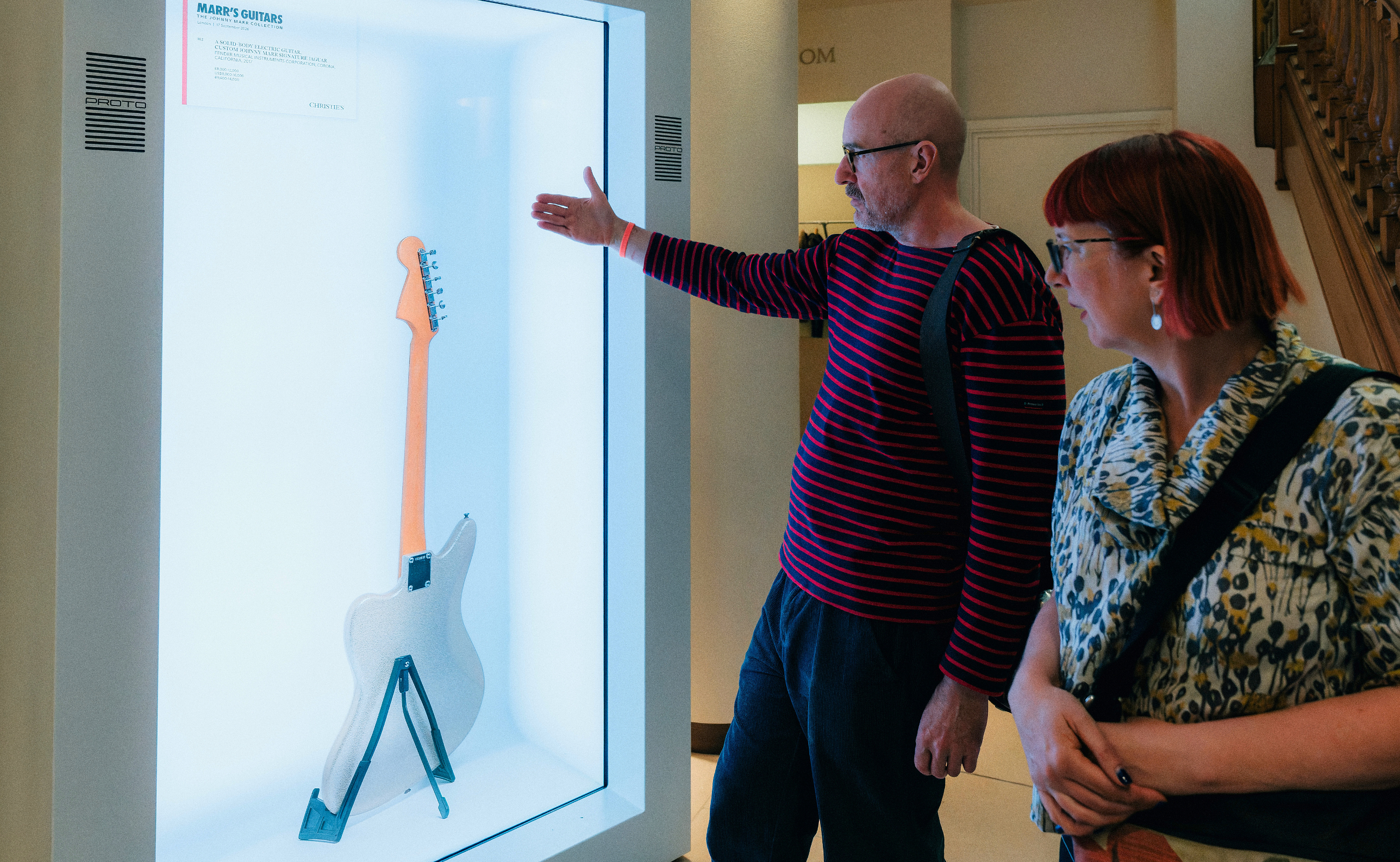
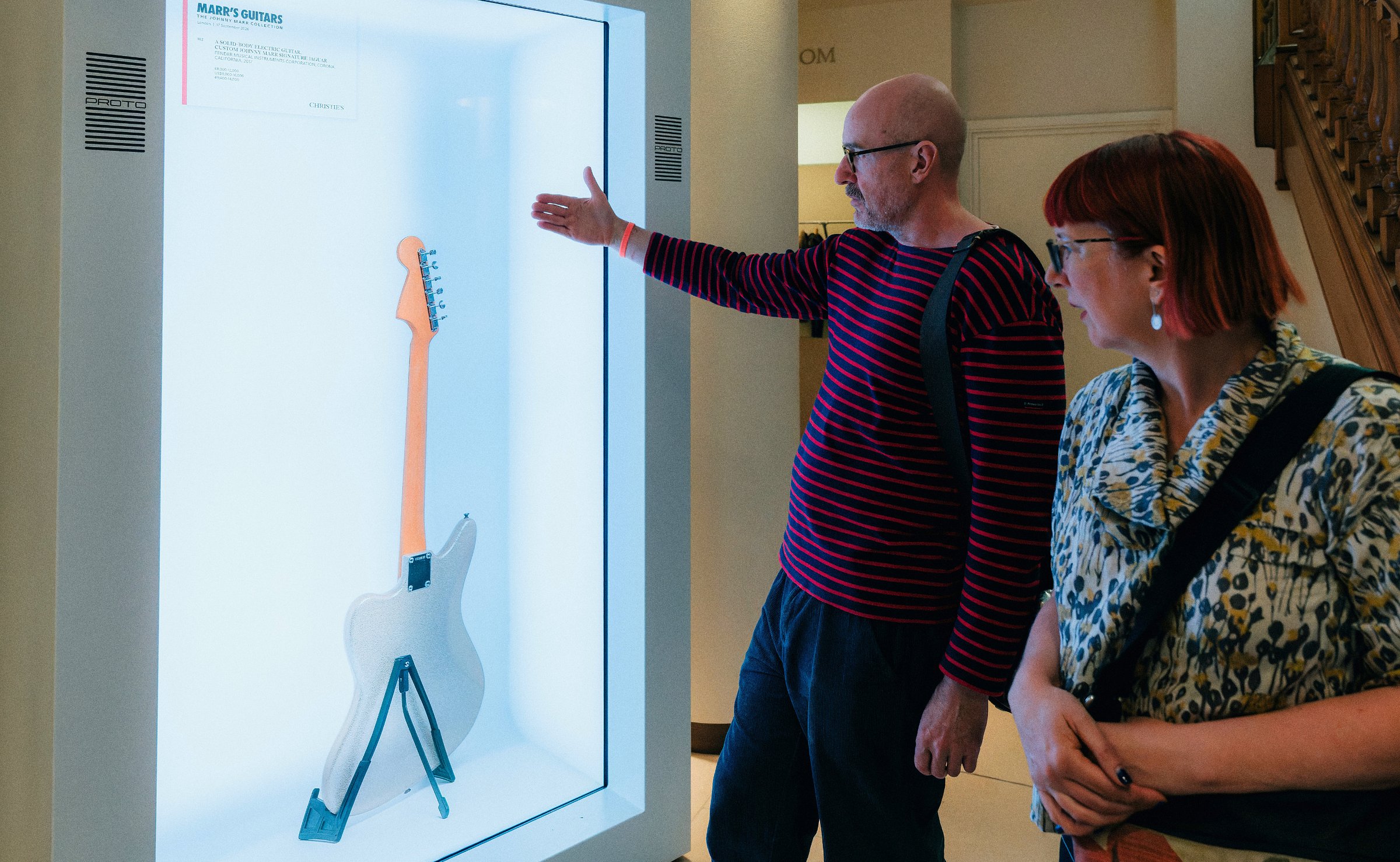
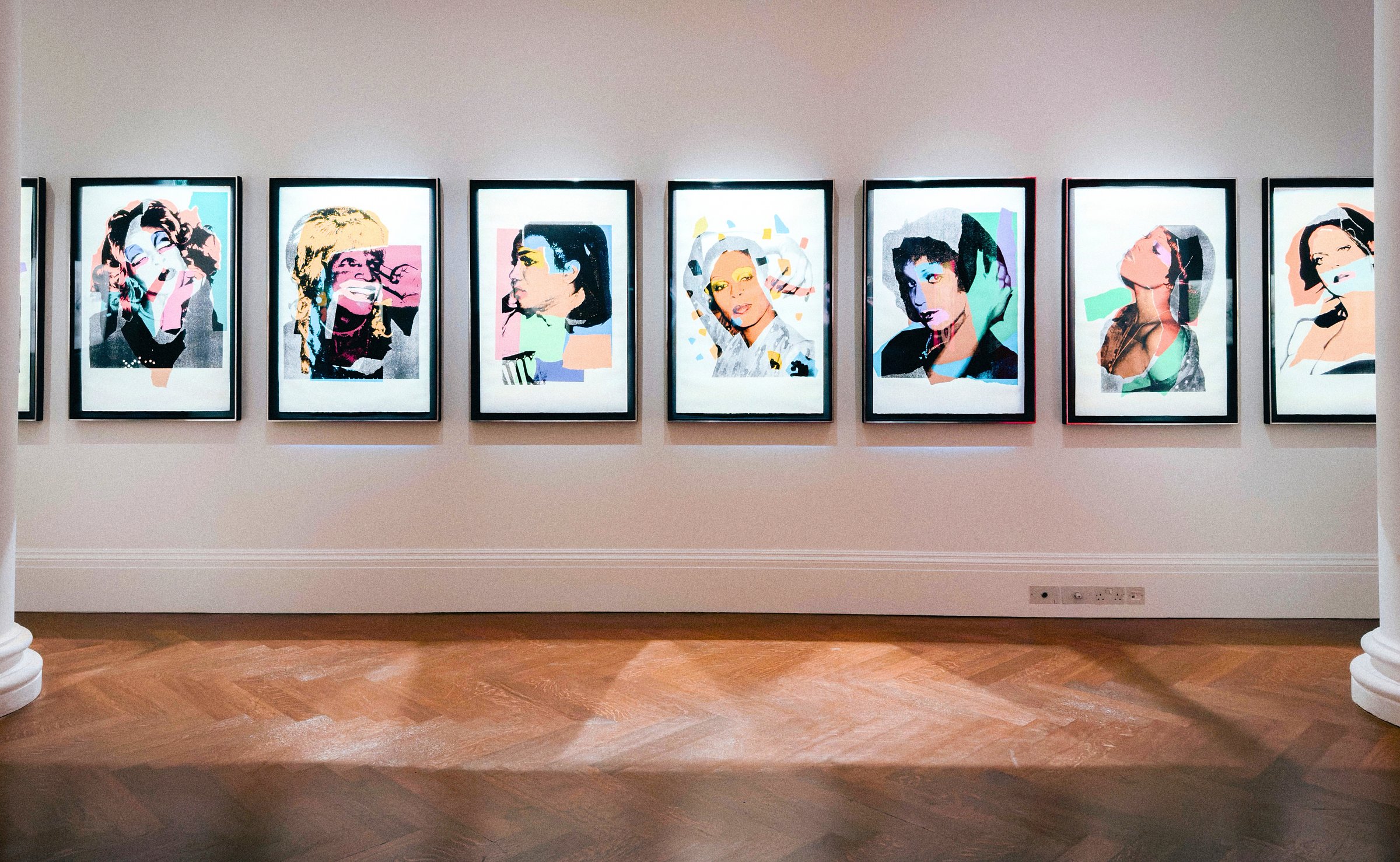
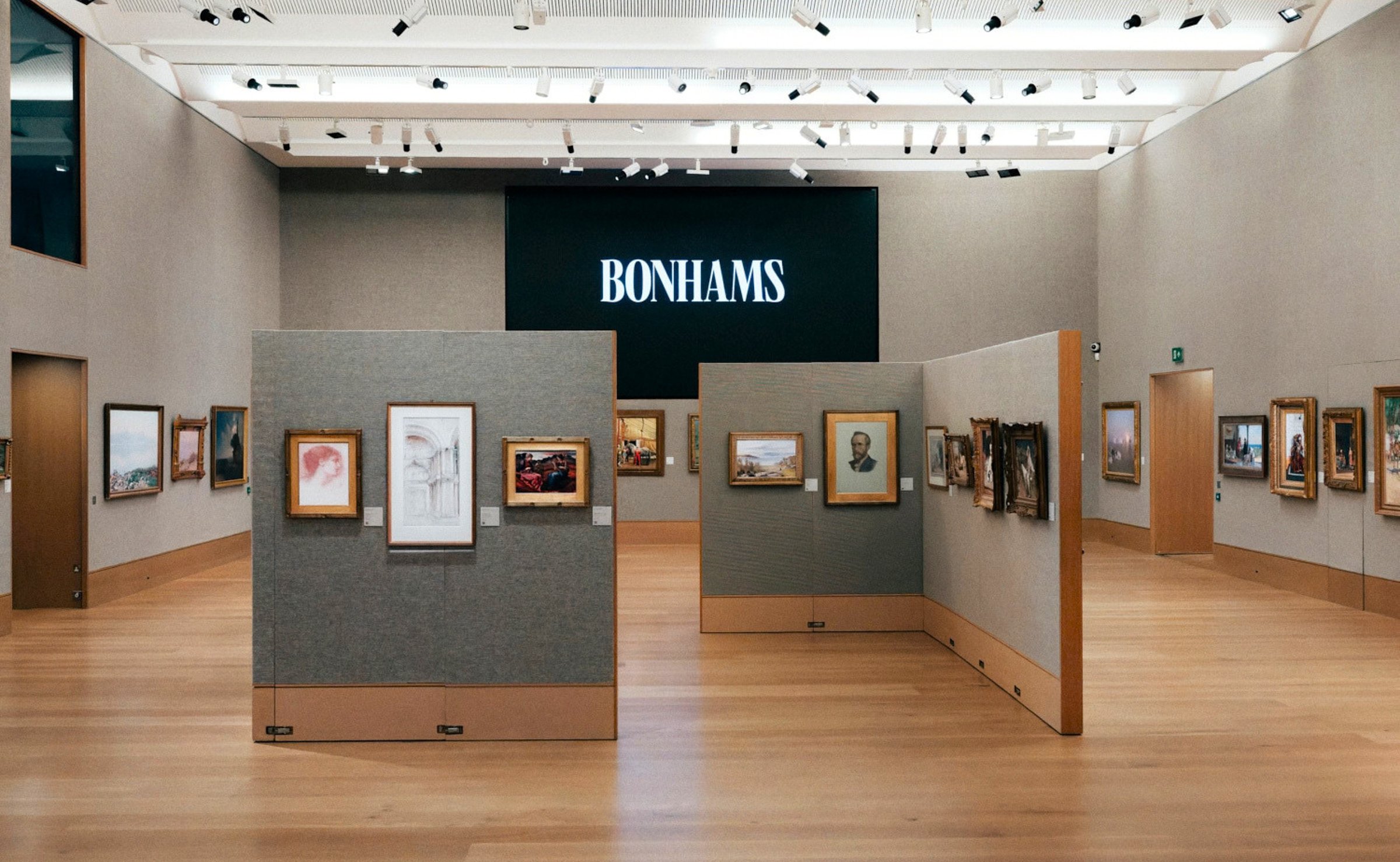
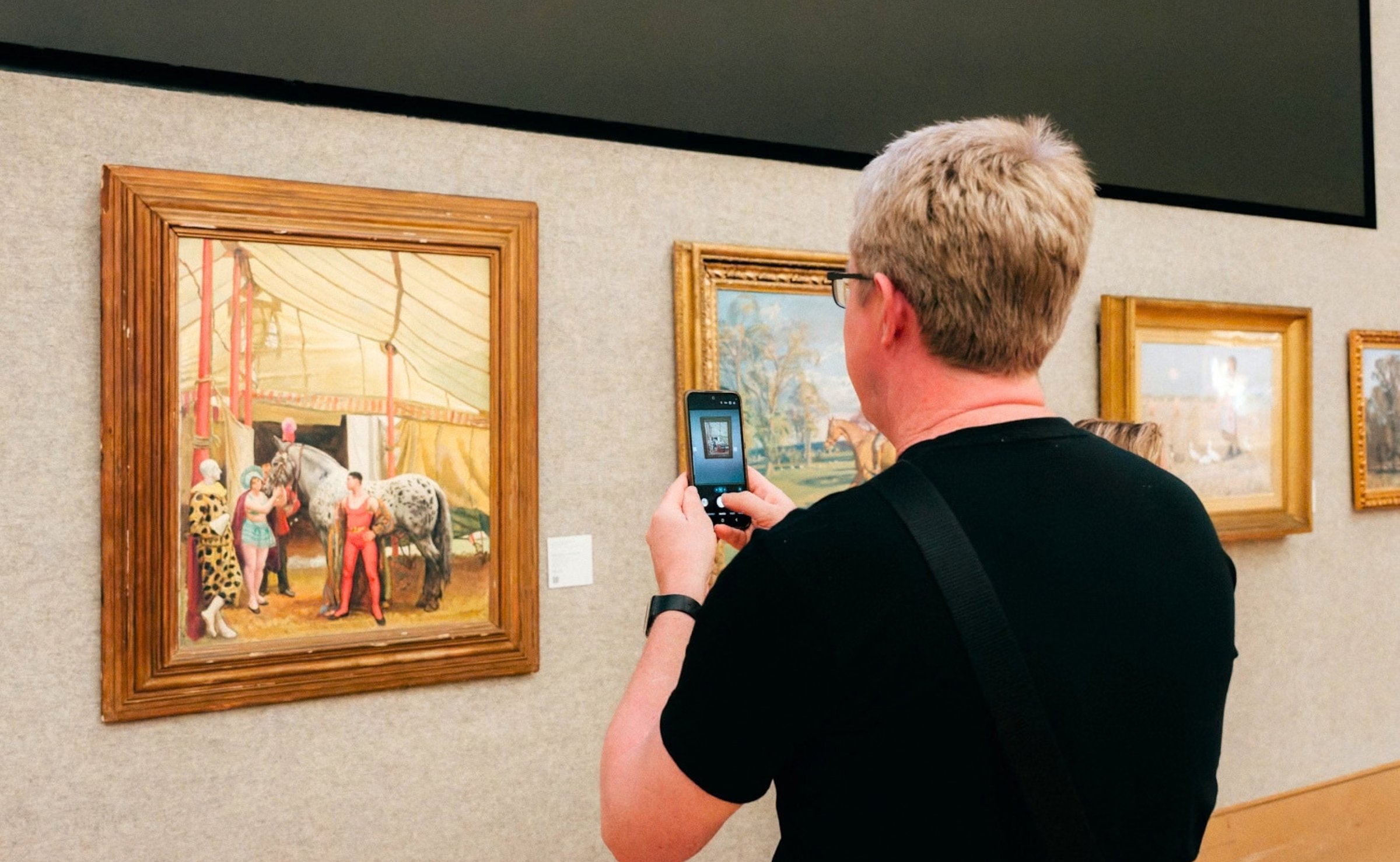
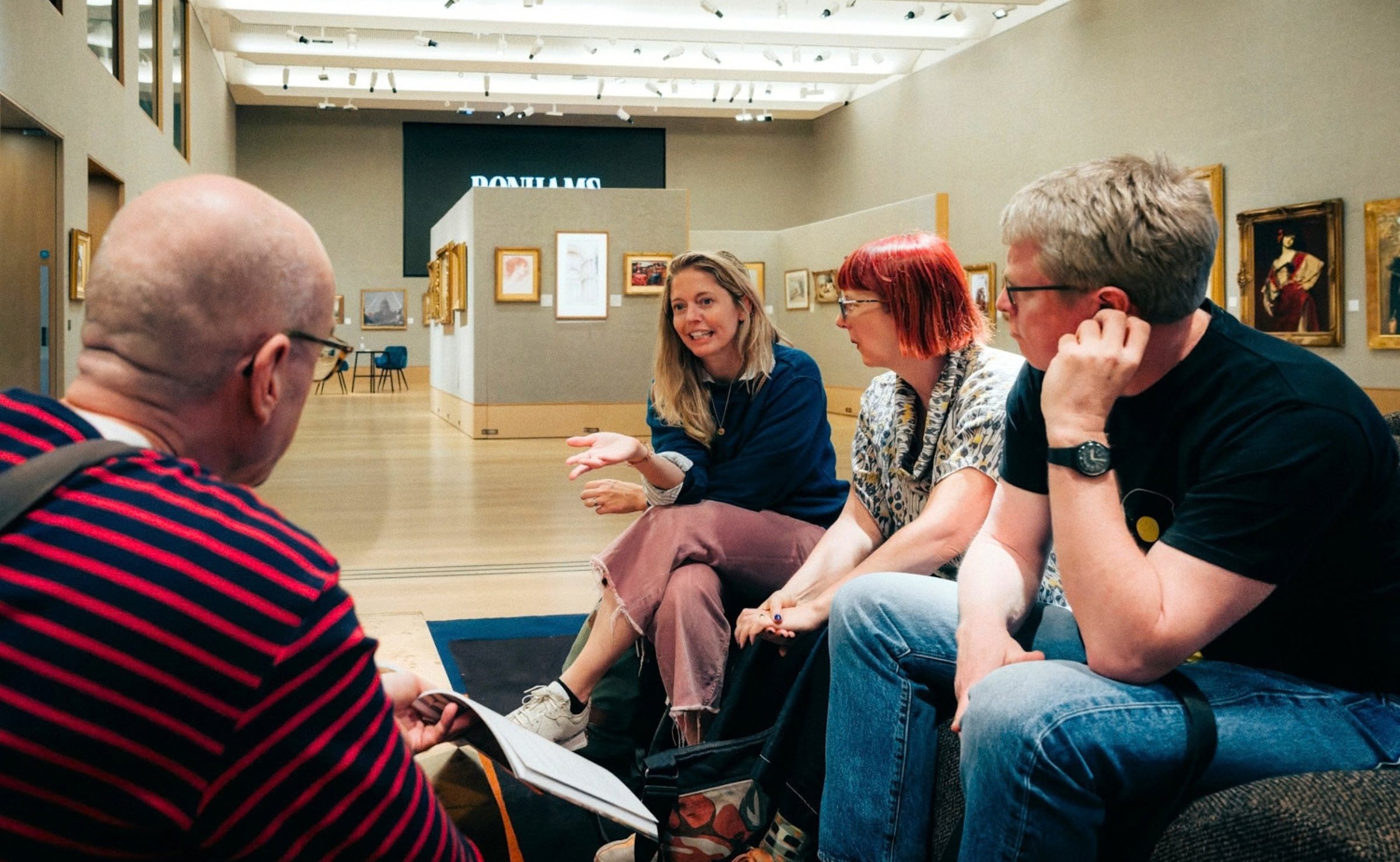
Typically, we begin this art tour of London with a basic background on the British passion for collecting and London's historical and contemporary role in the luxury market. Next, we'll introduce the history of Phillips and Bonhams, the auctioneers, and visit some of Bonhams' salesrooms to consider the current exhibition. Here, we may discuss how prices are determined and the role of the auctioneer in the success of a sale.
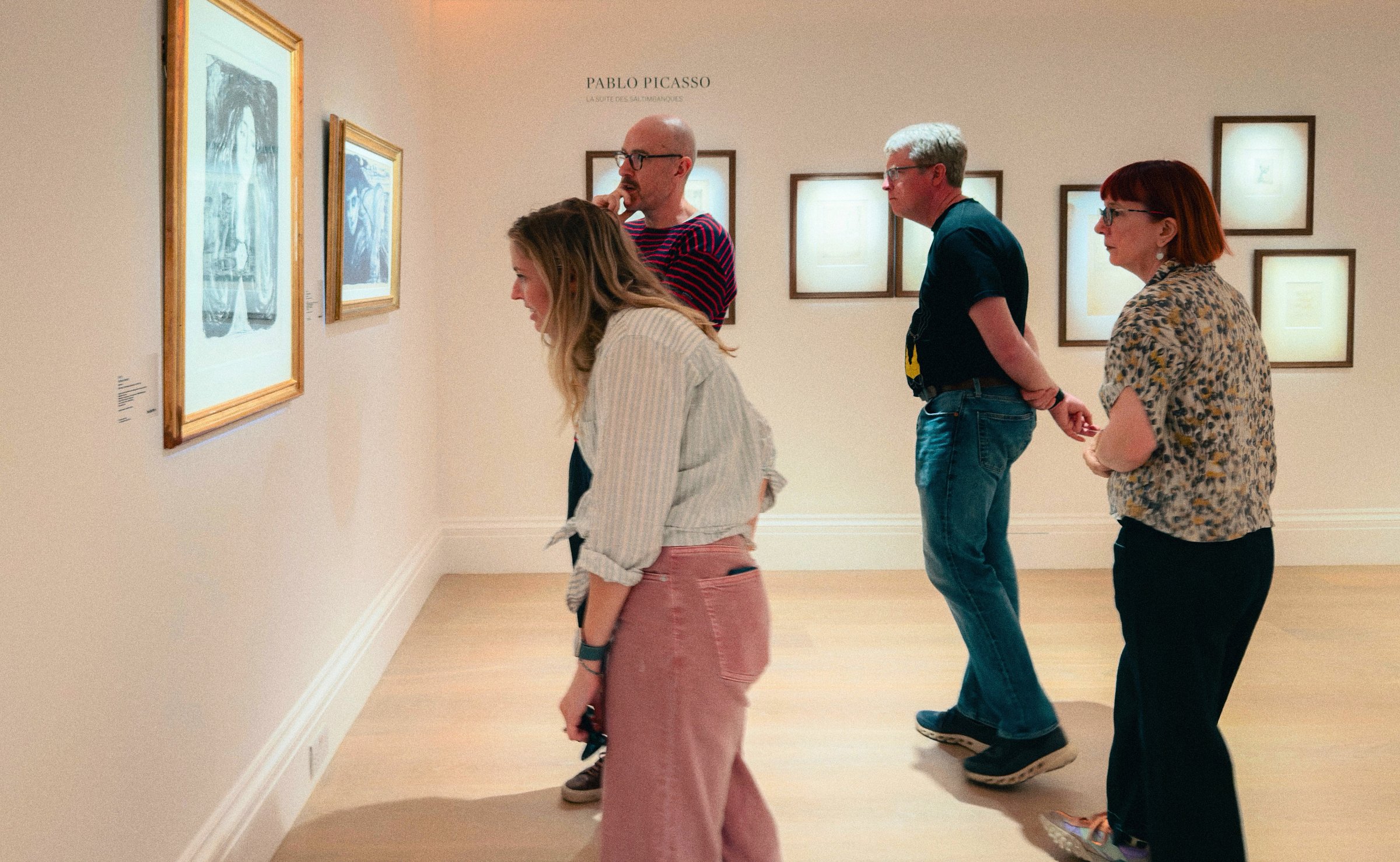
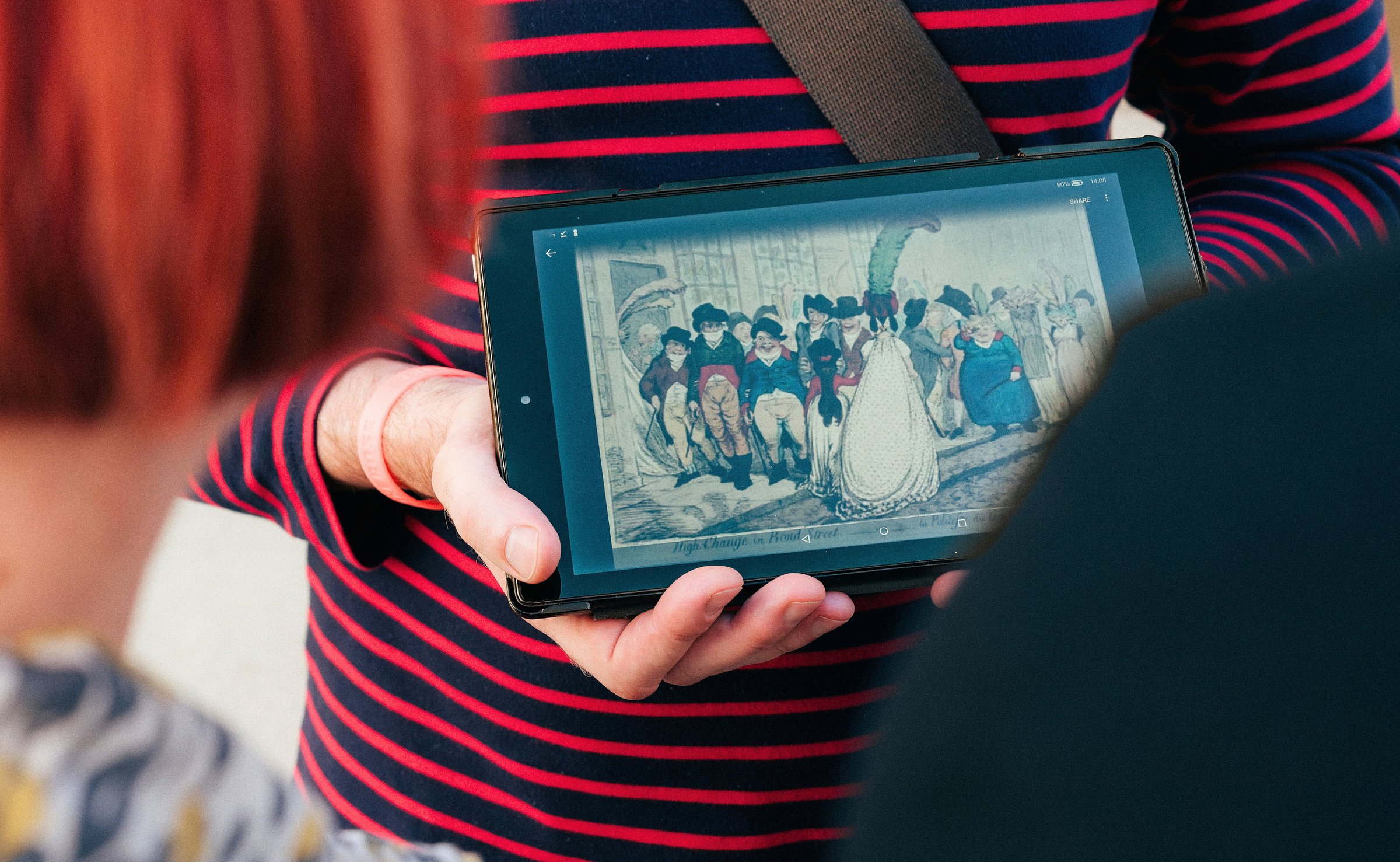
Our discussion will take us to the Fine Art Society and the Royal Academy, where we'll engage in a discussion on the key players of the art world from the 18th century until today. We will contemplate the arbiters of style and fashion -from Beau Brummell to Saatchi and Jay Jopling- and how they can make or break the fortune of an artist.
Our discussion will take us to the Fine Art Society and the Royal Academy, where we'll engage in a discussion on the key players of the art world from the 18th century until today. We will contemplate the arbiters of style and fashion -from Beau Brummell to Saatchi and Jay Jopling- and how they can make or break the fortune of an artist.
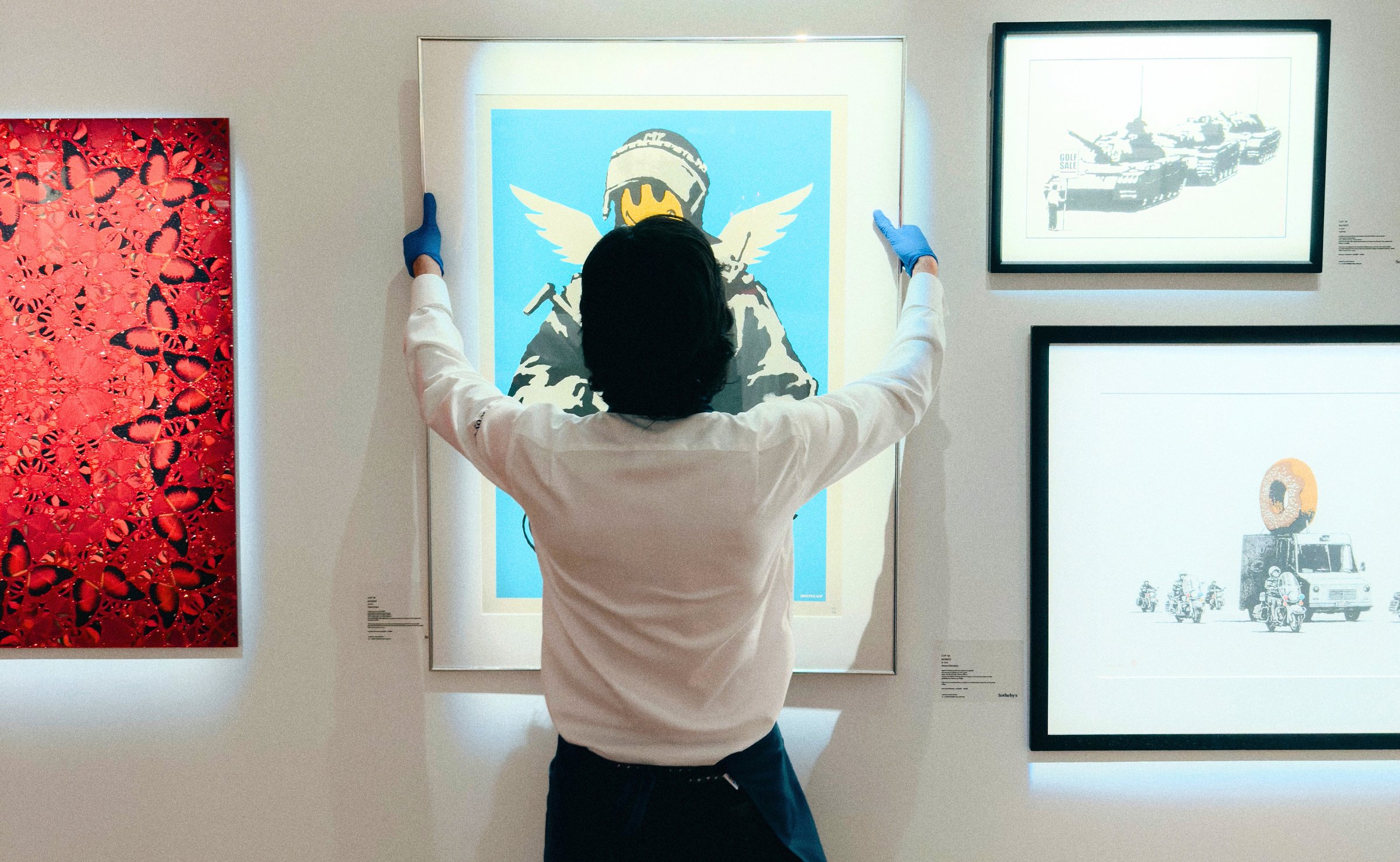
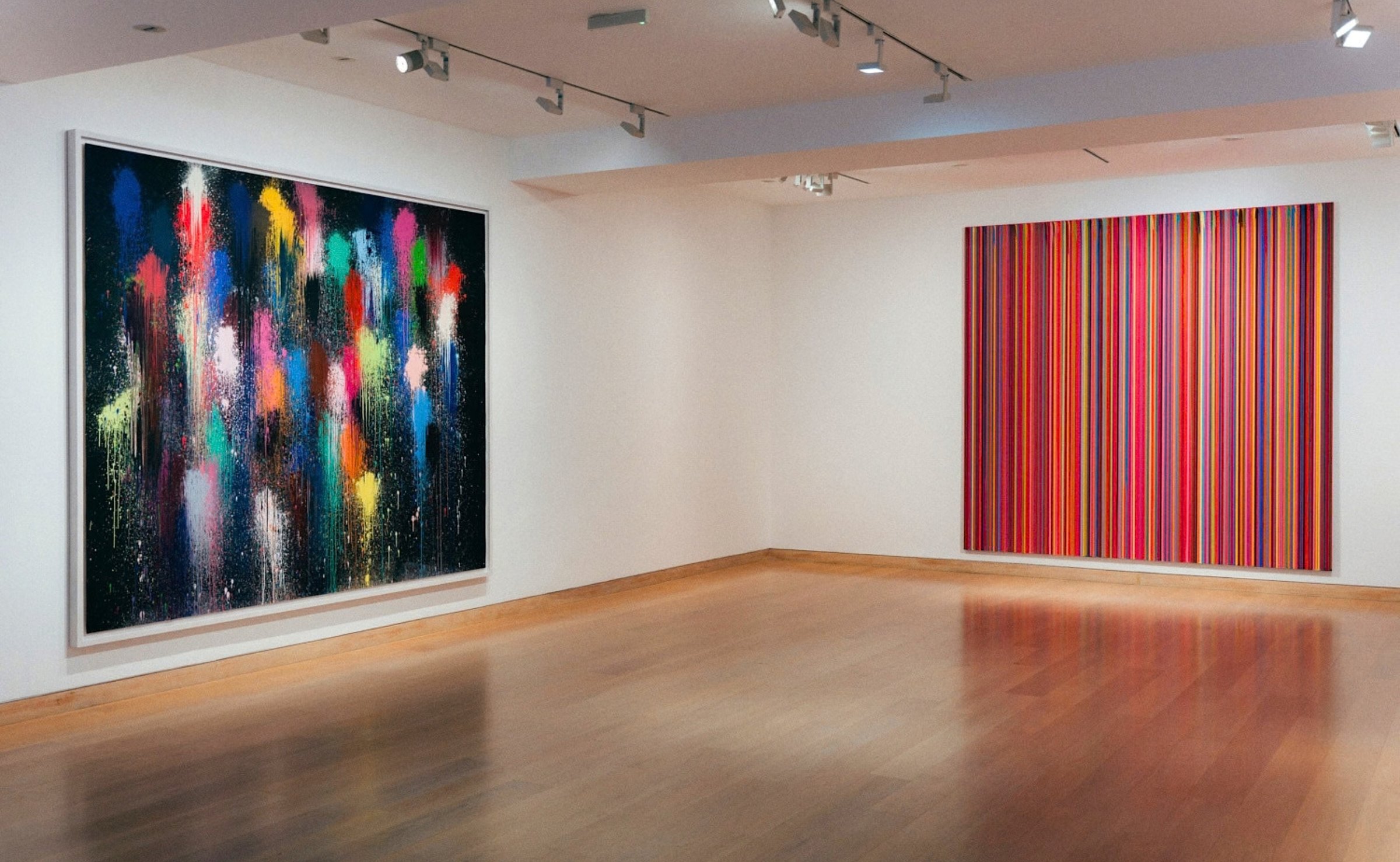
Our walk will conclude with a visit to two of London's art institutions: Christie's and the White Cube Gallery. We'll discuss contemporary art and how a gallery like White Cube has contributed to Damien Hirst's becoming one of the highest-earning artists in the world.
Takeaways
At the end of our time together, we'll have a better understanding of how London’s art world functions, exploring the various ways in which art and antiques are bought and sold. We will also get the chance to visit some of the city’s most prestigious commercial galleries and auction houses, and see some important artworks and objects rarely on public view.
This walk is a good complement to our British Museum and Tate Modern tour.
This walk is a good complement to our British Museum and Tate Modern tour.



Meet the Experts

Where You’ll Go
From iconic landmarks to tucked-away local favorites, these are the places you’ll explore and experience firsthand with your Expert.
-
White Cube Gallery
-
Bonhams
-
Christie's
-
Royal Academy of Arts
-
Fine Art Society
What’s Included As Standard
Here’s a look at what your tour covers, plus anything you’ll want to consider arranging separately, so you can plan with confidence.
Included
-
English-speaking expert guideTours led in English, offering you unbroken understanding throughout.
-
Intentionally sized groupsA smaller group means more time for conversations and questions.
-
Tickets and entrance feesAll entry tickets included (unless clearly stated otherwise).
-
HeadsetsHeadsets are included on tours that need them, so every word can be heard.
Not Included
-
GratuitiesTips aren’t included, but we encourage tipping as a way to thank your guide after your experience.
-
Food and drinkUnless booking a Food & Drink tour or tasting experience, refreshments are not included.
-
Transportation to and from the meeting pointUnless noted, pre- and post-tour transport isn’t included - this service can be added by request.
-
Hotel pickup or drop-offUnless noted, travel to or from accommodation isn’t included - this service can be added by request.
Where You'll Explore
Make the Most of Your Tour
Some helpful advice for getting the most from your experience, from practical prep to small on-the-day tips.
Dos:
- Wear comfortable footwear
- Check the weather and dress appropriately
- Bring a bottle of water (no glass)
- Feel free to ask your Expert anything
Don'ts:
- Bring firearms or weapons
- Bring sharp objects (e.g. knives, swiss army knives, switchblades, hiking sticks)
- Dress inappropriately to enter religious sites or sacred monuments
Any questions? You can always
contact us.
Don’t just take our word for it
Alan was fantastic, it was great to have an insider view of London's art market and its evolving history. He encouraged our engagement with the art and explained the way it all works. A side of London most people would otherwise miss.
Wonderful! My guide was truly an insider, with years of academic and professional investment in the London Art world. I have a good sense of the players and current market trends, and will now try an auction or two with confidence!
Let Your Curiosity Shape Your Journey
Join passionate experts on intimate walking tours that reveal a city’s unique stories, spark conversations, and leave you seeing the world—and yourself—a little differently.
Structured, never scripted
Your interests guide your Expert, leading to stories and perspectives that matter to you.
Crafted for conversation
With 12 or fewer guests, ask questions, engage with your Expert, and fully immerse yourself.
Experts, not guides
Explore with 1,200+ Experts—from historians and architects to archaeologists and chefs.
Related experiences our customers also loved



London Art Market Tour
Why does one artwork sell for thousands and another for millions? The answer is rarely just artistic quality. On this London art market tour, auction houses and commercial galleries become a way to understand the forces that assign value to art: provenance, condition, rarity, fashion, critical reputation, collector demand, and the influence of dealers, auctioneers, and institutions. The three-hour walk takes place through Mayfair and St. James’s, where some of London’s most important auction houses and galleries have operated for generations. Depending on current exhibitions and sales, the route may include institutions such as Bonhams, Christie’s, the Royal Academy, and commercial galleries. The goal is not simply to see art that happens to be for sale. It is to understand the machinery around it. Who decides what a work might be worth? Why can an estimate change? How does a collector’s name affect value? And how do taste-makers help turn an artist into a market phenomenon?
An auction estimate is not a prediction pulled from a formula. Specialists look at factors such as the artist or maker, rarity, condition, provenance, exhibition history, current demand, and recent prices for comparable works before assigning a range. Christie’s describes the estimate as a specialist’s expectation of what a lot may achieve under current market conditions.
That estimate is only the beginning. A seller may also agree to a confidential reserve, the minimum price at which the work can be sold. The reserve normally sits at or below the published low estimate.
Then the auction introduces something much harder to quantify: competition. Two bidders may want the same object for entirely different reasons. A newly documented provenance may change how collectors perceive a work. A museum exhibition can revive interest in an artist. Fashion can move quickly.
That is why auction prices are useful evidence about the art market, but not necessarily objective statements of artistic importance. The market measures what buyers are prepared to pay at a particular moment.
Provenance is the documented history of an artwork’s ownership. At its simplest, it answers the question: where has this object been, and who has owned it?
That history can affect value for several reasons. A strong chain of ownership can support attribution and authenticity. A connection to an important collector can increase historical interest. Exhibition history may show that the work has long been recognized by scholars or institutions.
Provenance can also expose problems. Gaps in ownership history may require further research, particularly for objects that changed hands during periods of war, colonial expansion, political upheaval, or illicit excavation.
This is one reason auction catalogues contain far more than dimensions and estimates. They may include ownership histories, literature, exhibitions, condition information, and scholarly attribution before a work reaches the saleroom. Christie’s notes that provenance and exhibition history are among the factors specialists consider when assessing a lot.
Learning to notice those details changes the way you look at both auctions and museums. The object is only one part of the story. Its movement through the world matters too.
A museum asks what should be preserved, interpreted, and displayed. An auction house asks what can be sold, to whom, and at what price.
Those are very different systems, even though the same artist might appear in both.
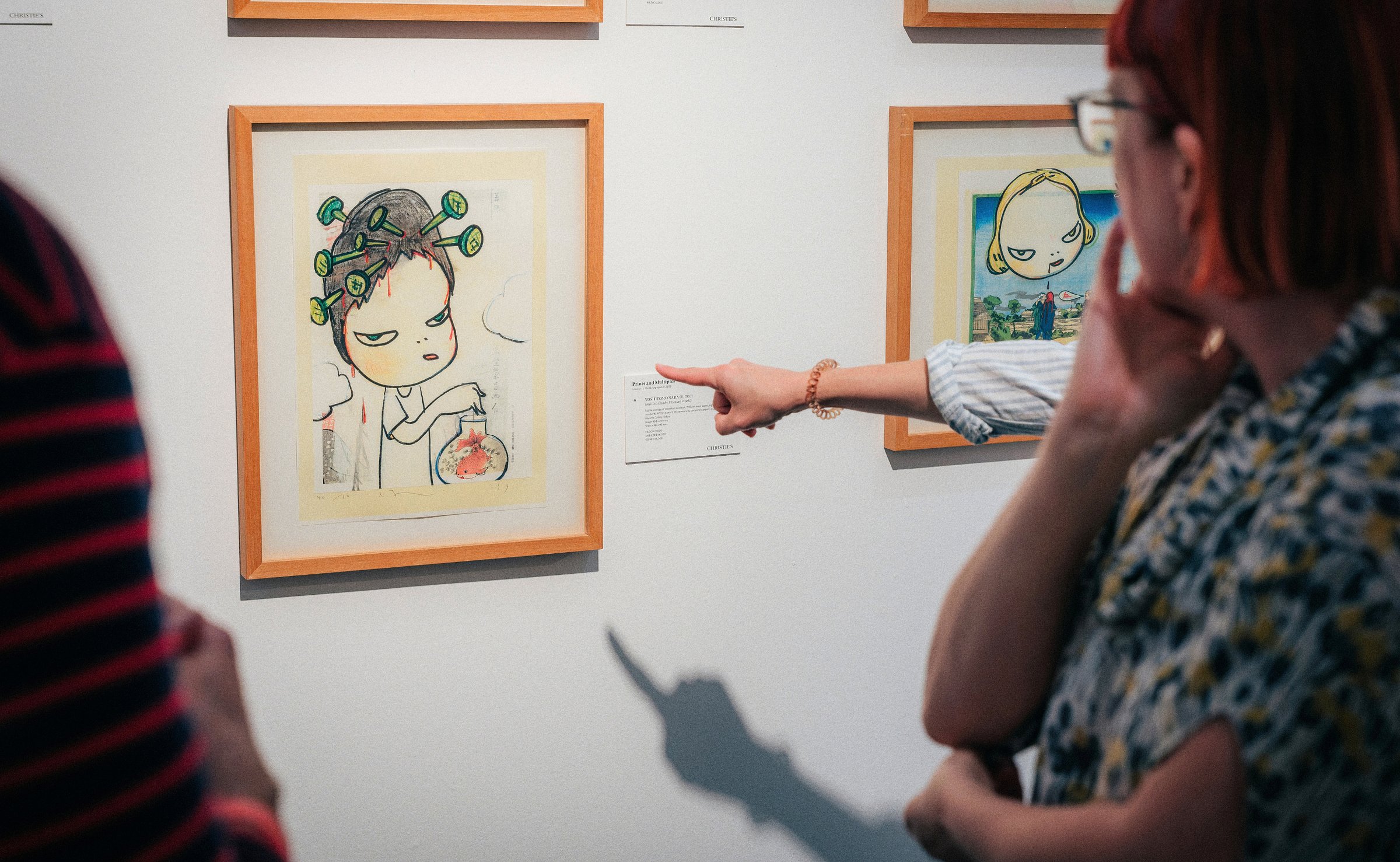
At an auction house, works are usually shown before a sale so prospective buyers can examine them in person. Specialists research and catalogue each object, estimates are published, and bidders compete until the highest acceptable bid is reached.
That temporary quality makes an auction preview especially interesting. A painting you see in London today may enter a private collection next week and disappear from public view for decades.
That is what makes this tour distinct from Context’s Tate Modern Tour or British Museum Tour. Those experiences use permanent or long-term collections to explore art history and material culture. This tour looks instead at the commercial system surrounding art: how objects circulate, how markets create value, and how collectors, galleries, and auction houses influence taste. This tour is a complement to our museum experiences.
Can anyone visit London auction houses?
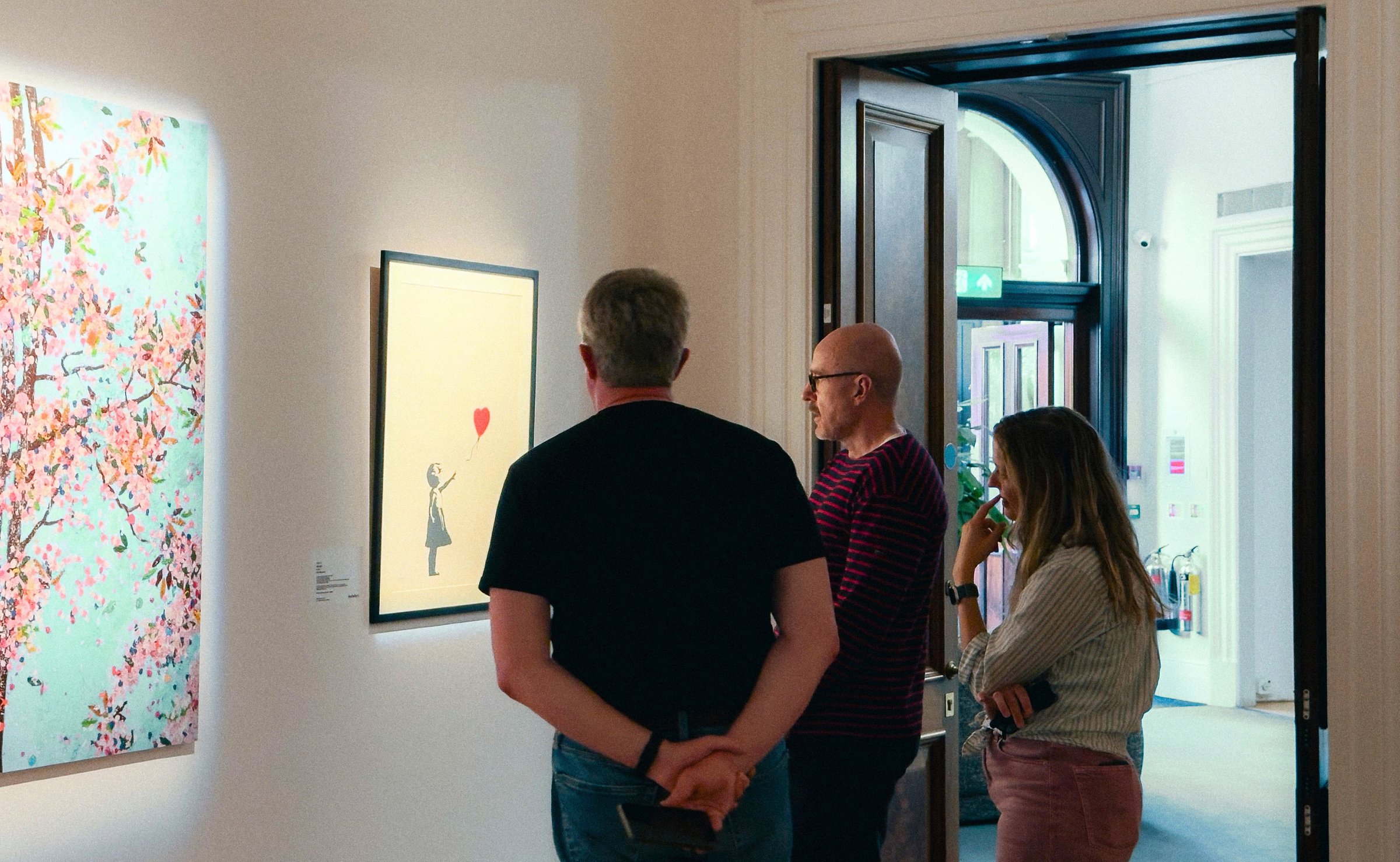
Many major auction houses hold public pre-sale exhibitions, allowing visitors to see works before they are auctioned. Access varies according to the sale calendar, exhibition schedule, and individual venue, which is one reason the exact route of this tour changes according to what is currently on view.
Do you have to be buying art to visit an auction preview?
No. Pre-sale exhibitions are often open to the public, although individual sales and events may have different access requirements.
You do not need to intend to bid in order to learn from the objects, catalogues, specialists, and exhibition displays.
What is the difference between an auction estimate and a reserve?
The estimate is the published price range specialists expect a lot may achieve.
The reserve is the confidential minimum price the seller has agreed to accept. It is typically no higher than the low estimate.
What is the hammer price?
The hammer price is the winning bid when the auctioneer closes bidding on a lot. It is not necessarily the final amount the buyer pays. A buyer’s premium and potentially taxes, shipping, and other charges may be added afterward.
What is a buyer’s premium?
A buyer’s premium is a fee charged by the auction house in addition to the hammer price. The exact rate varies by auction house, sale location, category, and price level, so it should not be confused with the amount announced when the hammer falls.
Why are so many auction houses in Mayfair and St. James’s?
These neighborhoods have long been associated with wealthy collectors, dealers, galleries, clubs, and luxury commerce. Christie’s, for example, has occupied its King Street headquarters in St. James’s since 1823, after James Christie held his first London sale in 1766.
That concentration helped create an ecosystem in which auction houses, dealers, galleries, and collectors could operate within a relatively small part of central London.