London’s landmarks are familiar long before most travelers arrive. Big Ben, Buckingham Palace, the
Tower of London, and St. Paul’s Cathedral appear in films, history books, and news reports around the world. Seeing them in person is memorable, but understanding how they relate to one another is much harder.
This private London half-day tour connects the ceremonial and political landmarks of Westminster with the older commercial heart of the City of London. Moving on foot and by public transport, you’ll see how monarchy, Parliament, religion, trade, destruction, and rebuilding shaped two distinct centers of power.
The experience is designed for travelers who want to cover substantial ground without reducing London to a series of photographs. By the end, its famous landmarks belong to one larger story.
Why Take a London Half-Day Tour?
Half a day is enough to see many of central London’s defining sights, but only when the route is carefully planned.
The capital is large, crowded, and divided into neighborhoods that developed for very different purposes. Trying to connect Westminster, Buckingham Palace, the Tower of London, and St. Paul’s independently can consume valuable time in navigation, transit decisions, and backtracking.
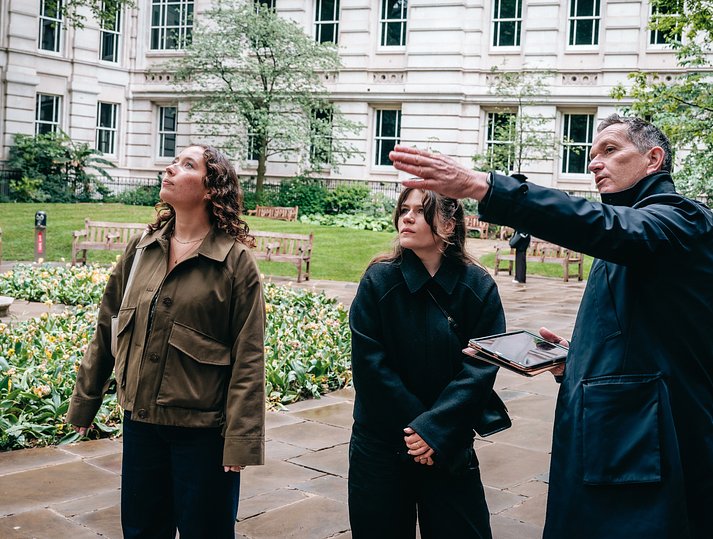
A guided half-day London tour makes that time more productive. Your Context Expert manages the route and pace while explaining why each district looks and functions differently.
Rather than attempting to enter every landmark, the tour uses exteriors, streets, public spaces, and city views to establish the big picture. That makes it particularly valuable for first-time visitors, short stays, or travelers who want a clear introduction before returning to individual sites later.
What Will You See on This London Highlights Tour?
This London highlights tour crosses the capital from Westminster to the City of London, bringing together several of its most recognizable landmarks.
The precise route may vary according to transport, demonstrations, ceremonies, road closures, and conditions on the day.
Parliament Square and Big Ben
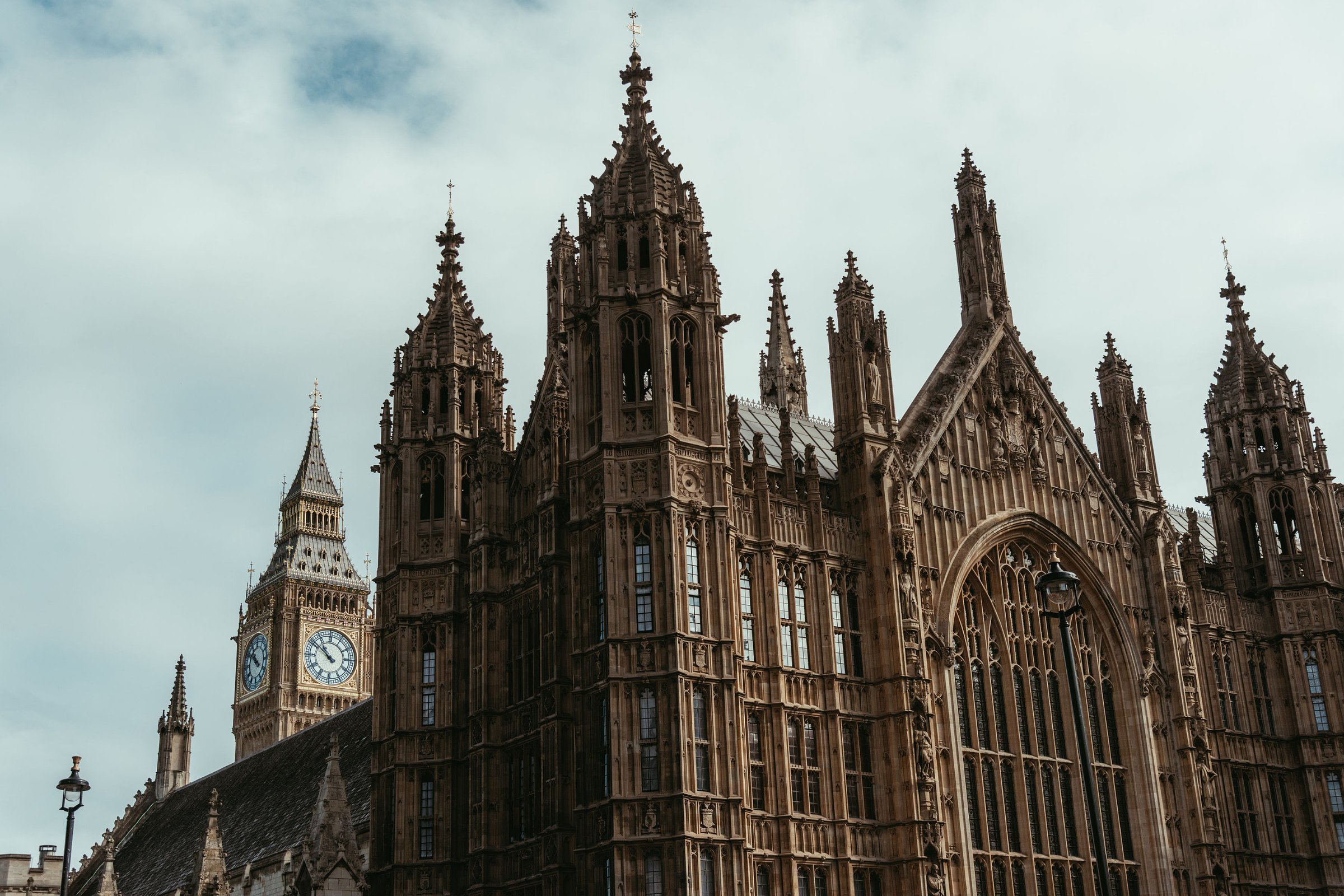
The experience begins around Parliament Square, where Westminster Abbey, the Houses of Parliament, and Big Ben occupy one compact but politically charged setting.
Your Expert explains how monarchy, church, and parliamentary government developed beside one another, and why this area remains the stage for state ceremonies, public protest, political debate, and national remembrance.
The buildings are viewed from the outside, allowing the tour to focus on how their histories and public roles intersect.
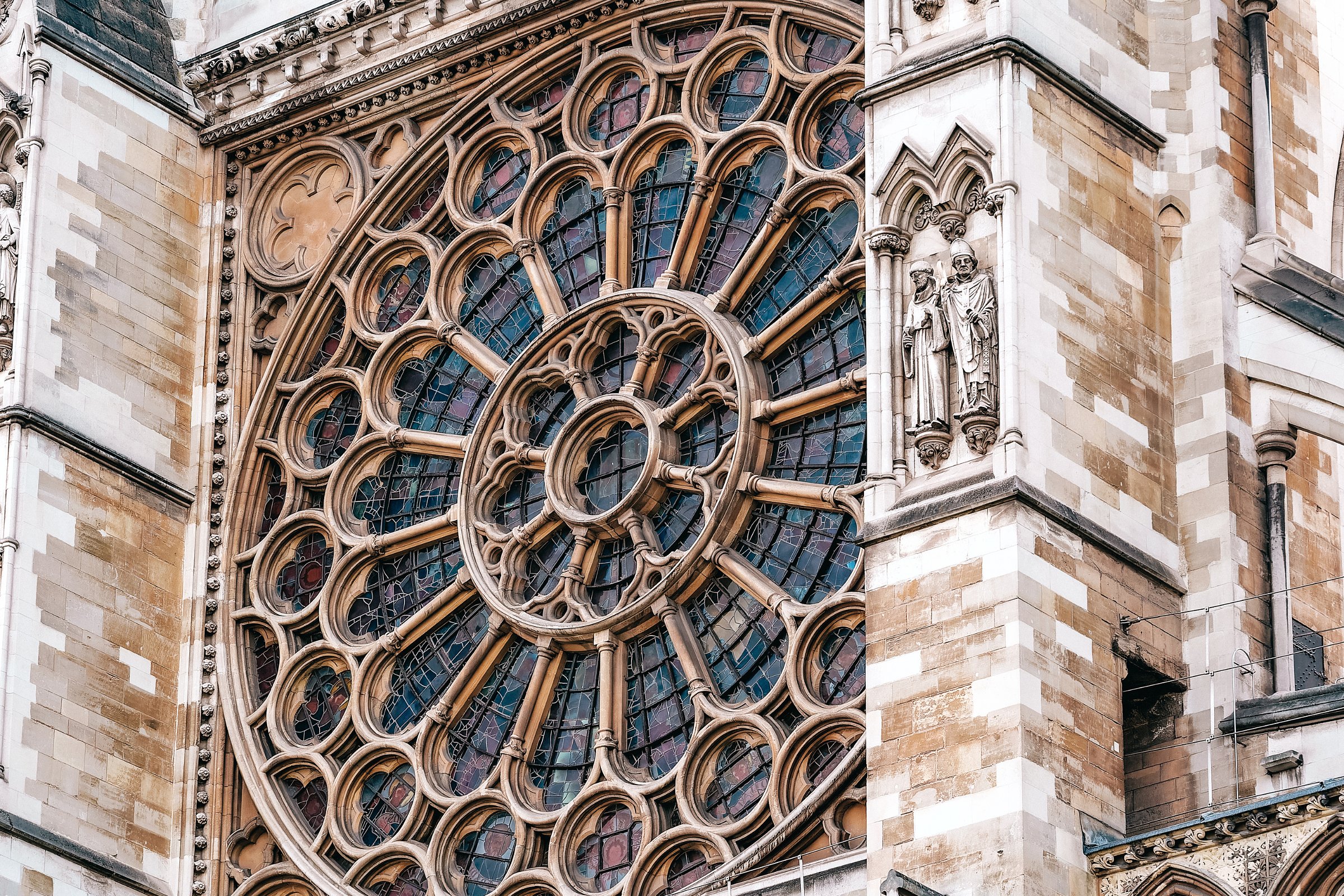
Westminster Abbey
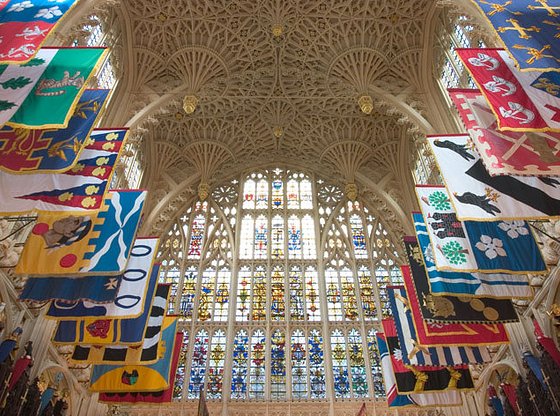
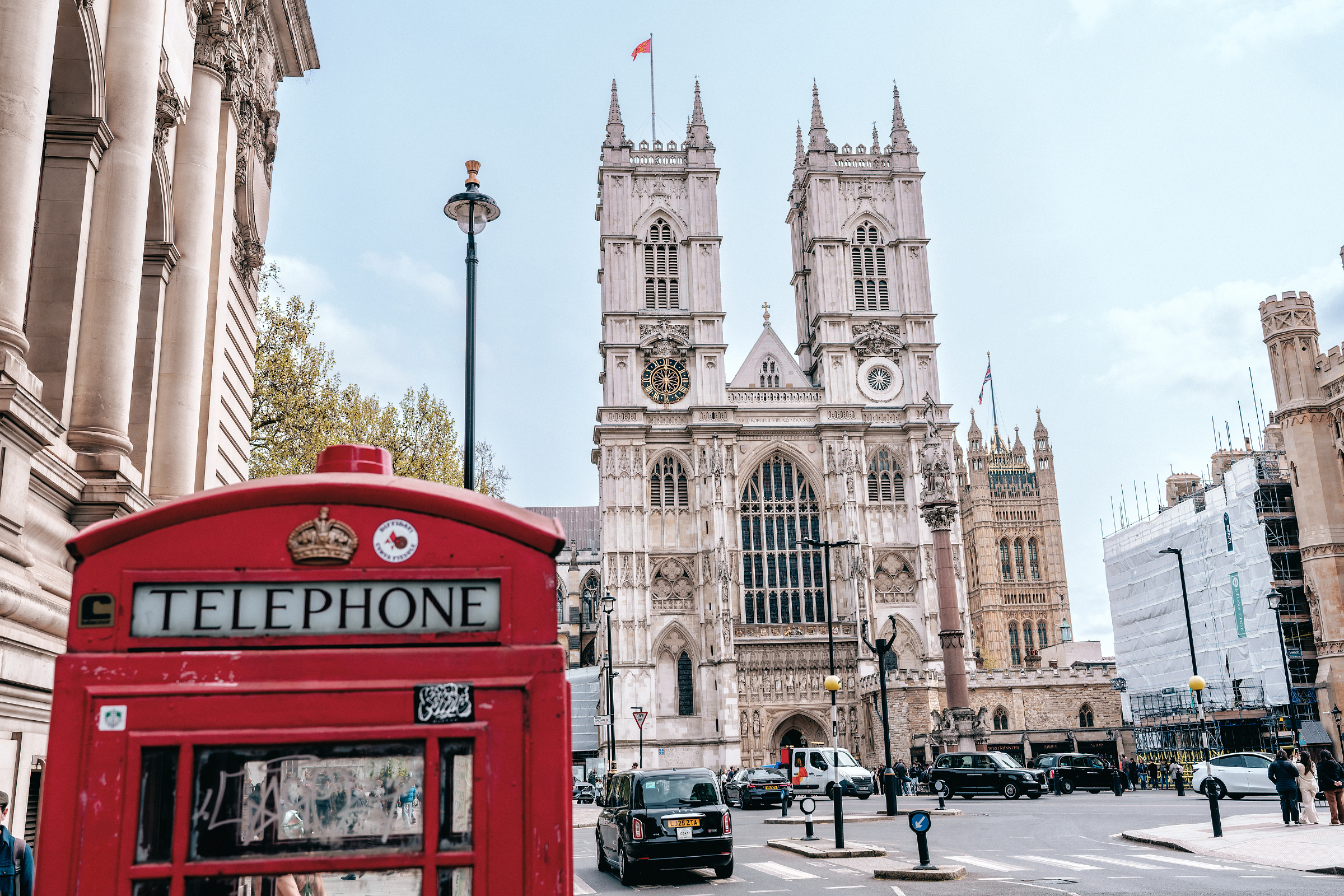
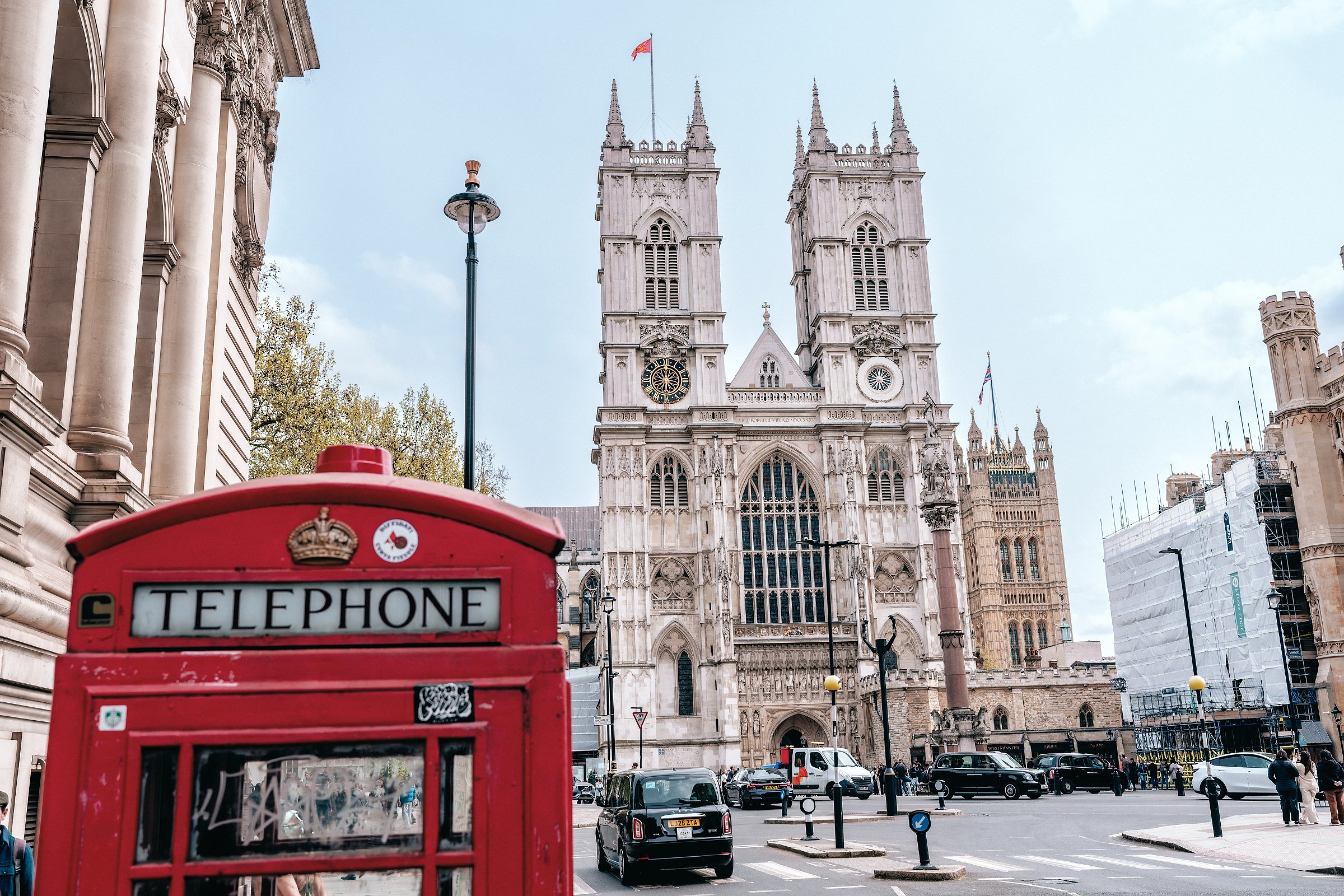
Westminster Abbey has served as the coronation church of English and British monarchs since 1066.
Although the tour does not enter the Abbey, its exterior provides a starting point for discussions of royal legitimacy, religious authority, national ritual, and collective memory. Coronations, weddings, funerals, and memorials have all helped establish Westminster as Britain’s ceremonial center.
Seeing the Abbey within its wider setting also makes clear how closely religious and political power developed in this part of London. Want to spend more time learning about the Abbey's history? Check out our
Westminster Abbey Tour.St. James’s and Buckingham Palace
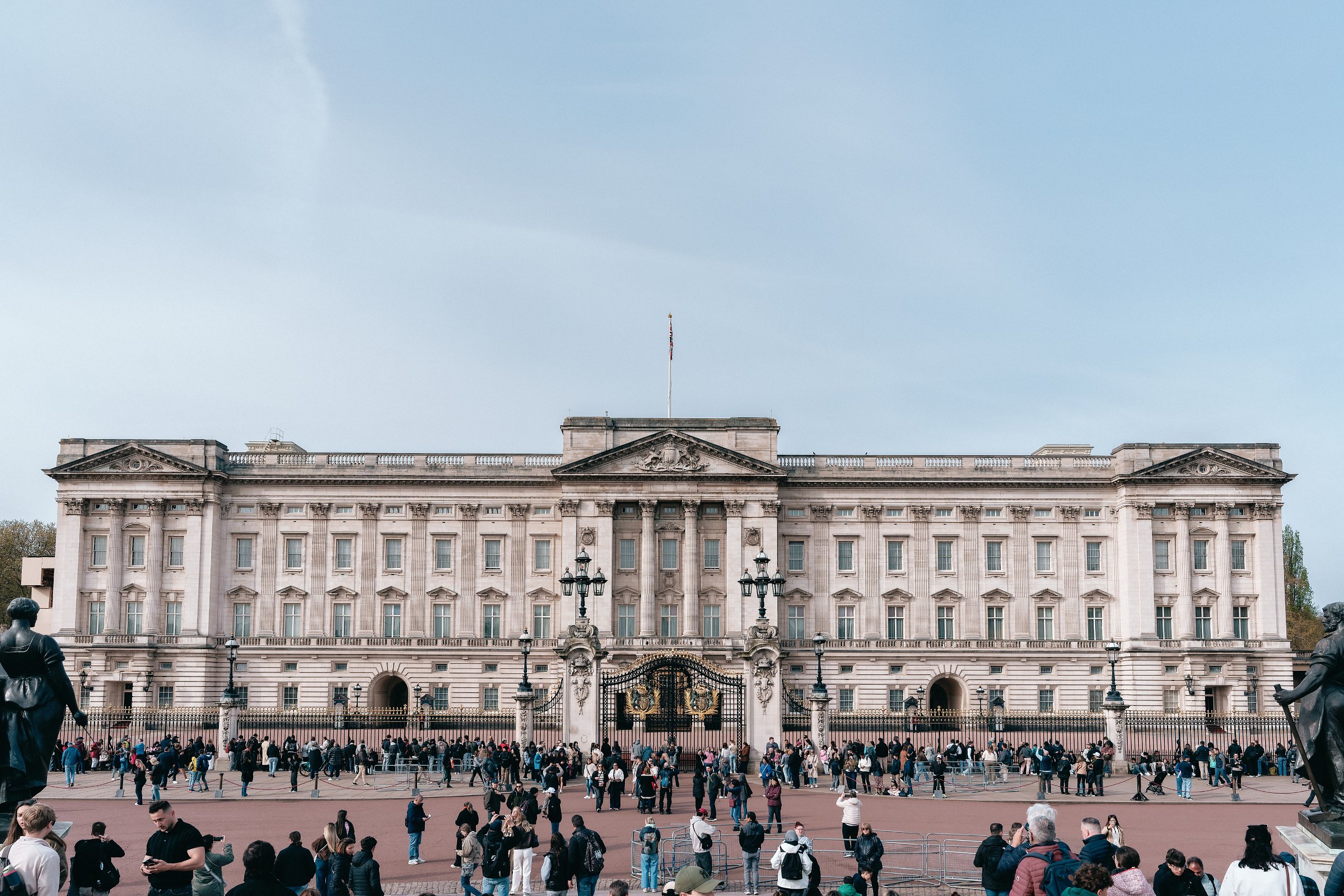
The route continues through royal London, potentially passing St. James’s Park, St. James’s Palace, Horse Guards Parade, and Buckingham Palace.
This part of the walk reveals how royal authority is expressed through architecture, processions, guards, gates, balconies, and carefully planned public spaces.
Buckingham Palace is viewed from outside. The emphasis is not simply on the building itself, but on how the modern monarchy presents itself to the public and how ceremony continues to shape the surrounding district.
Traveling Across London
A short journey by Tube or bus connects Westminster with the City of London.
For first-time visitors, this is also a practical introduction to moving around the capital. Your Expert handles navigation and helps the transition feel like part of the experience rather than an interruption.
The journey emphasizes that London did not develop around one single center. Westminster became the seat of monarchy and government, while the City evolved as a center of trade, finance, civic authority, and religious life.
Tower of London
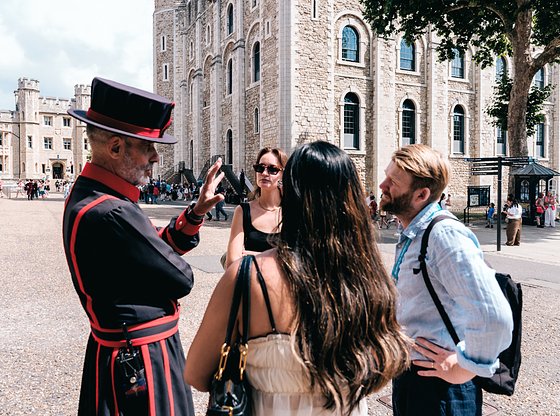
Beside the Thames, the Tower of London marks the eastern side of the route.
Viewed from outside, its walls demonstrate how medieval rulers used architecture, river access, and military force to control the city. The Tower has served as a fortress, palace, prison, treasury, and symbol of royal authority.
Its location also helps explain the importance of the Thames to London’s defense, commerce, communication, and growth.
Roman London and the Great Fire
The streets of the City compress nearly two thousand years of history into a small area.
Fragments of Roman walls, medieval street patterns, church towers, gardens, and modern offices exist within a few minutes of one another. Your Expert helps identify what remains from earlier Londons and why so much of the city has repeatedly been rebuilt.
Near the Monument, the Great Fire of 1666 becomes a turning point. The disaster destroyed much of the medieval City and created the conditions for new architecture, new regulations, and a different urban skyline.
St. Paul’s Cathedral
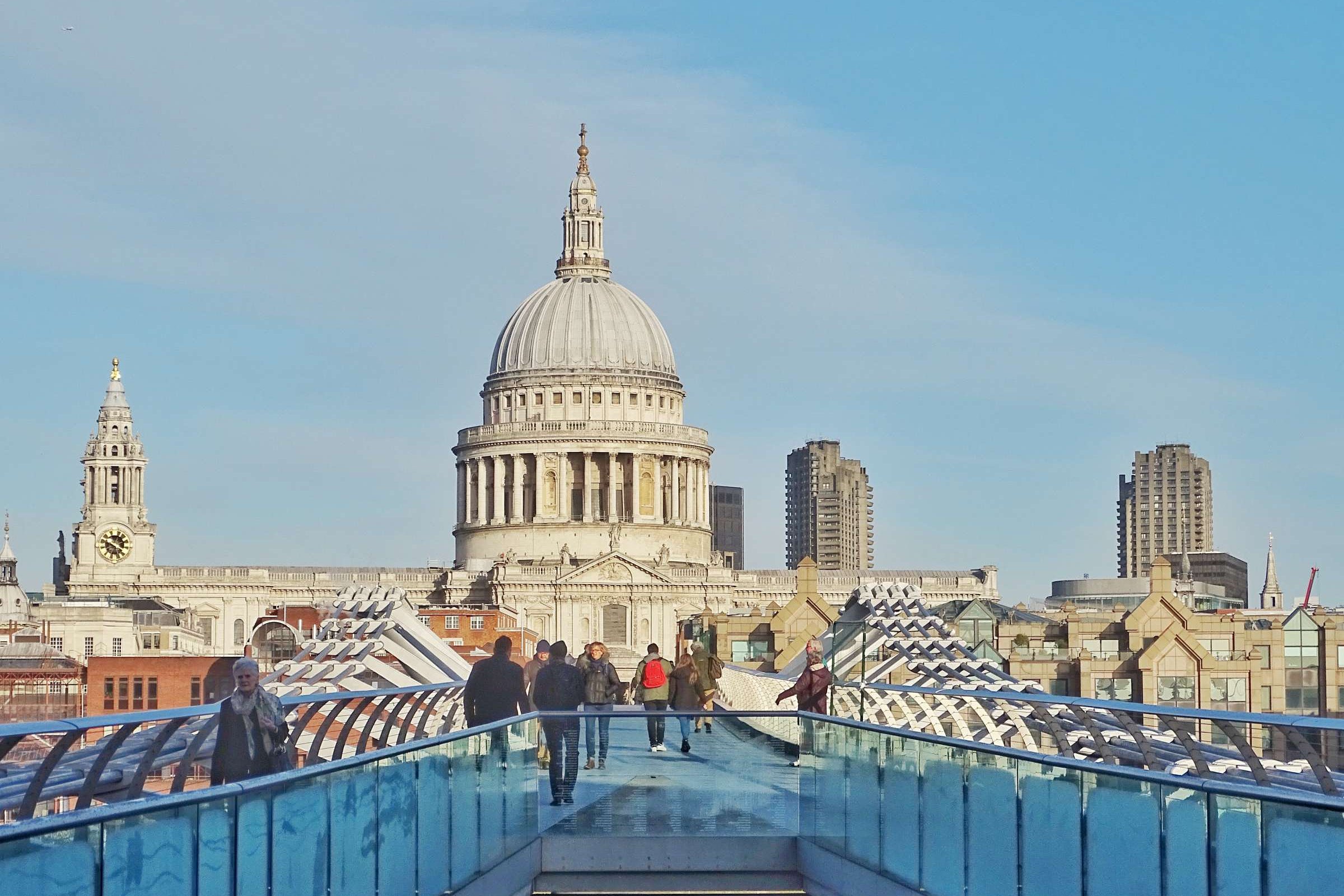
The tour concludes beneath the dome of St. Paul’s Cathedral.
Designed by Christopher Wren after the Great Fire, St. Paul’s represents both religious authority and London’s capacity for renewal. Its dome has become one of the city’s defining silhouettes, surviving industrialization, wartime bombing, and the rise of the modern financial district around it.
The cathedral is viewed from the outside, where its scale and relationship to the surrounding streets are most apparent.
Why Does London Have Two Historic Centers?
London is unusual because its political and commercial centers developed separately.
Westminster became associated with monarchy, Parliament, royal ceremony, and national government.
The City of London, often called simply “the City,” retained its own civic institutions and became a center of trade, finance, religious authority, and commercial power.
This division still shapes London today. The journey from Parliament Square to St. Paul’s is therefore more than a route between attractions. It is a movement between two different ideas of power.
Understanding that distinction gives the city a clearer structure and makes future exploration easier.
Can You See London in Half a Day?
You cannot experience all of London in half a day, but you can see a meaningful selection of its most important landmarks and understand how its central districts fit together.
This itinerary prioritizes breadth and connection over interior visits. It allows travelers to see Westminster, royal London, the Thames, the Tower area, and St. Paul’s within one coherent route.
For visitors with only a few hours available, this offers a substantial overview. For those staying longer, it provides an informed foundation for choosing which landmarks, museums, and neighborhoods deserve a return visit.
Is a London Highlights Tour Worth It?
A highlights tour is useful when you want more than a list of famous sights but do not have a full day to devote to orientation.
Seeing London independently is possible, but familiar landmarks can remain disconnected. Big Ben represents Parliament, Buckingham Palace represents monarchy, the Tower represents medieval violence, and St. Paul’s represents religion—but without context, those associations stay superficial.
A Context Expert connects the institutions, events, and urban changes behind them.
The tour also saves practical time. Instead of planning a route across two parts of London, working out transit, and deciding what can realistically be included, you can concentrate on the experience itself.
Is This a Private London Half-Day Tour?
Yes. The tour is private to your party.
That allows your Expert to adapt the conversation to your interests, whether you are particularly curious about monarchy, politics, architecture, Roman London, the Great Fire, religious history, or contemporary life in the city.
The broad itinerary remains structured because the experience covers a significant distance in a limited period, but the depth and emphasis of the discussion can vary.
Who Is This Tour Best For?
This tour is especially suitable for:
- first-time visitors looking for a broad introduction;
- travelers with only half a day available;
- guests who want to see major landmarks without a full-day commitment;
- visitors who prefer walking and public transit to a bus tour;
- travelers planning to visit individual sites later;
- families, couples, and private groups with varied interests;
- returning visitors who want to understand how central London fits together.
It is best suited to guests who are comfortable walking and using public transport during a moderately active half day.
Frequently Asked Questions
Which London highlights will we see?
The route generally includes views of Westminster Abbey, Big Ben, the Houses of Parliament, Buckingham Palace, the Tower of London, and St. Paul’s Cathedral, along with additional streets and landmarks between them.
Do we enter any of the landmarks?
No. This is primarily an exterior and city-orientation tour. Westminster Abbey, the Houses of Parliament, Buckingham Palace, the Tower of London, and St. Paul’s Cathedral are viewed from outside.
Why doesn’t the tour go inside the sites?
Interior visits would significantly reduce the number of areas that could be covered within a half day. The tour is designed to provide a connected overview of London rather than an in-depth visit to one venue.
Does the tour use the London Underground?
The route usually includes a journey by Tube or bus between Westminster and the City of London. The exact transport used depends on conditions on the day.
Is this a good tour for a first visit to London?
Yes. It gives first-time visitors a practical mental map of central London while explaining the historical relationship between its political, royal, commercial, and religious landmarks.
Is this the same as a London bus tour?
No. This is a private walking and public-transit experience. It covers less physical territory than some panoramic bus tours but provides more opportunity for questions, conversation, and close observation.
Is the tour suitable for children?
Yes, particularly for families whose children are comfortable walking and using public transport. Because it is private, the Expert can adjust the discussion to the group.
%20-%202026-04-20T134741.517.png)
























































%20-%202026-05-18T122730.868.png)