Marrakech’s major historic buildings were designed to communicate much more than wealth.
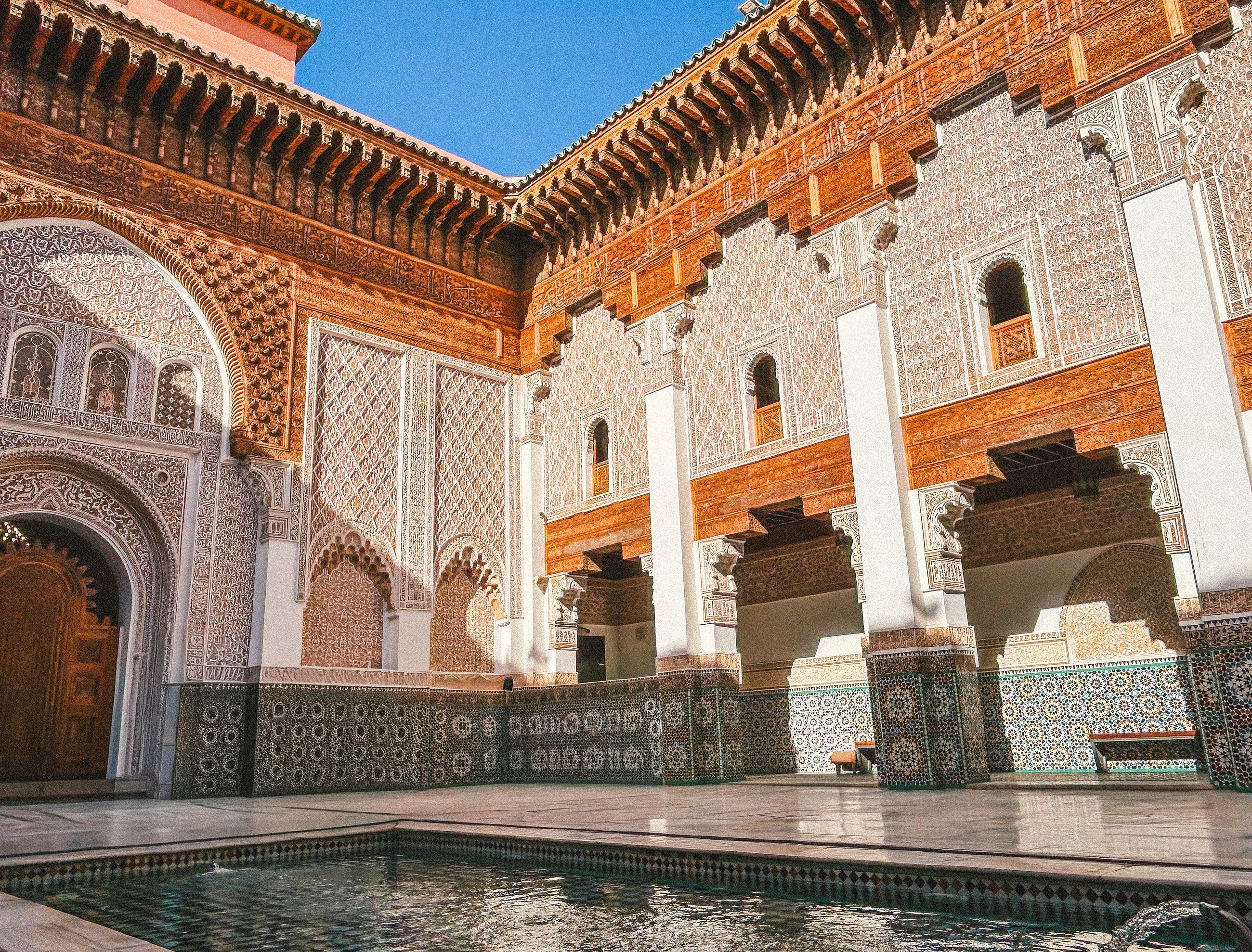
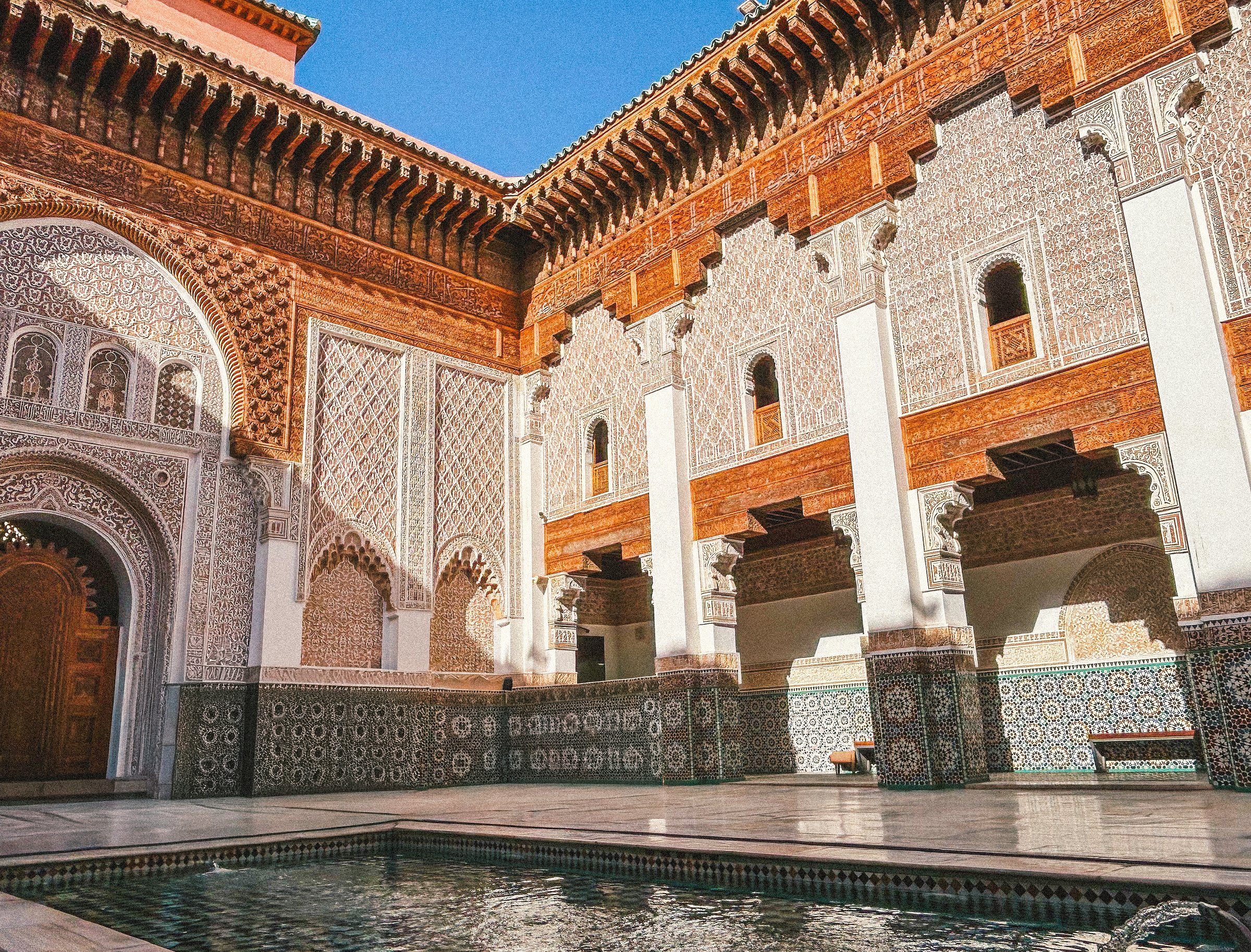
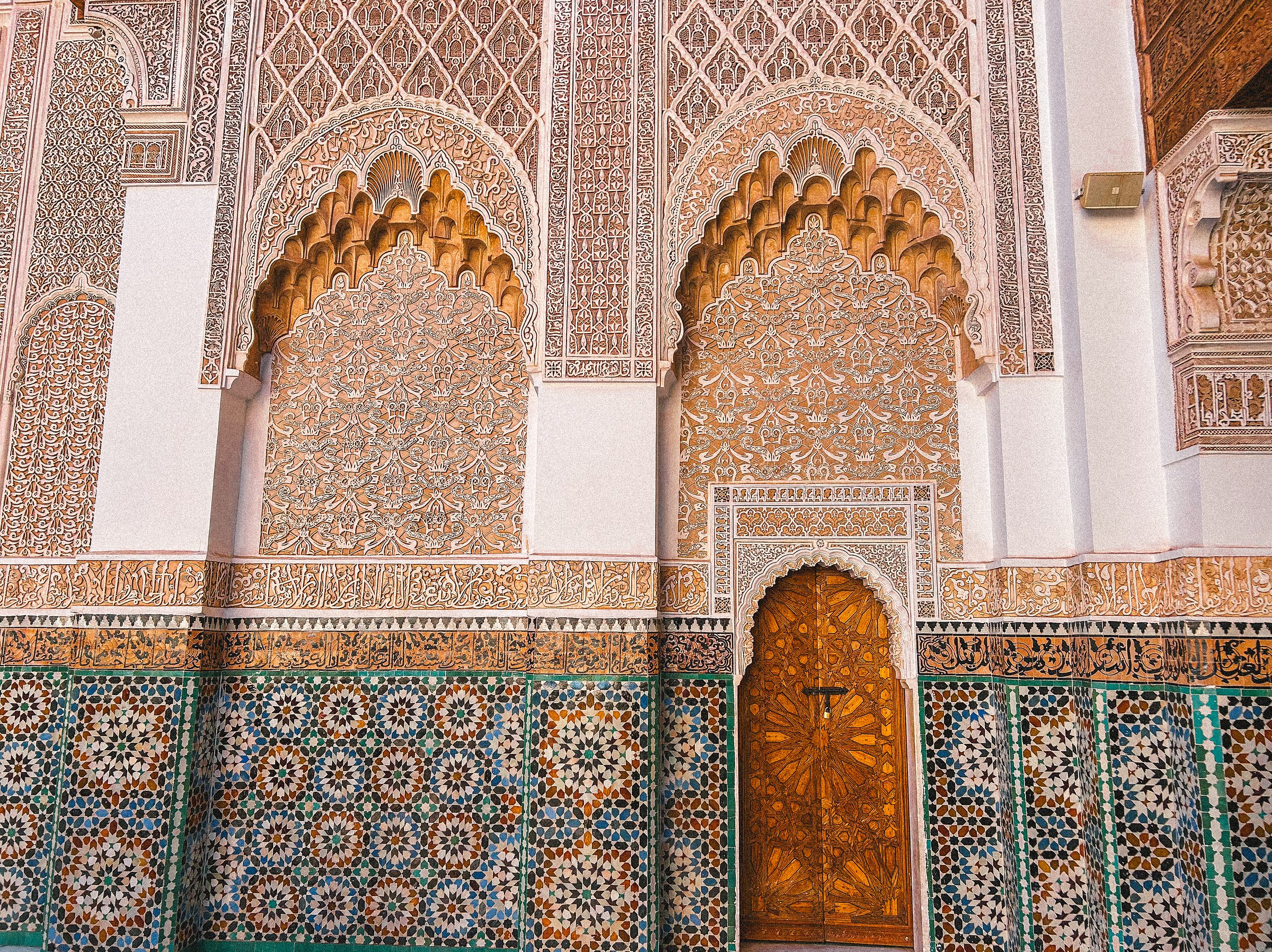
At Medersa Ben Youssef, carved plaster, cedar, calligraphy, and geometric decoration shaped a place of religious learning.
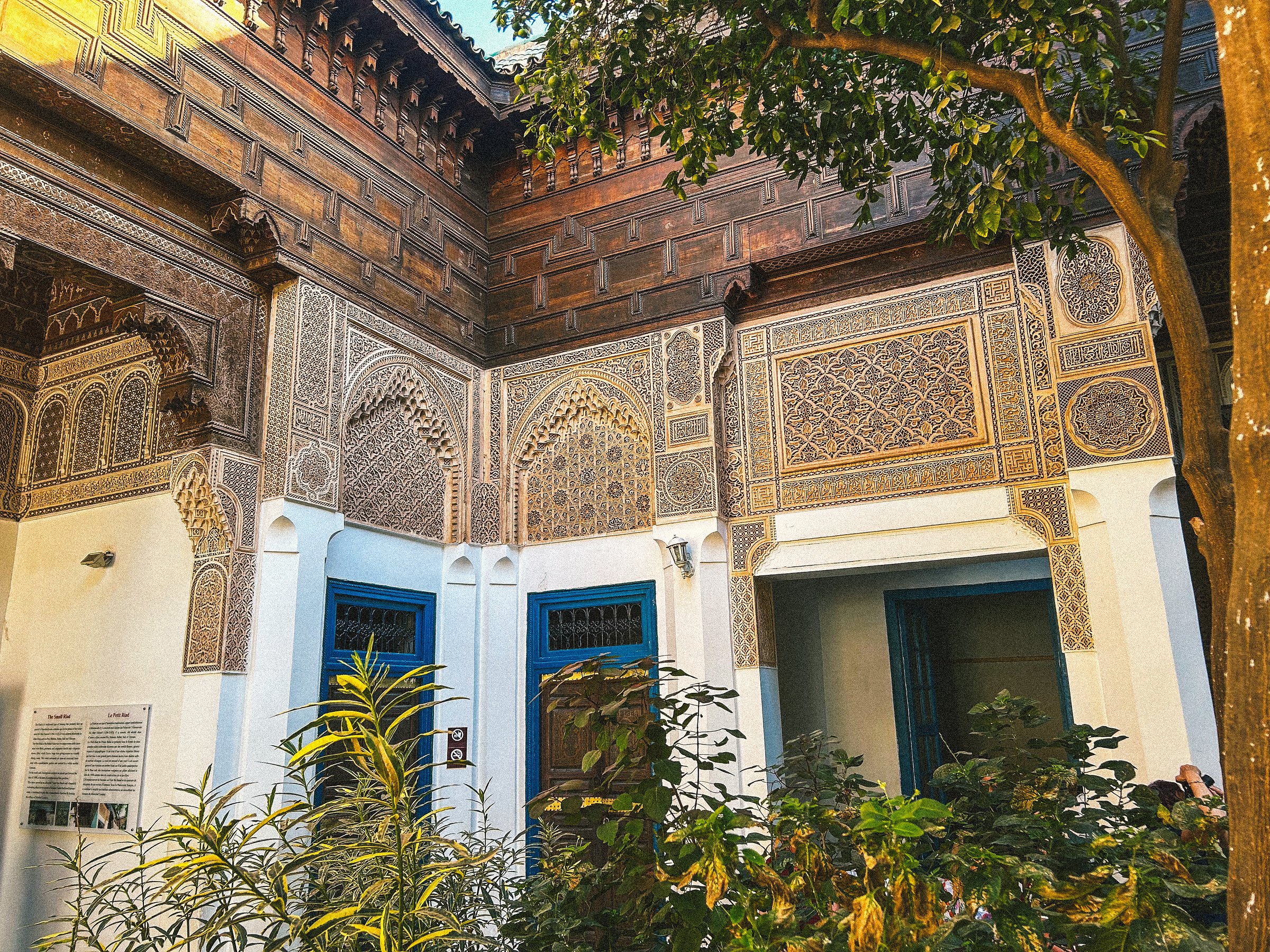
At Bahia Palace, craftsmanship helped create an atmosphere of refinement and courtly prestige.
At Badi Palace, scale itself became an expression of imperial ambition.
The Saadian Tombs show how rulers used architecture and decoration to shape dynastic memory even after death.
Seen together, these sites make one idea especially clear: craftsmanship was not separate from politics, religion, or status.
The people who built, carved, tiled, painted, and assembled these spaces helped create the visual language through which power was expressed.
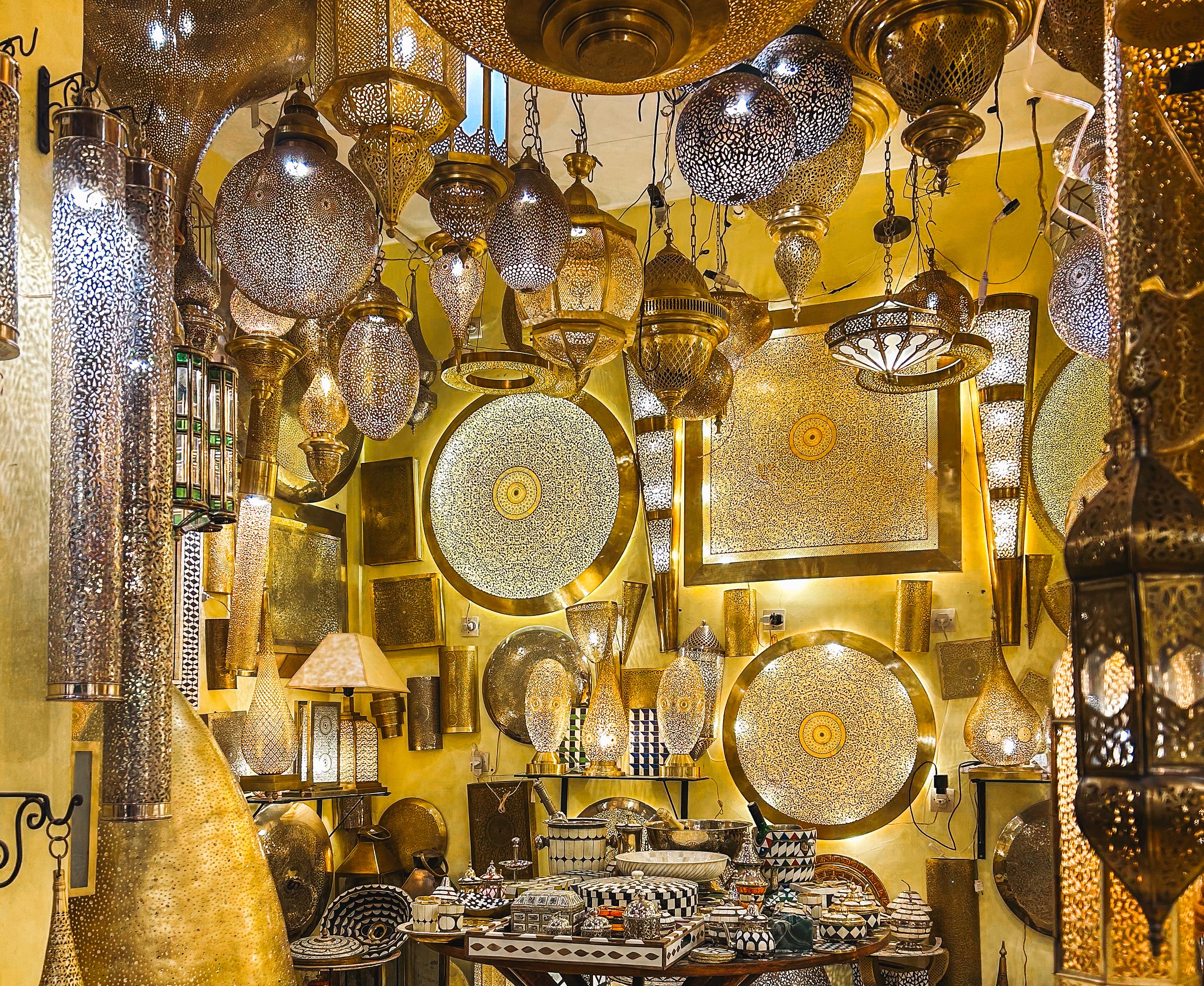
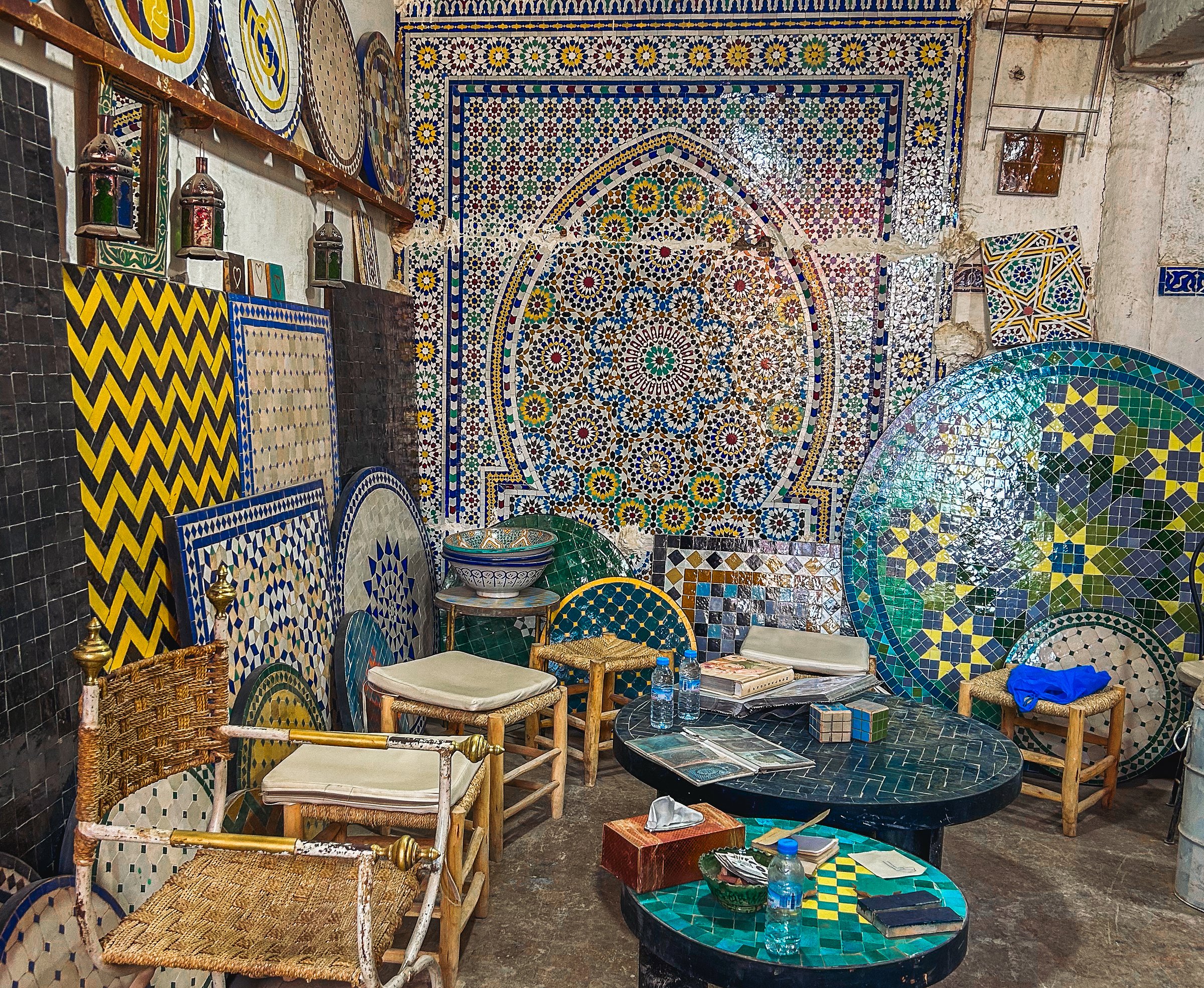
That is why ending the day in an artisan workshop makes sense. The morning shows you the finished result. The afternoon asks you to think about who made it.