Achim was an exceptional guide! He had so much passion for and knowledge of the subject and it really helped. He was also extremely generous with his time. Visiting Dachau is a tough day all around but we felt like Achim helped us understand and process it. Enjoyed chatting with him about German life today as well, and liked taking the subway to and from.
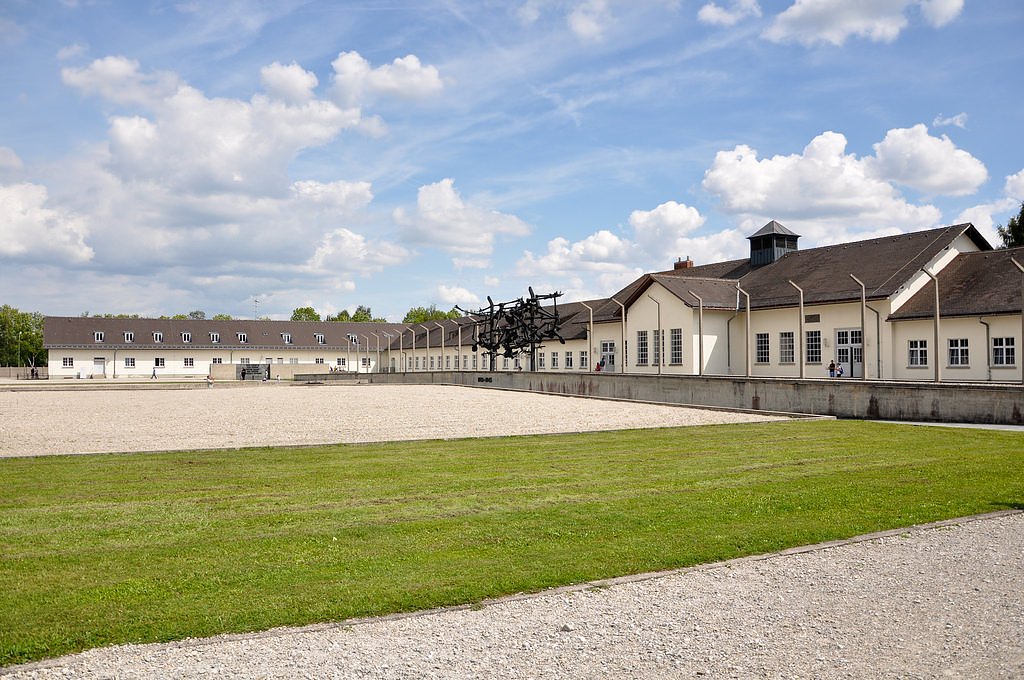
Dachau Memorial Day Trip from Munich
Approach the Nazi era with clarity and care
Visit Dachau with care. Here, expert context turns a difficult place into a meaningful act of remembrance.
Tour Highlights
- Visit with deeper respect Let expert context help you understand the site with care, not passive observation.
- Focus on memory, not logistics Travel from Munich with transportation and timing handled, so your attention stays with the site
- Understand Dachau's role Learn how the first Nazi concentration camp became a model for later camps.
- See the site with context Understand the significance of barracks, memorials, and remaining structures with expert insight.
- Ask difficult questions Discuss topics around persecution, survival, and memorialization with a trained historian.
- Honor what happened here Dig into topics that have profound impact, like human consequences, responsibility, and remembrance.
Led by Experts, Shaped by You
Explore with an expert guide who responds to your questions, your interests, and your pace. Reveal layers of meaning most visitors miss—go from seeing to understanding.
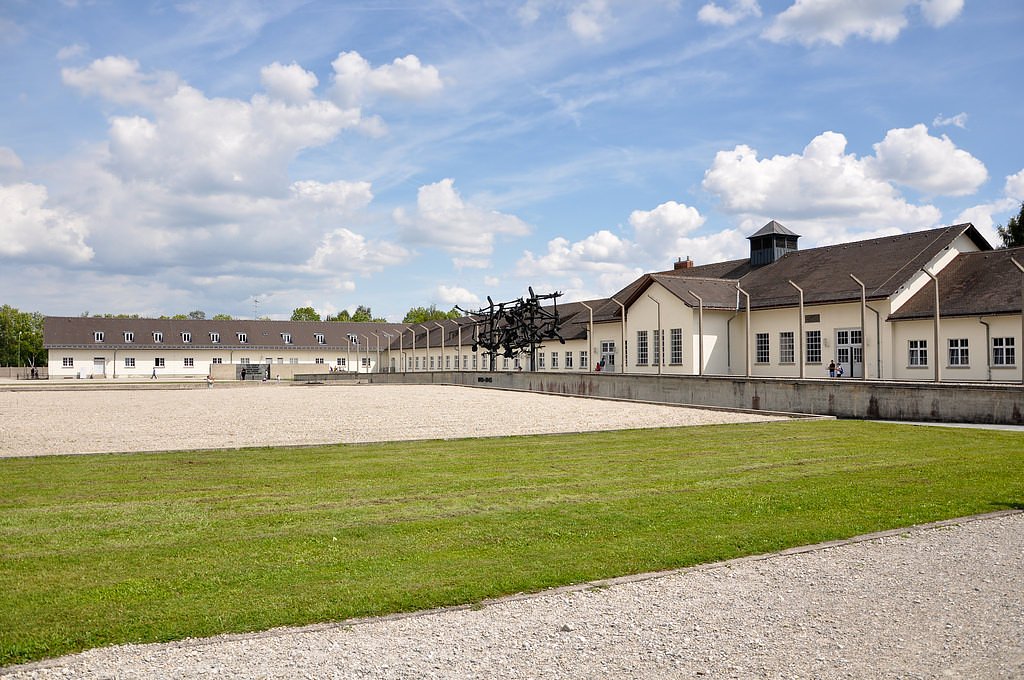
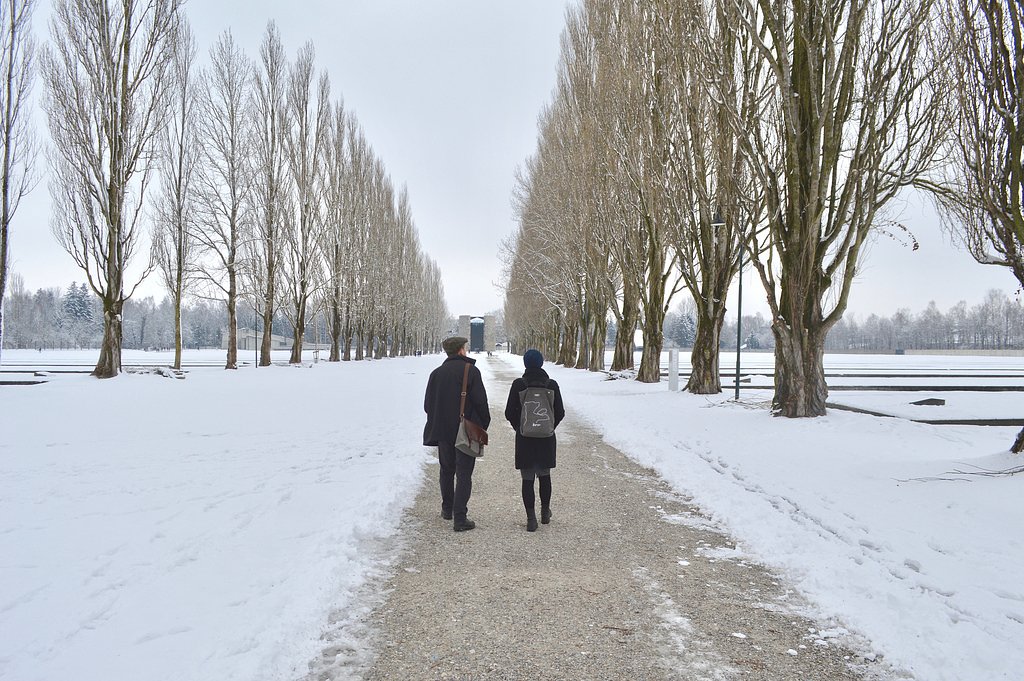
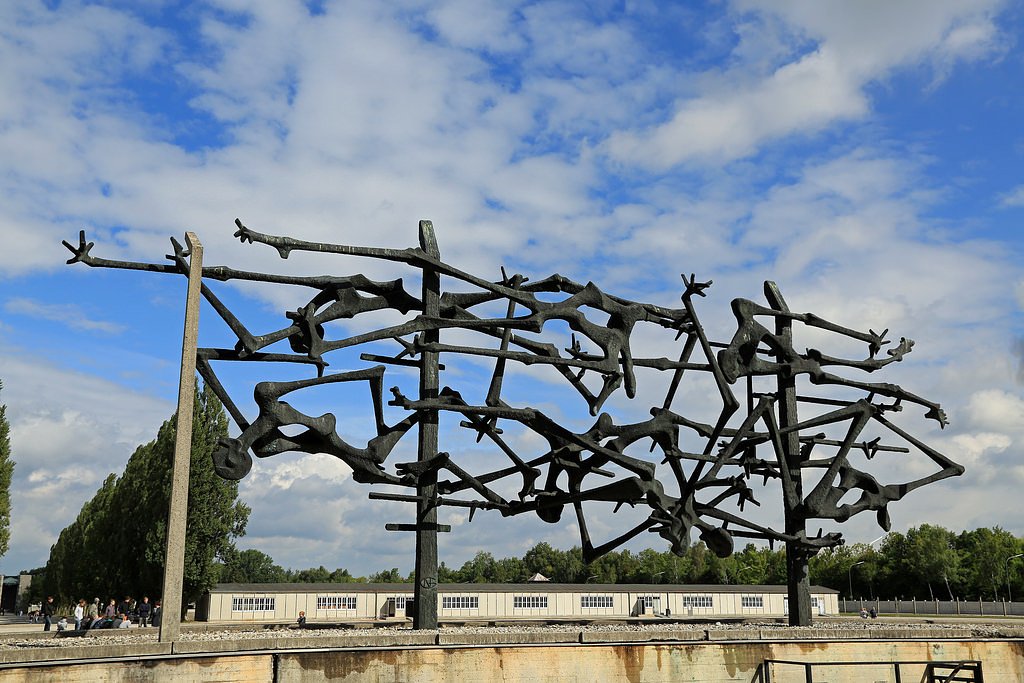







The Finer Details
Some places ask you to slow down before you've even arrived. The train ride from Munich is quiet in a way that feels appropriate, and by the time the bus turns toward Dachau, there's already a shift in the air. This visit calls for attention, not casual sightseeing. This Dachau Tour from Munich is shaped from the start by a trained historical expert, allowing the seriousness of the site to be present from the first moment you meet in Munich.
The Dachau Memorial Site stands on the grounds of the former concentration camp, roughly ten miles from Munich. It opened on March 22, 1933, just weeks after Adolf Hitler became Reich Chancellor, and was first described by Heinrich Himmler as a camp for political prisoners. Your Expert explains why Dachau became a model for the camps that followed, shaping both the prisoner system and the training of SS guards elsewhere.
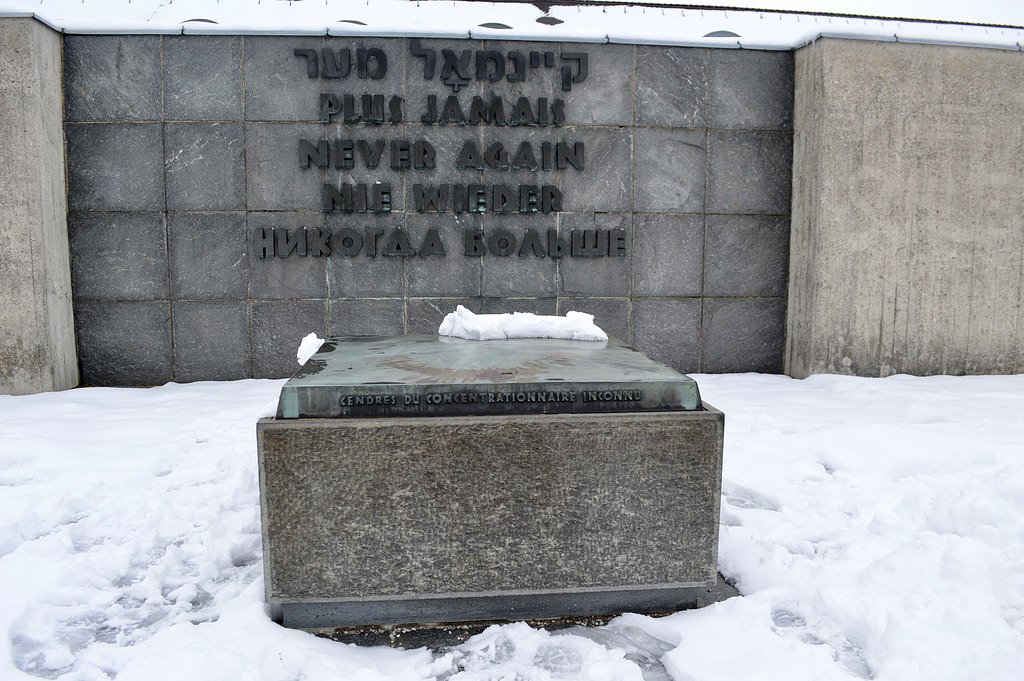
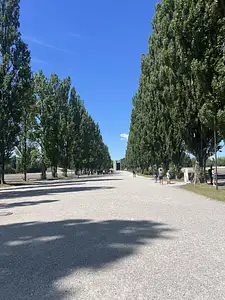
On site, learn about the twelve years Dachau operated and the memorial landscape survivors helped create in 1965. The scale can be difficult to absorb, especially as history and emotion arrive together. What does it mean to walk through a place built for persecution, now preserved so it is never forgotten?
The history begins with political imprisonment: German Communists, Social Democrats, trade unionists, and other early opponents of the regime. Your Expert also traces how the camp later held Jehovah's Witnesses, Roma and Sinti people, gay men, people labeled "asocial," and, after November 1938, growing numbers of Jewish prisoners. This context matters, helping clarify the wider camp system and the distinctions within it, including between forced labor camps and extermination camps.
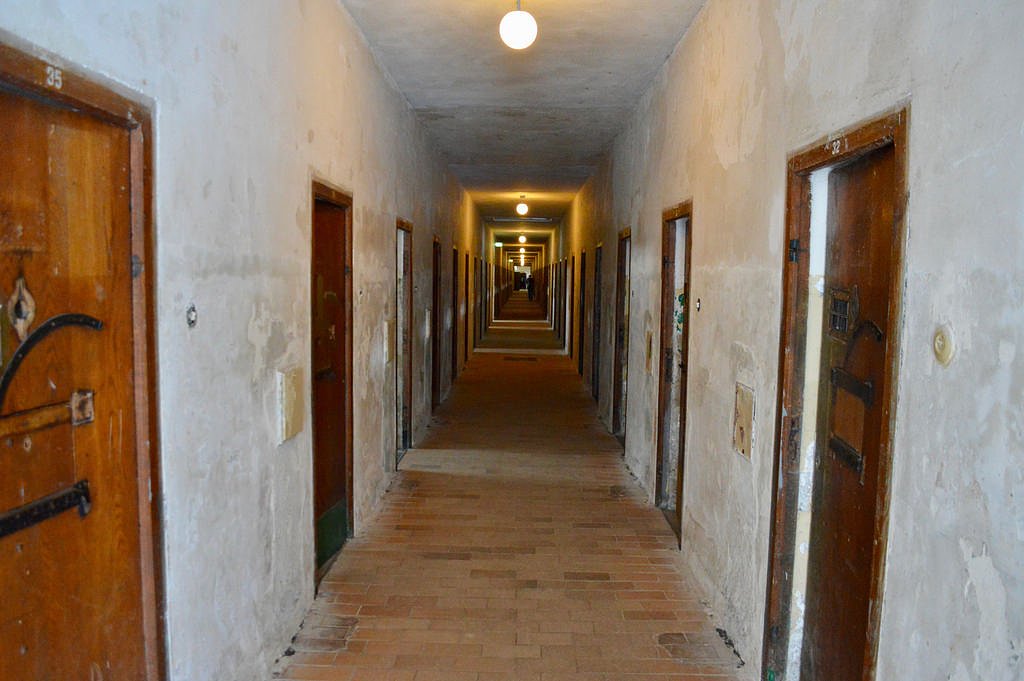
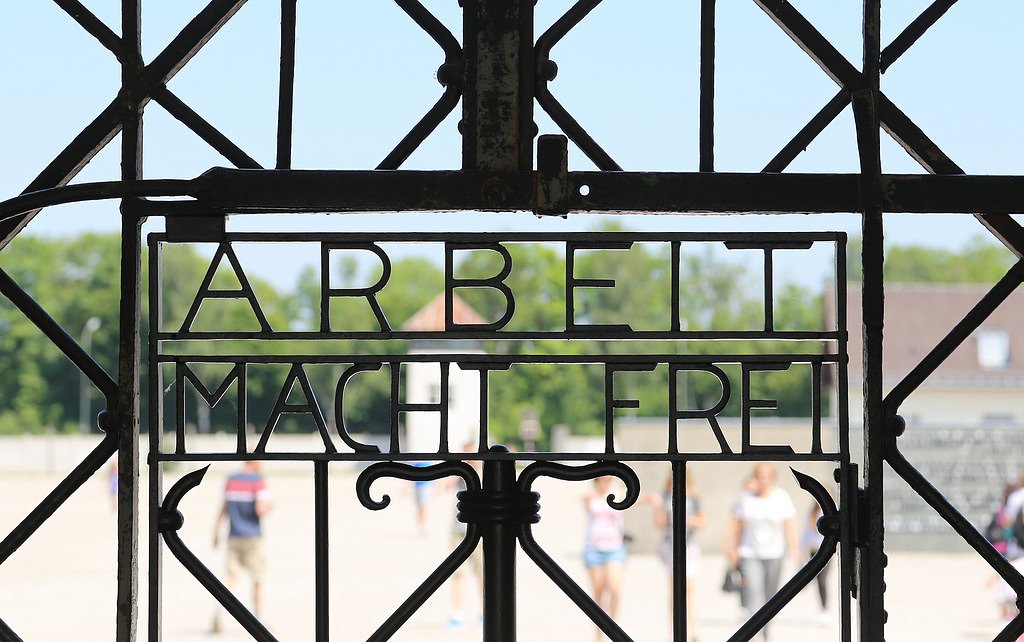
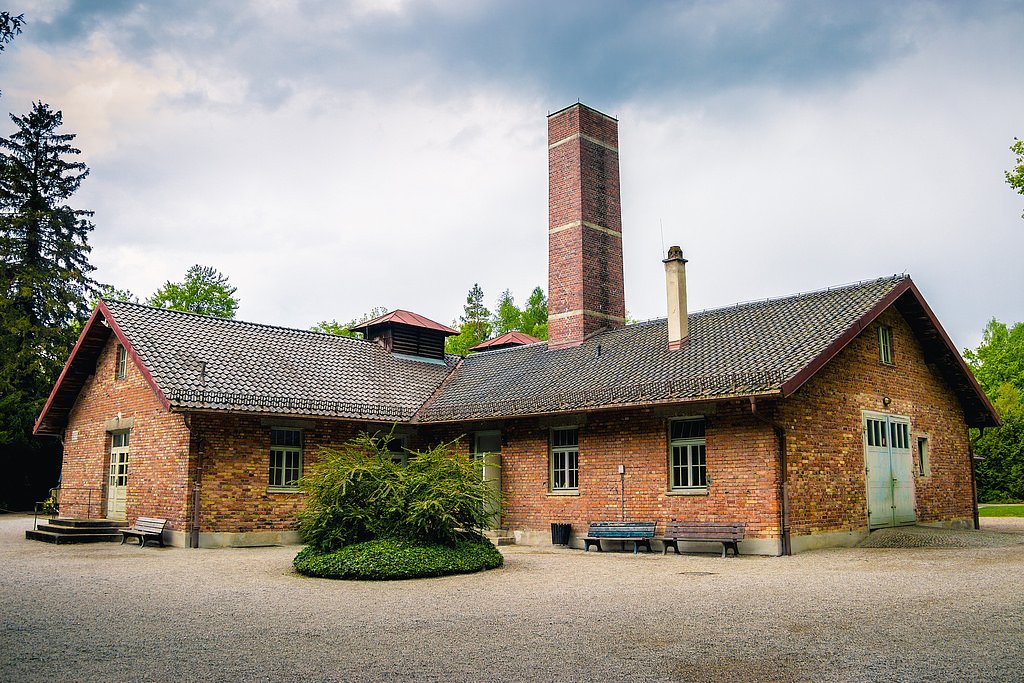
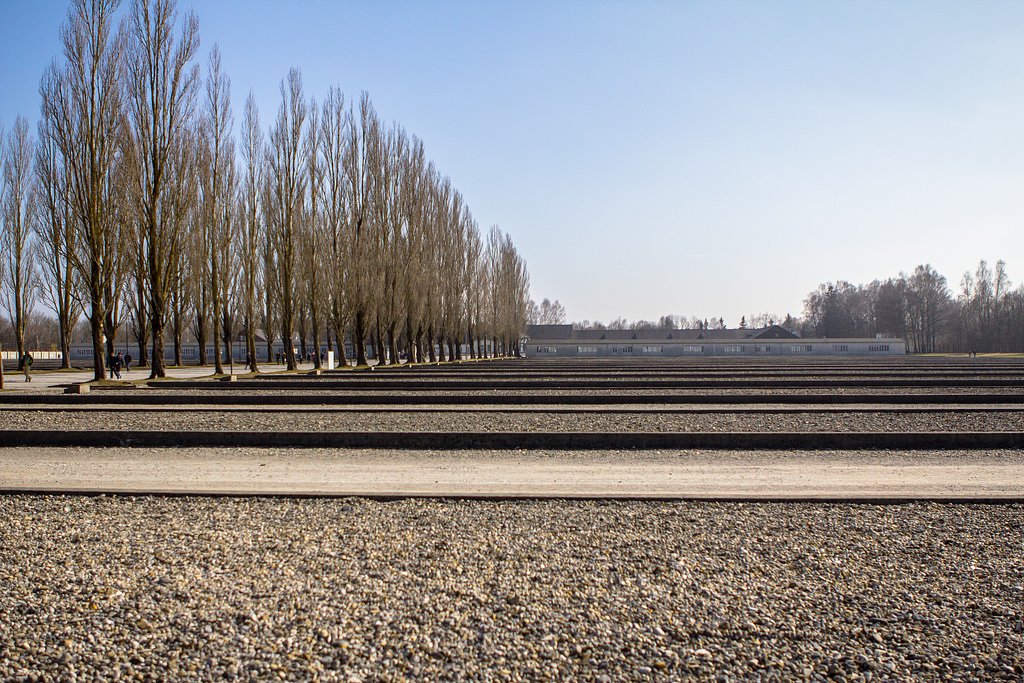
Walk through the barracks, prison block, rooms used for medical experiments, watchtowers, execution sites, gas chamber, crematorium, and memorial spaces. Rather than moving quickly from one difficult stop to the next, your Expert helps you read the site itself as evidence—of policy, of violence, of survival, and of memory.
The visit includes time in the exhibition, where daily life under imprisonment and footage of the camp's liberation by U.S. troops in April 1945 are addressed directly. The day closes by considering the political conditions that made such places possible, and the ongoing role survivor testimony plays in how the memorial speaks today. You leave with a deeper understanding, not because the day was easy, but because the history was met with the care and context it demands.
Where You’ll Go
From iconic landmarks to tucked-away local favorites, these are the places you’ll explore and experience firsthand with your Expert.
-
Dachau Memorial Site
What’s Included As Standard
Here’s a look at what your tour covers, plus anything you’ll want to consider arranging separately, so you can plan with confidence.
Included
-
English-speaking expert guideTours led in English, offering you unbroken understanding throughout.
-
Intentionally sized groupsA smaller group means more time for conversations and questions.
-
Tickets and entrance feesAll entry tickets included (unless clearly stated otherwise).
-
HeadsetsHeadsets are included on tours that need them, so every word can be heard.
Not Included
-
GratuitiesWe encourage tipping as a way to thank your guide after your experience.
-
Food and drinkRefreshments are only included during a tour when clearly noted.
-
Transportation to and from the meeting pointUnless noted, pre- and post-tour transport isn’t included - this service can be added by request.
-
Hotel pickup or drop-offUnless noted, travel to or from accommodation isn’t included - this service can be added by request.
Where You'll Explore
Make the Most of Your Tour
Some helpful advice for getting the most from your experience, from practical prep to small on-the-day tips.
Dos:
- Wear comfortable footwear
- Check the weather and dress appropriately
- Bring a bottle of water (no glass)
- Feel free to ask your Expert anything
Don'ts:
- Bring firearms or weapons
- Bring sharp objects (e.g. knives, swiss army knives, switchblades, hiking sticks)
- Dress inappropriately to enter religious sites or sacred monuments
Any questions? You can always
contact us.
Frequently Asked Questions
The Dachau tour meets in Munich, near the train station. Your confirmation will have the exact meeting point. Your expert will purchase the train tickets on your behalf, and then you will take the train together. After you visit the former camp, you will return to Munich together. The ride is about 45 minutes each way and is part of the overall 5-hour duration of the tour.
Yes, it is included in the price of the tour.
While children are allowed to visit the Dachau Concentration Camp Memorial Site with their parents, it is not recommended for children under 13 due to the heavy and emotionally challenging content.
Morning visits are possible, but we do not recommend them, particularly during busier seasons. The memorial site tends to be much busier in the morning due to higher visitor numbers and school groups. We have therefore chosen to offer this tour in the afternoon, when the experience is generally quieter and more enjoyable.
Book with confidence — see Context's flexible cancellation policy here.
The site is generally accessible for clients with mobility needs, and wheelchairs are available to rent on-site. The train and bus transportation included in the visit are also wheelchair accessible.
Don’t just take our word for it
Mat was great. Not only for his encyclopedic knowledge of Dachau itself (dates! And more dates and specific facts that seemed almost impossible for one person to know!) but his understanding of Dachau within the history of the 3rd Reich in Bavaria and Germany, and then the wider circle of the unification of Germany and the impact of World War I, all gave a nuanced, and complicated, view of a place that can so easily be viewed for just its symbolism of atrocity. It was a great half day and we would recommend Mat highly!
Our family toured Dachau with Mat during July 2026.This was an informative and educational excursion. Mat answered questions related to our tour, Munich, and where to eat. His wealth of knowledge of the area is impressive.
Book a Tour
Let Your Curiosity Shape Your Journey
Join passionate experts on intimate walking tours that reveal a city’s unique stories, spark conversations, and leave you seeing the world—and yourself—a little differently.
Structured, never scripted
Your interests guide your Expert, leading to stories and perspectives that matter to you.
Crafted for conversation
With 12 or fewer guests, ask questions, engage with your Expert, and fully immerse yourself.
Experts, not guides
Explore with 1,200+ Experts—from historians and architects to archaeologists and chefs.
You May Also Be Interested In…

Visiting the Dachau Concentration Camp Memorial Site from Munich
The Dachau Concentration Camp Memorial Site stands on the grounds of the former prisoner camp established by the Nazi regime in March 1933. Dachau became a model for later concentration camps and a training center for the SS personnel who administered them. More than 200,000 people were imprisoned in Dachau and its subcamps, and at least 41,500 died as a result of murder, hunger, illness, torture and the conditions of imprisonment.
A Dachau concentration camp tour from Munich provides the historical preparation and on-site interpretation needed to approach this complex place responsibly. Rather than treating the memorial as another attraction, the experience considers what happened here, how the camp system developed and how survivors shaped the site’s later role as a place of remembrance.
Why Visit Dachau with a Historical Expert?
The memorial contains reconstructed barracks, original structures, exhibitions, religious memorials and areas connected to imprisonment and death. Individually, these spaces cannot communicate the full history of the camp.
Your Context Expert establishes the chronology, explains the functions of different areas and places the surviving and reconstructed structures within the broader Nazi concentration camp system. The discussion also considers who was imprisoned, how persecution expanded and how conditions changed throughout the camp’s twelve-year existence.
The memorial itself describes the grounds as a cemetery and a place of sorrow and remembrance. A guided visit should therefore provide more than historical facts: it should help visitors engage with the evidence thoughtfully and behave with respect toward those who suffered and died here.
What Will You See at the Dachau Memorial Site?
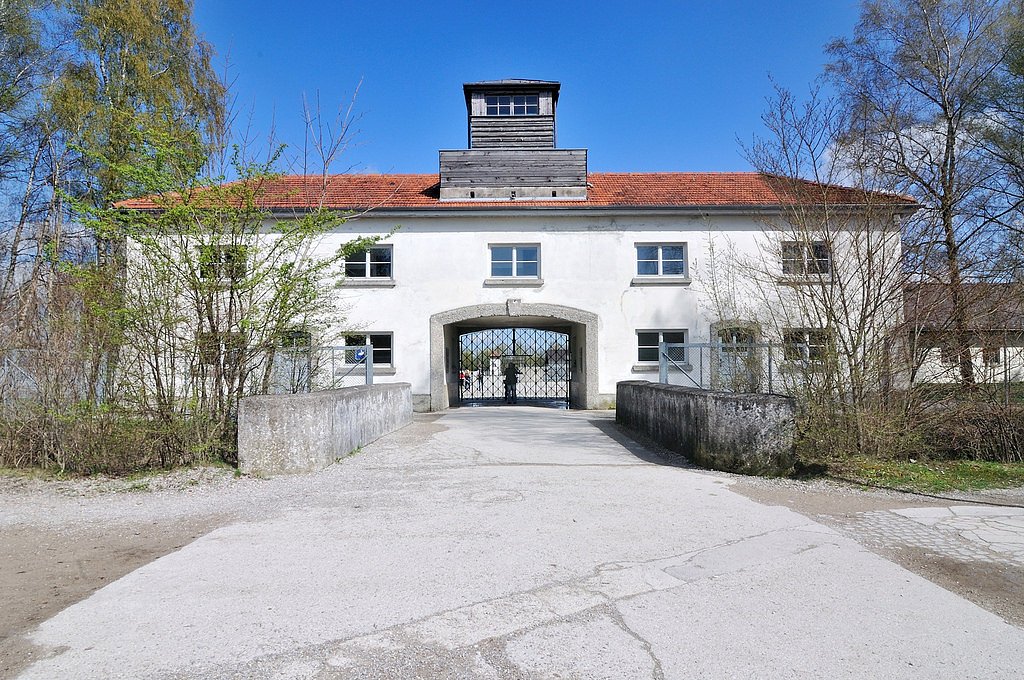
The exact route can depend on site conditions, but the visit may include the former maintenance building and permanent exhibition, the camp prison, reconstructed barracks, watchtowers, memorial spaces and the crematorium area.
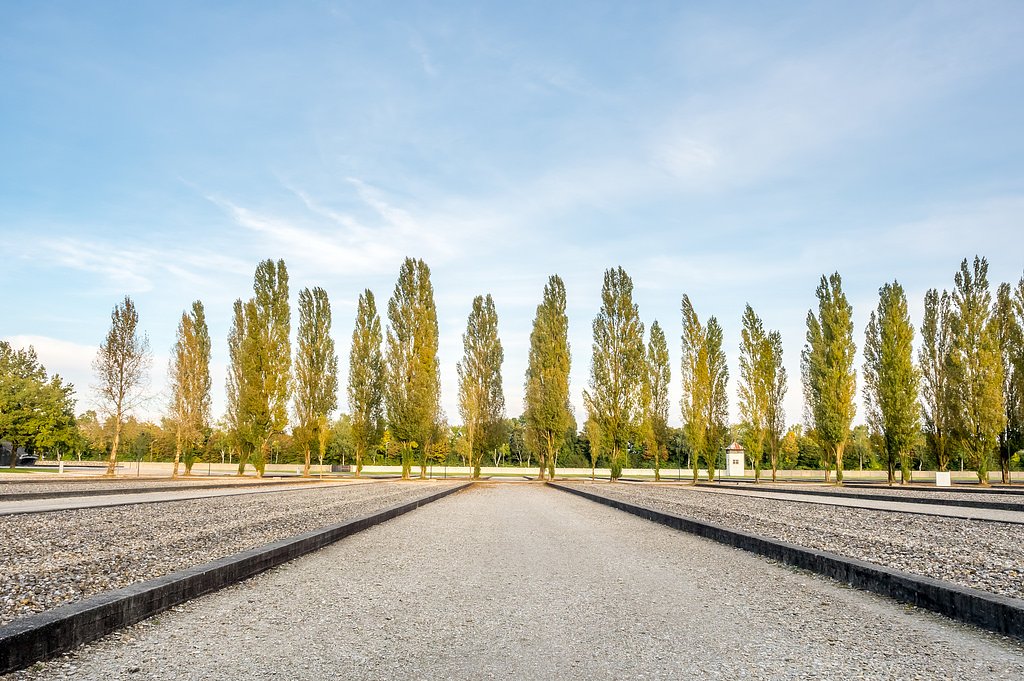
Your Expert explains what remains original, what has been reconstructed and how the presentation of the site has changed since 1945. This distinction matters: today’s memorial occupies only part of the much larger historical camp complex, and its design reflects decisions about preservation, education and commemoration.
Why Was Dachau Historically Significant?
Dachau was established shortly after Adolf Hitler became Reich Chancellor, initially to imprison political opponents. It later held people persecuted for a wide range of political, racial, religious and social reasons.
Its influence extended far beyond the grounds outside Munich. The camp served as a model for later concentration camps and as what the memorial describes as a “school of violence” for SS personnel. Understanding Dachau therefore helps explain not only one camp, but the institutions, methods and personnel that supported the wider system of Nazi persecution.
From Concentration Camp to Memorial Site
American troops liberated Dachau on April 29, 1945. The grounds did not immediately become the memorial visitors encounter today. Their postwar uses and the long campaign to preserve the site form an important part of its history.
Survivors organized through the Comité International de Dachau played a central role in establishing the memorial, which opened in 1965. Their involvement shaped decisions about which structures would be retained, reconstructed or removed, as well as how the experiences of former prisoners would be represented.
Is a Guided Dachau Tour Worth It?
Visitors can enter the memorial independently, but the site presents a difficult combination of historical evidence, reconstructed spaces, survivor testimony and later memorial architecture.
A guided Dachau tour is particularly valuable for travelers who want to:
- distinguish the concentration camp system from extermination camps;
- understand changes in the prisoner population over time;
- identify what is original and what was reconstructed;
- discuss the political conditions that enabled the camp system;
- consider how Dachau has been remembered since 1945.
The purpose is not to make the visit easier. It is to make it more historically grounded, responsible and meaningful.
FAQs
Is Dachau a day trip from Munich?
Yes. The memorial is outside central Munich and can be reached using regional public transportation. This experience begins in Munich and includes the journey to and from the site, allowing the historical discussion to begin before arrival.
Is admission to the Dachau Memorial Site included?
Entry to the memorial itself is free. The tour price covers private expert guidance and the transportation arrangements specified on the product page.
Is this a private Dachau tour?
Yes. The experience is private to your party, allowing the conversation to respond to your existing knowledge, interests and questions.
Is the tour appropriate for children?
The memorial recommends that children under 13 not visit because of the nature of the exhibitions and grounds. Your page should provide a clear age recommendation and encourage families to review the material before booking.
What should visitors wear?
The experience includes extensive walking and time outdoors. Comfortable footwear and clothing appropriate for the weather are recommended. Clothing and behavior should also reflect the memorial’s character as a place of mourning and remembrance.
Can visitors take photographs?
Photography for private, noncommercial purposes is generally permitted in many areas, but visitors should follow posted restrictions and consider whether taking a photograph is appropriate. The memorial’s rules and the dignity of the site should take precedence.