The tour was very informative. Josh was an excellent guide.
Paris History Tour: The French Revolution
Understand the events of 1789, when ideas drove collective action
Walk through a revolutionary Paris with a historian who turns pikes, pamphlets, prisons, and politics into a story you’ll remember for years to come.
Tour Highlights
- See what 1789 set in motion Follow the Revolution beyond the Terror into citizenship, rights, and modern political life.
- Follow the timeline Walk the events of 1789, connecting royalists, radicals, moderates, and ordinary Parisians.
- Spar with a specialist Test familiar narratives, compare interpretations, and pursue the questions that interest you.
- Keep everyone engaged Depth adjusts to you and your group so newcomers and history buffs alike stay engaged.
- Unpick the Bastille myth Understand why July 14 turned on gunpowder, symbols, and fear.
- Walk the Revolution’s streets Stand where revolt unfolded and see how each neighborhood shaped the events around it.
Led by Experts, Shaped by You
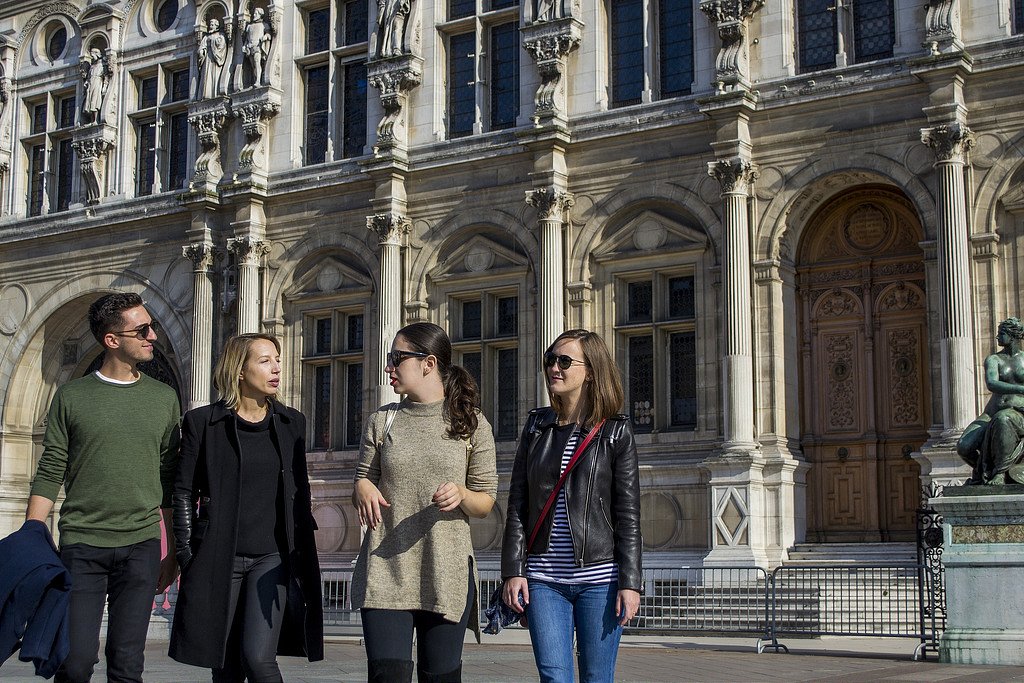
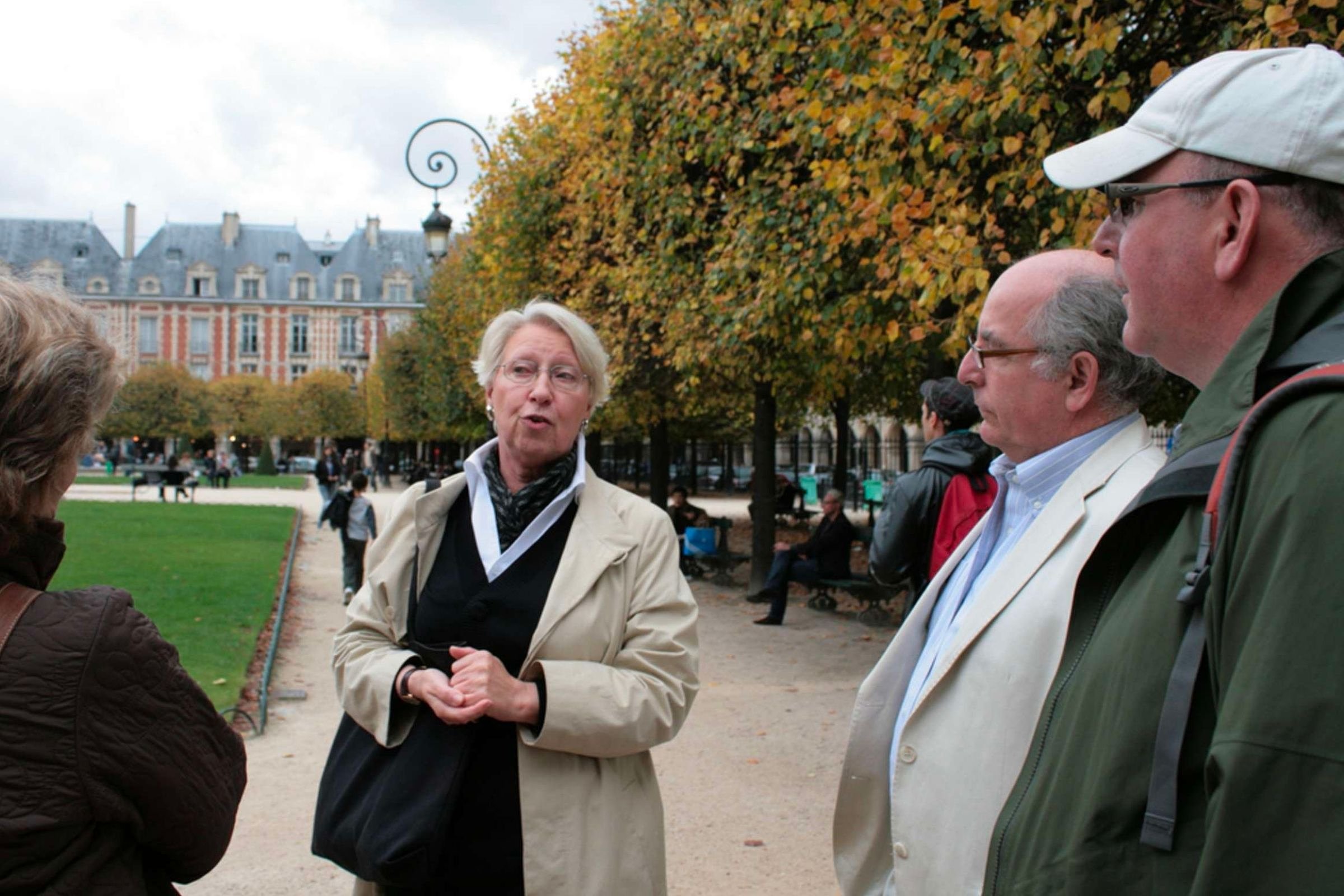
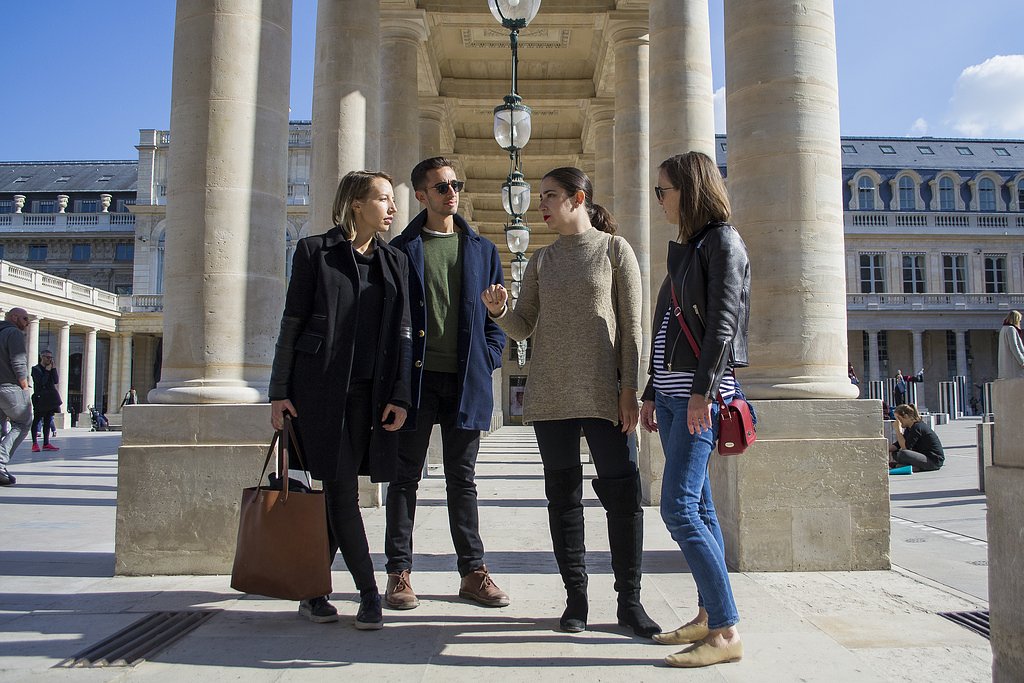
Explore with an expert guide who responds to your questions, your interests, and your pace. Reveal layers of meaning most visitors miss—go from seeing to understanding.
The Finer Details
Gunpowder and rumor moved through the streets of Paris long before the first shot was fired, the whole city arguing itself toward rupture. This three-hour French Revolution tour in Paris sets the drama of 1789 in context inside the neighborhoods where fear, philosophy, and power collided. In the company of a historian, start at Place de la Bastille and move into the neighborhoods that staged some of the period's defining scenes.
At the Bastille, the familiar story starts to fracture in curious ways. The famous storming of the fortress was for gunpowder as much as it was for prisoners, as only seven inmates remained inside at the time. July 14, 1789 sits within a wider story of royal authority, urban anger, and political opportunity. The conversation can also reach back to the Palais-Royal, where Camille Desmoulins helped rally the crowd two days earlier.
As the walk moves through the nearby Marais, daily life comes into focus. Class tensions, food pressures, religious conflict, and political speech start to feel less abstract when tied to streets and church walls. At Église Saint-Paul-Saint-Louis, the story includes the 1792 Massacres, its conversion into a Temple of Reason, and traces of revolutionary graffiti.
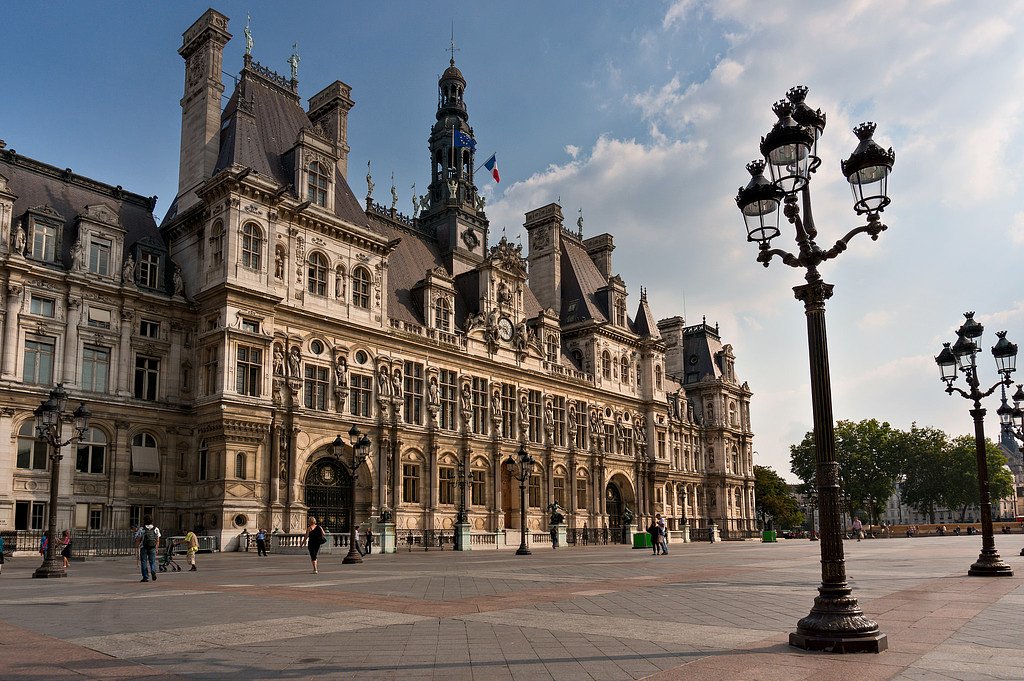
The square in front of Hôtel de Ville played a role in later revolutions too, and revolutionaries set the building alight during the Commune of 1871. Discuss the use of the guillotine, not only as a machine of death, but as an image that still shapes how we picture the era. Place des Vosges adds another twist; did you know it was renamed by Napoleon in 1800 after the Vosges département became the first to pay its new taxes?
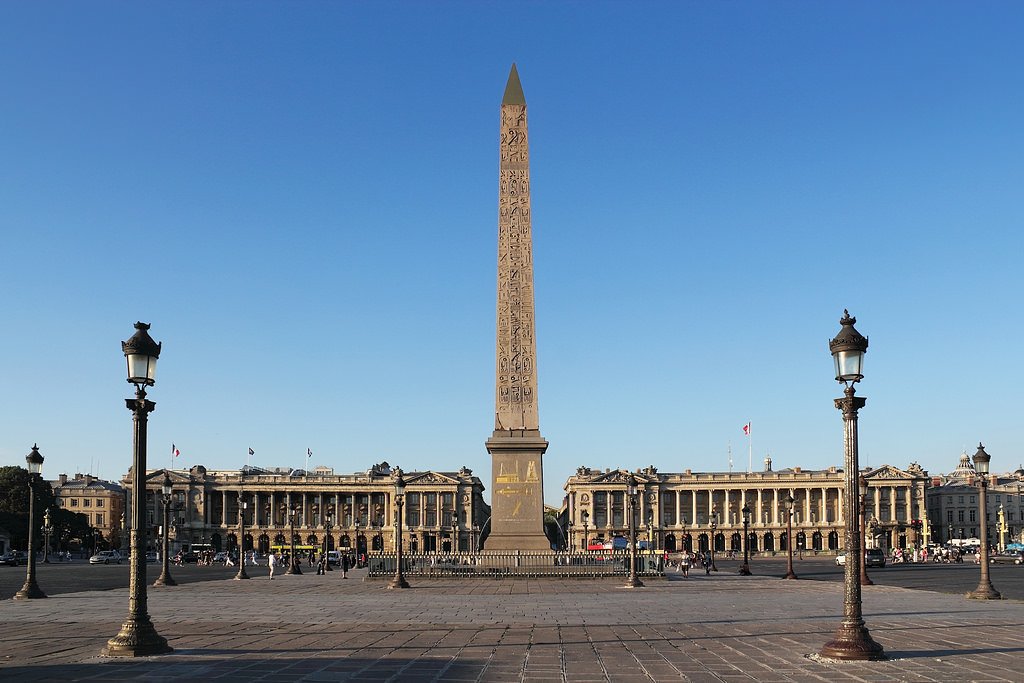
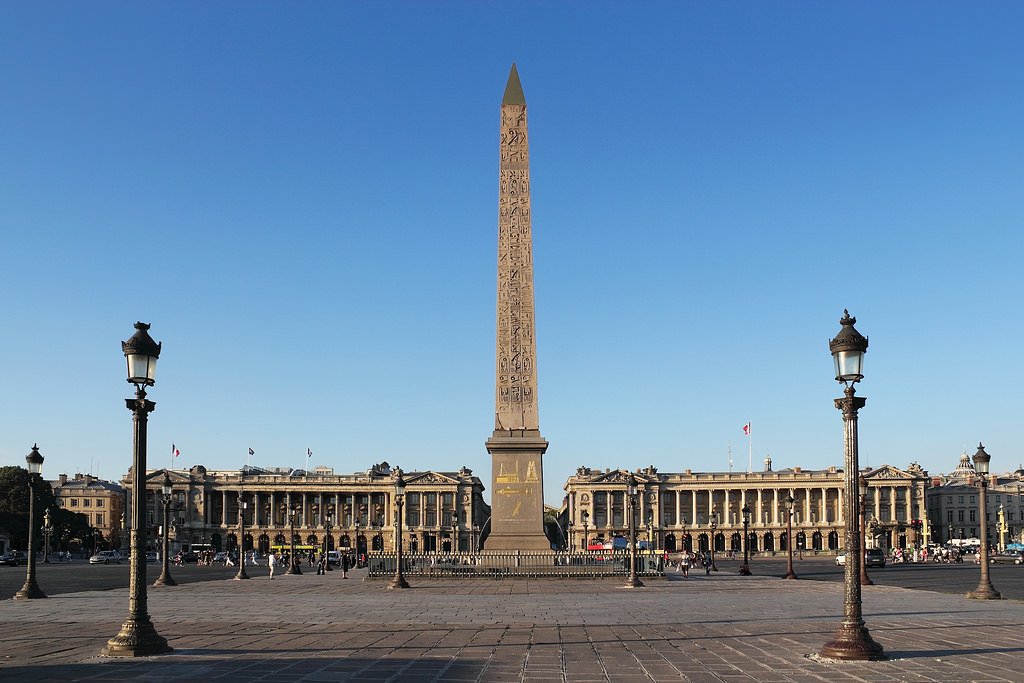
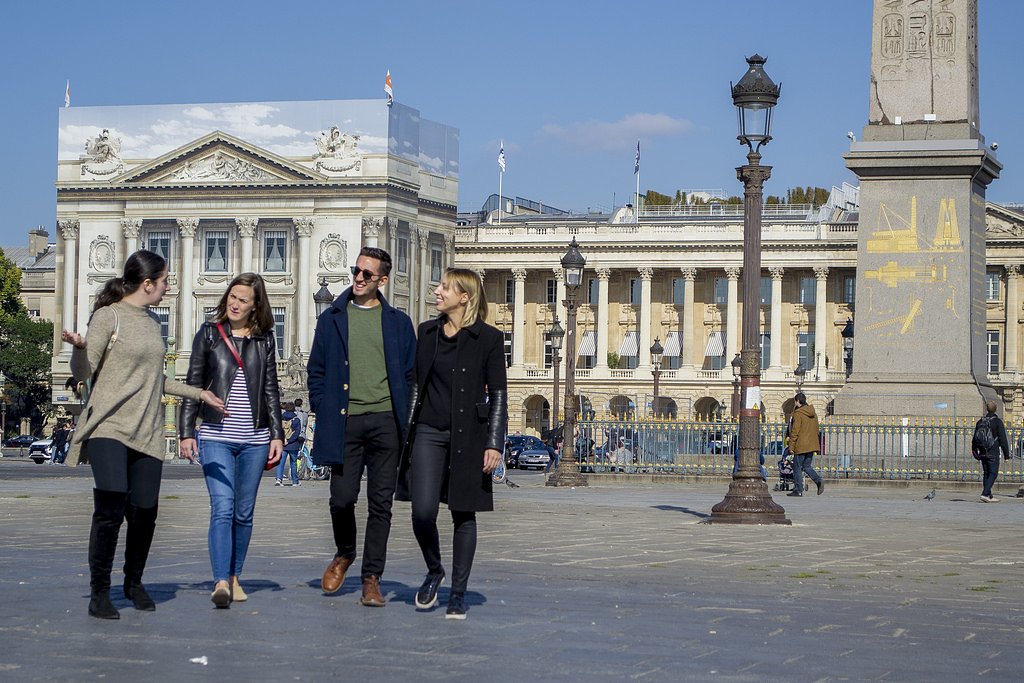
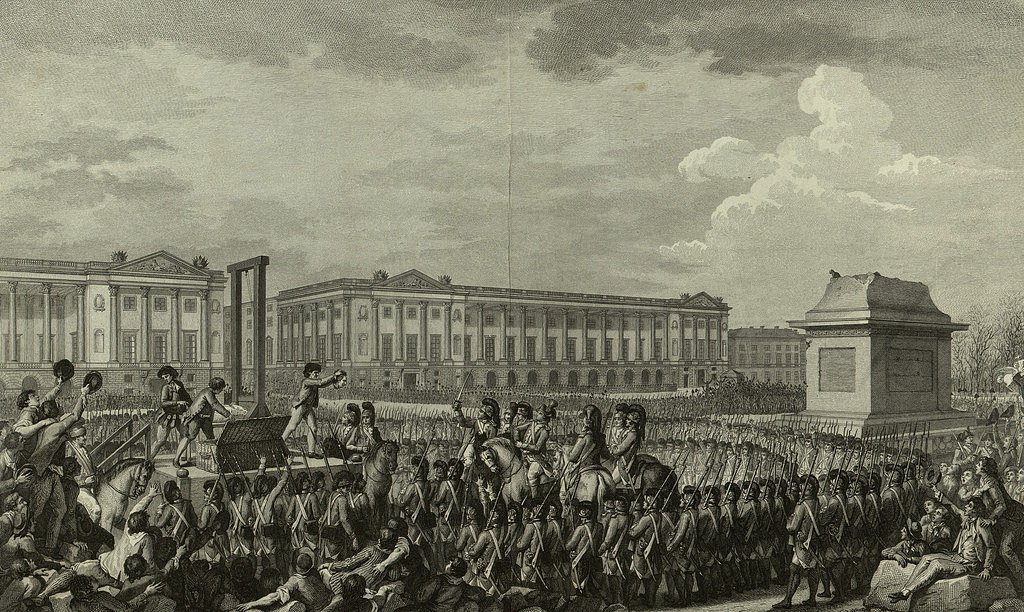
Place de la Concorde brings the sharpest public theater of the Revolution into view. Renamed Place de la Révolution during the Terror, it saw more than 1,100 executions, including Louis XVI, Marie Antoinette, and Robespierre. Even the bridge nearby carries a buried clue: stones from the demolished Bastille were reused in the Pont de la Concorde. How many times can a city repurpose its own symbols before they change meaning?
The final conversation turns from spectacle to consequence. Discuss how the Revolution reshaped French politics, society, culture, and the way modern states think of citizenship and rights. For the history lover, there is room to press harder, compare interpretations, and dig past what a guidebook can offer. For companions with less background, your Context Expert adjusts the depth so everyone leaves with a clear throughline and a few facts worth bringing home.
Meet the Experts


















Where You’ll Go
From iconic landmarks to tucked-away local favorites, these are the places you’ll explore and experience firsthand with your Expert.
-
BastilleFormer fortress and symbol of the old regime.
-
Hôtel de VilleCity hall and stage for later Paris revolutions.
-
Place de la ConcordeGrand square with fountains and an obelisk, linking the Champs-Élysées and Tuileries.
-
Église Saint-Paul-Saint-LouisChurch marked by the Revolution’s anti-clerical turn
-
Place des VosgesPlanned royal square with 36 unified façades
-
MaraisHistoric Paris district with medieval streets, museums, and cultural landmarks.
What’s Included As Standard
Here’s a look at what your tour covers, plus anything you’ll want to consider arranging separately, so you can plan with confidence.
Included
-
English-speaking expert guideTours led in English, offering you unbroken understanding throughout.
-
Intentionally sized groupsA smaller group means more time for conversations and questions.
-
Tickets and entrance feesAll entry tickets included (unless clearly stated otherwise).
-
HeadsetsHeadsets are included on tours that need them, so every word can be heard.
Not Included
-
Food and drinkUnless booking a Food & Drink tour or tasting experience, refreshments are not included.
-
Transportation to and from the meeting pointUnless noted, pre- and post-tour transport isn’t included - this service can be added by request.
-
GratuitiesTips aren’t included, but we encourage tipping as a way to thank your guide after your experience.
-
Hotel pickup or drop-offUnless noted, travel to or from accommodation isn’t included - this service can be added by request.
Where You'll Explore
Make the Most of Your Tour
Some helpful advice for getting the most from your experience, from practical prep to small on-the-day tips.
Dos:
- Wear comfortable footwear
- Check the weather and dress appropriately
- Bring a bottle of water (no glass)
- Feel free to ask your Expert anything
Don'ts:
- Bring firearms or weapons
- Bring sharp objects (e.g. knives, swiss army knives, switchblades, hiking sticks)
- Dress inappropriately to enter religious sites or sacred monuments
Any questions? You can always
contact us.
Frequently Asked Questions
We will not be visiting the museum on our tour, but we do encourage you to visit on your own after the tour. The discussions we have on our tour will provide context for understanding the Carnavalet's revolution rooms.
We can arrange a private transfer from your hotel for this tour. Our car service will pick you up at your hotel and transfer you to the meeting point, where you will meet your Context expert. Please reach out or leave a note at the time of booking if you would like to add this service for an additional fee.
No. The experience is designed for both newcomers and history enthusiasts. Your historian adapts the discussion so everyone can follow the story while leaving room for deeper questions.
Book with confidence — see Context's flexible cancellation policy here.
We cover extensive territory on this tour, some of it by public transport. Not all metro stations in Paris are wheelchair accessible. Please contact us if you have mobility concerns; we will be happy to advise if this tour will be appropriate for you.
Don’t just take our word for it
we loved our tour with Jean Philippe! contrasting landmarks, fun to walk, went deep on some topics which we appreciated. A short synopsis of the revolution at the intro would have been good but otherwise outstanding for our family of 4 including 2 boys aged 18 and 20.
Beverly was very knowledgeable, friendly and good with kids!
Let Your Curiosity Shape Your Journey
Join passionate experts on intimate walking tours that reveal a city’s unique stories, spark conversations, and leave you seeing the world—and yourself—a little differently.
Structured, never scripted
Your interests guide your Expert, leading to stories and perspectives that matter to you.
Crafted for conversation
With 12 or fewer guests, ask questions, engage with your Expert, and fully immerse yourself.
Experts, not guides
Explore with 1,200+ Experts—from historians and architects to archaeologists and chefs.
Related experiences our customers also loved

Understand the French Revolution Where It Happened
Few events changed modern politics as profoundly as the French Revolution, yet its story can feel surprisingly difficult to follow. Revolutions unfolded over years rather than days, alliances shifted constantly, and many of Paris's most important sites have changed dramatically since 1789.
This French Revolution tour in Paris connects the city's streets, squares, churches, and former fortresses into one coherent story. Walking with a historian, you'll explore how political ideas became public action, how ordinary Parisians shaped events alongside famous figures, and why the Revolution continues to influence debates about citizenship, rights, and democracy today.
Why Take a French Revolution Walking Tour in Paris?
The Revolution was not confined to one monument. Its defining moments unfolded across markets, churches, prisons, public squares, and government buildings, many of which still exist in altered form. Without historical context, it can be difficult to imagine how these familiar places became the setting for one of history's most influential political upheavals.
A French Revolution walking tour allows you to understand not only what happened, but why events unfolded where they did and how one neighborhood influenced another.
What Will You See on This French Revolution Tour?
Rather than following a list of famous names, the route follows the Revolution itself—from the fall of the Bastille through the Terror and toward the lasting political changes that followed.
Bastille
Although the Bastille is no longer standing, it remains one of the Revolution's most enduring symbols.
Here you'll examine why its storming became such a powerful political moment, despite the prison holding only seven inmates on 14 July 1789. The conversation explores why revolutionaries sought gunpowder as much as prisoners, revealing how symbolism often mattered as much as military success.
The Marais
Walking through the Marais brings everyday Revolutionary Paris into focus.
Food shortages, religious conflict, political clubs, and class tensions become easier to understand when viewed in the streets where ordinary Parisians lived, debated, and organized. Rather than concentrating only on famous leaders, this part of the tour examines how wider society experienced the Revolution.
Hôtel de Ville
Paris's City Hall illustrates how revolutionary ideas continued long after 1789.
The building became a stage for later uprisings, including the Paris Commune of 1871, showing how the Revolution established traditions of political protest that shaped France for generations.
Place de la Concorde
Few places capture the Revolution's dramatic public theater more clearly than Place de la Concorde.
Known as Place de la Révolution during the Terror, it witnessed the executions of Louis XVI, Marie Antoinette, Robespierre, and more than a thousand others. Here, discussion turns to justice, political violence, and how public memory transforms historical events into national symbols.
Why Was the French Revolution Important?
The French Revolution fundamentally changed the relationship between governments and their citizens.
Ideas that are now widely taken for granted—including citizenship, constitutional government, legal equality, and individual rights—were debated, contested, and redefined during this period. While many of these principles developed gradually and imperfectly, the Revolution reshaped political thinking not only in France but across Europe and much of the world.
Walking through Paris helps place those abstract ideas within the physical settings where they were first argued, defended, and challenged.
Why Was the Bastille So Important?
The Bastille represented far more than a prison.
For many Parisians, it symbolized royal authority and arbitrary power. Its capture on 14 July 1789 demonstrated that ordinary citizens could successfully challenge the monarchy, making it one of the defining moments of the Revolution.
Although the building was demolished soon afterward, its stones continued to shape Paris itself—including the nearby Pont de la Concorde—showing how the city literally incorporated Revolutionary history into its streets.
How Did the French Revolution Change Paris?
The Revolution transformed Paris politically, socially, and physically.
Squares were renamed. Churches became secular spaces. Monuments gained new meanings, while royal symbols disappeared or were repurposed. Government institutions changed repeatedly as power shifted between monarchists, moderates, radicals, and eventually Napoleon.
Understanding these changes allows modern visitors to recognize Revolutionary history even where little remains visibly unchanged.
Is This Tour Only for History Lovers?
Not at all. Some guests arrive with a detailed knowledge of Revolutionary politics, while others simply want to understand one of Europe's most influential historical events. Your historian adjusts the discussion to your interests, making complex political developments accessible without oversimplifying them.
Questions and debate are encouraged throughout the walk.
Why Take a Private French Revolution Tour?
The French Revolution remains one of history's most debated subjects.
Historians continue to disagree about the causes of the Terror, the role of popular violence, the legacy of Robespierre, and the Revolution's global impact. A private tour gives you the opportunity to explore those questions with a specialist, compare interpretations, and pursue the aspects that interest you most.
Rather than memorizing dates, you'll leave with a clearer understanding of how historians think about the Revolution today.
Who Is This Tour Best For?
This experience is ideal for:
- history enthusiasts interested in Revolutionary France;
- travelers who want to understand Paris beyond its monuments;
- visitors curious about democracy, citizenship, and political ideas;
- returning visitors looking for a thematic walk;
- students, teachers, and lifelong learners;
- anyone who enjoys discussion as much as sightseeing.
Frequently Asked Questions
Why did the French Revolution begin in Paris?
Paris was France's political, economic, and cultural center. Food shortages, financial crisis, Enlightenment ideas, and tensions between the monarchy and ordinary citizens all came together here, making the city the focal point of the Revolution.
Is the Bastille still standing?
No. The Bastille was demolished shortly after its capture in 1789. Today, Place de la Bastille marks its former location, while some of the original stones were reused elsewhere in Paris, including the Pont de la Concorde.
Do I need to know French history before taking the tour?
No. The experience is designed for both newcomers and history enthusiasts. Your historian adapts the discussion so everyone can follow the story while leaving room for deeper questions.
Does the tour cover the Reign of Terror?
Yes. The Terror is explored as one part of the Revolution's broader story, alongside its causes, political debates, and long-term consequences.
What will I learn on this tour?
You'll gain a clearer understanding of why the French Revolution happened, how events unfolded across Paris, and how its ideas continue to influence politics, citizenship, and democratic societies today.
What Travelers Are Saying
“This was hands-down one of the best French Revolution tours in Paris. Our guide, Elise, made 1789 feel alive—perfect for a history nerd like me!” – Laura, 2024
“As a Context regular, I knew this tour would be special. The stories about Marie Antoinette added so much to my Versailles visit.” – James, 2025