
Stella was wonderful! Very engaging and you could tell she loved the city. We enjoyed learning about the history and little details like the neighborhood rivalries. Very charming and pretty city!
Siena Tours
Expert-led Siena walking tours that turn medieval traditions and civic rivalries into meaningful discoveries
Let Your Curiosity Shape Your Journey
Join passionate experts on intimate walking tours that reveal a city's unique stories, spark conversations, and leave you seeing the world—and yourself—a little differently.
Experts, not guides
Explore with 1,200+ Experts, from historians and architects to chefs and archaeologists.
Crafted for conversation
With fewer than 12 guests, engage your Expert through questions and immerse fully.
Structured, never scripted
Your interests guide your Expert, leading to stories and perspectives that matter to you.
Curious or connoisseur
First-time visitor or seasoned explorer, our tours span city highlights to deep-dives.
Siena, Seen with Context
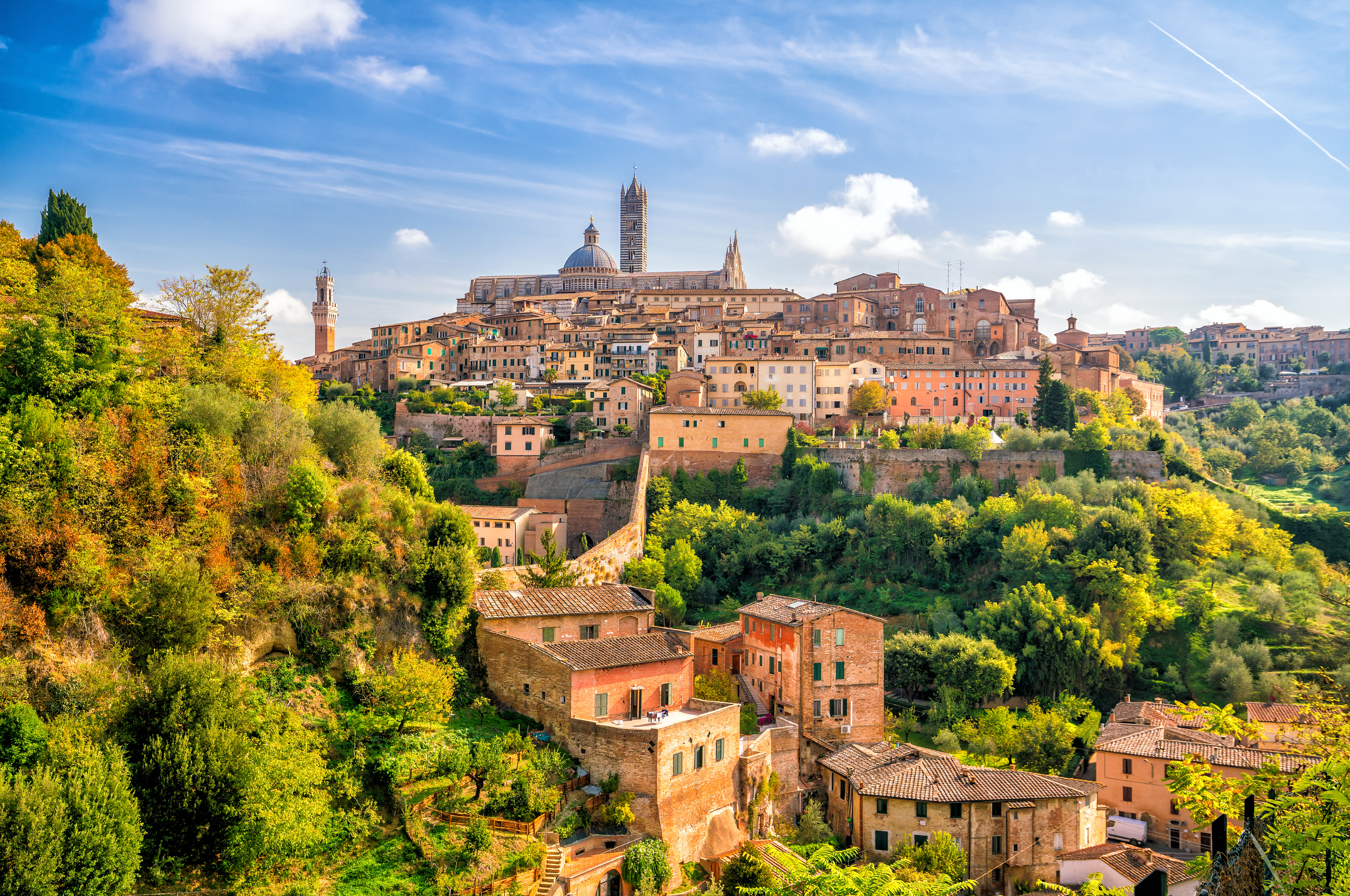
Siena isn’t just a beautiful Tuscan hill town. Walk with an expert to discover how rival neighborhoods, civic pride, and medieval traditions shaped the city you see today.
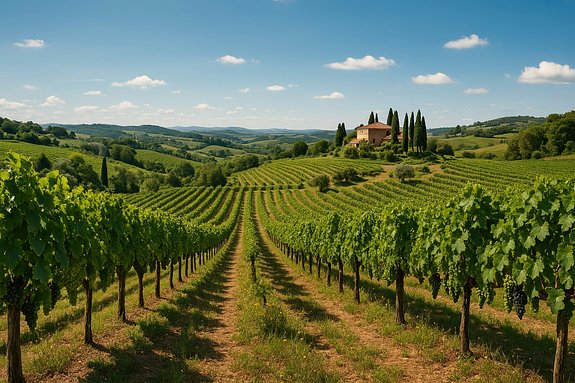
See more of Tuscany
Wine country and hill towns await
Hear from our customers
Stella is a fantastic story teller! We were delighted with her tour and her invaluable personal insight into Sienese history. We will highly recommend her to our friends.
RIta is an exceptional guide. Her deep knowledge of Tuscan history and the culture of Siena, combined with her adept story-telling, made for a fantastic introduction to Siena tour. She patiently waited for us when we were unexpectedly late for the tour and took our tardiness in stride. We appreciated her willingness to make adjustments without judgment. I have no hesitation recommending her to others.
Siena Tours
Siena is one of Italy’s most intact medieval cities, but its beauty makes more sense once you understand the civic rivalries, religious traditions, artistic ambition, and neighborhood loyalties behind it.
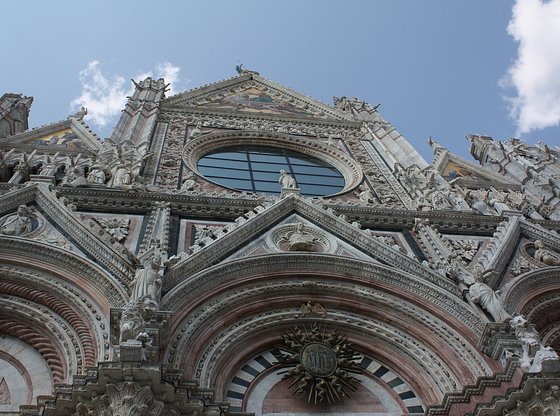
Context’s Siena tours explore those connections with local Experts in history, art, architecture, and Tuscan culture. Walk through the historic center to understand how a powerful medieval republic organized itself, examine Gothic art inside the Duomo, or trace the neighborhood identities that still come alive each year during the Palio.
Rather than treating Siena as a picturesque stop between Florence and the countryside, our tours reveal a city with its own political traditions, artistic legacy, and enduring sense of civic identity.
For a first visit, begin with a walking tour through the historic center. Siena’s compact urban core makes it possible to connect the Piazza del Campo, Duomo, Palazzo Pubblico, and surrounding streets within one coherent story.
Travelers interested in Siena’s most distinctive living tradition can go deeper with a Palio-focused tour, exploring the contrade, rivalries, rituals, and civic identities behind the famous horse race.
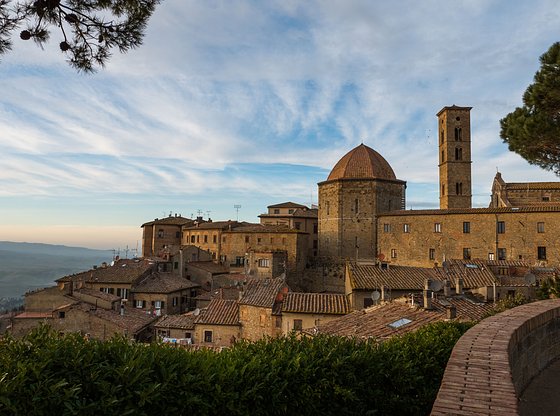
For those staying longer in the region, Siena also makes an excellent base for day trips into the Tuscan countryside. Context currently offers private experiences to the Val d’Orcia, Chianti, and the medieval towns of San Gimignano and Volterra.
A private Siena tour gives your group dedicated time with a local Expert and room to follow the questions that interest you most.
A painted civic interior might lead into medieval government; a cathedral sculpture into Siena’s artistic rivalry with Florence; or a neighborhood symbol into the identity of one of the city’s contrade.
Because the experience is private, the pace and depth can adapt naturally to your interests rather than following a fixed group script. That flexibility is particularly useful in Siena, where politics, religion, art, and local identity are closely intertwined.
Discover Siena on Foot
A Siena walking tour allows you to experience how steep streets, narrow lanes, civic buildings, churches, and neighborhood boundaries relate to one another. The city’s largely pedestrianized core makes walking not only practical, but essential to understanding how medieval Siena was organized.
With an Expert connecting those details, the streets become evidence of the city’s social structure rather than simply a beautiful backdrop.
Understand Medieval Siena
During the Middle Ages, Siena became one of the wealthiest and most influential city-states in central Italy.
Banking, trade, religious institutions, and artistic patronage all contributed to its growth, while political competition shaped the public spaces and buildings that remain central to the city today. The shell-shaped Piazza del Campo and Palazzo Pubblico reflect the importance Siena placed on civic government and collective identity.
Exploring this history with a specialist helps explain why Siena developed so differently from nearby Florence—and why its medieval urban fabric remains so coherent today.
The Palio and the Contrade
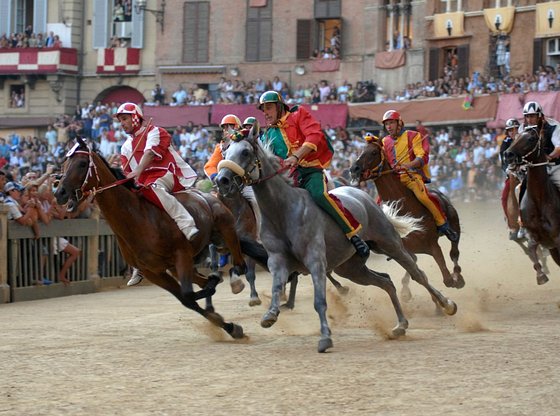
The Palio is one of Siena’s most famous traditions, but it is far more than a horse race.
The event reflects the identities of the city’s contrade, or historic neighborhood associations, whose rivalries, symbols, ceremonies, and community ties continue throughout the year. The race itself is held twice each summer in Piazza del Campo.
Understanding the Palio means understanding how deeply neighborhood identity is woven into Sienese civic life. A specialist tour can reveal the traditions behind the spectacle and explain why the race still matters so much to residents.
Siena Through Art and Architecture
Siena developed an artistic tradition distinct from Florence.
The city’s cathedral, churches, civic buildings, and museums preserve works associated with artists such as Duccio, Simone Martini, Donatello, and Michelangelo.
Gothic architecture and painted interiors reveal how Siena used art to express religious devotion, civic pride, and political identity. Looking closely at these works with an art historian helps connect style and symbolism to the social world that produced them.
Siena and the Tuscan Countryside
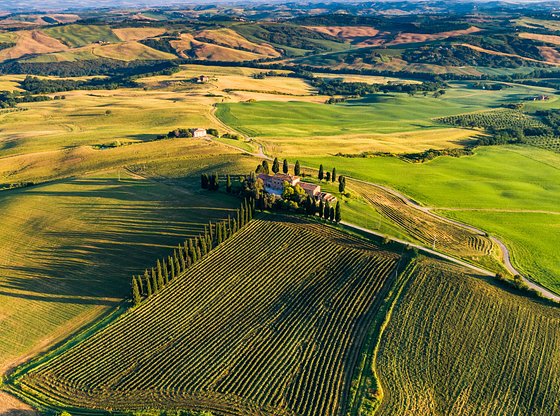
Siena’s history is inseparable from the landscape around it.
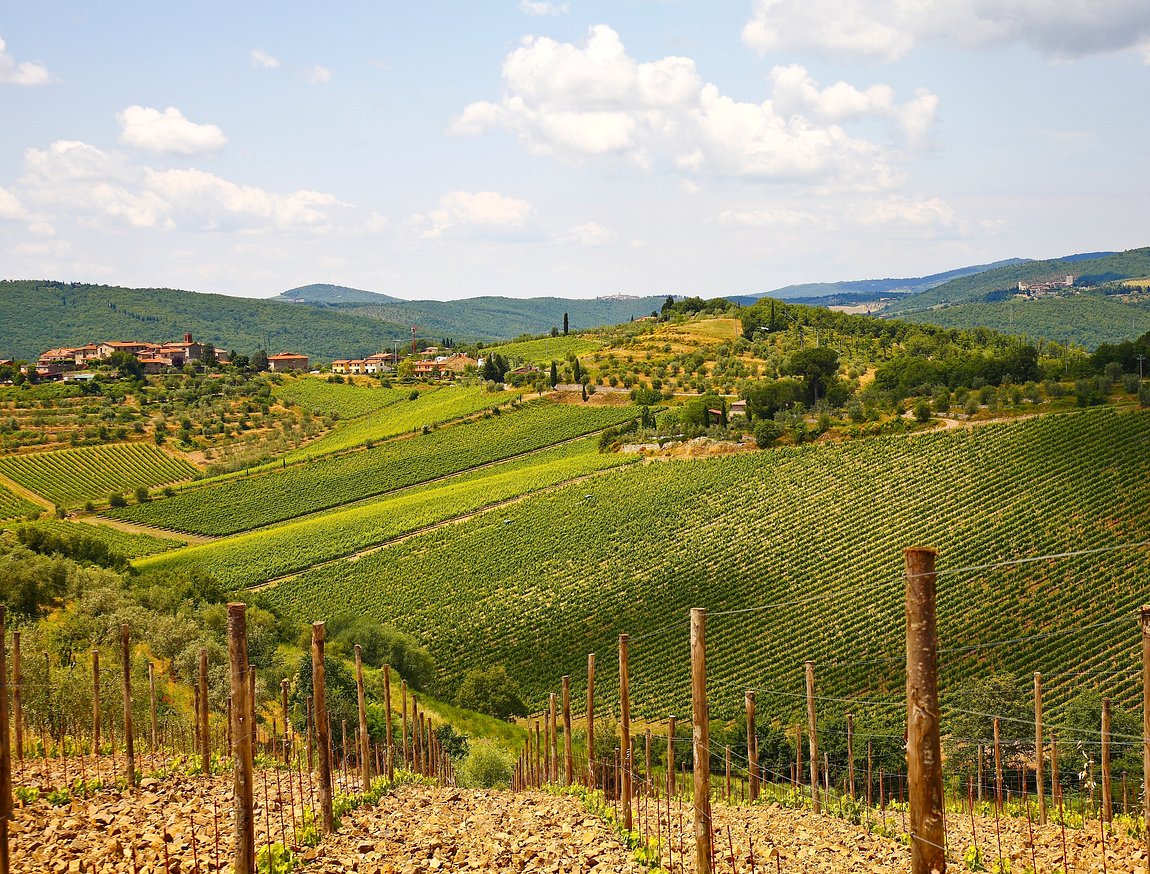
The city developed through trade routes, agricultural wealth, political control, and relationships with smaller towns across the region. Today, those connections make Siena a natural starting point for exploring Chianti, the Val d’Orcia, San Gimignano, Volterra, and other parts of Tuscany.
A day trip from Siena adds a regional perspective to the city’s history, showing how urban wealth, wine production, farming, pilgrimage routes, and hill-town politics shaped one another.
Why Explore Siena with Context?
Context’s Siena tours are led by local Experts whose backgrounds may include history, art, architecture, and Tuscan culture.
Their role is not simply to identify landmarks. They help explain why Siena’s neighborhoods still matter, how medieval political structures shaped its streets, why its artistic tradition developed differently from Florence, and how civic identity continues through rituals such as the Palio.
The aim is to leave Siena not only having seen its major landmarks, but understanding the historical relationships that make the city so distinctive.
Siena’s historic center is compact and largely pedestrianized, making it ideal for walking tours. Its narrow streets and steep hills are best explored on foot.
Most travelers spend one to two days in Siena, often combining the city with visits to nearby Tuscan towns and vineyards.
Italian is the primary language spoken in Siena, though English is widely spoken in tourism areas. Italy uses the euro (€) as its currency.
Spring and autumn are particularly pleasant seasons to visit, while summer visits often coincide with the famous Palio horse races held in July and August.
What are the best tours to take in Siena?
For a first visit, a Siena walking tour through the historic center provides the clearest introduction to the city’s medieval history, Piazza del Campo, Duomo, and civic traditions. Travelers with more time can add a specialist Palio experience or take a day trip into the surrounding Tuscan countryside.
Is Siena a good city for a walking tour?
Yes. Siena’s historic center is compact and largely pedestrianized, making walking one of the best ways to explore it. The city is hilly, so comfortable shoes are recommended.
What is Siena best known for?
Siena is known for its medieval city center, Piazza del Campo, the Palio horse race, Gothic architecture, Siena Cathedral, and its distinctive artistic tradition.
Is Siena worth visiting?
Yes. Siena offers one of Italy’s best-preserved medieval urban landscapes, along with important art, architecture, civic traditions, and easy access to the Tuscan countryside.
How many days do you need in Siena?
One to two days is enough for many first-time visitors to explore Siena’s historic center and major landmarks. Additional time makes it easier to take day trips into Chianti, the Val d’Orcia, or nearby Tuscan towns.
When is the Palio in Siena?
The Palio traditionally takes place twice each summer, on July 2 and August 16, in Piazza del Campo.
Can you take day trips from Siena?
Yes. Siena is well placed for exploring Tuscany. Context currently offers private day trips from Siena to the Val d’Orcia, Chianti, San Gimignano, and Volterra.
Is Siena a good base for Tuscany?
Yes. Siena combines a substantial historic center with access to wine country, hill towns, and rural landscapes, making it a practical base for travelers who want to explore central and southern Tuscany.