WWII Tours of Europe
Expert-led WWII tours across Paris, London, Berlin, Munich, Normandy, Bergen, and Krakow
World War II did not unfold in one place or in one way. Across Europe, its history remains visible in occupied streets, resistance routes, government bunkers, memorials, and the neighborhoods where civilians carried on under extraordinary pressure.
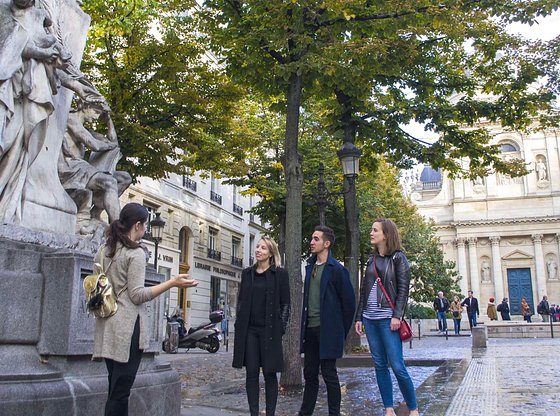
Our WWII tours of Europe help curious travelers understand the war through the cities where its consequences still resonate. Led by historians and local experts, these experiences explore occupation, resistance, ideology, wartime life, and memory across Paris, London, Berlin, Munich, Bergen, and Krakow.
%20-%202026-06-24T140945.417.png)

%20-%202026-04-28T085747.841.png)

WWII Tours of Europe with Context
Explore World War II through the European cities where its history still shapes streets, monuments, and public memory. These expert-led WWII tours of Europe are guided by historians and local specialists who help place each site within a wider story of occupation, resistance, ideology, civilian life, and remembrance.
In Paris, London, Berlin, Munich, Bergen, and Krakow, the war looks different from city to city. Follow resistance networks, examine propaganda and political power, trace the effects of occupation, and understand how each place remembers the conflict today. Together, these tours offer a deeper way to engage with WWII history—not as a single timeline, but as a series of human, political, and urban stories still visible across Europe.
Where to Explore World War II History in Europe
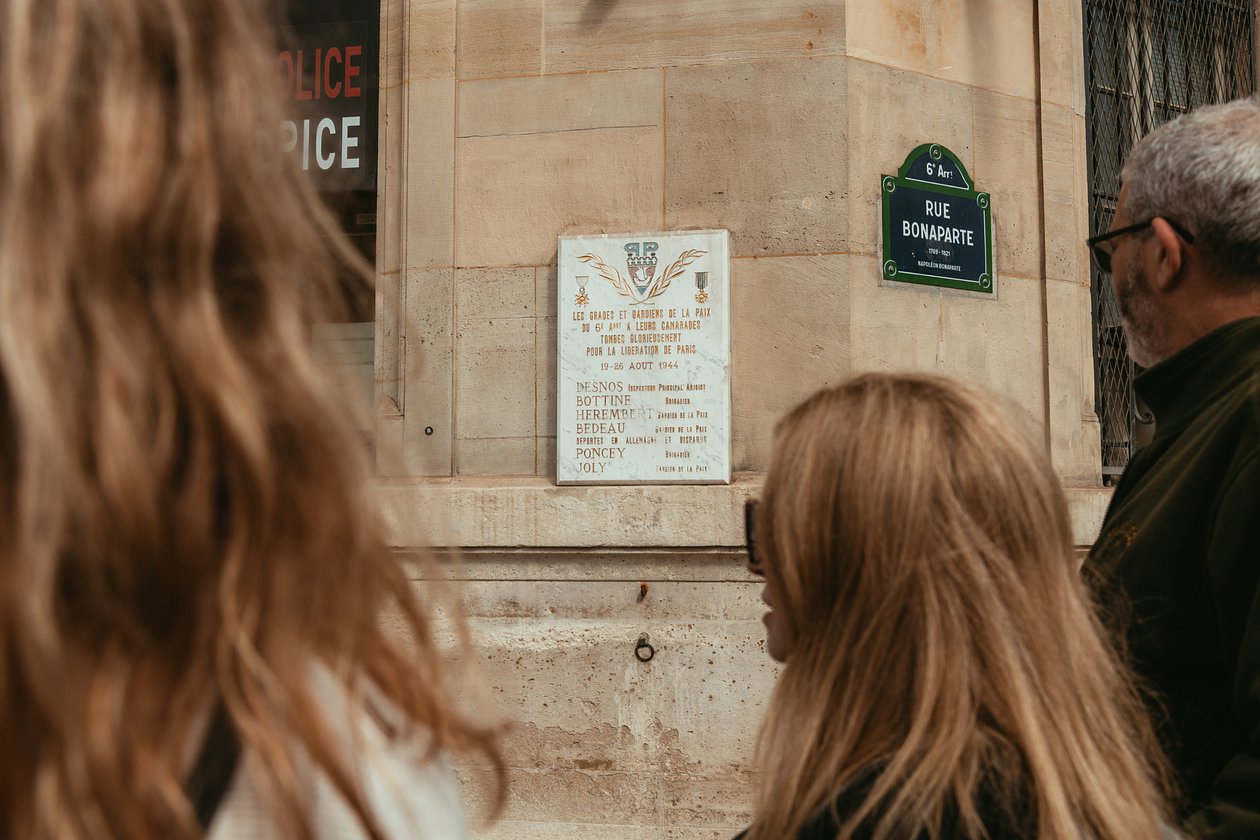
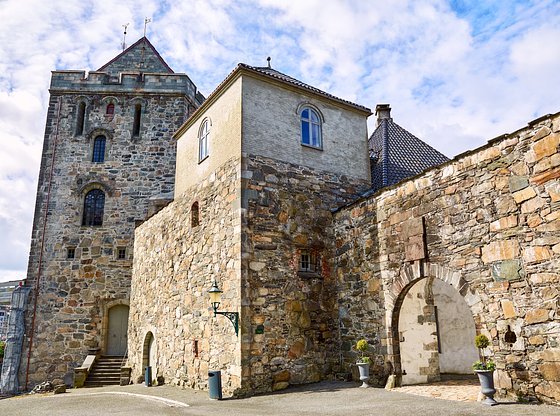
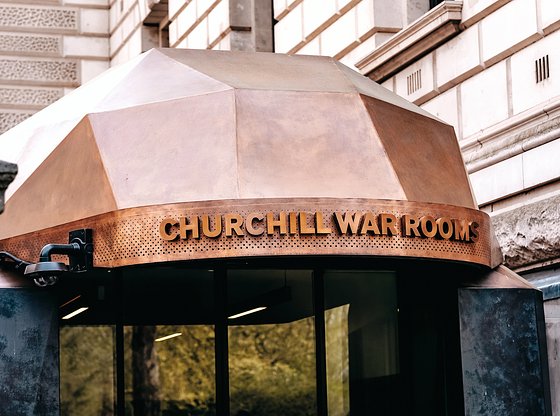
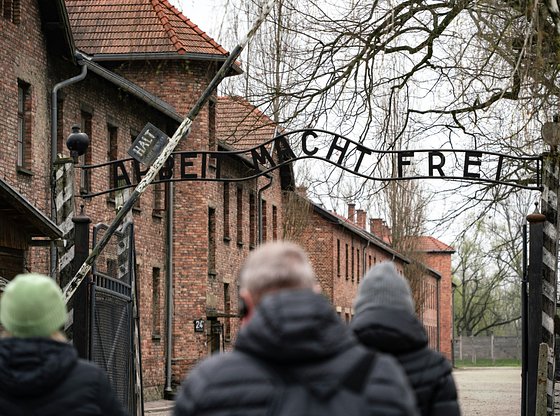
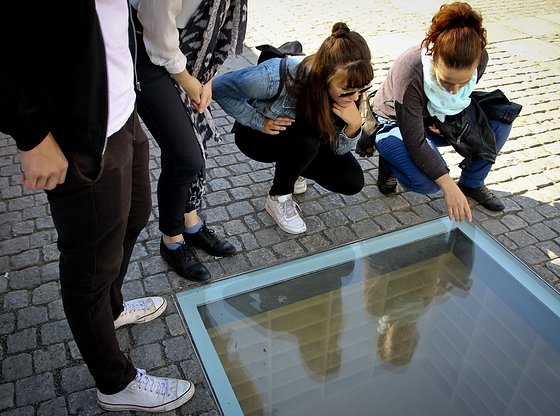
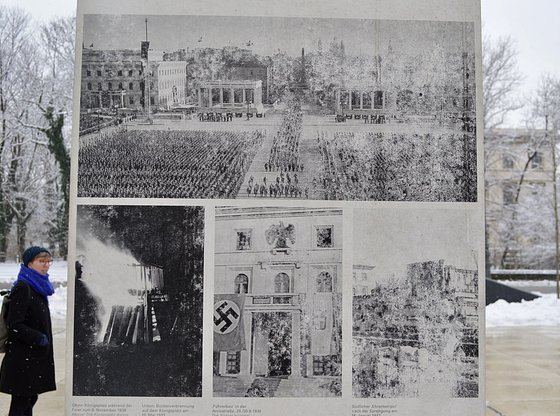
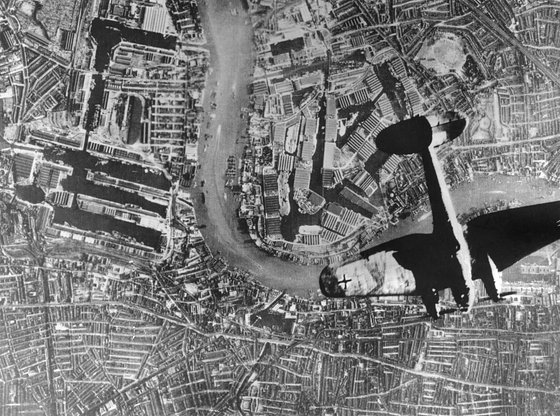
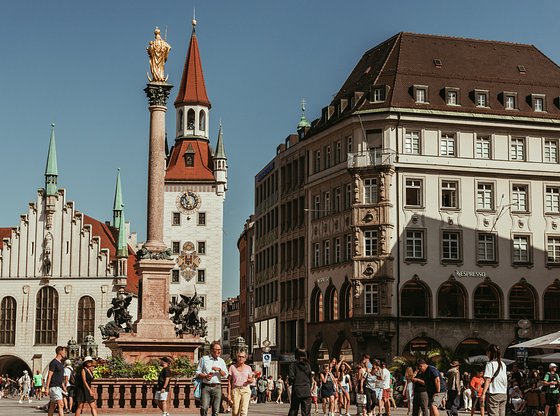
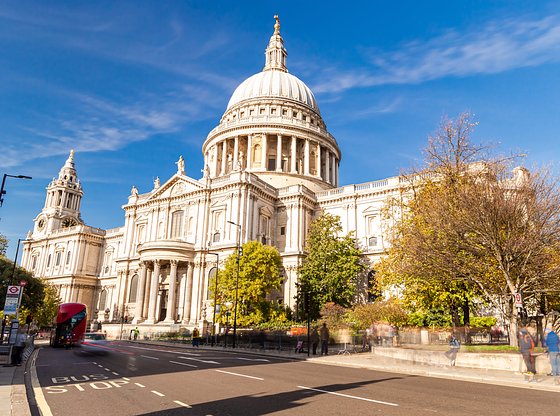
World War II history looks different in every European city. In Paris, the story centers on occupation, resistance, and liberation. In London, it often begins with wartime leadership, the Blitz, and the daily strain of life under aerial attack. Berlin and Munich help explain the rise of Nazism, propaganda, dictatorship, and the war’s aftermath, while Krakow and Warsaw reveal the devastating impact of occupation in Poland. In Bergen, WWII history opens onto Norway’s strategic coastline, resistance networks, and the military importance of the North Atlantic.
Together, these cities offer a wider view of the war, not as a single timeline, but as a series of local experiences shaped by power, ideology, survival, and memory.
Why Explore WWII History with a Historian?
World War II sites can be difficult to understand without context. A bunker, memorial, government building, or former occupation site may carry layers of political, military, and human history that are not always visible at first glance.
Our expert-led WWII tours of Europe are guided by historians and local specialists who help connect individual places to the larger forces behind them. Rather than focusing only on dates or battles, these experiences examine occupation, resistance, propaganda, civilian life, persecution, liberation, and remembrance. The result is a more thoughtful way to engage with WWII history, grounded in the cities where it unfolded.
Frequently Asked Questions About WWII Tours of Europe
What are the best cities in Europe for WWII history?
Some of the most meaningful cities for WWII history include Berlin, Munich, Paris, London, Warsaw, Krakow, and Bergen. Each reveals a different part of the conflict, from the rise of Nazism and occupation to resistance, civilian life, liberation, and memory.
What can you expect on a WWII tour of Europe?
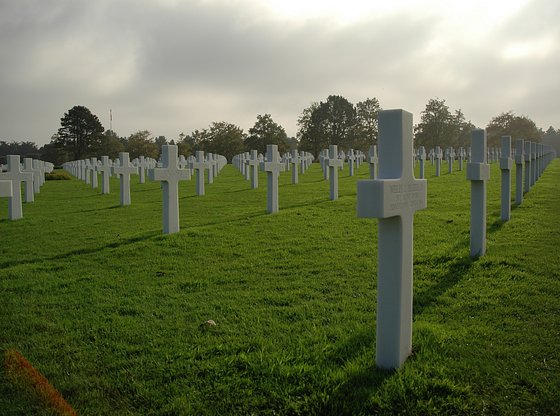
A WWII tour of Europe usually explores the places where wartime history remains visible, including memorials, occupation sites, former government buildings, neighborhoods, bunkers, and museums. With an expert guide, these places become part of a clearer story about how the war shaped daily life and public memory.
Are WWII tours suitable for first-time visitors?
Yes. WWII tours can be especially useful for first-time visitors because they help explain how the war shaped the cities travelers see today. Expert-led tours provide context that can be difficult to gather from plaques, museums, or guidebooks alone.
How do WWII tours differ between Western and Eastern Europe?
WWII history varies sharply across Europe. In Western Europe, tours often focus on occupation, resistance, bombing campaigns, liberation, and wartime leadership. In Eastern Europe, the experience may place greater emphasis on Nazi occupation, Jewish history, ghettos, mass violence, Soviet influence, and postwar memory.
Why choose an expert-led WWII tour?
An expert-led WWII tour helps connect individual sites to the wider political, social, and human history of the war. Historians and local specialists can explain not only what happened in a place, but why it mattered and how it is remembered today.