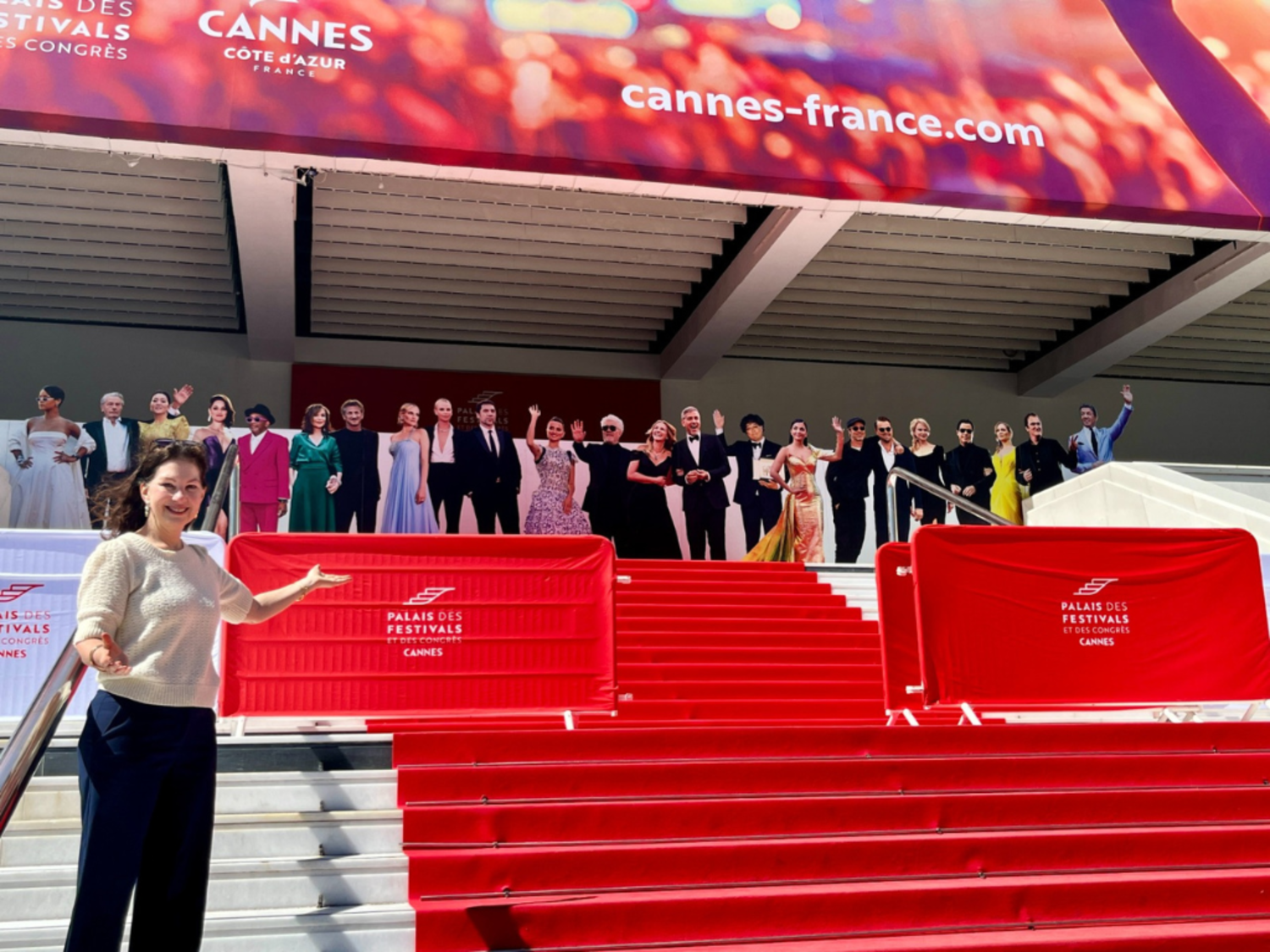
Sun-drenched Cannes, known more for its beaches than silver screens, became an unlikely birthplace for a film powerhouse in 1939. Born as a counterpunch to a fascist-tainted Italian festival, Cannes aimed to showcase international cinema free from political influence. War, however, forced a six-year hiatus.
In 1946, a world yearning for escape found solace in Cannes. The festival became a platform for war-torn countries to share their stories. A glamorous shift began in the 1950s with Sophia Loren and Brigitte Bardot gracing the red carpet. Yet, a critical undercurrent emerged. Filmmakers like Truffaut craved a platform for challenging European cinema, not just highlighting Hollywood glitz.
In 1968, sudent protests and directors like Godard disrupted the ceremony in solidarity with the workers' movement. The event was canceled, highlighting the festival's sensitivity to social change.
Cannes has navigated controversy ever since, from Lars von Trier's shocking visuals to the #MeToo movement's impact.
Today, it's a fascinating mix of artistic celebration, star-studded spectacle, and social commentary. Tuxedos mingle with protest signs, Hollywood dreams brush against global realities. This captivating tension keeps Cannes a testament to the enduring power and complexity of cinema.
Dr. Alison Bracker shares a highlight of the history of Cannes.
The 79th Cannes Film Festival takes place May 12th through May 23rd, 2026. Will you be one of the millions waiting to catch a glimpse of stardom?
If you're ready to experience the rest of the French Riviera, let a Context expert like Alison lead the way. View French Riviera experiences and punch your ticket to the starlet coast today.