In the narrow lantern-lit alleyways of Kyoto’s old quarters, time lingers. Each wooden teahouse, each silent courtyard whispers a story... Not of a bygone era, but of a living tradition that has evolved over centuries. To encounter a geisha (or, as she is known in Kyoto, a geiko) is not merely to glimpse a romantic stereotype from film or fiction, but to witness a lineage of artistry, elegance, and sociocultural negotiation that has shaped Japan’s sense of self.
What follows is a journey into the history of geisha: their origins, their evolution through the zenith of Edo period Japan, their dynamism in the early 20th century, and their role in contemporary cultural life. Throughout, we benefit from the voice of Context Expert Gavin Campbell, whose deep research into Kyoto’s modern geisha world reveals layers of nuance often hidden beneath popular imagination.
Origins: From Entertainers to Artistic Masters
To understand the cultural force that geisha represent we must first unravel their beginnings, beginnings that are more complex than many travelers imagine.
Contrary to what popular media often suggests, the earliest performers in Japan’s entertainment world were not exclusively female. In the 17th century (the heart of the Edo period), male entertainers known as taikomochi or hōkan played roles similar to later geisha: they sang, danced, told stories, and cultivated social connection at parties and gatherings.
Over time, women entered the profession and, by the mid-1700s, had come to dominate it. By the late Edo period, geisha were firmly established as women trained in performance, music, dance, and social grace, performing in private teahouses and licensed entertainment districts called hanamachi — literally “flower towns” — in cities from Edo (Tokyo) to Kyoto and beyond.
The term geisha itself literally means “person of art” (芸者) and reflects this deep grounding in artistic mastery. While the term is used widely outside Kyoto, in Kyoto proper these artists are more often called geiko (芸妓), a regional expression of the same vocation.
The Edo Period: Flourishing in the Pleasure Quarters
By the early 18th century, geisha had become a recognized professional class within Japan’s urban culture. Kyoto, then the imperial capital, was especially fertile ground for their development. Its teahouses (ochaya), narrow lanes, and tightly knit cultural networks provided the setting in which geisha honed not just their performances, but their social roles. They were diplomats of refinement, custodians of etiquette, and masters of omotenashi, the Japanese concept of exceptional hospitality.
In Kyoto’s hanamachi, including famed districts like Gion Kobu, Gion Higashi, Miyagawacho, Pontocho, and Kamishichiken, the profession flourished. Each district developed its own traditions, styles of dance, musical emphasis, and ceremonial practices which were passed down through rigorous apprenticeship systems.
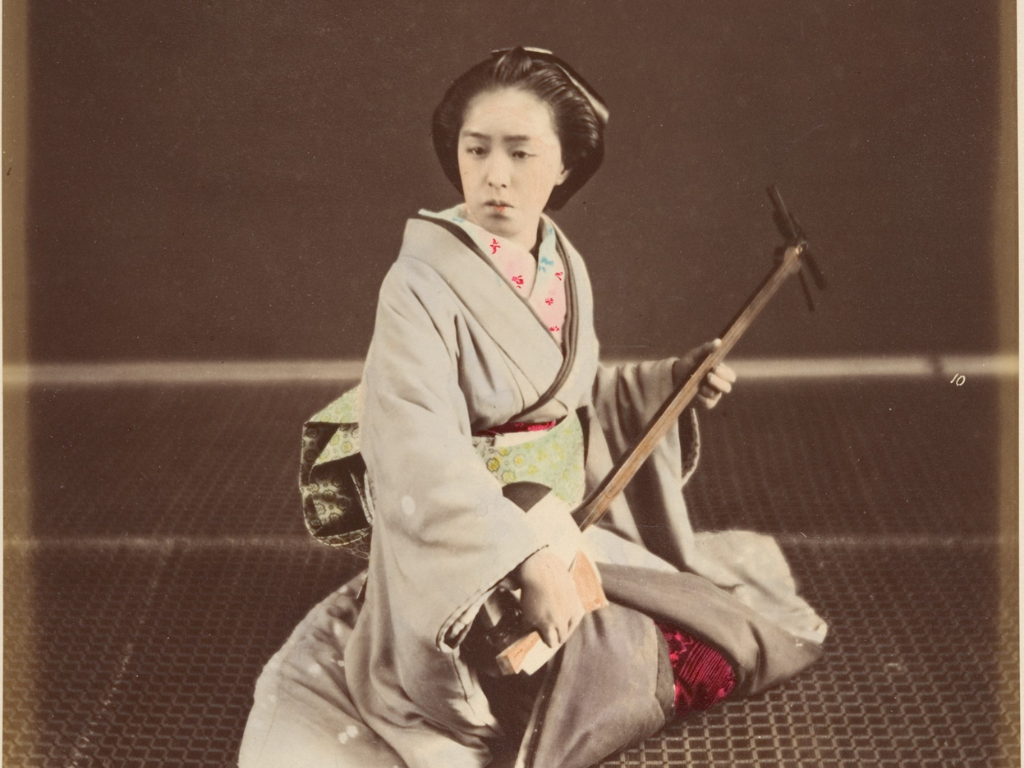
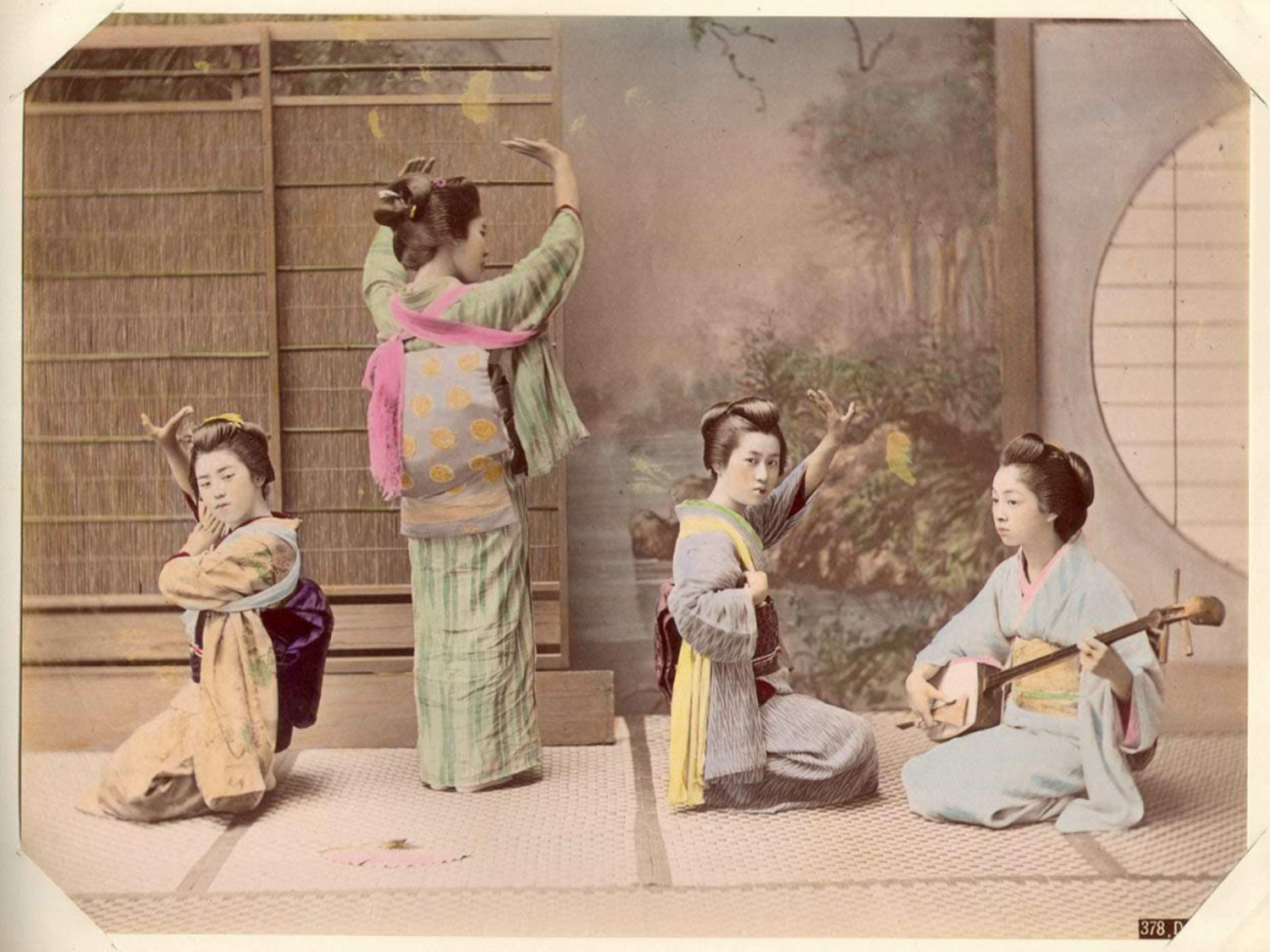
Training was, and remains, a lifelong commitment. Young women often between the ages of 15 and 20 enter a five-year apprenticeship to become fully fledged geisha. During this time, they are known as maiko, a designation that carries both cultural prestige and symbolic beauty. Maiko learn music, calligraphy, tea ceremony, and classical dance in service of cultivating presence, refinement, and the ability to entertain with grace.
Worlds in Flux: The Meiji and Taishō Eras
In the 19th century, Japan opened its doors after centuries of relative isolation, ushering in the Meiji Restoration (1868) and an era of rapid modernization. Western influences reshaped cities, commerce, and society. The world structured around feudal hierarchies and ritualized entertainment that geisha had long known suddenly expanded into cafés, jazz clubs, theaters, cinema, and mass leisure culture.
Here we return to the insights of Gavin Campbell, whose research into the geisha world of the 1920s and 1930s reveals a profession at a crossroads. Geisha were ubiquitous, yet facing the very real threat of obsolescence. The rise of new forms of entertainment drew patrons away from private teahouses; social mores shifted and critics accused geisha of being outmoded or superficial.
Yet, as Campbell points out, the story of geisha in this period is not one of decline, but of transformation. Far from clinging passively to tradition, many geisha embraced new opportunities for expression. They created grand public dance spectacles (odori) that drew huge audiences, appeared in radio broadcasts and phonograph recordings, and even graced the screens of early cinema. In doing so, they brought geisha performance into Japan’s broader cultural conversation and demonstrated that adaptation and artistry were not mutually exclusive.
Campbell’s work challenges the romantic image of geisha as cloistered guardians of an unchanging past. Instead, he reveals them as active agents shaping cultural modernity. They adapted to become performers who took part in civic celebrations, commercial culture, and public spectacle, even as they upheld the artistic standards their profession demanded.
Stigma, Misconception, and the Power of Imagined Geisha
Despite their storied legacy, geisha have often been misunderstood. Popular culture and cinema have sometimes blurred the lines between geisha and courtesans, or cast them as enigmatic figures of exotic allure rather than nuanced professionals grounded in artistry.
In truth, a geisha’s role has always been performance, culture, and hospitality, not prostitution. Regulations in earlier periods, such as those during the Edo era, explicitly forbade geisha from engaging in relationships that would compromise their social function or artistic integrity.
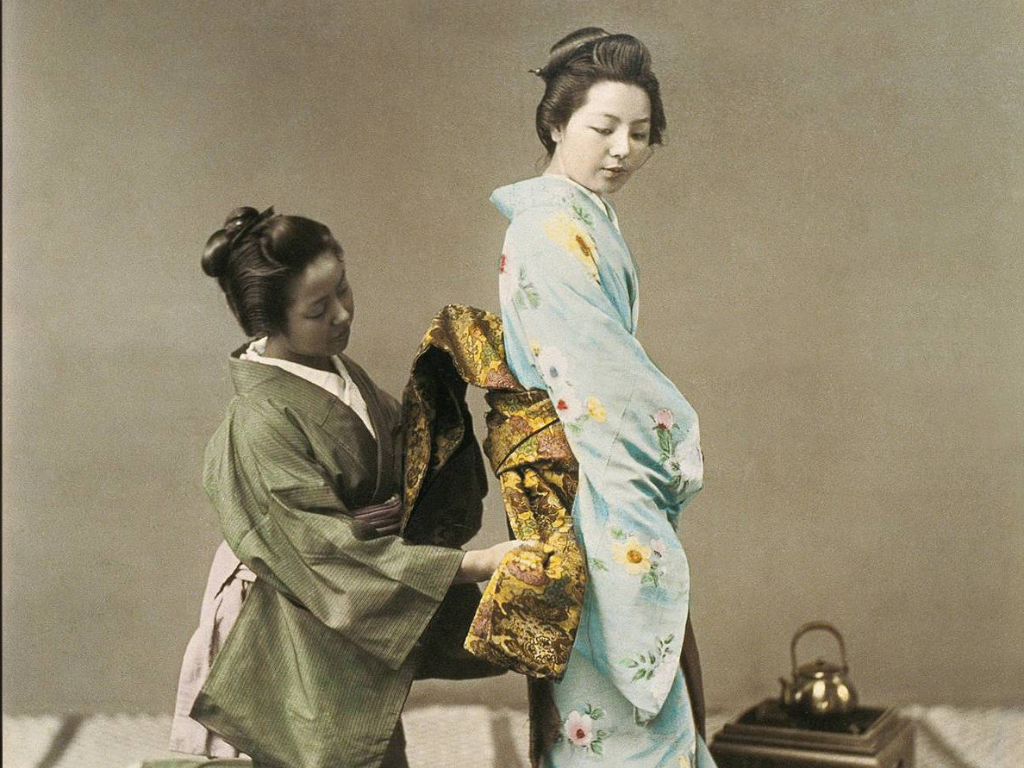
This misrepresentation has had enduring consequences. As Japan opened to global tourism in the late 20th and early 21st centuries, geisha districts became hotspots for eager visitors seeking “authentic” encounters. Kyoto’s Gion district, in particular, has experienced tensions between the preservation of tradition and the pressures of overtourism. In 2024, local authorities announced restrictions on tourist access to certain narrow alleyways. This measure is aimed at protecting geiko and maiko from harassment and preserving their dignity in daily life.
These modern challenges echo earlier debates about the nature of geisha work. They remind us that tradition is neither static nor immune to external forces.
The Geisha Today: Custodians of Craft and Culture
In the 21st century, geisha remain a rare and precious cultural presence. While once there were tens of thousands of geisha across Japan (close to 80,000 in the 1920s and 1930s), that number has dwindled to just over a thousand. Kyoto remains the heart of geisha culture, with its hanamachi continuing to train new generations of maiko and geiko.
Their work today is a bridge between epochs: deeply rooted in tradition yet experienced within a global milieu of tourism, performance, and cultural exchange. A geiko’s artistry, whether expressed through dance, shamisen music, classical song, or the finely tuned conversational skill known as gei, is not merely entertainment. It is a living archive of technique, meaning, and aesthetic values cultivated over centuries. We would do well to remember this as we visit Kyoto's geisha districts.
For the respectful visitor, few experiences offer as profound a glimpse into Japan’s intangible cultural heritage as attending a geisha performance or ozashiki (private banquet). These moments invite you to take part with a continuum of cultural transmission and human connection.
What It Means to Witness a Geisha Today
To step into a teahouse where a geiko performs mai (dance) or plays shamisen is to enter a world shaped by ritual and refinement. The experience defies easy translation: it is at once visual, auditory, emotional, and social. It’s about the space between notes, the gesture that conveys meaning, the gaze that affirms presence. It is to witness artistry that has been refined through structured pedagogy and lifetimes of discipline.
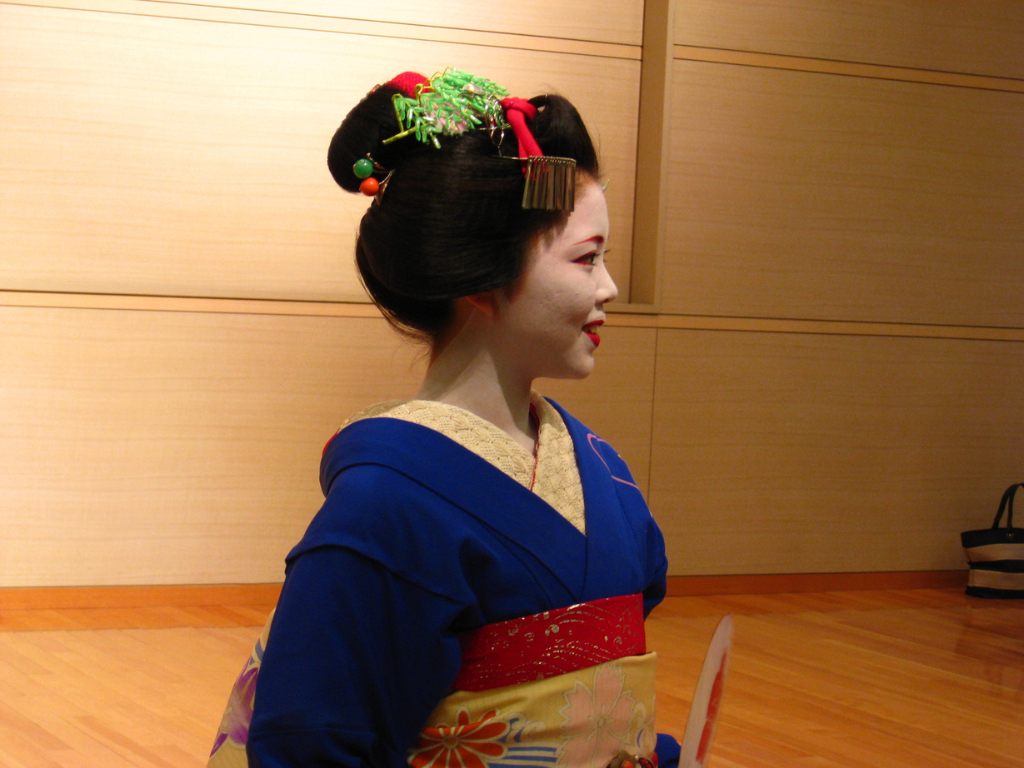
When we understand geisha through this lens—as custodians of skill, culture, and performance—we can appreciate their enduring relevance. They are not relics; they are artists in dialogue with history, place, community, and change.
Final Reflections: Beyond the Orchid Gown
The story of geisha is one of continuity and innovation, tradition and transformation. From their earliest origins as entertainers and jesters to their ascension as professional artists, geisha have continuously woven their presence into Japan’s cultural fabric. Through the upheavals of modernization, the challenges of stereotypes, and the currents of globalization, they have preserved not only gei, but also a mode of being that elevates hospitality to an art form.
As Gavin Campbell’s research illuminates, the geisha of the interwar period did not merely survive; they adapted, expanded, and reimagined what their profession could be, a testament to the resilience and creativity that have defined geisha across centuries.
And for travelers seeking meaningful engagement with Japan’s cultural heritage, acknowledging this complexity and approaching it with respect is essential. To understand geisha is not to chase an image, but to recognize a lineage of human expression, artistic mastery, and cultural continuity.
Looking for a Respectful, Guided Geisha Experience?
Context Travel experts are ready to open the door to Japan's rich culture and history. Interested in learning more about geisha and maiko with a historian? Searching for an exclusive audience with a geisha and maiko that is usually reserved for members of an ochaya, or tea house? Our Context Experts are here to share their background and provide guidance in how to best experience this incredible tradition.
Geisha District Night Tour: Exploring Gion
Exclusive Private Tea Ceremony with a Geisha Tour
Introduction to Kyoto Geisha with a Historian