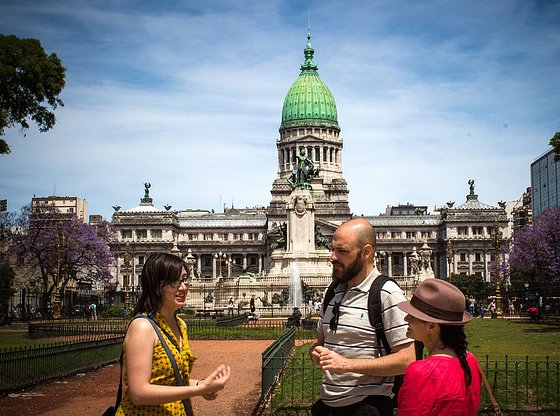
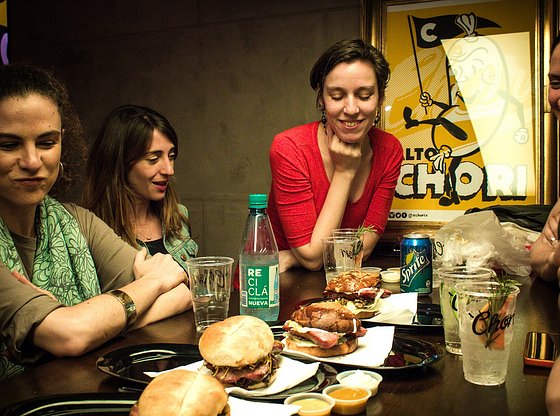
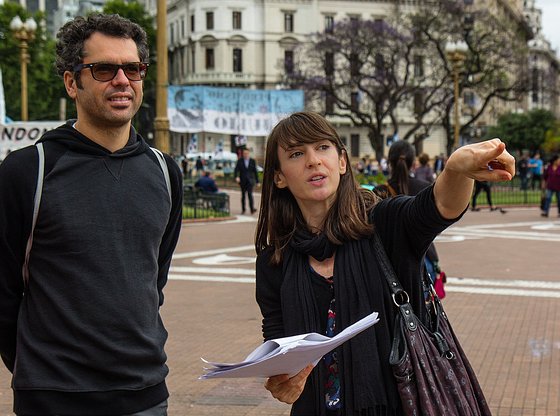
We had a great experience with Gaby on our tour. She is articulate, knowledgeable, helpful and very accommodating. We learned a lot about the history, culture and aspirations of the local Jewish community and Argentina in general. She even helped us with shopping Information and great places to dine. The Jewish gauchos and colonies and communes that they founded was something we had never heard or knew about before. All together we highly recommend Gaby for your next tour in Buenos Aires.
Buenos Aires Jewish History Tour
Uncover Jewish Buenos Aires through synagogues and neighborhoods
Trace a community’s journey of migration, resilience, and identity woven into the fabric of Buenos Aires.
Tour Highlights
- Community Foundations Trace 500 years of Jewish presence, from early settlers to modern life
- Once Neighborhood Life Explore the historic heart of Jewish Buenos Aires and its daily rhythms
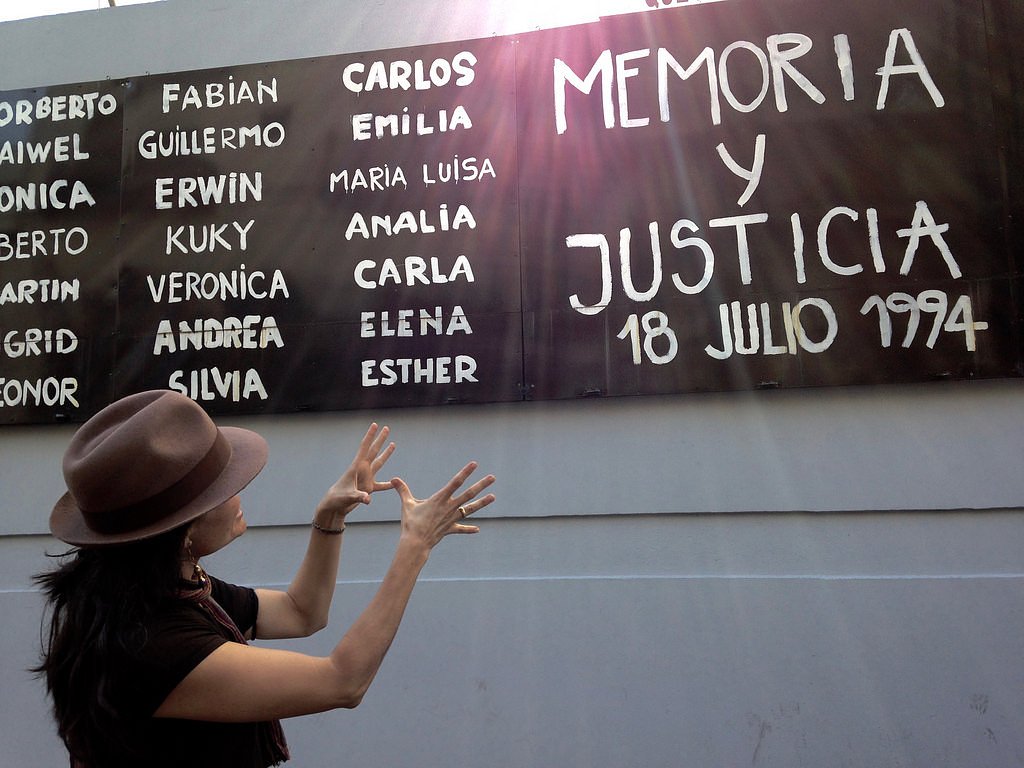
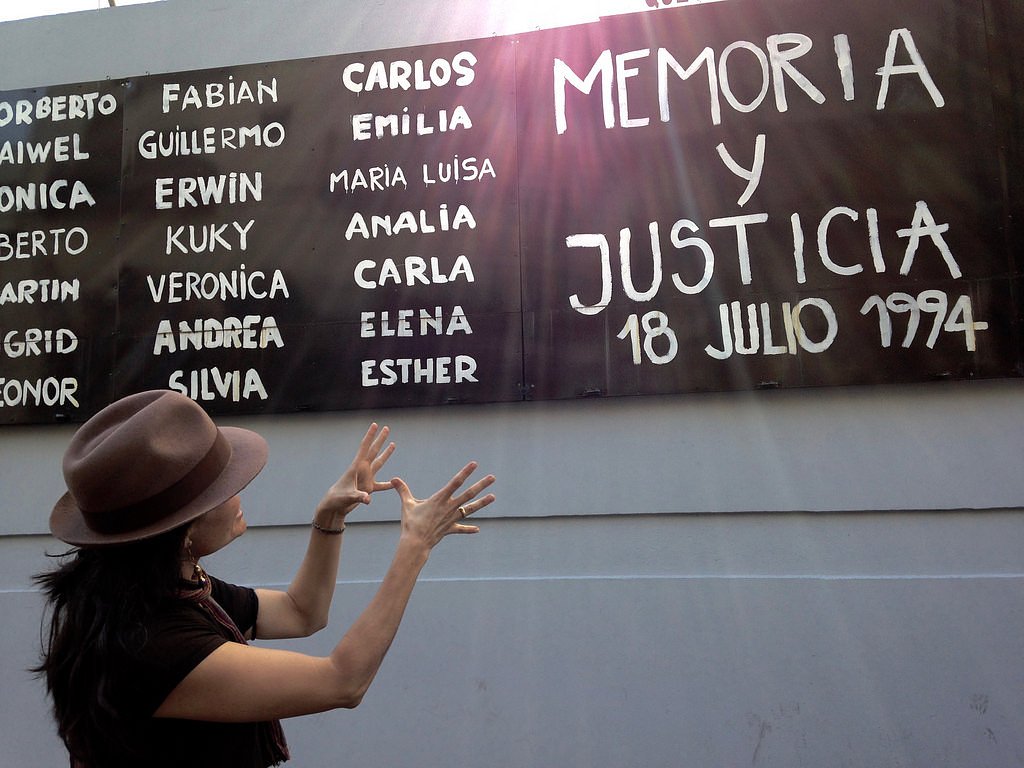
- AMIA in Context Understand its cultural role and the lasting impact of the 1994 attack
- Living Traditions Today See how culture, identity, and community continue to evolve
- Stories Made Personal Connect global events to individual lives and lived experience
Led by Experts, Shaped by You
Explore with an expert guide who responds to your questions, your interests, and your pace. Reveal layers of meaning most visitors miss—go from seeing to understanding.
The Finer Details
What does it mean to trace a city through the lives of those who rebuilt it, again and again? In Buenos Aires, Jewish history is not a footnote. It is a lens through which the city’s identity comes into sharper focus.
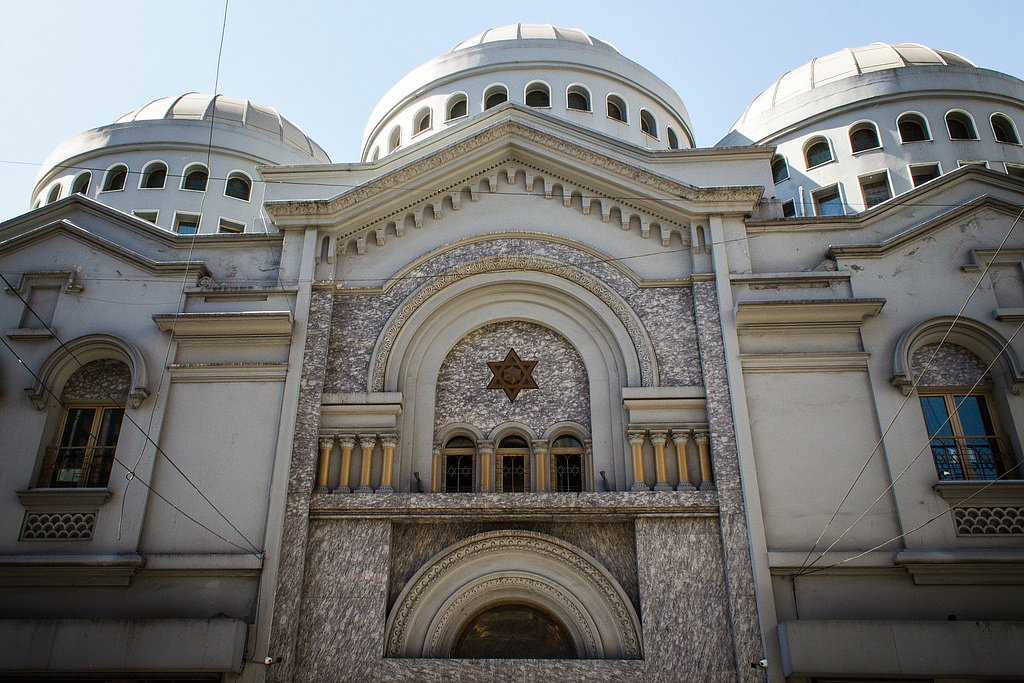
You’ll trace the history of Buenos Aires through the neighborhoods where much of its Jewish community took root in the early 20th century. At first glance, these streets may feel like busy commercial districts, but with context, they reveal a deeper story shaped by migration, work, and cultural continuity. What you see starts to connect, storefronts, institutions, and daily life forming a narrative that extends far beyond the neighborhood itself.
That broader story comes into sharper focus at AMIA. Standing outside this site, the conversation shifts from historical overview to lived experience. Here, your guide helps you understand the cultural role of the institution and the lasting impact of the 1994 attack, framing it within wider questions of memory, resilience, and identity.
As you continue, the narrative expands across the city rather than relying on a single site. Your guide draws connections between global events and local experience, showing how identity is shaped over time through adaptation, preservation, and reinvention. What might seem like isolated moments begins to form a cohesive understanding of both a community and a country.
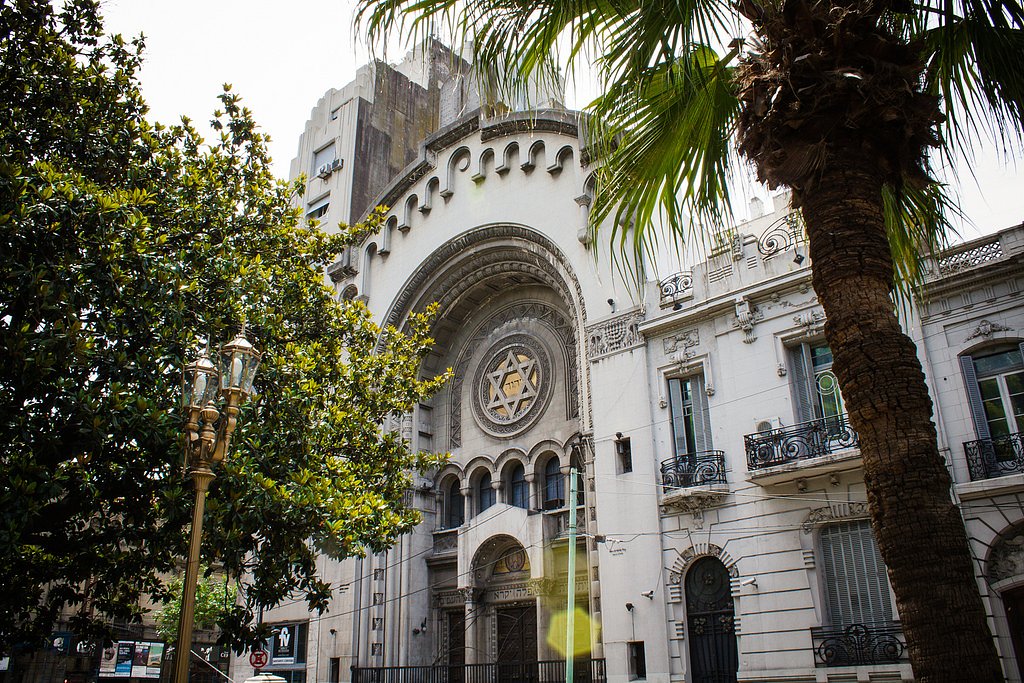
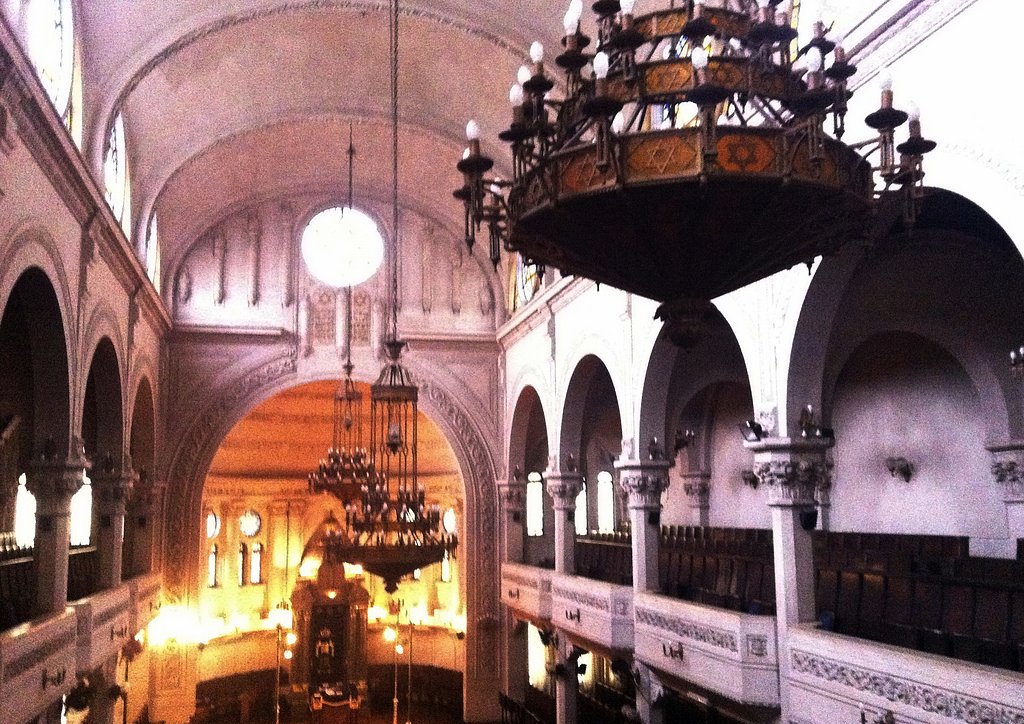
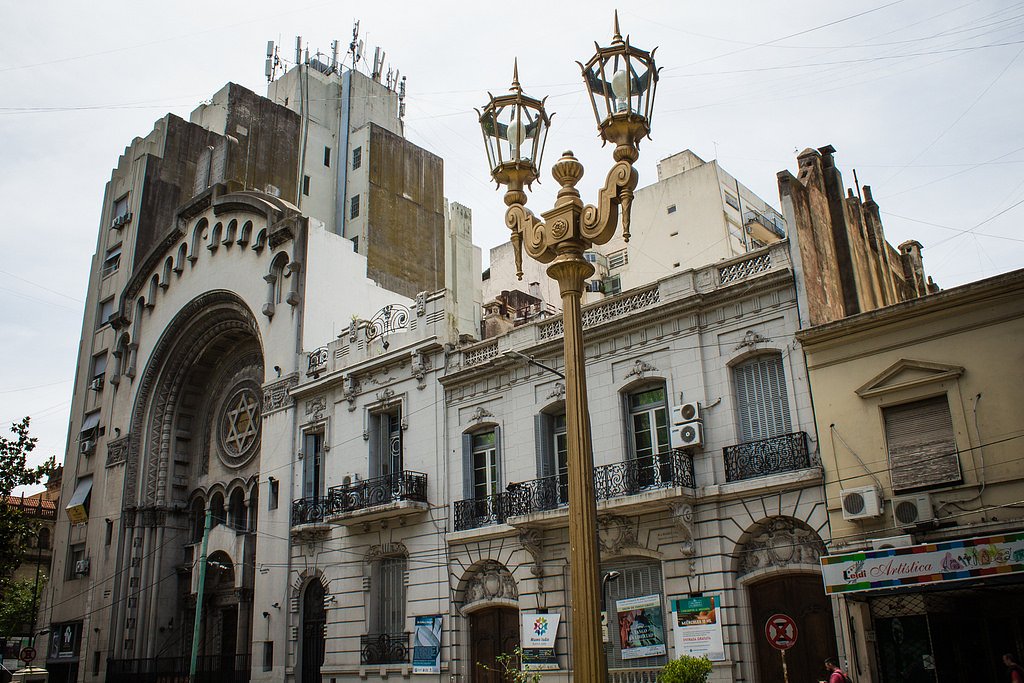
The experience concludes near Templo Libertad, where the narrative comes full circle. By the end, what began as a walk through a neighborhood becomes a clearer understanding of how Jewish history is inseparable from the broader story of Buenos Aires.
Meet the Experts






Where You’ll Go
From iconic landmarks to tucked-away local favorites, these are the places you’ll explore and experience firsthand with your Expert.
-
AMIA Jewish cultural center
-
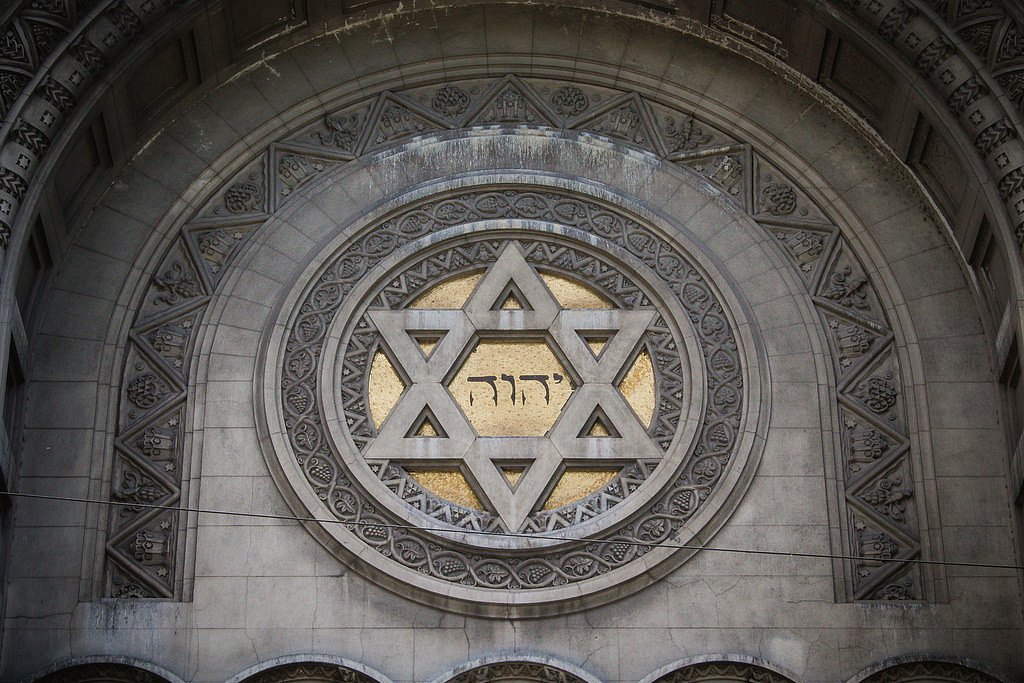
Synagogue Templo Libertad
What’s Included As Standard
Here’s a look at what your tour covers, plus anything you’ll want to consider arranging separately, so you can plan with confidence.
Included
-
English-speaking expert guideTours led in English, offering you unbroken understanding throughout.
-
Intentionally sized groupsA smaller group means more time for conversations and questions.
-
Tickets and entrance feesAll entry tickets included (unless clearly stated otherwise).
-
HeadsetsHeadsets are included on tours that need them, so every word can be heard.
Not Included
-
GratuitiesTips aren’t included, but we encourage tipping as a way to thank your guide after your experience.
-
Food and drinkUnless booking a Food & Drink tour or tasting experience, refreshments are not included.
-
Transportation to and from the meeting pointUnless noted, pre- and post-tour transport isn’t included - this service can be added by request.
-
Hotel pickup or drop-offUnless noted, travel to or from accommodation isn’t included - this service can be added by request.
Where You'll Explore
Make the Most of Your Tour
Some helpful advice for getting the most from your experience, from practical prep to small on-the-day tips.
Dos:
- Wear comfortable footwear
- Check the weather and dress appropriately
- Bring a bottle of water (no glass)
- Feel free to ask your Expert anything
Don'ts:
- Bring firearms or weapons
- Bring sharp objects (e.g. knives, swiss army knives, switchblades, hiking sticks)
- Dress inappropriately to enter religious sites or sacred monuments
Any questions? You can always
contact us.
Frequently Asked Questions
No. This tour does not include entry inside AMIA. The center requires advance coordination, on-site security screening, and visits are conducted exclusively with their staff guides. Based on past experience, we’ve found that time is better spent exploring other sites with your Context expert, where the story can unfold more fluidly and in greater depth.
When access allows, yes. Entry depends on opening hours, religious services, and local security protocols, so your guide will adapt the experience accordingly.
At the synagogue, it is customary to offer a small, per-person donation (approximately $15 USD per synagogue), which is not included.
We understand that some of our valued guests may have mobility concerns, and we want to ensure you have a comfortable and enjoyable experience throughout your tour. If there are any accessibility concerns that your tour guide will need to be aware of, please let our team know at the time of booking.
Don’t just take our word for it
Gabriela is extremely knowledgeable about Buenos Aires and its Jewish history. Her personal stories made the city come alive, and she adapted the tour to maximize interest for my 15yo daughter.
Gabriela was absolutely amazing. We loved our tour so much. She found the perfect balance of historical facts, personal stories, and various myths to make the tour really interesting. She tailored our trip to what we wanted to see and made it fun for all ages. We really enjoyed spending time with her and wished we had her for longer, we didn’t want our tour to end. What a great tour guide you gave us! We saw all the hidden gems! Loved our tour, gracias!
Let Your Curiosity Shape Your Journey
Join passionate experts on intimate walking tours that reveal a city’s unique stories, spark conversations, and leave you seeing the world—and yourself—a little differently.
Structured, never scripted
Your interests guide your Expert, leading to stories and perspectives that matter to you.
Crafted for conversation
With 12 or fewer guests, ask questions, engage with your Expert, and fully immerse yourself.
Experts, not guides
Explore with 1,200+ Experts—from historians and architects to archaeologists and chefs.