Claire was a wonderful tour guide. She had a deep knowledge of Turkish history and of the mosques, Ottoman empire. She is so good at explaining things and making the entire history come alive. A wonderful tour!
Istanbul Architecture Tour: Ottoman Mosques
Compare mosque design from imperial ambition to sacred space
The Finer Details
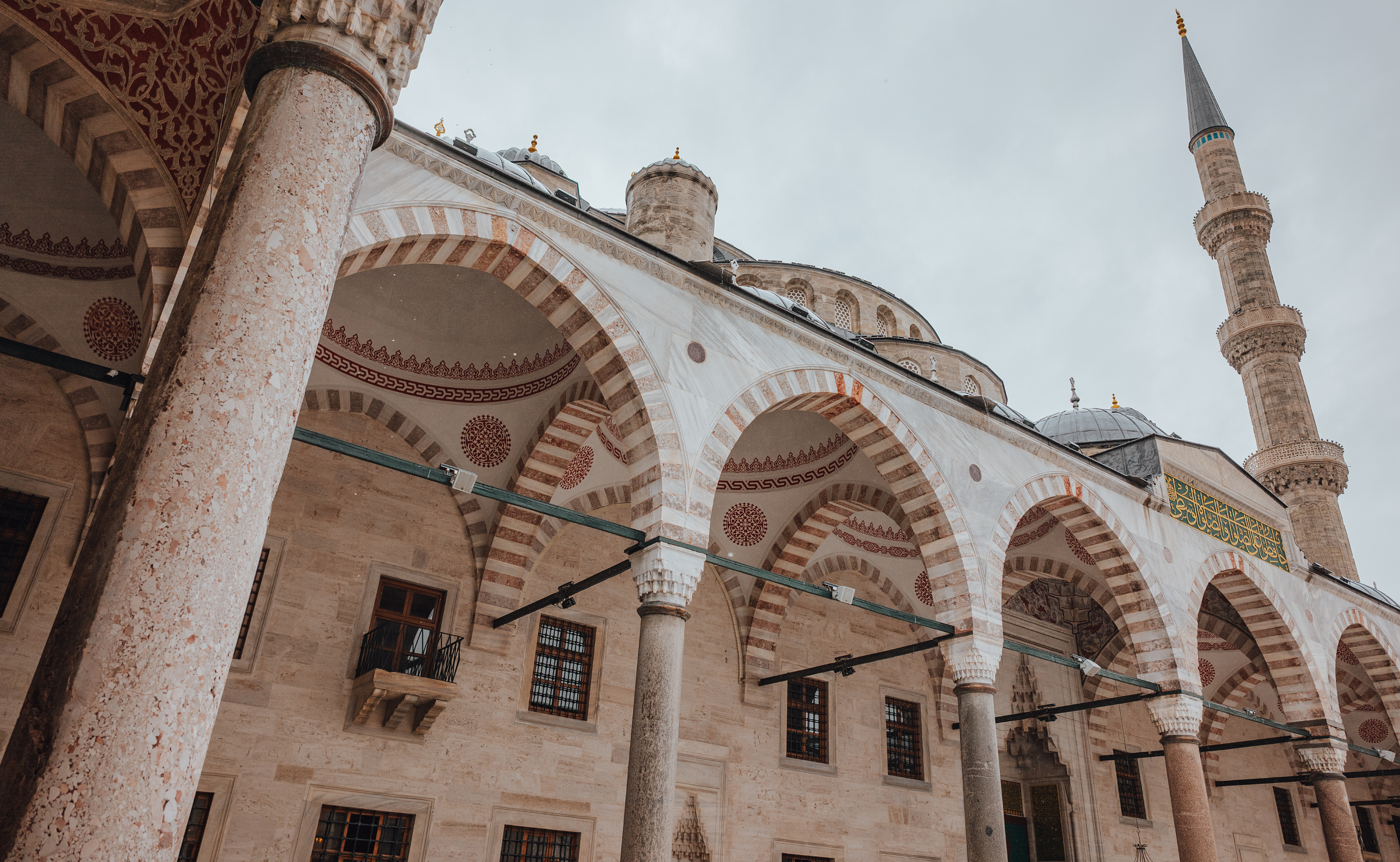
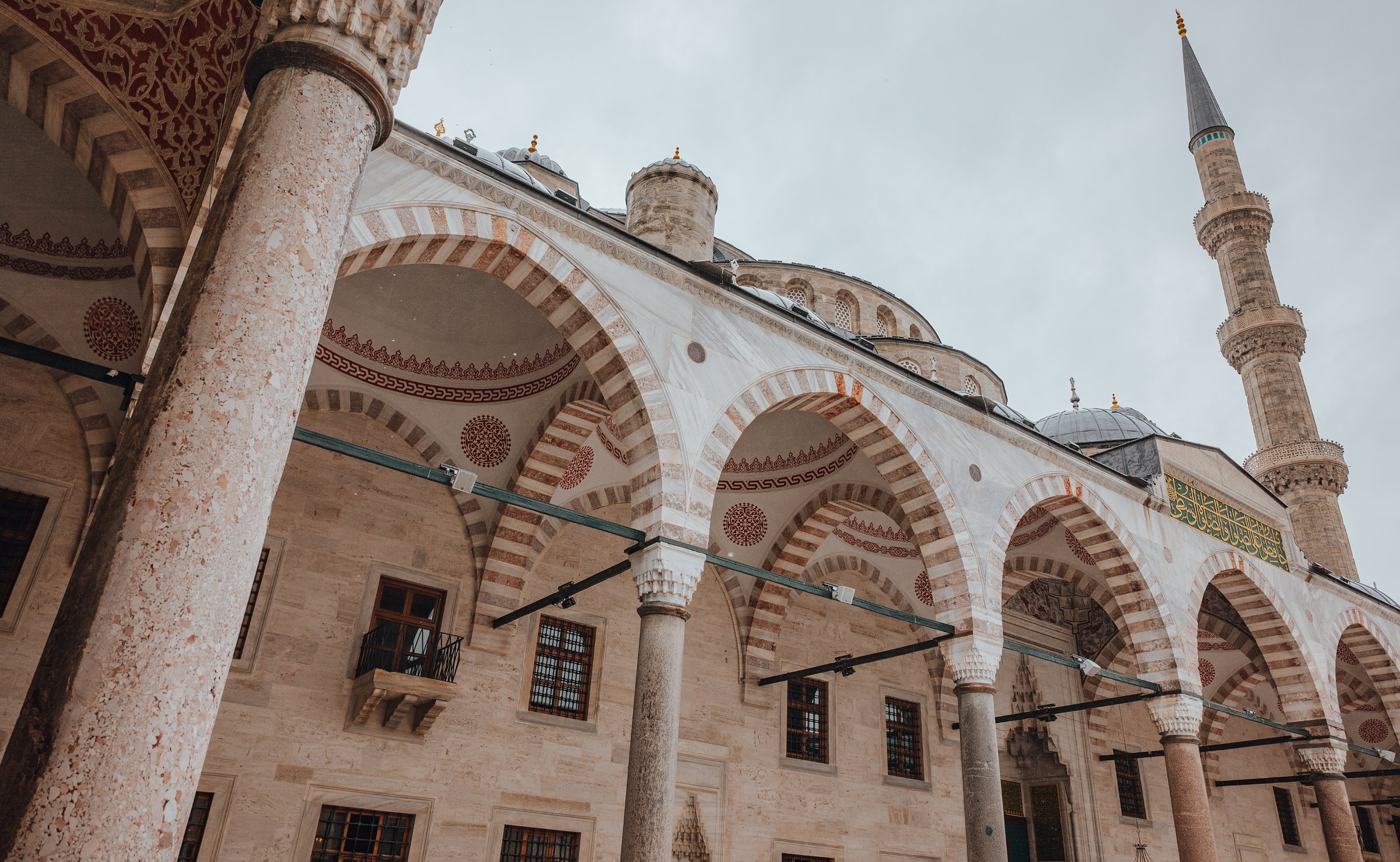
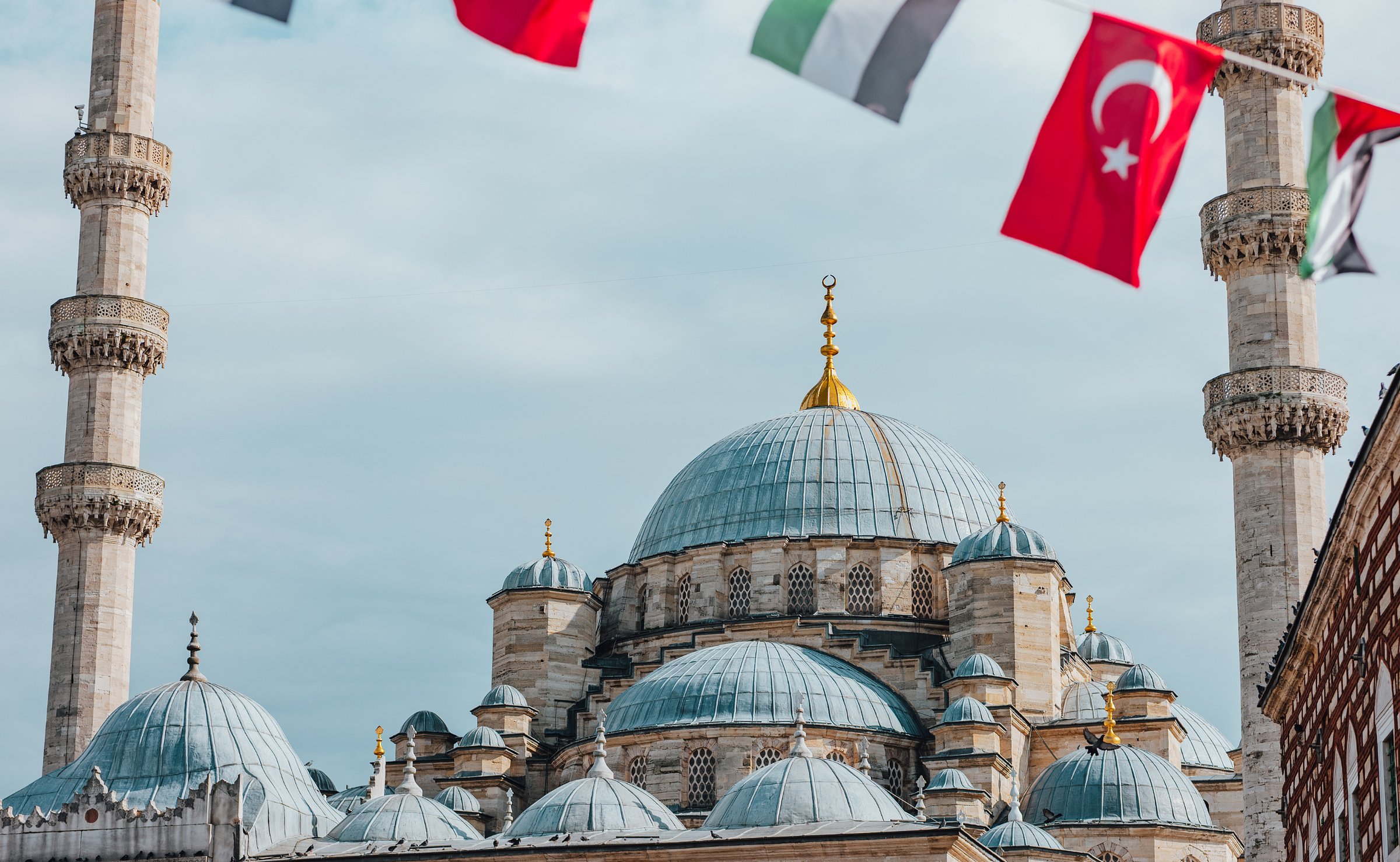
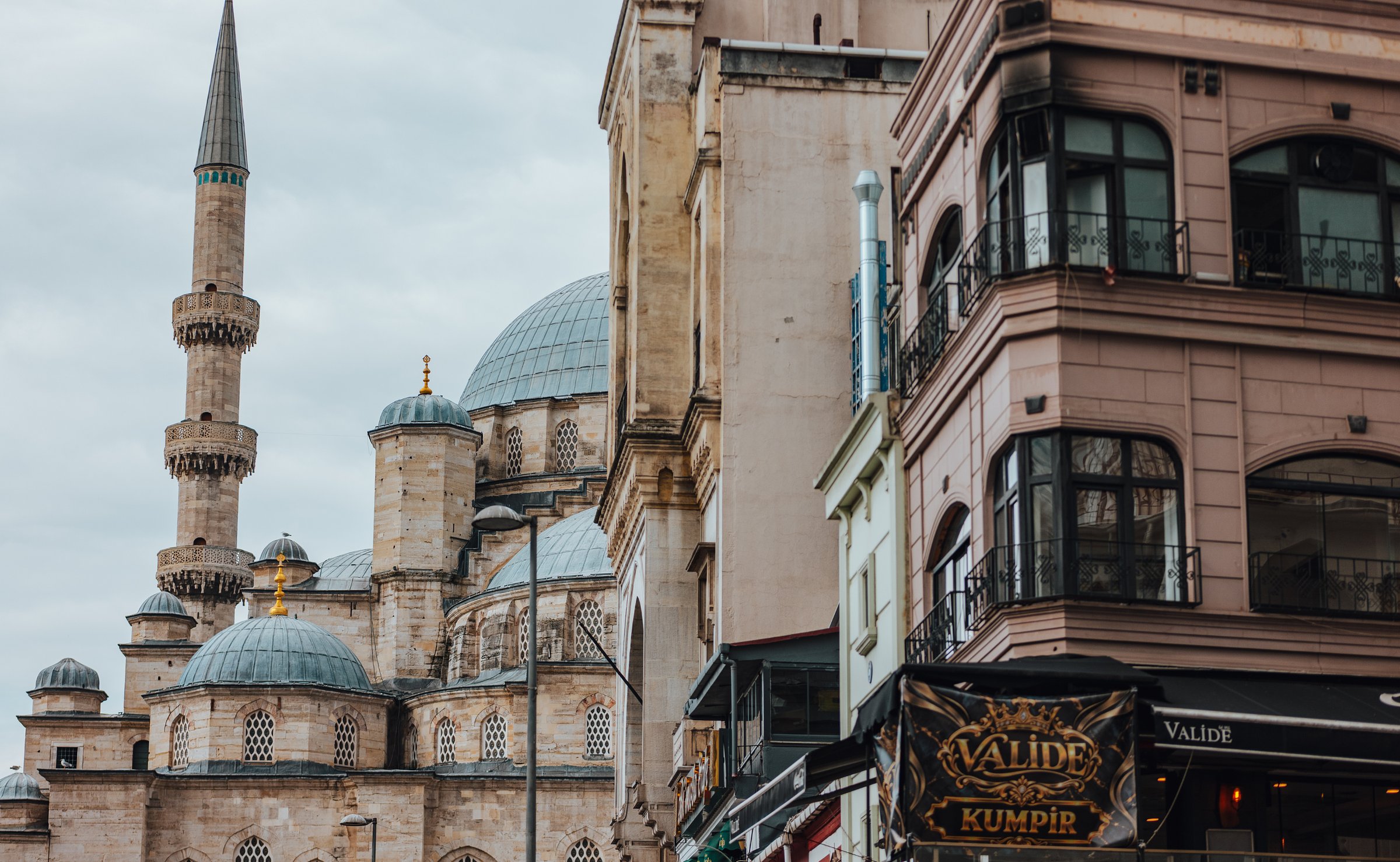
The curve of mosque domes and the punctuation of minarets enliven Istanbul’s skyline. Glistening gray along the Bosphorus, many of the most impressive mosques in the city were designed by one man: Mimar Sinan. His still-stunning structures provide a key to understanding Islam, Ottoman architecture, and the Golden Age of an empire. Led by an architect or historian, this Istanbul Architecture Tour explores the history and significance of Sinan’s masterpieces, providing a frame through which to better understand the history of the city itself.
Istanbul Mosque Tour
Our walk begins with the mosque complex of the Sehzade Camii. Here we'll discuss the role of Islam in architecture and the basic components of mosques and their decoration. We'll consider the motif and design of the buildings themselves, explore the interior of the mosque and its gardens, and spend time laying the groundwork for visually understanding Islamic architecture. We'll also examine how palace politics and an expanding empire impacted the urban fabric of this vibrant city.
For more on palace politics, try our Topkapi Palace Tour.
The Envy Of The World
We’ll move on to Suleymaniye Mosque, widely considered to be Mimar Sinan’s most impressive in the city. The sprawling complex contains many fascinating buildings, including the mausoleum of Sultan Suleyman the Magnificent. This will give us a chance to discuss the figure of Suleyman and how Istanbul was transformed during this period into the envy of the world. From there, we will move on to a third mosque, Rustem Pasha Camii Mosque, and explore exquisite Iznik tilework. This allows us to discuss the politics, propaganda, and empire-building of this crucial period in Ottoman history.
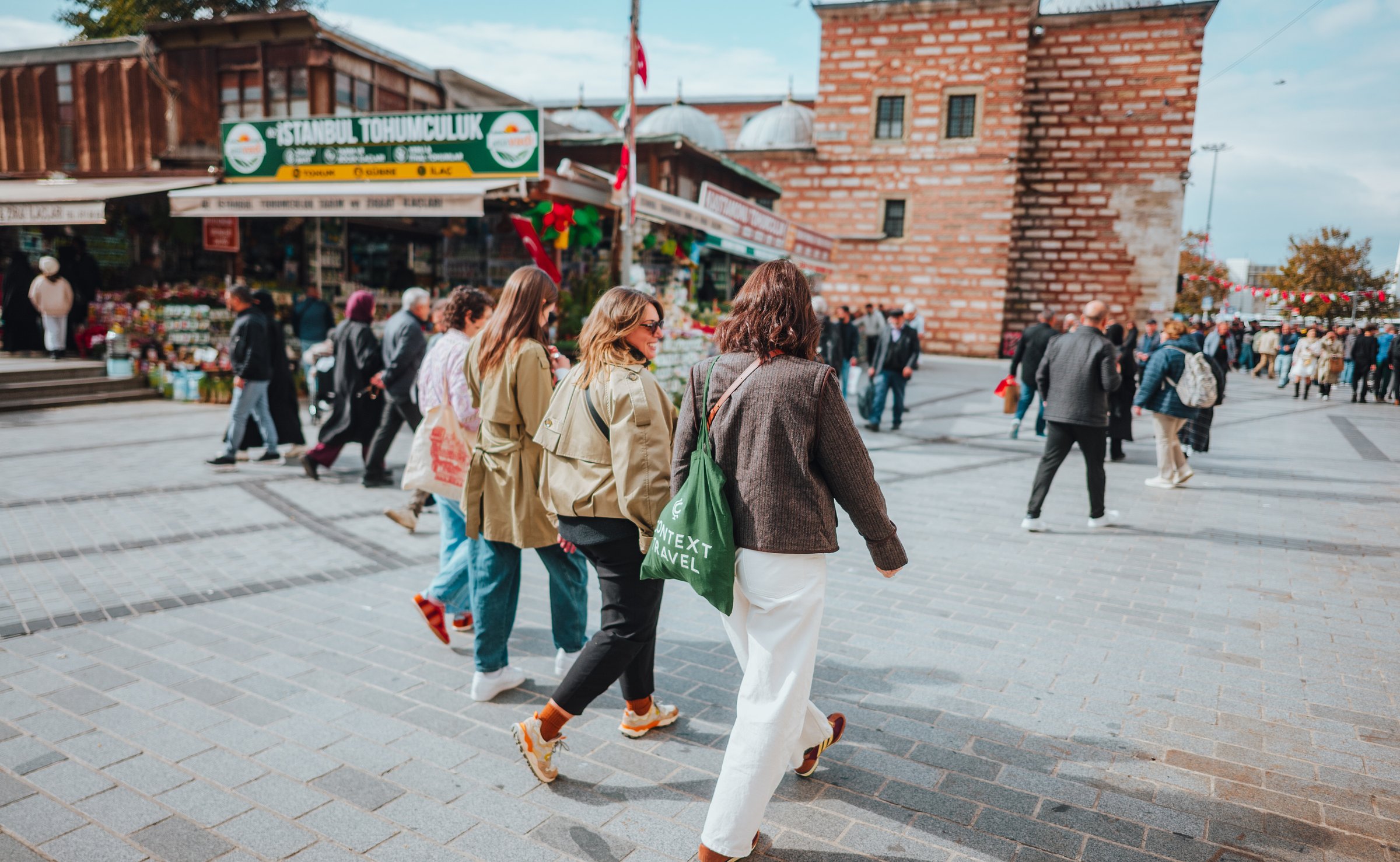
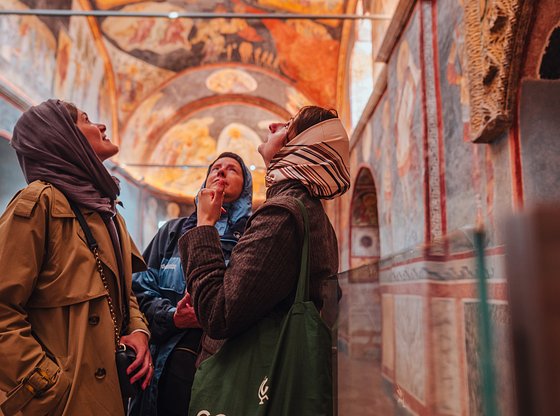
Note: These mosques are all functioning holy sites. When entering a mosque, we will be required to remove our shoes. As well, we may be interrupted during our walk by a call to prayer, which will provide an interesting example of the continued function of these magnificent spaces. Participants should wear long trousers or skirts, as shorts and short skirts are considered inappropriate in mosques. We also recommend that female participants bring some hair covering that can be employed inside mosques, but removed when walking from one mosque to another. A lightweight scarf is perfect for this. For more, see our guide on how to visit a mosque.
FAQ
Is there a dress code for your tours in Istanbul?
Yes, sites visited on this tour are considered holy places. Shoulders and knees must be covered. Dresses and shorts must be below knee level, and shoulders must be covered (zip-on jackets or scarves are acceptable). We recommend bringing along scarves or shawls to be able to cover those body parts.
These rules may seem unduly strict, but remember, you are a guest visiting sites regarded as religious sanctuaries.
Is this tour suitable for children? This tour isn’t part of our official family program; however, we can assign a family-friendly guide for family tours. Families may prefer to book our Topkapi Palace Tour for Kids, which has been specifically designed to engage younger learners.
Is this tour suitable for visitors with mobility issues? When it comes to mobility issues, this experience is not walking-intensive, but between the Suleymaniye and Rustem Pasha Camii mosques, it’s downhill on a narrow and crowded street. We recommend that clients with mobility issues contact us so we can create a tour adapted to their concerns.
Can we add a car service to drive us from our hotel to the start of the tour?
Yes, absolutely. You may add a car service directly at checkout, or simply send us an email, and we will be happy to arrange it for you. Please note that due to new regulations at the Port of Istanbul, we are unfortunately unable to offer pick-up services directly from the port. However, if your hotel is located within Istanbul, we will be very happy to accommodate your transfer needs and ensure a smooth start to your tour.
Cancellation Policy
Book with confidence — see Context's flexible cancellation policy here.
Meet the Experts


Where You’ll Go
From iconic landmarks to tucked-away local favorites, these are the places you’ll explore and experience firsthand with your Expert.
-
Sehzade Camii
-
Suleymaniye Camii
-
Rustem Pasha Camii
What’s Included As Standard
Here’s a look at what your tour covers, plus anything you’ll want to consider arranging separately, so you can plan with confidence.
Included
-
English-speaking expert guideTours led in English, offering you unbroken understanding throughout.
-
Intentionally sized groupsA smaller group means more time for conversations and questions.
-
Tickets and entrance feesAll entry tickets included (unless clearly stated otherwise).
-
HeadsetsHeadsets are included on tours that need them, so every word can be heard.
Not Included
-
GratuitiesTips aren’t included, but we encourage tipping as a way to thank your guide after your experience.
-
Food and drinkUnless booking a Food & Drink tour or tasting experience, refreshments are not included.
-
Transportation to and from the meeting pointUnless noted, pre- and post-tour transport isn’t included - this service can be added by request.
-
Hotel pickup or drop-offUnless noted, travel to or from accommodation isn’t included - this service can be added by request.
Where You'll Explore
Make the Most of Your Tour
Some helpful advice for getting the most from your experience, from practical prep to small on-the-day tips.
Dos:
- Wear comfortable footwear
- Check the weather and dress appropriately
- Bring a bottle of water (no glass)
- Feel free to ask your Expert anything
Don'ts:
- Bring firearms or weapons
- Bring sharp objects (e.g. knives, swiss army knives, switchblades, hiking sticks)
- Dress inappropriately to enter religious sites or sacred monuments
Any questions? You can always
contact us.
Don’t just take our word for it
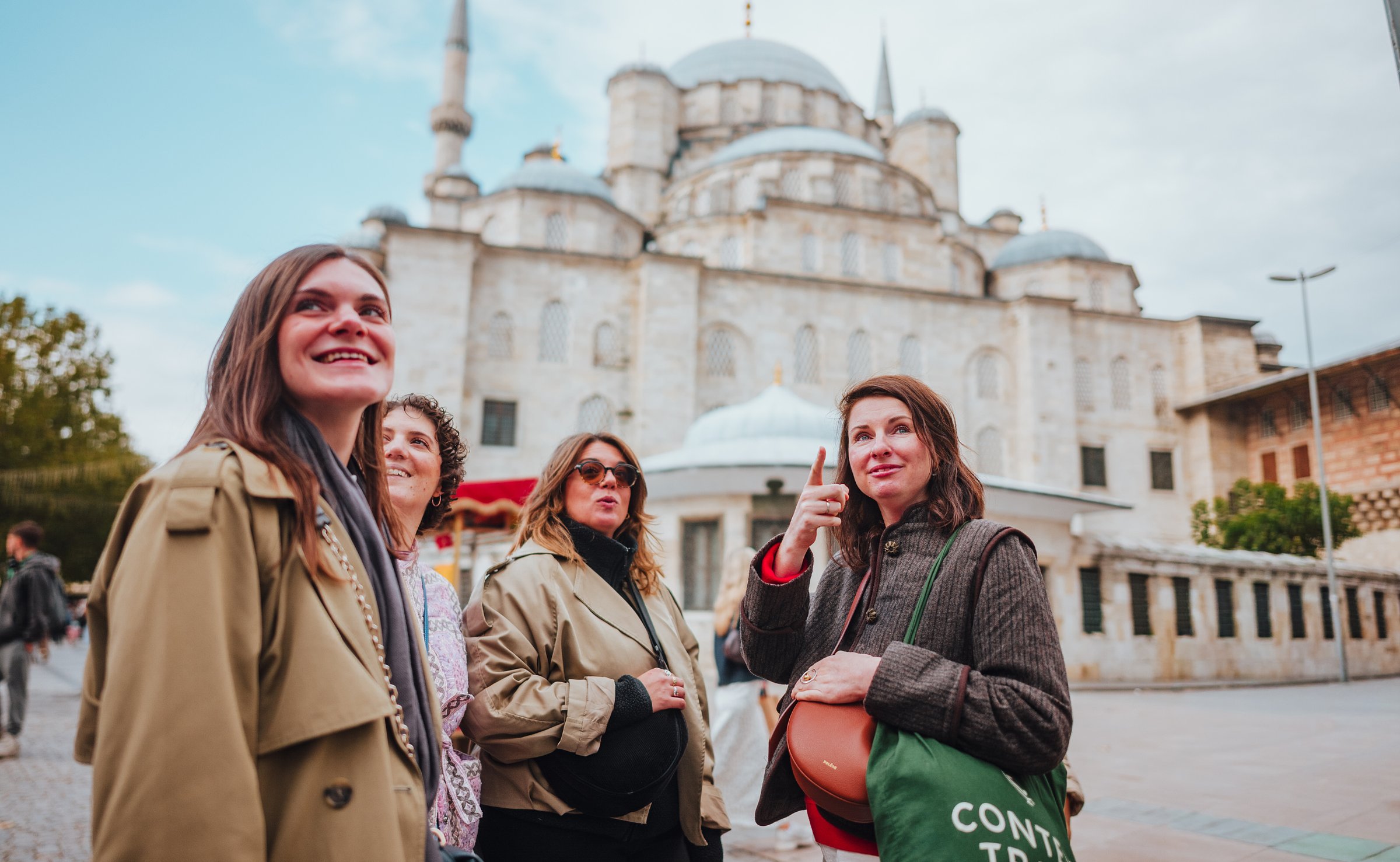
We loved Claire’s depth of knowledge and how she wove together the history of the various mosques and the people for which they were built in honor of. We learned not just about the mosques but also about the inter-family and leadership interactions and history that is often so hard to capture and comprehend.
Ebru was extremely knowledgable and explained concepts and history very clearly. She was a fantastic guide.
Let Your Curiosity Shape Your Journey
Join passionate experts on intimate walking tours that reveal a city’s unique stories, spark conversations, and leave you seeing the world—and yourself—a little differently.
Structured, never scripted
Your interests guide your Expert, leading to stories and perspectives that matter to you.
Crafted for conversation
With 12 or fewer guests, ask questions, engage with your Expert, and fully immerse yourself.
Experts, not guides
Explore with 1,200+ Experts—from historians and architects to archaeologists and chefs.
Related experiences our customers also loved



About This Istanbul Architecture Tour
This Istanbul architecture tour explores how Ottoman mosque design transformed the city’s skyline—and how to understand the buildings once you step inside them. Led by an architect or historian, the three-hour walking tour focuses on the work of Mimar Sinan, the influential 16th-century Ottoman architect whose buildings helped define Istanbul during the reign of Süleyman the Magnificent. You’ll visit Şehzade Mosque, Süleymaniye Mosque, and Rüstem Pasha Mosque while learning how elements such as domes, minarets, courtyards, tilework, light, and spatial organization work together. No knowledge of architecture is required. Your Expert for this Istanbul Architecture Tour will introduce the visual language needed to look more closely at Istanbul’s mosques and understand what their design can reveal about religion, imperial ambition, artistic innovation, and everyday life in the Ottoman city.
This tour is designed for travelers who find themselves looking up at Istanbul’s domes and minarets and wondering what they are actually seeing.
It is especially well suited to travelers interested in history, art, religion, cities, or design, even if they have never studied architecture. Rather than concentrating on technical terminology, your Expert helps you recognize important features, compare different buildings, and understand why particular architectural choices mattered.
It is also a strong choice for travelers who have already visited landmarks such as Hagia Sophia or the Blue Mosque and want a deeper understanding of the Ottoman architecture that shaped Istanbul.
Şehzade Mosque
Şehzade Mosque provides an introduction to the basic vocabulary of Ottoman mosque architecture and to the work of Mimar Sinan.
As you explore the mosque and its complex, your Expert will explain how domes, supporting structures, courtyards, decoration, and surrounding buildings were organized. You’ll also consider how mosque complexes functioned within the wider Ottoman city rather than simply as places of worship.
Süleymaniye Mosque
Commissioned by Sultan Süleyman the Magnificent and designed by Sinan, the Süleymaniye Mosque complex is one of the defining monuments of Istanbul’s historic skyline.
Here, you’ll examine how architecture could communicate imperial authority while also serving religious, educational, charitable, and civic functions. The complex provides a way to understand the Ottoman concept of the külliye: a mosque surrounded by related institutions serving the wider community.
Rüstem Pasha Mosque
Rüstem Pasha Mosque offers a more intimate contrast to Sinan’s monumental imperial commissions.
Its interior is particularly known for Iznik tilework, allowing you to look closely at color, pattern, decoration, and craftsmanship while considering how architectural experience changes with scale.
Mimar Sinan was the chief imperial architect of the Ottoman Empire during much of the 16th century and one of the most important figures in Ottoman architectural history.
His career coincided with a period of extraordinary imperial expansion under rulers including Süleyman the Magnificent. Through mosques, schools, baths, bridges, mausoleums, and large religious complexes, Sinan developed an architectural language that profoundly influenced Istanbul and later Ottoman design.
Two of the buildings explored on this tour—the Şehzade and Süleymaniye mosque complexes—are recognized by UNESCO as major examples of 16th-century Ottoman architecture.
One of the goals of this tour is to give you a framework for understanding the mosques you encounter throughout Istanbul.
Your Expert may draw attention to features including:
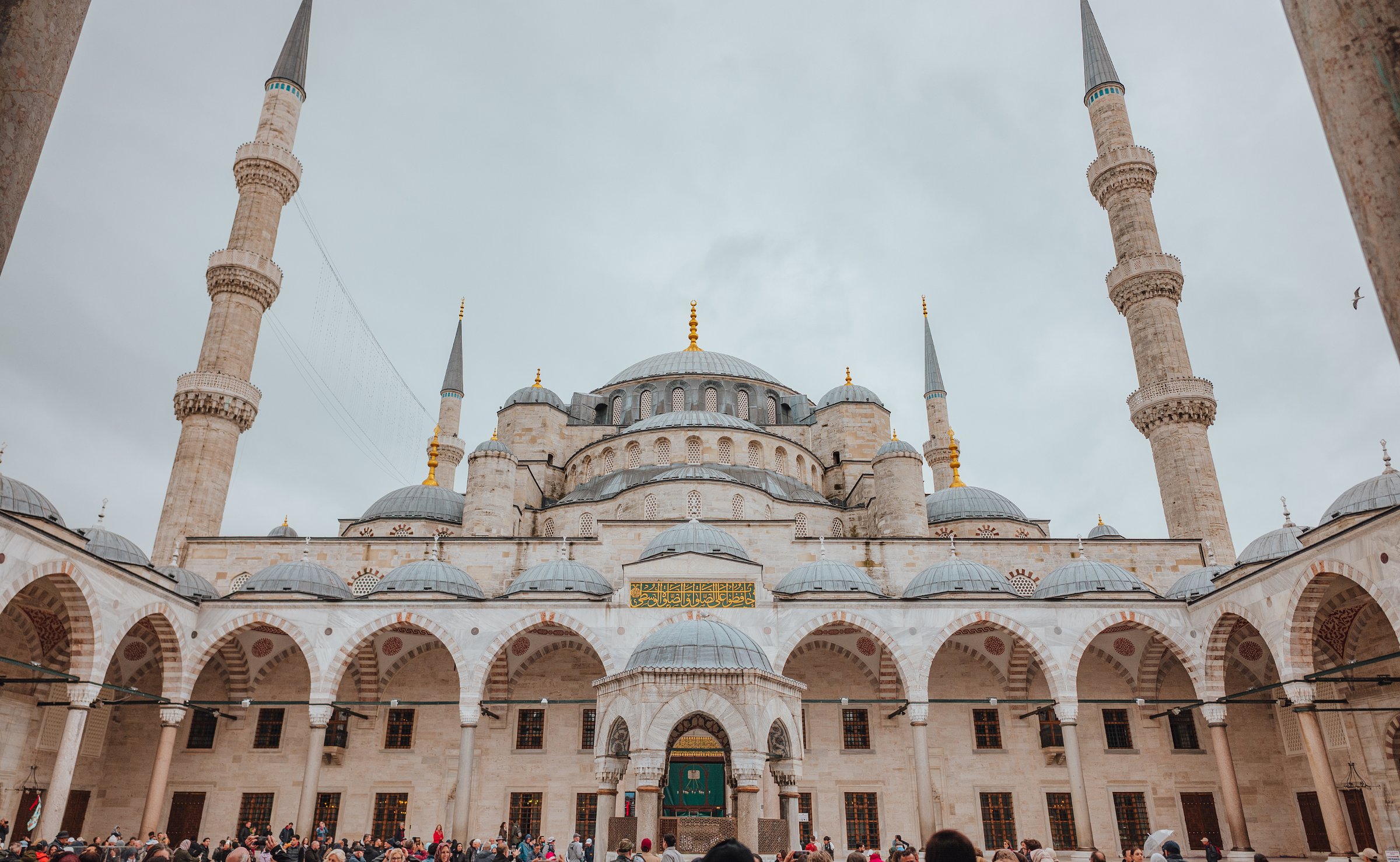
- Domes: how architects created increasingly unified interior spaces beneath large central domes.
- Minarets: their relationship to worship, skyline, and imperial patronage.
- Light: the placement of windows and the way illumination changes the perception of interior space.
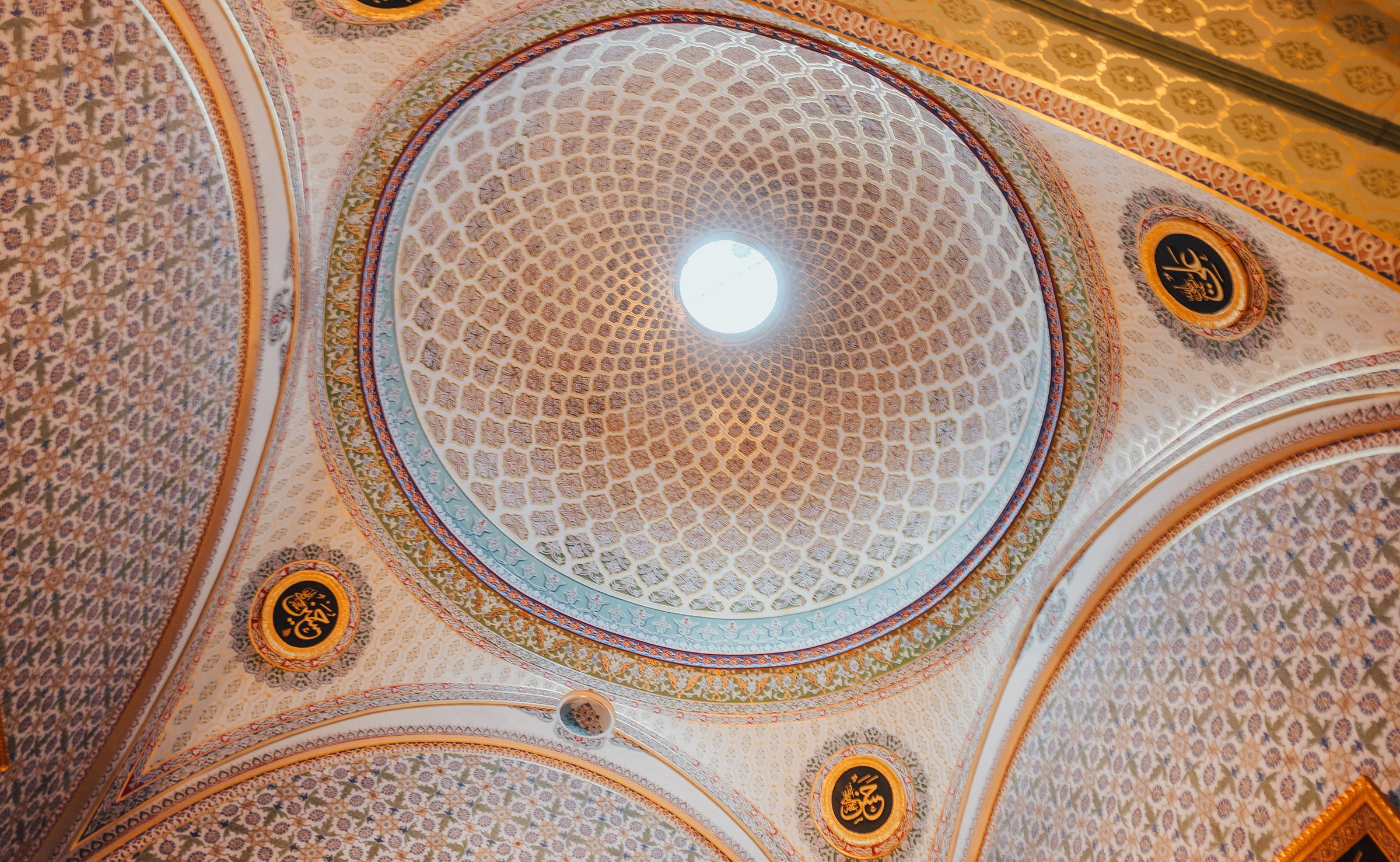
- Iznik tiles: glazed ceramics whose colors and patterns became an important feature of Ottoman decorative arts.
- Calligraphy and ornament: decoration that combines visual beauty with religious meaning.
-
Courtyards and complexes: how mosques formed part of larger institutions containing schools, kitchens, baths, tombs, and charitable facilities.
By comparing these elements across several buildings, you begin to see the differences between Istanbul’s mosques rather than experiencing them as variations on the same form.
Architecture is one of the clearest ways to understand Istanbul’s transformation into an Ottoman imperial capital.
Mosques and their surrounding complexes reshaped neighborhoods, created new civic centers, provided social services, and gave the expanding empire a monumental architectural identity. Sinan’s work in particular helped define the silhouette of the Historic Peninsula that remains one of Istanbul’s most recognizable features today.
Understanding these buildings therefore reveals more than architectural style. It provides insight into Ottoman politics, religion, patronage, engineering, urban planning, and the relationship between rulers and the city they governed.
Do I need to know anything about architecture before taking this tour?
No. The tour is designed to make Ottoman architecture understandable even if you have no previous knowledge of architectural history. Your Expert will introduce the key features and concepts as you encounter them.
Which mosques does the Istanbul architecture tour visit?
The itinerary typically includes Şehzade Mosque, Süleymaniye Mosque, and Rüstem Pasha Mosque, three important examples for understanding Ottoman religious architecture and the work of Mimar Sinan.
Who leads the tour?
The tour is led by an architect, historian, or other expert with relevant knowledge of Istanbul, Ottoman history, and architecture.
Is this also an Istanbul mosque tour?
Yes, although the focus goes beyond visiting religious landmarks. The three mosques serve as case studies for understanding Ottoman architecture, Mimar Sinan, Islamic religious spaces, and the development of Istanbul during the 16th century.
What should I wear when visiting the mosques?
Because the itinerary enters functioning religious sites, shoulders and knees should be covered. Visitors may also need to remove their shoes when entering mosques, and women should bring a lightweight scarf that can be used as a head covering where required.
How long is the tour?
The Istanbul Architecture Tour lasts approximately three hours.