Nick was knowledgeable with a great sense of humor.
Arashiyama Day Trip from Kyoto
Uncover the deeper meaning behind Arashiyama’s temples & bamboo paths
Frame Arashiyama differently, with bamboo, Zen, and quieter paths that reveal how nature shaped Japanese culture.
Tour Highlights
- Find the grove’s quieter side Step beyond the main path for calmer views and more distinctive bamboo photographs.
- See nature as sacred space Connect Shinto and Buddhist ideas to the forests, gardens, and mountains around you.
- An Expert leads the way Navigate trains, temples, and side paths with less planning and more time to take it all in.
- Kyoto’s cultural roots Trace Heian ideals, Zen design, and literature through places that make them tangible.
- Move beyond the famous view Pair Arashiyama’s icons with quieter temples and views that many visitors pass by.
- Bring home richer memories Leave with true understanding and stories that make this Kyoto day worth retelling.
Led by Experts, Shaped by You
Explore with an expert guide who responds to your questions, your interests, and your pace. Reveal layers of meaning most visitors miss—go from seeing to understanding.
The Finer Details
Arashiyama is more than the soaring bamboo grove everyone recognizes. Its temples, villas, forests, and poetry reach back to the Heian period, when Kyoto helped shape foundational Japanese beliefs and customs. How did this wooded edge of the city become such fertile ground for culture? Your Expert connects those layers so the landscape comes together as a cohesive story rather than a series of scenic stops.
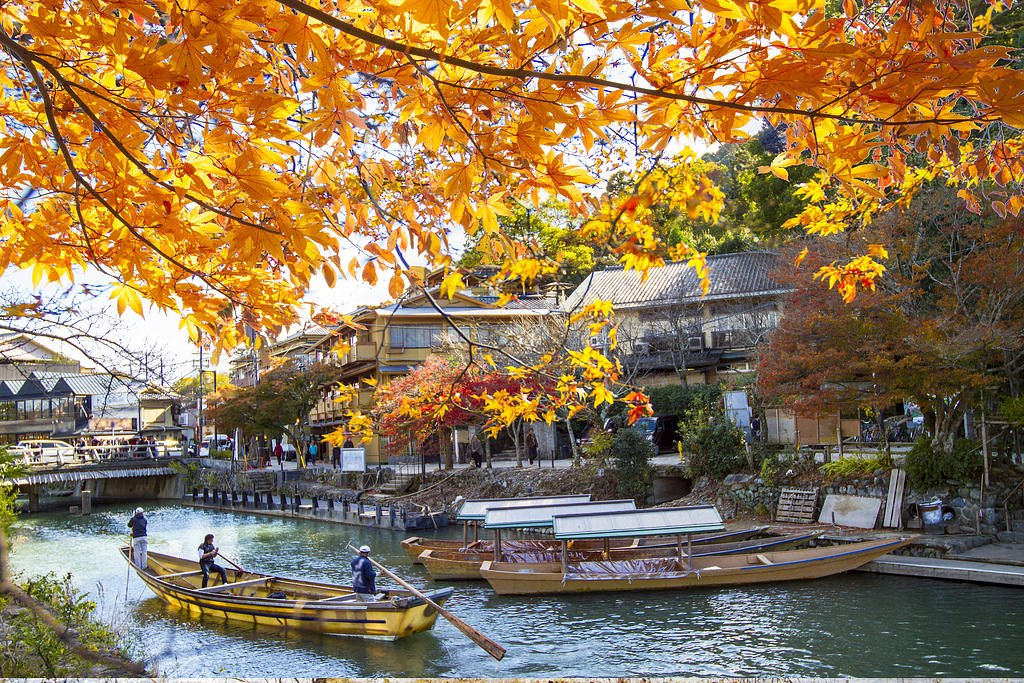
Meet your Expert at Hankyu Kawaramachi Station for the 20-minute train ride to Arashiyama. Along the way, your Expert helps you trace Kyoto's development and the district's role as a tranquil enclave within an urbanized society. Upon arrival, cross Togetsu Bridge, whose name means "a bridge where the moon crosses," with forests and a cherry grove framing the river. It's a fittingly tranquil way to begin exploring Arashiyama.
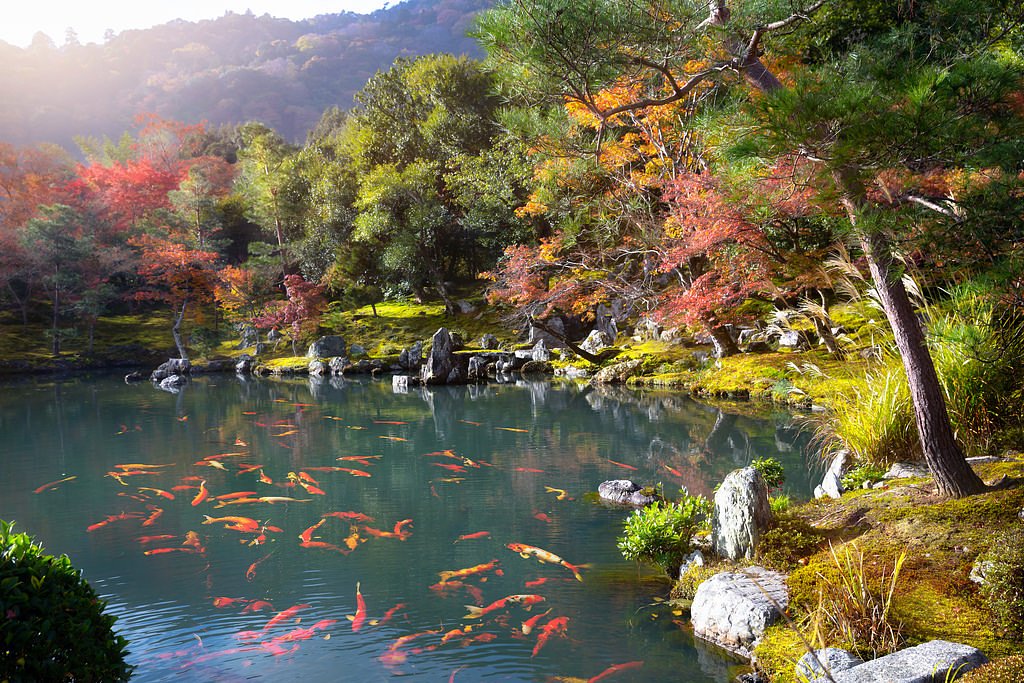
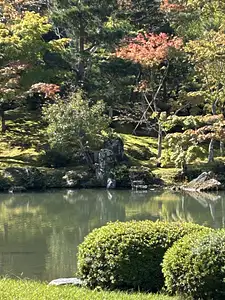
Walk on to Tenryu-ji Temple, one of Kyoto's most important Zen temples and a UNESCO World Heritage Site. Its halls are arranged to open directly onto Sogenchi Garden, the pond garden at the heart of the temple designed by Muso Soseki in the 14th century and largely unchanged since. Look closely at how water, stone, and scenery turn nature into a philosophical language. Stories of the power struggle behind the temple reveal how Zen design and political history shaped Japanese society.
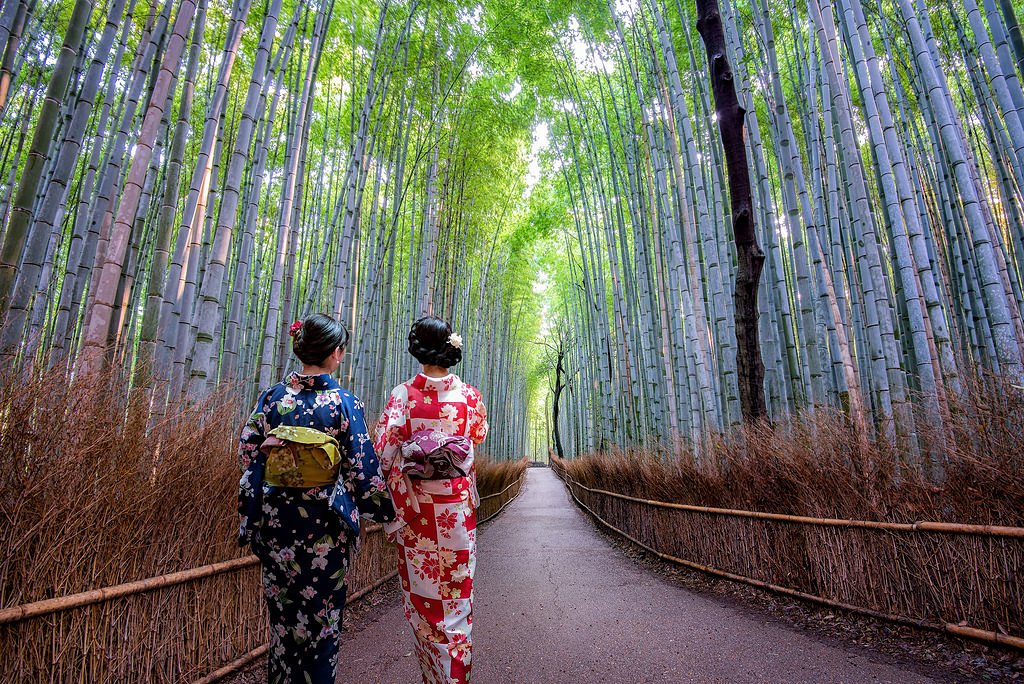
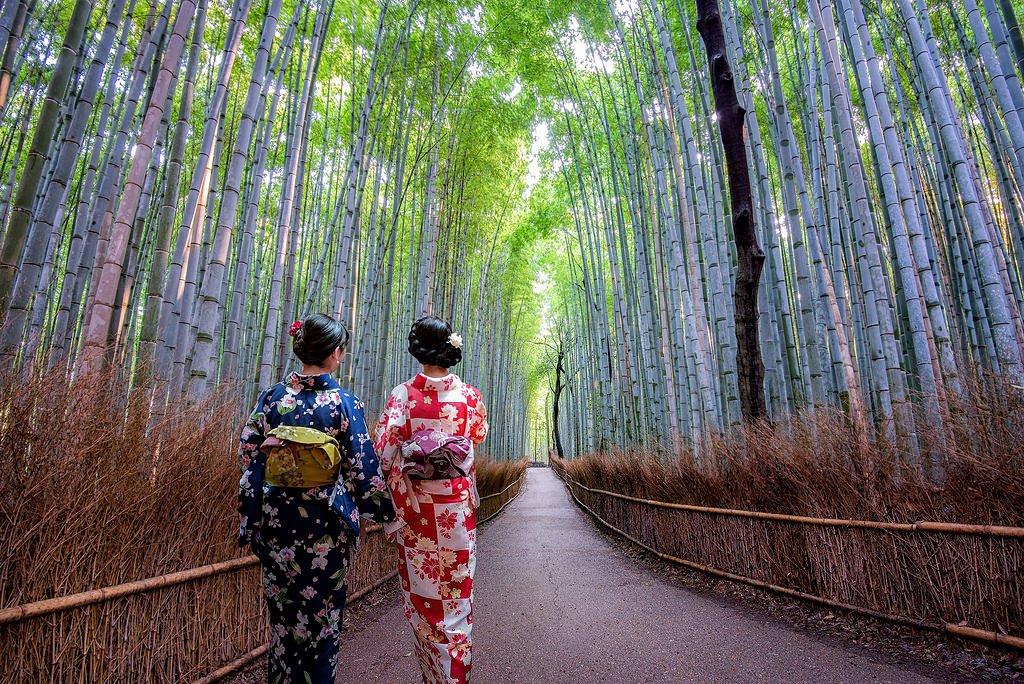
From the temple, make your way into the Bamboo Grove, where wildly soaring stalks replace the temple's designed landscape. Your Expert leads you beyond the busiest path for calmer moments to look, listen, and photograph. A side path leads to Nonomiya Shrine, marked by a black torii gate of unbarked wood. Here, imperial princesses once spent years in purification before taking up religious duties, a practice that inspired a famous scene in "The Tale of Genji," Japan's 11th-century masterpiece.
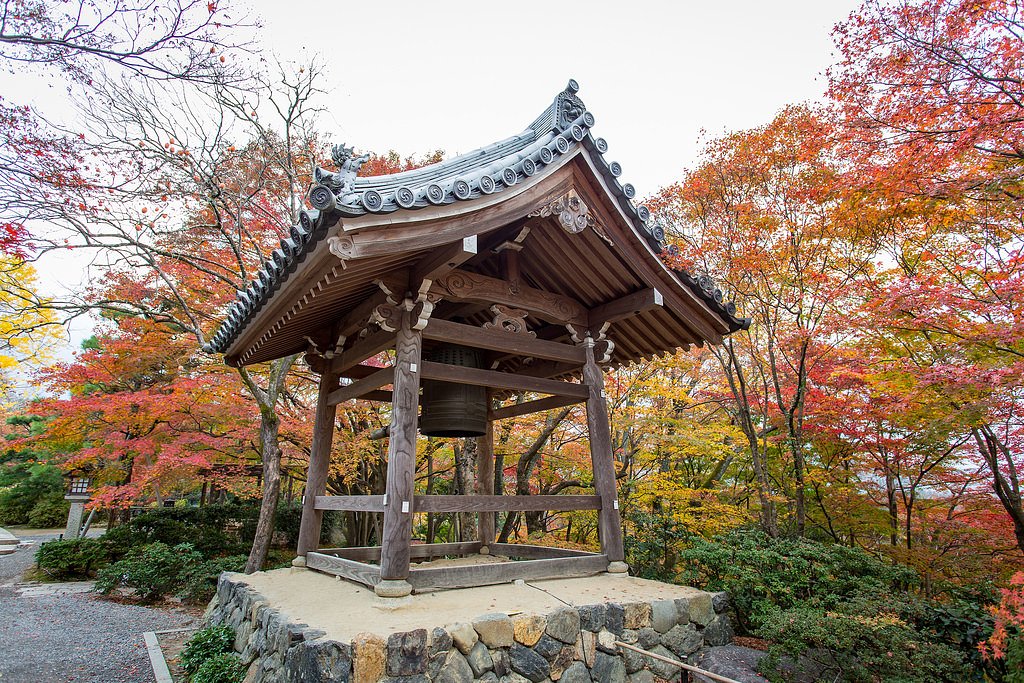
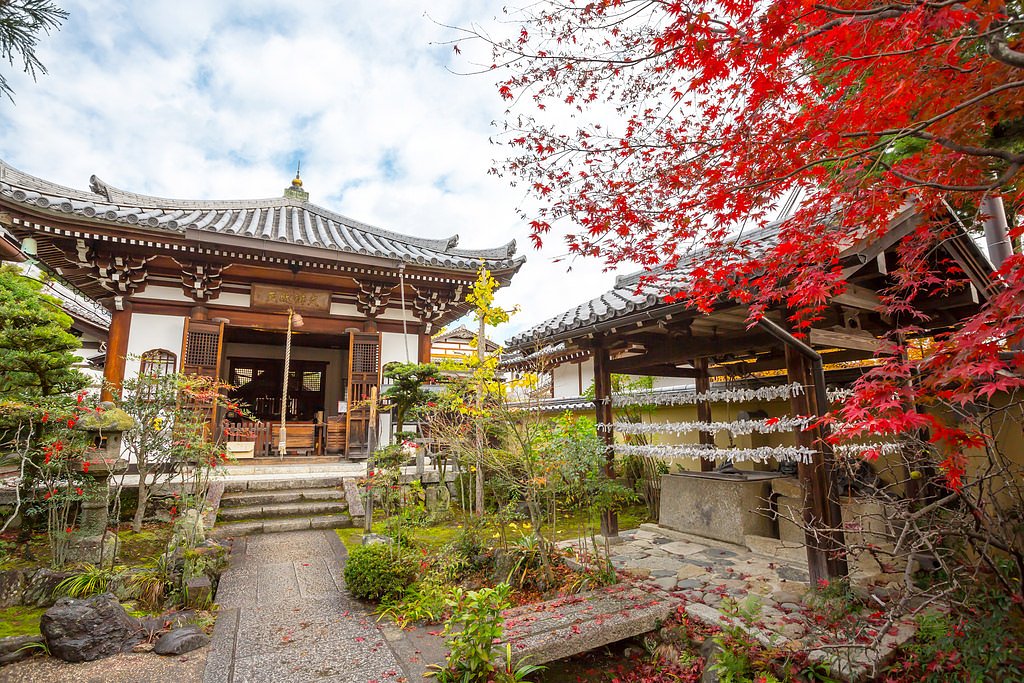
A short walk toward northern Arashiyama brings the route to Jojakko-ji Temple. Built in the 16th century, this quieter Buddhist temple is known for its moss garden and 200 maple trees. The hillside setting offers views across Kyoto while giving space to reflect on the relationship between sacred sites and nature. Away from the better-known stops, the temple adds depth to the images and stories you carry home.
By the end, Arashiyama feels less like a famous backdrop and more like a key to Japanese culture. Compare the disciplined beauty of Sogenchi Gardens with the Bamboo Grove's vertical rhythm, then consider how both landscapes shape spiritual attention. Your Expert ties Heian culture, Zen Buddhism, Shinto practice, and literature into a clear narrative. Leave with a clearer sense of how this quiet edge of Kyoto helped shape Japanese identity—the kind of understanding that outlasts the trip itself.
Meet the Experts













Where You’ll Go
From iconic landmarks to tucked-away local favorites, these are the places you’ll explore and experience firsthand with your Expert.
-
Togetsu BridgeMoon-crossing bridge framed by river, forests, and cherry trees
-
Tenryu-ji TempleUNESCO-listed Zen temple shaped by 14th-century design
-
Sogenchi GardensHistoric Zen garden designed by Muso Soseki
-
Bamboo GroveTowering bamboo paths with quieter angles beyond the main drag
-
Nonomiya ShrineForest shrine tied to purification and “The Tale of Genji”
-
Jojakko-ji TempleHillside temple with moss, maples, and broad Kyoto views
What’s Included As Standard
Here’s a look at what your tour covers, plus anything you’ll want to consider arranging separately, so you can plan with confidence.
Included
-
TransportationThis tour includes transportation to Arashiyama from Kyoto. You will meet your expert at the train station.
-
English-speaking expert guideTours led in English, offering you unbroken understanding throughout.
-
Intentionally sized groupsA smaller group means more time for conversations and questions.
-
Tickets and entrance feesAll entry tickets included (unless clearly stated otherwise).
Not Included
-
GratuitiesTips aren’t included, but we encourage tipping as a way to thank your guide after your experience.
-
Food and drinkFood and drink are not included, but your expert can provide recommendations for after the tour.
-
Hotel pickup or drop-offTravel to or from accommodation isn’t included; however, this service can be added by request.
Where You'll Explore
Make the Most of Your Tour
Some helpful advice for getting the most from your experience, from practical prep to small on-the-day tips.
Dos:
- Wear comfortable footwear
- Check the weather and dress appropriately
- Bring a bottle of water (no glass)
- Feel free to ask your Expert anything
Don'ts:
- Bring firearms or weapons
- Bring sharp objects (e.g. knives, swiss army knives, switchblades, hiking sticks)
- Dress inappropriately to enter religious sites or sacred monuments
Any questions? You can always
contact us.
Frequently Asked Questions
We meet near Hankyu Kawaramachi Station. The tour ends in Arashiyama.
Yes, all the venue entrance fees and round-trip train tickets from Kyoto are included.
Unfortunately, not - the only way for you to sit with the guide on the train is by using tickets bought directly by the guide; therefore, you must purchase tickets through us.
Yes. Context clients generally tip anywhere from 10-25% of the purchase price of a personal service such as this, depending on the quality of the experience and their tipping habits.
Book with confidence — see Context's flexible cancellation policy here.
We understand that some of our valued guests may have mobility concerns, and we want to ensure you have a comfortable and enjoyable experience throughout your tour. If there are any accessibility concerns that your tour guide will need to be aware of, please let our team know at the time of booking.
Don’t just take our word for it
Very knowledgeable and so easy to engage with
Alex gave us a very special tour with insights we never would have learned without his expert knowledge. Truly enjoyable!!
Let Your Curiosity Shape Your Journey
Join passionate experts on intimate walking tours that reveal a city’s unique stories, spark conversations, and leave you seeing the world—and yourself—a little differently.
Structured, never scripted
Your interests guide your Expert, leading to stories and perspectives that matter to you.
Crafted for conversation
With 12 or fewer guests, ask questions, engage with your Expert, and fully immerse yourself.
Experts, not guides
Explore with 1,200+ Experts—from historians and architects to archaeologists and chefs.
Related experiences our customers also loved
Arashiyama Day Trip from Kyoto
Arashiyama is often reduced to one image: a path through towering bamboo. The district makes much more sense when the Bamboo Grove is seen as part of a larger cultural landscape. On this Arashiyama day trip from Kyoto, temples, gardens, shrines, forests, literature, and mountain scenery reveal why this western edge of the city has attracted religious communities, aristocrats, poets, and visitors for centuries. The aim is not simply to reach the most photographed path. It is to understand why nature carries so much meaning here—and how Buddhist design, Shinto practice, imperial history, and literature all shaped the landscape around it.
Arashiyama was culturally significant long before the Bamboo Grove became internationally famous. During the Heian period, the area became associated with aristocratic retreats, poetry, seasonal viewing, and the imperial court. Later Buddhist institutions added temples and gardens that turned the surrounding mountains, water, and vegetation into part of the religious experience.
That history is still visible today. At Tenryu-ji, architecture opens onto Sogenchi Garden so that the borrowed mountains become part of the composition. At Nonomiya Shrine, an ancient purification tradition connects the forest with imperial women and The Tale of Genji. Quieter temples such as Jojakko-ji show how hillside, moss, maples, and sacred space continue to overlap.
The Bamboo Grove is therefore not an isolated attraction. It belongs to a much older idea of Arashiyama as a place where landscape, spirituality, and cultural memory reinforce one another.
Tenryu-ji is one of Kyoto’s major Zen temples and part of the city’s UNESCO World Heritage listing. Its importance is not just architectural. The 14th-century Sogenchi Garden, associated with the Zen monk Muso Soseki, uses water, stone, planting, and the mountains beyond the temple grounds to create a carefully controlled landscape.
That use of borrowed scenery helps explain a central idea in Japanese garden design: nature is not simply reproduced. It is framed.
A mountain outside the garden boundary can become part of the composition. A stone can suggest a larger landscape. The position from which you look matters almost as much as what is physically planted.
Seeing that designed landscape before entering the Bamboo Grove creates a useful contrast. One is intensely composed. The other feels more spontaneous. Both show how Arashiyama encourages visitors to pay closer attention to nature.
Choose this Arashiyama tour if you want more than a quick visit to the Bamboo Grove.
The experience lasts approximately four hours and includes the train journey from central Kyoto, with entrance fees and round-trip rail tickets included. The route may connect Togetsu Bridge, Tenryu-ji, Sogenchi Garden, the Bamboo Grove, Nonomiya Shrine, and Jojakko-ji.
It is a particularly good fit if your interests include:
- Japanese gardens and Zen Buddhism
- Shinto traditions
- classical literature and The Tale of Genji
- seasonal landscapes
- understanding why Arashiyama became culturally important
If your main goal is simply to photograph the Bamboo Grove and move on, you may not need a four-hour guided experience.
If you want a broader full-day introduction to Kyoto, Kyoto In a Day is the better fit. If gardens are your primary interest, Context’s Kyoto Garden Tour goes deeper into landscape design across multiple sites.
Is Arashiyama worth visiting from Kyoto?
Yes, particularly if you want to see how Kyoto’s temples, gardens, literature, and religious traditions connect with the surrounding landscape. Arashiyama is roughly a 20-minute train ride from central Kyoto, making it practical as a half-day excursion.
How long is the Arashiyama tour?
The tour lasts approximately four hours, including the train journey from central Kyoto.
Is the train to Arashiyama included?
Yes. Round-trip train tickets from Kyoto and venue entrance fees are included.
Does the tour visit the Arashiyama Bamboo Grove?
Yes. The Bamboo Grove is one of the principal stops, and your Expert also leads you toward quieter paths and nearby cultural sites so the experience is not limited to the busiest section.
Does the tour visit Tenryu-ji?
Yes. The itinerary includes Tenryu-ji Temple and Sogenchi Garden, one of the most important Zen landscapes in Kyoto.
What is the best time to visit the Arashiyama Bamboo Grove?
Earlier in the day generally offers a better chance of encountering lighter crowds. Context's Arashiyama tour starts at 9:15 AM or 1:30 PM. The grove is one of Kyoto’s best-known attractions, so it can become very busy later in the morning and during peak travel seasons.
Is Arashiyama just the Bamboo Forest?
No. The district also includes temples, shrines, gardens, riverside landscapes, mountain views, literary associations, and centuries of religious and aristocratic history.
What is the connection between Arashiyama and The Tale of Genji?
Nonomiya Shrine is associated with the purification rites of imperial princesses before they served at the Ise Grand Shrine. A scene connected with this tradition appears in The Tale of Genji, helping link Arashiyama with one of Japan’s foundational literary works.
Is this an Arashiyama walking tour?
Yes. Most of the guided experience takes place on foot once you arrive in Arashiyama, with the train used to travel between central Kyoto and the district.
Where does the tour start and end?
The tour meets near Hankyu Kawaramachi Station in central Kyoto and ends in Arashiyama.
Is the tour suitable for guests with limited mobility?
Arashiyama involves walking, temple grounds, and some uneven or sloped terrain. Guests with mobility concerns should contact Context before booking so the route and any necessary adjustments can be discussed.
How is this different from Kyoto In a Day?
Arashiyama concentrates on one district and goes deeper into its gardens, temples, landscape, and cultural history. Kyoto In a Day is a broader full-day introduction connecting several different parts of the city.