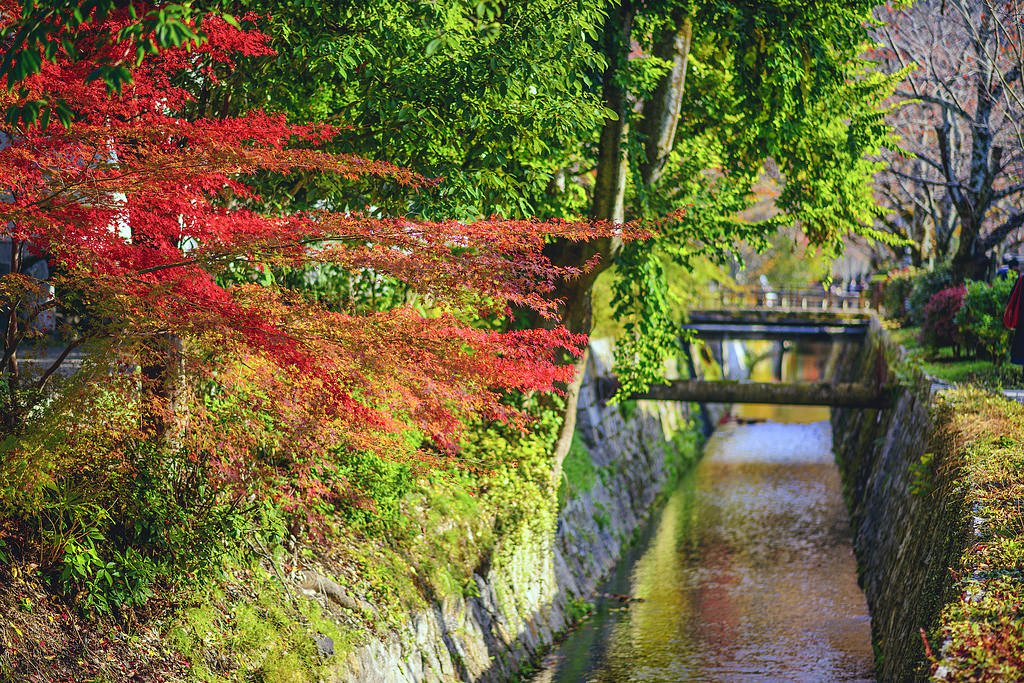
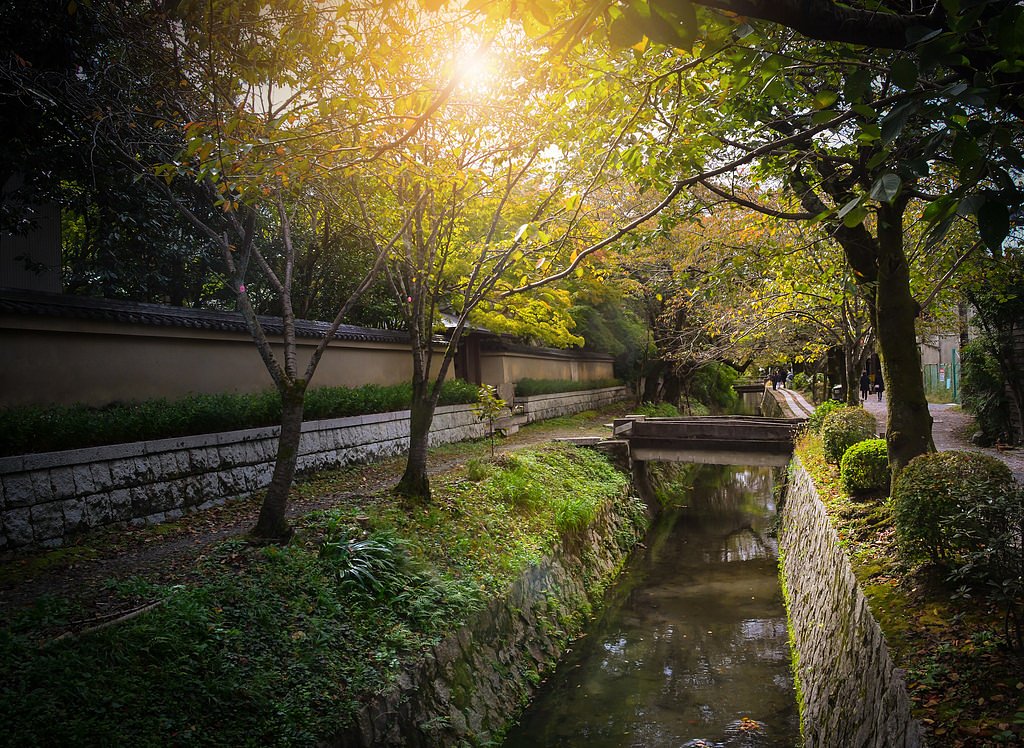
The Philosopher’s Path in Kyoto is known for its canal, cherry trees, and quiet setting beneath the mountains of northern Higashiyama. Yet the route becomes more meaningful when its temples, landscapes, and history are understood as parts of one connected story.
On this private Philosopher’s Path Kyoto tour, a local historian leads you from Ginkaku-ji to Honen-in and Eikan-do, interpreting the Buddhist ideas, cultural traditions, and relationships with nature that shaped each place. Instead of treating the canal as a scenic passage between attractions, you will explore why this corner of Kyoto became associated with reflection—and what its landscape reveals about Japanese culture.
What Is Kyoto’s Philosopher’s Path?
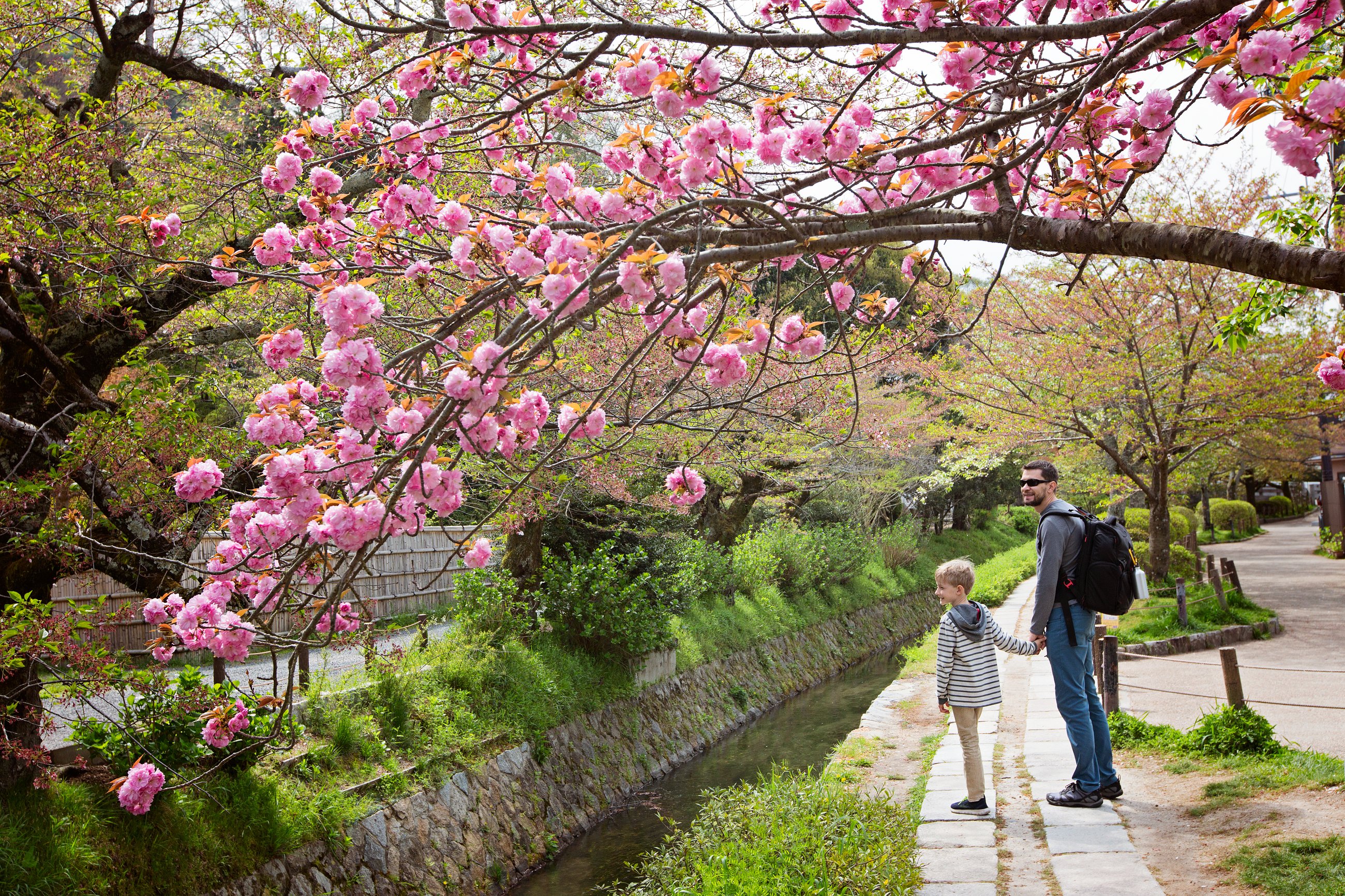
The Philosopher’s Path, known in Japanese as Tetsugaku no Michi, is a canal-side walking route through northern Higashiyama.
Its modern name is associated with Nishida Kitaro, an influential Kyoto University philosopher who is said to have walked and reflected along this route during his daily commute. Today, the path connects several significant temples while passing traditional homes, small shrines, and the wooded eastern edge of the city.
The path can be walked independently, but many of its most important connections are not immediately visible. Expert interpretation brings together Nishida’s intellectual legacy, the history of the surrounding temples, and the cultural role of landscape in
Kyoto.
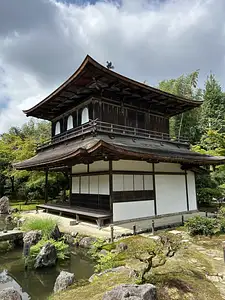
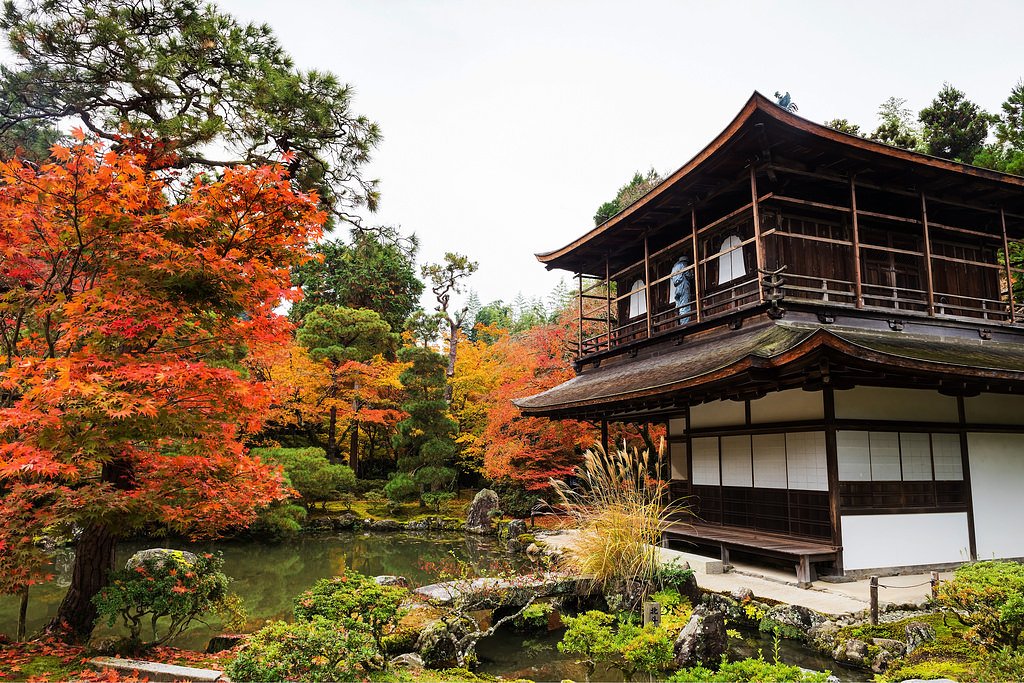
Begin at Ginkaku-ji, the Silver Pavilion
Ginkaku-ji provides the historical foundation for the walk.
Originally developed as a retirement villa for the shogun Ashikaga Yoshimasa, the site became closely associated with Higashiyama culture. Artistic and cultural practices refined during this period influenced tea ceremony, flower arrangement, architecture, garden design, and other traditions that remain central to perceptions of Japanese aesthetics.
Although commonly called the Silver Pavilion, the building was never covered in silver. Your Expert explains how its restrained design and carefully composed gardens came to represent ideas of simplicity, imperfection, and cultivated observation.
Connect Kyoto’s Landscape to Its Ideas
Along the Philosopher’s Path, mountains, water, gardens, and architecture do more than create an attractive setting.
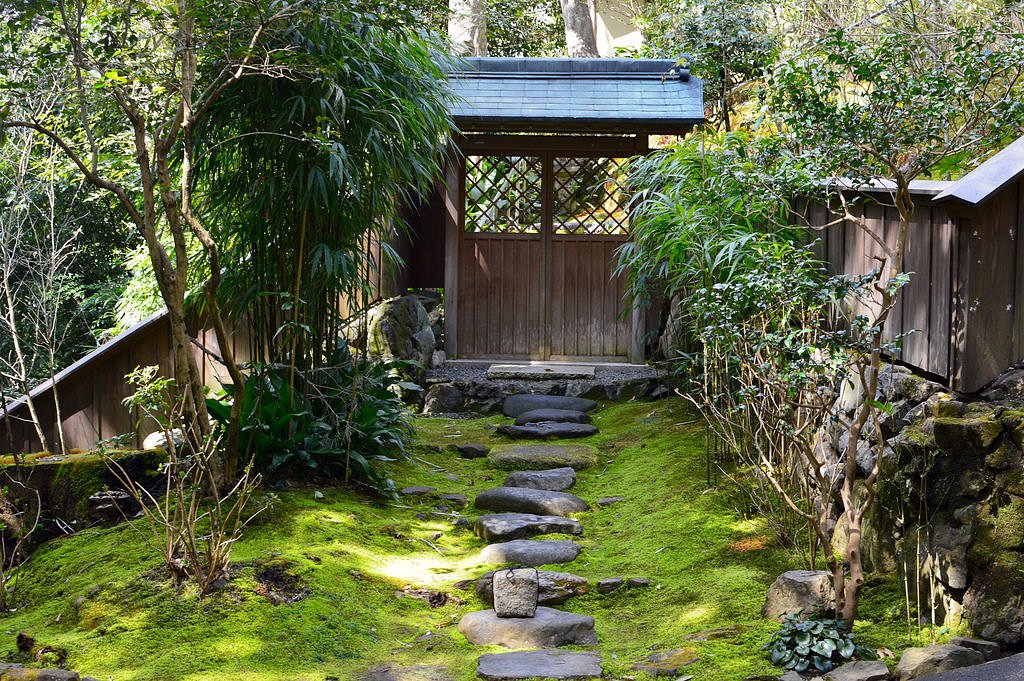
Traditional Japanese religious and aesthetic practices often resist a strict separation between human life and the natural world. Canal water, moss, trees, stones, and changing views can therefore carry philosophical and spiritual meaning as well as visual beauty.
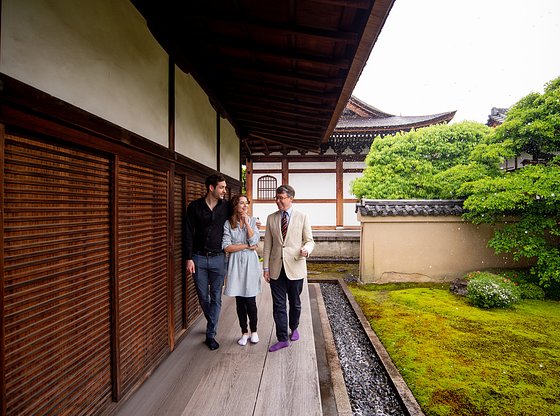
Your Expert helps you read these elements as intentional parts of the experience. The path becomes a way to consider how landscape influences thought, how temple spaces shape attention, and why nature remains so important to Kyoto’s identity.
Explore Pure Land Buddhism at Honen-in
Honen-in offers a quieter setting in which to discuss Pure Land Buddhism and the relationship between religious practice and place.
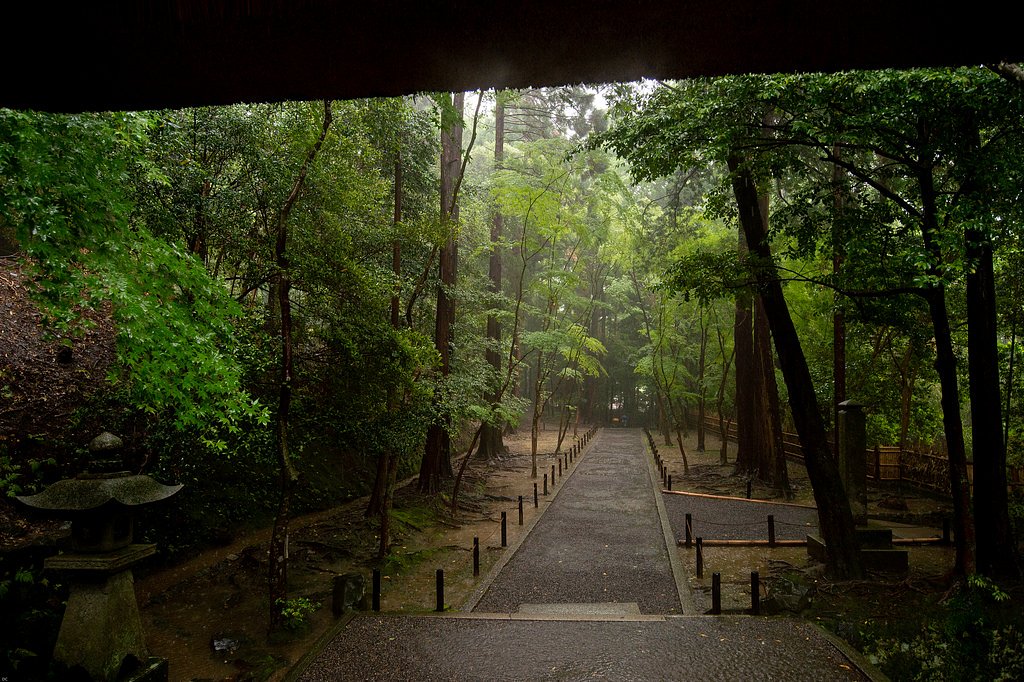
The temple’s wooded entrance, water features, and understated architecture create a transition from the surrounding neighborhood into a more contemplative environment. Rather than encountering symbols as isolated decorative details, you will consider how ritual, water, landscape, and temple design work together.
No prior knowledge of Buddhism is needed. Your historian introduces the central ideas clearly and provides context for the traditions encountered along the route.
Discover the Looking-Back Buddha at Eikan-do
Eikan-do is known for its hillside setting, covered corridors, pond, pagoda, and unusual image of Amida Buddha looking back over his shoulder.
The sculpture, called the Mikaeri Amida, is connected to a story in which the Buddha turned toward a monk who had fallen behind. It offers a powerful lens through which to discuss patience, compassion, and the accessibility of Pure Land belief.
As you move through the temple’s linked halls and climb toward its elevated spaces, your Expert also explains how architecture guides movement and changes your perspective on the surrounding landscape.
See a Quieter Side of Kyoto
Many Kyoto itineraries concentrate on the city’s busiest monuments and commercial districts.
Northern Higashiyama offers a different scale. Traditional houses, temple approaches, mountain slopes, and the canal create a more residential and reflective view of Kyoto. The route allows you to experience several major sites without treating them as disconnected stops.
For travelers trying to understand Kyoto rather than simply photograph it, this walk provides a useful bridge between religious history, philosophy, urban geography, and everyday life.
Experience the Path in Every Season
The Philosopher’s Path is especially famous during
cherry blossom season, when the trees along the canal draw large numbers of visitors. Its character, however, changes throughout the year.
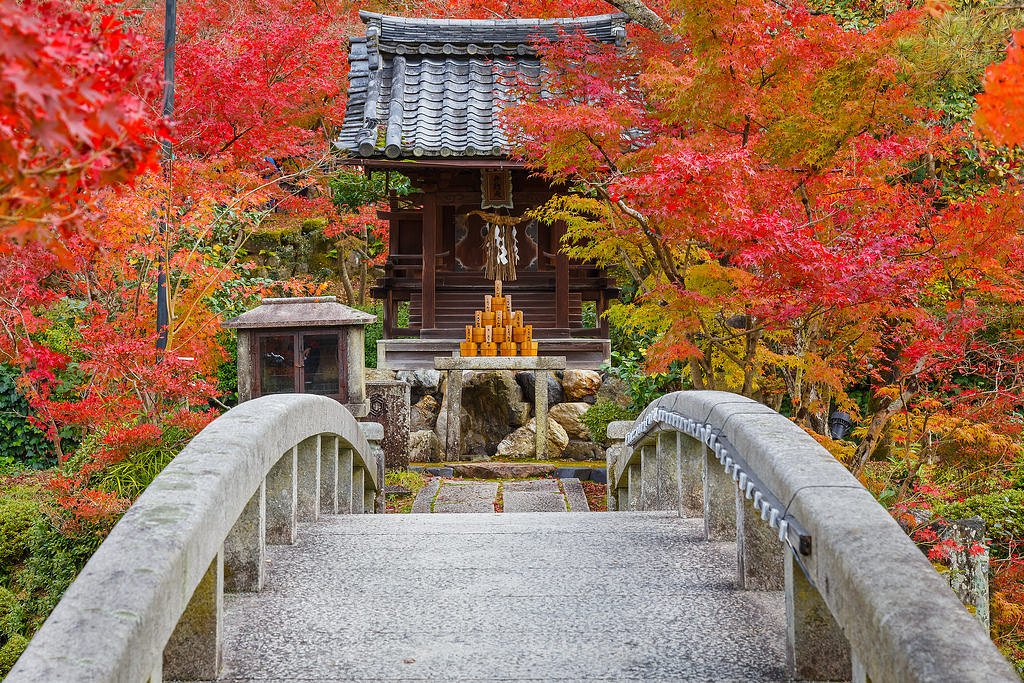
Summer brings a dense green canopy, autumn introduces maple foliage around the temples, and winter reveals the route’s architecture and mountain setting more clearly. Because the tour’s value lies in its history, religious traditions, and landscape—not only its blossoms—it remains rewarding beyond the spring season.
Explore with a Local Historian
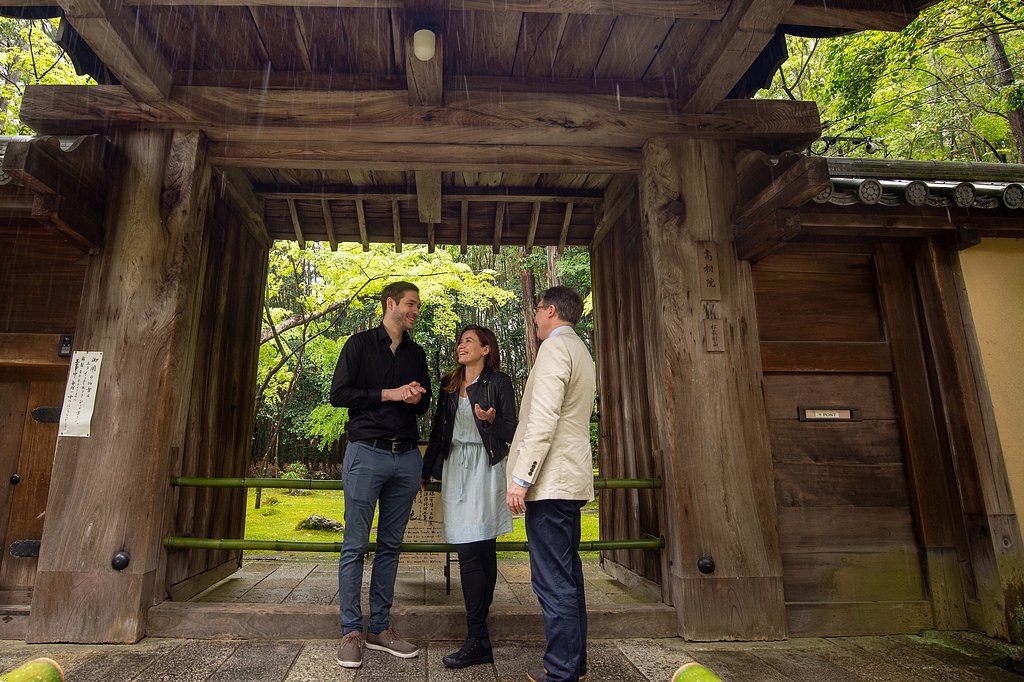
This experience is led by a Context Expert with knowledge of Kyoto’s history, Buddhist traditions, and cultural landscape.
Rather than presenting a rehearsed overview of each temple, your Expert connects the sites through the questions they raise: How does nature become a philosophical idea? How do temple buildings shape religious experience? Why did this route become associated with Nishida Kitaro? How do centuries-old traditions still affect the way Kyoto is understood today?
The private format leaves room for questions and allows the depth of the discussion to respond to your interests.
Frequently Asked Questions
What is the Philosopher’s Path in Kyoto?
The Philosopher’s Path is a canal-side walking route through northern Higashiyama. It is associated with Kyoto University philosopher Nishida Kitaro and connects important temples, traditional neighborhoods, and Kyoto’s eastern mountain landscape.
Why is it called the Philosopher’s Path?
The route is named for Nishida Kitaro, who is said to have walked along the canal while meditating or reflecting during his commute. His association with the path helped turn it into a symbol of Kyoto’s philosophical and intellectual traditions.
Is the Philosopher’s Path worth visiting?
Yes, particularly for travelers interested in temples, gardens, Buddhism, traditional neighborhoods, or a quieter side of Kyoto. The path is visually beautiful, but its deeper value comes from the historical and cultural connections between the places along it.
Which temples are visited on this tour?
The planned route includes Ginkaku-ji, also known as the Silver Pavilion, Honen-in, and Eikan-do. The order or precise route may occasionally adjust according to local conditions.
Is Ginkaku-ji part of the Philosopher’s Path?
Ginkaku-ji stands near the northern end of the Philosopher’s Path and is a natural starting point for the route. Its history as a center of Higashiyama culture establishes many of the artistic and philosophical themes explored during the walk.
How long is this Philosopher’s Path tour?
The tour lasts approximately three hours and combines the canal walk with guided visits to several temples. The experience is therefore more substantial than simply walking the canal from end to end.
Is this a private tour?
Yes. The private format allows your Expert to adapt the discussion to your interests and spend more time on Buddhism, philosophy, gardens, architecture, or Kyoto’s history as questions arise.
Do I need to know anything about Buddhism or Japanese philosophy?
No. The tour is designed to make complex ideas understandable without assuming prior knowledge. Your Expert introduces the necessary background through the places, objects, and landscapes you encounter.
Is the Philosopher’s Path only worth visiting during cherry blossom season?
No. Cherry blossoms make spring particularly popular, but the route is attractive throughout the year. Summer greenery, autumn foliage, winter clarity, and the temples themselves each offer a different experience.
Is the Philosopher’s Path crowded?
The route can become very busy during peak cherry blossom and autumn foliage periods. Outside the busiest seasonal windows, it is generally calmer than many of Kyoto’s major central attractions. Visiting with an Expert also helps keep the experience focused when the path is crowded.
How difficult is the walk?
The tour involves approximately three hours of walking, with uneven surfaces and some stairs or slopes within the temple complexes. Comfortable footwear is recommended. Guests with mobility concerns should share them before booking so the route can be assessed.
Are temple admission fees included?
Yes. The current tour page states that entry tickets and admission fees are included unless otherwise specified.
What makes a guided Philosopher’s Path tour different from walking independently?
An independent walk provides the scenery, but the relationships among Nishida Kitaro, Higashiyama culture, Pure Land Buddhism, temple design, and the natural landscape are easy to miss. A historian connects those elements so the route becomes an explanation of Kyoto rather than simply a pleasant canal walk.