Oliver gave a comprehensive history of London during WWII and then Churchill himself. We love digging deep into the actual people living in the era. The tour was engaging, fascinating, and was exactly what we wanted.
%20-%202026-04-28T085747.841.png)
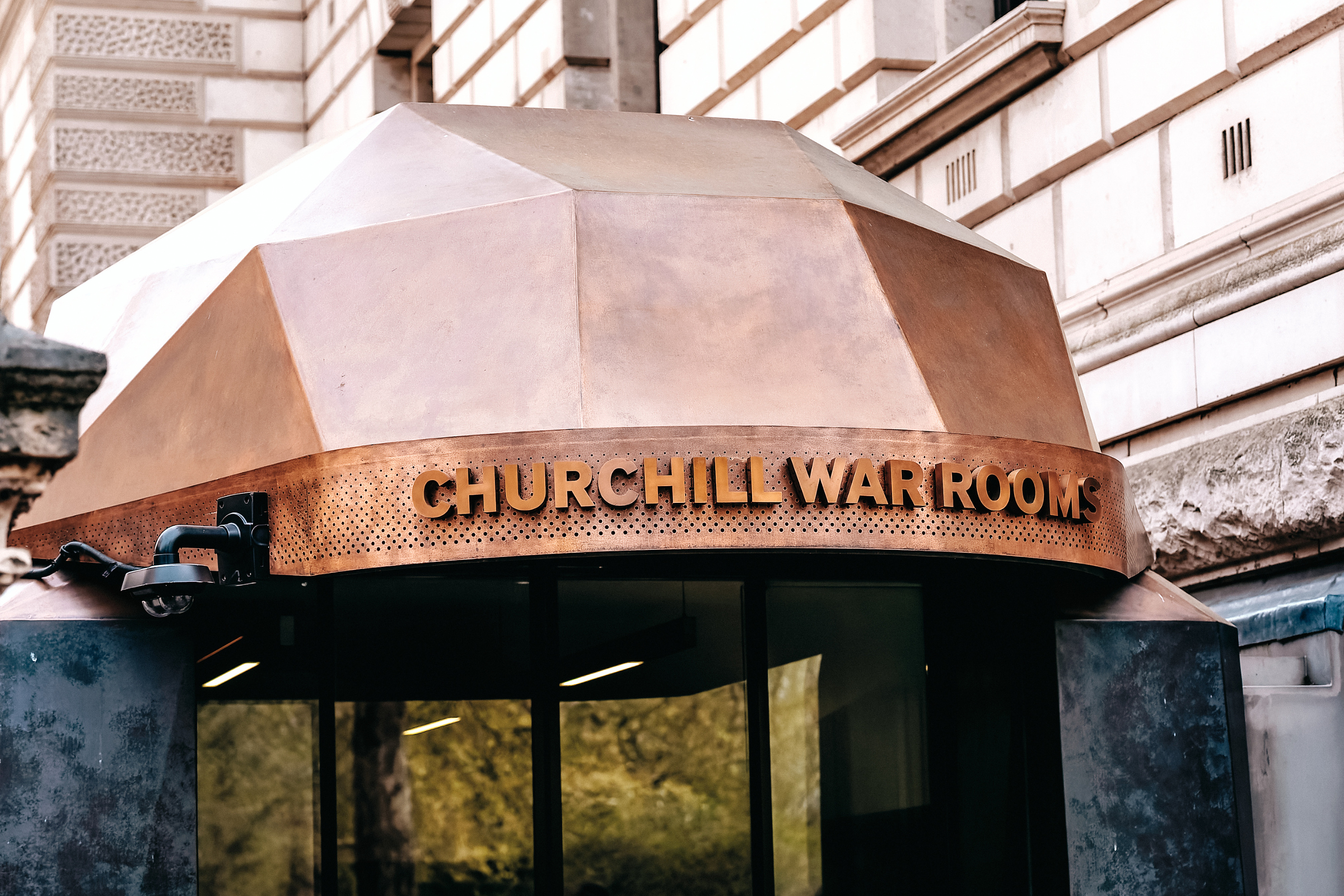
Churchill War Rooms Tour: Inside Wartime Strategy
Step inside the rooms where Britain’s war decisions took shape
Join our historian-led tour of Britain’s underground war rooms and discover how decisions made below shaped WWII.
Tour Highlights
- Churchill’s wartime mind Trace Churchill’s decisions in the rooms where they happened.
- Decode WWII strategy Study maps, memos, and spaces that reveal how intelligence shaped decisions.
- Connect to global events See how pressure and resolve of everyday Londoners shaped wartime effort.
- Go beyond wartime slogans Unpack myths, motives, and moral tradeoffs with context rarely found in guidebook.
- History where it happened Stand where choices were made, grounding global history in physical space.
Led by Experts, Shaped by You
Explore with an expert guide who responds to your questions, your interests, and your pace. Reveal layers of meaning most visitors miss—go from seeing to understanding.
%20-%202026-04-28T085747.841.png)
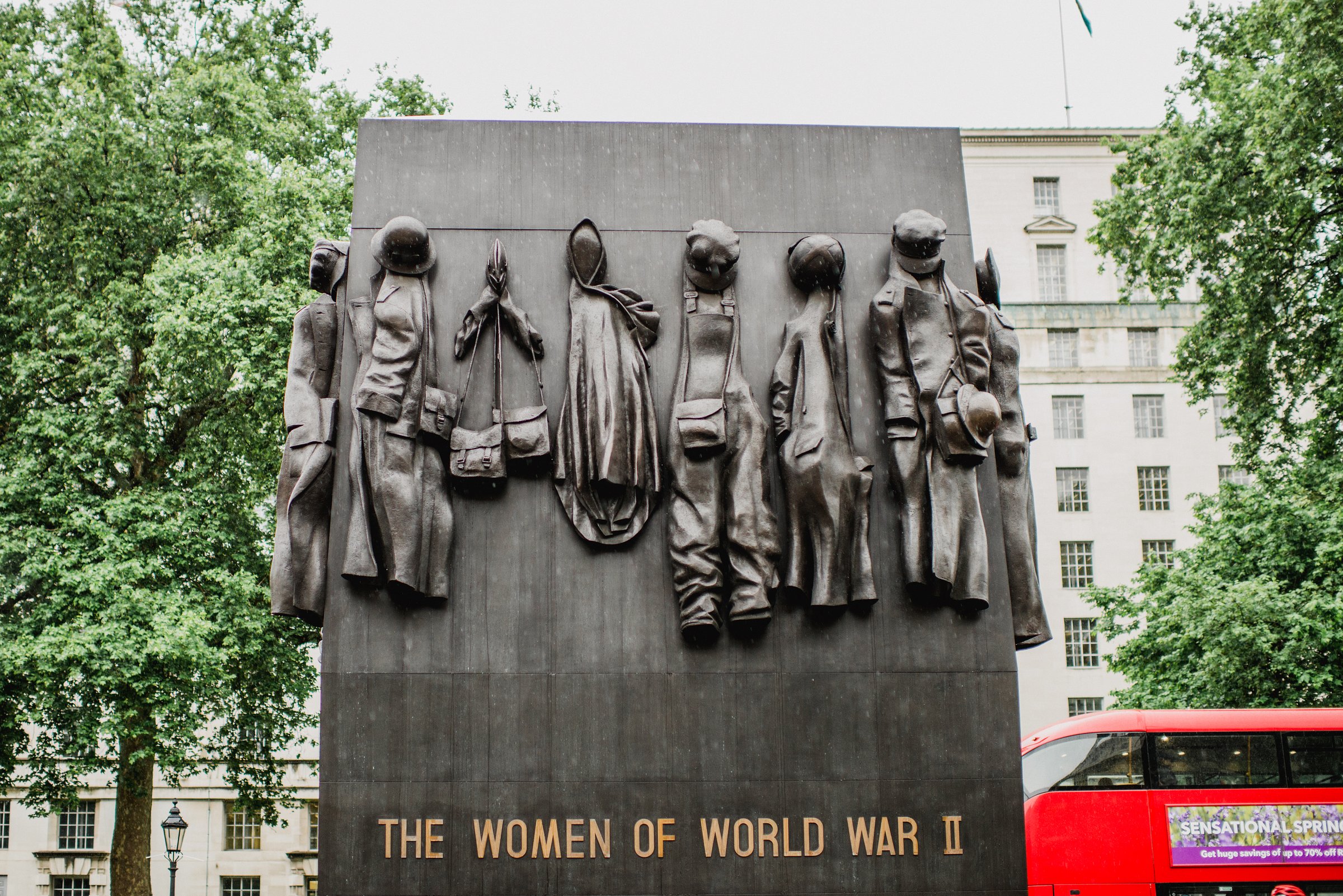
The Finer Details
Heroism in World War II was shown on the battlefields, at sea, in the air, and on the airwaves. These stories are familiar to us, but we tend to forget that much of the crucial work that underpinned this took place in far less heroic settings. It consisted of paperwork, maps, and long hours underground, where daily decisions by everyday men and women carried unimaginable weight.
Step into Winston Churchill’s world, where as a working leader under unrivaled pressure, he orchestrated the Allied forces' response during WWII’s darkest hours. The wider stakes of Britain’s position in World War II and Churchill’s rise at a moment of broader national crisis are the background to this cinematic scene. Context matters here; political uncertainty, military setbacks, and a public hungry for resolve shape how the story of the war unfolds.
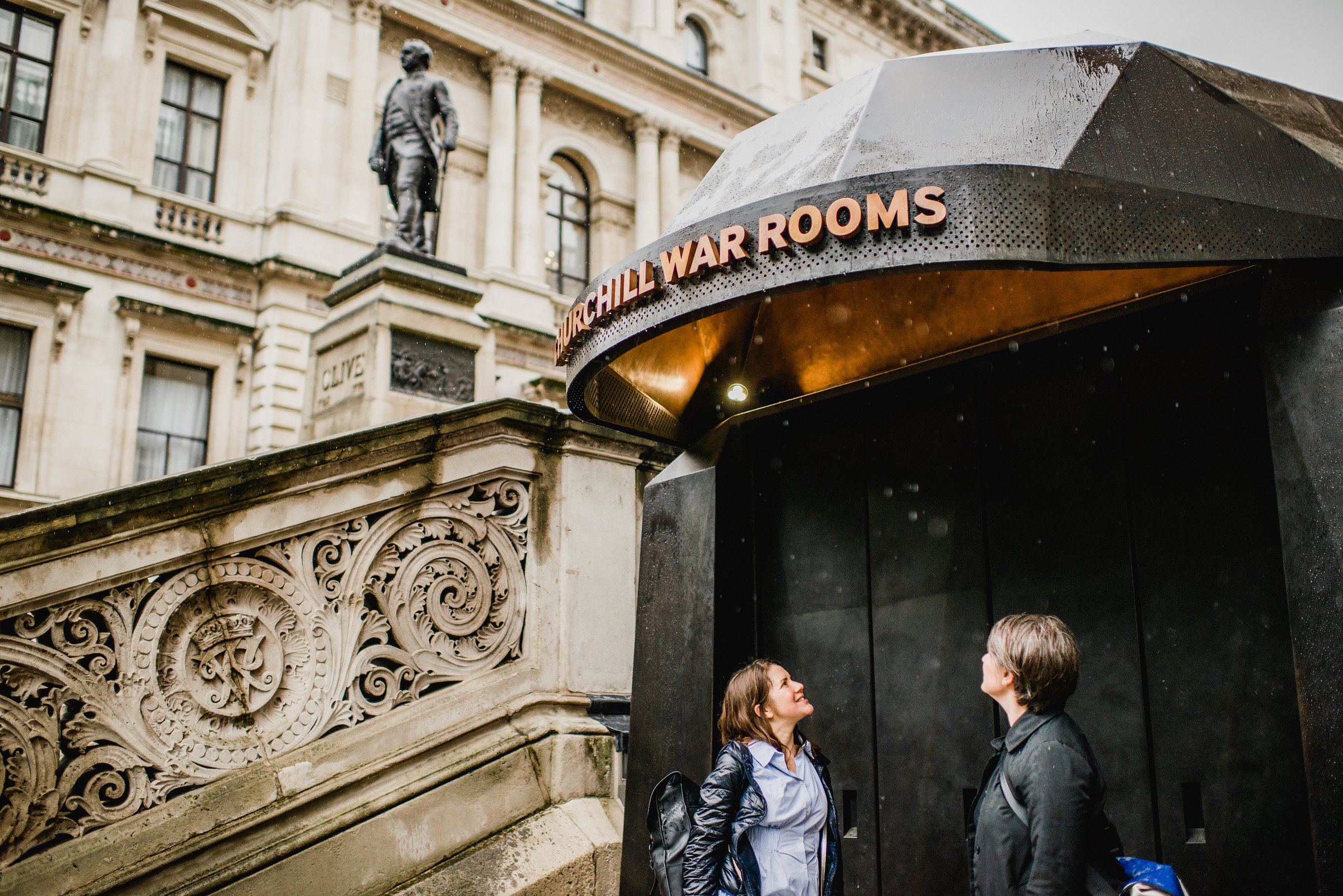
Moving through corridors beneath Whitehall (the very heart of British Government) and into the Cabinet War Rooms themselves, you’ll understand how strategy was shaped through debate, intelligence, and constant compromise. Maps, briefing tables, and preserved rooms reveal how intelligence flowed in and out of this wartime nerve center. Discussions with your Expert go deep on how choices were made, not just what was decided.
The Map Room offers a rare look at war as it unfolded day by day. Pins, charts, and handwritten notes trace shifting fronts across Europe and beyond. What does it mean to watch a global conflict change in real time, knowing lives hinge on each update?
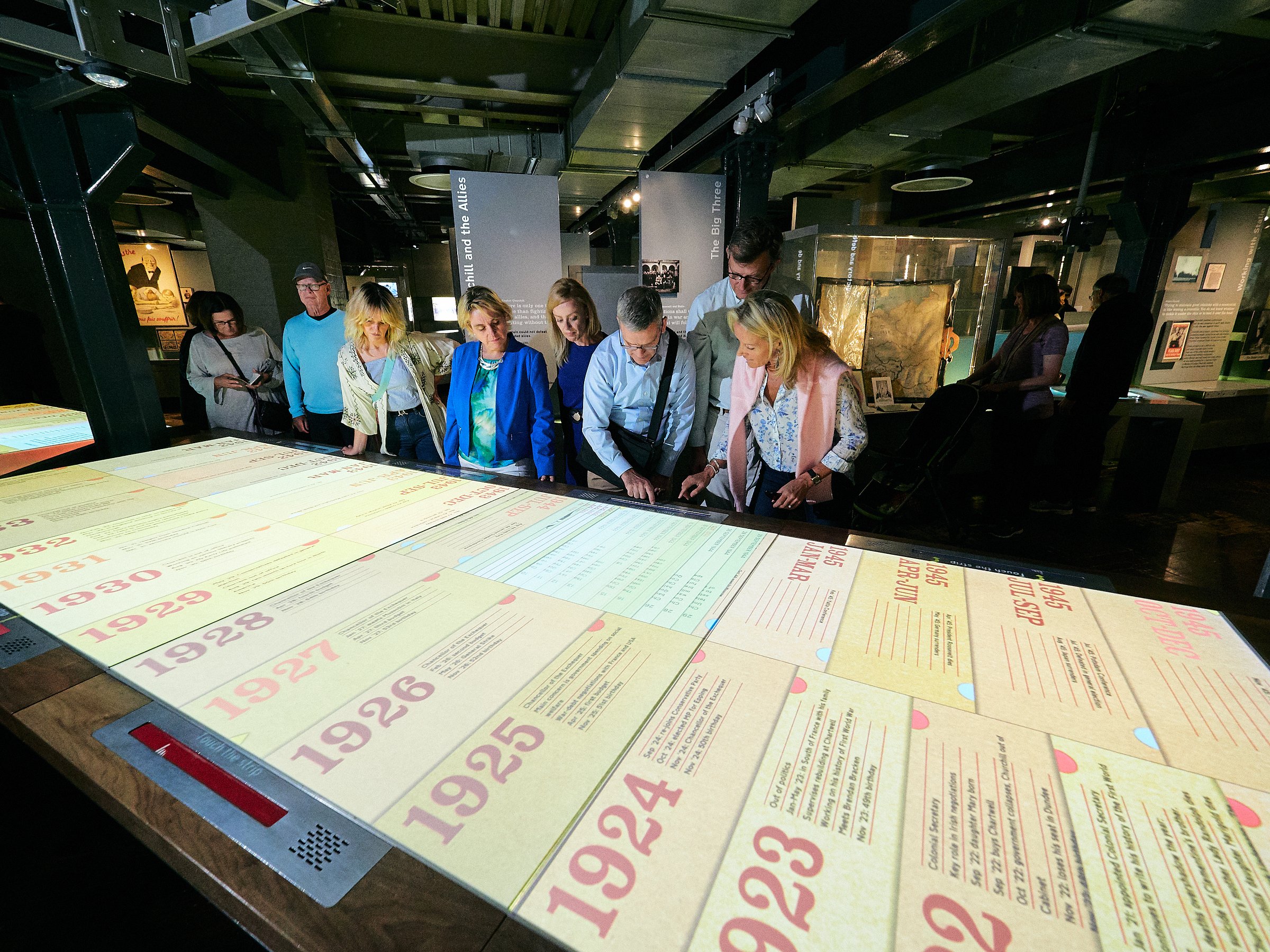
Attention then turns to Churchill himself. Through letters and artifacts you’ll gain the knowledge to separate man from myth. Learn about his habits, rhetoric, and contradictions. Admiration deepens here, but so does nuance.
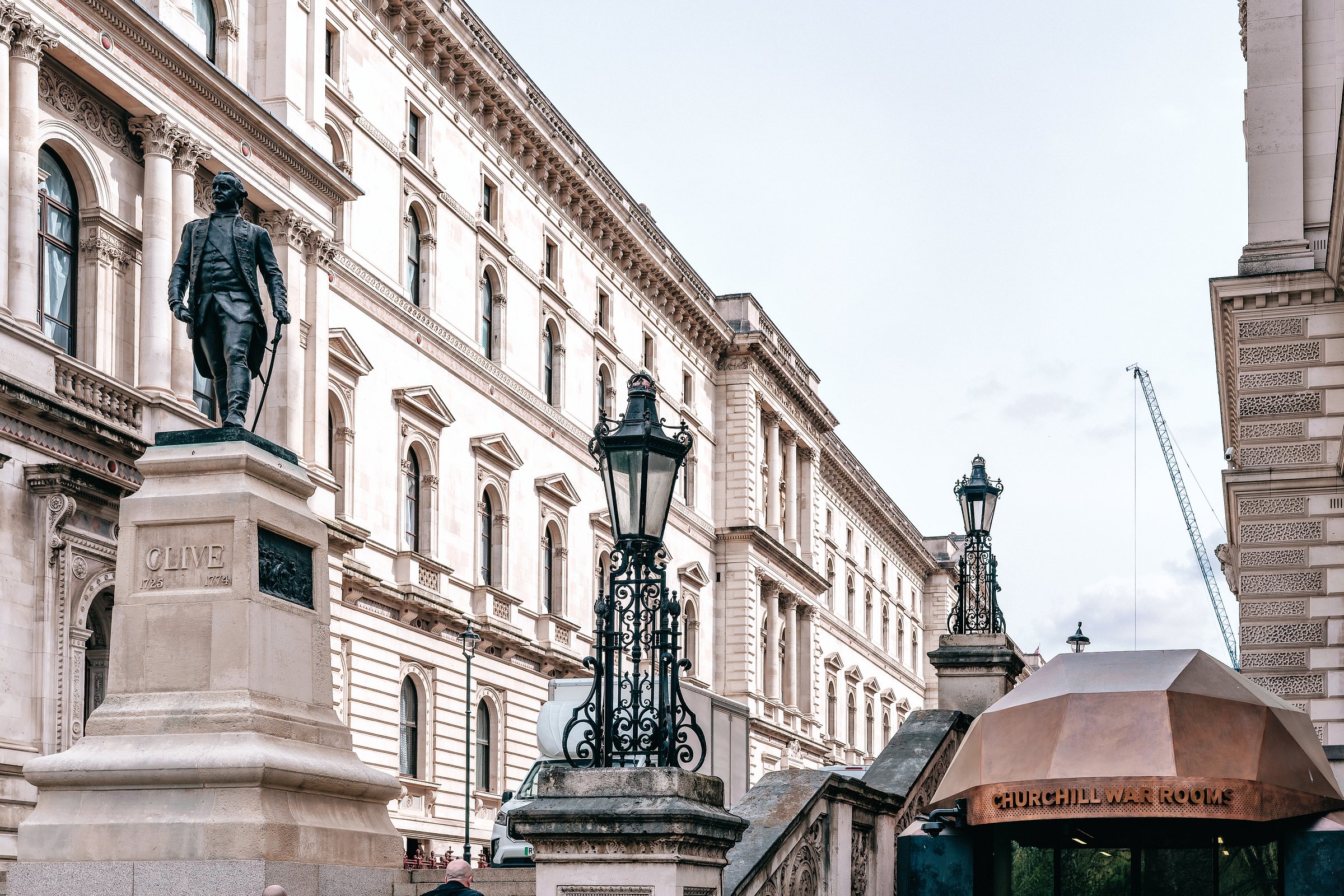
This Churchill War Rooms tour closes by reconnecting these underground spaces to London’s sites and streets above ground, from the iconic Buckingham Palace to the Guards Chapel. Whitehall becomes more than a street; it becomes a historical backdrop to decisions that shaped the modern world.
Meet the Experts























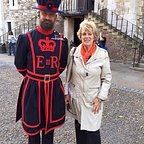




















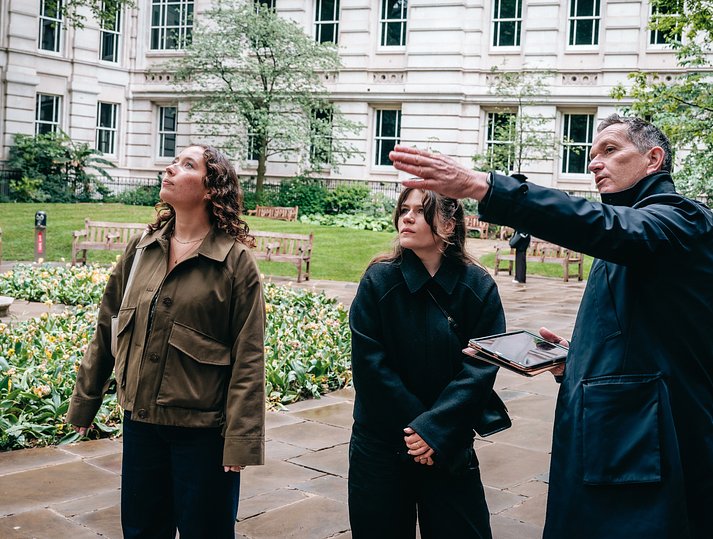%20-%202026-05-18T122730.868.png)
Where You’ll Go
From iconic landmarks to tucked-away local favorites, these are the places you’ll explore and experience firsthand with your Expert.
-
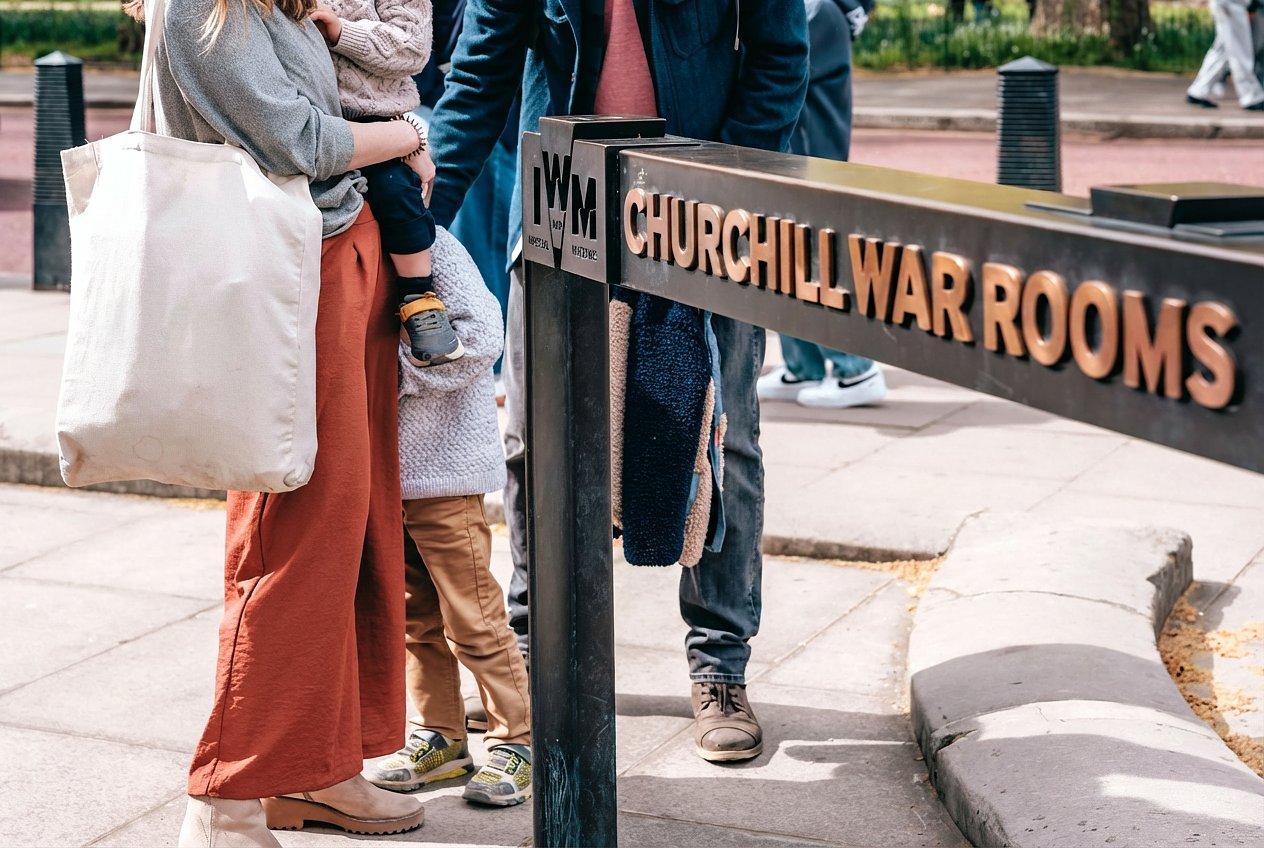
Churchill War RoomsLondon underground complex preserving WWII government offices, archives, and history.
What’s Included As Standard
Here’s a look at what your tour covers, plus anything you’ll want to consider arranging separately, so you can plan with confidence.
Included
-
English-speaking expert guideTours led in English, offering you unbroken understanding throughout.
-
Intentionally sized groupsA smaller group means more time for conversations and questions.
-
Tickets and entrance feesAll entry tickets included.
Not Included
-
GratuitiesTips aren’t included, but we encourage tipping as a way to thank your guide after your experience.
-
Food and drinkFood and drink are not included, but your expert can provide recommendations for after the tour.
-
Transportation to and from the meeting pointTransportation is not included. Pre- and/or post-transit can be added to some tours by request.
-
Hotel pickup or drop-offTravel to or from accommodation isn’t included; however, this service can be added by request.
Where You'll Explore
Make the Most of Your Tour
Some helpful advice for getting the most from your experience, from practical prep to small on-the-day tips.
Dos:
- Wear comfortable footwear
- Check the weather and dress appropriately
- Bring a bottle of water (no glass)
- Feel free to ask your Expert anything
Don'ts:
- Bring firearms or weapons
- Bring sharp objects (e.g. knives, swiss army knives, switchblades, hiking sticks)
- Dress inappropriately to enter religious sites or sacred monuments
Any questions? You can always
contact us.
Frequently Asked Questions
Book with confidence — see Context's flexible cancellation policy here.
No. The Imperial War Museum is a large venue (five floors) covering British military history from WWI to the present (including Holocaust and huge military hardware). It requires at least 3 hours for a comprehensive visit. If you are interested, get in touch, we'll be happy to arrange a visit for you.
You will generally spend about one hour in the War Rooms.
Our tour is intentionally kept small, limited to five guests, to comply with the venue's restrictions on group size. Additionally, this cap allows each guest to receive personalized attention from the guide, enhancing the overall quality and intimacy of the tour.
We understand that some of our valued guests may have mobility concerns, and we want to ensure you have a comfortable and enjoyable experience throughout your tour. If there are any accessibility concerns that your tour guide will need to be aware of, please let our team know at the time of booking.
Is this tour wheelchair-friendly?
The Churchill War Rooms site is wheelchair accessible, allowing everyone to partake in this extraordinary journey through history.
Don’t just take our word for it
Melissa was a fantastic guide. She was knowledgeable and kind. She was able to really give us a full picture of what went on, why it went on, and was filled with little tidbits of information that really made the tour special. The war rooms are one of, if not the best, tour in all of .
Jonathan was an excellent guide! His pre-tour talk outside the venue added great background information for what we saw later in the war rooms and museum. We very much enjoyed the Churchill tour with him. Excellent!
Let Your Curiosity Shape Your Journey
Join passionate experts on intimate walking tours that reveal a city’s unique stories, spark conversations, and leave you seeing the world—and yourself—a little differently.
Structured, never scripted
Your interests guide your Expert, leading to stories and perspectives that matter to you.
Crafted for conversation
With 12 or fewer guests, ask questions, engage with your Expert, and fully immerse yourself.
Experts, not guides
Explore with 1,200+ Experts—from historians and architects to archaeologists and chefs.
Related experiences our customers also loved


Churchill War Rooms Tour
The Churchill War Rooms preserve the physical machinery of wartime decision-making. Maps remain marked with changing fronts. Offices sit much as they did when ministers, military staff, typists, intelligence officers, and communications teams worked underground beneath Whitehall. The rooms make World War II feel immediate because so much of the evidence is ordinary: desks, telephones, paperwork, clocks, and handwritten notes. A Churchill War Rooms tour is therefore not only about Winston Churchill. It is about how governments make decisions when information is incomplete, consequences are enormous, and time is short. With a historian, the preserved rooms become a way to examine how intelligence moved through government, how military and political priorities competed, and how people working far from the battlefield influenced events across the world.
The War Rooms opened in 1939 as Britain prepared for the possibility of aerial attack. Their purpose was practical: senior officials needed a protected place from which government and military operations could continue if London came under bombardment.
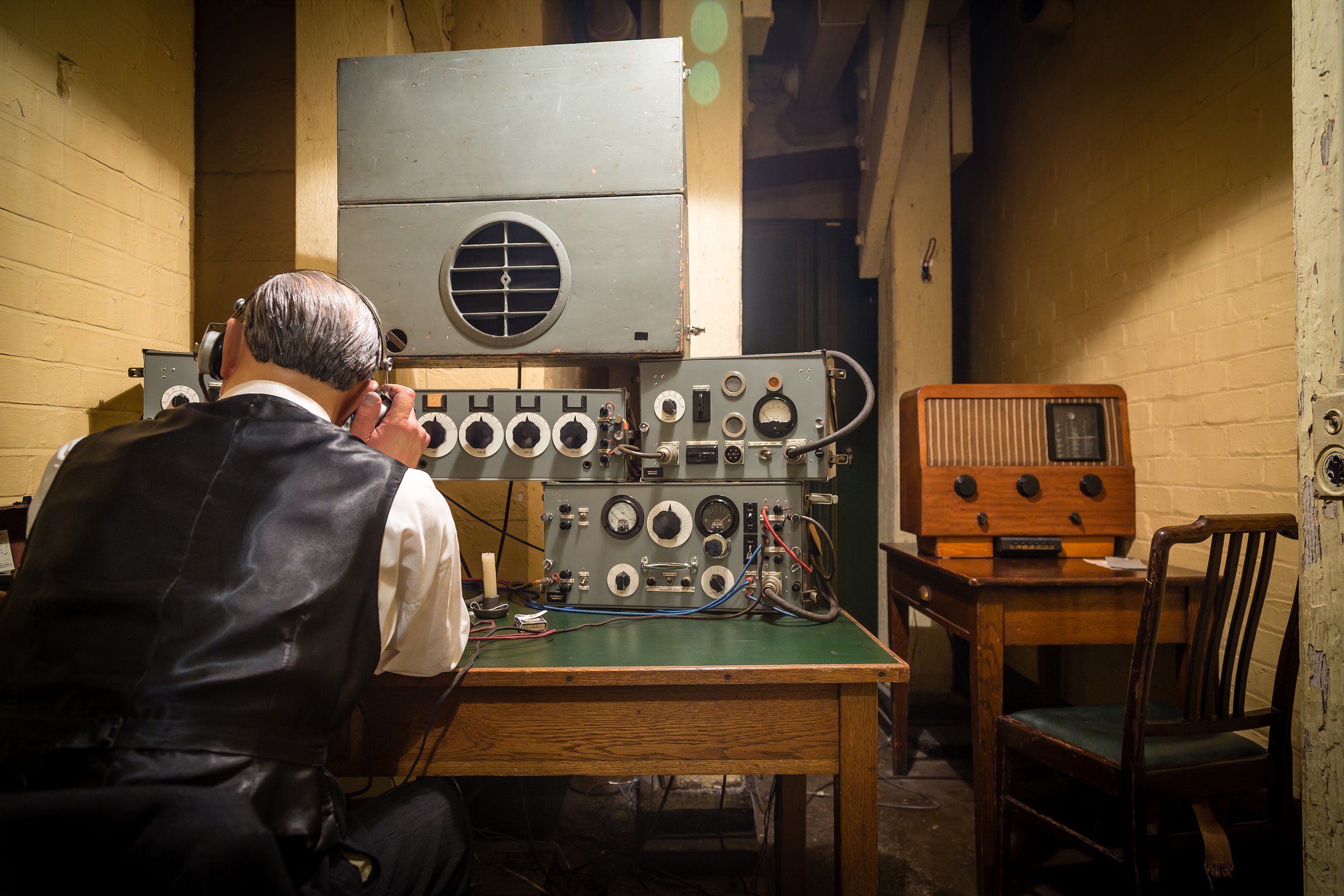
The Cabinet Room was where Churchill and senior ministers met to debate strategy. The Map Room gathered and updated information about military developments. Communications staff maintained links with commanders, allies, and forces operating far beyond Britain.
That arrangement helps correct one of the easiest misconceptions about wartime leadership. Major decisions rarely emerged from one dramatic moment or one person’s instinct. They developed through briefings, disagreement, intelligence reports, logistics, political calculation, and constant reassessment.
The War Rooms make that process visible.
A map covered with pins can show what leaders believed was happening at a particular moment. A telephone can reveal the importance of communication. A preserved office can remind you that global strategy depended on people collecting, interpreting, and transmitting information hour after hour.
Churchill’s wartime leadership is central to the story of Britain in World War II, but understanding him requires more than repeating famous speeches.
His rhetoric helped give language to national resistance during moments of extreme uncertainty. He brought long political experience, strong convictions, and an extraordinary capacity to communicate urgency and resolve. He was also a complicated political figure whose career extended far beyond 1940–45.
Looking at Churchill historically means asking how decisions were made, which ideas shaped his judgment, where he was effective, where he was contested, and how the wartime image of Churchill later became part of British national memory.
The preserved rooms are particularly useful because they place the familiar public figure back into a working environment.
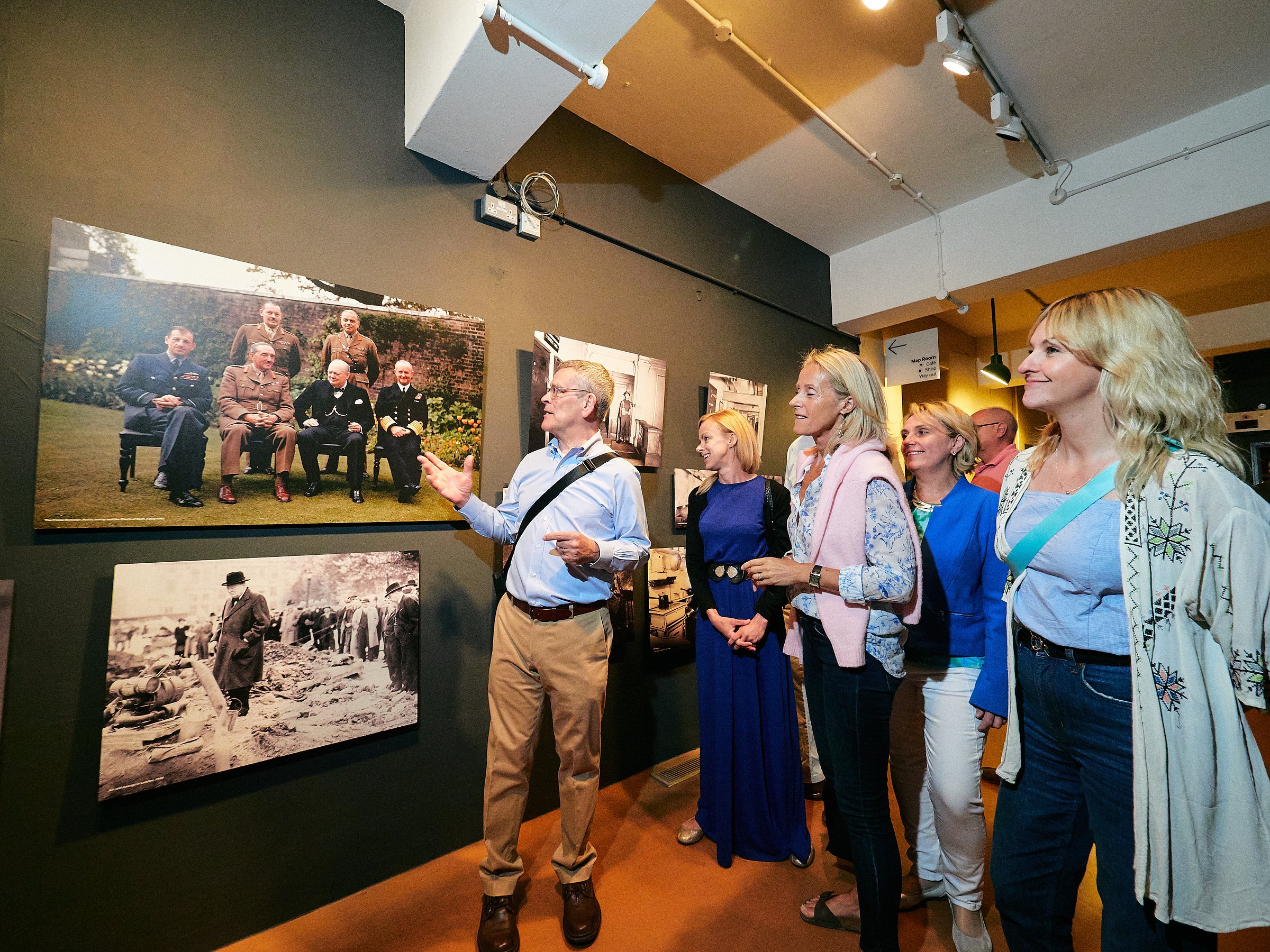
Instead of encountering Churchill only through photographs and quotations, you see the spaces in which he received intelligence, argued with colleagues, dictated correspondence, and dealt with the pressure of a global conflict.
That shift from icon to working political leader is one of the most valuable things the War Rooms can offer.
Choose the Churchill War Rooms Tour if your main interest is wartime leadership, government, military strategy, intelligence, and the decisions made beneath Whitehall. The experience spends approximately three hours exploring the broader wartime context, including about an hour inside the War Rooms themselves.
If you are more interested in what World War II felt like for Londoners above ground, Context’s London Blitz WWII Tour approaches the war through bombing, civil defense, destruction, resilience, and daily life in the city.
The two experiences address different sides of the same conflict:
- Churchill War Rooms for decisions made at the center of government.
- London Blitz for the consequences experienced across the city.
Taken together, they show the distance—and connection—between strategy underground and life above it.
What is included in the Churchill War Rooms Tour?
The tour explores wartime London and the Churchill War Rooms with a historian, including the preserved Cabinet War Rooms and spaces connected to wartime government and Churchill’s leadership. Admission is included.
How long is the Churchill War Rooms Tour?
The full Context experience lasts approximately three hours. You generally spend about one hour inside the Churchill War Rooms themselves.
Is the Churchill War Rooms guided tour worth it?
A guided visit is particularly useful if you want to understand how the rooms functioned rather than simply see preserved objects.
A historian can connect maps, offices, communications systems, and individual rooms with larger questions about wartime intelligence, leadership, political pressure, and strategy.
Is this a private Churchill War Rooms tour?
This tour is available in both private and small group tour formats with capacity limited to 6 participants.
How much time should I spend at the Churchill War Rooms?
An independent visit can take several hours depending on your interest in the displays and Churchill Museum. On this Context experience, approximately one hour is spent inside the War Rooms as part of a wider three-hour historian-led tour.
What is the difference between the Churchill War Rooms and the Imperial War Museum?
The Churchill War Rooms preserve the underground government complex used during World War II and focus closely on wartime leadership, operations, and Churchill.
The Imperial War Museum London is a much larger museum covering British and global conflict across a broader period, including World War I, World War II, the Holocaust, and later military history. The current product page recommends allowing at least three hours for a substantial independent IWM visit.
Are the Churchill War Rooms actually underground?
Yes. The Cabinet War Rooms occupy a protected underground complex beneath the Whitehall area of central London, close to the heart of British government.
What was the Map Room used for?
The Map Room operated as an information center where military developments were tracked and updated. Maps, charts, pins, and written records helped officials follow events across multiple theaters of war and brief senior decision-makers.
Is the Churchill War Rooms Tour wheelchair accessible?
The Churchill War Rooms are wheelchair accessible. Context asks guests to share any mobility or accessibility needs when booking so the team can plan accordingly.
Is this tour mainly about Winston Churchill?
Churchill is central, but the tour is broader than a biography. It examines the staff, information systems, government structures, military pressures, and political debates that surrounded him. The aim is to understand how wartime decisions were actually made rather than treating the war as the work of one individual.