Alejandro was the highlight of the trip. His personality and his knowledge made it a wonderful experience. We would highly recommend the tour to Teotihuacan!
Teotihuacan Day Trip from Mexico City
Explore monumental ruins and the civilization that built them
Stand beneath Teotihuacan’s pyramids and discover how scale, murals, and sacred spaces shaped one of Mesoamerica’s great cities.
Tour Highlights
- Interpret the pyramids Learn why the multi-ethnic society of Teotihuacan built pyramids and how the Aztecs later used them.
- Understand the city plan See how plazas and alignments shaped movement through this former Mesoamerican city.
- Study murals and remains Use painted fragments and urban traces to understand Teotihuacan’s people and beliefs.
- Pair Teotihuacan with Acolman Visit the nearby Acolman monastery to see how later sacred traditions reshaped the region’s story.
- Travel with details handled We handle entry tickets and route design, keeping the excursion focused on discovery.
- Ask what ruins can reveal Explore with a Context Expert who turns scattered clues into a clearer ancient story.
Led by Experts, Shaped by You
Explore with an expert guide who responds to your questions, your interests, and your pace. Reveal layers of meaning most visitors miss—go from seeing to understanding.
The Finer Details
This Teotihuacan tour from Mexico City turns vast pyramids, painted walls, and ancient avenues into a story you can stand inside, not just admire from afar. Explore the remains of a once-powerful pre-Columbian city, now a UNESCO World Heritage site, with the time and context to look beyond its monumental scale. With entrance tickets to Teotihuacan and Acolman Monastery included, the day stays centered on what these places reveal, from ancient urban life to the later arrival of Spanish colonial power.
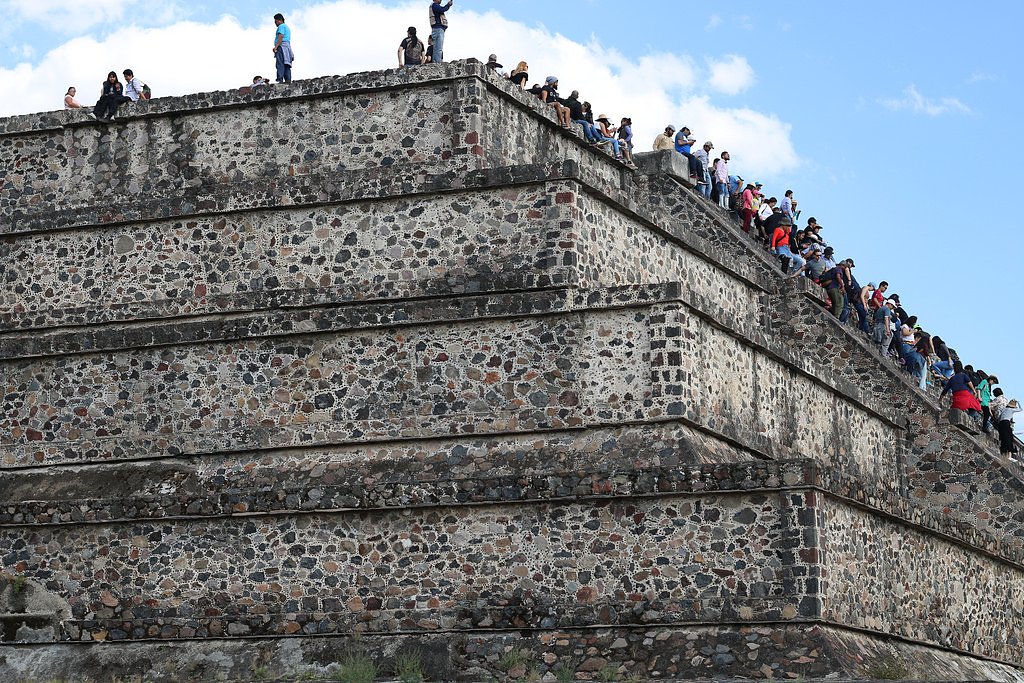
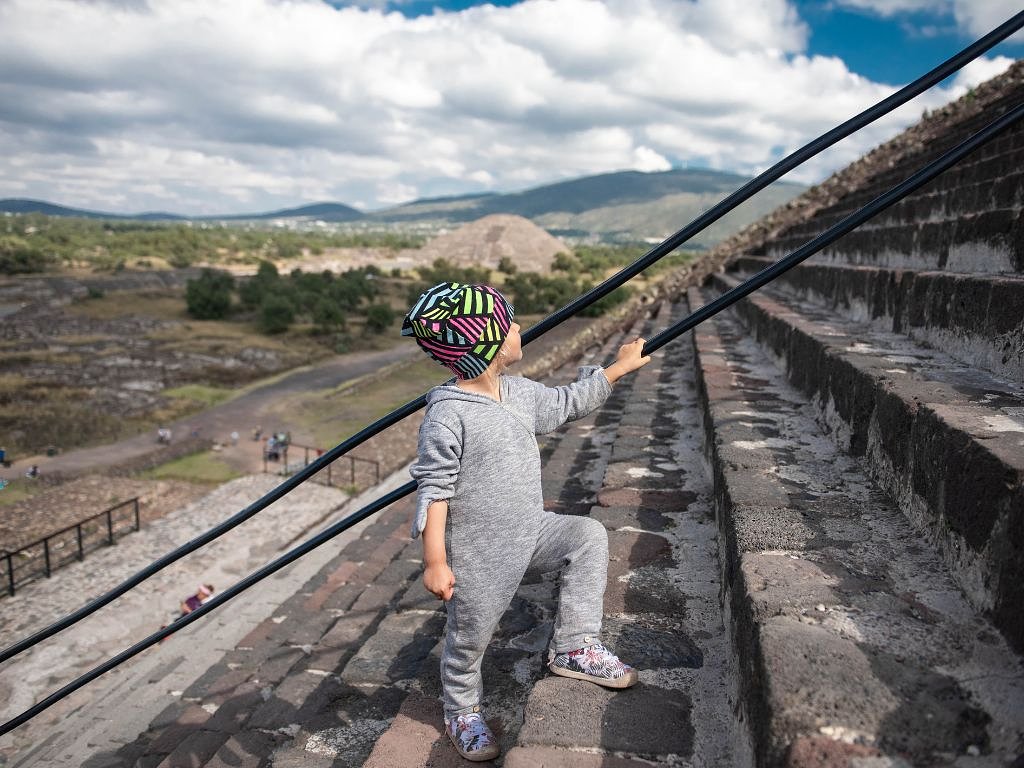
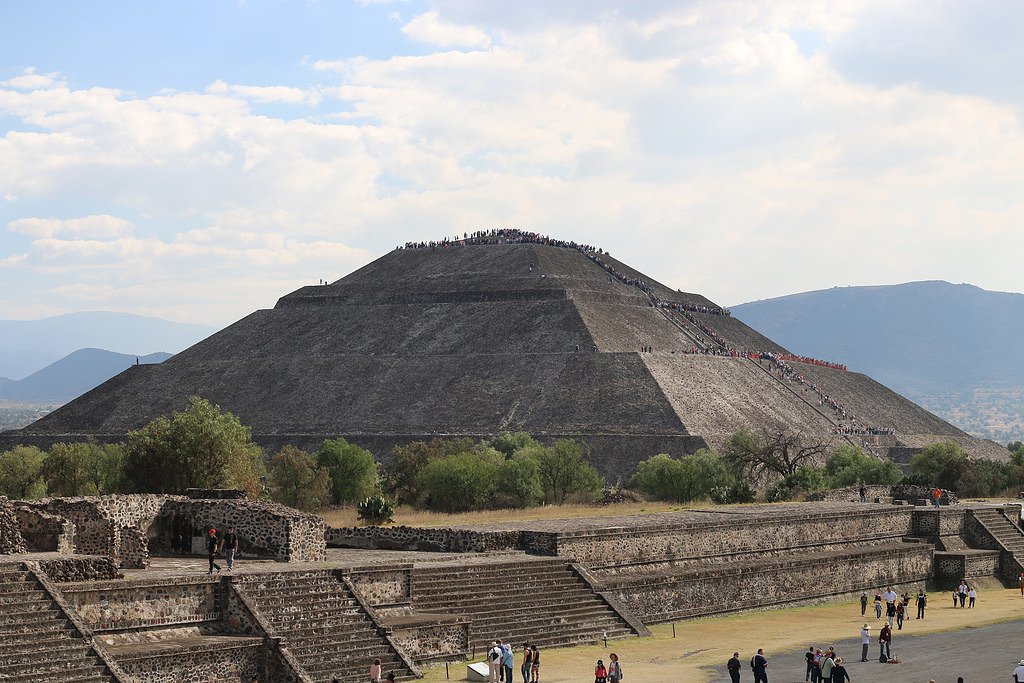
Travel from Mexico City toward the archaeological area where the scale of the former city comes into view slowly. Upon arrival at Teotihuacan, stand at the base of the pyramids taking in their size, setting, and the ambition required to create such a structure. How did this pre-Columbian city turn stone and space into such an architectural marvel?
Your Context Expert helps make that scale intelligible. Instead of treating the pyramids as isolated landmarks, you’ll learn how plazas were built with specific alignments and patterns, shaping civic and sacred life in specific ways. Geography and tradition begin to connect, revealing why Teotihuacan was such a key site within the Classical Mesoamerican era.
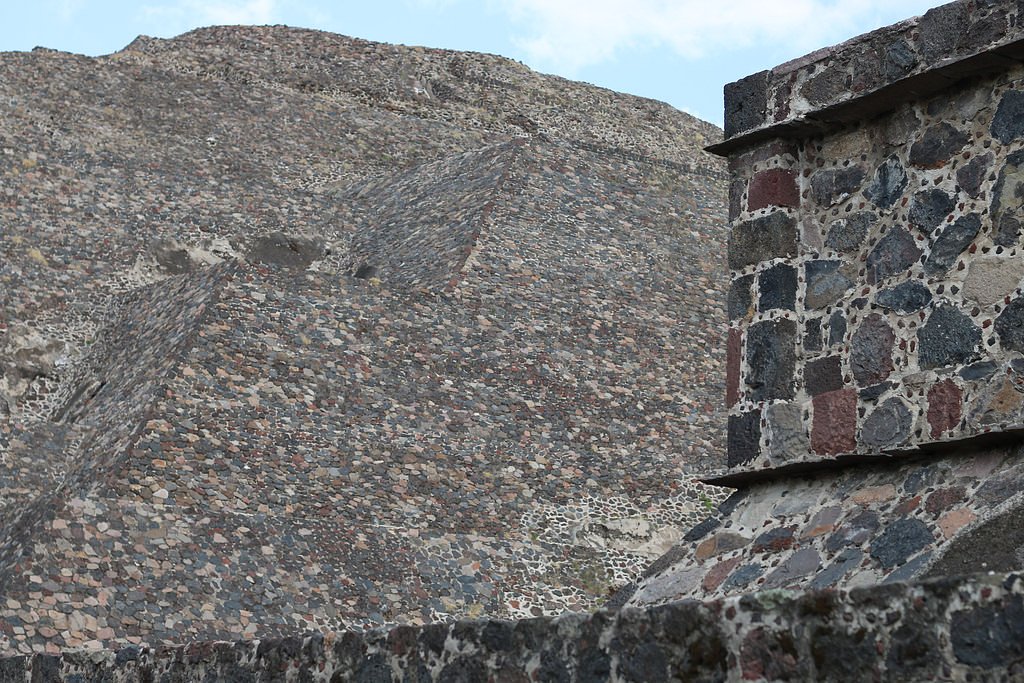
Murals and ruins bring the story down to human scale. Look closely at pigments, motifs, and architectural remnants that hint at social order, artistry, and belief. The former city becomes easier to understand when artwork and city planning speak together.
A lunch break gives the morning’s discoveries room to settle. Compare first impressions among your group, get answers to lingering questions, and enjoy Mexico’s flavors before the route continues. At Acolman Monastery, the focus shifts to life in the 16th-century. Murals and nearby shrines show how Indigenous and Spanish sacred traditions intertwine and the setting broadens the story without pulling it away from Teotihuacan, adding another layer to the region’s sacred geography.
A lunch break gives the morning’s discoveries room to settle. Compare first impressions among your group, get answers to lingering questions, and enjoy Mexico’s flavors before the route continues. At Acolman Monastery, the focus shifts to life in the 16th-century. Murals and nearby shrines show how Indigenous and Spanish sacred traditions intertwine and the setting broadens the story without pulling it away from Teotihuacan, adding another layer to the region’s sacred geography.
What stays with you is not only the size of the pyramids, but the intelligence of the city itself. Its avenues, temples, and painted walls begin to reveal a society that planned carefully, worshipped vividly, and still resists easy answers.
Meet the Experts



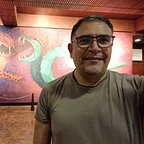

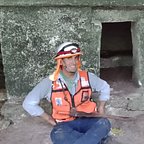
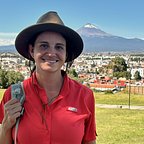




Where You’ll Go
From iconic landmarks to tucked-away local favorites, these are the places you’ll explore and experience firsthand with your Expert.
-
Teotihuacan PyramidsAncient Mesoamerican city with monumental pyramids, plazas, and ceremonial spaces.
-
Acolman Monastery
What’s Included As Standard
Here’s a look at what your tour covers, plus anything you’ll want to consider arranging separately, so you can plan with confidence.
Included
-
English-speaking expert guideTours led in English, offering you unbroken understanding throughout.
-
Intentionally sized groupsA smaller group means more time for conversations and questions.
-
Tickets and entrance feesAll entry tickets included (unless clearly stated otherwise).
-
TransportationThis tour includes transportation from and to the meeting point.
-
Hotel meetupYou will be picked up at your accommodation. Please let us know your hotel address at checkout.
Not Included
-
GratuitiesTips aren’t included, but we encourage tipping as a way to thank your guide after your experience.
-
Food and drinkUnless booking a Food & Drink tour or tasting experience, refreshments are not included.
Make the Most of Your Tour
Some helpful advice for getting the most from your experience, from practical prep to small on-the-day tips.
Dos:
- Wear comfortable footwear
- Check the weather and dress appropriately
- Bring a bottle of water (no glass)
- Feel free to ask your Expert anything
Don'ts:
- Bring firearms or weapons
- Bring sharp objects (e.g. knives, swiss army knives, switchblades, hiking sticks)
- Dress inappropriately to enter religious sites or sacred monuments
Any questions? You can always
contact us.
Frequently Asked Questions
Your drive from CDMX to the site begins bright and early to ensure we make the most of the day. Since Teotihuacan opens its gates at 8 am and it takes about 1.5 hours to drive there from Mexico City, this timing is perfect to get ahead of the crowds and traffic. We highly recommend sticking to this early start; any later could mean getting caught in heavy traffic and losing valuable time to explore the site with your Context guide.
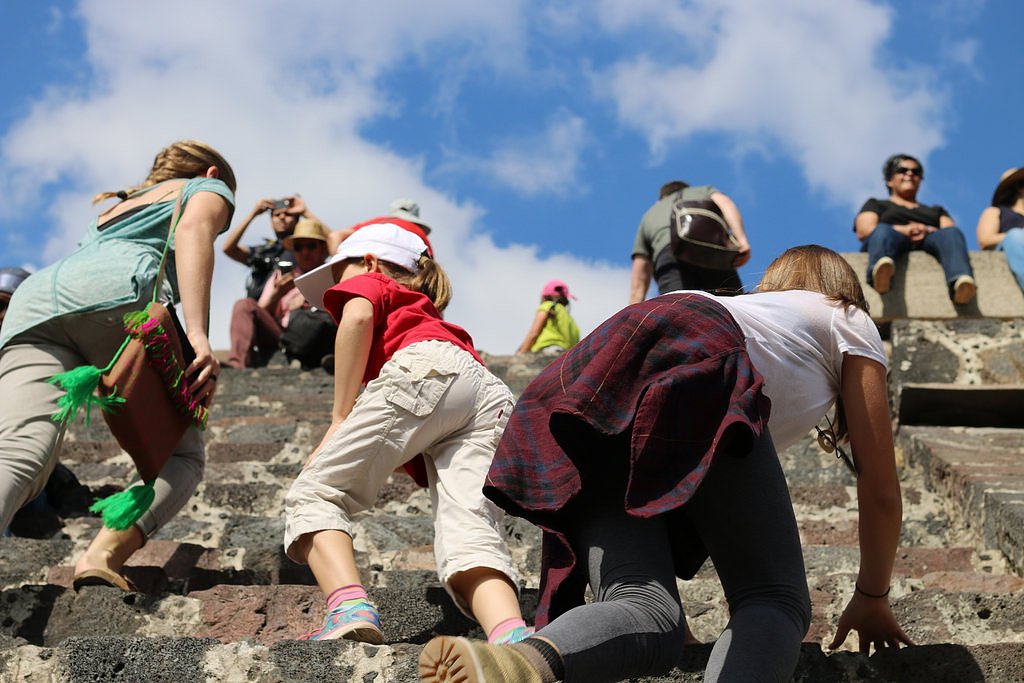
Currently, visitors are not permitted to climb the Pyramids of the Sun and the Moon at Teotihuacan. This policy, implemented in 2020, is in place to ensure the safety of our guests and to help preserve these precious historical monuments for future generations.
We suggest wearing breathable, loose-fitting clothing suitable for walking around the site. Sturdy, comfortable footwear is essential, as the terrain can be uneven. Don't forget sun protection—hats, sunglasses, and sunscreen are a must during the summer months.
Please inform us of any dietary restrictions or allergies when booking the tour. We'll do our best to accommodate your needs during the lunch break.
Teotihuacan is at a high altitude, so if you're prone to altitude sickness, consider acclimating in Mexico City for a day or two. Stay hydrated and bring any personal medications you may need.
Yes, there are restroom facilities at Teotihuacan, and we will schedule breaks accordingly. It's advisable to bring some small change for restroom usage fees.
Book with confidence — see Context's flexible cancellation policy here.
Approximate Distance:
- Expect to walk around the archaeological site, with distances varying based on your group's interests.
Wheelchair Accessibility
- Teotihuacan is largely wheelchair-friendly, offering ramps and smoothed paths to main attractions. However, given the site's ancient origins, some areas may be less accessible.
- The Acolman Monastery, a preserved historic structure, has many sections that are not wheelchair-friendly due to narrow doorways and steps.
- Please send us an email at info@contexttravel.com if you have any questions prior to booking.
Service Dogs
- Service dogs are allowed at the Teotihuacan Archaeological Area if you can provide a medical certificate proving the need.
See Teotihuacan with Context
Get to know one of the historians leading this tour
Don’t just take our word for it
Truly amazing and David’s education and insight made it more memorable

My husband and I loved our tour of Teotihaucan. It was a true highlight of our week in Mexico City. David was an excellent guide, extremely knowledgable, articulate and good company. Victor did a great job driving us. Highly recommend!
Let Your Curiosity Shape Your Journey
Join passionate experts on intimate walking tours that reveal a city’s unique stories, spark conversations, and leave you seeing the world—and yourself—a little differently.
Structured, never scripted
Your interests guide your Expert, leading to stories and perspectives that matter to you.
Crafted for conversation
With 12 or fewer guests, ask questions, engage with your Expert, and fully immerse yourself.
Experts, not guides
Explore with 1,200+ Experts—from historians and architects to archaeologists and chefs.
Related experiences our customers also loved

Teotihuacan Tour from Mexico City
Teotihuacan is often introduced as a city of pyramids. That description misses what made it extraordinary. At its height, Teotihuacan was one of the largest cities in the ancient world: a carefully planned urban center of monumental avenues, apartment compounds, temples, plazas, workshops, and painted walls. On this Teotihuacan tour from Mexico City, the pyramids become part of that larger urban story. Rather than asking only how the Pyramid of the Sun or Pyramid of the Moon was built, you begin to ask why the city was organized at such scale, what its architecture communicated, and how people from different cultural backgrounds lived together within it. Those questions matter because much about Teotihuacan remains uncertain. Its ruins reveal an extraordinarily sophisticated city, but the people who built it left no surviving historical account comparable to those of later civilizations. Archaeology, murals, objects, burials, and urban planning therefore become the evidence from which its story must be reconstructed.
The Aztecs did not build Teotihuacan. The city flourished centuries before the rise of the Aztec Empire and had already declined by the time the Mexica encountered its monumental ruins.
It was the Aztecs who gave the place the name by which we know it today, commonly interpreted as something close to “the place where the gods were created.”
The identity of Teotihuacan’s original inhabitants is more complicated. Archaeological evidence suggests a diverse urban population with connections to several parts of Mesoamerica. Neighborhoods within the city appear to have housed communities with different cultural origins, making Teotihuacan not simply a ceremonial center but a genuinely cosmopolitan ancient city.
That distinction changes the way you look at the site. Instead of treating Teotihuacan as an early chapter of Aztec history, it becomes evidence of a major civilization whose political structure, language, and identity still resist simple answers.
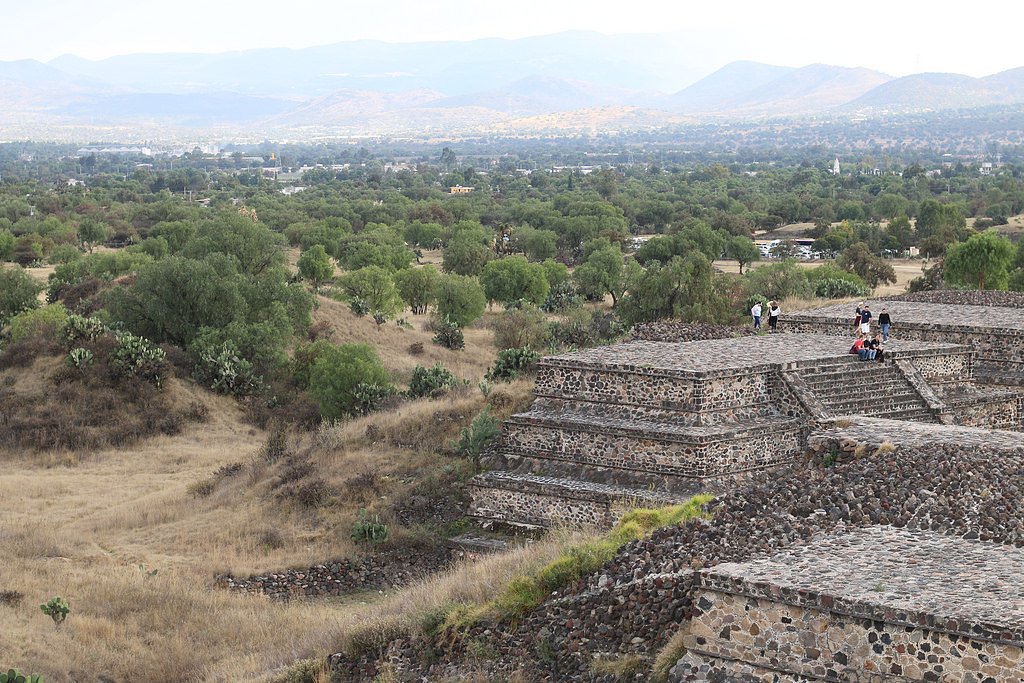
Teotihuacan was not an accidental collection of monumental buildings. Its temples, plazas, residential compounds, and Avenue of the Dead were organized according to a deliberate urban plan.
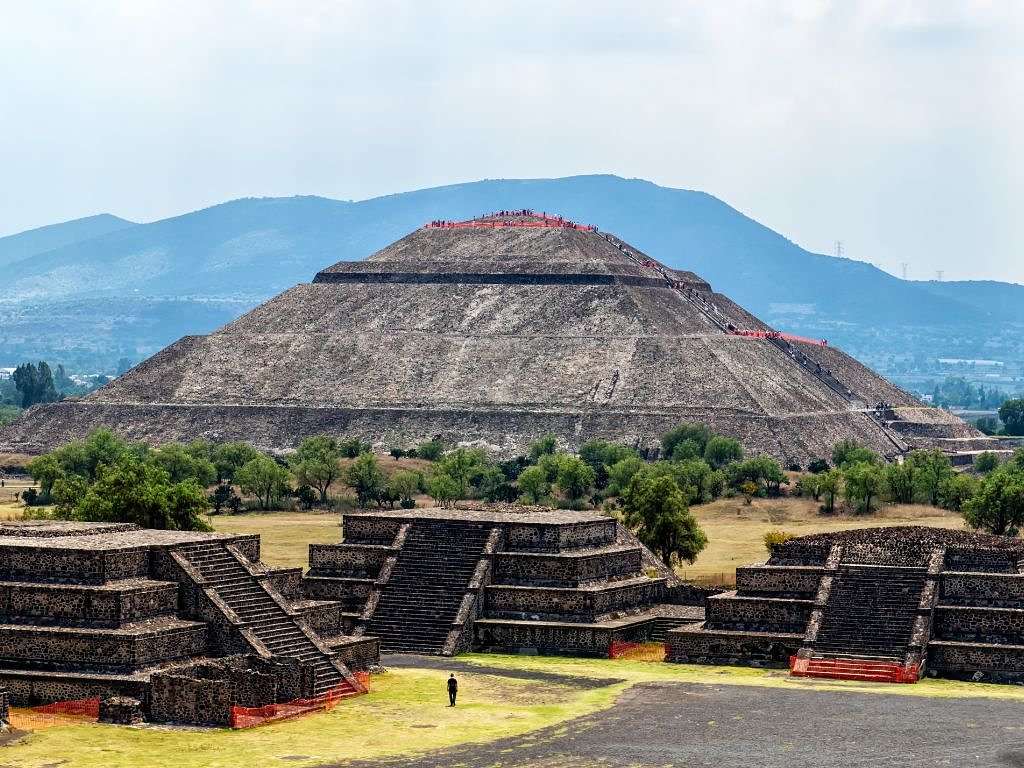
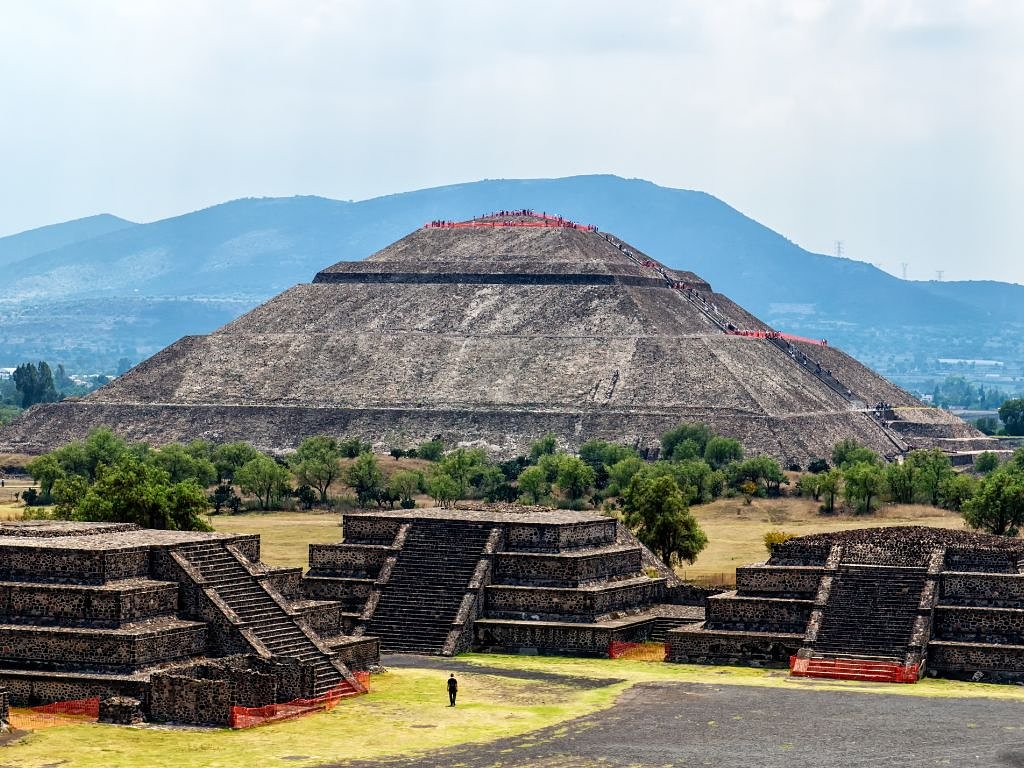
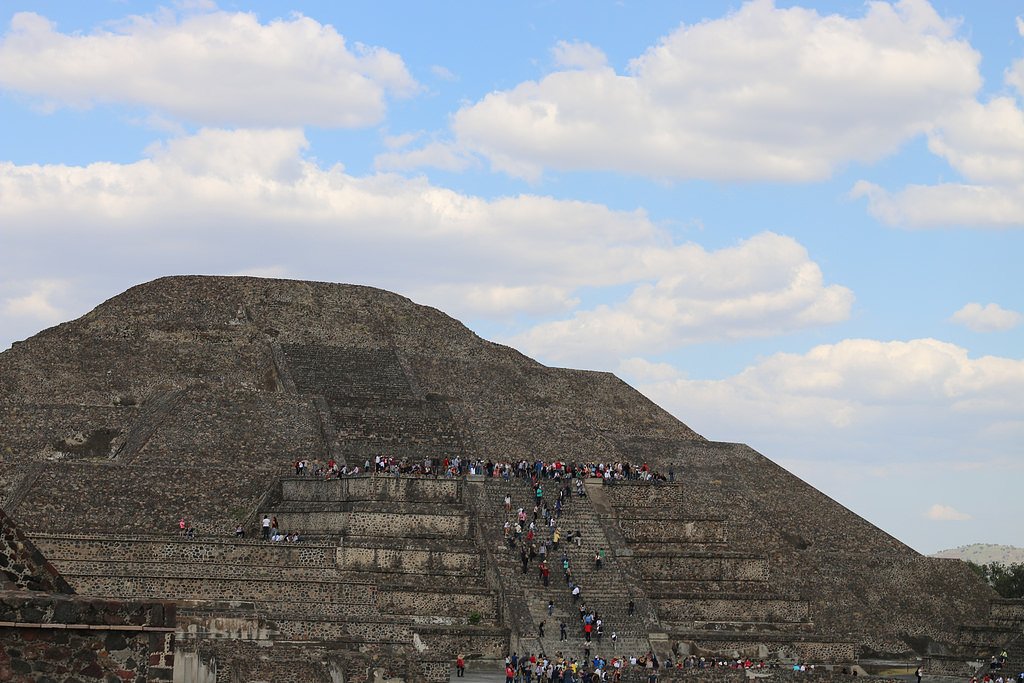
The Pyramid of the Moon anchors one end of the avenue against the surrounding mountain landscape, while the enormous Pyramid of the Sun occupies another dominant position within the city.
Architecture therefore controlled more than movement. It shaped what people saw, where crowds gathered, how ceremonies unfolded, and how sacred ideas were expressed through physical space.
The murals offer another kind of evidence. Painted fragments depicting animals, plants, supernatural beings, water, ritual, and elaborate costume help archaeologists reconstruct beliefs and social identities that architecture alone cannot reveal. Context’s current route explicitly uses both city planning and surviving murals to interpret the civilization rather than treating the pyramids as isolated monuments.
That combination is what makes Teotihuacan so compelling: the city is monumental at a distance but becomes increasingly human when you begin looking at the traces left on its walls.
The visit to Acolman Monastery adds a second historical layer to the day. Teotihuacan reveals a sacred and urban landscape created long before Spanish arrival. Acolman shifts the story into the sixteenth century, when missionaries, Indigenous communities, European Christianity, and existing traditions began interacting in radically new ways.
Seeing the two in the same day helps avoid treating Mexican history as a set of disconnected civilizations. Sacred landscapes did not simply disappear when political power changed. Religious traditions were challenged, transformed, adapted, and sometimes layered onto one another.
Choose this experience if you want to understand Teotihuacan as an archaeological city rather than simply photograph the pyramids, and if you are interested in how the region changed across the pre-Hispanic and colonial periods.
If your main interest is comparing many different Mesoamerican civilizations rather than spending a full day at one archaeological landscape, Context’s National Museum of Anthropology Tour is a better complement or alternative.
How far is Teotihuacan from Mexico City?
The drive typically takes around 1.5 hours, depending on traffic. Context recommends an early departure because Teotihuacan opens at 8 a.m. and later starts can mean more traffic and heavier crowds.
How long is the Teotihuacan tour?
The experience lasts approximately eight hours, including transportation from Mexico City, the archaeological site, Acolman, and time for lunch.
Is transportation from Mexico City included?
Yes. Transportation to and from the meeting point is included, and the current page states that guests are picked up at their accommodation.
What are the main pyramids at Teotihuacan?
The best-known monuments are the Pyramid of the Sun and Pyramid of the Moon, connected through the larger ceremonial landscape around the Avenue of the Dead. The tour also looks beyond the pyramids to plazas, murals, residential traces, and other archaeological evidence.
Is Teotihuacan worth visiting with a guide?
A guide is particularly useful at Teotihuacan because so much of the original city survives as architecture rather than complete interiors or written explanations. An archaeologist, historian, or specialist can use urban planning, surviving murals, landscape, and archaeological evidence to reconstruct how the city functioned and explain what remains uncertain.
What should I wear to Teotihuacan?
Wear comfortable walking shoes and breathable clothing. The archaeological site is exposed, so sun protection, water, and weather-appropriate clothing are especially important.