James was such an engaging guide. We wanted a tour of the special things we missed the first time we visited , and it was so much richer an experience with a guide who is also an artist. Highly recommended.
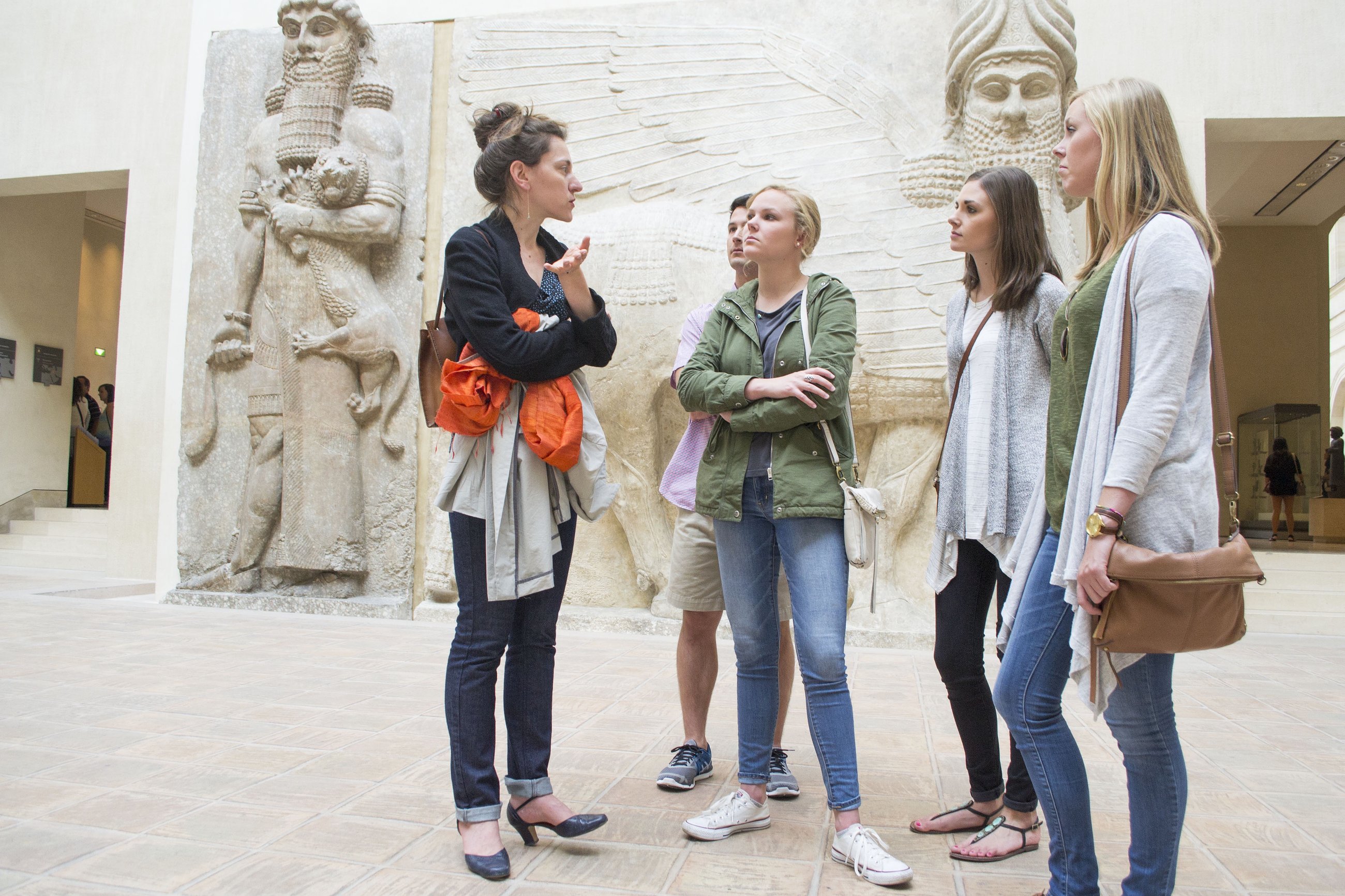
Louvre Tour: The Art Historian’s Route
Move beyond the icons into the Louvre's subtler masterpieces
Look past the icons alongside an art historian, where careful comparison, context, and conversations reveal how art history really works.
Tour Highlights
- Go beyond the greatest hits Spend time with an art historian, thoughtfully unpacking meaning in quieter rooms beyond the icons.
- Explore with intention Spend time studying often-missed works, moving from through the museum with curiosity and intent.
- Learn how to truly view a work Practice close looking skills that reveal symbolism, technique, and intention across centuries.
- Shaped around your interests Follow lines of curiosity as your Expert adapts themes, works, and discussion to your questions.
- The Louvre as a layered venue Trace how a royal palace, revolutionary museum, and global canon became what we see today.
Led by Experts, Shaped by You
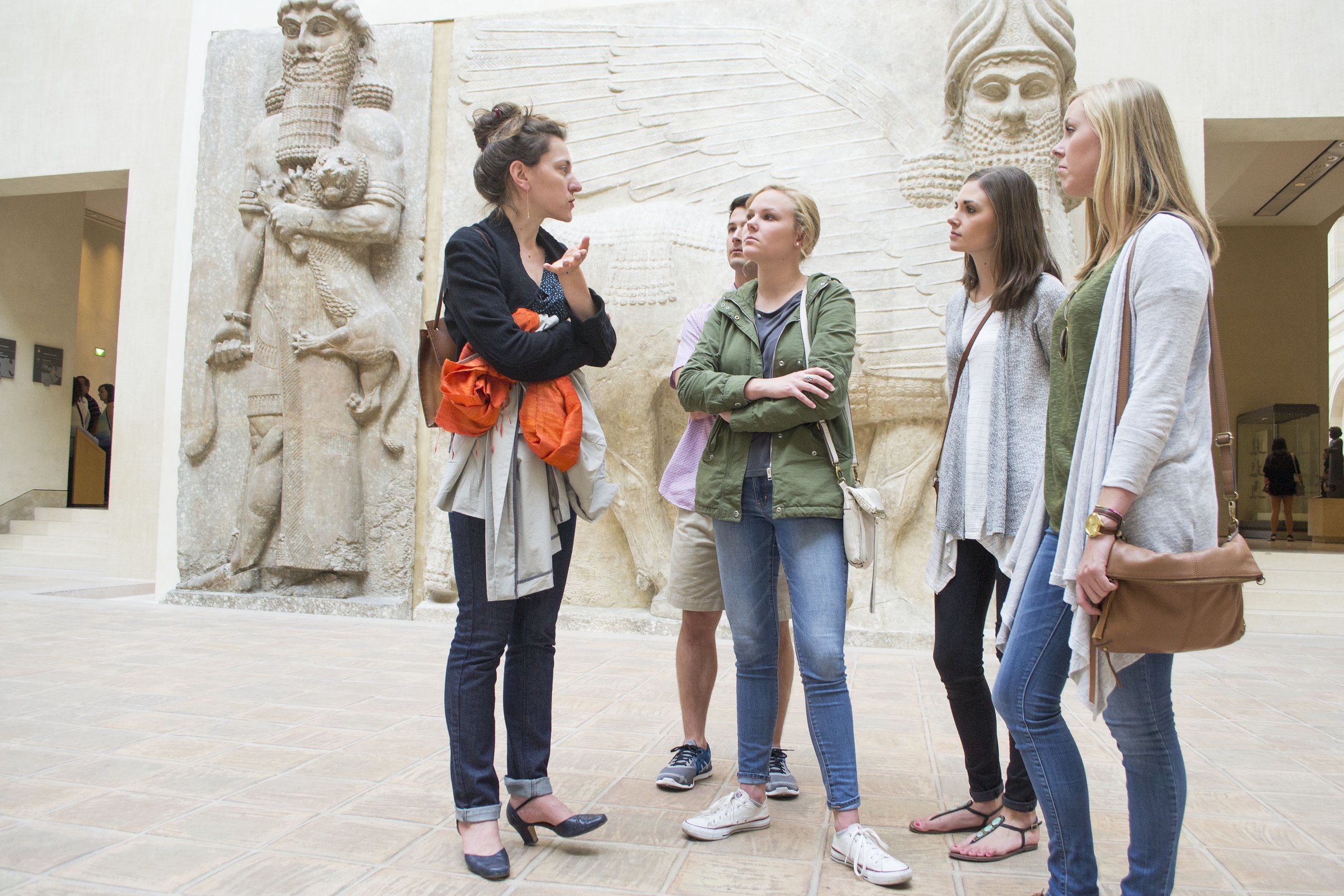
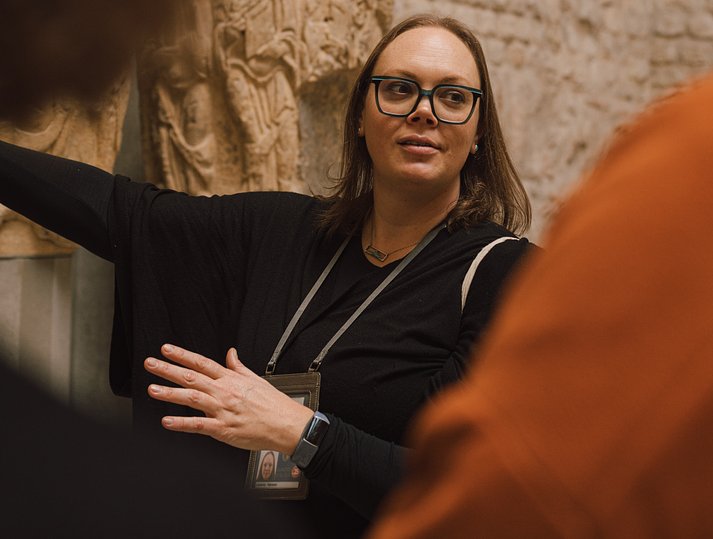
Explore with an expert guide who responds to your questions, your interests, and your pace. Reveal layers of meaning most visitors miss—go from seeing to understanding.
The Finer Details
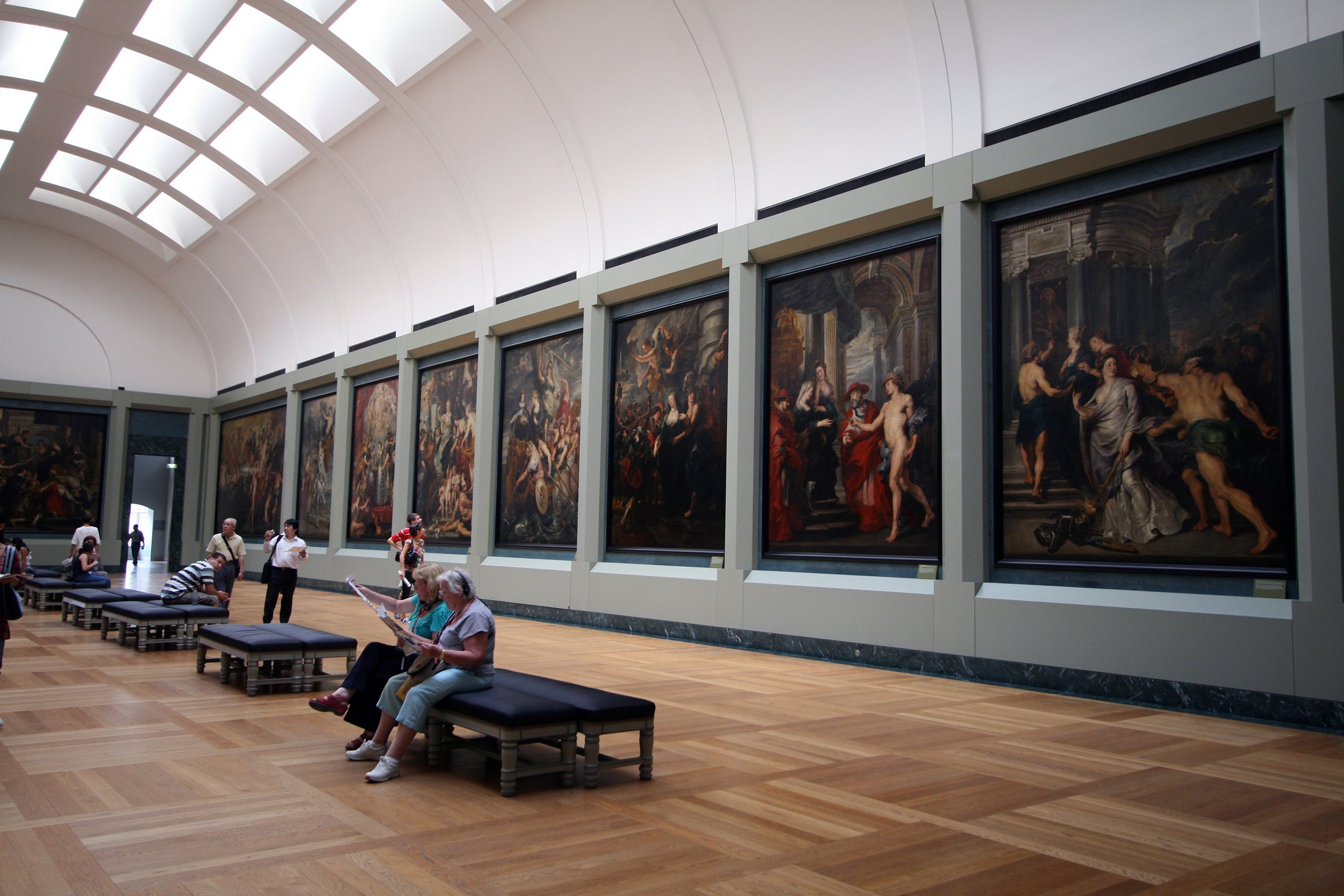
This in-depth exploration of the Louvre invites you to slow down, look closely, and ask how meaning is made inside the world’s most visited museum. Rather than partaking in the pilgrimage to the museum’s most photographed works, attention turns to ideas, methods, and moments that shaped art history.
Time is spent learning how to read a work of art; composition, material, symbolism, and historical context come into focus through expert-guided exchange. How does an image communicate power, devotion, or doubt, and how do we know when to trust what we see?
As your alternative Louvre tour unfolds, the route moves through both familiar and quieter wings of the museum. Along the way, discussion remains flexible and responsive; your Expert adjusts emphasis based on your interests and their own expertise, whether that means technique, symbolism, or cultural context.
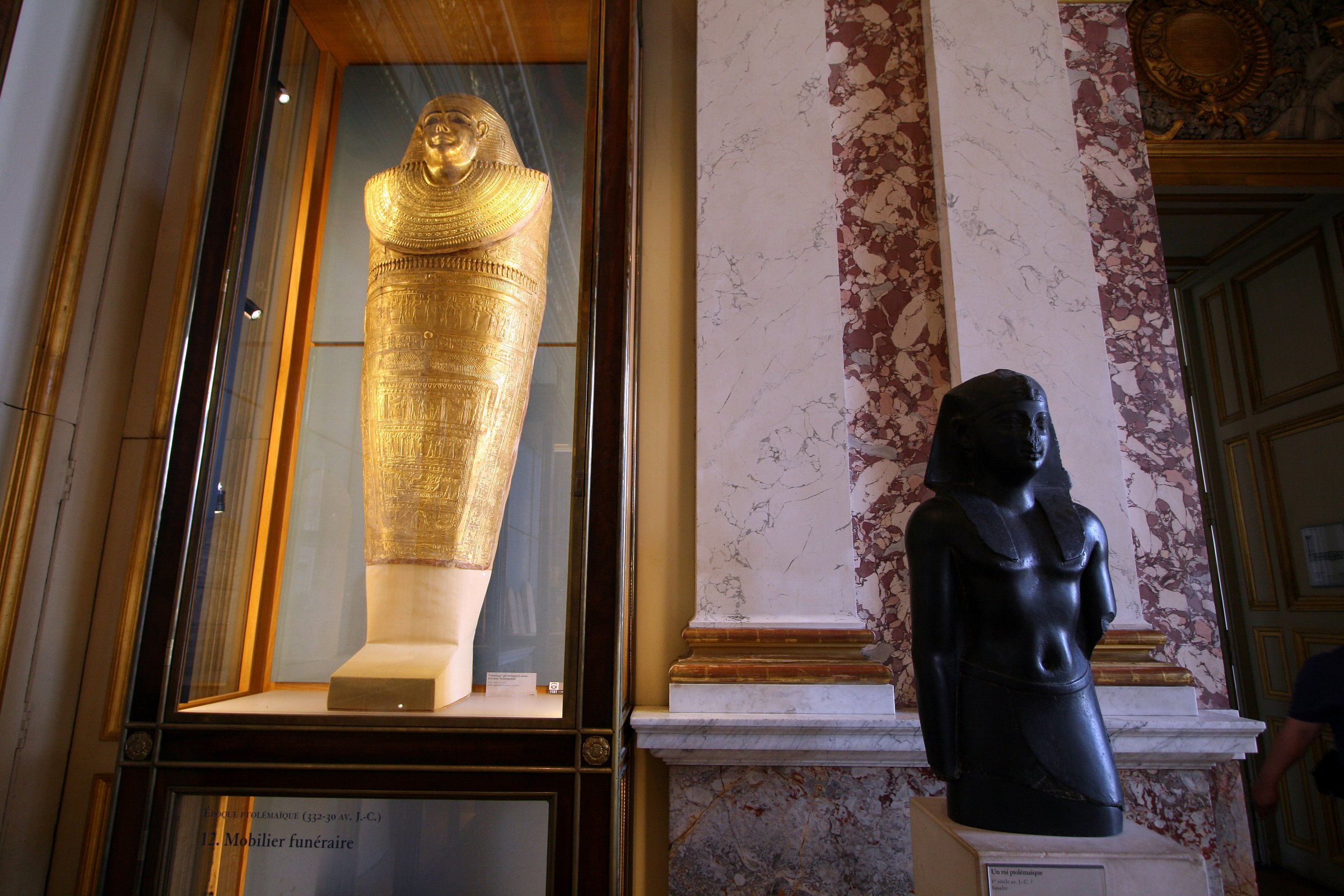
Your journey may focus on classical antiquities, question the symbolism and significance behind Egyptian artifacts, or contemplate how iconic Greek and Roman sculptures have influenced Western art for centuries. Curiosity leads the way instead of relying on a fixed path.
Masterpieces appear in dialogue with lesser-known works, allowing comparison across periods and styles. Take time for a closer look at the grandeur of Italian painting, examining masterpieces by Leonardo da Vinci, Michelangelo, and Veronese. Or engage with the works of the French Masters; dive into the late 18th- and early 19th-century artistic rivalries of Neoclassicism with its ideals captured by Jacques-Louis David, or go deeper into Romanticism with its emotional intensity portrayed by Théodore Géricault or Eugène Delacroix.
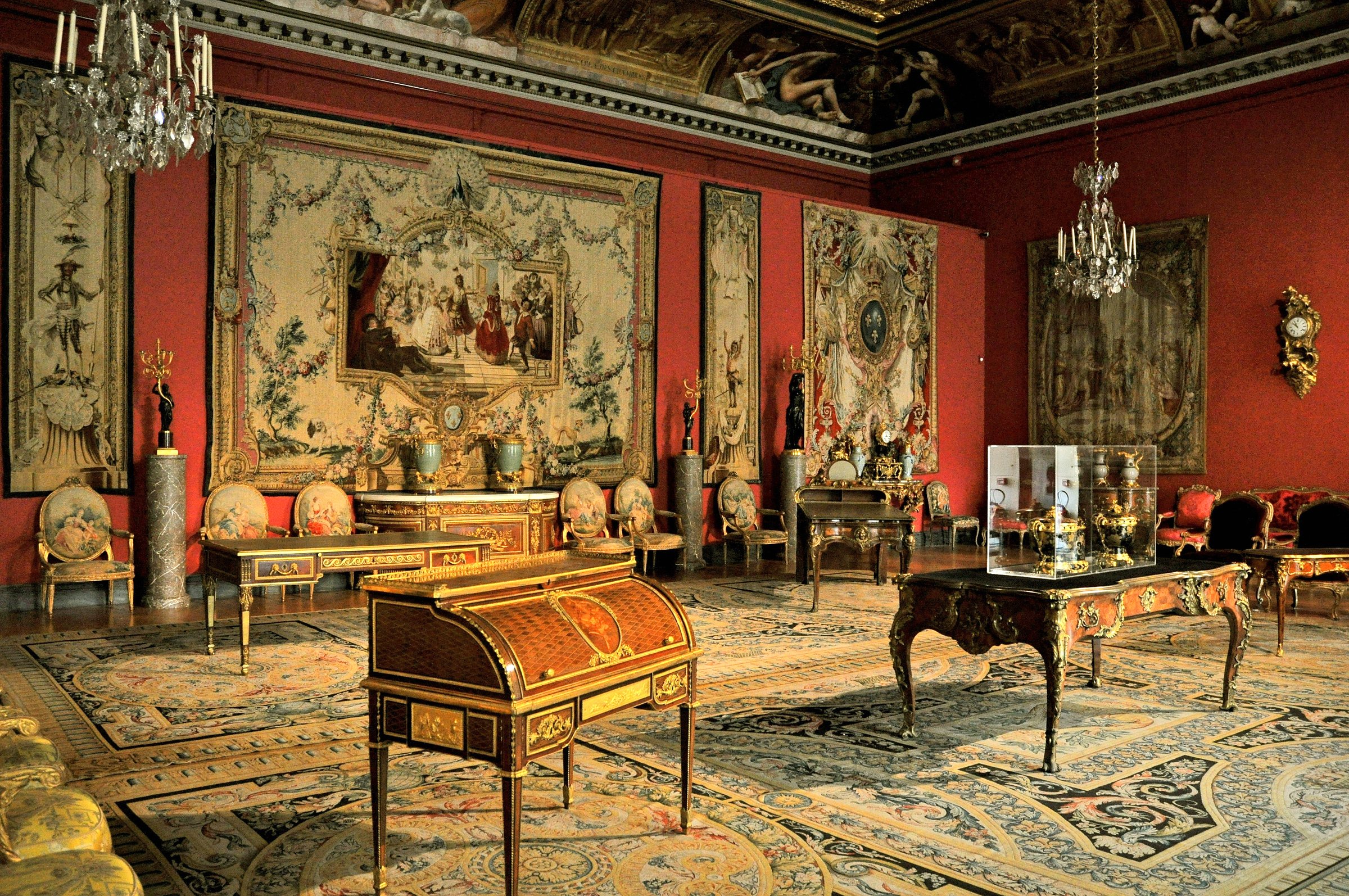
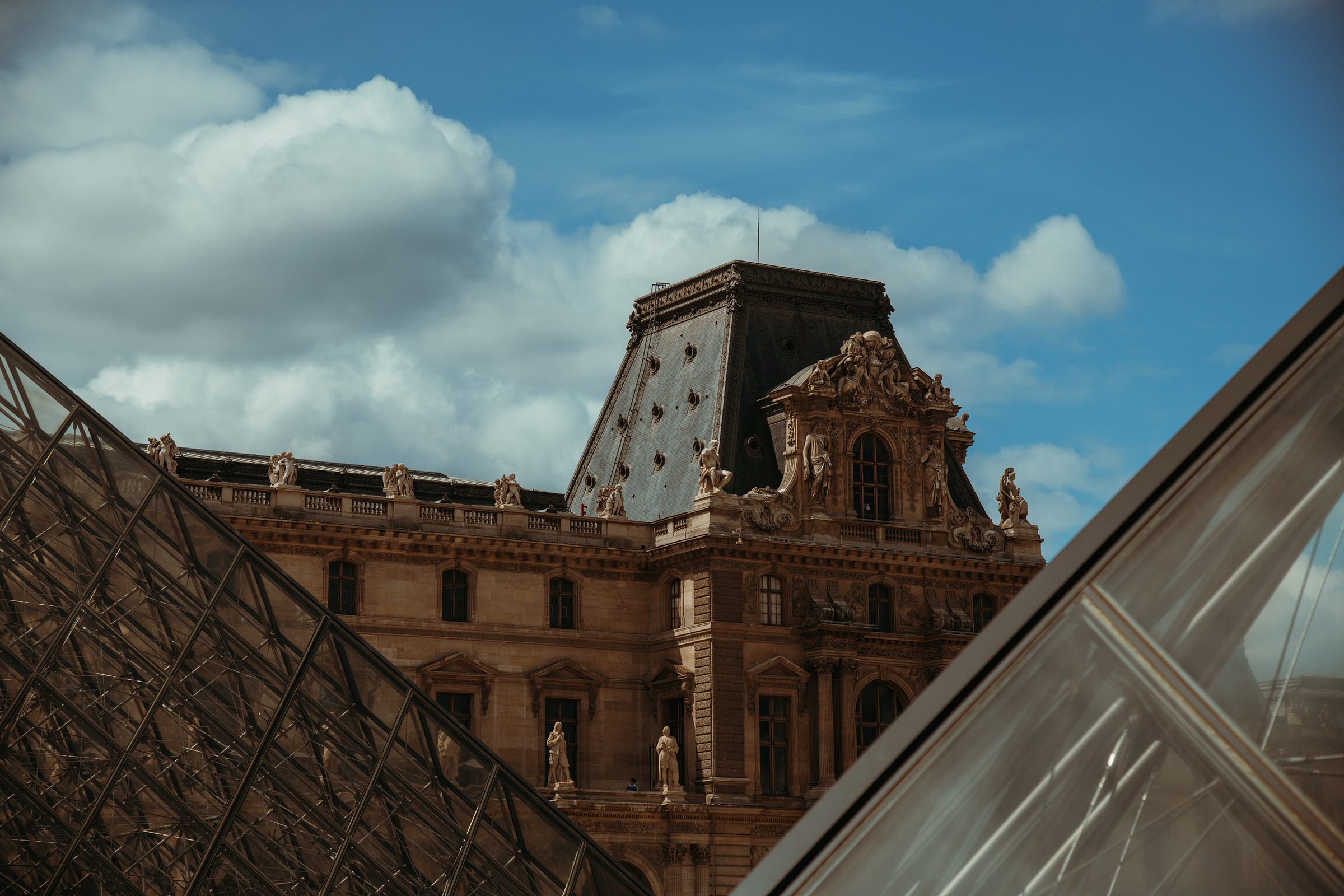
Follow the museum’s transformation from royal residence to public institution and uncover how architecture, politics, and curatorial strategy shape the collection. Decode why some works command entire rooms while others quietly redefine entire movements.
Walk away from the experience having seen more, and seen differently. Understand how art history is framed, debated, and reshaped over time, and carry that clarity into every museum that follows.
A Note on Your Tickets: To ensure you have the best possible experience, our team manually secures every Louvre entry slot. Because these tickets are in high demand, confirmation may take a little longer than usual. In the rare event your preferred time is unavailable, we’ll work closely with you to find a perfect alternative or provide a full refund.
Meet the Experts






























%20-%202026-04-23T140946.304.png)
Where You’ll Go
From iconic landmarks to tucked-away local favorites, these are the places you’ll explore and experience firsthand with your Expert.
-
Louvre MuseumLargest museum in the world, spanning artworks from ancient civilizations to 19th-century Europe.
What’s Included As Standard
Here’s a look at what your tour covers, plus anything you’ll want to consider arranging separately, so you can plan with confidence.
Included
-
English-speaking expert guideTours led in English, offering you unbroken understanding throughout.
-
Intentionally sized groupsA smaller group means more time for conversations and questions.
-
Tickets and entrance feesAll entry tickets included.
Not Included
-
GratuitiesTips aren’t included, but we encourage tipping as a way to thank your guide after your experience.
-
Food and drinkFood and drink are not included, but your expert can provide recommendations for after the tour.
-
Transportation to and from the meeting pointTransportation is not included. Pre- and/or post-transit can be added to some tours by request.
-
Hotel pickup or drop-offTravel to or from accommodation isn’t included; however, this service can be added by request.
Where You'll Explore
Make the Most of Your Tour
Some helpful advice for getting the most from your experience, from practical prep to small on-the-day tips.
Dos:
- Wear comfortable footwear
- Check the weather and dress appropriately
- Bring a bottle of water (no glass)
- Feel free to ask your Expert anything
Don'ts:
- Bring firearms or weapons
- Bring sharp objects (e.g. knives, swiss army knives, switchblades, hiking sticks)
- Dress inappropriately to enter religious sites or sacred monuments
Any questions? You can always
contact us.
Frequently Asked Questions
Book with confidence — see Context's flexible cancellation policy here.
Our Louvre tours are capped at 6 due to venue reservation restrictions, which also helps your tour experience in order to best navigate the museum and crowds. Should you have a larger group, we suggest splitting into multiple groups.
Our Louvre Highlights Tour has been designed for first-time visitors and return visitors who would like to revisit the most famous works of the museum with an expert. This tour skips the Mona Lisa and Winged Victory in favor of other works and time periods, taking you to parts of the museum many tourists and first-time visitors overlook.
Unfortunately, the Louvre has recently updated their policy regarding group visits. Guests who visit the museum as part of a guided group must remain with their guide at all times, which includes exiting the museum together. If you wish to visit the museum on your own after the tour, you will be required to purchase a separate individual ticket for re-entry.
We understand that some of our valued guests may have mobility concerns, and we want to ensure you have a comfortable and enjoyable experience throughout your tour of the Louvre. If there are any accessibility concerns that your tour guide will need to be aware of, please let our team know at the time of booking.
Tickets
- People with disabilities may be entitled to free entry to the Louvre. Please contact us to discuss if you qualify.
Wheelchair accessibility
- The Louvre is wheelchair accessible, and you can request a temporary wheelchair loan from the information desk. There are elevators throughout the museum as well, and you can print a wheelchair accessibility guide from the site.
Service Dogs
- Service dogs are allowed if you have a medical certificate proving the need.
Don’t just take our word for it
She was great! Very knowledgeable and fun! There were no questions she could not answer.
Evrard was a wonderful, friendly, and knowledgeable guide. Couldn't have asked for better. And we share a love of the french series l'art du crime.
Let Your Curiosity Shape Your Journey
Join passionate experts on intimate walking tours that reveal a city’s unique stories, spark conversations, and leave you seeing the world—and yourself—a little differently.
Structured, never scripted
Your interests guide your Expert, leading to stories and perspectives that matter to you.
Crafted for conversation
With 12 or fewer guests, ask questions, engage with your Expert, and fully immerse yourself.
Experts, not guides
Explore with 1,200+ Experts—from historians and architects to archaeologists and chefs.
Related experiences our customers also loved


Alternative Louvre Tour
The Louvre changes when you stop asking, “What am I supposed to see?” This alternative Louvre tour is designed for travelers who want to move beyond the museum’s most photographed works and spend more time looking closely, comparing objects, and following questions that emerge along the way. With an art historian, the route may move between familiar galleries and quieter corners of the museum, but the emphasis is different from a traditional highlights tour. Composition, material, symbolism, technique, patronage, and historical context become tools for understanding why a work matters rather than reasons to rush toward the next famous name. There is no single prescribed path. Your Expert adjusts the discussion according to your interests, museum conditions, and their own area of expertise. One visit might lean toward classical antiquity and its later influence; another toward Italian painting, French Neoclassicism, Romanticism, or the history of the Louvre itself. The point is not to complete a second checklist. It is to leave seeing differently.
Fame is not the same thing as significance. Some works become universally recognizable because of reproduction, cultural mythology, tourism, or their place in the history of the museum. Others can reveal just as much about an artistic period while attracting only a fraction of the crowd.
That makes quieter works especially useful for close looking. Without a dense crowd or a pre-existing expectation of what you are “supposed” to admire, you can spend more time asking basic but productive questions.
Where does your eye go first? How does the artist create depth, movement, tension, or stillness? What does a gesture mean? Why was one material chosen over another? Which details would the work’s original audience have understood immediately?
An art historian can then place those observations within a larger history without replacing looking with a lecture. You begin with the object in front of you and work outward.
That method is transferable. Once you know how to ask those questions, they remain useful in the next gallery, the next museum, and long after you leave Paris.
Art history rarely develops in a straight line. Artists borrow, revive, reject, reinterpret, and compete with ideas that came before them. The Louvre is unusually well suited to seeing those connections because its collection spans civilizations and centuries.
A classical sculpture may help explain a pose or ideal revived by a Renaissance artist. Religious imagery can change meaning as patronage, theology, and intended audience shift. A Neoclassical painting may deliberately turn toward antiquity for order and moral authority, while a Romantic artist working only a generation later may reject that restraint in favor of movement, emotion, and instability.
The tour is structured around precisely these kinds of comparisons, allowing masterpieces and less familiar works to sit in dialogue rather than functioning as isolated stops.
The museum building adds another layer. The Louvre began as a fortress, became a royal palace, and later became a public museum. Its architecture and curatorial choices therefore shape the story just as much as the objects themselves.
An alternative route can ask not only why an artwork matters, but why this museum chose to present art history in the way it does.
The two experiences solve different problems.
Choose the Signature Louvre Tour if this is your first visit or you want the museum’s essential works placed into a clear historical framework. That experience prioritizes iconic works including the Mona Lisa and is specifically designed as the core Louvre introduction.
Choose the Alternative Louvre Tour if you have already seen the headline masterpieces—or simply do not want your visit organized around them. This three-hour experience prioritizes slower looking, less familiar works, quieter galleries, and deeper discussion with an art historian.
What does “the art historian’s route” mean?
There is no fixed sequence of artworks that every Expert follows. Instead, the route reflects the art historian’s expertise, your interests, current gallery access, and the connections that emerge during the conversation.
Does this tour focus on one period of art?
Not necessarily. The experience can move across periods and collections when doing so helps illuminate a particular idea, technique, influence, or contrast.
A discussion might connect classical antiquity to later European art, compare different approaches to religious imagery, or trace shifts between Neoclassicism and Romanticism.
Do I need to know a lot about art to enjoy this tour?
No. The tour is built around learning how to look, so prior knowledge is not required.
An art historian can introduce tools such as composition, gesture, material, symbolism, and historical context without assuming that you already know specialist terminology.
What does “close looking” mean in an art museum?
Close looking means spending enough time with an object to notice how it produces meaning before immediately turning to labels, dates, or famous names.
You might examine where figures are placed, how light directs attention, how scale changes your response, or how a particular material affects what an artist could achieve.
Is this a good Louvre tour for repeat visitors?
Yes. It is particularly well suited to travelers who have already seen the museum’s best-known works and want a different way into the collection.
Because the route is flexible, it can also build on what you remember from a previous Louvre visit rather than repeating the same sequence of landmarks.
How much of the Louvre will we see?
Only a small fraction—and that is intentional.
The Louvre is too large for comprehensive coverage to be meaningful in three hours. This tour prioritizes sustained looking and connections between selected works rather than maximizing the number of galleries crossed.