Regine was fantastic! Knowledgeable and had great stories about all the traditional foods that we tried! It was very tasty too! Such a great way to experience the markets! We highly recommend!
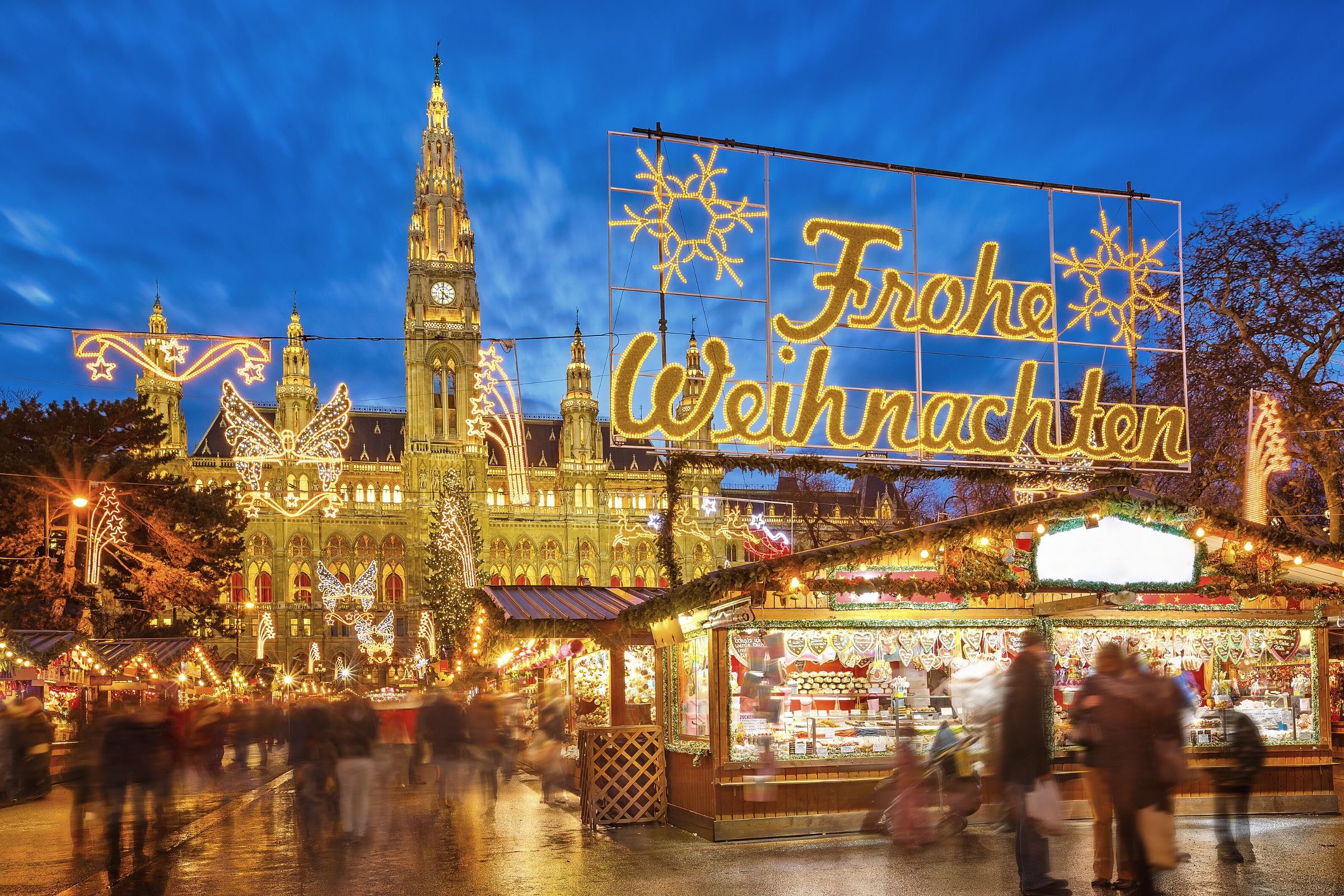
Vienna Christmas Market Tour
Taste seasonal dishes and market rituals with an expert
Follow the glow of Vienna’s Christmas traditions, where festive flavors, centuries-old customs, and local stories make holiday memories.
Tour Highlights
- Step into the Festive Spirit Celebrate the season with moments you'll remember long after the lights come down.
- Let a local lead the way Your Context Expert helps make sense of bustling stalls, local customs, and what to try.
- Sip your way into the season Warm up with mulled wine while discovering the traditions behind Austria's favorite festive drink.
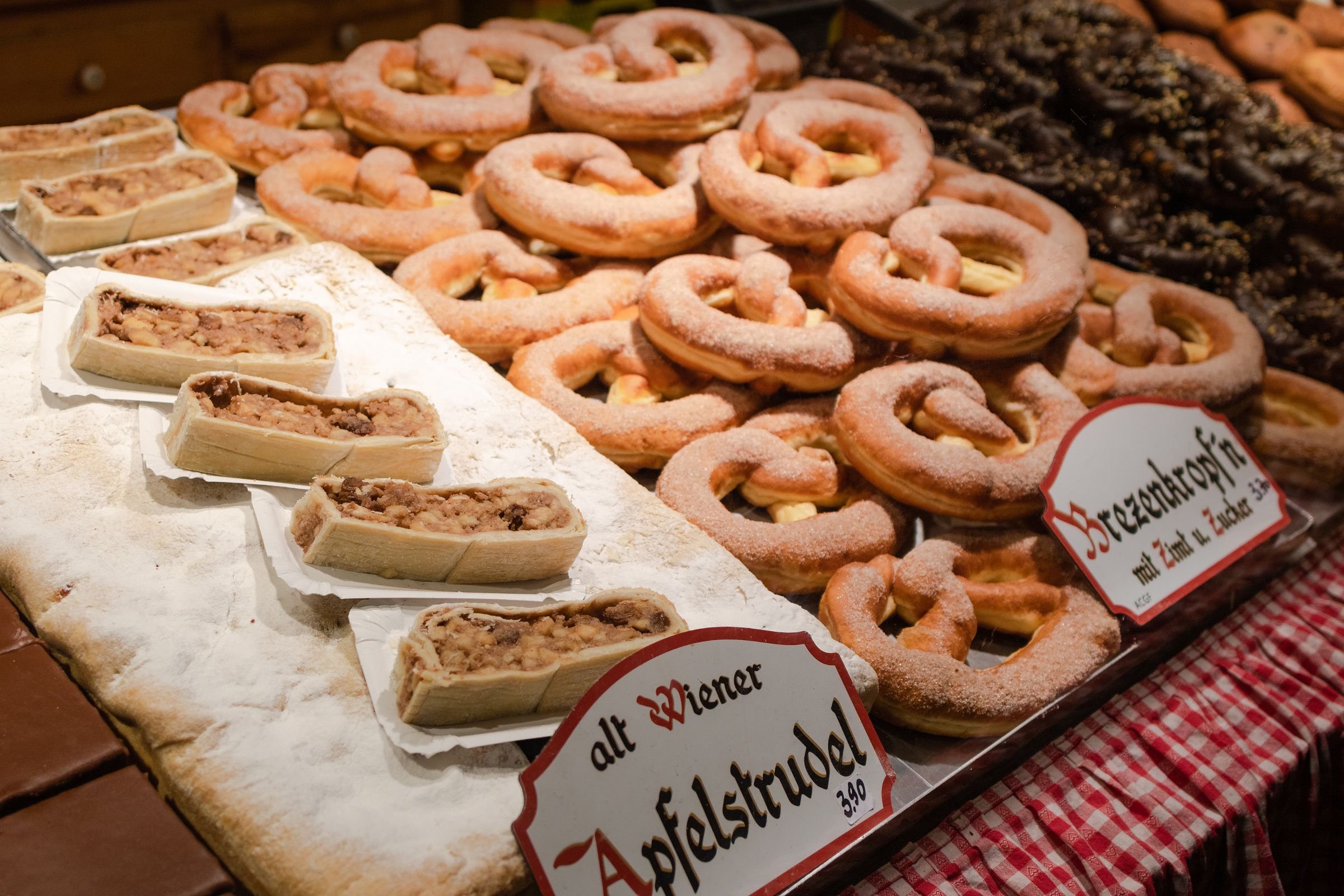
- Feast on festive flavors Sample seasonal favorites, from roasted chestnuts and sausages to traditional Austrian pastries.
- Find handmade treasures Discover local craftsmanship and browse handmade gifts, ornaments, and seasonal treasures.
- Unwrap Christmas history Trace Vienna's medieval market roots and discover the stories behind today's festive traditions.
Led by Experts, Shaped by You
Explore with an expert guide who responds to your questions, your interests, and your pace. Reveal layers of meaning most visitors miss—go from seeing to understanding.
The Finer Details
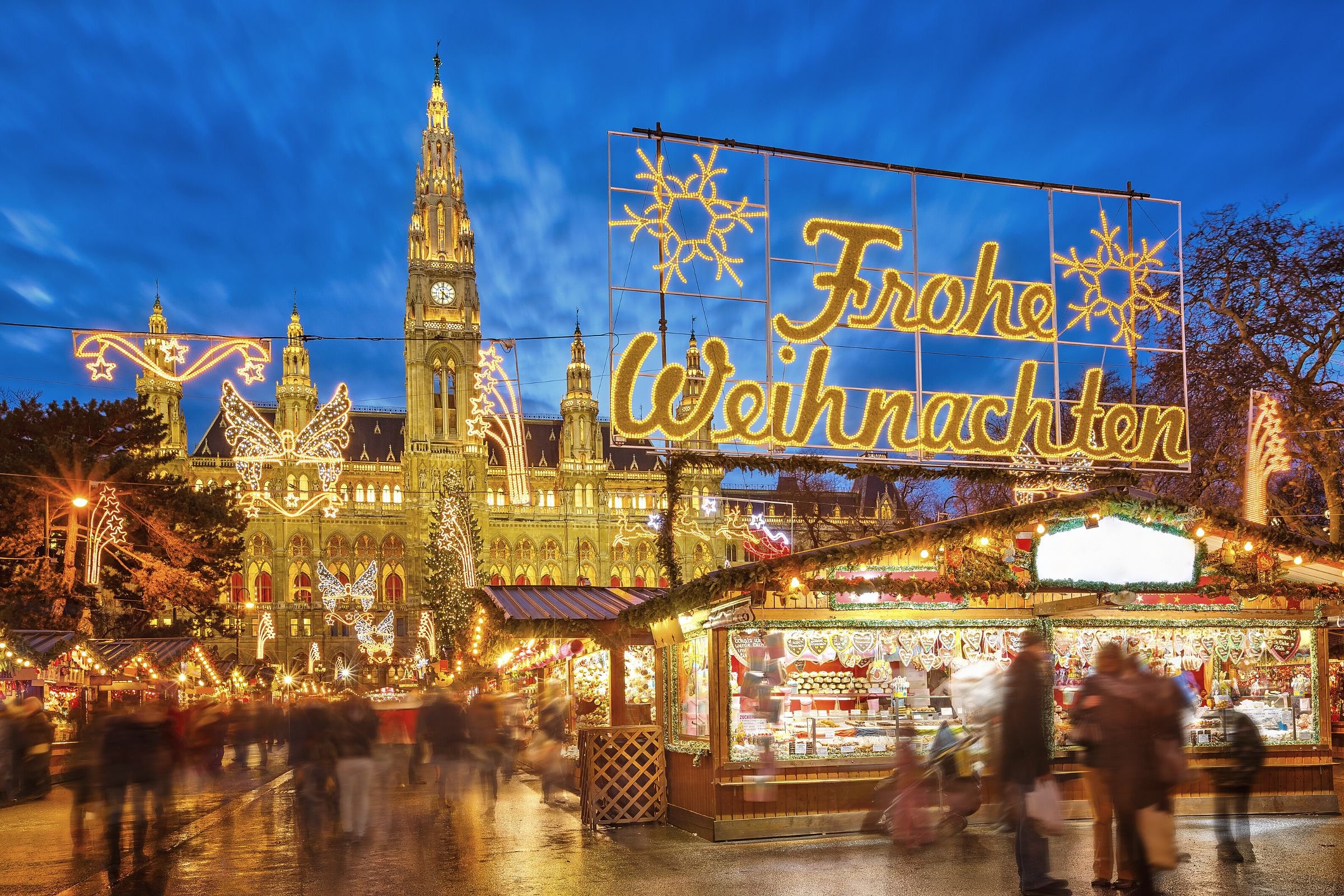
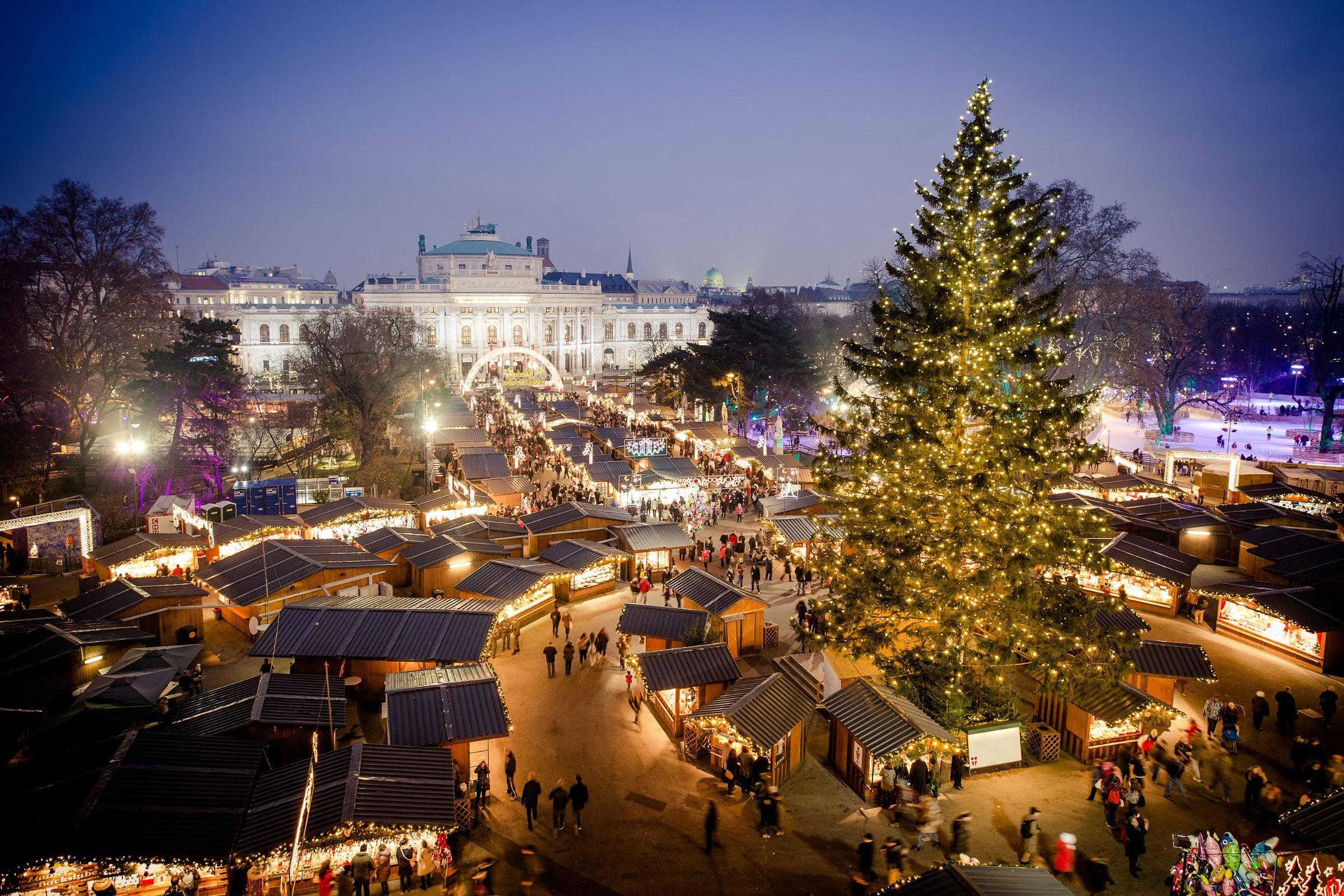
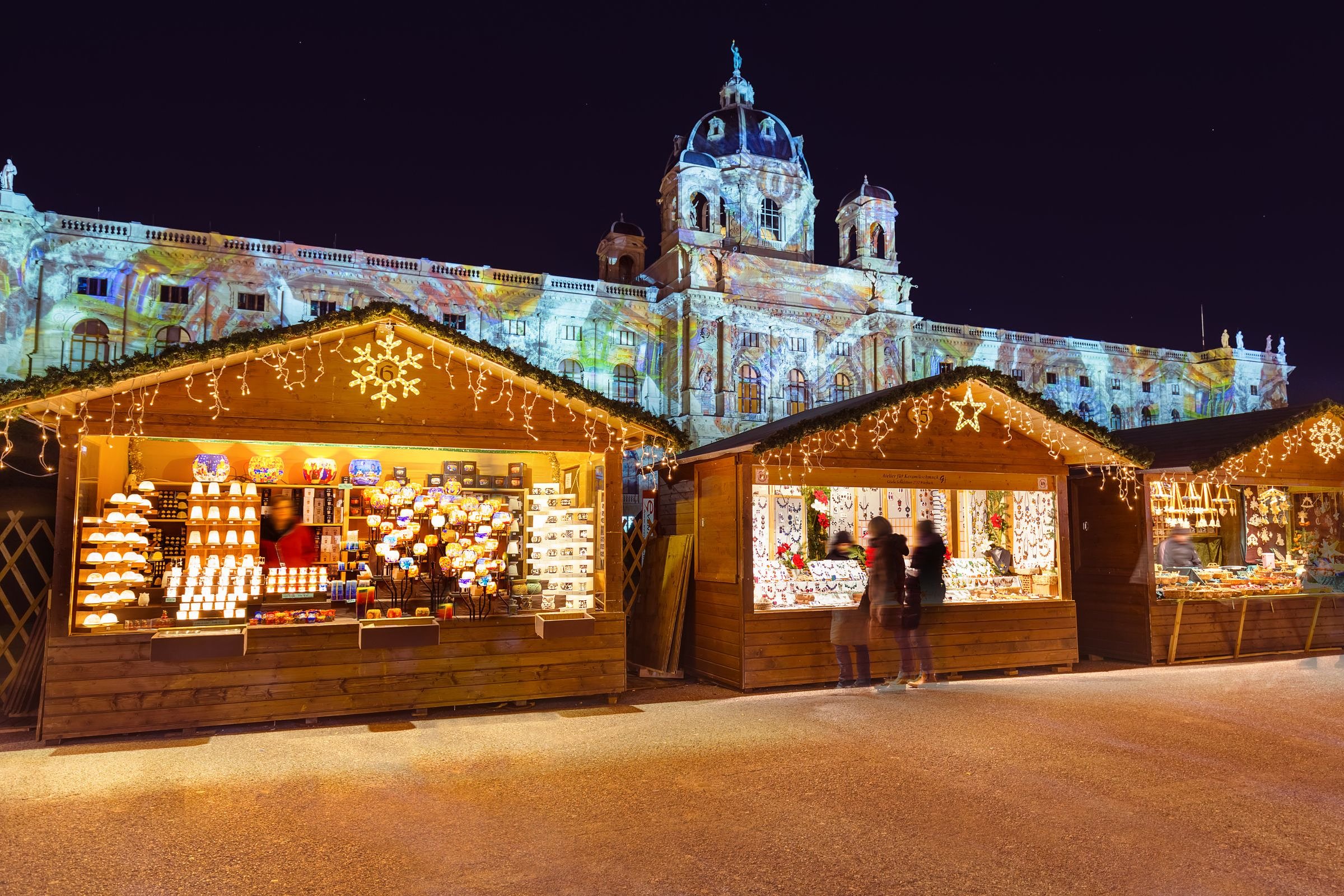
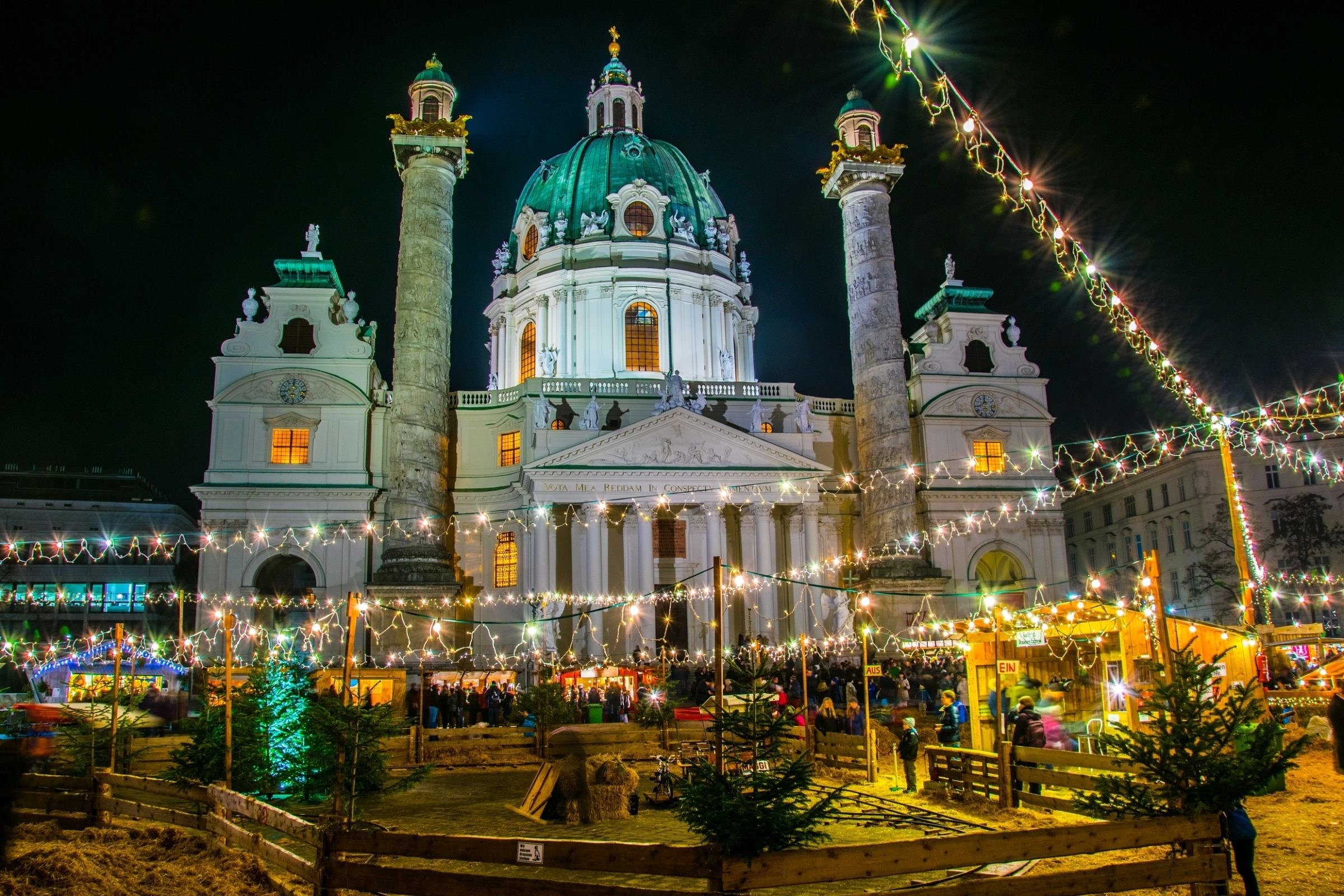
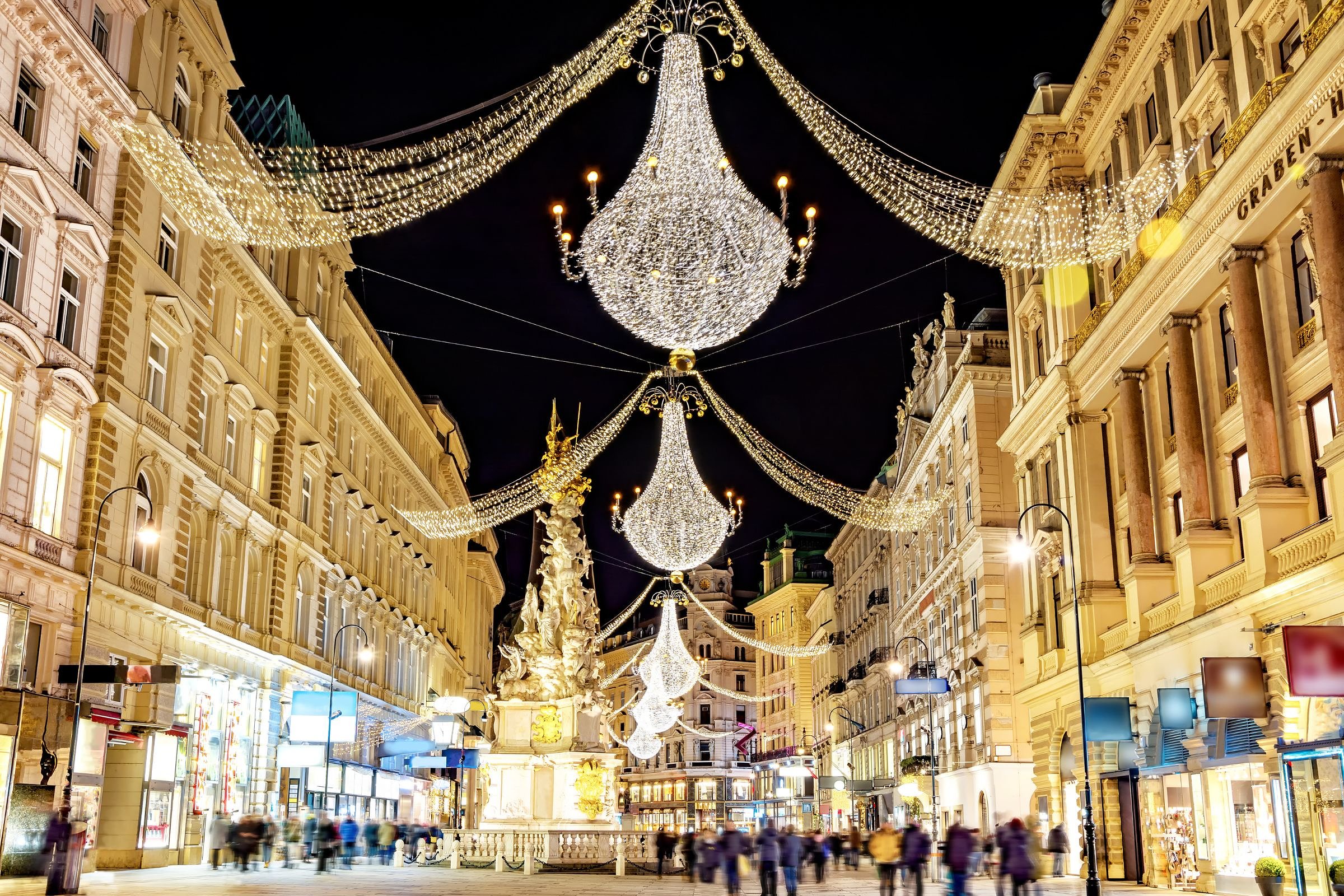
Christmas in Vienna is a feast for the senses, but there's more to its festive markets than twinkling lights and mulled wine. With grand architecture glowing against the winter sky, the scent of roasted chestnuts in the air, and Christmas carols drifting between stalls, it's easy to see why this tradition draws travelers from around the world. On this Vienna Christmas market tour, explore the city’s Christmas Village alongside a Context Expert who knows the local customs and stories behind the celebrations, turning a beloved holiday ritual into a shared experience worth remembering.
Vienna's Christmas markets have roots stretching back to the Middle Ages, when Duke Albrecht I granted citizens the right to hold a December market in 1296. How did a medieval trading tradition become one of Europe's most cherished seasonal celebrations? Your Expert will connect centuries of history to the market as it exists today, revealing how food, craftsmanship, and community have shaped the way Viennese people celebrate Christmas.
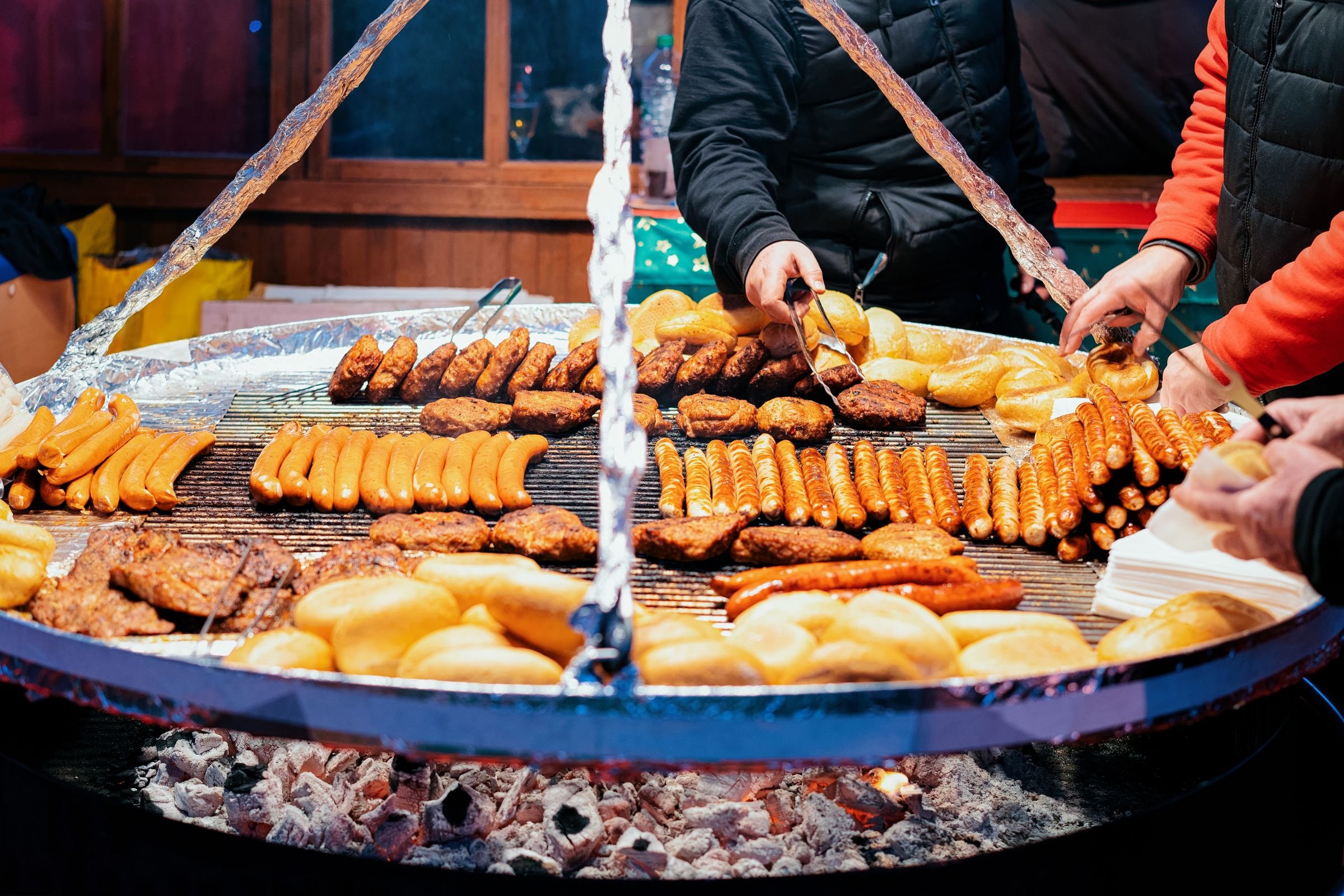
Of course, understanding a tradition can be delicious work. Follow the aromas to stalls serving regional favorites, from roasted potatoes, sausages, and chestnuts to gingerbread, cookies, and traditional pastries. Sip warming Glühwein or punch as your Expert explains the stories behind seasonal specialties, helping you discover flavors that mean more when you know where they come from.
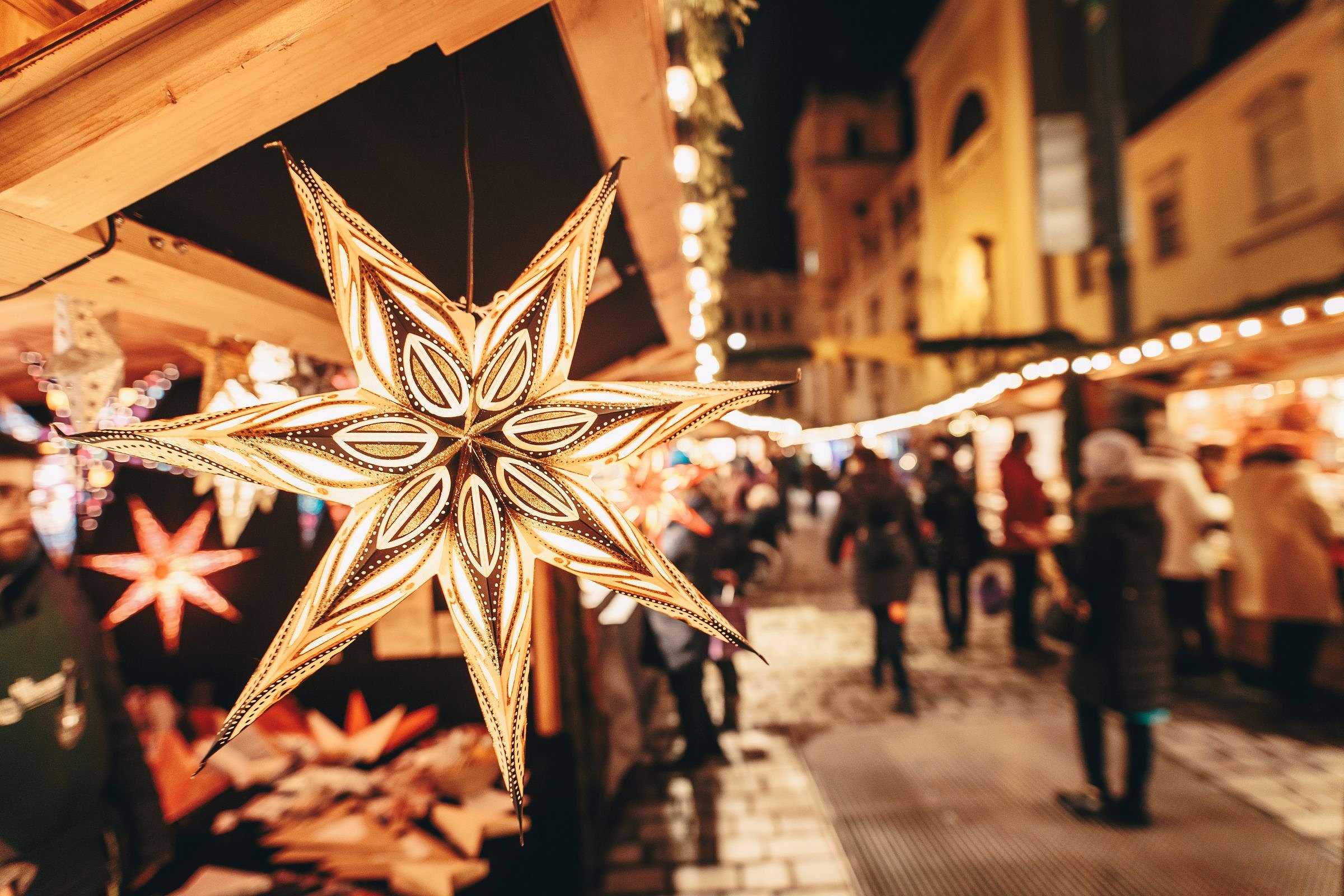
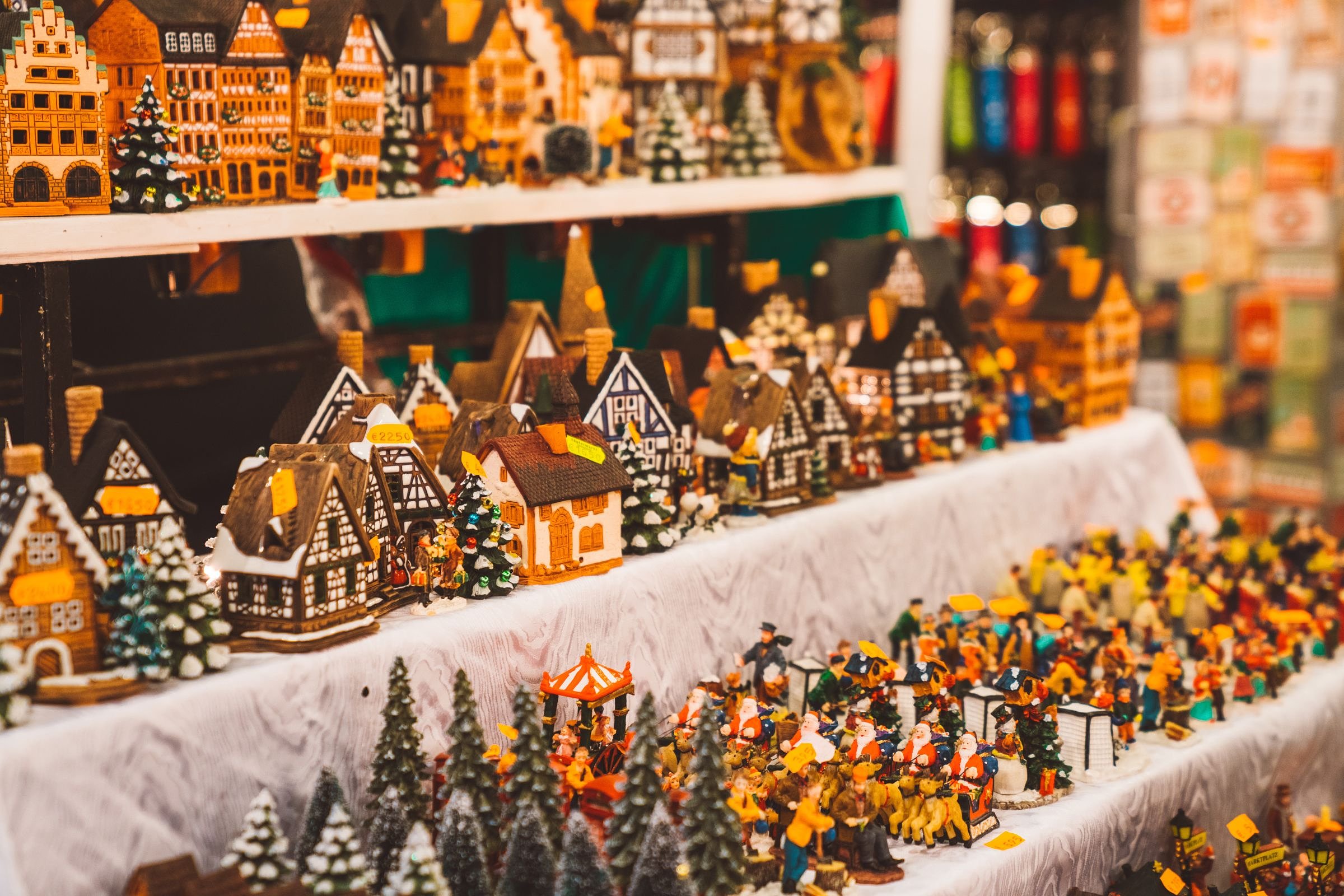
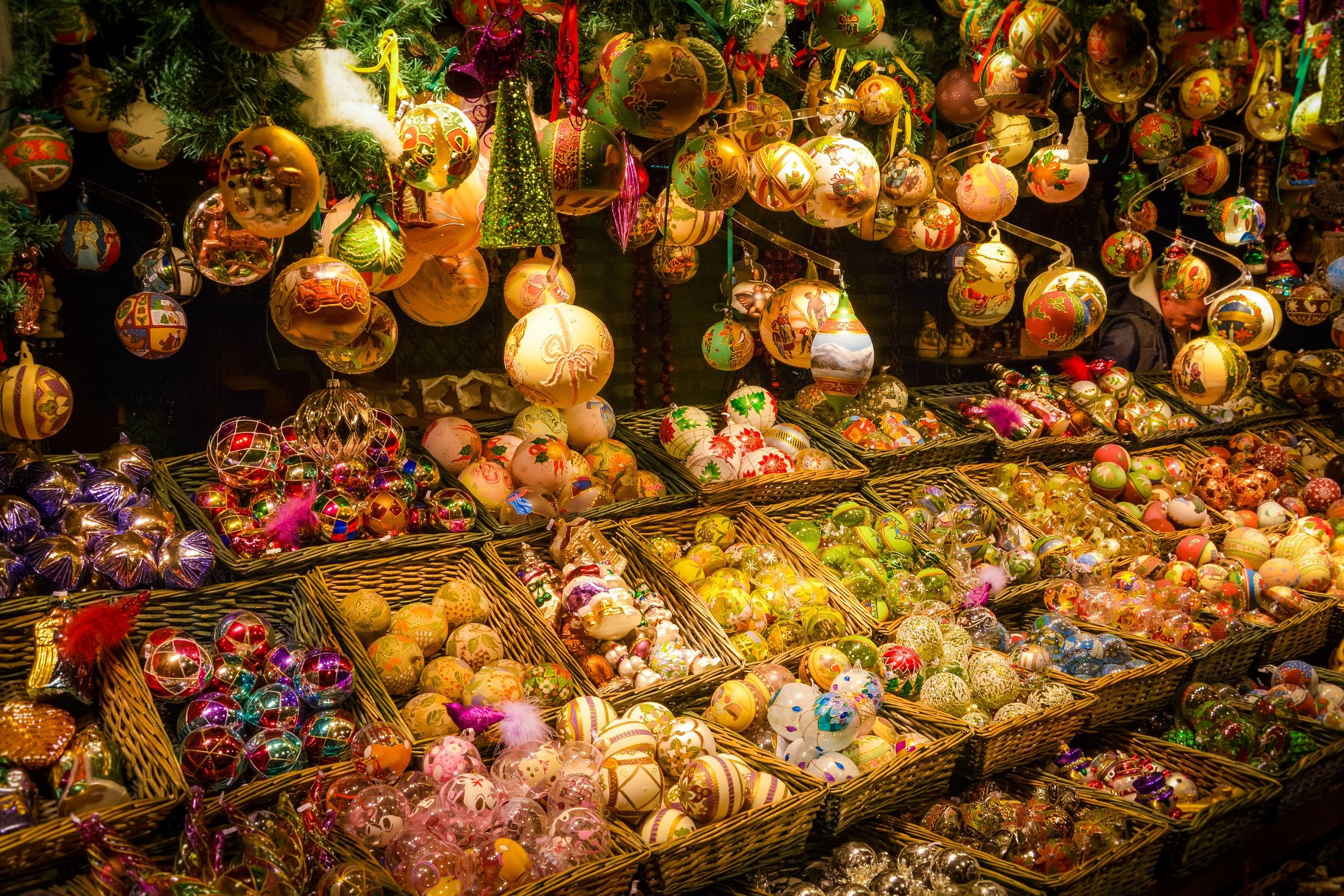
Beyond the food, Vienna's Christmas Village offers a glimpse into the craftsmanship and customs that make the season special. Browse stalls displaying handmade soaps, candles, ceramic ornaments, and wool accessories, with your Expert helping you appreciate the traditions behind these festive creations. There's room for different curiosities here, whether you're drawn to local history, handmade gifts, seasonal flavors, or simply the pleasure of exploring together.
The market's festive bustle is part of its appeal, but knowing where to look makes all the difference. Rather than navigating countless stalls on your own, enjoy the insight of a knowledgeable local who can help you make the most of your time, choose where to stop, and answer questions along the way. What makes a Christmas market feel so distinctly Viennese? Discover how familiar holiday rituals take on a local character through food, conversation, and traditions passed between generations.
And when the last bite has been savored, there's still a little Christmas to take home. A festive goodie bag, complete with a souvenir market mug, offers a tangible reminder of warming drinks, glowing decorations, and time spent discovering Vienna together. Leave with more than seasonal souvenirs: a deeper appreciation of the city's holiday traditions and shared memories to revisit long after the Christmas lights have dimmed.
Meet the Experts



Where You’ll Go
From iconic landmarks to tucked-away local favorites, these are the places you’ll explore and experience firsthand with your Expert.
-
Local Christmas market
What’s Included As Standard
Here’s a look at what your tour covers, plus anything you’ll want to consider arranging separately, so you can plan with confidence.
Included
-
English-speaking expert guideTours led in English, offering you unbroken understanding throughout.
-
Intentionally sized groupsA smaller group means more time for conversations and questions.
-
Tickets and entrance feesAll entry tickets included (unless clearly stated otherwise).
-
HeadsetsHeadsets are included on tours that need them, so every word can be heard.
Not Included
-
GratuitiesTips aren’t included, but we encourage tipping as a way to thank your guide after your experience.
-
Food and drinkUnless booking a Food & Drink tour or tasting experience, refreshments are not included.
-
Transportation to and from the meeting pointUnless noted, pre- and post-tour transport isn’t included - this service can be added by request.
-
Hotel pickup or drop-offUnless noted, travel to or from accommodation isn’t included - this service can be added by request.
Where You'll Explore
Make the Most of Your Tour
Some helpful advice for getting the most from your experience, from practical prep to small on-the-day tips.
Dos:
- Wear comfortable footwear
- Check the weather and dress appropriately
- Bring a bottle of water (no glass)
- Feel free to ask your Expert anything
Don'ts:
- Bring firearms or weapons
- Bring sharp objects (e.g. knives, swiss army knives, switchblades, hiking sticks)
- Dress inappropriately to enter religious sites or sacred monuments
Any questions? You can always
contact us.
Frequently Asked Questions
Yes, we can adapt this walk to be vegetarian-friendly. Please let us know of any dietary requirements in advance by commenting in the Trip Notes section when placing your order.
We strongly encourage those with gluten intolerance/celiac disease to avoid this particular tour. Almost all typical Christmas foods in Austria, including sausages, include traces of gluten, and we are not in a position to guarantee safe foods for those with allergies or intolerance.
This depends on the operating hours of the shops we frequent, but your taste buds will be happy! Some tastings may include glühwein, punch, langos, goulash, sausages, cheeses and traditional cookies and cakes - with a goodie bag to take home.
Book with confidence — see Context's flexible cancellation policy here.
We understand that some of our valued guests may have mobility concerns, and we want to ensure you have a comfortable and enjoyable experience throughout your tour. If there are any accessibility concerns that your tour guide will need to be aware of, please let our team know at the time of booking.
Is this tour wheelchair-friendly?
This tour is accessible because it is in one location and on a campus equipped with ramps, handicapped parking, and handicapped bathrooms accessible from the market.
Don’t just take our word for it
Fabulous tour. Regina so knowledgeable and was quite prepared. We went to some of the best Christmas markets in Vienna, ate the most delicious food, and drank the most delicious holiday drinks. Highly recommend Regina and this tour.
Regine was great!!!
Let Your Curiosity Shape Your Journey
Join passionate experts on intimate walking tours that reveal a city’s unique stories, spark conversations, and leave you seeing the world—and yourself—a little differently.
Structured, never scripted
Your interests guide your Expert, leading to stories and perspectives that matter to you.
Crafted for conversation
With 12 or fewer guests, ask questions, engage with your Expert, and fully immerse yourself.
Experts, not guides
Explore with 1,200+ Experts—from historians and architects to archaeologists and chefs.
Related experiences our customers also loved


Vienna Christmas Market Tour
Vienna’s Christmas markets are about more than decorated stalls and souvenir mugs. During Advent, public squares become places to eat, drink, shop, meet friends, and participate in seasonal rituals that have developed over generations. Hot punch and Glühwein, roasted chestnuts, sausages, gingerbread, pastries, and handmade decorations all belong to a larger Viennese tradition of marking the weeks before Christmas through food and public life. On this Vienna Christmas Market Tour, a local Expert uses those tastes and rituals to explain what Christmas in Vienna actually looks like beyond the lights. Over 2.5 hours, you sample seasonal dishes and drinks while exploring the market, meeting local vendors, and learning how holiday food, crafts, and customs fit into Viennese culture. Tastings may include Glühwein or punch, Langos, Lebkuchen, sausages, chestnuts, roast potatoes, pastries, and other specialties depending on availability. The result is less a shopping trip than a way of understanding Vienna through one of its most distinctive seasonal traditions.
Vienna’s Advent markets transform some of the city’s most important public spaces each winter.
Today there are markets at Rathausplatz, Schönbrunn, Belvedere, Stephansplatz, Freyung, Karlsplatz, and elsewhere, each with a different emphasis on food, crafts, architecture, or entertainment. Vienna’s tourism board notes that the city’s major squares typically become Christmas markets from mid-November through Christmas, with some continuing beyond December 25.
The tradition also has deeper roots. An Old Viennese Christmas Market was already being held at Freyung in 1772, while the major Christkindlmarkt eventually settled at Rathausplatz in 1975.
What makes the markets important, however, is not simply their age. They create temporary social spaces in the heart of the city. People stop for a warm drink after work, meet friends around food stalls, shop for handmade decorations, and return to seasonal foods that may appear for only a few weeks each year.
That rhythm is part of what distinguishes experiencing a market from simply walking through one.
Christmas-market food is designed for winter.
Maroni, or roasted chestnuts, are one of Vienna’s most recognizable cold-weather street foods. Vienna Tourism traces the city’s chestnut-roasting tradition back to the eighteenth century, and the smell of chestnuts roasting over charcoal still accompanies Advent throughout the city.
Glühwein and punch provide a warm drink in hand. Gingerbread and Christmas cookies add sweetness, while sausages, potatoes, cheese, soup, and fried or baked specialties make the markets substantial enough for more than snacking.
The exact foods available change from stall to stall and season to season. That variation is useful.
Rather than approaching the market with a checklist, your Expert can explain what is locally distinctive, how particular foods fit into Austrian winter traditions, and why some specialties appear specifically during Advent.
This tour reflects that flexibility: previous tastings have included Glühwein/Punsch, Langos, Lebkuchen, Leberkäse, Goulashsuppe, Maroni, roast potatoes, cheese, sausage, and pastries.
Choose the Vienna Christmas Market Tour if you are visiting during Advent and want seasonal traditions to be the focus. Food is central, but the experience also explores Christmas customs, market culture, crafts, and the way Vienna changes during the holiday season. It is available only during the Christmas-market period.
Choose the year-round Vienna Food Tour if you want a broader introduction to Austrian cuisine, including the foods and culinary traditions that define Vienna beyond Christmas. Context currently positions that experience around essential Austrian cuisine and Vienna’s wider food culture.
When do Vienna’s Christmas markets open?
Most Vienna Christmas markets open between early and mid-November and run until approximately December 23–26, although some continue into the New Year.
For 2026, for example, the main Wiener Christkindlmarkt at Rathausplatz runs from November 13 through December 26, while the Schönbrunn market runs from November 6 through January 6, 2027.
Exact dates change each year, so it is worth checking individual market schedules before your trip.
What is Glühwein?
Glühwein is warm mulled wine flavored with spices and is one of the drinks most strongly associated with Christmas markets in Austria and Central Europe.
Vienna markets also commonly serve various forms of Punsch, which may be alcoholic or non-alcoholic.
Which Vienna Christmas market is best?
There is no single best market because they offer different experiences.
Rathausplatz is the largest and most iconic; Schönbrunn combines the market with an imperial setting; Freyung emphasizes tradition and handicrafts; Karlsplatz is known for arts and crafts; and Stephansplatz places a smaller market beside St. Stephen’s Cathedral.
The strongest choice depends on whether your priority is food, crafts, atmosphere, architecture, or scale.
Are Vienna Christmas markets only for tourists?
No. Although the largest markets attract many international visitors, Christmas markets are also part of Vienna’s seasonal social life.
Food, warm drinks, after-work gatherings, crafts, and Advent events make them places Viennese residents use as well as attractions for travelers.
What is a Christkindlmarkt?
Christkindlmarkt literally refers to a Christmas market associated with the Christkind, or Christ Child, a traditional gift-bringing figure in Austria and other parts of Central Europe.
Is Vienna worth visiting specifically for the Christmas markets?
Yes, particularly if you are interested in how seasonal food, public space, architecture, and local traditions come together.
Vienna is unusual in having numerous Christmas markets in very different historic settings, from City Hall and palace forecourts to smaller central squares.