Morocco has been on Context Travel’s mind for a while.
Not as a trend pick or as a box to check on a map, but as a place with the kind of depth that rewards the way we like to travel: slowly, intelligently, and with the right person beside you.
That made it worth waiting for the right time to launch.
Meet two of our Context colleagues who specialize in the region and learn more about why we chose to launch Morocco now, what we're most excited about, and why we think Context travelers will find these cities unique, memorable, and worthy to be next on their destination list.
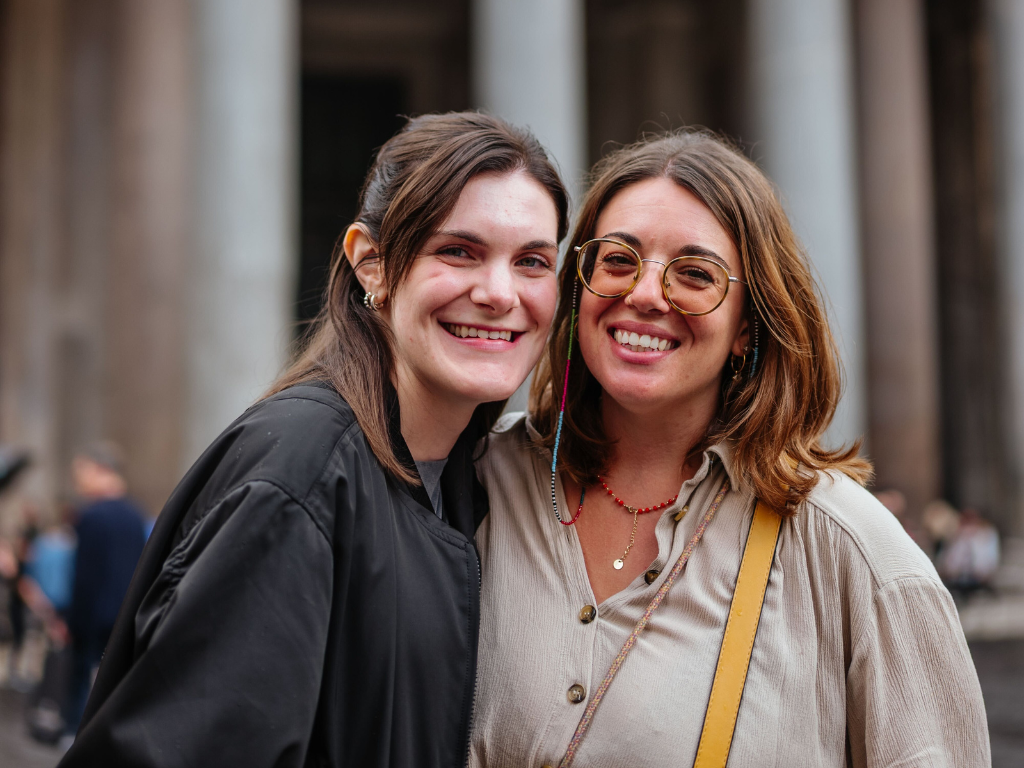
Sabrina, portfolio manager, and Ilaria, Senior Operations Manager
Why Morocco Now?
“Morocco has been a long-standing priority for Context Travel for quite some time,” says Sabrina, Portfolio Manager of Italy, Southern Europe, and Africa. “The country offers an exceptional combination of expansive landscapes, dynamic cities, and rich cultural heritage, and it is attracting a growing number of American travelers seeking experiences beyond traditional cultural destinations.”
That combination matters, and it was at the forefront of each experience we built in the country. Morocco can hold a lot in a single trip: city life and mountain air, riads and desert roads, long histories and daily rituals that still feel firmly alive. Sabrina put it plainly: “What makes Morocco particularly compelling is its range. Travelers can combine city exploration with nature or moments of relaxation in riads with more adventurous experiences in the desert or mountains. This diversity aligns closely with Context’s approach to thoughtful, immersive travel.”
“Morocco’s global visibility is rising, particularly as it prepares to host the World Cup in 2030, further establishing itself as a major international destination,” Sabrina says. “At the same time, it remains one of the MENA (Middle East and North Africa) destinations where travelers feel especially confident and comfortable visiting, making it a natural and exciting next step in Context’s expansion.”
Where to begin?
Morocco is not the kind of place you can sum up neatly. That shaped the way the first tours were built.
“We focused on destinations that could serve as gateways to broader discovery — places offering rich experiences within the city itself while also allowing for meaningful day excursions without requiring travelers to commit to multi-day itineraries,” Sabrina says.
Gateway... That word is important. These first tours aren’t trying to cover all of Morocco. They’re giving travelers a strong way in.
“Cities like Fes and Marrakech were clear starting points, given the depth they offer Context travelers across cultural history, cuisine, and local traditions. Casablanca followed for strategic reasons.”
How we approached Morocco
There’s already a busy travel market in Morocco. Sabrina knew early on what Context wasn’t trying to replicate.
“Much of the existing offerings center on large group tours with limited depth, minimal interaction with expert guides, or fast-paced multi-day itineraries that prioritize covering distance over meaningful engagement,” Sabrina says. “We intentionally moved away from those models.”
That choice shaped the tours from the start. “We designed experiences that place discovery and dialogue at the center, with the expert guide playing a key role in shaping a personal and intellectually engaging experience. The goal was to create space for understanding rather than simply moving from one highlight to the next.”
Sabrina describes the design process as a constant effort to see the tour experience from two sides at once: the traveler’s and the expert’s. “We focused on balance rather than quantity. Not everything needs to fit into a single tour, and adding more stops does not necessarily create a better experience. Instead, we asked two guiding questions: what would feel meaningful and manageable for the traveler, and what does the expert need to deliver it well?”
That kind of discipline matters in Morocco, where the day can be shaped by heat, distance, traffic, timing, and simple human bandwidth.
What “context” means here
In Morocco, the role of the expert shifts a little.
Ilaria, ISEA Senior Operations Manager, puts it this way: “In Morocco, we chose to offer ease along with immersion. Context experiences in the country offer something more premium, in the best sense. Distances in Morocco can be longer, temperatures can be intense, and the sensory pace can feel fast, so we created all tours to include a car at your disposal, with water and small comforts which genuinely changes how you experience the day.”
But for her, the bigger difference is not logistical. It’s cultural.
“The bigger difference is cultural mediation,” she says. “Morocco is layered in history, identity, and ways of seeing the world that don’t map neatly onto a familiar Western lens.”
That’s where the right guide matters most. Not just someone who knows facts, but someone who can interpret what’s in front of you and make it feel legible without flattening it.
“Our experts open a path into something unexpected and beautiful, and what can feel overwhelming at first becomes less intimidating through their stories, their connections, and the way they move through the place.”
That feels especially true in a destination like Morocco, where first impressions can be vivid, fast, and a little disorienting (in the best possible way).
What travelers tend to miss
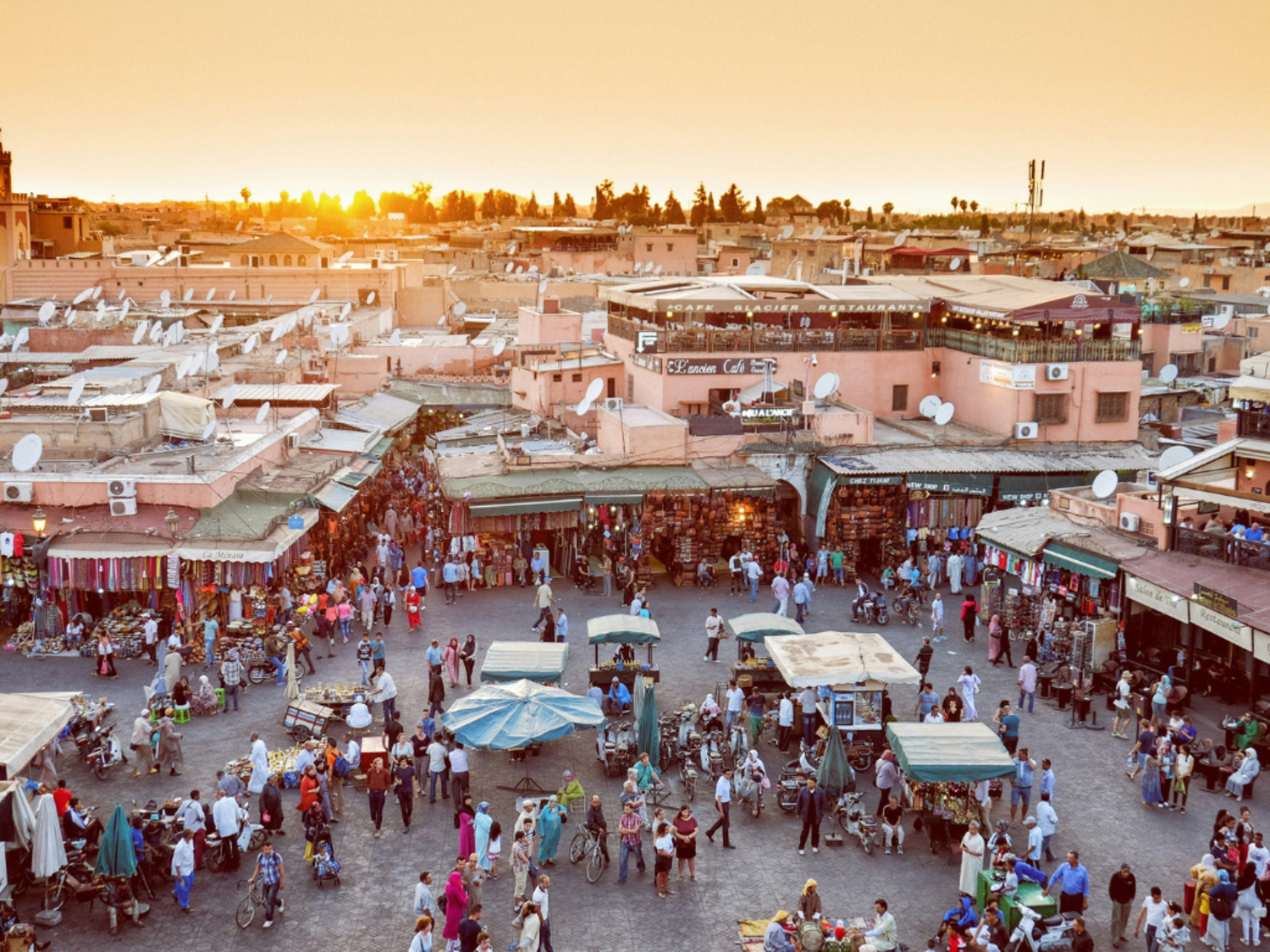
Ask someone to picture Morocco and they’ll often go straight to Marrakech and desert excursions. That’s part of the country, of course. It just isn’t the whole story.
“It’s a big country with so many different communities, and with a real variety of architecture and nature. Saying ‘I’ve been to Morocco’ when you only saw Marrakech or Casablanca is a bit like saying you went to Rome and you’ve seen Italy," says Ilaria.
She also points to the assumptions travelers bring with them. “Yes, it is a Muslim country, but that's not all. It’s more complex on the ground.” There is the visible and growing presence of Amazigh identity. There are cities like Casablanca and Rabat that can feel strikingly modern. There is a strong craft tradition that still lives in workshops, homes, and daily commerce rather than behind glass.
“The artisan culture is so present, and it would be a pity to come all this way and not connect with it, because in many of our countries we don’t really have that kind of living craftsmanship anymore.”
Built with you in mind
Sabrina was careful not to imagine one ideal traveler.
“At Context, no two tours are the same because no two travelers are the same,” she says. “Our clients come with different backgrounds, interests, and motivations for travel, so the portfolio needed to reflect that diversity rather than follow a single narrative or focus.”
That’s visible in the mix. Some tours lean into monuments, architecture, and history. Others move through markets and kitchens. Others head outward, toward the desert and Berber villages.
“Some travelers may be drawn to art and architecture, exploring palaces and historic spaces; others may be seeking shared moments, like multigenerational families gathering around a table of tagine or engaging in hands-on craft traditions. For others, the appeal lies in contrast, stepping away from the energy of the cities into the quiet, expansive landscapes of the desert.”
Morocco shouldn't be forced into one frame, and we've consciously created these experiences to leave room for different ways of connecting to the country.
Insights that influenced
Some of the clearest insights our team gained while researching on the ground didn’t come from itineraries; they came from people.
Sabrina describes meeting guides, local experts, and partners across the country, each of whom opened a different window into Moroccan life. “Every conversation revealed a different side of Morocco: from someone who grew up in a Berber village in the desert, to a guide proudly sharing that they were the first in their family to learn English, to a woman who spoke about being the first in her family to attend school.”
Those conversations stayed with her. “What stood out most was the generosity, pride, and passion people bring to hospitality and storytelling. That human connection ultimately became central to how we designed the experiences.”
Ilaria felt something similar on the ground, especially in the smaller, unscripted interactions that happen when experts are truly rooted in the places they’re guiding.
“It’s the feeling of connection that happens in real time, especially with artisans and local people you meet along the way. Our experts are genuinely woven into these communities, so it can feel less like observing and more like being welcomed in, almost like you’re with friends,” she says. "Hospitality in Morocco can feel almost disarming. It’s as if someone says, ‘Welcome to my home, welcome to my family, welcome to who we are,’ and they mean it.”
She knows some travelers may wonder about that at first. “At times it can feel like too much, and people sometimes wonder whether it’s genuine. After visiting the country three times, my personal conclusion is that it is genuine, and deeply rooted in the culture.”
And when hospitality is genuine, it has practical consequences. It slows you down. It makes space for conversation. It shifts the day away from pure sightseeing. “That hospitality changes the pace because it invites you to accept moments of conversation and let relationships become part of the experience rather than something separate from it.”
Why a guide matters here
Sabrina was direct about this. “I genuinely believe Morocco is a destination best experienced with a local guide, not simply because it’s what we offer, but because the cultural context is essential to understanding what you’re seeing.”
That doesn’t mean travelers can’t visit on their own, but it does mean they may miss nuance and meaning.
“Without expert guidance, travelers often experience only the surface,” she says. “A guide helps you navigate the medinas, interpret art and architecture, and move beyond the most touristic spaces into more meaningful encounters. Especially with limited time, having someone who can provide insight and context transforms the visit from sightseeing into true cultural discovery.”
Who these tours are for
The short answer is: more than one kind of traveler.
“We designed our Morocco experiences to appeal to a variety of travelers,” Sabrina says. “For those passionate about history, art, and architecture, we offer tours that explore the country’s monuments and cultural heritage in depth. For travelers who connect through food, there are market visits and cooking classes that let them engage with Morocco through its flavors.”
There are hands-on experiences for travelers who want to make something, taste something, try something, and there are memorable, big-sky experiences too.
But Ilaria’s answer to the hesitant traveler may be the better summary of who Morocco is really for.
“Not going means missing a place that has the power to challenge your assumptions in the most generous way,” she says. “Morocco can open your eyes, and it can also soften you because it’s not only beautiful, it’s deeply human.”
And for those who worry it may feel intense, she comes back to the role of the expert.
“If you’re unsure because you’re worried it will feel intimidating or overwhelming, that’s exactly why the right expert matters. With the right guidance, what initially feels intense becomes something you can enjoy with confidence.”
What you'll take home
Sabrina hopes travelers leave with a wider understanding of the country than the one they arrived with.
“I hope that anyone traveling to Morocco with us comes away with a deeper understanding of the country beyond its beauty and the popular tourist sites. I want them to see past the crowds, the bustling streets, or places that might initially feel unfamiliar, and discover the richness and charm in every corner. Even something that feels foreign or unexpected can offer something meaningful,” she says. “With the guidance of our experts, I want people to leave more open, more curious, and more willing to embrace the unfamiliar, letting it change the way they see the world.”
She ended with a line that feels like the right place to stop:
“Morocco rewards the traveler who… is open to let Morocco change them.”
If Morocco is on your radar, we'd be happy to explore this incredible country with you. View all Morocco tours and start planning your trip into the medinas and deserts of this beautiful, culturally rich destination.
About Sabrina:
About Ilaria: