Tokyo doesn’t ask you to choose between old and new, serious and playful, scholarly and immersive. It simply invites you to move between them, sometimes within the same afternoon. One moment you’re standing in an Art Deco salon designed for a prince; the next, you’re barefoot inside a digital universe or studying a 200-year-old woodblock print that feels shockingly modern.
Below, we’ve curated the best art museums and galleries in Tokyo, organized by ward and city within the Tokyo Metropolis (often referred to as Tokyo “prefecture”). Each one earns its place through a combination of popularity, originality, and depth, meaning these are museums you’ll actually want to spend time in, not just tick off a list.
Whether you’re a first-time visitor or returning with sharper questions, this is where Tokyo’s art scene truly comes alive.
Minato City
Tokyo Metropolitan Teien Art Museum
Set within the former residence of Prince Asaka, the Tokyo Metropolitan Teien Art Museum is as much about atmosphere as it is about art. The building itself is a masterclass in Japanese Art Deco, with original lighting fixtures, ironwork, and decorative motifs that quietly guide how you experience each exhibition.
Contemporary and historical shows are carefully curated to converse with the interiors rather than overpower them, making this one of Tokyo’s most immersive museum experiences. Outside, the landscaped garden extends the visit into the seasons, offering a rare sense of calm just minutes from the city’s core.
The museum typically opens from 10:00 to 18:00, closing on Mondays unless it’s a public holiday.
The National Art Center, Tokyo
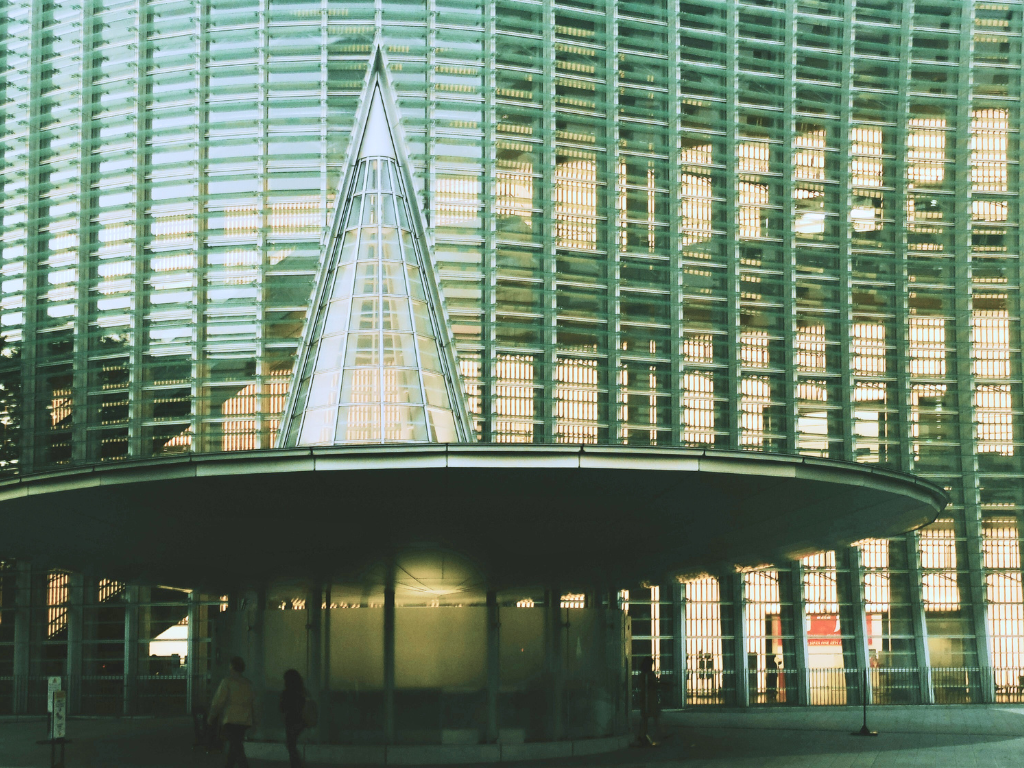
Unlike most major museums, the National Art Center, Tokyo has no permanent collection—and that’s precisely its strength. Instead, it functions as one of Japan’s premier exhibition venues, hosting rotating shows that range from fine art and photography to fashion and design. The building itself, with its sweeping glass façade and cathedral-like interior, is part of the experience, even if you never enter a gallery.
NACT typically opens from 10:00 to 18:00, staying open until 20:00 on Fridays and Saturdays, and closes on Tuesdays.
Suntory Museum of Art
Guided by the philosophy of “Art in Life,” the Suntory Museum of Art focuses on traditional Japanese aesthetics as they appear in everyday objects. Its collection includes ceramics, lacquerware, textiles, and seasonal arts, all presented with a restrained elegance that rewards close looking. Exhibitions are thoughtfully paced and quietly instructive, making this an ideal counterbalance to Roppongi’s blockbuster institutions.
Located within Tokyo Midtown, the museum typically opens from 10:00 to 18:00, with extended hours on Fridays during exhibitions, and is usually closed on Tuesdays.
Mori Art Museum
Perched high above the city in Roppongi Hills, the Mori Art Museum is Tokyo’s most globally oriented contemporary art institution. Its exhibitions tackle big themes like urbanism, identity, technology, and geopolitics through international and Japanese artists alike, often with ambitious scale and production.
One of its defining features is its late opening hours, which shift the museum experience into evening territory and pair naturally with Tokyo’s nightlife. The museum generally opens from 10:00 to 22:00, with shorter hours on Tuesdays, making it one of the city’s most flexible stops for travelers.
teamLab Borderless
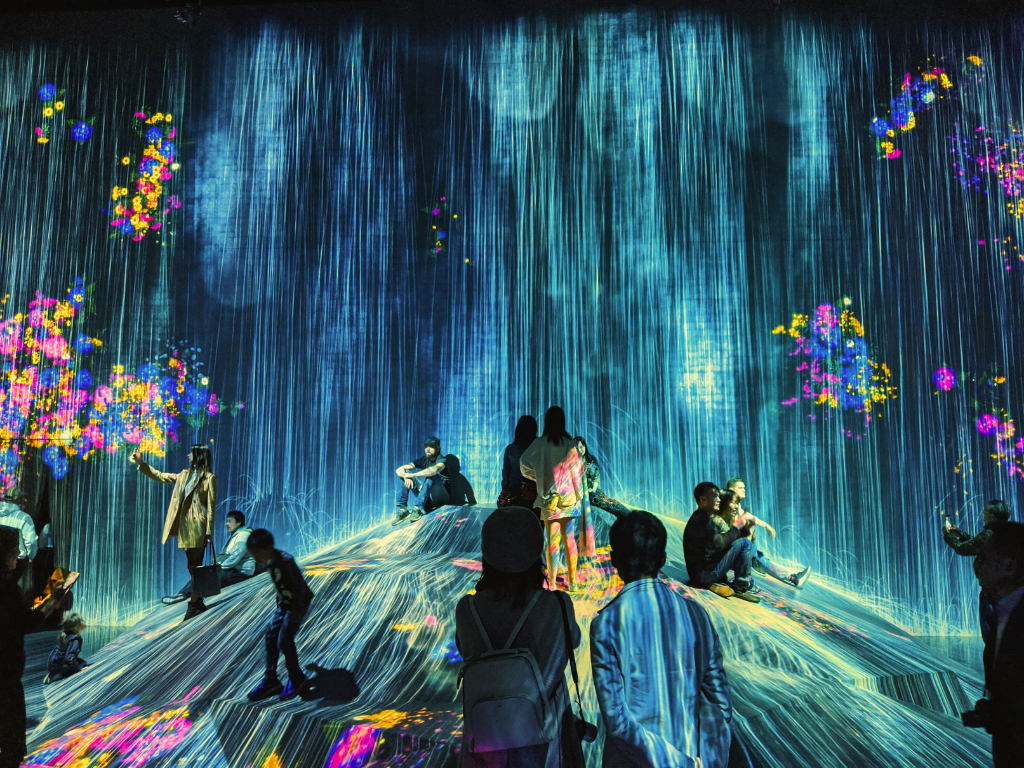
teamLab Borderless reimagines what a museum can be by eliminating maps, fixed routes, and even the boundaries between artworks. Digital installations flow from room to room, responding to movement and presence, so no two visits are ever quite the same. The experience is immersive, physical, and surprisingly meditative, inviting visitors to wander rather than observe.
Located in Azabudai Hills, teamLab Borderless typically operates from early morning until evening, with last entry one hour before closing, and benefits from advance ticket planning due to its popularity.
21_21 DESIGN SIGHT
Partially hidden beneath the lawn of Tokyo Midtown, 21_21 DESIGN SIGHT treats design not as surface decoration, but as a way of thinking about the world. Designed by Tadao Ando, the angular concrete structure sets the tone for exhibitions that explore everything from fashion and architecture to food systems, tools, and daily rituals.
Shows here are often concept-driven and intellectually playful, encouraging visitors to question how design shapes behavior and perception.
The museum is open from 10:00 to 19:00, with last entry at 18:30, and typically closes on Tuesdays as well as during exhibition changeovers—something worth checking in advance.
Taitō City
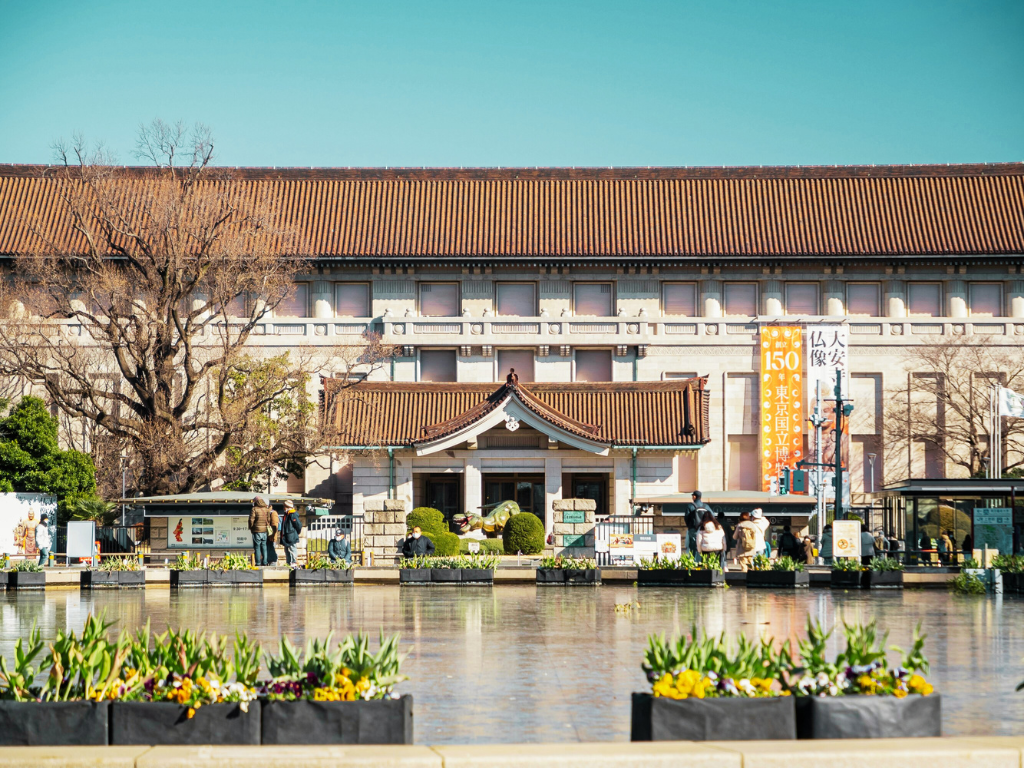
Tokyo National Museum
The Tokyo National Museum is the country’s most comprehensive repository of Japanese art and archaeology, and it sets the standard for cultural context. Its galleries span centuries, from ancient Buddhist sculpture and samurai armor to delicate screen paintings and ceramics, with rotating displays that make repeat visits worthwhile.
Rather than overwhelming, the museum rewards selective exploration. Choosing a wing or theme allows the collection to unfold with clarity and depth. Located in Ueno Park, it is generally open from 9:30 to 17:00, with extended evening hours on Fridays and Saturdays, and closes on Mondays.
Chiyoda City
National Museum of Modern Art, Tokyo
The National Museum of Modern Art, Tokyo offers the clearest narrative of how Japanese art navigated modernity. Its permanent collection traces the country’s artistic evolution from the late 19th century through postwar experimentation, supplemented by rotating exhibitions in photography, film, and design. The result is a museum that feels both scholarly and accessible, ideal for understanding Japan’s modern visual language.
MOMAT typically opens from 10:00 to 17:00, with later hours on Fridays and Saturdays, and closes on Mondays.
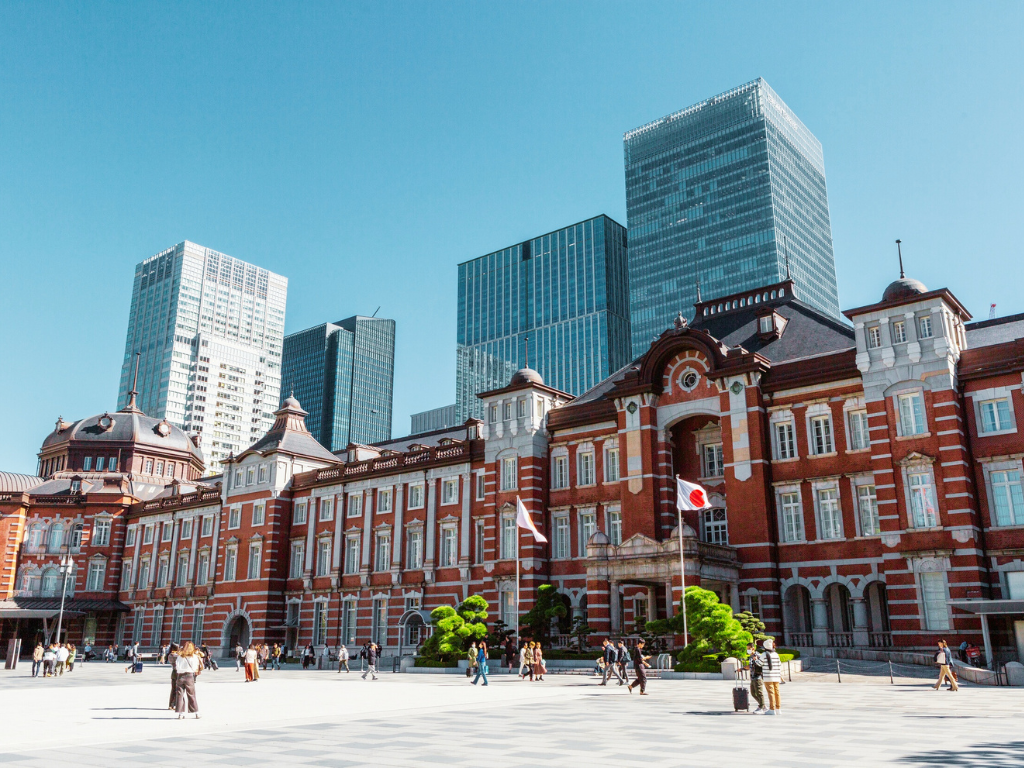
Tokyo Station Gallery
Housed within the historic red-brick Tokyo Station, Tokyo Station Gallery makes architecture part of the exhibition experience. Shows here often engage directly with themes of modernity, transit, and urban life, enhanced by the intimate scale of the gallery spaces. It’s an ideal stop at the beginning of or after your time in the city, offering a focused cultural pause in one of the city’s busiest hubs.
The gallery usually opens from 10:00 to 18:00, extends hours on Fridays, and closes on Mondays as well as during exhibition changeovers.
Shibuya City
Ota Memorial Museum of Art
Dedicated to ukiyo-e woodblock prints, the Ota Memorial Museum of Art proves that specialization can be deeply rewarding. Its rotating exhibitions showcase works by masters such as Hokusai and Hiroshige, displayed in intimate rooms that encourage close attention to line, color, and composition. Because prints are light-sensitive, shows change frequently, meaning there’s almost always something new to see.
The museum is typically open from 10:30 to 17:30 and closes on Mondays and between exhibitions.
Meguro City
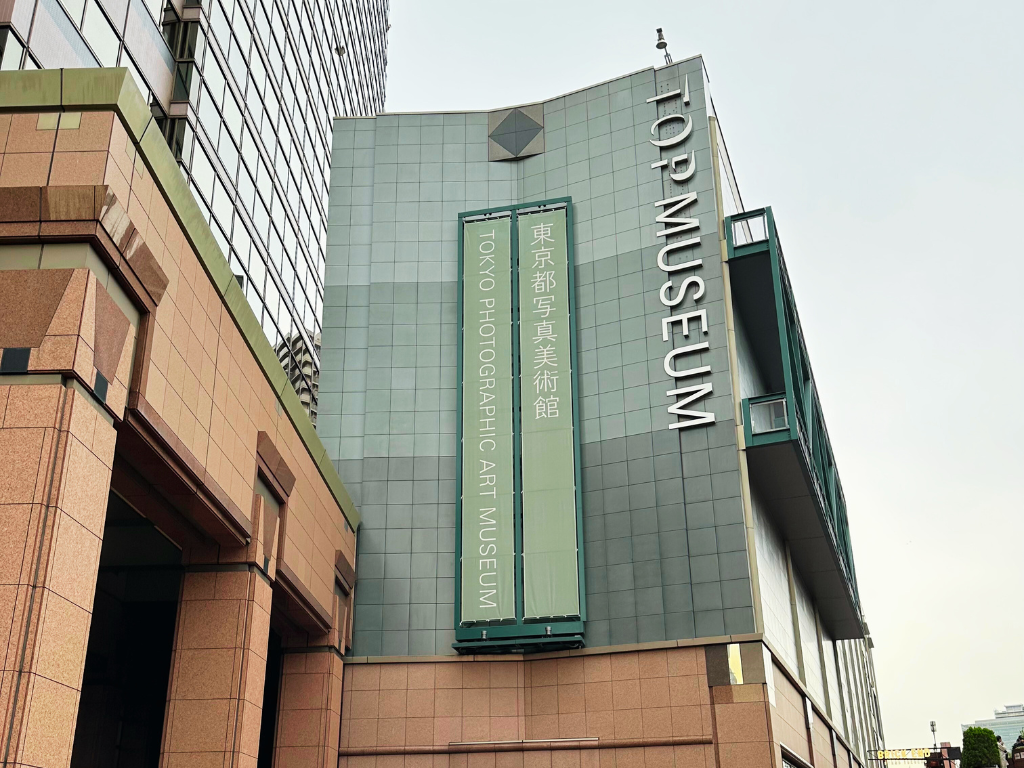
Tokyo Photographic Art Museum
Tokyo is one of the world’s most visually documented cities, and the Tokyo Photographic Art Museum explores how images shape our understanding of it and of the wider world. Exhibitions span Japanese and international photography, video art, and moving image works, often tackling social and cultural themes. The museum’s programming is consistently strong, making it a key stop for anyone interested in visual culture beyond painting and sculpture.
It generally opens from 10:00 to 18:00, with extended evening hours later in the week, and closes on Mondays.
Mitaka City
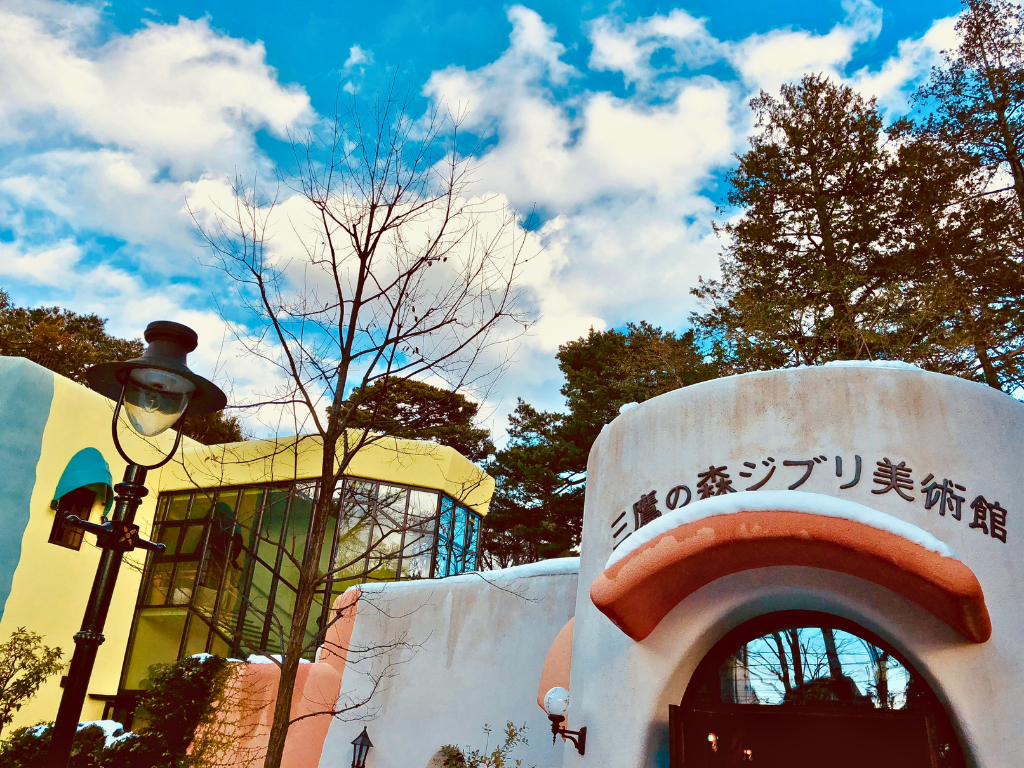
Ghibli Museum
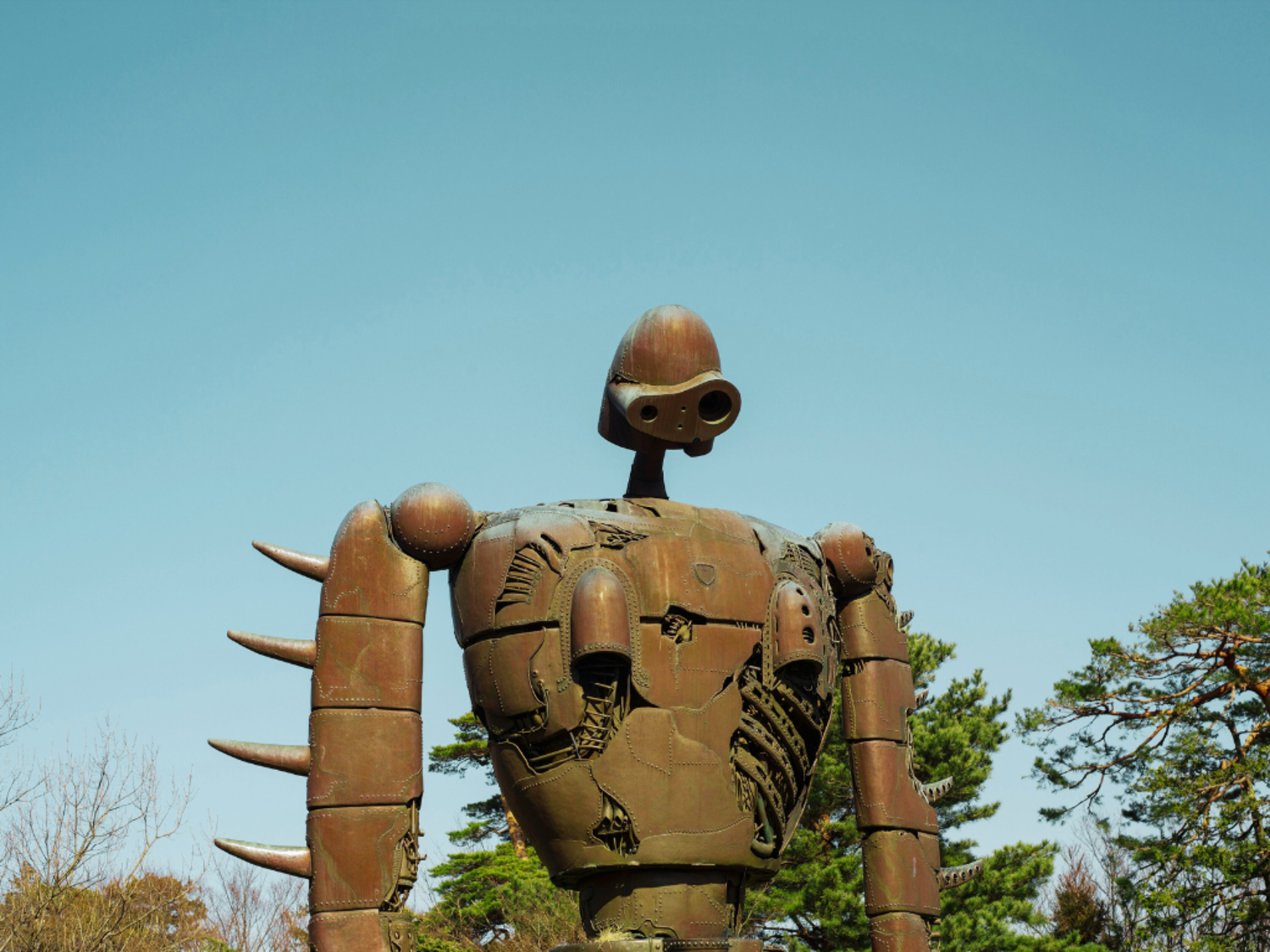
The Ghibli Museum is not a conventional art museum, but it is one of Tokyo’s most affecting cultural experiences. Designed under the direction of Hayao Miyazaki, the museum explores animation as both craft and storytelling, with exhibits on storyboarding, movement, and the labor behind hand-drawn worlds. The building itself feels like stepping into a Studio Ghibli film—playful, slightly surreal, and rich in detail.
Located in Mitaka, the museum is open from 10:00 to 18:00, with timed-entry tickets that must be reserved in advance.
How to visit Tokyo’s museums
Tokyo’s art institutions reward a slower, more intentional approach. Group museums by neighborhood, take advantage of late opening hours where possible, and allow time for the spaces themselves to work on you, whether that’s a garden path, a concrete corridor, or a digital landscape without edges. This is a city where art is not just displayed but designed into experience, and the more curious you are, the more Tokyo gives back.