
Informative and fun!
Bologna Tours
Expert-led Bologna walking tours that turn medieval towers and culinary traditions into meaningful discoveries
Let Your Curiosity Shape Your Journey
Join passionate experts on intimate walking tours that reveal a city's unique stories, spark conversations, and leave you seeing the world—and yourself—a little differently.
Experts, not guides
Explore with 1,200+ Experts, from historians and architects to chefs and archaeologists.
Crafted for conversation
With fewer than 12 guests, engage your Expert through questions and immerse fully.
Structured, never scripted
Your interests guide your Expert, leading to stories and perspectives that matter to you.
Curious or connoisseur
First-time visitor or seasoned explorer, our tours span city highlights to deep-dives.
Bologna, Seen with Context
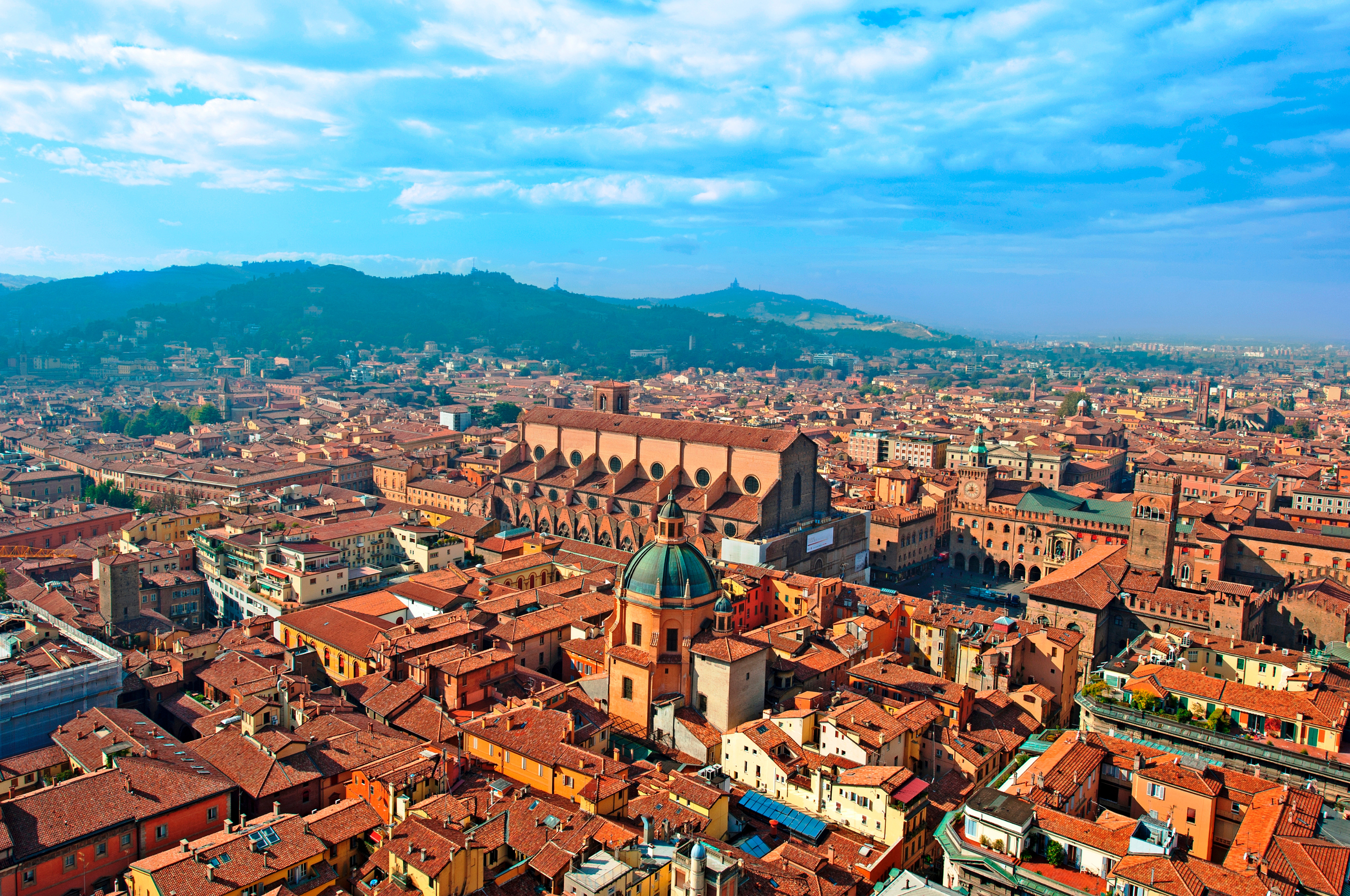
Bologna isn’t just pasta and porticoed streets. Walk with an expert to explore how scholars, merchants, and culinary traditions shaped the city.
.jpg)
See more Italy
Add more Italy to your itinerary
Hear from our customers
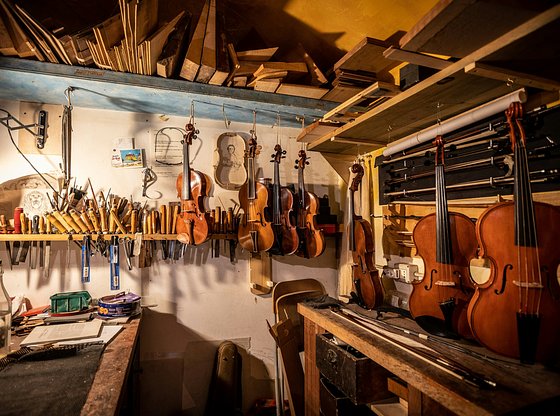
Any guide can take a visitor to a museum. Barbara Eletta is a trained musician who took our 14 y/o grandson, who despite his age, is already an accomplished French horn performer. She seemed to delight in showing him the ancient instruments, the scores, and how music theory was essential to the progressive development of musical instruments. He talked about this tour throughout our entire trip All of us also enjoyed the experience of observing the traditional production of a handmade violin in the workshop of a local artisan. This was not a tour. This was an experience. I was concerned about booking this tour because of its nature and expense. We were delighted that we chose to do so.
Seems to be an issue. The title above is "How was "Custom & Multi-Day Tour of Bologna" but the guide listed is Stefania, which was our Ferrara guide. So I am not sure which review this is for.
Bologna Tours
Bologna is famous for food, but its story begins long before the first plate of tortellini reaches the table.
Medieval towers rise above streets lined with porticoes, Europe’s oldest university still shapes the rhythm of the city, and markets, churches, civic buildings, and workshops reveal centuries of scholarship, commerce, craftsmanship, and political rivalry.
Context’s Bologna tours explore those connections with local Experts in history, food, art, music, and culture. Walk through the historic center to understand how Bologna developed as a center of learning and civic power, taste the products behind Emilia-Romagna’s culinary reputation, or explore the city through musical traditions and artisan craft.
Rather than treating food, architecture, and history as separate attractions, our tours show how they grew from the same city.
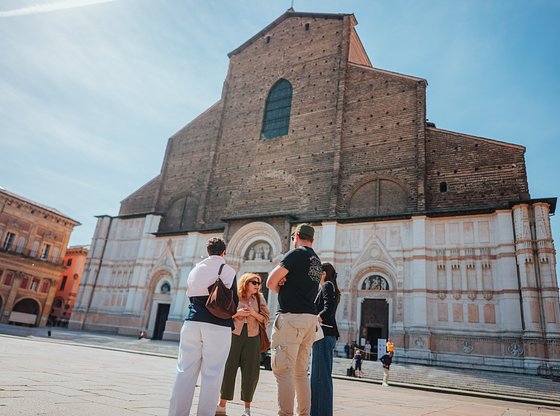
For a first visit, begin with a tour of Bologna’s historic center. Piazza Maggiore, the medieval street plan, university buildings, porticoes, and towers provide a useful framework for understanding the city before you explore particular interests in greater depth.
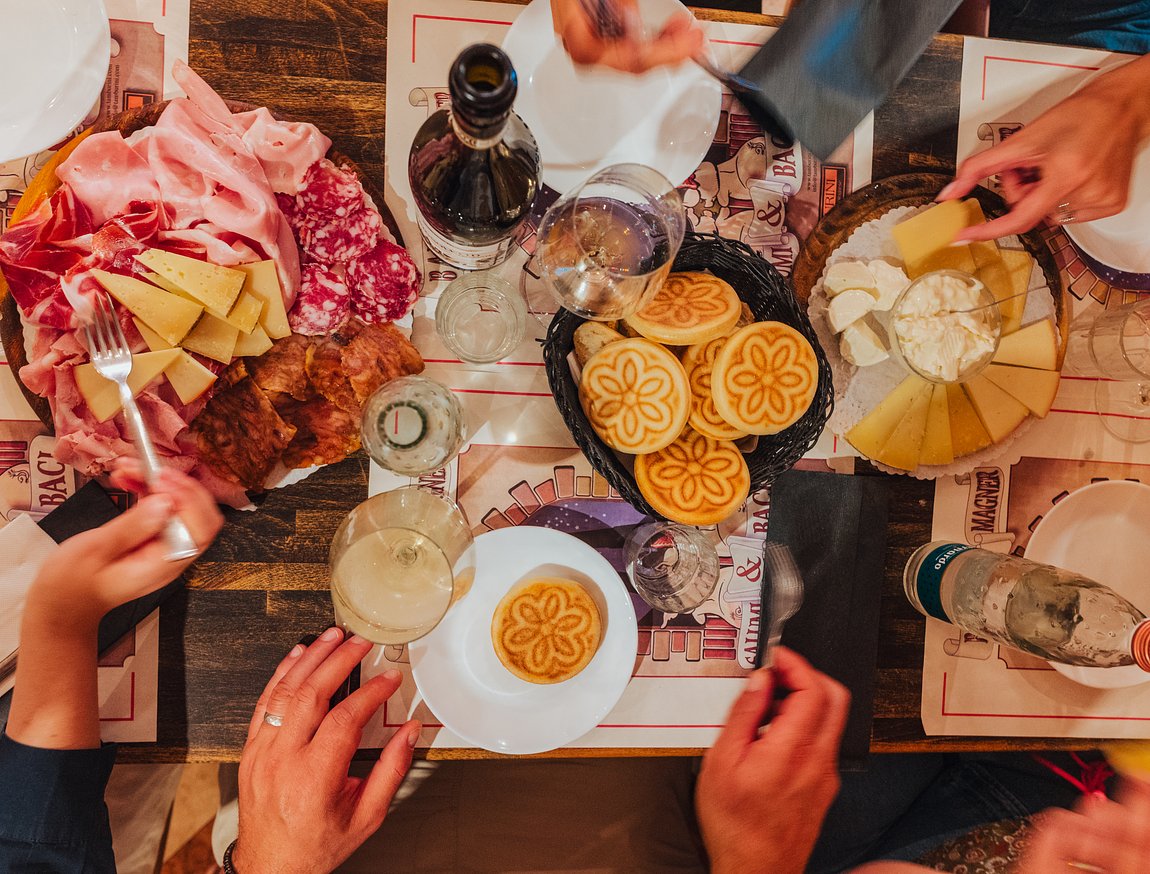
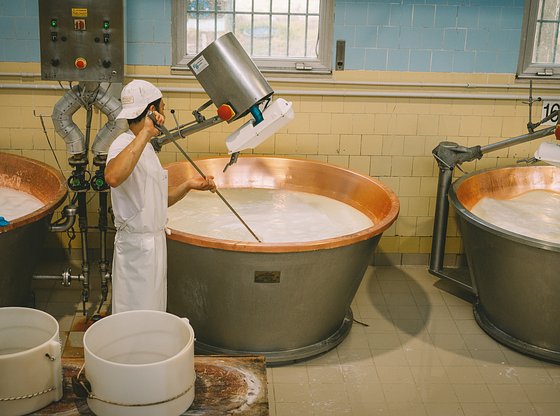
Travelers drawn to food can explore Bologna’s markets, family-run shops, protected regional products, and the traditions behind dishes such as tagliatelle al ragù, tortellini, and mortadella.
For a broader experience, Bologna in a Day connects the city’s civic history with its food culture, while travelers interested in music can explore Bologna’s workshops and musical heritage with a specialist Expert. Context also offers day trips from Bologna to Ravenna and into Emilia-Romagna’s food-producing countryside.
A private Bologna tour gives your group dedicated time with a local Expert and space to follow the questions that interest you most.
A medieval palace might lead into the politics of the city’s communes; a university building into the development of European scholarship; or a market stall into the agricultural and culinary traditions of Emilia-Romagna.
Because the experience is private, the pace and depth can adapt naturally to your group rather than following a fixed commentary.
Discover Bologna on Foot
Bologna’s compact historic center makes it particularly rewarding to explore on foot.
A Bologna walking tour allows you to move beneath the city’s famous porticoes while connecting Piazza Maggiore, university streets, medieval towers, markets, churches, and civic buildings in a coherent route.
Walking also turns the city’s architecture into part of the story. Bologna’s porticoes developed over centuries as the city expanded and remain one of its defining features today. The historic porticoes are recognized by UNESCO, while their scale and continuity make Bologna unlike almost any other Italian city.
With an Expert connecting those details, the streets become evidence of how Bologna grew rather than simply a backdrop between landmarks.
Understand Bologna as a Medieval City
Bologna became one of medieval Europe’s most important centers of learning, commerce, and civic life.
Powerful families competed for influence, merchants built wealth through regional trade, and communal institutions shaped the development of the city. Bologna’s surviving towers are among the most visible traces of that world; the city once contained many more than the few that dominate the skyline today.
Understanding that history helps explain Bologna’s dense streets, public squares, civic buildings, and unusually strong tradition of local government and identity.
Europe’s Oldest University
The University of Bologna, traditionally founded in 1088, became one of Europe’s most influential centers of higher learning.
Students and scholars arrived from across Europe to study fields such as law, philosophy, medicine, and theology, helping transform Bologna into an international intellectual center.
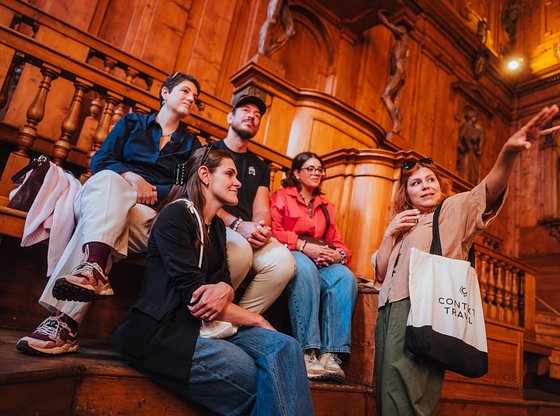
That academic tradition left physical traces throughout the historic city. Buildings associated with university life, former lecture spaces, libraries, and streets historically inhabited by students all provide a way to understand how scholarship shaped Bologna socially as well as intellectually.
Bologna Through Its Porticoes
Few architectural features define a city as completely as Bologna’s porticoes.
They developed as buildings expanded over public streets, providing additional space above while creating sheltered pedestrian routes below. Over centuries, they became embedded in the city’s architecture and everyday life.
Today, Bologna’s porticoes extend across the city and form one of its most recognizable characteristics.
Looking closely at them reveals more than an unusual architectural solution. Their materials, scale, and changing styles show how Bologna adapted to population growth while preserving an intensely walkable urban environment.
Food as Bologna History
Bologna’s reputation as one of Italy’s great food cities is inseparable from the agricultural landscape of Emilia-Romagna.
Pasta traditions, cured meats, cheeses, and other regional products developed through the relationship between rural production and urban markets. Foods such as tortellini, mortadella, and tagliatelle al ragù are therefore not simply local specialties; they reflect centuries of craftsmanship, trade, household knowledge, and regional identity.
On a food-focused tour, markets and shops become a way to understand how Bologna eats and why particular foods became associated with the city.
Explore Emilia-Romagna from Bologna
Bologna also provides a natural base for understanding the wider Emilia-Romagna region.
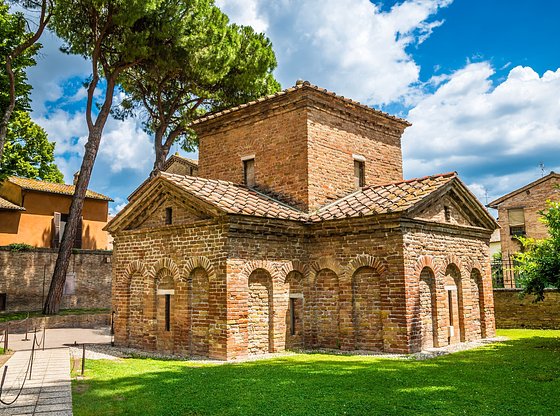
Context currently offers an Emilia-Romagna Food Tour from Bologna, exploring the protected products and producers behind the region’s culinary traditions, as well as a Ravenna Day Trip from Bologna focused on the city’s UNESCO-listed mosaics and the transition from Roman to Byzantine culture.
These experiences broaden the story beyond Bologna itself, connecting the city to the agricultural, artistic, and historical landscapes around it.
Why Explore Bologna with Context?
Context’s Bologna tours are led by local Experts whose backgrounds may include history, food, music, art, and other fields relevant to the city. The current portfolio ranges from city history and food to musical heritage and regional excursions.
Their role is not simply to identify landmarks or recommend what to eat. They help explain why Bologna became a center of scholarship, how medieval politics shaped its streets, why its porticoes developed, and how the surrounding region produced one of Italy’s most influential food cultures.
The aim is to leave Bologna not only knowing what you saw and tasted, but understanding how it all fits together.
Bologna is compact and highly walkable, making it an excellent city for guided walking tours. Many major landmarks, including Piazza Maggiore, the Two Towers, and the Archiginnasio, are located within the historic center and easily reached on foot.
Most travelers spend two to three days in Bologna, allowing time to explore the city and enjoy its food culture. Bologna also serves as a convenient base for visiting nearby destinations in Emilia-Romagna.
Italian is the primary language spoken in Bologna, though English is widely understood in tourism and cultural institutions. Italy uses the euro (€) as its currency.
What are the best tours to take in Bologna?
For a first visit, a Bologna city or walking tour provides the clearest introduction to the historic center, medieval towers, porticoes, university history, and civic traditions. Travelers particularly interested in food can add a market and food tour, while a full-day experience combines Bologna’s history with its culinary culture.
Is Bologna a good city for a walking tour?
Yes. Bologna’s historic center is compact and largely flat, with many major sites within easy walking distance. Its extensive porticoes also provide shelter from sun and rain along many routes.
What is Bologna best known for?
Bologna is known for its medieval towers, extensive porticoes, historic university, and influential food traditions. The city is also the capital of Emilia-Romagna, a region closely associated with many of Italy’s best-known culinary products.
Is Bologna worth visiting?
Yes. Bologna combines major medieval and academic history with a strong contemporary local culture and one of Italy’s most celebrated food traditions. Its compact center also makes it relatively easy to explore without rushing.
How many days do you need in Bologna?
Two to three days gives many first-time visitors enough time to explore the historic center, experience Bologna’s food culture, and pursue at least one specialist interest. The current city page also recommends roughly two to three days.
Is Bologna walkable?
Yes. Bologna’s historic center is compact, and many major landmarks can be reached on foot. Its network of porticoes makes walking an especially important part of experiencing the city.
What food is Bologna famous for?
Bologna is particularly associated with tagliatelle al ragù, tortellini, mortadella, and the wider culinary traditions of Emilia-Romagna.
Can you take day trips from Bologna?
Yes. Bologna’s location makes it a useful base for exploring Emilia-Romagna. Context currently offers day trips to Ravenna and a regional food experience focused on Emilia-Romagna’s protected culinary traditions.
Is Bologna a good base for Emilia-Romagna?
Yes. Bologna is centrally located within Emilia-Romagna and provides rail and road connections to many of the region’s historic cities and food-producing areas. Context’s current portfolio also uses Bologna as the starting point for both Ravenna and regional culinary excursions.