Kate’s love of history shone through. Her extensive knowledge was shared with such effortless fluidity, that you can tell the stories have become a part of who she is. Kate was warm, inviting, friendly, and a quick sense of humor. I would both highly recommend both this tour, and having Kate as your guide.
%20-%202026-08-25T085917.538.png)
Sites & Insights: Edinburgh City Tour
Follow the Royal Mile into Edinburgh’s layered Old Town
Explore Edinburgh’s Old Town through the routes, rivalries, and reformers that shaped Scotland’s capital and its national story.
Tour Highlights
- Understand the Old Town Turn key landmarks into a clear story of how Scotland’s capital evolved over time.
- Follow the Royal Mile Explore the route where royal authority, civic life, and public memory meet.
- Place the castle in context Understand why the castle still shapes Edinburgh’s authority and identity today.
- Ask richer questions Use your Expert’s insight to place local stories within British and European history.
- Notice everyday details Spot street-level clues that show how belief and authority shaped daily life.
- Explore in an intimate setting Enjoy space for deeper conversation, careful pacing, and thoughtful follow-up questions.
Led by Experts, Shaped by You
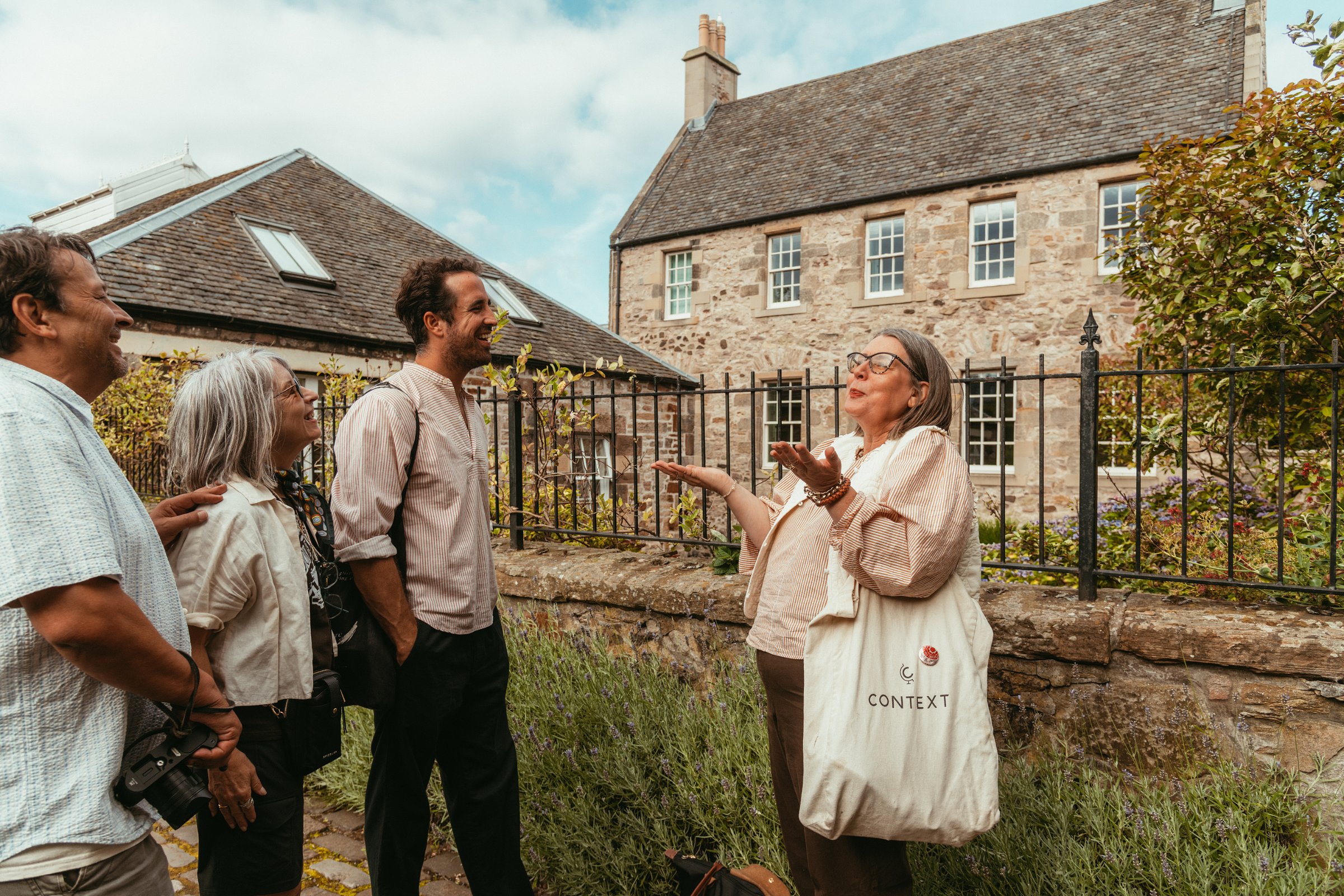
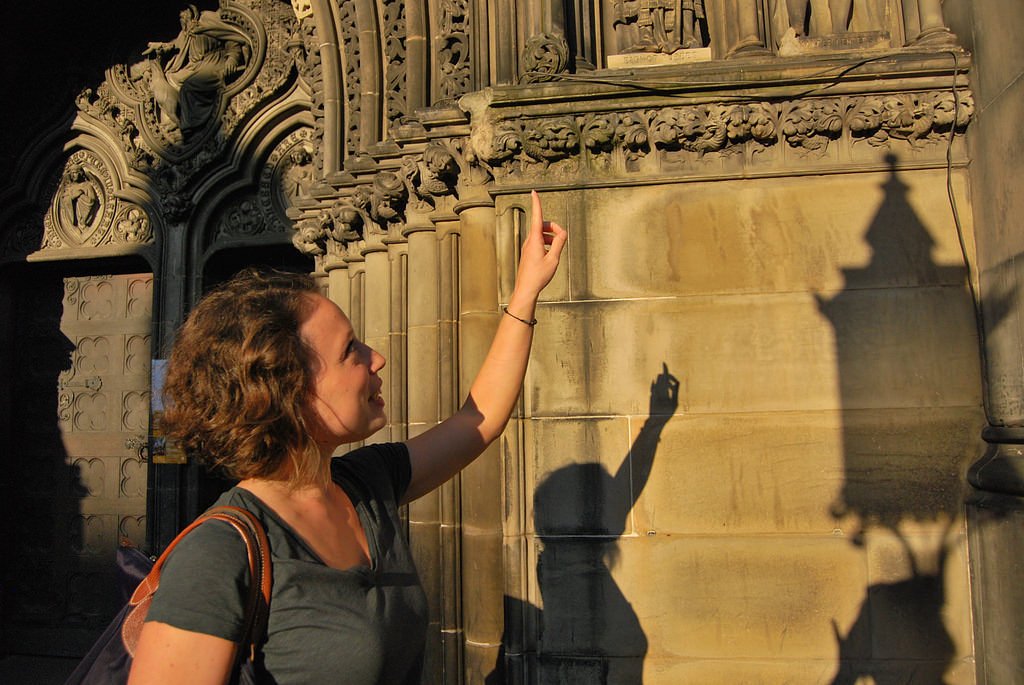
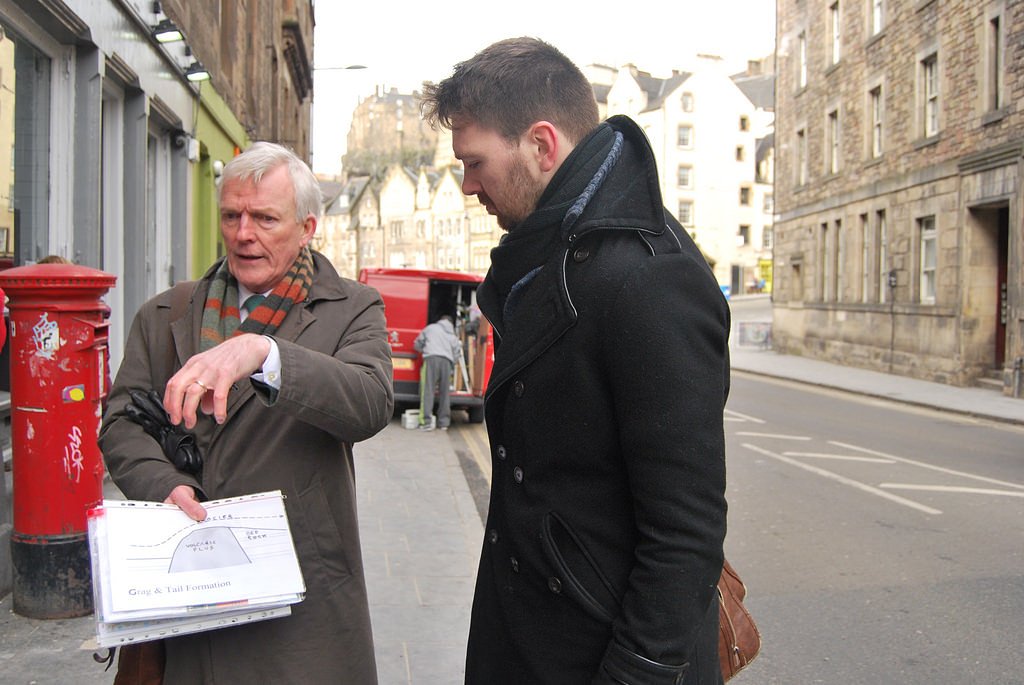
Explore with an expert guide who responds to your questions, your interests, and your pace. Reveal layers of meaning most visitors miss—go from seeing to understanding.
%20-%202026-08-25T085917.538.png)
The Finer Details
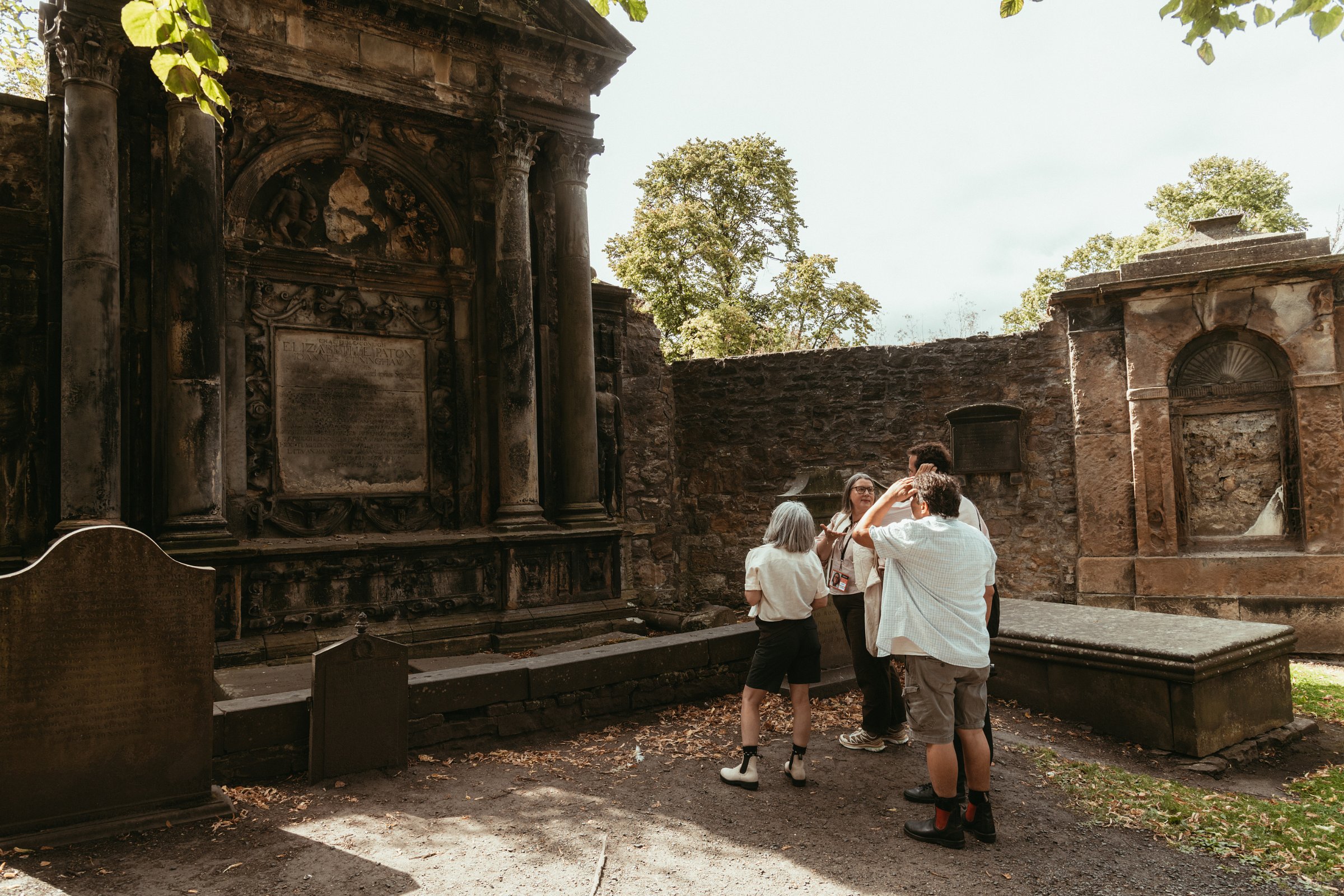
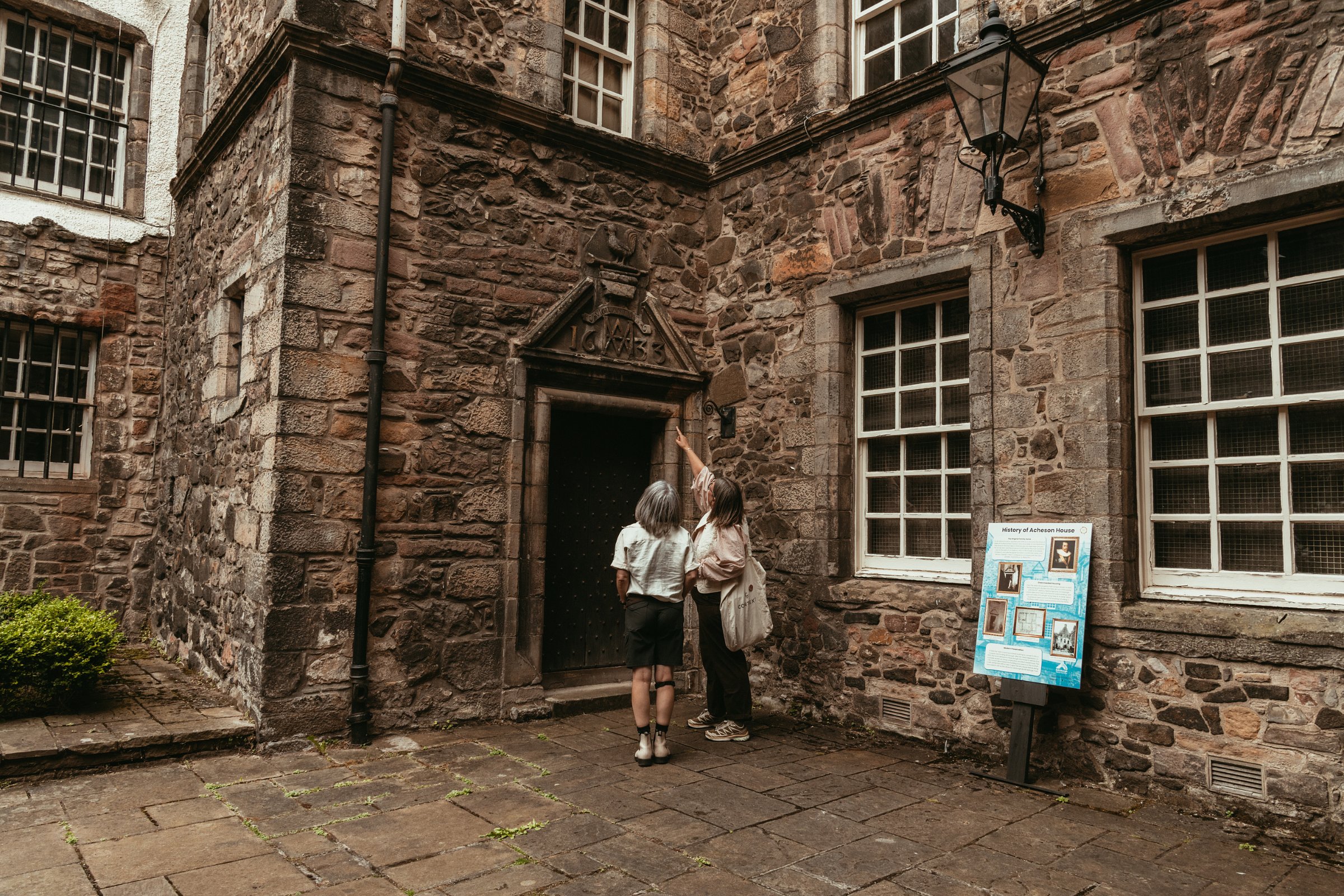
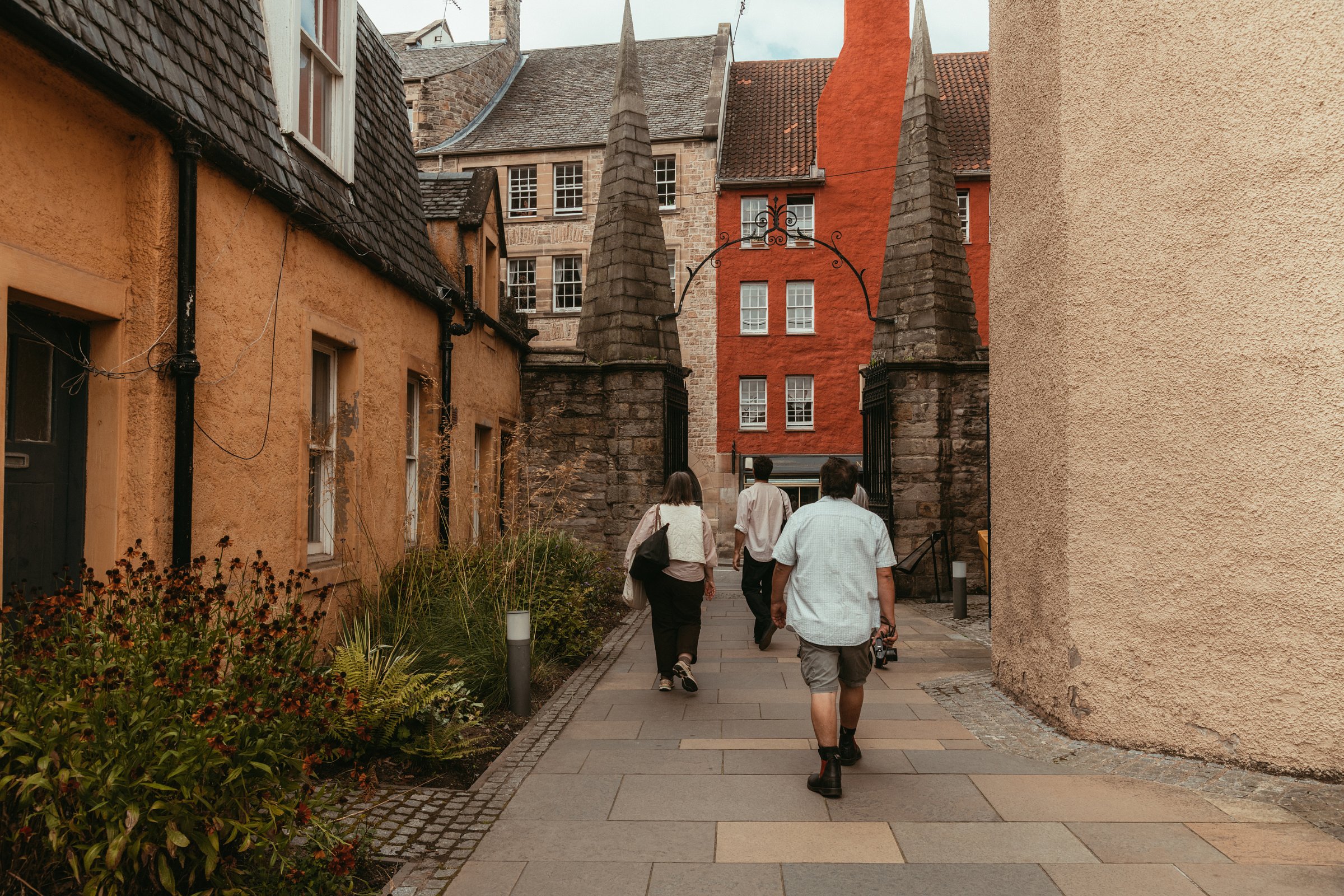
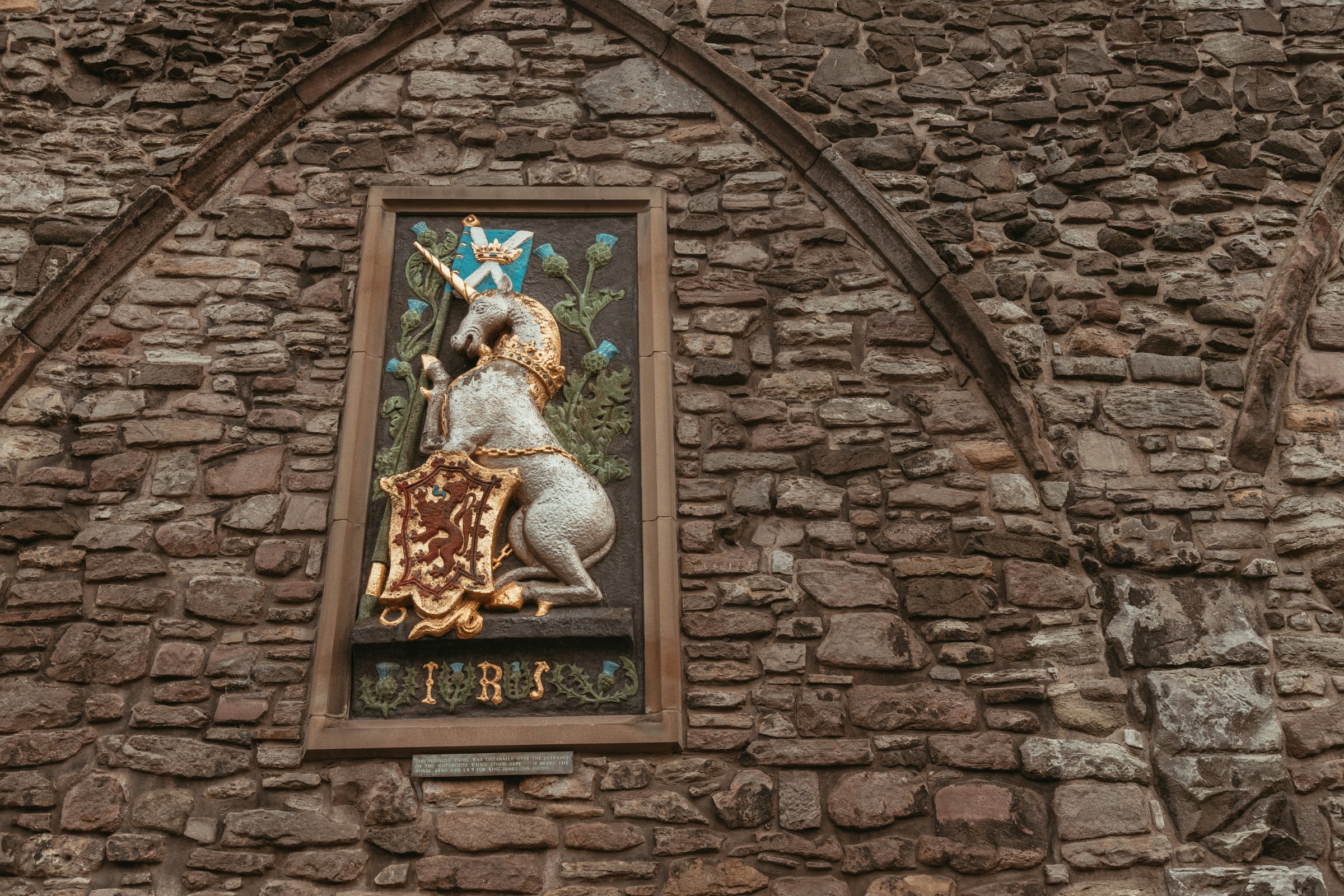
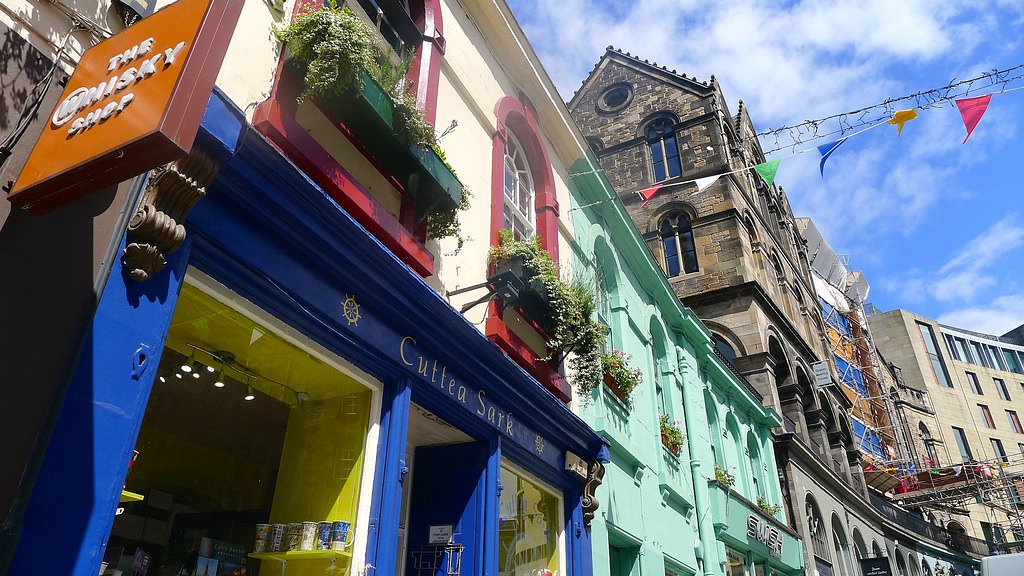
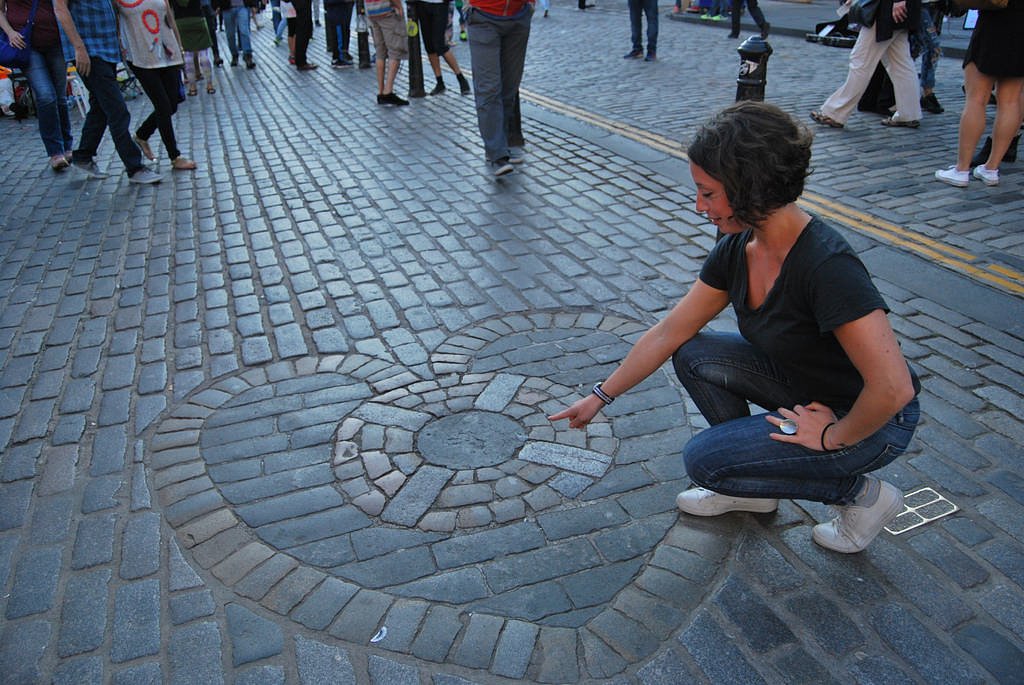
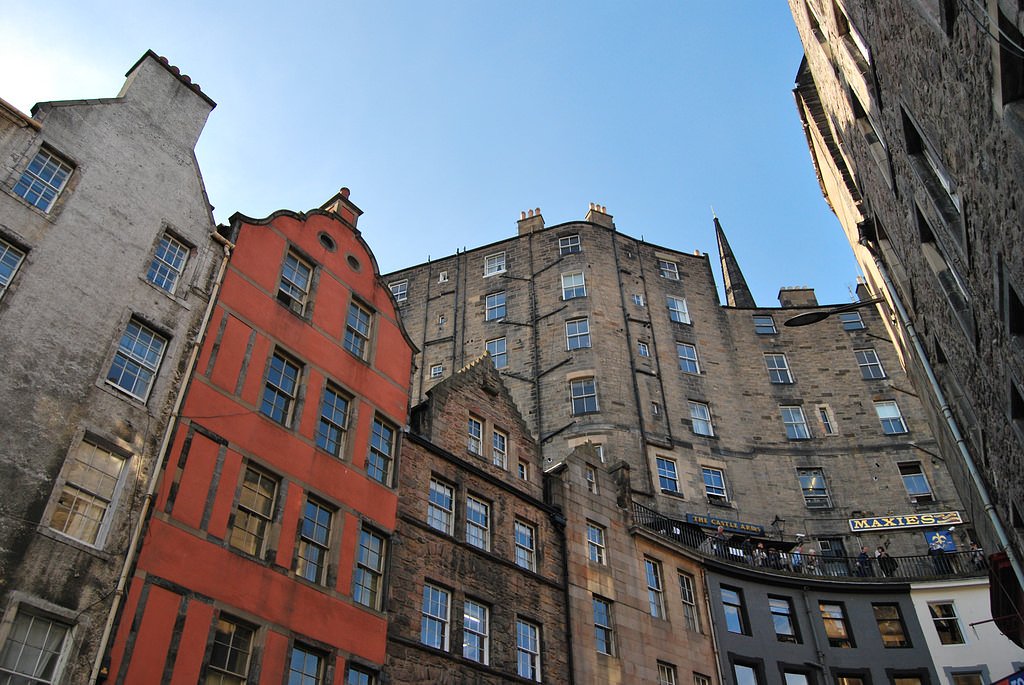
Edinburgh’s Old Town rises along a single dramatic ridge, with power at one end and palace life at the other. On this city tour, your Context Expert helps you follow that spine from the Palace of Holyroodhouse toward Edinburgh Castle, reading the wynds, closes, kirks, and cobblestones as clues to Scotland’s larger story. Along the way, royal ambition, religious upheaval, and everyday life begin to feel inseparable from the city’s steep streets.
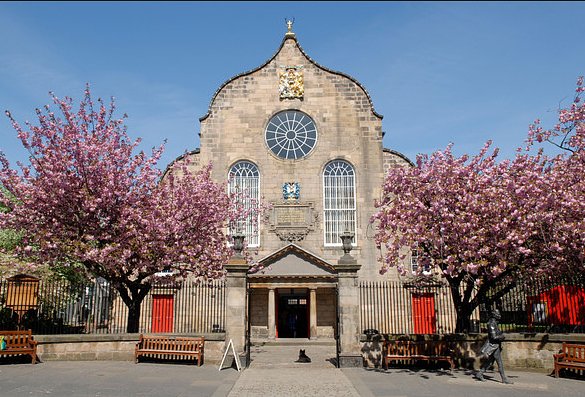
In the Canongate, civic and spiritual history sit close enough to speak to one another. Canongate Kirk brings religious life into view, while Canongate Tolbooth points to the administrative heart of the old burgh. Edinburgh Castle, previously serving as a fortress, royal stronghold, and national symbol, adds another way to tap into the heart of the city’s history.
Mary, Queen of Scots, and Bonnie Prince Charlie enter the walk as political actors, not distant portraits. Their stories bring the city’s stones into sharper focus, connecting dynastic ambition, religious conflict, exile, and rebellion to the streets you’re walking. In Edinburgh, these figures do not sit quietly in the past; they help explain how Scotland imagined power, loyalty, and identity.
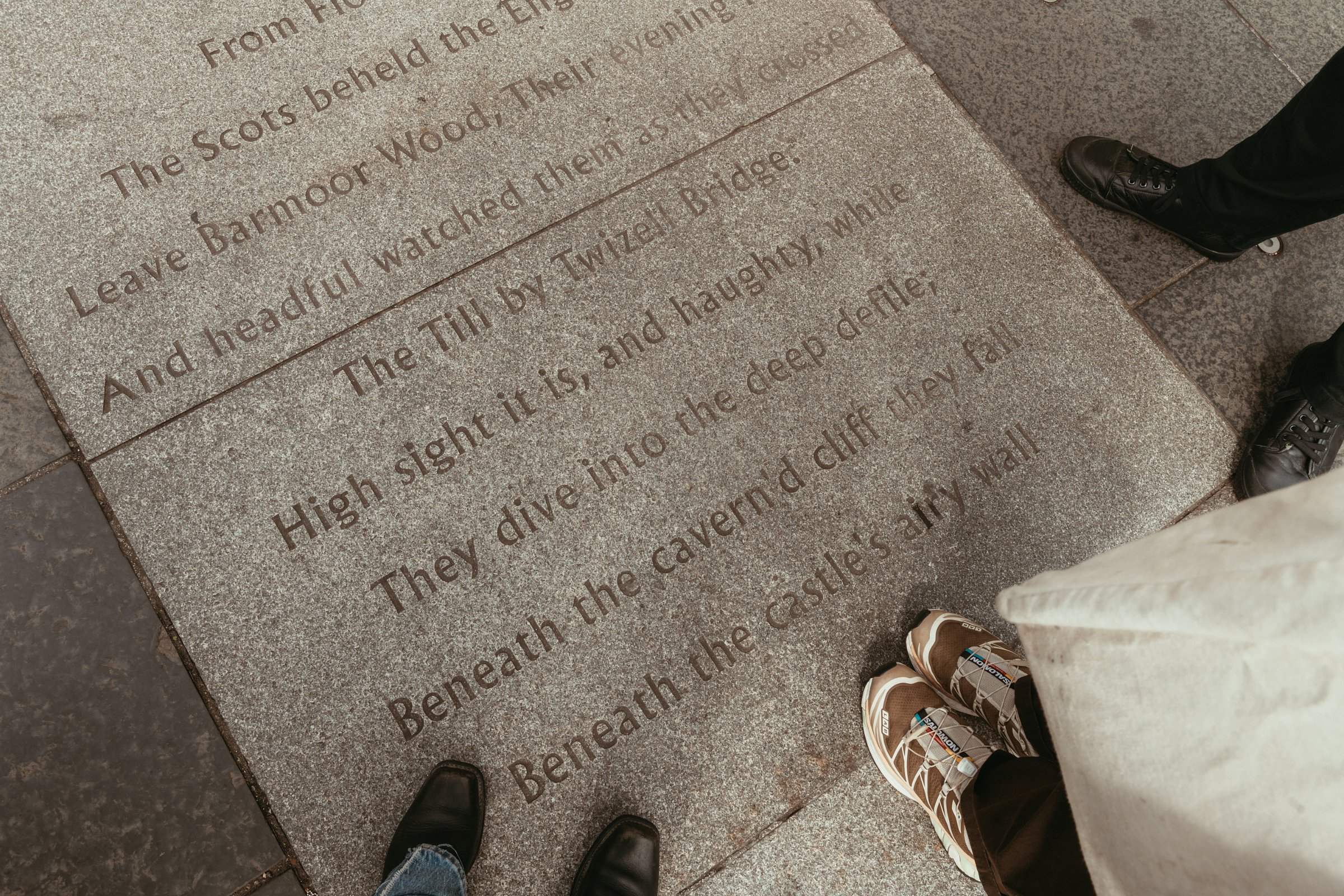
At the Flodden Wall and the Netherbow Port, Edinburgh’s boundaries become easier to understand. Your Expert connects local fortifications with wider struggles across Scotland, turning histories of defense, trade, and conflict into something visible in the city’s layout.
Pay a visit to the home of John Knox and bring the Protestant Reformation into sharper focus. Here, theology, monarchy, and reform, shift the map of Europe. How did one compact city hold so much of Scotland’s debate with itself?
This is an introduction to Edinburgh with depth, shaped by your questions as much as key landmarks. Slow down, connect the dots, and discuss the figures, conflicts, and social shifts that mattered most to the city’s evolution. Leave with a working framework for Edinburgh, one that makes its streets, stories, and politics easier to understand long after the walk ends.
Meet the Experts



















Where You’ll Go
From iconic landmarks to tucked-away local favorites, these are the places you’ll explore and experience firsthand with your Expert.
-
Holyrood Palace
-
High Kirk of St Giles
-
Greyfriars Tolbooth and Highland Kirk
What’s Included As Standard
Here’s a look at what your tour covers, plus anything you’ll want to consider arranging separately, so you can plan with confidence.
Included
-
English-speaking expert guideTours led in English, offering you unbroken understanding throughout.
-
Intentionally sized groupsA smaller group means more time for conversations and questions.
-
Tickets and entrance feesAll entry tickets included (unless clearly stated otherwise).
-
HeadsetsHeadsets are included on tours that need them, so every word can be heard.
Not Included
-
GratuitiesTips aren’t included, but we encourage tipping as a way to thank your guide after your experience.
-
Food and drinkUnless booking a Food & Drink tour or tasting experience, refreshments are not included.
-
Transportation to and from the meeting pointUnless noted, pre- and post-tour transport isn’t included - this service can be added by request.
-
Hotel pickup or drop-offUnless noted, travel to or from accommodation isn’t included - this service can be added by request.
Where You'll Explore
Make the Most of Your Tour
Some helpful advice for getting the most from your experience, from practical prep to small on-the-day tips.
Dos:
- Wear comfortable footwear
- Check the weather and dress appropriately
- Bring a bottle of water (no glass)
- Feel free to ask your Expert anything
Don'ts:
- Bring firearms or weapons
- Bring sharp objects (e.g. knives, swiss army knives, switchblades, hiking sticks)
- Dress inappropriately to enter religious sites or sacred monuments
Any questions? You can always
contact us.
Frequently Asked Questions
If you're traveling as a family, we suggest our Edinburgh Tour for Kids with the Museum of Scotland. All participants on our small group tours must be at least 13 years old.
The tour covers 1-2 miles at a relaxed pace, with breaks to sit, use restrooms, and grab a drink.
No, we will view Edinburgh Castle from the outside only.
No, we will only view Holyrood Palace from the outside.
Book with confidence — see Context's flexible cancellation policy here.
Don’t just take our word for it
Terry is a really great guide. She is incredibly knowledgeable — we just scratched the surface of her deep historical knowledge. She is also a friendly, upbeat person, who bonded well with our 13 year-old granddaughter. Highly recommend.
Excellent tour by Irene!
Let Your Curiosity Shape Your Journey
Join passionate experts on intimate walking tours that reveal a city’s unique stories, spark conversations, and leave you seeing the world—and yourself—a little differently.
Structured, never scripted
Your interests guide your Expert, leading to stories and perspectives that matter to you.
Crafted for conversation
With 12 or fewer guests, ask questions, engage with your Expert, and fully immerse yourself.
Experts, not guides
Explore with 1,200+ Experts—from historians and architects to archaeologists and chefs.
Related experiences our customers also loved




Edinburgh City Tour
Edinburgh’s history is written into its streets. On this Edinburgh city tour, walk through the Old Town with a local Expert to understand how monarchy, religion, rebellion, commerce, and everyday life shaped Scotland’s capital. From the Palace of Holyroodhouse toward Edinburgh Castle, the Royal Mile becomes a timeline connecting royal power at one end with military authority at the other. Along the way, closes, kirks, former city gates, civic buildings, and surviving fragments of Edinburgh’s defenses reveal how people lived within a dense medieval city. Rather than moving from landmark to landmark, the tour helps you understand how the Old Town worked—and why its history still matters to Scotland today.
The route follows the historic spine of Edinburgh’s Old Town, connecting places associated with royal authority, religion, government, defense, and daily life.
Near the Palace of Holyroodhouse, consider the role of monarchy in Edinburgh and the political world of figures such as Mary, Queen of Scots.
In the Canongate, sites including Canongate Kirk and Canongate Tolbooth reveal how civic and religious life developed within a community that once had its own identity distinct from the city farther uphill.
Continue along the Royal Mile toward places associated with the Scottish Reformation, including the John Knox House, before examining the remains and former locations of Edinburgh’s defensive boundaries at the Flodden Wall and Netherbow Port.
The route ultimately connects these stories with Edinburgh Castle, whose position above the city reflects centuries of military, royal, and national importance.
The Royal Mile is more than Edinburgh’s most famous street.
Running between Holyroodhouse and Edinburgh Castle, it developed as the central artery of the medieval city. Royal residences, religious institutions, markets, workshops, homes, and civic buildings all competed for space along and around it.
Narrow closes and wynds led away from the main street into densely populated areas where Edinburgh’s residents lived and worked.
Walking this route with a historian makes the Old Town easier to understand as a functioning city rather than simply a collection of historic buildings.
Monarchy shaped Edinburgh physically as well as politically.
The Palace of Holyroodhouse and Edinburgh Castle represent different expressions of royal authority, while the streets between them became settings for ceremonies, political conflicts, religious change, and rebellion.
Figures such as Mary, Queen of Scots and Bonnie Prince Charlie help bring those struggles into focus. Their stories connect dynastic ambition, competing claims to power, religious division, exile, and the relationship between Scotland and England.
Seeing the places associated with these events makes the political history of Scotland feel less abstract.
Religion transformed Edinburgh in the sixteenth century.
The Scottish Reformation challenged Catholic institutions and reshaped worship, political alliances, and the relationship between church and monarchy. Figures such as John Knox became central to those debates.
Near places associated with Knox and the religious life of the Old Town, your Expert helps explain how theological arguments became political ones.
The Reformation did not simply change what people believed. It altered institutions, public space, education, royal authority, and Scotland’s relationship with the wider European world.
Edinburgh’s geography offered natural protection, but the city also built walls and gates to control access.
The Flodden Wall, constructed after Scotland’s defeat at the Battle of Flodden in 1513, enclosed much of the city and reflected fears of invasion and instability.
The Netherbow Port once served as one of Edinburgh’s principal gateways, regulating movement between the city and the Canongate beyond it.
Although much of this defensive infrastructure has disappeared, surviving traces help explain why Edinburgh developed vertically and densely within a restricted area.
The Canongate developed separately from medieval Edinburgh and retained its own civic identity for centuries.
Its position between the city and Holyroodhouse brought together royal influence, religious institutions, merchants, craftspeople, and local government.
At sites such as Canongate Kirk and Canongate Tolbooth, the story shifts away from kings and major political events toward the structures that organized everyday urban life.
Understanding the Canongate also makes the geography of the Royal Mile clearer: what feels today like one continuous historic street once connected communities with different political and civic identities.
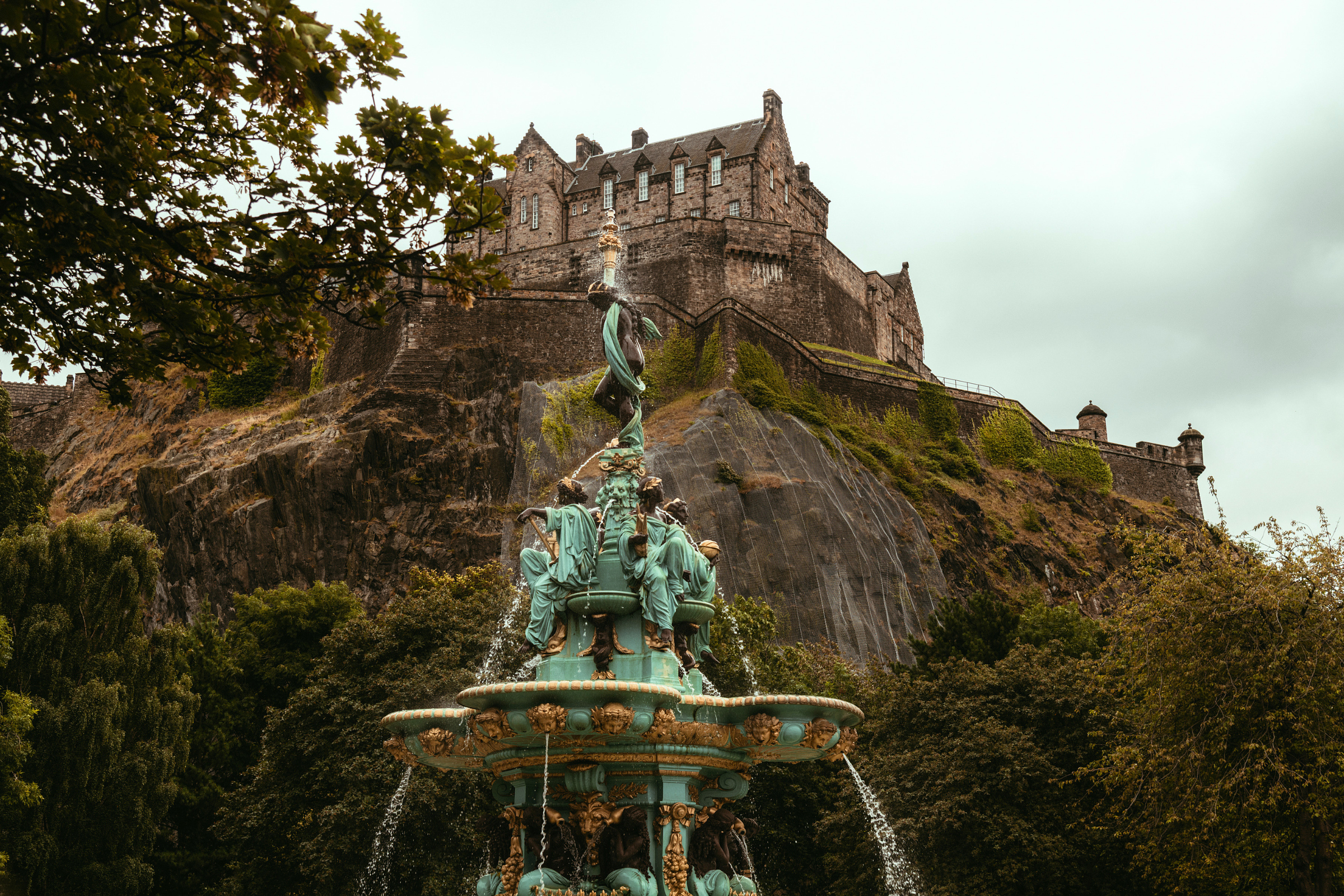
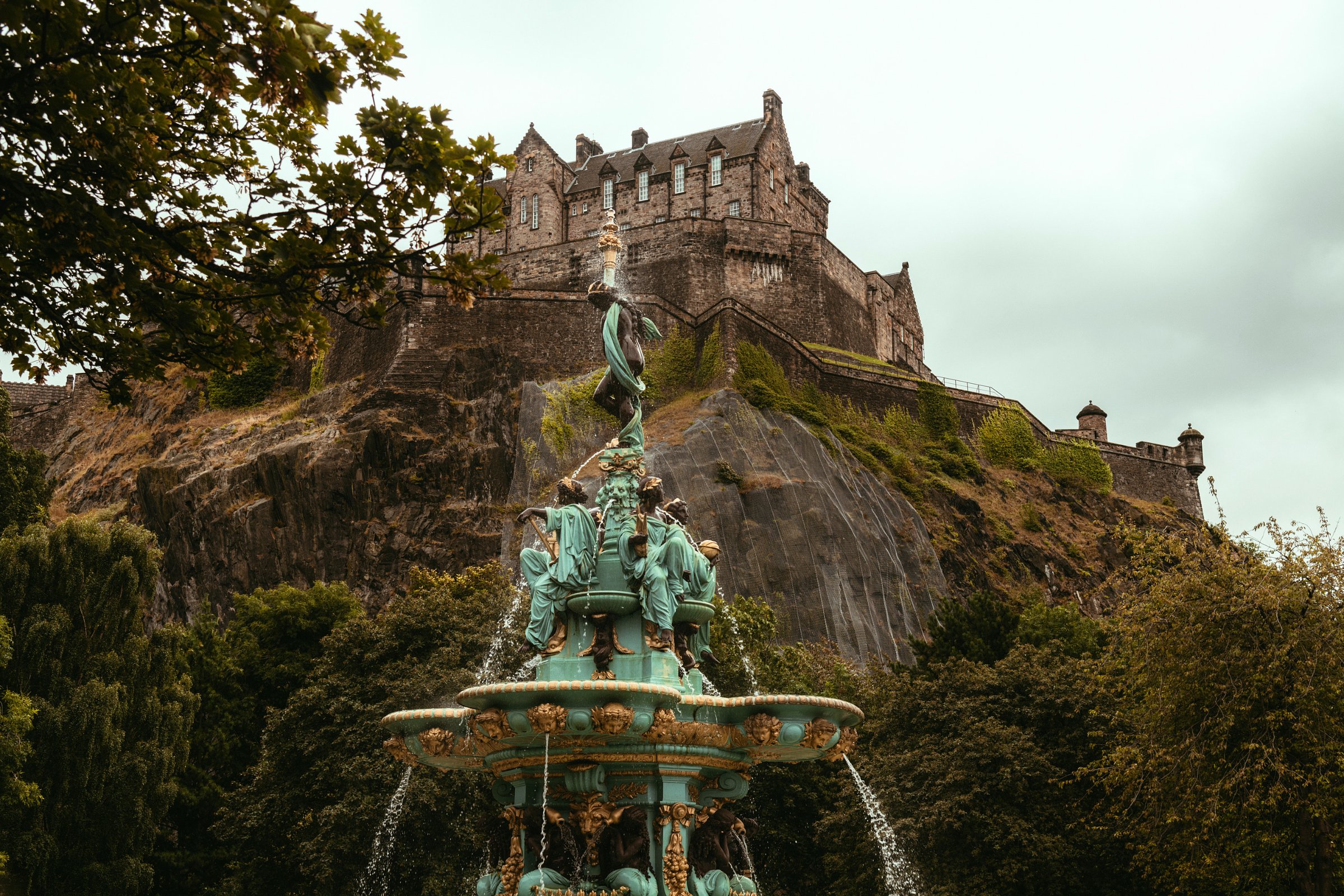
Edinburgh Castle occupies one of the most commanding positions in the city.
Built on Castle Rock, the fortress served at different times as a royal residence, military stronghold, defensive position, and symbol of Scottish national power.
Its location also helps explain Edinburgh’s physical development. The Old Town grew eastward along the ridge beneath it, forming the distinctive spine that still defines the historic center.
Even from the exterior, the Castle provides an important endpoint for understanding the relationship between geography, defense, monarchy, and urban growth.
What does the Edinburgh city tour include?
The tour explores Edinburgh’s Old Town and Royal Mile, with sites connected to the Palace of Holyroodhouse, Canongate, Scottish Reformation, Flodden Wall, Netherbow Port, John Knox, and Edinburgh Castle.
Is this an Edinburgh walking tour?
Yes. This is a walking tour through Edinburgh’s Old Town, following much of the historic route between Holyroodhouse and Edinburgh Castle.
Is Edinburgh Castle included in the tour?
Edinburgh Castle forms an important part of the tour’s historical context and route. Check the tour inclusions for the latest information on whether interior admission is part of the experience.
Is this a good tour for a first visit to Edinburgh?
Yes. The tour is designed as an introduction to Edinburgh, connecting the city’s geography with major themes in Scottish history so that other sites and neighborhoods are easier to understand afterward.
What is the Royal Mile?
The Royal Mile is the historic route connecting the Palace of Holyroodhouse with Edinburgh Castle. It passes through the heart of the Old Town and includes some of the city’s most important religious, civic, and historic sites.
How is the Old Town different from the New Town?
Edinburgh’s Old Town developed around the medieval ridge between the Castle and Holyroodhouse, producing narrow closes, dense buildings, and an irregular street pattern. The New Town was planned later and reflects a more ordered approach to Georgian urban design.
Who was John Knox?
John Knox was one of the most influential figures in the Scottish Reformation. His preaching and theological ideas helped shape the development of Protestant Scotland and its relationship with monarchy and political power.
Why was the Flodden Wall built?
The Flodden Wall was constructed after the Scottish defeat at the Battle of Flodden in 1513. It strengthened Edinburgh’s defenses and enclosed much of the medieval city during a period of political insecurity.
Is this a private Edinburgh city tour?
This tour is available as a private or small group tour.
Is Edinburgh’s Old Town walkable?
Yes. The Old Town is compact and well suited to walking, though the terrain includes hills, cobblestones, stairs, and uneven surfaces.