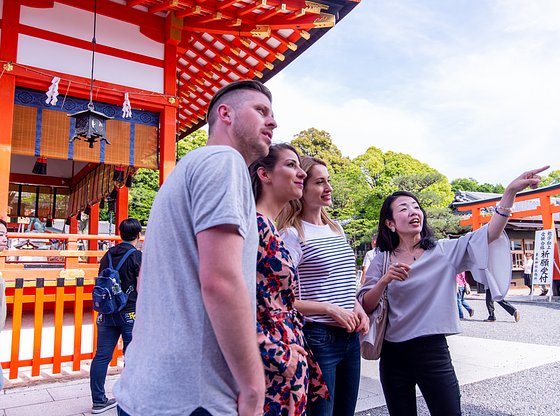
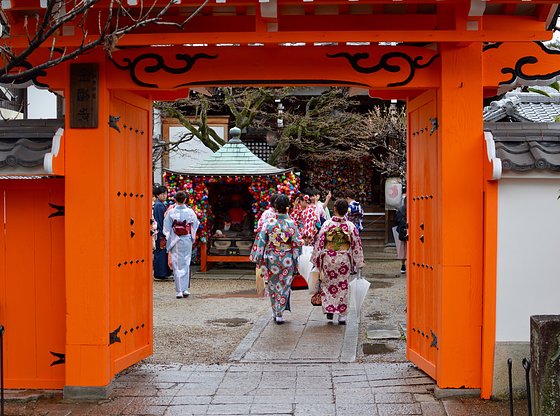
Karen was excellent. As is typical of Context, Karin was a true expert in the subject of our tour. However, she instantly read the crowd and adjusted to our level of knowledge and interest. On top of that, she had a good sense of humor and perfect English. Our entire group thought she did a great job and we would highly recommend her to others.
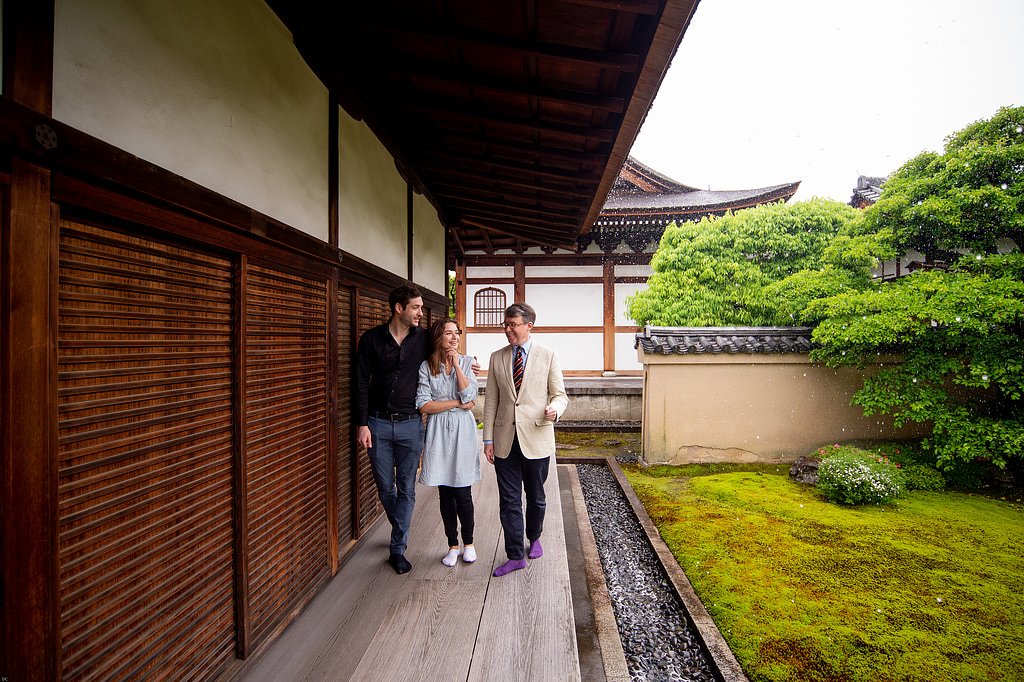
Kyoto Garden Tour: Landscapes and Meaning
Understand Japanese gardens as expressions of spiritual ideas
An introduction to Kyoto's spiritual landscape is waiting for you in the gold, stone, water, and mountain views across three distinct temple settings.
Tour Highlights
- Nature as sacred text See how natural elements, and the manipulation of them, express spiritual ideas across Kyoto.
- Go beyond the Golden Pavilion Pair Kyoto's famous temple with quieter sites that deepen the story of belief and beauty.
- Tap into Zen philosophy Let an Expert clarify dry gardens, contemplation, and the meaning behind each design.
- Compare spiritual worlds Trace how villa, Zen, and Imperial settings shape different relationships with nature.
- Ask better questions of beauty Look past visual appeal to understand how design directs attention, thought, and ritual.
Led by Experts, Shaped by You
Explore with an expert guide who responds to your questions, your interests, and your pace. Reveal layers of meaning most visitors miss—go from seeing to understanding.
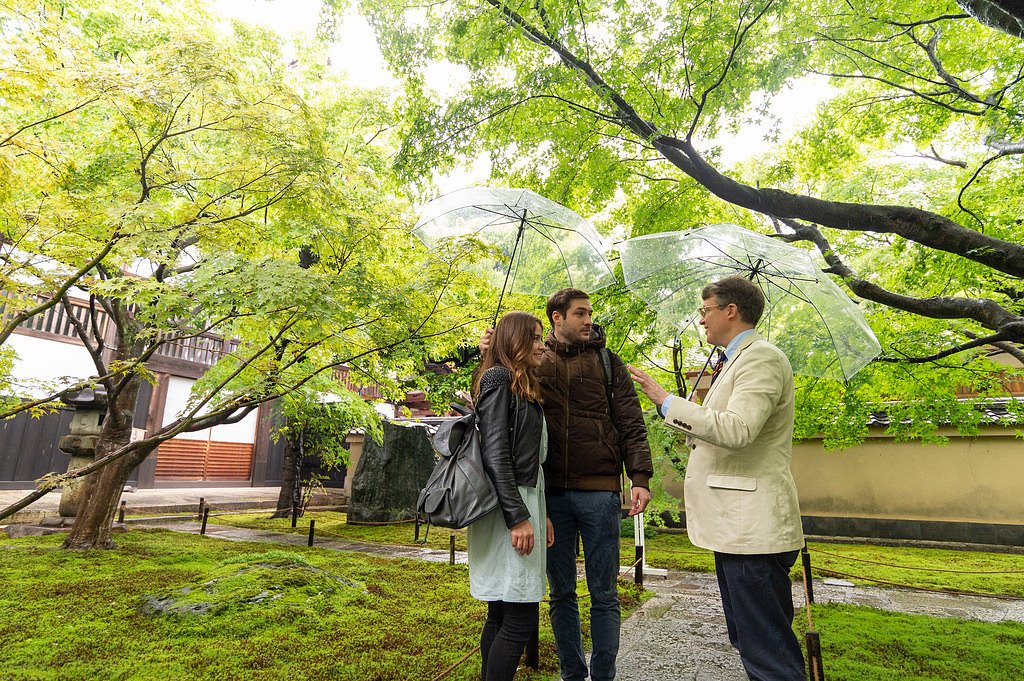
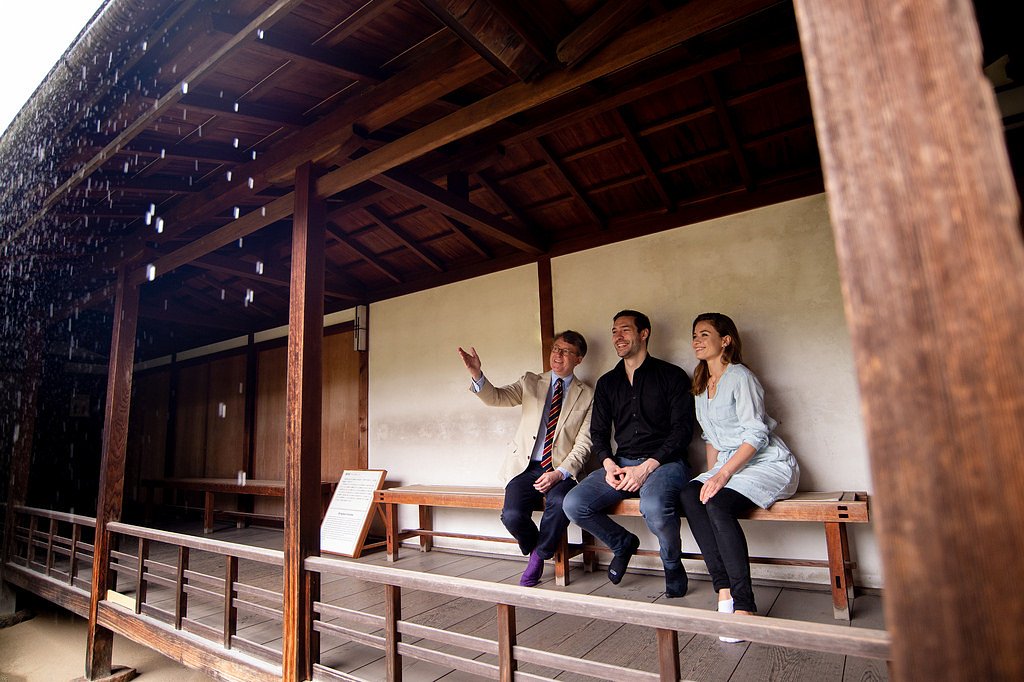
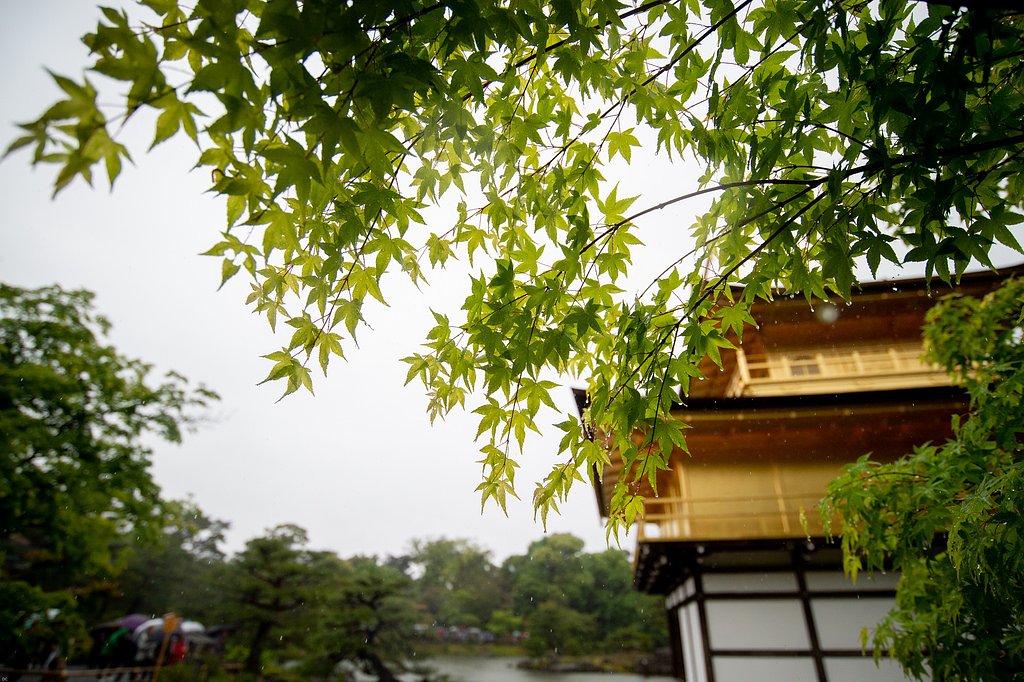
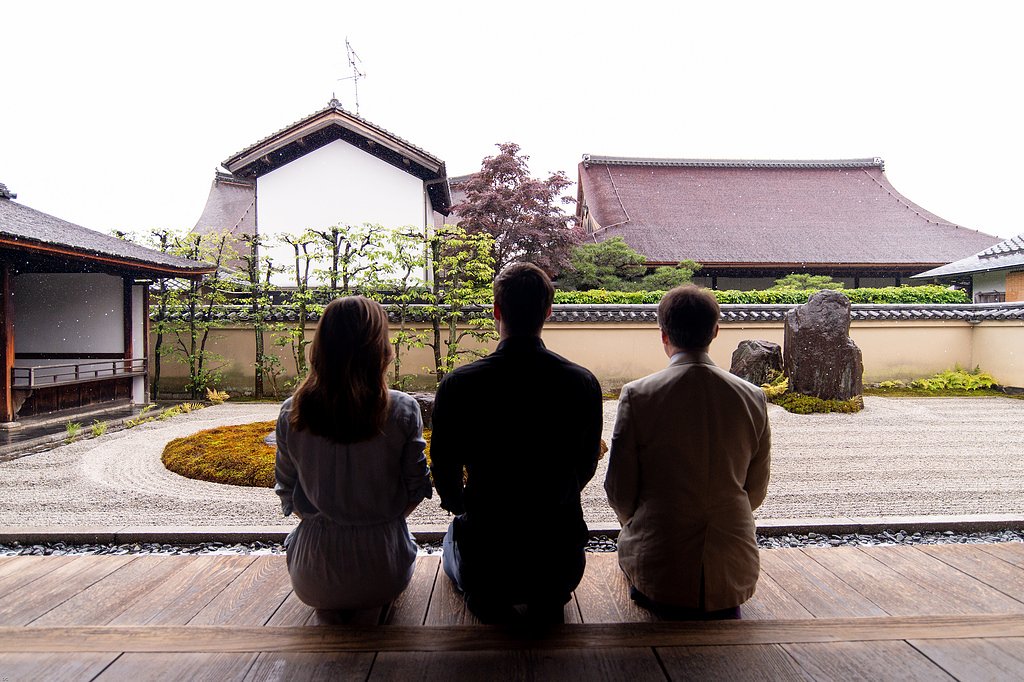
The Finer Details
A Japanese garden can look natural while revealing careful human intention. In Kyoto, stone, water, and borrowed mountain views express ideas about contemplation and the relationship between people and nature. With a Context Expert, learn to read these landscapes as spiritual arguments shaped over centuries.
Start your Kyoto garden tour at Kinkaku-ji Temple, also known as the Golden Pavilion, a 14th-century estate first shaped as shogun Ashikaga Yoshimitsu's private villa. Its lush garden opens a discussion of Muromachi design and the different roles such spaces played in contemplation and entertainment. The site's transformation from a private residence to a Buddhist temple shows how power, beauty, and belief can occupy the same landscape.
A bus ride shifts the lens from water to stone at Ryoan-ji. Its karesansui garden uses gravel and rocks to create a deliberately stylized landscape. What does this intentionally unnatural design reveal? The question opens a deeper discussion of Zen Buddhism and the spiritual purpose of design.
Compare Ryoan-ji's dry composition with the water-rich landscape at the Golden Pavilion, noting how each temple turns natural elements into a different visual language. The contrast helps separate decoration from intention and offers a clearer way to approach other temple gardens in Kyoto. Your Expert answers questions as they arise, turning unfamiliar symbolism into a conversation rather than a lecture.
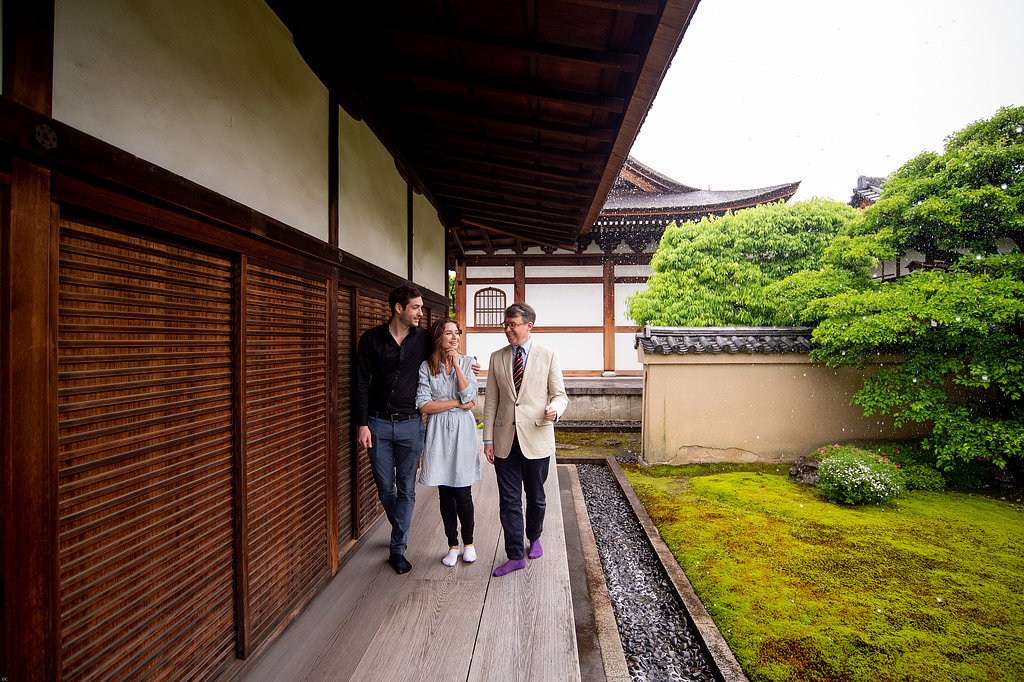
A short walk brings you to Ninna-ji, where the Muromachi gardens you've just seen meet an earlier, Imperial approach to landscape design. Covered walkways lead through the Goten, the former residence of the head priest, where painted sliding doors echo the scenery outside. Dry gardens and water features gather the day's ideas in one place, while the quieter setting allows more room to notice their spiritual and architectural relationships.
Across three temples, the route moves from a celebrated Kyoto landmark to spaces that reward slower attention. Gold, gravel, water, painted rooms, and mountain backdrops reveal how Japanese gardens mirror nature while deliberately reshaping it. Leave with a deeper understanding of how landscape design reflects wider Japanese philosophy and culture, plus a sharper eye for the spiritual ideas held in every view.
Meet the Experts













Where You’ll Go
From iconic landmarks to tucked-away local favorites, these are the places you’ll explore and experience firsthand with your Expert.
-
Golden PavilionFormer shogun's villa where gardens frame a Zen temple
-
Ryoan-ji TempleZen temple known for its dry rock garden and quiet focus
-
Ninna-ji TempleImperial-style temple with dry gardens, water, and painted rooms
What’s Included As Standard
Here’s a look at what your tour covers, plus anything you’ll want to consider arranging separately, so you can plan with confidence.
Included
-
English-speaking expert guideTours led in English, offering you unbroken understanding throughout.
-
Intentionally sized groupsA smaller group means more time for conversations and questions.
Not Included
-
Tickets and entrance feesBus tickets and temple entry fees must be paid exclusively on site.
-
GratuitiesTips aren’t included, but we encourage tipping as a way to thank your guide after your experience.
-
Food and drinkFood and drink are not included, but your expert can provide recommendations for after the tour.
-
Transportation to and from the meeting pointTransportation is not included. Pre- and/or post-transit can be added to some tours by request.
-
Hotel pickup or drop-offTravel to or from accommodation isn’t included; however, this service can be added by request.
Where You'll Explore
Make the Most of Your Tour
Some helpful advice for getting the most from your experience, from practical prep to small on-the-day tips.
Dos:
- Wear comfortable footwear
- Check the weather and dress appropriately
- Bring a bottle of water (no glass)
- Feel free to ask your Expert anything
Don'ts:
- Bring firearms or weapons
- Bring sharp objects (e.g. knives, swiss army knives, switchblades, hiking sticks)
- Dress inappropriately to enter religious sites or sacred monuments
Any questions? You can always
contact us.
Frequently Asked Questions
Book with confidence — see Context's flexible cancellation policy here.
There may be nominal site entrance costs or other fees, like bus fare, that are not included in the price of the tour. It is a good idea to have some cash on hand for these.
Some parts of the tour are not accessible to wheelchair users: Ryoan-ji stone garden is not accessible at all and only a small part of the Golden Pavilion gardens are wheelchair accessible.
Yes. Context clients generally tip anywhere from 10-25% of the purchase price of a personal service such as this, depending on the quality of the experience and their tipping habits.
Don’t just take our word for it
Eco was very kind, patient with my kids, and full of knowledge. It was a wonderful and very interesting tour.
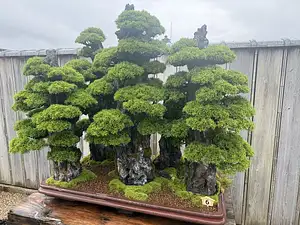
John was a great guide and took us to some amazing less-known spots, including a mind-blowing bonsai garden in Daitoku-ji.
Let Your Curiosity Shape Your Journey
Join passionate experts on intimate walking tours that reveal a city’s unique stories, spark conversations, and leave you seeing the world—and yourself—a little differently.
Structured, never scripted
Your interests guide your Expert, leading to stories and perspectives that matter to you.
Crafted for conversation
With 12 or fewer guests, ask questions, engage with your Expert, and fully immerse yourself.
Experts, not guides
Explore with 1,200+ Experts—from historians and architects to archaeologists and chefs.