

We had a great day with John touring Fushimi Inari Taisha. The hike was amazing and his knowledge about the different torri gates and the shrine was incredible. I highly recommend John for this tour in Kyoto!

21
Experiences available
Kyoto Tours
Expert-led Kyoto walking tours that turn temples, rituals, and centuries of tradition into meaningful discoveries
Let Your Curiosity Shape Your Journey
Join passionate experts on intimate walking tours that reveal a city's unique stories, spark conversations, and leave you seeing the world—and yourself—a little differently.

Crafted for conversation
With ten or fewer guests, ask questions, engage with your Expert, and fully immerse yourself.
Experts, not guides
Explore with 1,200+ Experts, from historians and architects to archaeologists and chefs.
Structured, never scripted
Your interests guide your Expert, leading to stories and perspectives that matter to you.
From curious to connoisseur
For first-time visitors or seasoned explorers, our tours span city highlights to deep-dive masterclasses.
Kyoto, Seen with Context
Kyoto isn’t just temples and tranquil gardens. Walk with an expert to discover how emperors, artisans, and centuries of ritual shaped Japan’s cultural heart.
Hear from our customers
We loved touring the Nishiki Market with Giulia. She was knowledgeable about the specific stands and history of the market. We had a wonderful time tasting many different types of cuisine and it was a great way to learn about Kyoto and the Nishiki Market. I highly recommend a tour with Giulia!
Gavin's knowledge about Gion and the Geisha community was incredible. It was fascinating learning about the Geisha district and the different areas of Gion. Gavin was an excellent guide and I highly recommend working with Gavin for a deeper dive into this culture and neighborhood.
Kyoto Private Walking Tours
Kyoto sits in the Kansai region of Japan on the island of Honshu, surrounded by mountains and rivers that have shaped its development for more than a thousand years. From 794 to 1868, Kyoto served as the imperial capital of Japan, becoming the political, religious, and cultural center of the country. During these centuries, temples, shrines, gardens, and aristocratic residences defined the city’s landscape and traditions.
Unlike many major Japanese cities, Kyoto preserved much of its historic architecture through periods of modernization and war. Today, it is home to more than a thousand temples and shrines, along with historic districts where traditional arts and cultural practices continue. Context Travel’s Kyoto walking tours are led by historians and cultural experts who help travelers understand how religion, aesthetics, and imperial tradition shaped one of Japan’s most important cities.
Kyoto is known for its temples, imperial heritage, and its role as the historic cultural heart of Japan.
Buddhist Temples and Shinto Shrines
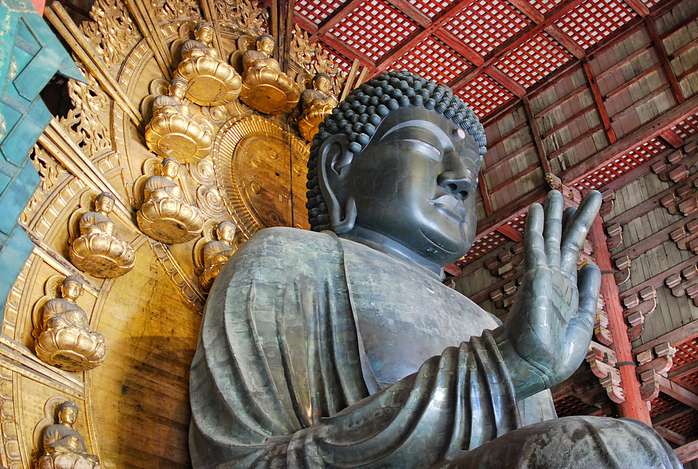
Kyoto contains more than 1,000 temples and shrines, including famous landmarks such as Kinkaku-ji (the Golden Pavilion) and Fushimi Inari Shrine.
Japan’s Former Imperial Capital
For over a millennium, Kyoto served as the seat of the Japanese emperor, shaping the country’s cultural and political traditions.
Historic Districts and Traditional Architecture
Neighborhoods such as Gion preserve wooden townhouses, tea houses, and streets that reflect Kyoto’s historical character.
Japanese Arts and Cultural Traditions
Kyoto remains a center for traditional arts such as tea ceremony, calligraphy, ceramics, and kimono craftsmanship.
Seasonal Landscapes and Gardens
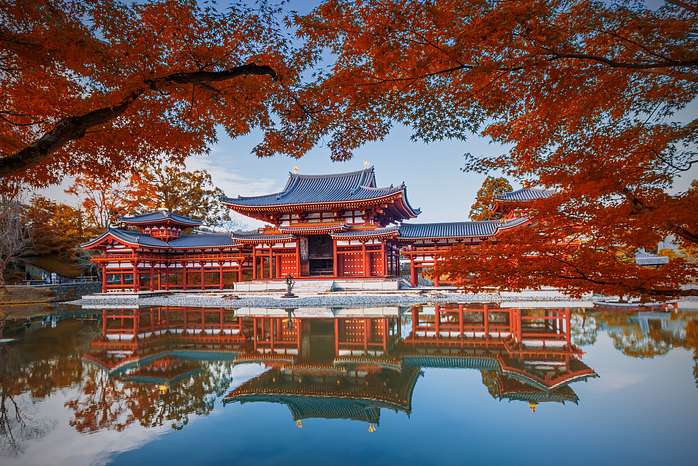
The city’s temples and gardens are renowned for seasonal beauty, especially during cherry blossom season and autumn foliage.
Kyoto appeals to travelers interested in culture, history, and traditional Japanese arts. First-time visitors benefit from expert-led introductions to the city’s temples and historic districts, helping them understand Kyoto’s role as Japan’s imperial capital. Lifelong learners are drawn to the city’s religious traditions and artistic heritage, while repeat visitors often explore gardens, neighborhoods, and culinary experiences that reveal deeper layers of Kyoto’s cultural life.
Kyoto is a large city, though many major landmarks are concentrated in historic districts and temple areas. Private walking tours are often the best way to understand the historical context behind the city’s many temples and cultural sites.
Most travelers spend two to three days exploring Kyoto’s temples, historic neighborhoods, and cultural institutions. Many visitors combine Kyoto with trips to nearby cities such as Osaka, Nara, or Kanazawa.
Japanese is the primary language spoken in Kyoto, though English is widely used in tourism areas. Japan uses the Japanese yen (¥) as its currency.
Spring and autumn are particularly popular seasons to visit Kyoto, when cherry blossoms or autumn foliage frame the city’s temples and gardens.
What is there to do in Kyoto?
Kyoto offers temple visits, traditional neighborhoods, gardens, tea ceremonies, food markets, and cultural walks focused on history and ritual.
Is Kyoto worth visiting?
Yes. Kyoto offers one of the richest cultural experiences in Japan, with historic temples, gardens, and traditional arts.
How many days should you spend in Kyoto?
Most travelers spend two to three days exploring Kyoto’s temples, historic districts, and cultural sites.
Is Kyoto walkable?
Many historic areas are walkable, though the city is large and public transportation is often helpful.
What temples is Kyoto most famous for?
Well-known temples include Kinkaku-ji (the Golden Pavilion), Kiyomizu-dera, and Fushimi Inari Shrine.
When is the best time to visit Kyoto?
Spring during cherry blossom season and autumn during foliage season are particularly beautiful times to visit.
How far is Kyoto from Tokyo?
Kyoto is about 450 km (280 miles) from Tokyo and is easily reached by bullet train in just over two hours.
How do you get from Tokyo to Kyoto?
The fastest option is the Shinkansen (bullet train), departing frequently from Tokyo Station and Shinagawa.
How far is Osaka from Kyoto?
Osaka is approximately 15 miles (25 km) away and can be reached by train in 15–30 minutes.
What food is Kyoto known for?
Kyoto cuisine emphasizes seasonality, simplicity, and presentation. Specialties include kaiseki meals, tofu dishes, matcha-based sweets, and traditional pickles.