Had a fantastic time on the Alfama Tour! Bert was an incredible guide and shared many interesting stories about the history, culture, and hidden corners of the neighborhood. It was the perfect mix of information, storytelling, and humor. Thanks again for a great tour!
Alfama Neighborhood Tour: Fado and Moorish Roots
Step into Lisbon’s oldest quarter through its music and memory
The Finer Details
Join us on a fascinating 3-hour walking tour, led by an expert guide, throughout Lisbon’s oldest neighborhood, Alfama. While enjoying expansive views overlooking the River Tagus, we will learn human stories via the historical architecture of São Jorge Castle, Lisbon Cathedral, and Miradouro das Portas do Sol. From Phoenician settlers to the ruling of the Moors, Euro integration to Lisbon's working class, and the rise of the emotive and nostalgic Fado music and culture. We will explore winding hills, cobblestone streets, and narrow hidden avenues to experience the fascinating history of Lisbon. This Lisbon walking tour provides a fascinating insight into what has given rise to this exciting and vibrant historical neighborhood.
Itinerary Details
Meeting in the Praça da Figueira in Baixa, we'll journey with our guide by elevator to the top of Alfama Hill in Lisbon's Old Town. Here we'll find the splendid São Jorge Castle, one of Lisbon's most visited sites. Much of what exists of the castle today was constructed during the Moorish occupation of the 10th and 11th centuries. However, there is archaeological evidence that fortifications have existed on the site as far back as the 2nd century BC when Phoenician traders settled in this area.
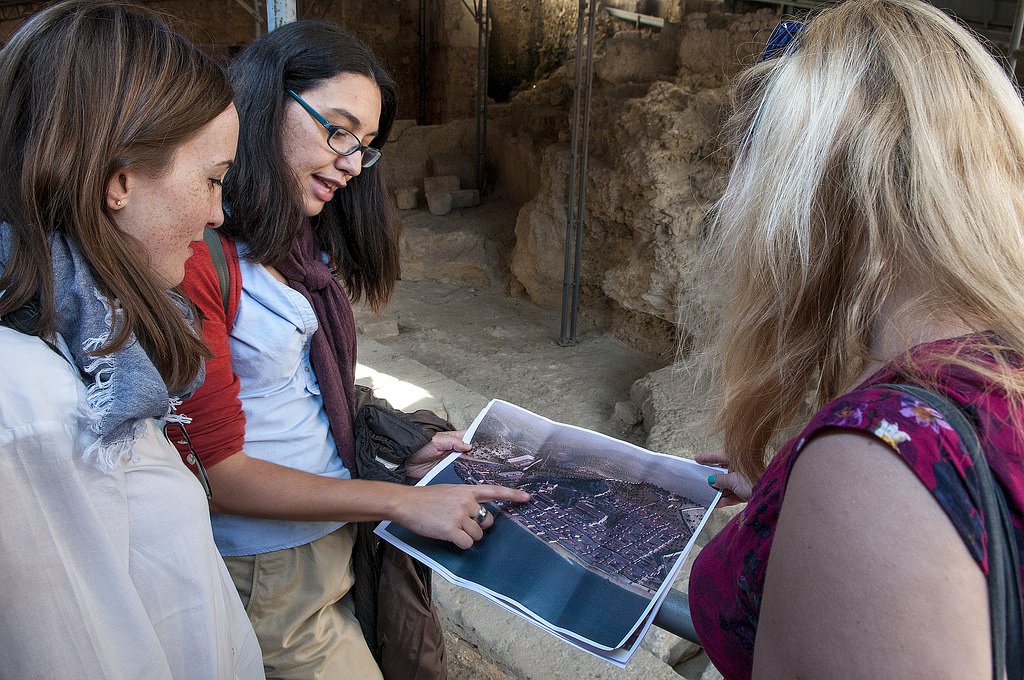
Our guide, a trained historian, will discuss the early history of Lisbon and how Moorish influence can be traced through architecture and design throughout the city. Continuing our walk further into the neighborhood, we'll uncover other archeological ruins, such as a Roman theater, another fascinating addition to the rich and complex history that created Alfama.
Our guide, a trained historian, will discuss the early history of Lisbon and how Moorish influence can be traced through architecture and design throughout the city. Continuing our walk further into the neighborhood, we'll uncover other archeological ruins, such as a Roman theater, another fascinating addition to the rich and complex history that created Alfama.
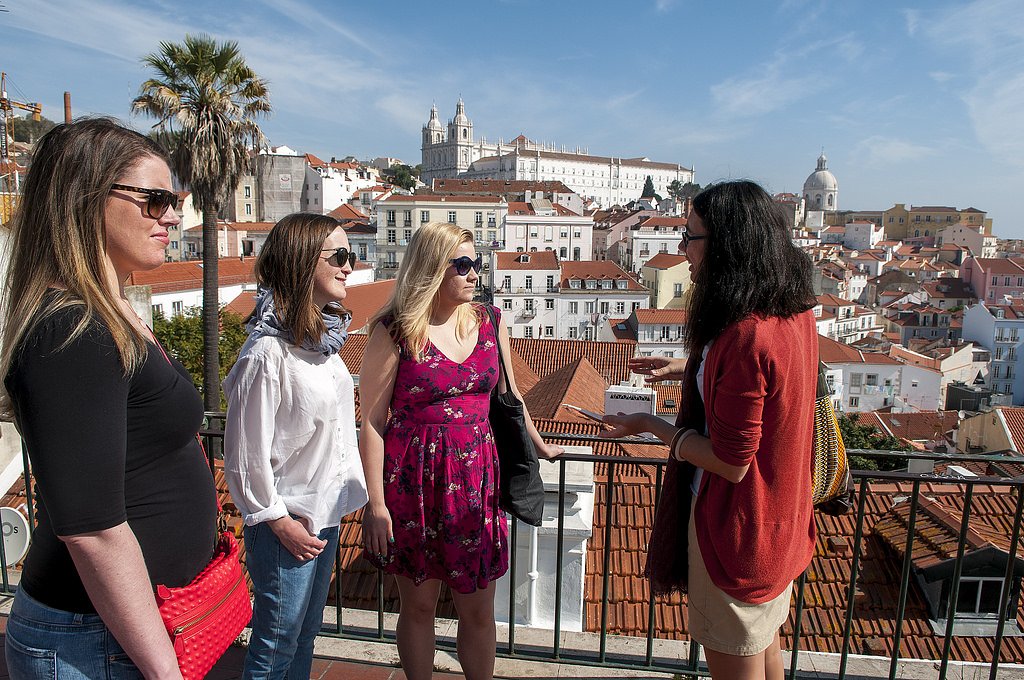
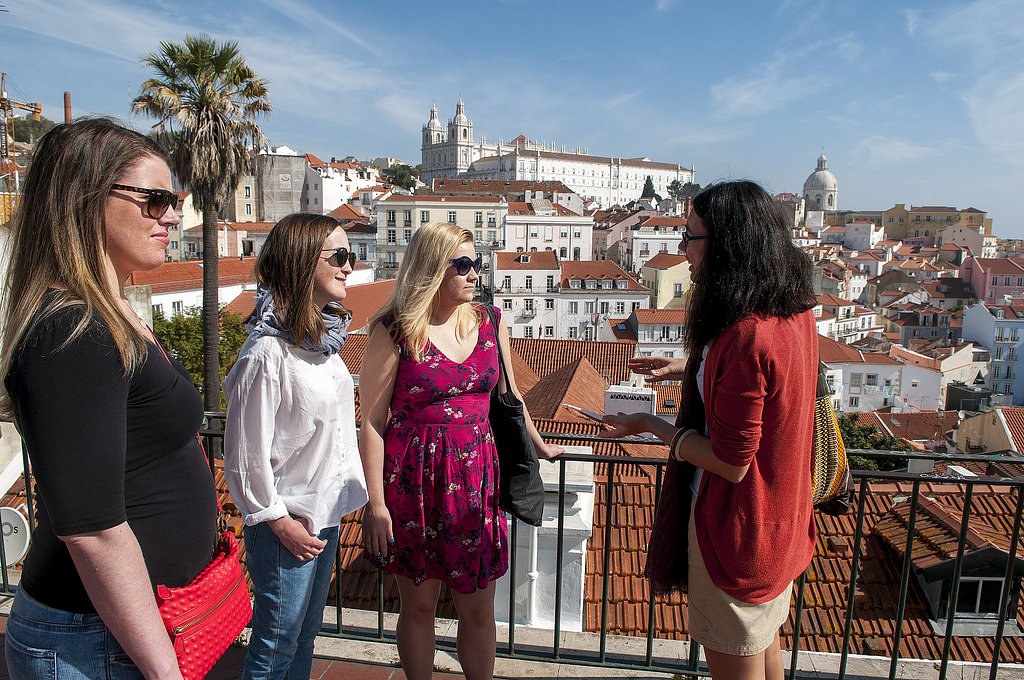
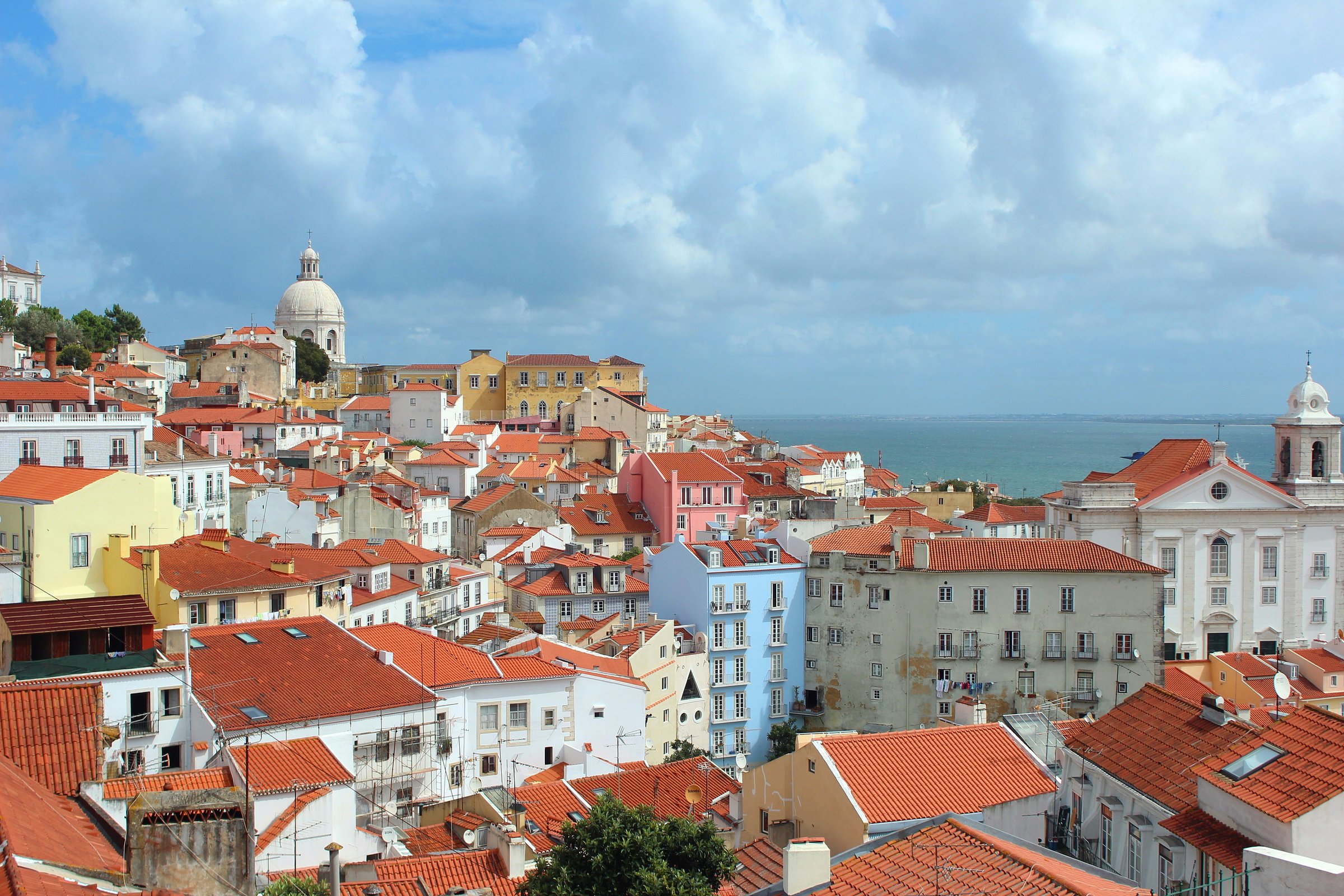
As we arrive at the Miradouro das Portas do Sol, one of the most iconic lookout points in Lisbon, we can delight in the sweeping views of Alfama and observe some of the principal structures in Lisbon's skyline. Here we can compare contemporary and historic maps to grasp the complex maze of narrow streets that weave amongst Alfama’s beautiful buildings.
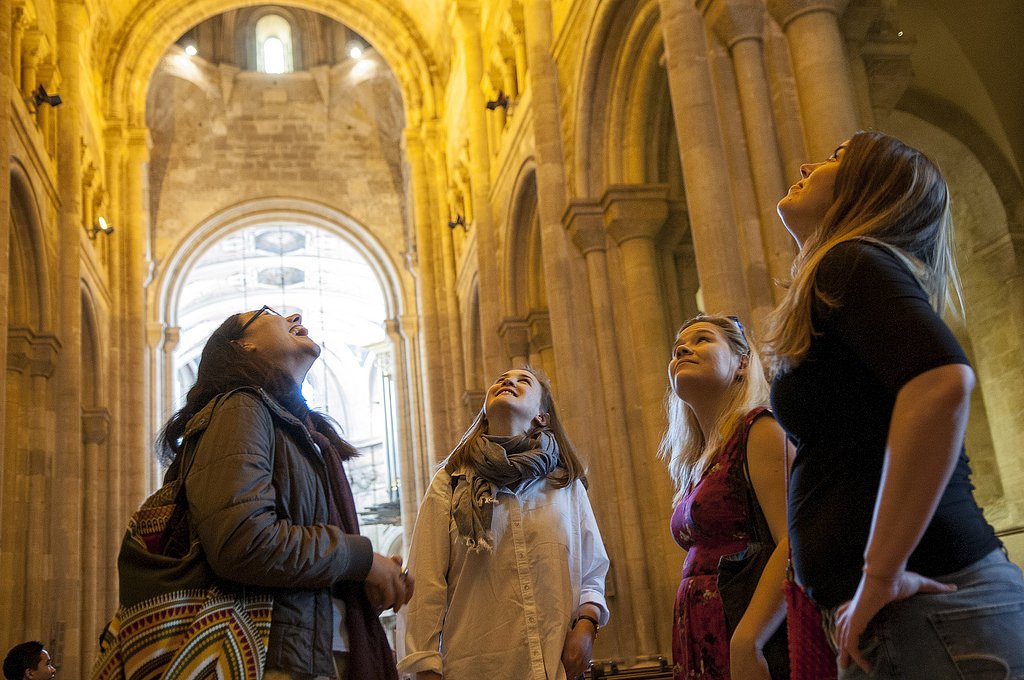
Next, we will make our way to the Lisbon Cathedral, or Sé, and focus on the exterior, gaining insight into the Christian experience during the Moorish occupation, as well as the period following the 1147 reconquest. Construction began on the church, the oldest in the city, that same year, though its architectural identity has changed over the centuries with modifications made necessary after various earthquakes. The building is also a wonderful introduction to understanding Alfama and Lisbon in more recent times.
During our walk, our conversation will most certainly turn to Fado. One of Portugal's best-known exports, this genre of music is said to have originated in the popular port districts of Lisbon, particularly Alfama. Raw, sultry, and often spontaneous, the songs of Fado tell the daily narratives of Lisbon's working class. We'll pass by historic spots in the story of Fado, while our discussion covers the social significance of the genre and how it fits in with Alfama's greater history.
By the end of our time together, we'll have a better sense of the people and events that have formed Lisbon's captivating history and created the unique personality of Alfama.
This Alfama walking tour is nicely complemented by our 3-hour Introduction to Lisbon Walking Tour, which includes the central Baixa, Chiado, and Bairro Alto neighborhoods.
Sites Visited
- São Jorge Castle (exterior)
- Alfama Neighborhood
- Lisbon Cathedral (Sé de Lisboa)
- Miradouro das Portas do Sol
FAQ
For more information about Context tours, please visit our FAQs.
Book with confidence — see Context's flexible cancellation policy here.
Will we hear Fado on this tour?
While we will most definitely discuss the origins and social significance of Fado music on this tour, we will not attend a concert.
Does this tour include a visit to São Jorge Castle?
Our tour will meander through the streets of Alfama, incorporating some of its most iconic monuments, like the São Jorge Castle. We will certainly discuss the castle from its exterior from various vantage pointsbut do not tend to include the interior.
Is this tour walking-intensive, and/or wheelchair accessible?
While we don't cover a large distance on the tour, nor do we take a fast pace, Lisbon is the City of Seven Hills and Alfama is no exception. We will be walking up stairs and inclines, as well as on cobblestoned streets. If you have mobility concerns, please feel free to contact us before booking; we can help you decide if our group walk or a private walk, with a modified route, will be best.
Will we see the interiors of the castle and the cathedral?
No, the stops do not include the interiors.
Can I do this tour by car?
No, unfortunately, due to the width of the hilly streets of Lisbon there isn’t a way to do this tour by car. We have designed this tour to generally walk downhill although there are occasional uphill stairs and inclines.
Meet the Experts


















%20-%202026-04-23T140854.376.png)
Where You’ll Go
From iconic landmarks to tucked-away local favorites, these are the places you’ll explore and experience firsthand with your Expert.
-
Lisbon Cathedral (Sé de Lisboa)Romanesque cathedral in Lisbon with Gothic chapels, Baroque additions, and historic significance.
-
São Jorge Castle
-
Miradouro das Portas do Sol
-
Alfama Neighborhood
What’s Included As Standard
Here’s a look at what your tour covers, plus anything you’ll want to consider arranging separately, so you can plan with confidence.
Included
-
English-speaking expert guideTours led in English, offering you unbroken understanding throughout.
-
Intentionally sized groupsA smaller group means more time for conversations and questions.
-
Tickets and entrance feesAll entry tickets included (unless clearly stated otherwise).
-
HeadsetsHeadsets are included on tours that need them, so every word can be heard.
Not Included
-
Food and drinkUnless booking a Food & Drink tour or tasting experience, refreshments are not included.
-
Transportation to and from the meeting pointUnless noted, pre- and post-tour transport isn’t included - this service can be added by request.
-
GratuitiesTips aren’t included, but we encourage tipping as a way to thank your guide after your experience.
-
Hotel pickup or drop-offUnless noted, travel to or from accommodation isn’t included - this service can be added by request.
Where You'll Explore
Make the Most of Your Tour
Some helpful advice for getting the most from your experience, from practical prep to small on-the-day tips.
Dos:
- Wear comfortable footwear
- Check the weather and dress appropriately
- Bring a bottle of water (no glass)
- Feel free to ask your Expert anything
Don'ts:
- Bring firearms or weapons
- Bring sharp objects (e.g. knives, swiss army knives, switchblades, hiking sticks)
- Dress inappropriately to enter religious sites or sacred monuments
Any questions? You can always
contact us.
Don’t just take our word for it
I thoroughly enjoyed my tour with Bert and learned a lot about the Alfama neighborhood and Portugal in general. It was particularly interesting to learn about the changes over the past twenty years.
Extremely knowledgeable and engaging. Ze was a great guide.
Let Your Curiosity Shape Your Journey
Join passionate experts on intimate walking tours that reveal a city’s unique stories, spark conversations, and leave you seeing the world—and yourself—a little differently.
Structured, never scripted
Your interests guide your Expert, leading to stories and perspectives that matter to you.
Crafted for conversation
With 12 or fewer guests, ask questions, engage with your Expert, and fully immerse yourself.
Experts, not guides
Explore with 1,200+ Experts—from historians and architects to archaeologists and chefs.
You May Also Be Interested In…

Understand Alfama Beyond Its Postcard Views
Alfama is one of Lisbon’s most recognizable neighborhoods, but its tiled façades, steep stairways, and river views tell only part of the story.
This private Alfama walking tour explores Lisbon’s oldest quarter through the people, cultures, and upheavals that shaped it. Moving from the ordered streets of Baixa toward the hill below São Jorge Castle, you’ll see how Phoenician settlement, Roman occupation, Moorish rule, Christian reconquest, earthquake, dictatorship, and working-class life left their mark on the same compact neighborhood.
With a Context Expert beside you, Alfama’s maze becomes more legible. Its lanes, viewpoints, churches, and music begin to form one connected account of how Lisbon developed and why this quarter has retained such a distinct identity.
Why Take an Alfama Walking Tour?
Alfama is easy to wander and difficult to interpret.
The neighborhood’s irregular streets were shaped long before modern city planning, and many of its most revealing details are easy to pass without noticing. A doorway, fountain, tiled façade, change in elevation, or glimpse of the river may preserve evidence of how people lived here centuries ago.
A guided Alfama walking tour in Lisbon turns those details into a clear narrative. Your Expert explains why the district survived the 1755 earthquake more intact than much of the city, how its street plan reflects earlier settlement, and how sailors, laborers, migrants, musicians, and families shaped its character.
The experience also removes the challenge of navigating a steep and confusing neighborhood alone. The route is planned thoughtfully so the climb supports the story rather than overwhelming it.
What Will You See on This Alfama Tour?
The route connects several places that reveal different chapters of Lisbon’s history. Exact stops may vary according to access, pace, and the interests of your party.
São Jorge Castle and Lisbon’s Earliest History
Near the exterior of São Jorge Castle, your Expert introduces the hill’s strategic importance.
Long before the castle took its present form, the high ground above the Tagus attracted Phoenician, Roman, Visigothic, and Moorish settlement. Its position provided protection, visibility, and access to the river, making it central to the development of Lisbon.
The castle is viewed from outside on this tour. The focus is on understanding its relationship to the surrounding neighborhood and the earlier city that grew around the hill.
Alfama’s Moorish Street Plan
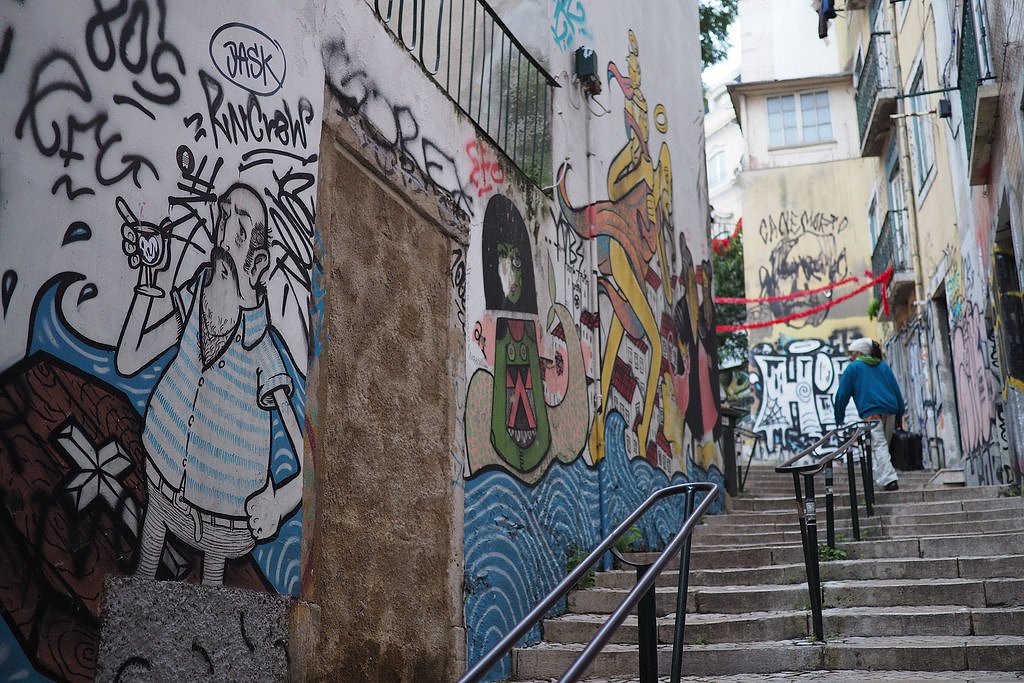
Alfama’s narrow alleys, stairways, small squares, and unexpected turns contrast sharply with the broad, geometric streets of Baixa.
The district’s name is commonly connected to the Arabic al-hamma, referring to baths or hot springs. Its layout also reflects patterns of settlement that developed during and before Moorish rule.
Rather than treating the winding streets as picturesque disorder, your Expert helps you understand their practical logic. Shade, water, defense, slope, and community all influenced how the neighborhood took shape.
Miradouro das Portas do Sol
At Miradouro das Portas do Sol, Alfama can be read from above.
Red roofs descend toward the Tagus, churches emerge between tightly packed buildings, and the neighborhood’s relationship to the river becomes clear. From this viewpoint, you can compare Alfama’s irregular structure with the planned streets of Baixa below.
The contrast leads into one of Lisbon’s defining events: the earthquake, fires, and tsunami of 1755.
Alfama and the 1755 Earthquake
The 1755 earthquake devastated much of Lisbon, particularly the lower city.
Alfama also suffered damage, but its geology, elevation, and dense urban form helped significant parts of the district survive. While Baixa was rebuilt according to a new rational grid, Alfama retained much of its older street pattern.
That survival is one reason the neighborhood feels so different today. Walking through it offers a rare sense of Lisbon before the eighteenth-century reconstruction.
Lisbon Cathedral
The Sé de Lisboa, or Lisbon Cathedral, marks another major transition in the city’s history.
Construction began after Christian forces captured Lisbon in 1147. Over the following centuries, earthquakes, rebuilding, and changing architectural tastes altered the structure repeatedly.
Viewed from outside, the cathedral becomes evidence of conquest, religious change, and urban resilience. Romanesque, Gothic, and later interventions reveal that Lisbon’s monuments were not created in a single moment but continually adapted.
How Is Alfama Connected to Fado?
Fado is often presented as the traditional sound of Lisbon, but its history is inseparable from the neighborhoods and communities that shaped it.
Alfama’s relationship with sailors, port workers, taverns, hardship, migration, and working-class life helped give the music its emotional world. Themes of longing, distance, fate, loss, and memory reflected experiences deeply familiar in a river city connected to departure and return.
On this Alfama history tour, your Expert places Fado within those social conditions rather than treating it as background music or folklore.
The tour does not normally include a live Fado performance. Instead, it explains why the music became so closely associated with Lisbon and how Alfama helped preserve its meaning.
Why Does Alfama Feel Different from the Rest of Lisbon?
Alfama retained a physical and social character that much of central Lisbon lost after the 1755 earthquake.
Its streets are smaller, steeper, and less orderly. Homes open directly onto lanes, laundry hangs between buildings, neighbors communicate across balconies, and the river repeatedly appears at the end of narrow passages.
That intimacy helped sustain a strong neighborhood identity. Alfama was not merely an architectural survivor; it remained a lived-in district shaped by working families, local traditions, religious festivals, and music.
Tourism has changed parts of the neighborhood, but those older patterns remain visible when you know where and how to look.
Is an Alfama Walking Tour Worth It?
Alfama can be enjoyed independently, but its most important stories are not always visible.
Without context, the district may feel like a beautiful maze of viewpoints, tiled houses, and steep streets. With an Expert, those same features reveal older settlement patterns, cultural exchange, religious change, earthquake survival, political hardship, and working-class resilience.
A private tour also allows questions and interests to shape the walk. You can spend more time on architecture, Fado, Moorish Lisbon, religious history, or everyday neighborhood life while still following a coherent route.
The result is both a richer experience and a clearer mental map for exploring Alfama afterward.
Is This a Private Alfama Walking Tour?
Yes. The experience is private to your party.
Your Expert can adapt the pace and depth of discussion to your interests while choosing a practical route through Alfama’s hills, stairs, and narrow lanes.
The private format is especially useful for families, multigenerational groups, and travelers who want time to ask questions rather than follow fixed commentary.
Who Is This Tour Best For?
This experience is particularly well suited to:
- first-time visitors seeking a deeper introduction to Lisbon;
- travelers interested in Fado and Portuguese culture;
- visitors curious about Moorish and medieval Lisbon;
- guests who want to understand the city beyond major monuments;
- returning travelers looking for a neighborhood-focused experience;
- families and private groups who benefit from a flexible pace.
Because Alfama includes slopes, cobblestones, and stairs, comfortable footwear is recommended.
Frequently Asked Questions
Do we enter São Jorge Castle?
No. The castle is viewed from the exterior while your Expert explains its role in Lisbon’s early development and the history of the surrounding hill.
Does the tour include a Fado performance?
No. The tour explores the history and cultural meaning of Fado rather than attending a live performance.
Is Alfama difficult to walk?
Alfama contains steep slopes, cobbled streets, and stairways. Your Expert selects a thoughtful route and manages the pace, but guests should be comfortable walking on uneven ground.
Is this a good first tour in Lisbon?
Yes. Alfama provides an introduction to many of the forces that shaped Lisbon, including its river, early settlement, Moorish history, Christian reconquest, the 1755 earthquake, and Fado culture. For a more comprehensive introduction to Lisbon, check out our Lisbon City Tour.
How is this different from exploring Alfama independently?
Walking independently provides atmosphere and views. A guided tour adds historical structure, local interpretation, navigation through the neighborhood’s maze, and details that are easy to miss without specialist knowledge.