

.png)
.png)


Valeria is amazing! Very professional and friendly

Milan Tours
Expert-led Milan private tours that turn artistic treasures and modern design into meaningful discoveries
Let Your Curiosity Shape Your Journey
Join passionate experts on intimate walking tours that reveal a city's unique stories, spark conversations, and leave you seeing the world—and yourself—a little differently.
Experts, not guides
Explore with 1,200+ Experts, from historians and architects to chefs and archaeologists.
Crafted for conversation
With fewer than ten guests, engage your Expert through questions and immerse fully.
Structured, never scripted
Your interests guide your Expert, leading to stories and perspectives that matter to you.
Curious or connoisseur
First-time visitor or seasoned explorer, our tours span city highlights to deep-dives.
Milan, Seen with Context
Milan isn’t only fashion and modern design. Walk with an expert to uncover how merchants, artists, and innovators shaped Italy’s most forward-looking city.
Find your perfect pair this summer
Save 10% when you book 2 or more tours.
Hear from our customers
Once again, another great Context travel tour. Thea was extremely knowledgeable, informative and kept the tour fun!
Tessa was an excellent guide, knowledgeable, friendly, and fluent in English.
Milan Tours
Milan is often introduced as Italy's fashion capital, but that description only tells part of the story. Milan has long been a city of commerce, innovation, design, finance, music, and art. Gothic spires rise beside contemporary skyscrapers. Renaissance masterpieces sit within a city better known for looking forward than backward.
Unlike Rome, Florence, or Venice, Milan doesn't always reveal itself all at once. The city rewards travelers who want to understand how fashion, industry, architecture, food, and culture intersect in modern Italy.
The right tour helps connect those pieces.
Best for First-Time Visitors
If it's your first time in Milan, begin with experiences that introduce both the city's major landmarks and its distinct identity.
These tours connect the Duomo, Galleria Vittorio Emanuele II, La Scala, and the historic center, helping travelers understand how Milan evolved from a medieval city into Italy's economic and cultural powerhouse.
Best for Art & Leonardo da Vinci
Milan holds one of the most famous artworks in the world, but understanding it requires expert insight.
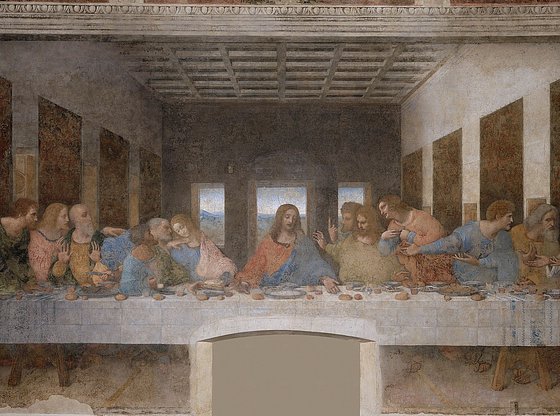
With an art historian, The Last Supper becomes more than a masterpiece. It becomes a window into Renaissance patronage, religious storytelling, artistic experimentation, and Leonardo's restless curiosity.
Best for Fashion, Design & Creative Culture
Few cities have shaped global style like Milan.
These experiences move beyond luxury storefronts to explore how craftsmanship, design, branding, and cultural influence helped make Milan one of the world's fashion capitals. For travelers interested in creativity, entrepreneurship, and design, fashion becomes a lens through which to understand the city itself.
Best for Food & Aperitivo Culture
Milan's food culture is often overlooked compared to other Italian destinations, but that is part of what makes it rewarding.
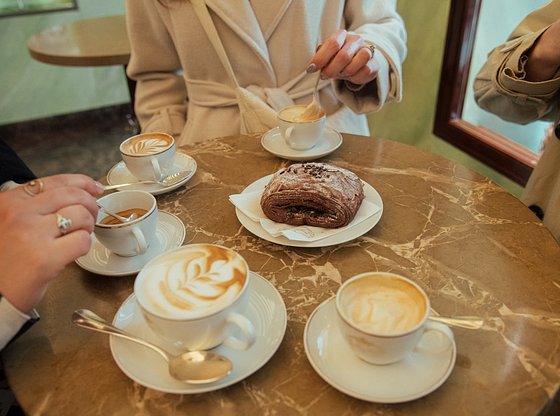
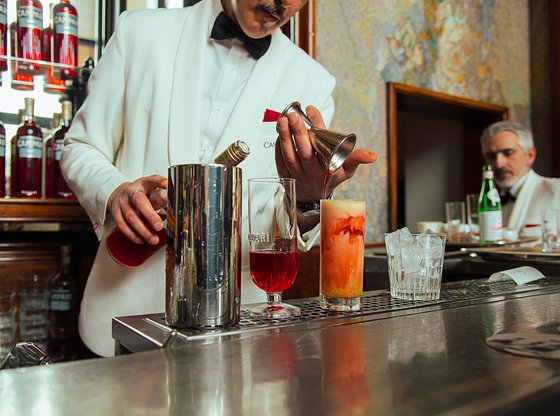
From risotto and regional specialties to the ritual of aperitivo, these experiences reveal how Milanese food culture reflects both Lombardy's agricultural traditions and the city's modern cosmopolitan character.
Best for Day Trips from Milan
Some of northern Italy's most beautiful landscapes sit just beyond the city.
- Half-Day Lake Como Day Trip from Milan
- Full-Day VIP Lake Como Day Trip from Milan with Private Luxury Boat
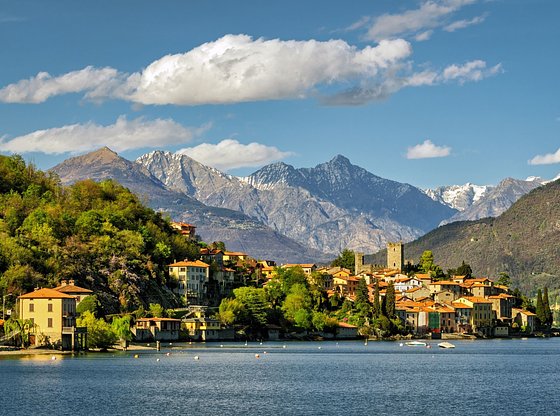
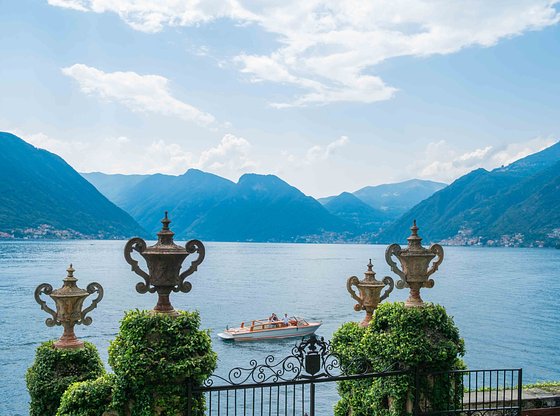
Lake Como offers a striking contrast to urban Milan. Villas, lakeside towns, mountain scenery, and centuries of aristocratic retreat culture reveal another side of Lombardy.
Milan sits in the Lombardy region of northern Italy, where trade routes linking Italy with the Alps and northern Europe helped shape the city’s development for centuries. Originally founded by the Celts and later expanded under Roman rule, Milan grew into an important political and commercial center during the Middle Ages. Under the powerful Visconti and Sforza families in the Renaissance, the city became a major artistic and architectural capital.
Today, Milan blends historic monuments with modern industry and innovation. Gothic cathedrals, Renaissance masterpieces, and elegant shopping arcades coexist with contemporary design studios and fashion houses. Context Travel’s Milan tours are led by historians, art historians, and cultural experts who help travelers understand how commerce, creativity, and civic ambition shaped this influential Italian city.
Milan is known for its Renaissance art, Gothic architecture, fashion industry, and its role as a financial and cultural center of Italy.
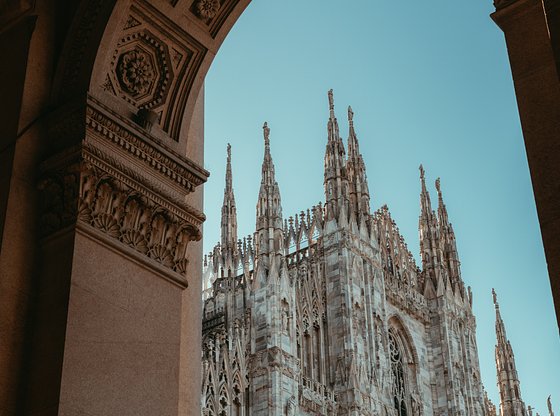
The Duomo of Milan
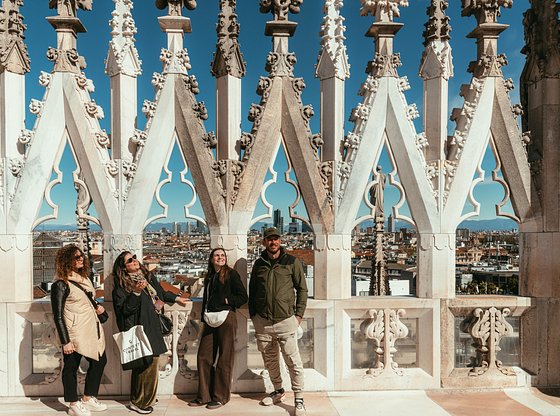
Milan’s cathedral is one of the largest Gothic churches in the world, famous for its intricate marble façade and panoramic rooftop views.
Leonardo da Vinci’s Last Supper
The refectory of Santa Maria delle Grazie houses The Last Supper, one of the most important works of Renaissance art.
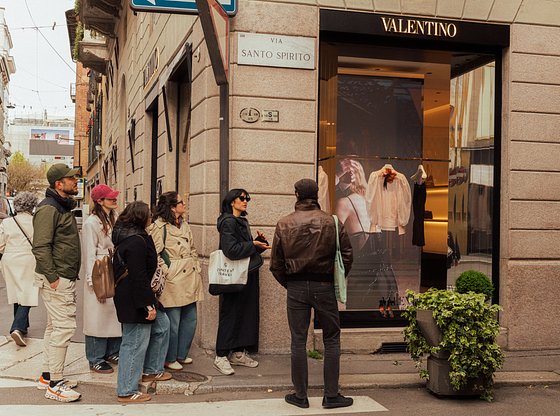
Fashion and Design Capital
Milan is internationally recognized as one of the world’s leading centers for fashion, architecture, and industrial design.
Historic Power and Renaissance Patronage
The Sforza dynasty transformed Milan into a Renaissance cultural center, commissioning artists, architects, and engineers including Leonardo da Vinci.
Commerce and Modern Italian Life
Today, Milan is Italy’s financial capital, shaping the country’s business, design, and cultural industries.
Milan appeals to travelers interested in art, architecture, fashion, and modern Italian culture. First-time visitors often begin with guided introductions to the city’s landmarks and Renaissance heritage. Lifelong learners explore Milan’s artistic and political history, while repeat visitors discover neighborhoods, food culture, and design traditions that reveal the dynamic character of northern Italy’s largest city.
Milan is a large city, but many major landmarks are located in the historic center around the Duomo and the Brera district. Private walking tours are a great way to explore the city’s historic core and cultural landmarks.
Most travelers spend one to two days in Milan, often combining the visit with nearby destinations such as Lake Como.
Italian is the primary language spoken in Milan, though English is widely spoken in tourism areas. Italy uses the euro (€) as its currency.
Spring and autumn are especially pleasant times to visit Milan due to comfortable weather and fewer crowds.
For many travelers, it comes down to how they want to experience Milan.
It's possible to admire the Duomo, browse the fashion district, visit The Last Supper, and enjoy aperitivo independently. But Milan's deeper story is often harder to spot than in Italy's more overtly historical cities. Much of what makes Milan interesting lies in the connections between art, commerce, design, industry, and culture.
Context Travel's Milan guided tours are designed to bring those connections into focus.
Led by art historians, architects, food experts, fashion specialists, and local historians, our tours help travelers understand how Milan became a center of creativity and innovation. Whether you're discussing Leonardo da Vinci, exploring the evolution of Italian fashion, examining contemporary architecture, or discovering local food traditions, the goal is not simply to see Milan, but to understand what makes it different from anywhere else in Italy.
We also offer several ways to explore depending on your travel style:
- Audio guides for independent travelers (starting around $20)
- Small group tours with like-minded travelers (starting at $122+)
- Private guided tours (starting around $440+)
Unlike some Italian cities that are defined primarily by their past, Milan is a city where history and modern life constantly interact. For travelers who want to understand both, many find a guided experience well worth it.
What is Milan known for?
Milan is known for the Duomo cathedral, Leonardo da Vinci’s Last Supper, its fashion industry, and its role as Italy’s financial capital.
How many days should you spend in Milan?
Most travelers spend one to two days exploring Milan’s historic landmarks, museums, and cultural districts.
Is Milan walkable?
Yes. Milan’s historic center around the Duomo and Brera is compact and easy to explore on foot.
Is Milan safe for travelers?
Milan is generally considered safe for visitors, though travelers should remain aware of pickpocketing in crowded areas and public transportation.
Is Milan worth visiting?
Yes. Milan offers important Renaissance art, striking architecture, and a vibrant modern culture centered on design and fashion.
Why is Leonardo da Vinci’s Last Supper so famous?
The Last Supper is one of the most important Renaissance paintings, admired for its composition, perspective, and emotional storytelling.
Is Milan or Florence better to visit?
Both cities offer different experiences. Florence is known for Renaissance art and architecture, while Milan combines historic landmarks with modern fashion and design culture.