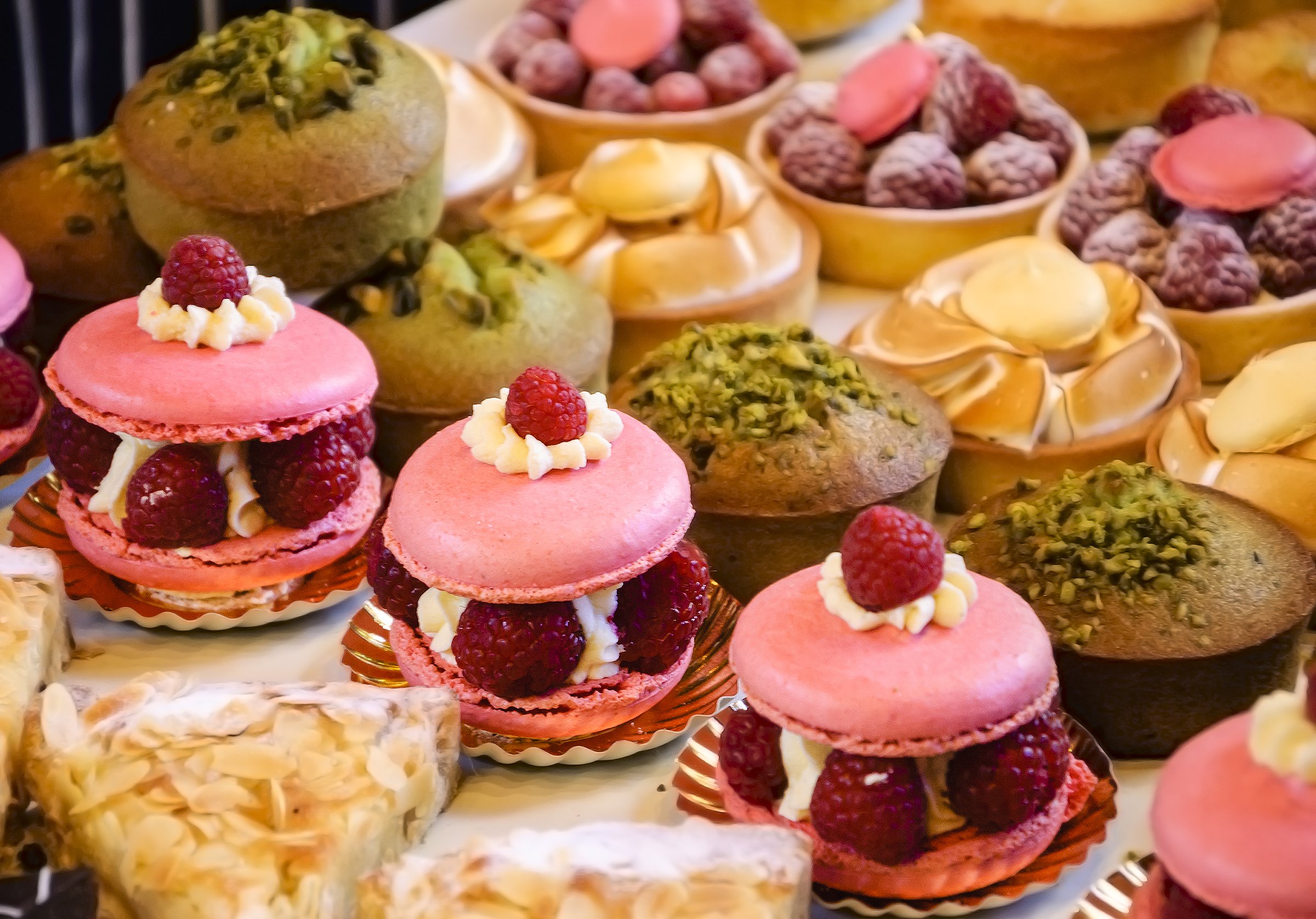
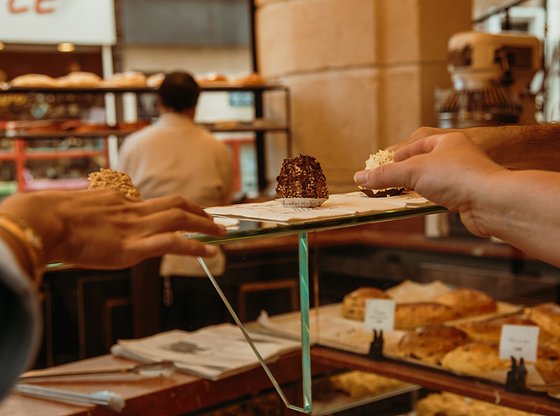
Parisian sweets are more than beautiful things behind glass. Macarons, ganache, pralines, tartes, and seasonal pastries reflect generations of technical skill, changing tastes, and cultural exchange.
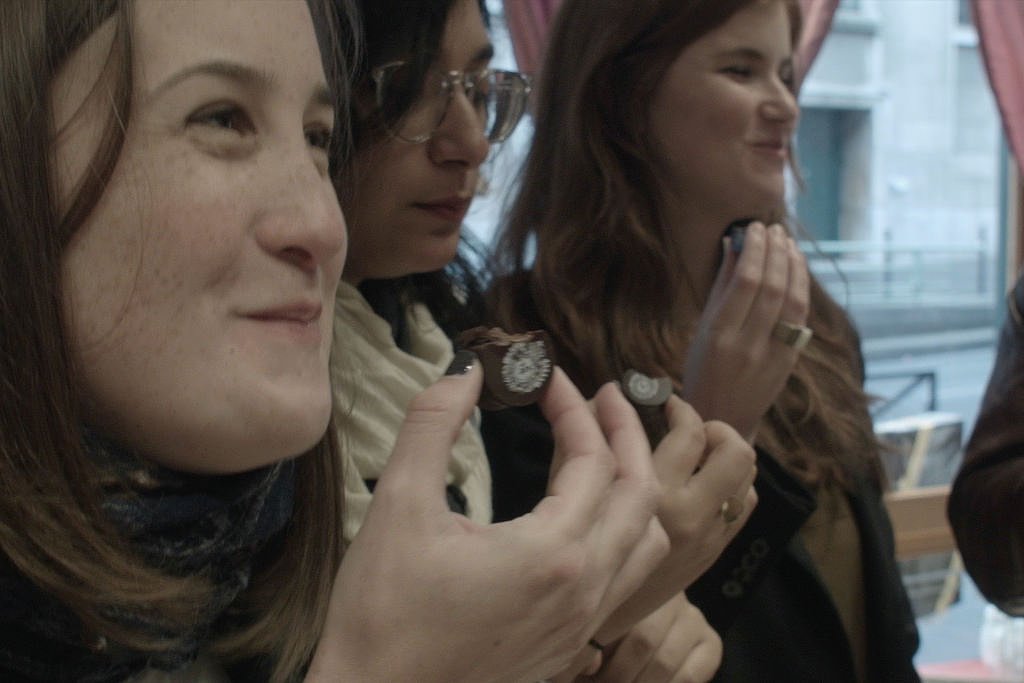
This private Paris pastry tour explores that tradition through carefully chosen tastings in Saint-Germain-des-Prés. With a Context Expert, you will compare textures and techniques, learn why certain desserts became Parisian icons, and discover the shops and specialties worth seeking out during the rest of your stay.
The route stays concentrated within the Left Bank, leaving time to taste thoughtfully rather than rush from one counter to the next.
Why Take a Paris Pastry Tour?
Paris offers an overwhelming number of pastry shops, chocolatiers, bakeries, and dessert counters. Even when everything looks tempting, it can be difficult to know which shops are truly exceptional or what each one does best.
A guided pastry tour removes that guesswork. Your Expert selects tastings for their quality, craftsmanship, and place within French culinary culture, then explains what distinguishes one macaron, chocolate, or tart from another.
Instead of simply eating your way through the neighborhood, you leave with a stronger understanding of technique, ingredients, and the traditions that shaped Parisian sweets.
What Will You Taste?
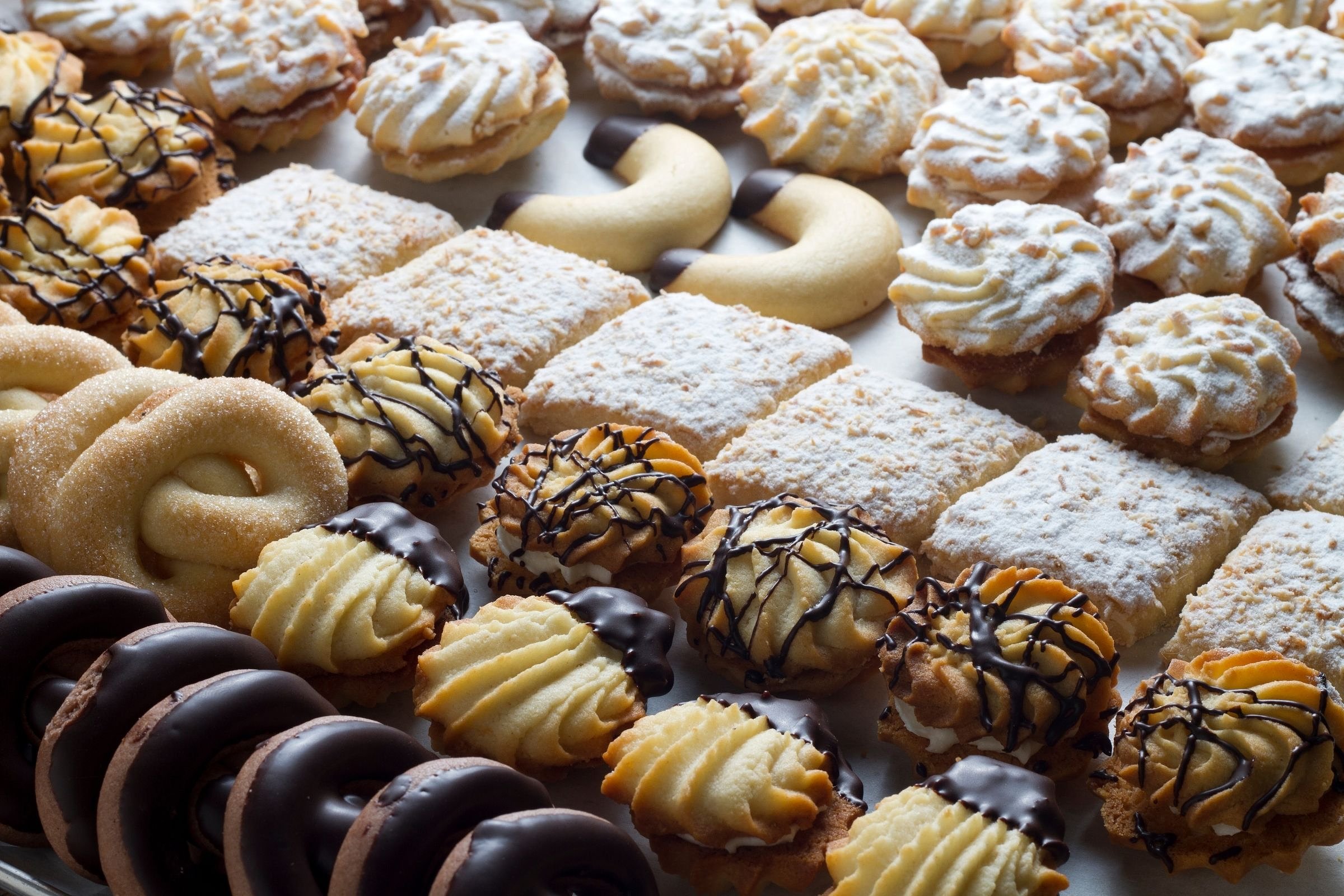
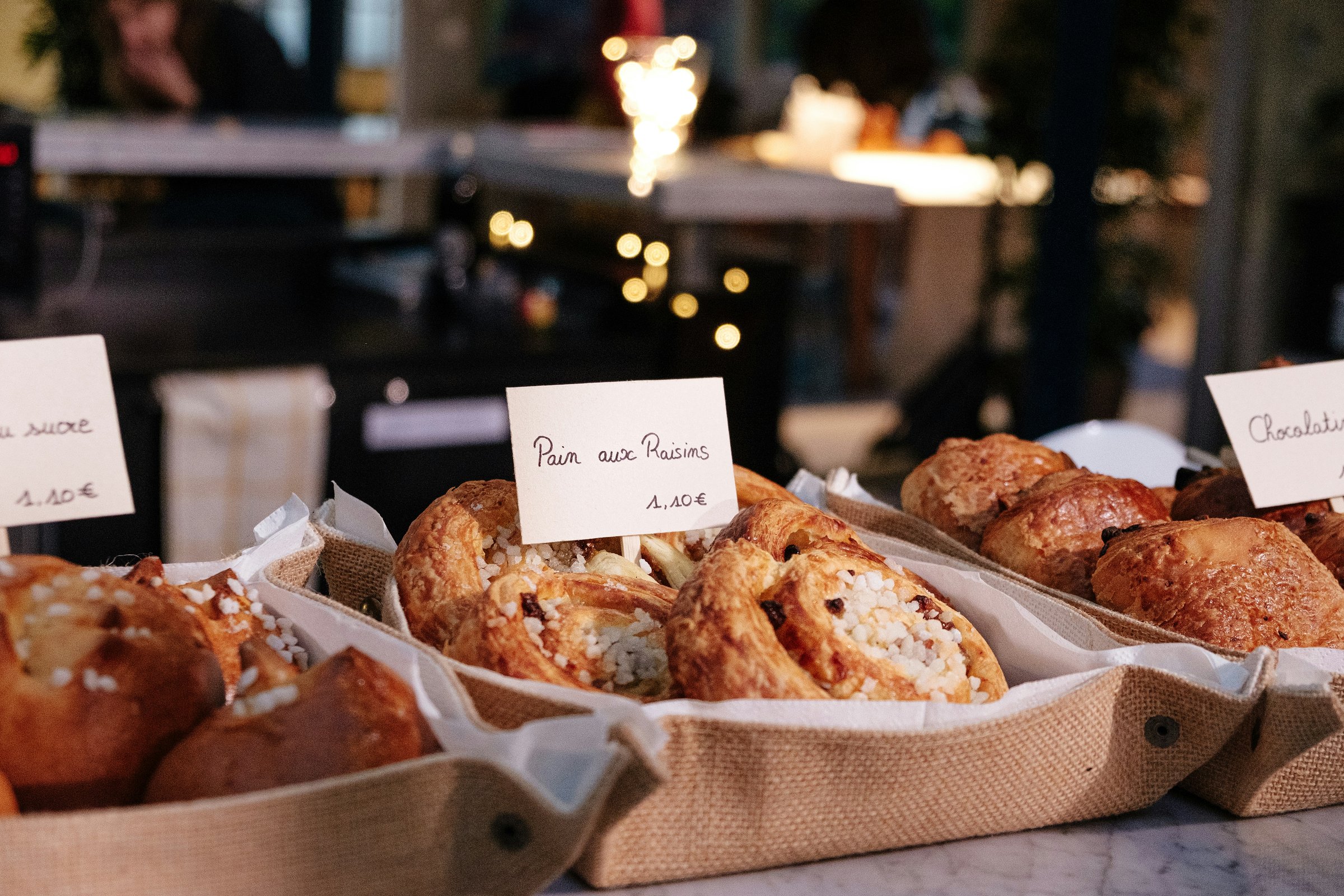
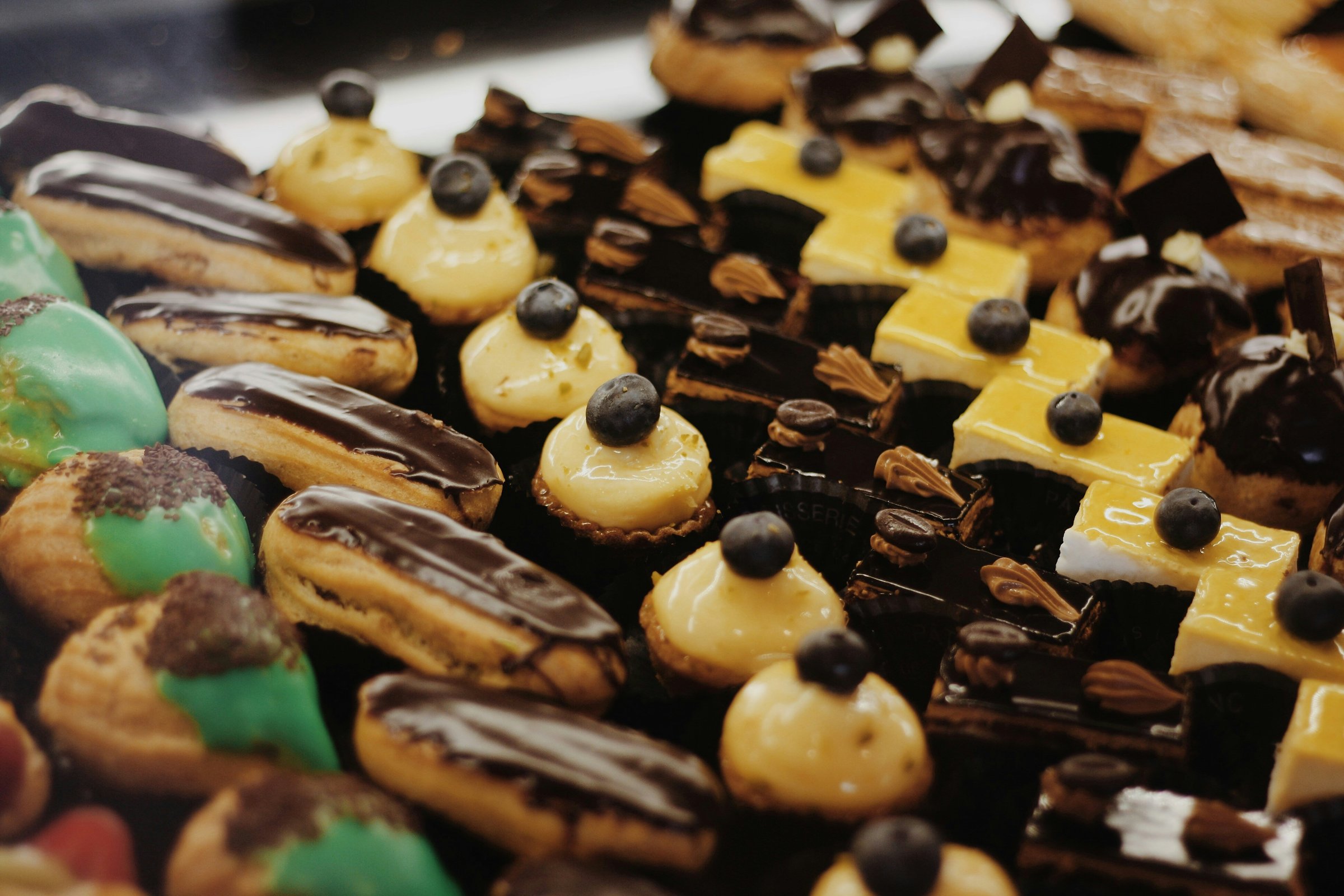
Selections vary with the season, availability, and the approach of your Expert. Tastings may include macarons, ganache, pralines, truffles, tartes, meringues, or other classic and contemporary French pastries.
Some stops may focus on chocolate, while others introduce a family-run bakery, a specialist macaron boutique, or a seasonal dessert such as a fruit tart or bûche de Noël.
The itinerary is designed around variety rather than a fixed checklist. That flexibility allows your Expert to choose what is best on the day while still building a coherent story around French pastry and chocolate.
Why Is French Pastry So Celebrated?
French pastry is known for precision. A dessert that looks effortless may depend on careful temperature control, exact proportions, multiple preparations, and years of practiced technique.
Pastry chefs balance structure and softness, sweetness and acidity, richness and restraint. A crisp shell, glossy glaze, flaky layer, or smooth filling is rarely decorative alone; it is evidence of how the dessert was made.
Your Expert helps you recognize those details, making it easier to appreciate why certain pastries are technically difficult and why the best examples feel so balanced.
How Did the Macaron Become a Parisian Icon?
The macaron did not begin as the colorful sandwich cookie now associated with Paris. Early versions were simple almond biscuits, with roots often linked to Italian culinary traditions.
Over time, French pastry makers adapted the form. Two delicate almond-meringue shells were joined around ganache, buttercream, or jam, creating the modern Parisian macaron.
On the tour, you may compare how different pastry houses approach texture, flavor, and filling. A well-made macaron should crack lightly at first bite, then give way to a tender interior and a filling that complements rather than overwhelms the shell.
How Did Chocolate Become Part of Parisian Food Culture?
Chocolate arrived in Europe as an expensive and unfamiliar luxury. In France, it became associated first with courtly life, medicine, and aristocratic taste before gradually becoming more widely available.
Parisian chocolatiers later transformed chocolate into a field of specialist craft. Ganache, pralines, truffles, molded bonbons, and filled chocolates each require different techniques and create different textures.
Your Expert may explain how cocoa moves from bean to finished chocolate, how fillings are structured, and why shine, snap, and texture can reveal the quality of the work.
What Is the Difference Between Ganache, Praline, and a Truffle?
These terms are often used loosely, but they describe different preparations.
Ganache is generally an emulsion of chocolate and cream, sometimes flavored with fruit, spice, coffee, or liqueur. Praline traditionally involves caramelized nuts ground into a paste, though the term can also refer to filled chocolates in some traditions. A chocolate truffle is usually a soft ganache center shaped and coated to resemble the prized fungus after which it is named.
Understanding those distinctions gives you a clearer vocabulary for choosing chocolates and comparing the work of different makers.
Why Visit Saint-Germain-des-Prés for Pastries and Chocolate?
Saint-Germain-des-Prés brings respected chocolatiers, pastry boutiques, bakeries, and historic cafés into a compact and highly walkable neighborhood.
Its culinary reputation is tied to both tradition and experimentation. Established names sit near independent makers, allowing the route to compare classic French technique with more contemporary approaches.
Because the shops are relatively close together, the tour spends less time in transit and more time tasting, discussing, and noticing the character of the Left Bank.
How Is This Different from a General Paris Food Tour?
This experience focuses specifically on the sweet side of French food culture.
A broader
Paris food tour may include cheese, charcuterie, bread, wine, markets, and savory dishes. This tour concentrates on pastry, macarons, and artisan chocolate, creating more time to examine technique, ingredients, and the history of individual specialties.
It is a good choice for travelers who already know they are most interested in desserts or who prefer a focused tasting experience rather than a meal-like progression.
How Does an Expert Improve the Tasting Experience?
Finding sweets in Paris is easy. Knowing what to order, what to notice, and how one shop differs from another is more difficult.
Your Context Expert provides that missing layer. They can direct you toward a maker’s strongest specialty, explain unfamiliar terms, compare methods, and connect each tasting to a wider culinary history.
That guidance also helps you build confidence for the rest of your trip. By the end, you should have a better sense of what you enjoy and a trusted list of places to revisit.
Is This Tour Suitable for Families?
Yes. Chocolate, macarons, and pastries make the tour naturally approachable for different ages, while the stories of ingredients, craft, and culinary history give adults and older children more to engage with. You can also check out our
Paris Market Tour for Kids for a tailored experience that explores both sweet and savory Parisian food.
The compact route also helps keep the experience manageable for families and multigenerational groups.
With advance notice, your Expert can consider preferences and possible adaptations, though not every dietary requirement can be accommodated at every stop.
Is a Paris Pastry Tour Worth It?
A pastry tour is particularly worthwhile when you want more than a list of famous shops.
The value lies in comparison and interpretation. Tasting several specialties with an Expert helps you understand why one chocolate has a cleaner finish, why one macaron holds its texture, or how seasonality influences what appears in pastry cases.
You leave not only having enjoyed excellent sweets, but with greater culinary awareness and recommendations you can use throughout Paris.
Frequently Asked Questions
Is this a Paris pastry tour or a chocolate tour?
It includes both French pastries and artisan chocolate. The precise balance may vary, but the experience is designed as a broader exploration of Parisian sweets rather than a chocolate-only tour.
Is this the same as the Paris Food Tour?
No. This tour focuses on macarons, pastries, and chocolate in Saint-Germain-des-Prés. Context’s broader
Paris Food Tour: Baguette to Bistro explores a wider range of savory and sweet French foods.
Are the tastings included?
Yes, tastings are included in the tour.
Will we visit famous pastry shops?
The route includes carefully selected chocolatiers, bakeries, and pastry shops. Stops may include well-known makers as well as smaller neighborhood specialists.
Is the tour private?
Yes. The experience is reserved for your party and led by a private Context Expert.
Can dietary requirements be accommodated?
Dietary restrictions should be shared in advance to possibly adapt the tour. We don’t recommend this tour for gluten allergies or those with illnesses which make them sensitive to sugar.
Is this tour suitable for children?
Yes. The tastings are naturally family-friendly, and the Expert can adjust the level of historical and technical detail to suit the group.
How much food is included?
This is a tasting experience rather than a full meal. Guests should expect several sweets across the route, though the exact number and portion sizes may vary.
Will we receive recommendations for other pastry shops?
Yes. Your Expert can suggest additional chocolatiers, bakeries, and pastry shops to visit during the rest of your time in Paris. You can also check out our
Paris Restaurant Guide for a well-rounded list of recommendations.