The tour was great Angel did a awesome job
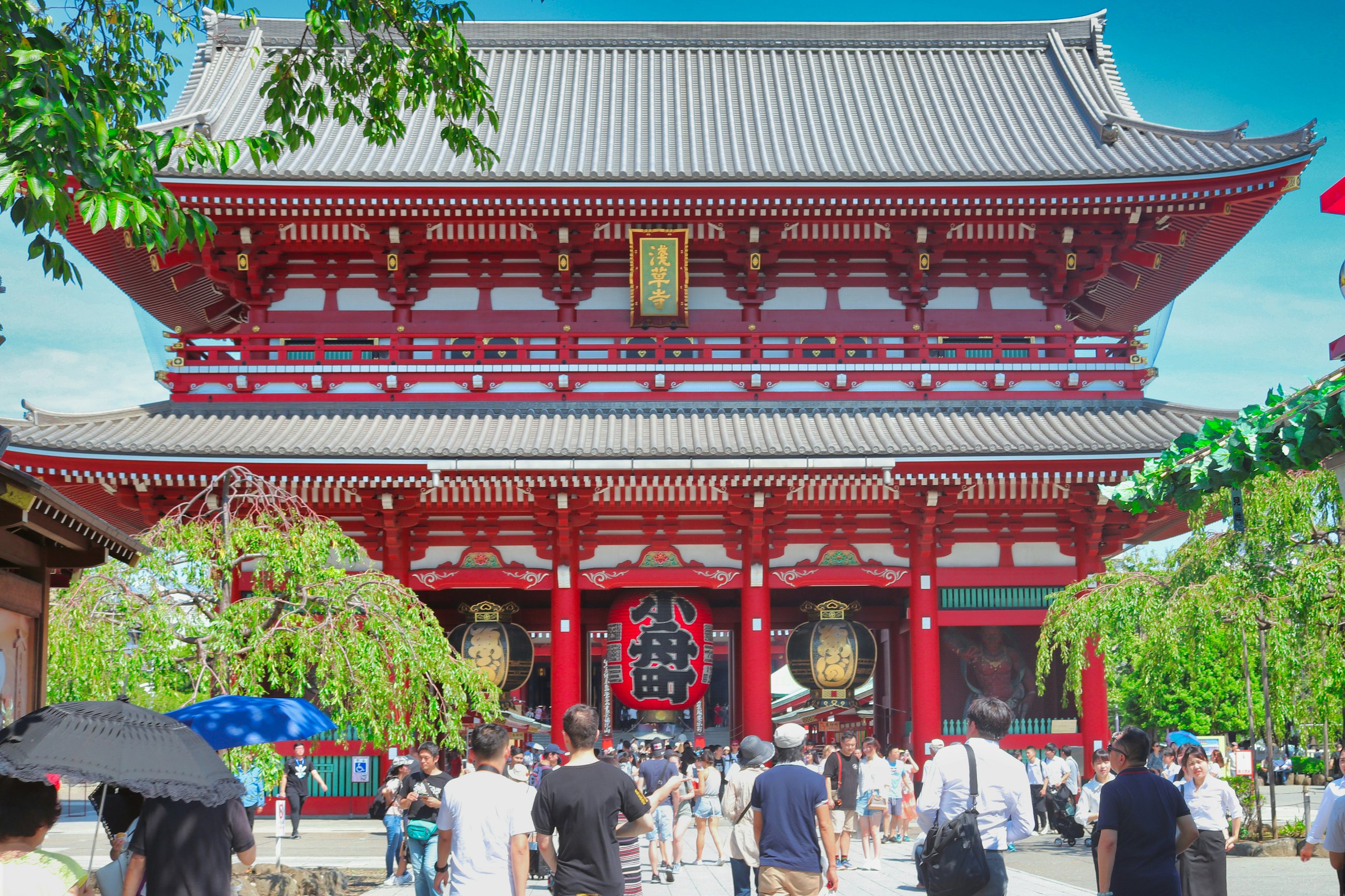
Asakusa Neighborhood Tour: History and Daily Life
Step into Edo-era Tokyo through Senso-ji and surrounding streets
The Finer Details
During this two-hour Asakusa tour, we'll join a local historian and Tokyo expert to explore this exciting neighborhood, sitting in the "low" area of the city, away from Tokyo’s flashy lights and business centers. Also known as the geisha district, the Asakusa area was well established before the Tokugawa Shogunate began to rule from Edo—what later became Tokyo—in 1603. We will discuss this national narrative as we walk through this area that still hints at some of the characters of old Japan. We'll explore the role of Asakusa as a sleepy fishing village turned geisha district, and look at larger themes of pleasure and entertainment in the history of Tokyo, all the while getting a great feel for the atmosphere and culture of this popular area of Tokyo.
Tour Description
To frame the story of Asakusa's place in Edo (now Tokyo), our Asakusa tour revolves around Buddhist temples. We'll weave between Asakusa's past and present, discussing its importance and significance to Japan’s distant history, but also such recent topics as the after-effects of WWII and the birth of the plastic food that can be found across Japan. We'll come to better understand how the neighborhood has evolved—and stayed the same. We’ll discuss Asakusa's role as an entertainment district, ukiyo (the "floating world" pleasure-seeking culture of Edo-era Japan). This is one of the main reasons why Asakusa became what it is: without the trade and development of the merchant houses, there would not have been enough money to float around in the "floating world."
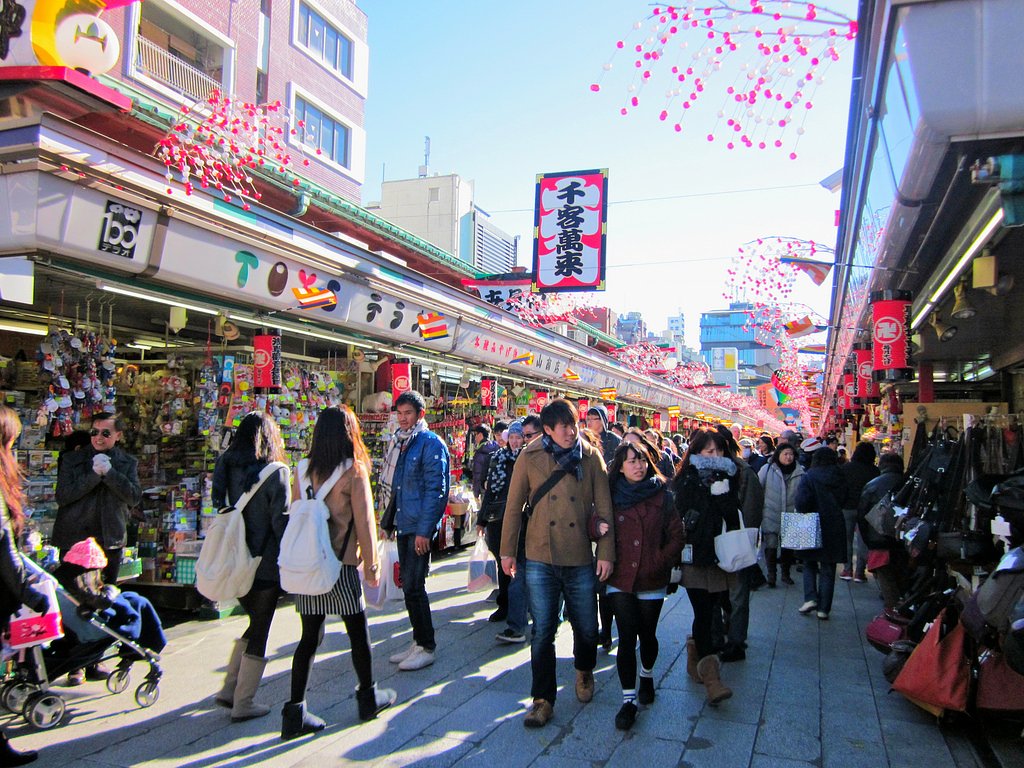
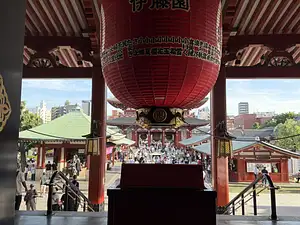
We'll walk briefly along the shopping street Nakamise Dori, discussing how Asakusa was rebuilt after the WWII firebombing. Our Asakusa tour ends, however, at Tokyo's oldest Buddhist temple, Senso-ji. This is one of Tokyo's most important religious sites, badly damaged during WWII but eventually rebuilt. We may also discuss the Asakusa shrine, which lies on the grounds of the Buddhist temple, showing that unique mixture of Shintoism and Buddhism that has, in many ways, made Japan what it is today. Senso-ji and its Japanese-style garden make for a quiet place of contemplation, and it's here that we'll wrap up our walking tour.
Wrapping up your Tokyo Asakusa Tour, you'll emerge with a stronger understanding of the many roles this neighborhood has played in the history of Edo/Tokyo as well as the area’s overall connection to the rest of the country.
Choose this tour if...
- You like to walk and want to cover a lot of ground while learning from an expert
- You're a history lover wanting to follow in the footsteps of famous figures
- You want to satisfy your thirst for knowledge while immersing yourself in the history of the city
Sites Visited
- Senso-ji - It is Tokyo's oldest-established temple and one of its most significant. It is dedicated to Kannon, the bodhisattva of compassion.
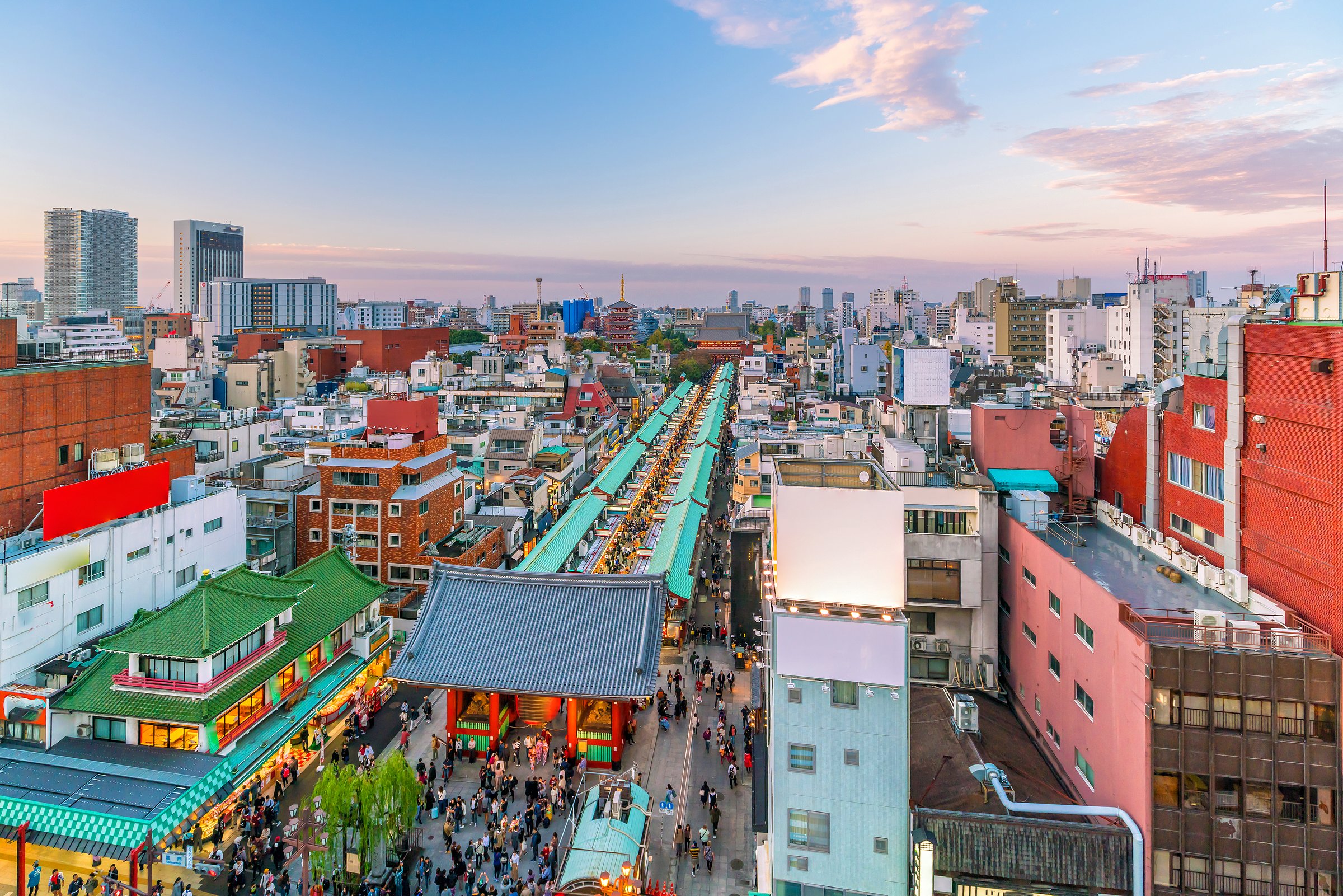
- Asakusa - It is a historic neighborhood in Tokyo and a popular tourist destination known for its unique blend of traditional and modern cultures.
Meet the Experts

























Where You’ll Go
From iconic landmarks to tucked-away local favorites, these are the places you’ll explore and experience firsthand with your Expert.
-
Senso-ji
-
Asakusa
What’s Included As Standard
Here’s a look at what your tour covers, plus anything you’ll want to consider arranging separately, so you can plan with confidence.
Included
-
English-speaking expert guideTours led in English, offering you unbroken understanding throughout.
-
Intentionally sized groupsA smaller group means more time for conversations and questions.
-
Tickets and entrance feesAll entry tickets included (unless clearly stated otherwise).
-
HeadsetsHeadsets are included on tours that need them, so every word can be heard.
Not Included
-
Food and drinkUnless booking a Food & Drink tour or tasting experience, refreshments are not included.
-
Transportation to and from the meeting pointUnless noted, pre- and post-tour transport isn’t included - this service can be added by request.
-
GratuitiesTips aren’t included, but we encourage tipping as a way to thank your guide after your experience.
-
Hotel pickup or drop-offUnless noted, travel to or from accommodation isn’t included - this service can be added by request.
Where You'll Explore
Make the Most of Your Tour
Some helpful advice for getting the most from your experience, from practical prep to small on-the-day tips.
Dos:
- Wear comfortable footwear
- Check the weather and dress appropriately
- Bring a bottle of water (no glass)
- Feel free to ask your Expert anything
Don'ts:
- Bring firearms or weapons
- Bring sharp objects (e.g. knives, swiss army knives, switchblades, hiking sticks)
- Dress inappropriately to enter religious sites or sacred monuments
Any questions? You can always
contact us.
Frequently Asked Questions
Our tours happen rain or shine. Our guides are great at adapting their route during changes of weather. Please bring an umbrella.
This tour is very walking intensive, we recommend visitors with mobility issues to reach out to us to ensure we can alter the tour to accommodate their level of mobility.
Yes. Context clients generally tip anywhere from 10-25% of the purchase price of a personal service such as this, depending on the quality of the experience and their tipping habits.
Book with confidence — see Context's flexible cancellation policy here.
Don’t just take our word for it
Mandy was absolutely fantastic. The content of the visit and her level of engagement were excellent. We were tired after our trip, and she did a wonderful job keeping us fully engaged throughout. She answered all our questions with great rigor and patience.
It’s was amazing. Mandy was very informative about the site and showed me some of the other shrines, and the history behind them. Mandy is amazing and would recommend her to anyone we a guide for those traveling to Japan.
Book a Tour
Let Your Curiosity Shape Your Journey
Join passionate experts on intimate walking tours that reveal a city’s unique stories, spark conversations, and leave you seeing the world—and yourself—a little differently.
Structured, never scripted
Your interests guide your Expert, leading to stories and perspectives that matter to you.
Crafted for conversation
With 12 or fewer guests, ask questions, engage with your Expert, and fully immerse yourself.
Experts, not guides
Explore with 1,200+ Experts—from historians and architects to archaeologists and chefs.
You May Also Be Interested In…

Explore Asakusa Beyond Senso-ji
Asakusa is one of Tokyo’s most visited neighborhoods, but its story reaches far beyond its famous temple gate.
On this private Asakusa tour, a Context Expert connects Senso-ji, Nakamise Dori, narrow merchant streets, and the surrounding entertainment district into one account of old Tokyo. You learn how worship, commerce, performance, and everyday life grew beside one another over centuries.
The route is compact, but the history is expansive. In two hours, Asakusa becomes more than a photogenic stop: it becomes a clear introduction to Edo culture and Japanese religious life.
Understand Why Asakusa Matters
Asakusa began as a settlement beside the Sumida River, long before Edo became the center of Tokugawa power.
Its growth was closely tied to Senso-ji. Pilgrims attracted merchants, food sellers, performers, craftspeople, and eventually a thriving entertainment culture. Sacred practice and popular amusement did not occupy separate districts; they reinforced one another.
That relationship helps explain why Asakusa remains one of Tokyo’s liveliest historic neighborhoods today.
Begin with a View of the Neighborhood
Tours beginning at or after 10 a.m. start inside the Asakusa Culture Tourist Information Center.
When timing and conditions allow, your Expert may use the observation terrace to introduce the neighborhood’s geography. From above, the route toward Kaminarimon, Nakamise Dori, and Senso-ji becomes easier to understand.
For earlier departures, the meeting point is outside the information center because the building has not yet opened.
Walk Nakamise Dori
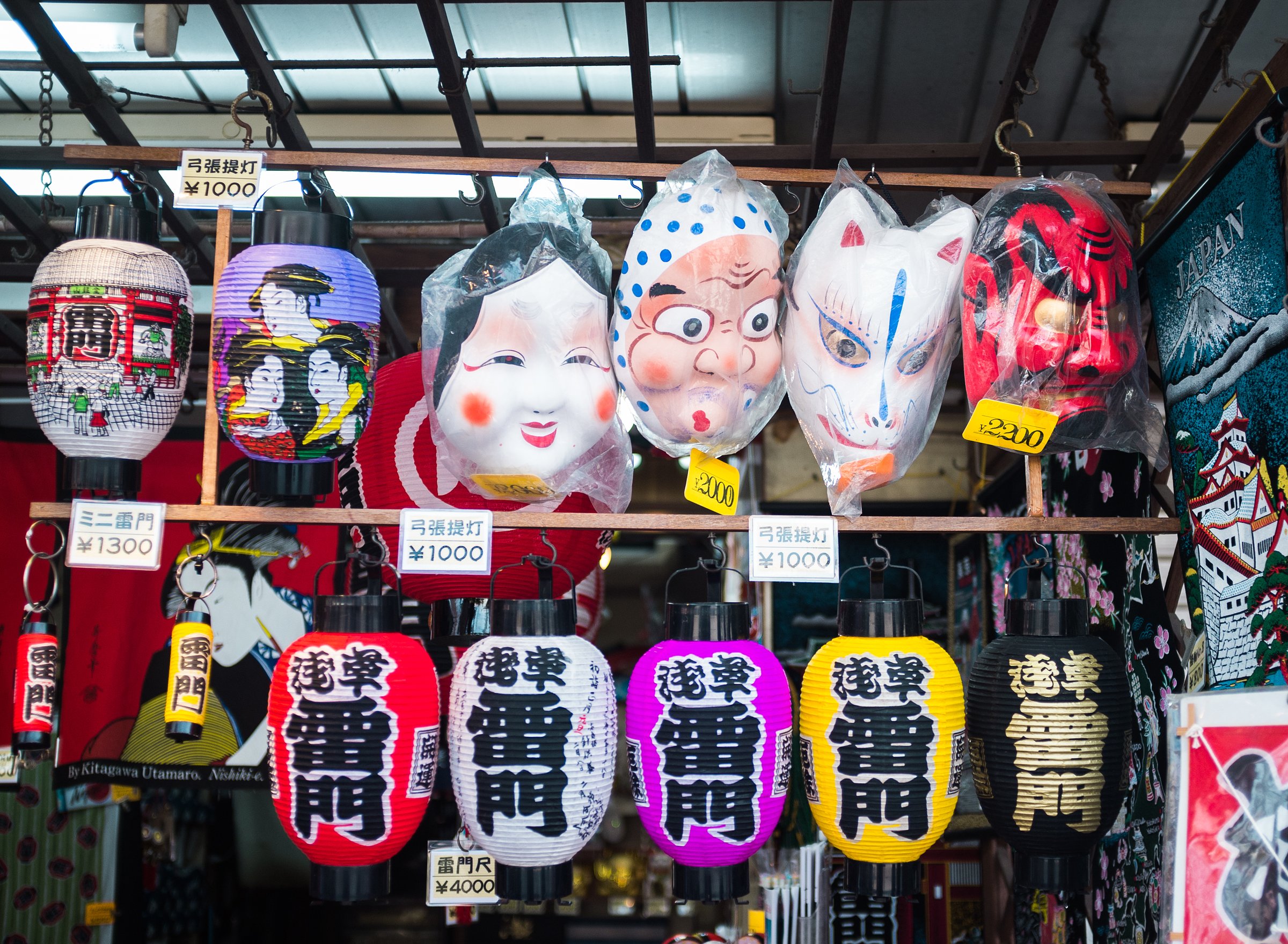
Nakamise Dori is the traditional shopping street leading from Kaminarimon toward Senso-ji.
Its compact storefronts sell sweets, souvenirs, crafts, and religious goods, continuing a commercial tradition associated with temple visitors. Your Expert explains how pilgrimage helped sustain local trade and how the street was reconstructed after wartime destruction.
Rather than treating Nakamise as a shopping stop, the tour reads it as evidence of the long relationship between belief and business.
Trace Edo’s Entertainment Culture
Asakusa became one of Edo’s major centers of public amusement.
The district developed theaters, performance spaces, teahouses, geisha culture, restaurants, and other businesses serving a growing urban population. These industries formed part of the ukiyo, or “floating world,” associated with pleasure, fashion, entertainment, and popular art.
Your Expert connects this history to the neighborhood’s later cinemas, cafés, shops, and street culture, showing how Asakusa repeatedly reinvented itself without losing its public character.
Explore the Narrower Streets of Old Tokyo
Depending on the Expert and pace of the group, the route may leave Nakamise for quieter side streets.
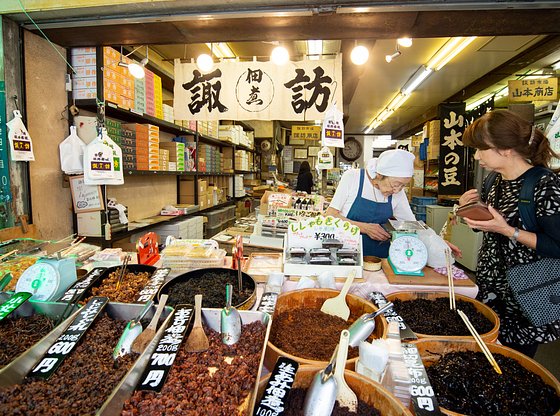
Small shops, traditional cafés, artisan businesses, restaurant displays, and modest streetscapes provide a different view of Asakusa from its main temple approach. They also open conversations about local craftsmanship, food culture, postwar rebuilding, and the persistence of neighborhood businesses.
These smaller details help make the district feel lived in rather than staged for visitors.
Visit Senso-ji, Tokyo’s Oldest Temple
Senso-ji is traditionally dated to the seventh century and is regarded as Tokyo’s oldest-established Buddhist temple.
The temple grew around a sacred image of Kannon, the bodhisattva of compassion. Over time, it became both a major pilgrimage destination and the center of Asakusa’s commercial and entertainment life.
Your Expert explains the temple’s history, layout, symbols, and continued religious importance while helping you look beyond the crowds and monumental architecture.
Learn How to Visit a Buddhist Temple
The experience includes practical guidance on temple etiquette.
You may learn how to approach the temple, use the purification area, offer incense, make an offering, and pray respectfully. Your Expert explains the meaning behind these customs so that participation feels informed rather than imitative.
No prior knowledge of Buddhism is required.
Compare Senso-ji and Asakusa Shrine
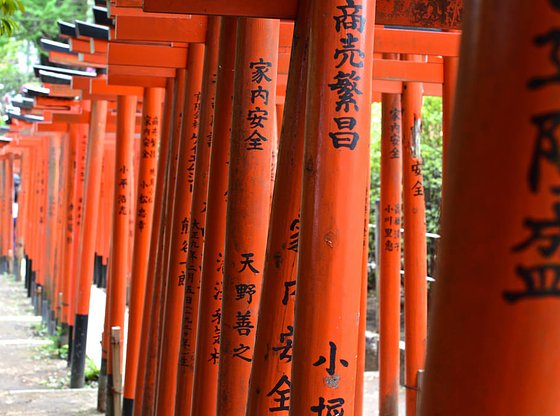
Asakusa Shrine stands beside Senso-ji and introduces a different Japanese religious tradition.
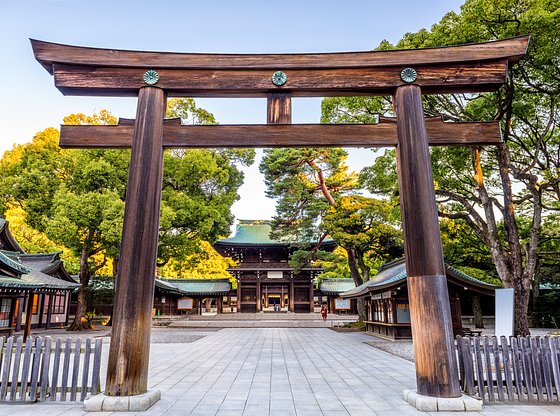
Senso-ji is Buddhist, while Asakusa Shrine is Shinto. Their close proximity provides a useful way to understand how the two traditions coexisted and influenced one another for centuries.
Your Expert explains how shrines and temples differ in architecture, ritual, sacred figures, and purpose without presenting Japanese religious life as a simple either-or divide.
Understand Asakusa’s Geisha History
Asakusa was historically one of Tokyo’s geisha districts, though the tour does not include a geisha performance or meeting.
The discussion places geisha within the wider entertainment economy of Edo and modern Tokyo. Your Expert may explain their role as trained performers and hosts, as well as the distinction between geisha culture and common misconceptions about the pleasure districts.
The emphasis is historical context rather than a staged geisha experience.
See How Asakusa Rebuilt After the War
Much of Asakusa was destroyed during the firebombing of Tokyo in the Second World War.
The reconstruction of Senso-ji, Nakamise, and the surrounding neighborhood became part of Tokyo’s larger recovery. Rebuilt gates and shops therefore represent not only older tradition, but also the deliberate restoration of cultural identity after devastation.
This history complicates the idea that everything visible in Asakusa is physically ancient. The neighborhood’s importance lies equally in what was preserved, rebuilt, and remembered.
A Private Asakusa Walking Tour
This is a private experience for your party. Your Expert can adapt the depth and emphasis according to your interests, whether you are most curious about Buddhism, Edo history, merchant culture, architecture, entertainment, photography, or contemporary neighborhood life.
Families can also request a more age-appropriate approach, subject to the availability of an Expert experienced with younger travelers.
Led by a Tokyo Expert
Your tour is led by a specialist in Japanese history, religion, art, culture, or urban life.
Rather than presenting isolated dates and landmarks, your Expert explains why Asakusa developed around Senso-ji and how the neighborhood’s sacred and commercial functions continue to overlap.
Questions are encouraged throughout the walk, making the experience conversational rather than scripted.
Frequently Asked Questions
What is included in this Asakusa tour?
The tour generally includes Nakamise Dori, the surrounding Asakusa neighborhood, and Senso-ji. Some Experts may also visit Asakusa Shrine, the temple garden, quieter side streets, or the observation terrace at the tourist information center, depending on timing and local conditions.
Is this a private Asakusa tour?
Yes. The experience is private for your party and can be adapted according to your interests and pace.
How long is the tour?
The tour lasts approximately two hours.
Where does the tour begin?
The usual meeting point is the Asakusa Culture Tourist Information Center. For departures before 10 a.m., guests meet their Expert outside the building because the center is not yet open.
Can the tour start before 10 a.m.?
Yes. Earlier departures can be arranged, but the meeting point must be outside the Asakusa Culture Tourist Information Center rather than inside it.
This should be handled automatically in the booking confirmation so guests are not given conflicting instructions.
What time can the tour start?
Standard start times are generally 10 a.m., 2 p.m., and 4 p.m., subject to availability. Earlier times may also be possible with an adjusted meeting point.
Does the tour visit Senso-ji?
Yes. Senso-ji is the principal landmark and usually the final major stop.
Do we go inside Senso-ji?
The tour includes the accessible temple areas, inside and outside, according to current visitor rules and religious activity.
Is admission to Senso-ji included?
Senso-ji does not charge standard admission for its main public temple grounds.
Does the tour include shopping?
No dedicated shopping time is included, and the tour is not designed for kimono or souvenir shopping. You will walk through commercial streets, but the emphasis is historical and cultural interpretation.
Will we meet a geisha?
No. The tour discusses Asakusa’s history as a geisha and entertainment district, but it does not include a geisha meeting, performance, or private cultural experience.
Is this a food tour?
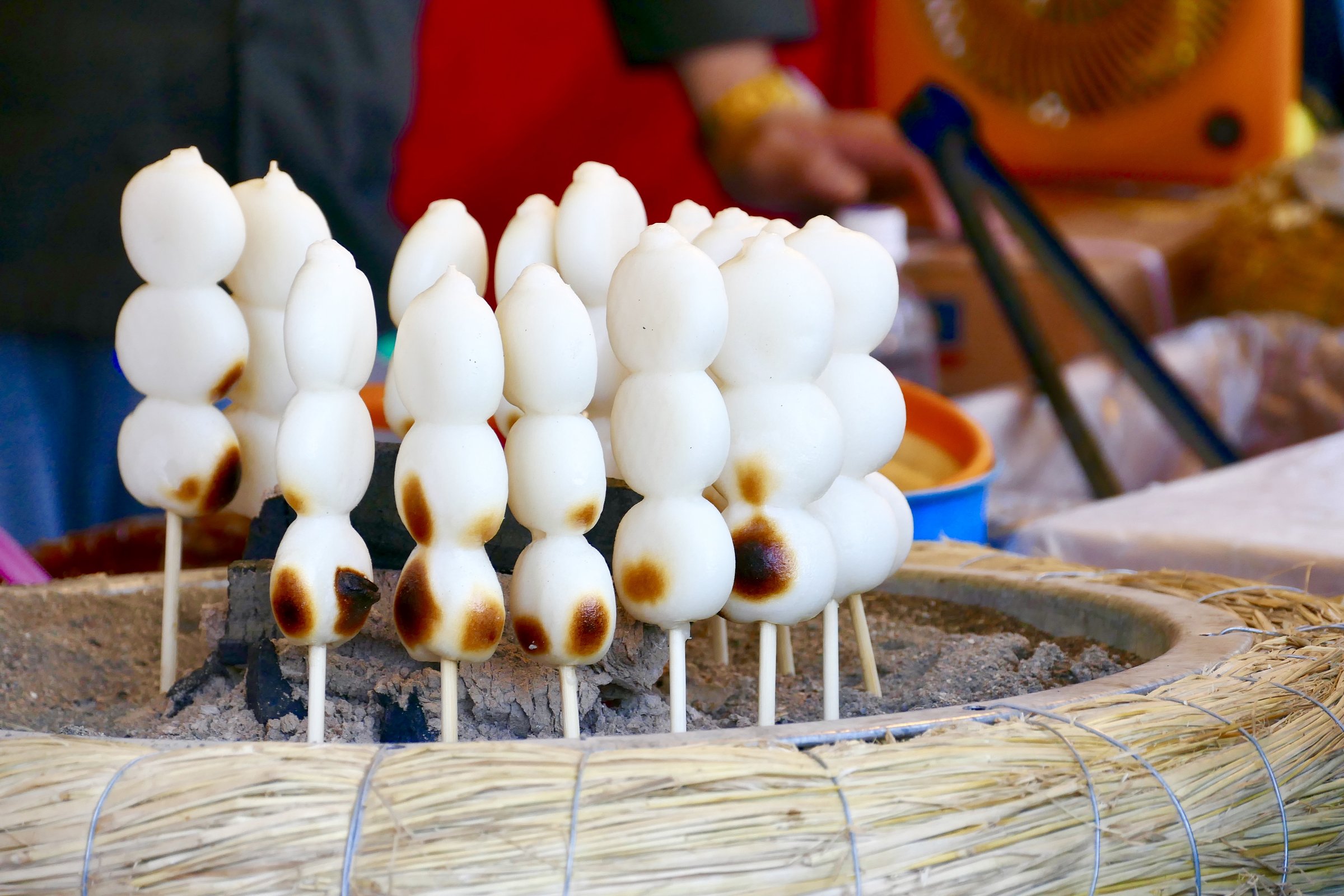
No. Your Expert may discuss food culture, traditional cafés, restaurant displays, or local specialties, but tastings and a structured food itinerary are not included.
Is this tour suitable for first-time visitors?
Yes. The compact route introduces several central aspects of Japanese culture: Buddhism, Shinto, Edo history, neighborhood commerce, and temple etiquette. It is especially useful for travelers with limited time in Tokyo.
Is this tour suitable for children?
Yes. The standard experience is not part of the dedicated family portfolio, but the content can be made more family-friendly when an appropriate Expert is available.
Is this tour suitable for teenagers?
Yes. Asakusa’s temple rituals, streets, entertainment history, shops, and visual character can work particularly well for teenagers. Share their interests before the tour so the Expert can adjust the discussion.
How much walking is involved?
This is a relatively compact neighborhood walk and is less physically demanding than many full-day Tokyo tours. Guests should still expect standing and walking through busy pedestrian areas.
Is the tour suitable for guests with mobility concerns?
It can often be adapted because the route is not especially long. However, crowds, curbs, temple surfaces, and station access may present challenges. Guests should share their mobility requirements before booking so a suitable route can be planned.
Is Asakusa crowded?
It often is, particularly around Kaminarimon, Nakamise Dori, and Senso-ji. A private Expert helps you navigate the busiest areas, interpret what you are seeing, and use quieter side streets when appropriate.
Is Asakusa worth visiting?
Yes. Asakusa combines one of Tokyo’s most important Buddhist temples with Edo-period history, commerce, entertainment culture, and a strong sense of neighborhood identity. It is especially valuable for travelers who want to understand old Tokyo rather than only its modern districts.
What makes this different from visiting Senso-ji independently?
An independent visit makes it easy to see the temple but harder to understand why a religious site developed into a major commercial and entertainment district. Your Expert connects Senso-ji, Nakamise, Shinto practice, geisha history, wartime rebuilding, and contemporary Asakusa into one coherent story.