Our first day in Tokyo was a total hit! Our guide, Fanny, was fantastic. She was prepared, on time and super knowledgeable. We could not have had a better guide for our eight hour walking tour.
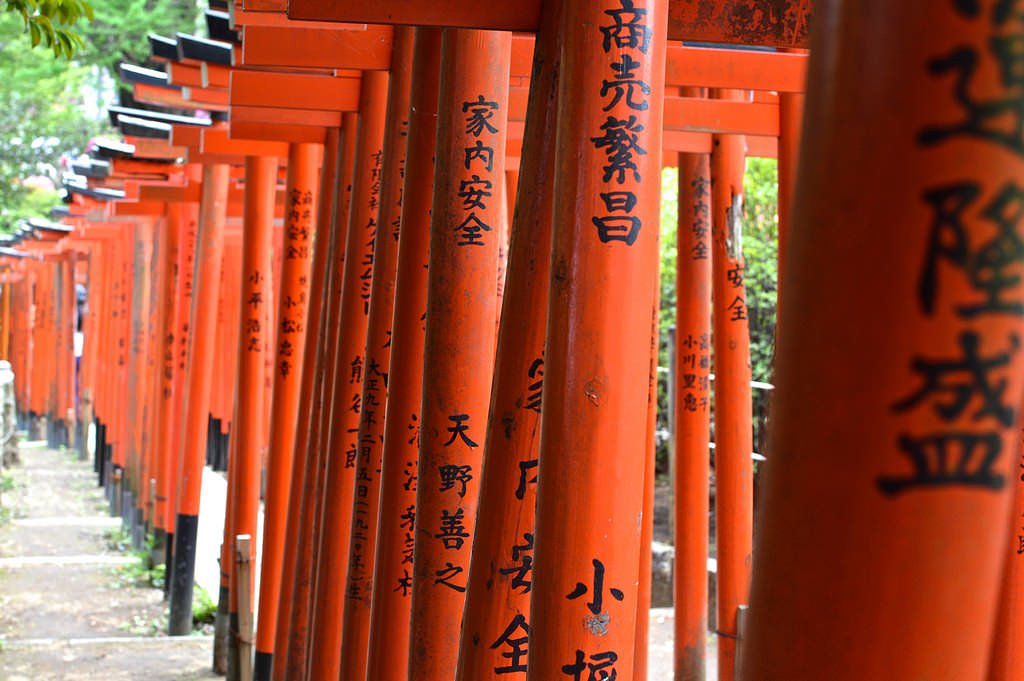
Tokyo In a Day Tour: Yanesen, Ueno and Asakusa
Understand Tokyo through sacred sites, food, and daily life
The Finer Details
Embark on a Tokyo adventure designed for those who wish to dive deep into the city's vibrant heart in just one day. This curated journey honors Tokyo's rich history and bustling present, seamlessly blending culture, cuisine, and stunning visuals. On foot and by metro, Tokyo's fastest lifeline, you'll navigate the city's iconic landmarks and hidden gems. Get ready for an immersive experience that packs the essence of Tokyo into an unforgettable day, with the expertise we've honed since beginning our tours in 2003.
Itinerary Details
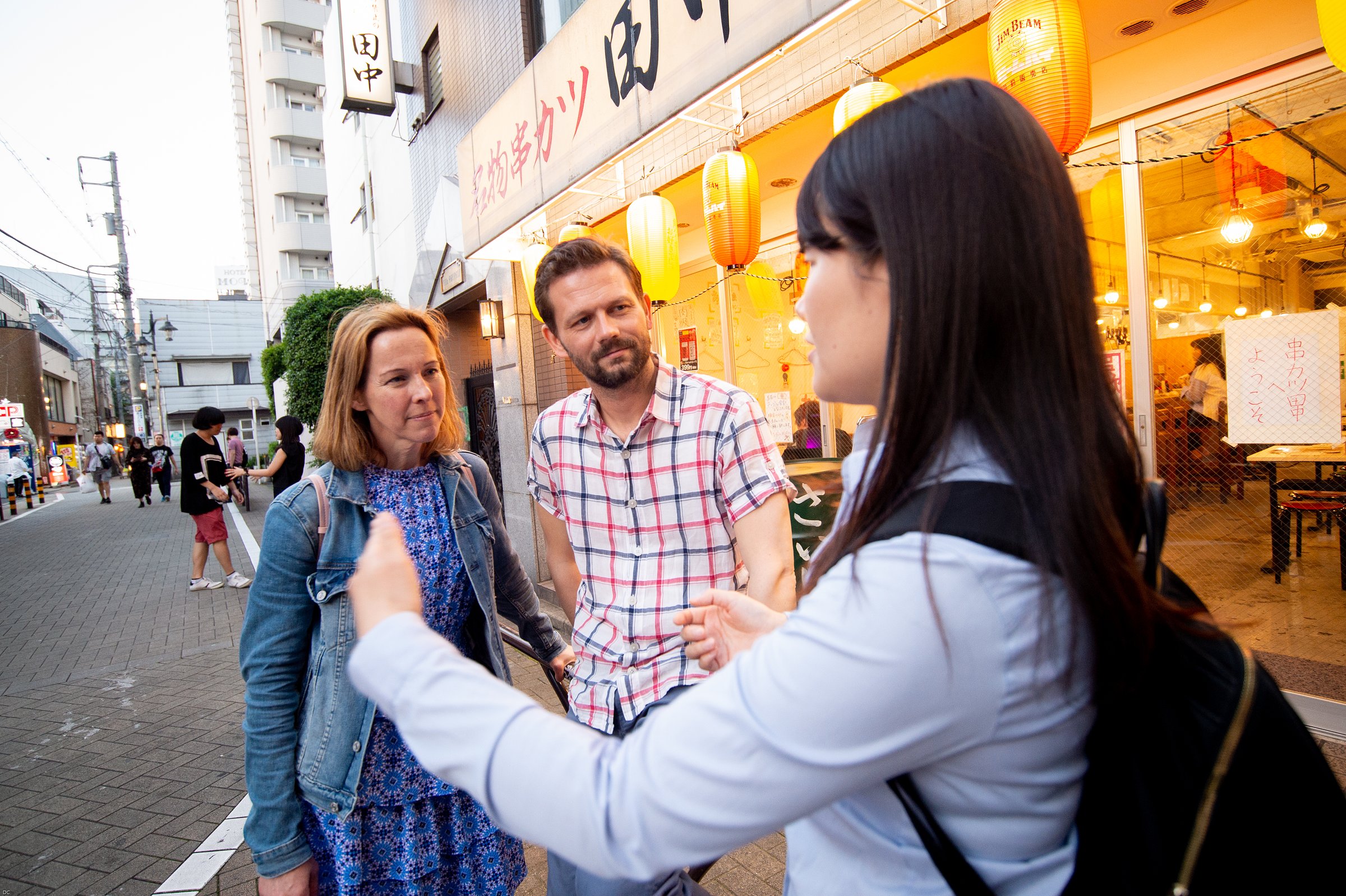
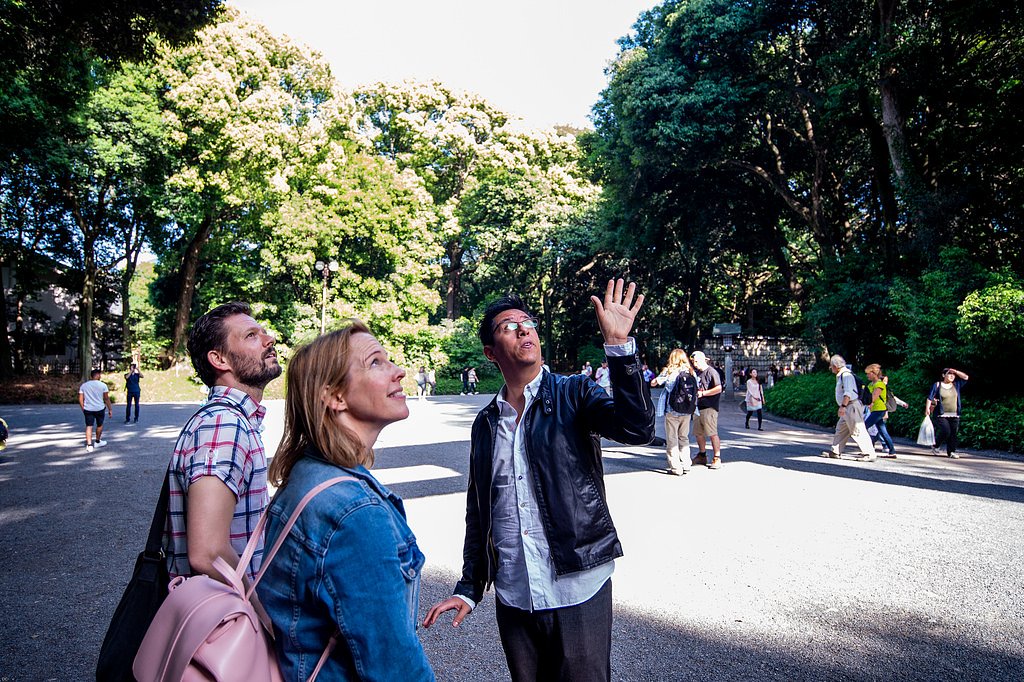
You'll start your day with us right at your hotel, where over helpful maps and a briefing on Tokyo, you'll gear up for a day packed with discovery. Together, we'll conquer the Tokyo metro – no more fear of the unknown, as our expert guide shows you the ropes of ticket buying and line navigating.
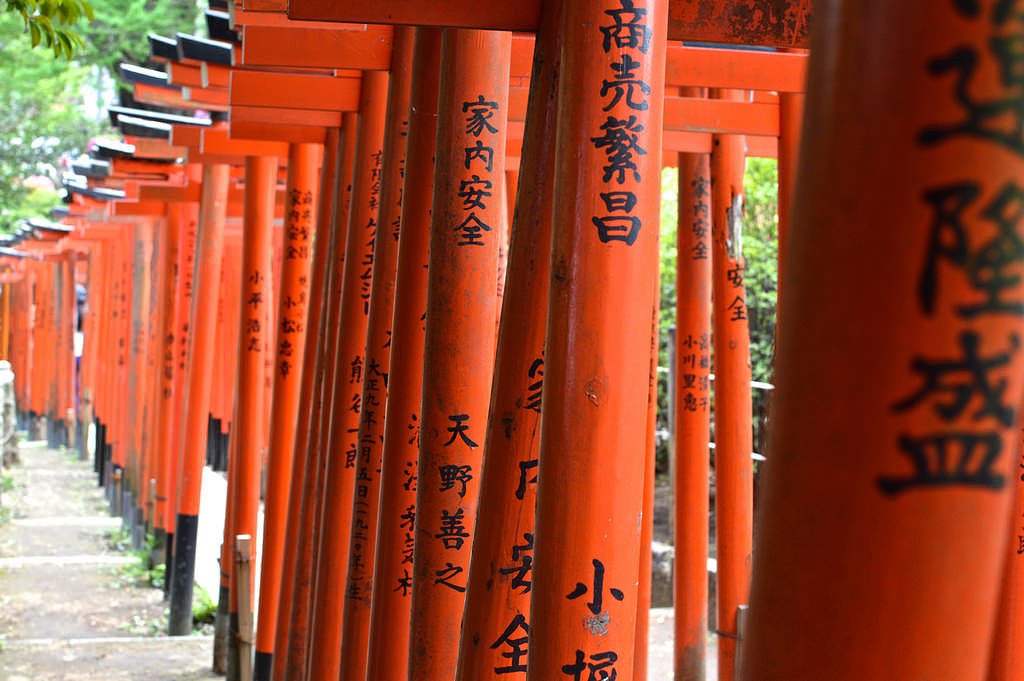
Your journey begins in the Yanesen area, where you'll wander through streets that whisk you back to an older Tokyo, untouched by wartime strife. As we meander past traditional architecture, artisan shops, and sacred spaces, the stories of each will come alive. Come lunchtime, you'll savor local flavors while our guide demystifies the fine points of Japanese dining etiquette right as you enjoy a meal together.
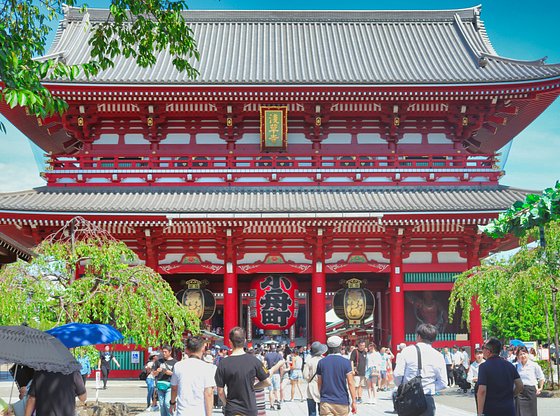
Post-lunch, the scenic Ueno Park awaits, with its kaleidoscope of shrines, ponds, performers, and everyday Tokyo life. Then, it's on to Asakusa, where Tokyo's past meets the present, and we’ll delve into the storied history of the area, setting the stage before the Edo period. The highlight of this Tokyo day tour? Marveling at Senso-ji, Tokyo's oldest temple, as we unravel the threads of religion and tradition in Japanese culture.
As the day winds down, you'll have experienced Tokyo's layers, from sacred historical sites to the hum of modern city life. With our local guide's insights, you’ll be more than ready to tackle the metro for your next urban adventure, carrying with you new context about Tokyo in your stride.
Choose this tour if...
- You're seeking to immerse yourself in Tokyo's rich history and vibrant culture in a single day.
- You're ready to gain a deeper understanding of Japanese society, religion, and traditions through expert narration.
- You're curious about navigating Tokyo's infamous metro system with the ease of a local.
Sites Visited
- Yanesen: Step back in time in this charming district that echoes the Edo period. You could meander through its inviting alleyways, explore unique craft shops, and indulge in the ritual of matcha at a traditional café.
- Ueno Park: Home to multiple museums and a zoo, it's an idyllic spot for cherry blossom viewing or enjoying a leisurely picnic.
- Asakusa: Immerse yourself in the traditional vibes of Tokyo as you wander along Nakamise Street, sample delightful street food, and shop for souvenirs that tell a story.
- Senso-ji Temple: Experience the spiritual heart of Tokyo at its oldest temple. While being led through the crowds, you'll be part of a timeless ritual observed by millions.
Logistics
General Information
- We recognize the need for moments of rest during full-day tours. Whether to catch your breath, take a sip of water, or simply soak in the surroundings, there will be ample opportunities to rest and regroup along the way.
- Please communicate with your guide throughout the day if adjustments are needed.
Helpful Resources
- For more information on planning your trip, take a read through our Context Stories.
- If you are looking to learn more about Tokyo prior to a visit, check out our online lectures and audio guides.
Meet the Experts
























Where You’ll Go
From iconic landmarks to tucked-away local favorites, these are the places you’ll explore and experience firsthand with your Expert.
-
Senso-ji
-
Ueno Park
-
Yanesen district
-
Asakusa
What’s Included As Standard
Here’s a look at what your tour covers, plus anything you’ll want to consider arranging separately, so you can plan with confidence.
Included
-
English-speaking expert guideTours led in English, offering you unbroken understanding throughout.
-
Intentionally sized groupsA smaller group means more time for conversations and questions.
-
Tickets and entrance feesAll entry tickets included (unless clearly stated otherwise).
-
HeadsetsHeadsets are included on tours that need them, so every word can be heard.
Not Included
-
Food and drinkUnless booking a Food & Drink tour or tasting experience, refreshments are not included.
-
Transportation to and from the meeting pointUnless noted, pre- and post-tour transport isn’t included - this service can be added by request.
-
GratuitiesTips aren’t included, but we encourage tipping as a way to thank your guide after your experience.
-
Hotel pickup or drop-offUnless noted, travel to or from accommodation isn’t included - this service can be added by request.
Make the Most of Your Tour
Some helpful advice for getting the most from your experience, from practical prep to small on-the-day tips.
Dos:
- Wear comfortable footwear
- Check the weather and dress appropriately
- Bring a bottle of water (no glass)
- Feel free to ask your Expert anything
Don'ts:
- Bring firearms or weapons
- Bring sharp objects (e.g. knives, swiss army knives, switchblades, hiking sticks)
- Dress inappropriately to enter religious sites or sacred monuments
Any questions? You can always
contact us.
Frequently Asked Questions
Book with confidence — see Context's flexible cancellation policy here.
We cover a lot of ground on this tour - Tokyo is very big and while we do use public transport to get around on this tour, there is also a lot of walking to do as well. We often cover around 10 miles over the whole tour and therefore wouldn't necessarily recommend it for those who have trouble walking far.
Our expert guides are skilled at adjusting the journey to ensure comfort and enjoyment, no matter the forecast. Please dress in comfortable attire.
The tour will begin in the lobby of your hotel, where your guide will give you a general orientation to the city and you'll head out together. The tour usually ends near the Senso-ji temple, but this may vary depending on the exact route your tour takes. Your guide will be able to give you recommendations for somewhere to get some dinner in the city, or can help you out with directions for where you would like to go after the tour.
To ease your travel within Tokyo, we'll provide you with a Subway pass for the day's adventures, a keepsake for your travels beyond our tour. You will be expected to cover the cost of your lunch and any additional refreshments.
Tokyo's culinary landscape is as diverse as it is accommodating. Whether you have dietary restrictions, allergies, or simply personal preferences, rest assured that we can find a delightful spot for lunch that caters to your needs. Just let us know in advance, and we'll work closely with your guide to select a restaurant that not only meets your requirements but also gives you a taste of Tokyo's renowned gastronomy.
Yes. Context clients generally tip anywhere from 10-25% of the purchase price of a personal service such as this, depending on the quality of the experience and their tipping habits.
- This walking tour typically involves the use of public transit and walking through narrow lanes and crowded spaces.
- The tour includes a significant amount of walking across various terrains. We often cover more than five miles walking distance.
- Most subway stations on the tour route are equipped with elevators; however, subway cars may be crowded.
- Senso-ji Temple is wheelchair-friendly, with a lift on the left side to facilitate accessibility.
- Please communicate any mobility needs or concerns with our team at the time of booking.
Don’t just take our word for it
We loved our time with Fanny. She was smart, sweet and really tailored our experience ! We learned so much about Tokyo. We highly recommend her !
We thoroughly enjoyed our day with Olesia exploring the less travelled neighborhoods of Tokyo. We especially enjoyed Yamaka and Ueno Park and Olesia's deep knowledge of Japanese history and culture.
Book a Tour
Let Your Curiosity Shape Your Journey
Join passionate experts on intimate walking tours that reveal a city’s unique stories, spark conversations, and leave you seeing the world—and yourself—a little differently.
Structured, never scripted
Your interests guide your Expert, leading to stories and perspectives that matter to you.
Crafted for conversation
With 12 or fewer guests, ask questions, engage with your Expert, and fully immerse yourself.
Experts, not guides
Explore with 1,200+ Experts—from historians and architects to archaeologists and chefs.
You May Also Be Interested In…
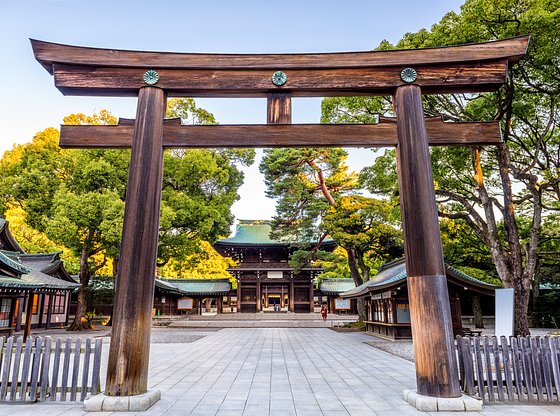

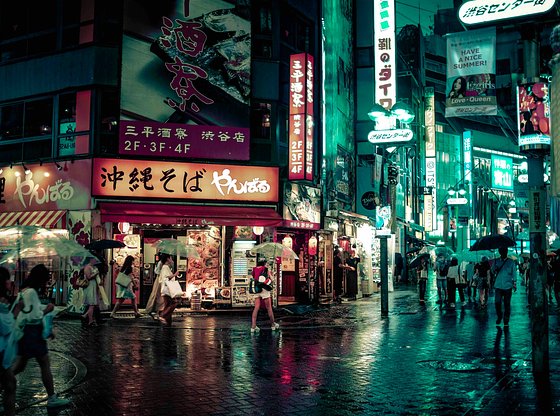
Understand Tokyo in One Expertly Planned Day
Tokyo can feel less like one city than dozens of cities joined by an enormous rail network.
This private Tokyo day tour makes that scale more manageable by concentrating on the neighborhoods, sacred sites, and public spaces that reveal how the city developed. Over a full day, you move from the older streets of Yanesen to Ueno and Asakusa, connecting Tokyo’s religious traditions, political history, and urban growth through one clear route.
Your Context Expert also introduces the metro system as you travel, giving you practical confidence to continue exploring independently after the tour.
Make Your First Day in Tokyo Count
The city covers a vast area, its attractions are spread across multiple rail lines, and many neighborhoods make little sense without historical context. Trying to see everything can result in spending more time navigating than understanding what is around you.
This itinerary removes that burden. Your Expert meets you at your hotel, explains how Tokyo fits together on the map, and manages the route between districts. Instead of chasing disconnected landmarks, you gain a historical foundation and a working sense of the city’s geography.
Learn to Navigate Tokyo’s Metro
Tokyo’s public transportation system is efficient, but its scale can be intimidating to first-time visitors.
During the tour, your Expert shows you how to identify train and metro lines, purchase or use tickets, read station signs, manage transfers, and orient yourself after leaving a station. You learn these skills through real journeys rather than a separate lesson.
By the end of the day, the rail map should feel less like an obstacle and more like a tool for the rest of your trip.
Begin in Yanesen, Tokyo’s Older Side
Yanesen refers to the neighboring districts of Yanaka, Nezu, and Sendagi.
Unlike much of central Tokyo, parts of this area survived both the 1923 Great Kanto Earthquake and the extensive bombing of the Second World War. Its narrow lanes, modest buildings, temples, craft shops, and small businesses preserve a scale that is increasingly difficult to find elsewhere in the city.
Walking here provides a useful starting point for understanding what Tokyo looked and felt like before rapid postwar redevelopment transformed its skyline.
Trace Tokyo’s History Through Yanaka Cemetery
Yanaka Cemetery is more than a quiet green space.
Its paths and monuments reveal changing ideas about family, status, memory, and the modern Japanese state. Among those buried here is Tokugawa Yoshinobu, the fifteenth and final shogun of the Tokugawa shogunate.
Your Expert uses the cemetery to connect the end of the Edo period with the Meiji Restoration, when the shogunal city of Edo became the imperial capital of Tokyo.
Understand Shinto at Nezu Shrine
Nezu Shrine offers an introduction to Shinto practice within a lived neighborhood.
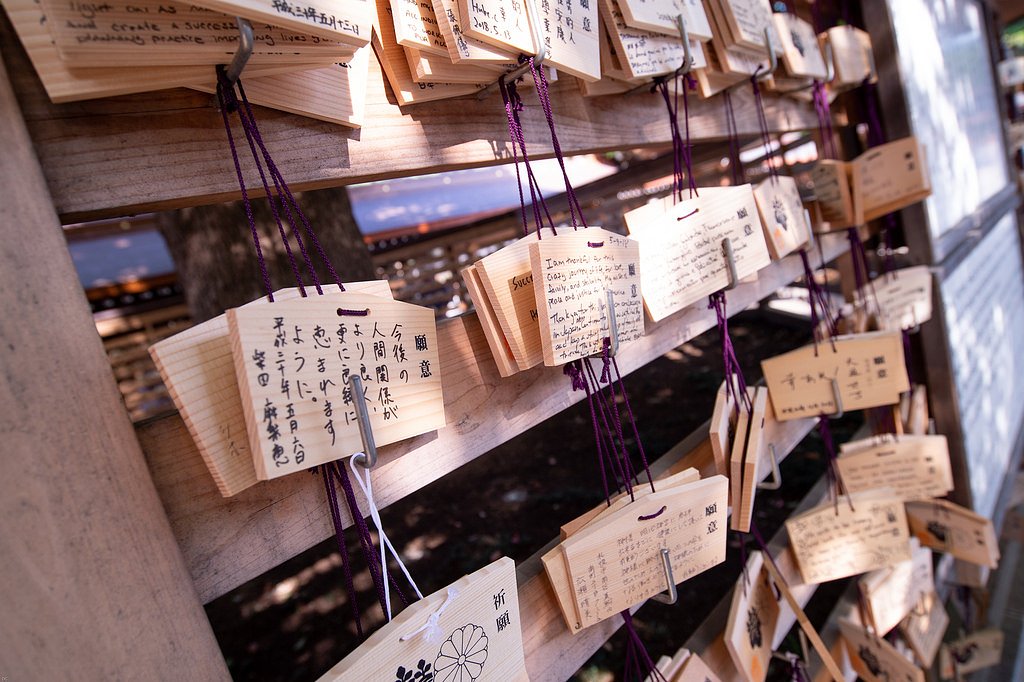
Although tradition traces its origins much earlier, the present shrine complex dates largely from the early eighteenth century. Its gates, wooded grounds, ritual spaces, and active worship help clarify concepts such as kami, purification, offerings, and sacred boundaries.
Rather than treating Shinto as a fixed list of beliefs, your Expert explains how it appears in everyday customs, festivals, community life, and Tokyo’s physical landscape.
See Tokyo Become a Modern Capital at Ueno Park
Ueno marks a shift from the intimate streets of Yanesen to the ambitions of modern Tokyo.
Established as one of Japan’s first public parks, it became a major center for museums, education, recreation, and civic life during the Meiji period. Temples, shrines, ponds, cultural institutions, and public gathering spaces remain layered together today.
The district provides a clear setting for discussing how Tokyo presented itself as a modern national capital while continuing to build over an older religious and political landscape.
Explore Asakusa Beyond the Crowds
Asakusa is one of Tokyo’s most visited districts, but its importance extends beyond souvenir shops and photographs.
The neighborhood grew around Senso-ji and became a major center of worship, commerce, performance, and popular entertainment during the Edo period. Those functions continue to overlap in the streets surrounding the temple.
Your Expert helps you read the district as a working urban ecosystem where religion and business reinforce one another rather than competing for space.
Visit Senso-ji, Tokyo’s Oldest Temple
Senso-ji traces its traditional foundation to the seventh century and remains one of Tokyo’s most active Buddhist temples.
The approach through Kaminarimon and Nakamise-dori reveals how pilgrimage, shopping, ritual, and spectacle have long been intertwined. Within the temple grounds, your Expert explains Buddhist customs, incense rituals, sacred images, and the continuing role of Senso-ji in contemporary Tokyo.
The interpretation moves beyond identifying buildings to clarify why the temple endured as the city around it repeatedly changed.
Connect Shinto and Buddhism
Throughout the day, your Expert introduces Shinto and Buddhism through the places where they are practiced. Nezu Shrine and Senso-ji provide distinct examples, while the surrounding neighborhoods demonstrate how both traditions have influenced customs, festivals, architecture, and public life.
You leave better able to identify and understand the sacred sites encountered during the rest of your time in Japan.
Understand How Edo Became Tokyo
Tokyo’s modern skyline can obscure the fact that the city grew from Edo, the seat of the Tokugawa shogunate.
The tour traces that evolution through neighborhood form, burial sites, shrines, temples, parks, and commercial streets. Yanesen preserves elements of the older city, Ueno reflects the institutional ambitions of the Meiji era, and Asakusa demonstrates how Edo-period traditions remain active within contemporary Tokyo.
Together, these districts provide a clearer historical arc than a route built only around modern landmarks.
A Private Tokyo Day Tour Shaped Around You
This is a private experience rather than a fixed group circuit.
Your Expert can adjust the pace and depth of the discussion according to your interests, whether you are particularly curious about religion, politics, architecture, neighborhood life, food, or public transportation.
The precise route may adapt to weather, closures, transit conditions, or the needs of your party while preserving the day’s central historical narrative.
Led by a Tokyo Expert
Your tour is led by a scholar or historian with deep knowledge of Tokyo and Japanese culture.
Context Experts may have backgrounds in history, religion, architecture, art, urban studies, or related fields. They connect the places you visit rather than presenting isolated facts, helping you understand why Tokyo developed as it did and how older traditions remain visible within the modern city.
Questions are encouraged throughout the experience, making the tour a sustained conversation rather than a rehearsed script.
Frequently Asked Questions
Can you see Tokyo in one day?
Tokyo is too large to see comprehensively in one day. A well-planned full-day tour can, however, provide a strong introduction to its history, sacred traditions, neighborhoods, and transportation system. This itinerary focuses on the city’s older foundations rather than trying to cover every famous district.
What does this Tokyo day tour include?
The planned route includes Yanesen, Yanaka Cemetery, Nezu Shrine, Ueno Park, Asakusa, and Senso-ji. The exact order or route may adjust according to local conditions and your interests.
Is this a private Tokyo day tour?
Yes. The tour is private for your party, allowing your Expert to tailor the pace, questions, and historical depth to your interests.
How long is the tour?
This is a full-day experience lasting approximately 8 hours. The current itinerary includes neighborhood walks, sacred sites, a lunch break, and metro journeys between different parts of Tokyo.
Where does the tour begin?
Your Expert meets you at your hotel and begins with an introduction to Tokyo’s geography and transportation system before you travel together to the first neighborhood.
Is transportation included?
The tour uses Tokyo’s metro and rail system, along with walking between nearby sites. The product details should state clearly whether individual transit fares are included in the booking price.
Will the Expert teach us how to use the Tokyo metro?
Yes. Learning how to read the system, make transfers, and orient yourself at stations is an intentional part of the experience. The goal is for you to feel more comfortable navigating independently afterward.
Is this a walking tour?
The experience combines substantial walking with public transportation. Comfortable shoes are essential, and guests should be prepared for station stairs, standing, and several neighborhood walks.
Does the tour visit Shibuya or Shinjuku?
No. This itinerary focuses on Tokyo’s older eastern neighborhoods and historical foundations rather than its modern commercial districts. Travelers primarily interested in Shibuya, Harajuku, or Shinjuku may prefer a different Tokyo experience.
Does the tour include Asakusa?
Yes. The afternoon includes Asakusa and Senso-ji, where your Expert explores the relationship among Buddhist worship, commerce, entertainment, and neighborhood life.
Does the tour visit Senso-ji?
Yes. Senso-ji is one of the tour’s central sites and provides an introduction to Buddhism and the historical development of Asakusa.
What is Yanesen?
Yanesen is a collective name for Yanaka, Nezu, and Sendagi. These adjacent neighborhoods retain older streets, temples, shops, and residential character that survived many of the disasters and redevelopment projects that transformed other parts of Tokyo.
Is this tour suitable for first-time visitors?
Yes. It is especially useful for first-time visitors who want historical grounding and practical help navigating the city before exploring further on their own.
Is this a good first-day tour?
Yes. Hotel pickup, metro guidance, and an introduction to Tokyo’s geography make it particularly valuable near the beginning of a stay. The tour gives you both historical context and practical skills that can improve the rest of your visit.
Is this tour suitable for children?
Families may take the tour, but a full day of walking, public transportation, temples, and historical discussion can be demanding for younger children. The private format allows some adaptation, but families should consider their children’s stamina and interests before booking.
Is the tour wheelchair accessible?
Some stations, cemetery paths, temple grounds, and neighborhood streets may create accessibility challenges. Guests with mobility requirements should contact Context before booking so the team can assess the route and potential adaptations.
How much walking is involved?
Expect intermittent walking and standing throughout the full day, as well as movement through train and metro stations. The tour covers several neighborhoods, although public transportation is used for longer distances.
What makes this different from a Tokyo bus tour?
A bus tour generally prioritizes covering a large number of attractions. This experience focuses on understanding how Tokyo developed and how its neighborhoods, beliefs, and institutions connect. Traveling by metro also teaches you how residents move through the city and prepares you to navigate independently.
What makes this different from a self-guided Tokyo itinerary?
A self-guided itinerary can tell you where to go, but it cannot easily explain how Yanesen, Ueno, and Asakusa fit into Tokyo’s historical development. Your Expert also handles navigation, adjusts the route in real time, answers questions, and helps you gain confidence using the metro.