Very intelligent and knowledgeable, young person, well-versed in Japanese history and art history, personable, conversation rarely lagged, and it was very obvious to me at multiple points along the way that there is no way I would’ve been able to do what I did and see what I saw today without his help
Hakone Day Trip from Tokyo
Experience Japan's iconic landscapes beyond the city
Slip out of Tokyo and into Hakone for a day, where lakes, hot springs, and open skies reveal Japan beyond its capital city.
Tour Highlights
- Countryside in one day Trade Tokyo’s rush for Hakone’s calmer lake, valleys, and mountain air, all in one day.
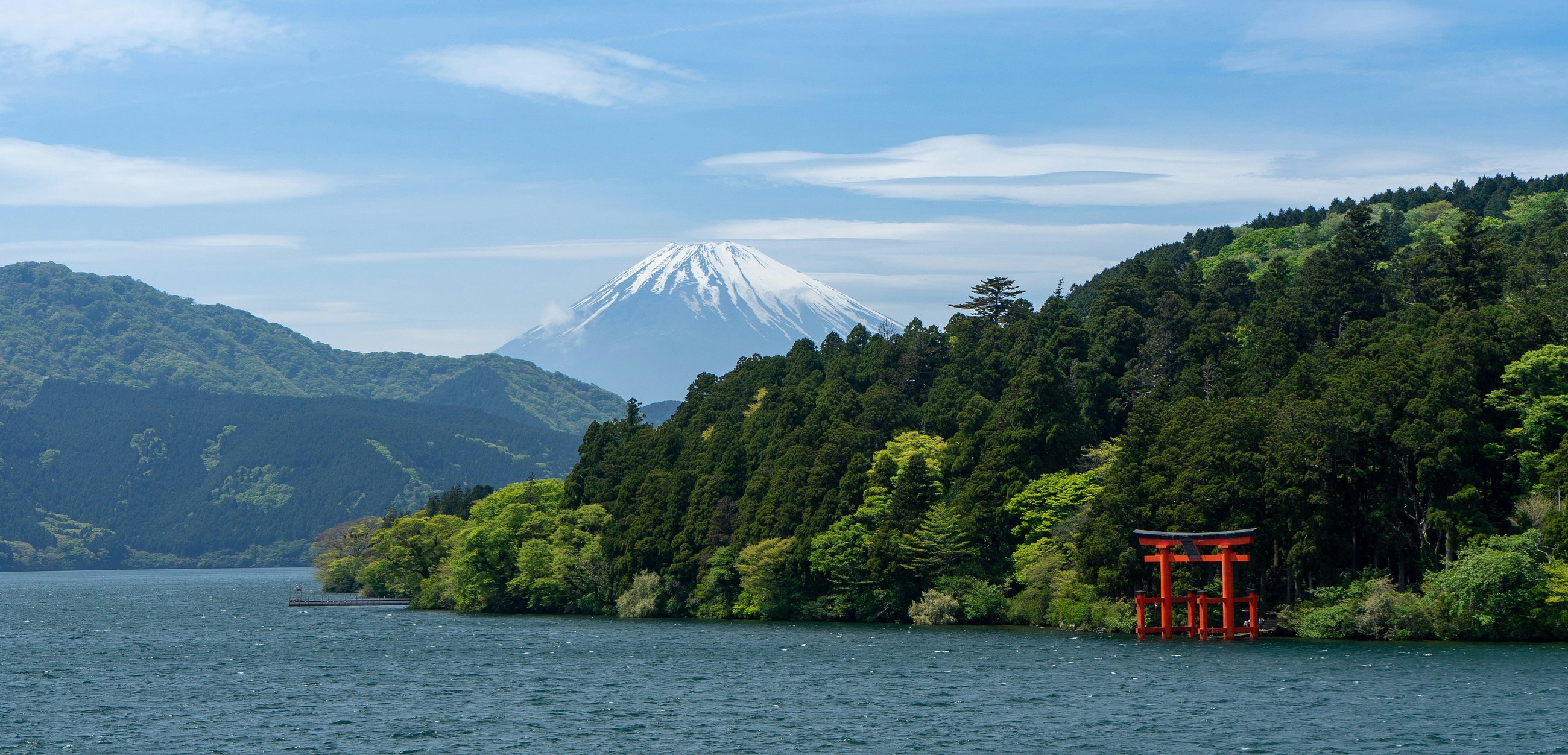
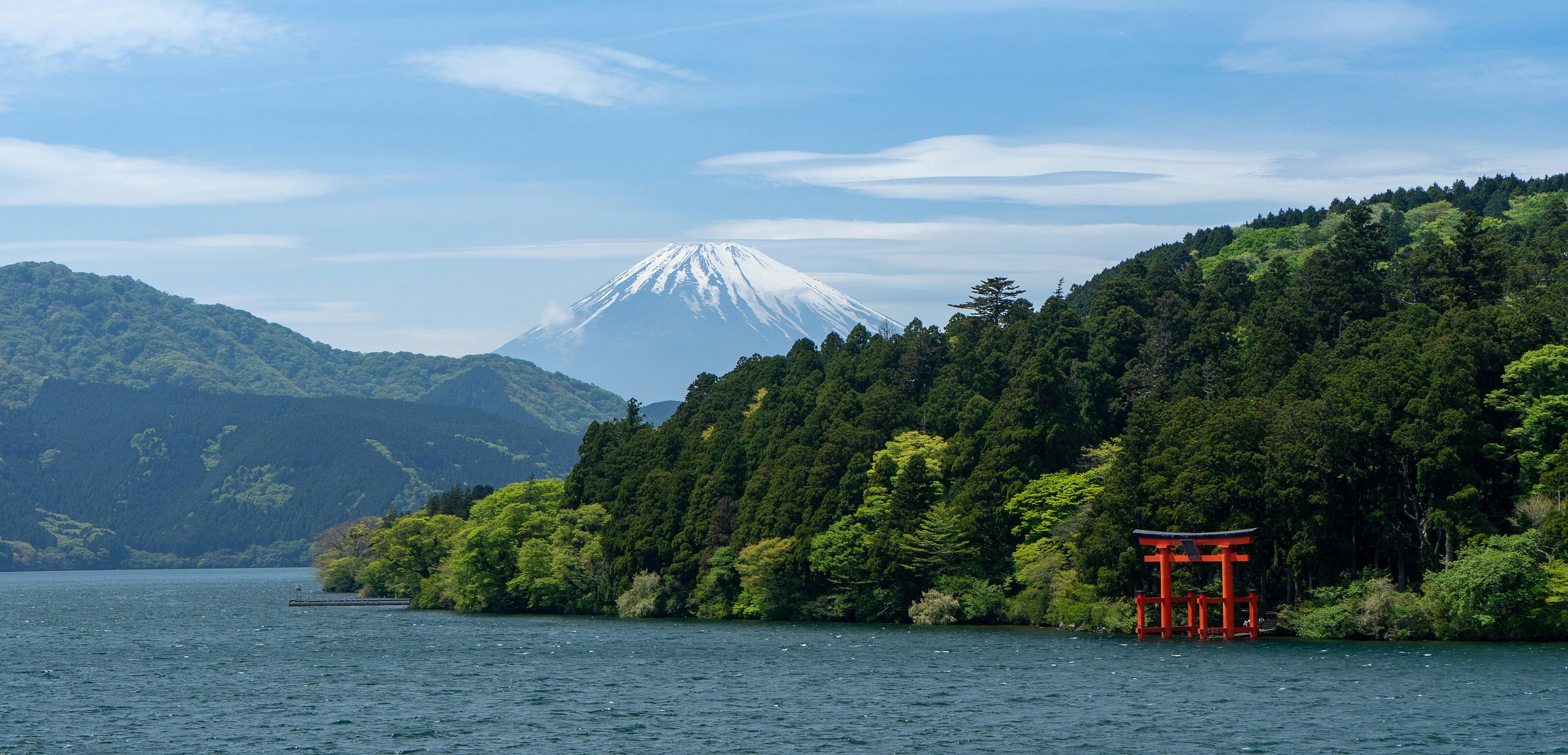
- The chance of Fuji views A sighting of Mount Fuji isn’t promised, but is entirely possible on clearer days.
- Logistics, taken care of Journey by train, boat, bus, and ropeway routes (without having to untangle the options yourself).
- Culture beyond the view Connect onsen customs, volcanic geology, and the surrounding nature thanks to your Expert's lens.
- Walk a volcano Follow a guided volcanic path, then cross Hakone by ropeway and sightseeing cruise.
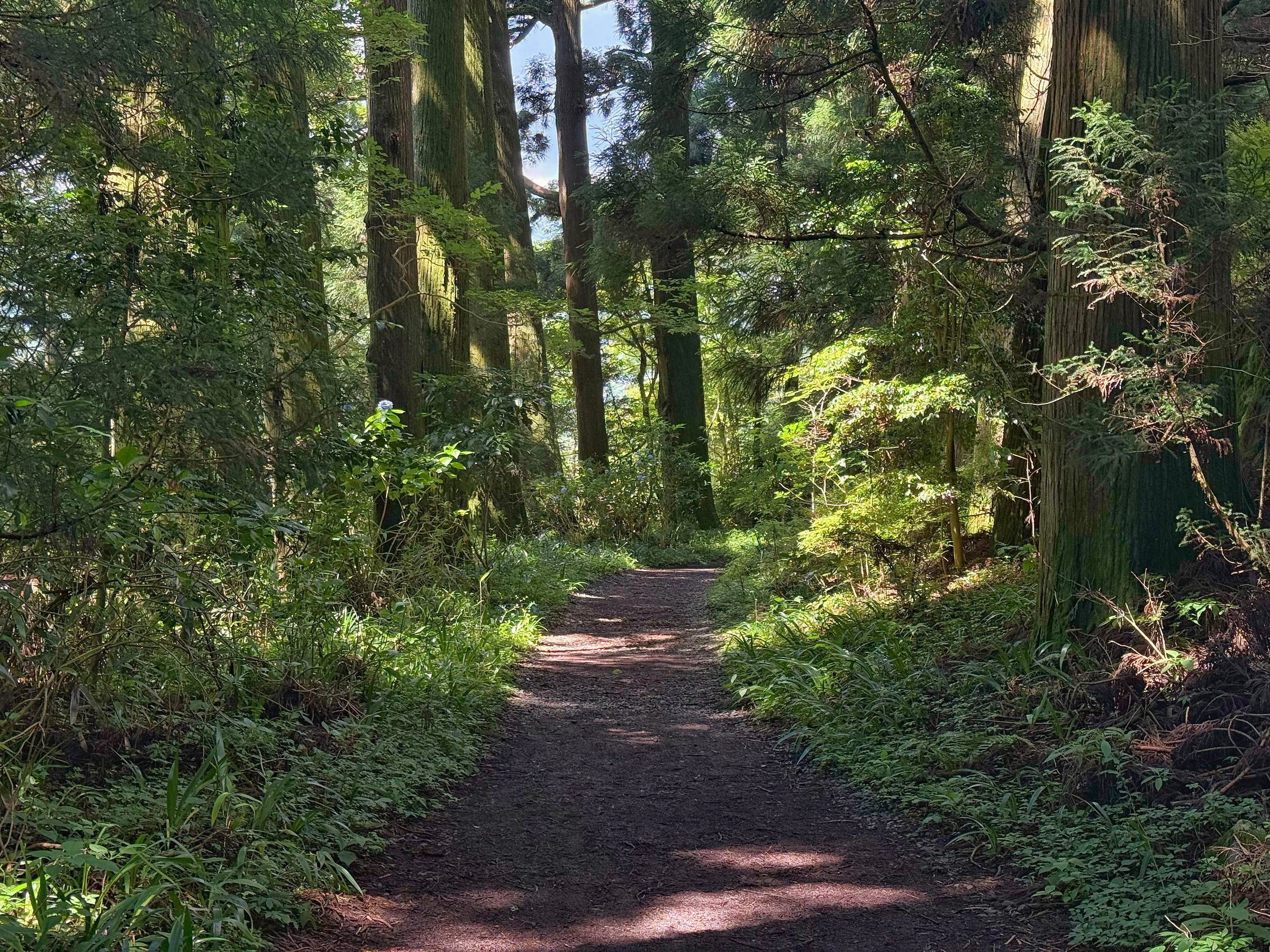
- Edo roads carry you forward Trace Edo-era travel from Hakone Sekisho along the cedar-lined Old Tokaido Road.
Led by Experts, Shaped by You
Explore with an expert guide who responds to your questions, your interests, and your pace. Reveal layers of meaning most visitors miss—go from seeing to understanding.
The Finer Details
What happens when Japan’s biggest city gives way to mountains, lakes, and volcanic valleys? Begin your Hakone day trip from Tokyo by meeting your Context Expert at Tokyo Station, board the Shinkansen, and watch the city give way to the Japanese countryside as Hakone emerges before you. In one full day, easily escape the rush of the city without solving every transport transfer yourself.
After arriving in Odawara, step into Edo-period history at Odawara Castle. Instead of reading signs and guessing connections, follow a route and narrative built to connect the sites.
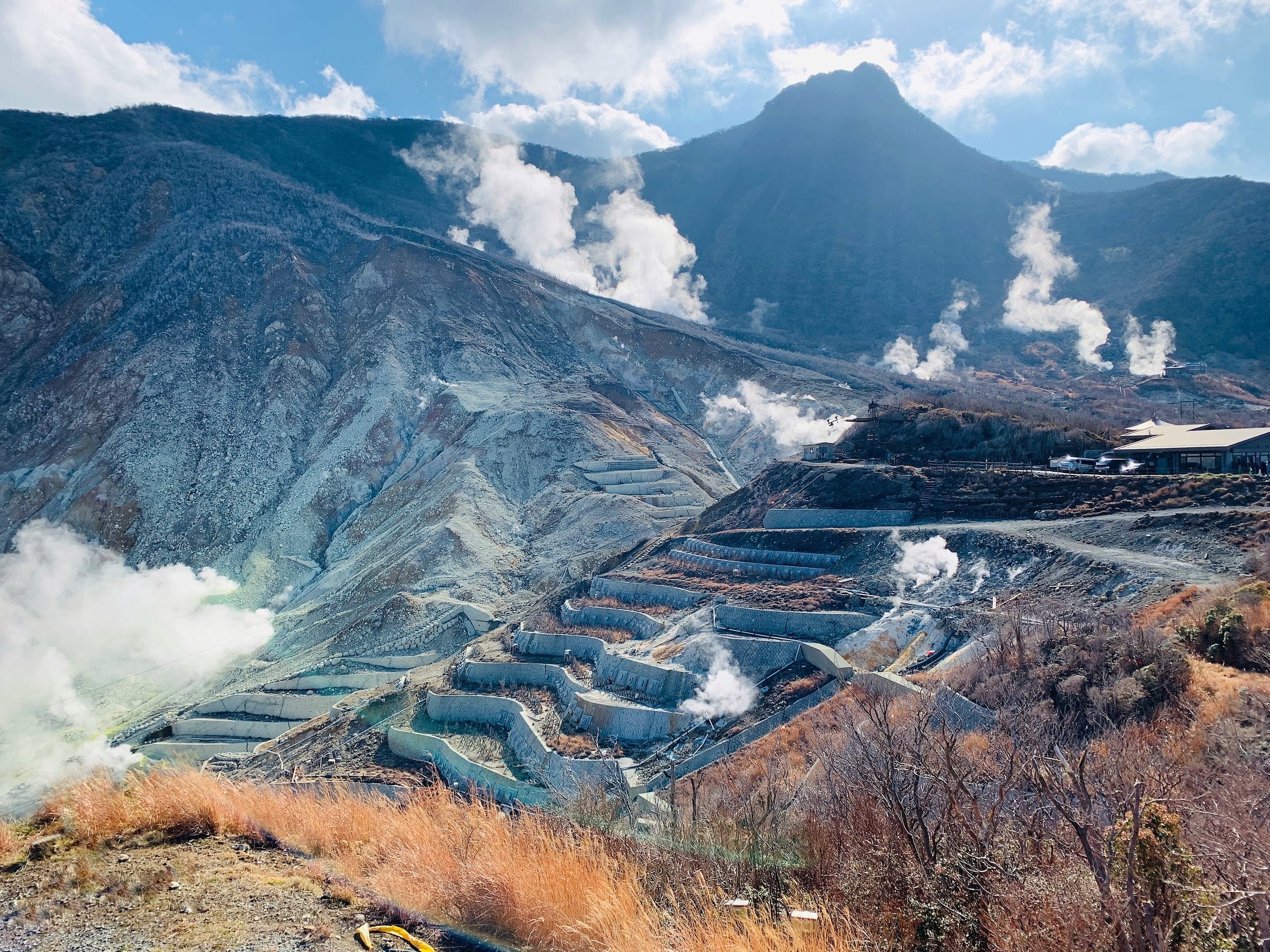
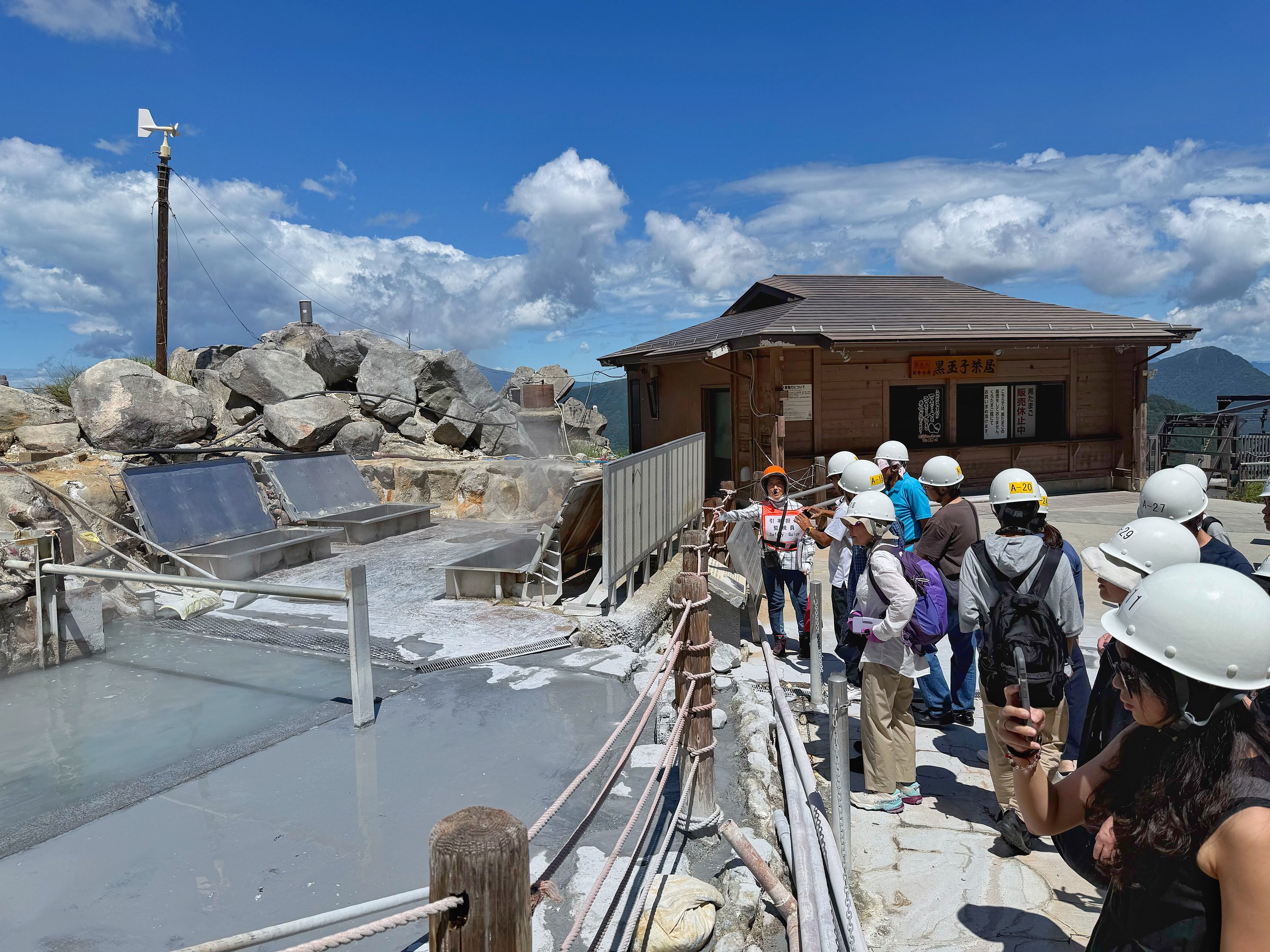
From there, travel by car into Owakudani, where volcanic terrain replaces castle walls and the landscape shifts the story to geology and nature. Together with your Expert, walk through an area that was previously closed after the 2015 eruption. Steam, sulfur, and hot spring water turn the mountain into a field lesson in volcanic activity, and the impact this area has on local life.
Speaking of local life, here the local delicacy is black eggs cooked in hot spring waters. They are said to add years to your lifespan, but the real reward is seeing how traditional folklore, stunning landscape, and everyday snack culture overlap.
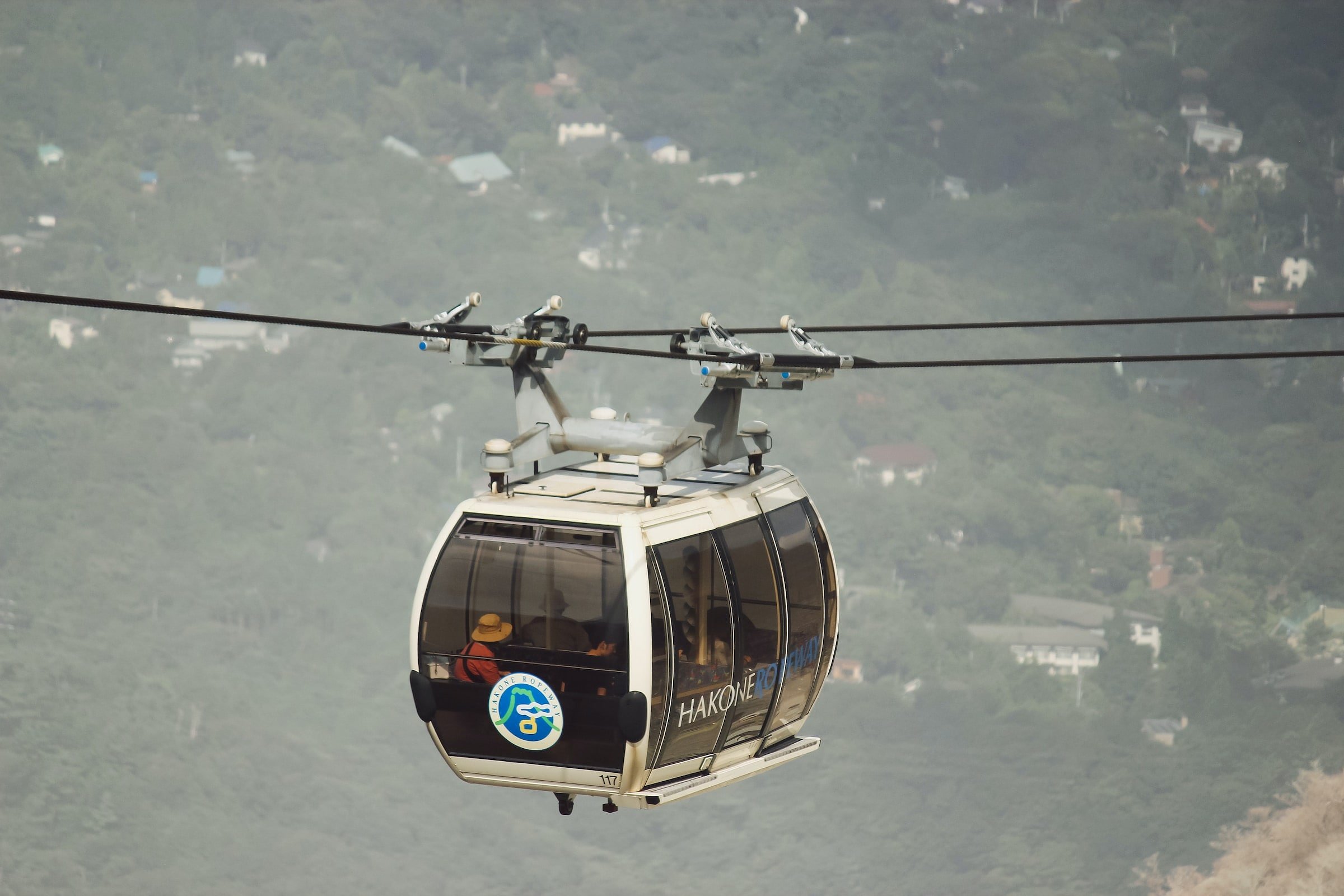
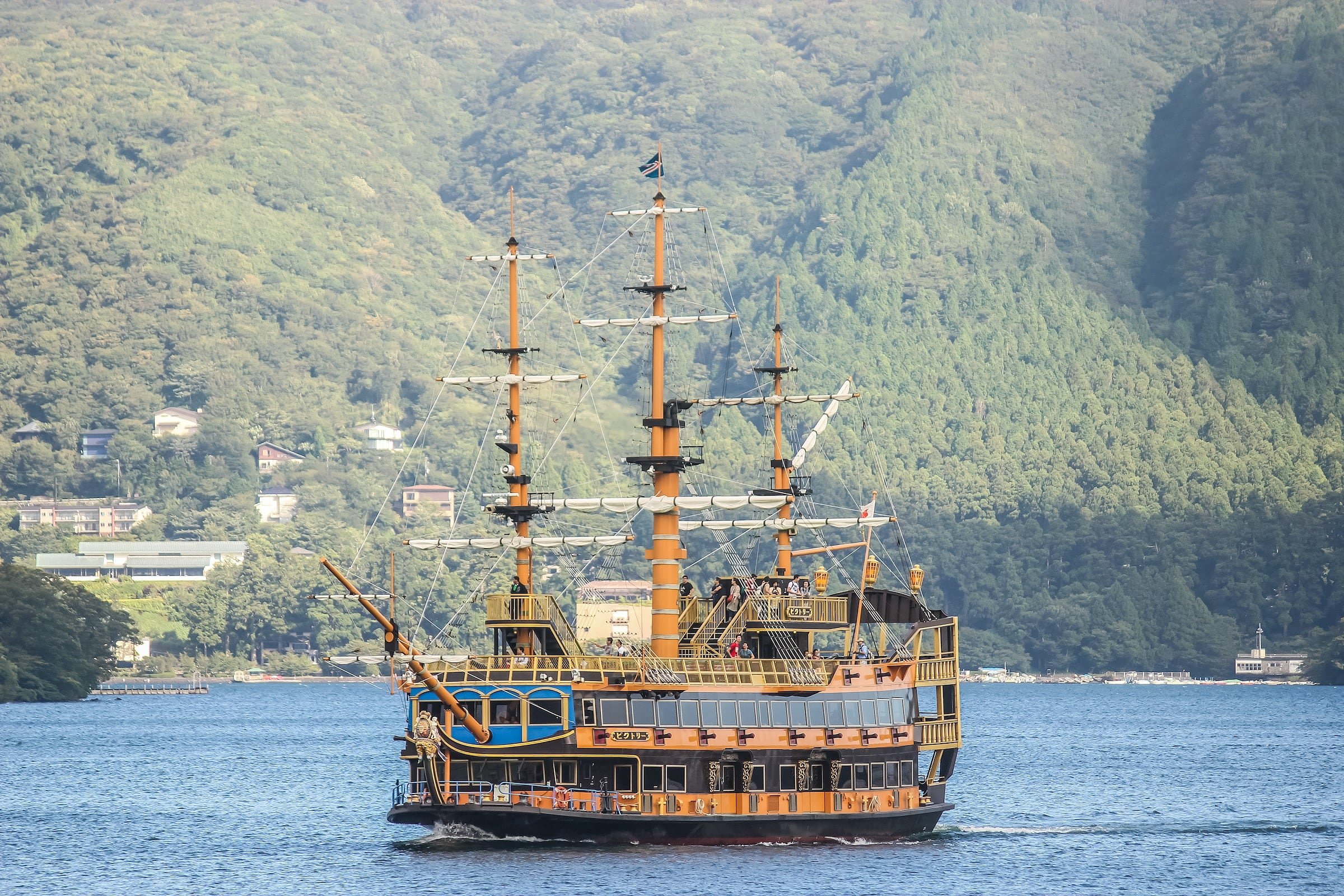
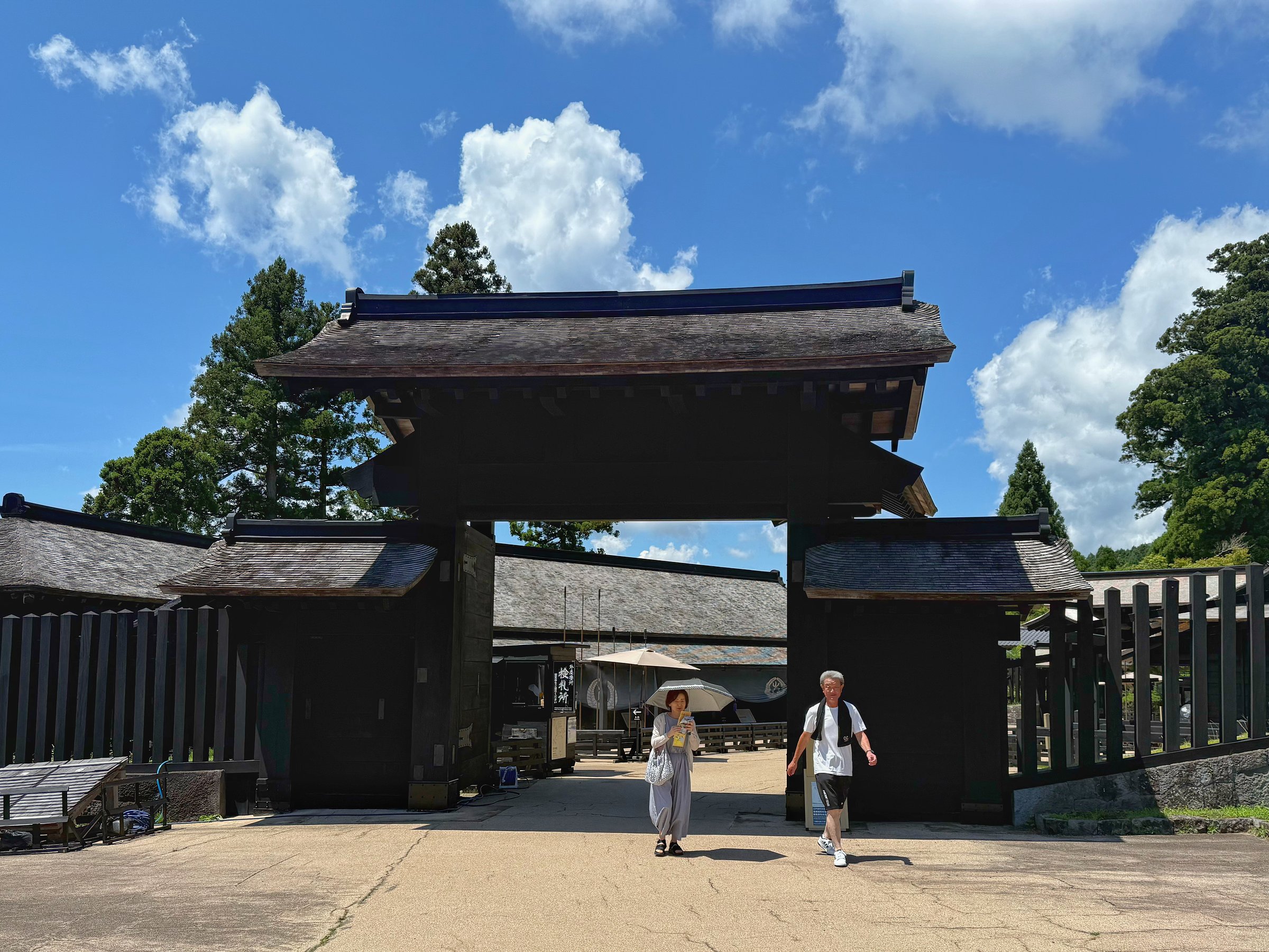
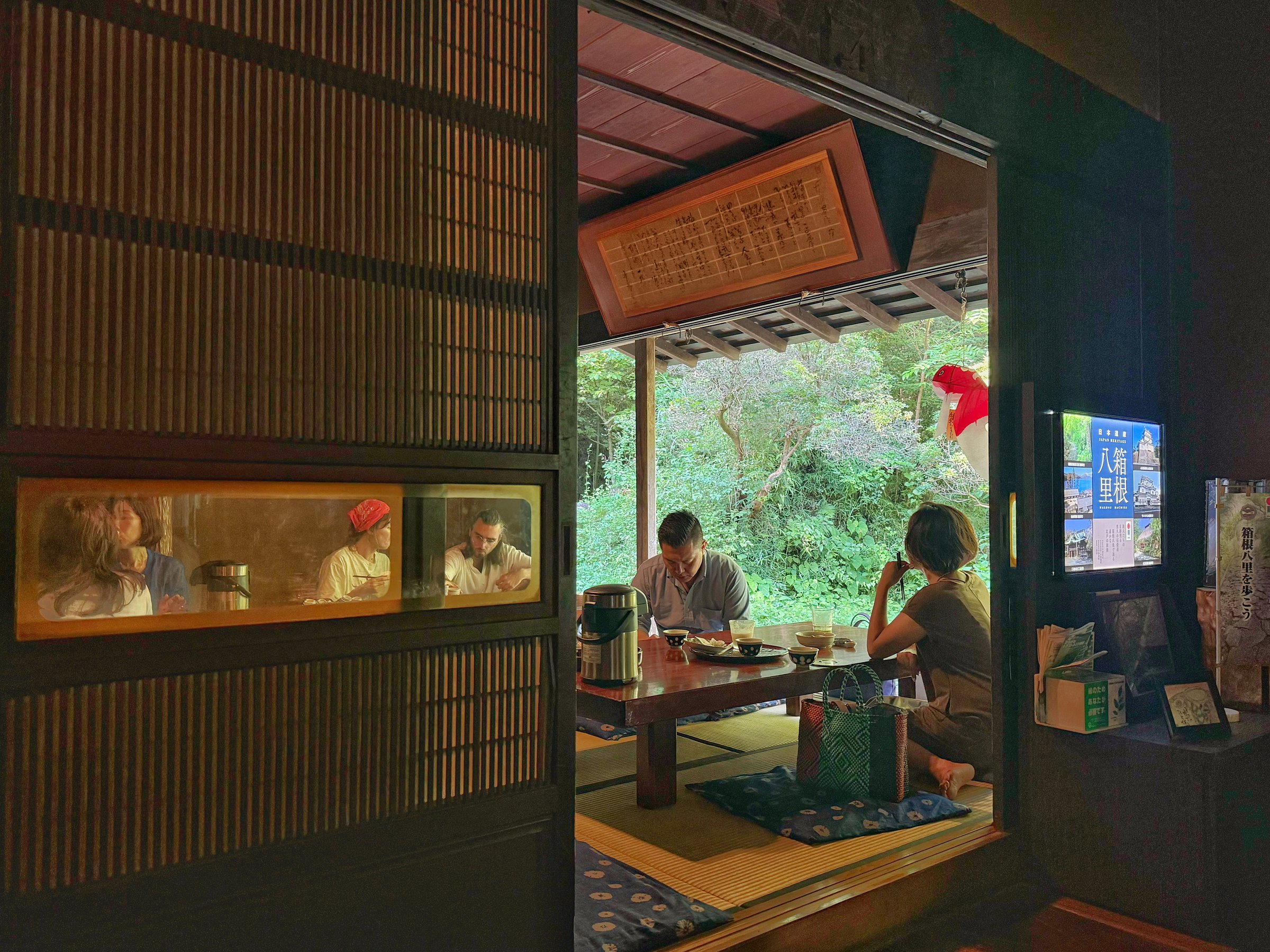
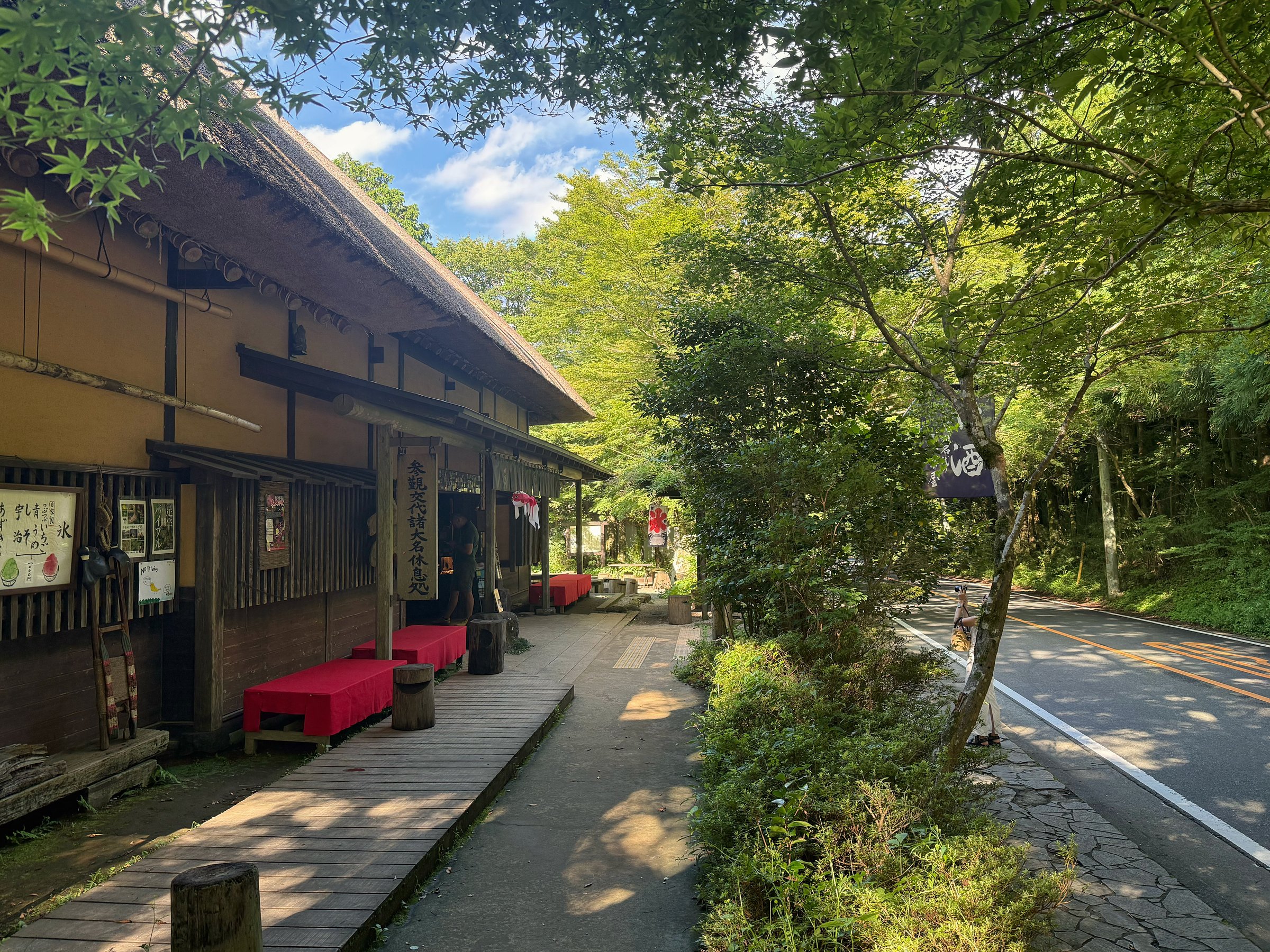
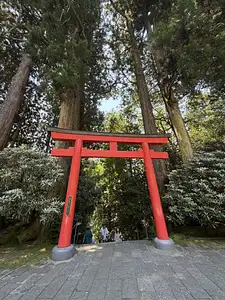
From here, ride the Ropeway Gondola to Togendai, pausing for lunch if you wish, and cross Lake Ashi aboard an ornate sightseeing vessel. Visit Hakone Sekisho, a reconstruction of the checkpoint that regulated Edo-period travel, and walk part of the cedar-lined Old Tokaido Road toward Motohakone. Continue to Hakone Shrine and the Peace Torii Grounds, with Amazake Chaya possible if time allows.
Return to Odawara by car and take the Shinkansen back to Tokyo, bringing the day full circle. Carry home more than the scenery you’ve seen: bring with you a clearer sense of how volcanic land, spiritual practice, and current-day leisure shape Hakone. For families or mixed-interest groups, this variety allows everyone to get a countryside chapter worth remembering in their own way.
Meet the Experts
















Where You’ll Go
From iconic landmarks to tucked-away local favorites, these are the places you’ll explore and experience firsthand with your Expert.
-
Lake Ashi CruiseSightseeing boat across clear lake waters
-
Hakone RopewayCable car over national park and volcanic valley views
-
OwakudaniGeothermal valley with sulfur vents and hot springs
-
Hakone ShrineLakeside shrine where nature and ritual meet
-
Odawara Castle
-
Togendai
-
Hakone Sekisho
-
Old Tokaido Road
-
Motohakone
What’s Included As Standard
Here’s a look at what your tour covers, plus anything you’ll want to consider arranging separately, so you can plan with confidence.
Included
-
English-speaking expert guideTours led in English, offering you unbroken understanding throughout.
-
Intentionally sized groupsA smaller group means more time for conversations and questions.
-
Tickets and entrance feesAll entry tickets included (unless clearly stated otherwise).
Not Included
-
GratuitiesTips aren’t included, but we encourage tipping as a way to thank your guide after your experience.
-
Food and drinkUnless booking a Food & Drink tour or tasting experience, refreshments are not included.
-
Transportation to and from the meeting pointUnless noted, pre- and post-tour transport isn’t included - this service can be added by request.
-
Hotel pickup or drop-offUnless noted, travel to or from accommodation isn’t included - this service can be added by request.
Where You'll Explore
Make the Most of Your Tour
Some helpful advice for getting the most from your experience, from practical prep to small on-the-day tips.
Dos:
- Wear comfortable footwear
- Check the weather and dress appropriately
- Bring a bottle of water (no glass)
- Feel free to ask your Expert anything
Don'ts:
- Bring firearms or weapons
- Bring sharp objects (e.g. knives, swiss army knives, switchblades, hiking sticks)
- Dress inappropriately to enter religious sites or sacred monuments
Any questions? You can always
contact us.
Frequently Asked Questions
Book with confidence — see Context's flexible cancellation policy here.
No, this would make the day extremely long and expensive. The train is the better option in Japan, as it allows travel faster and more comfortably than by car.
We will stop for lunch but payment is not included in the tour price.
Yes, of course. Although this is a very long day and it includes long walking.
Yes. If you are already in Hakone, we can inform the guide to meet you in front of the Odawara train Station at 9:00 AM. Tour will last 8 hours instead of 10 hours.
Yes. In this case, the start time and meeting point will remain the same, but the tour will end near Motohakone or Amazake Chaya around 4pm. If you have luggage, the guide can either facilitate helping you drop it off at the hotel first, or find a locker to store it in at the train station. Alternatively, we recommend using a takuhaibin luggage porter service.
No, because it doesn’t allow to pick the seats on the train, and it’s important that the whole group sits together. The only way for clients to sit with the guide on the train is by using tickets bought directly by the guide, therefore you must purchase tickets through us.
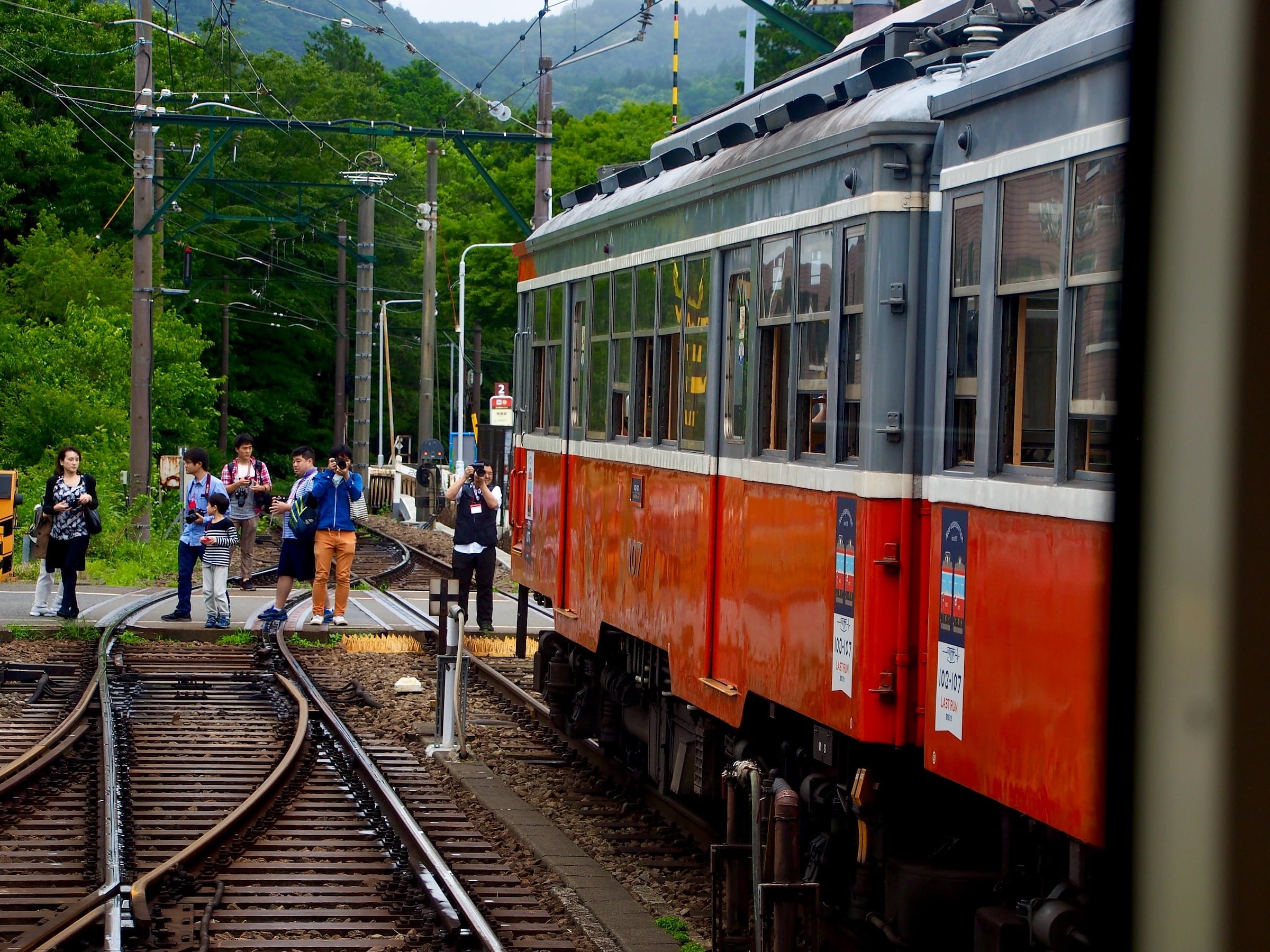
On a bad weather day, some routes around Hakone might be closed and the pirate ship and the ropeway stop completely. Guides can do these adjustments on site. You will probably begin in Gora visiting indoor craft facilities, or a very authentic teahouse that serves matcha. You can also take the local train (it runs even in case of bad weather) for a few stops to the Open Air Museum, which has indoor areas and is open despite bad weather. It might also be possible to take the cable car and mountain train.
-
Wheelchair accessibility
- Hakone Round Course (including the Lake Ashi Cruise and Hakone Ropeway is wheelchair accessible).
- The Shinkansen is also wheelchair accessible
- Owakudani is partially wheelchair accessible - some paths around are wide enough to accommodate wheelchairs, but there are some parts of the side that are only accessible by stairs
- Optional venues
Don’t just take our word for it
Rafael is one of the best tour guides I’ve had and I don’t say that lightly from someone who travels for a living. Not only did we learn so much about Japan, its culture, history and people we thoroughly enjoyed his attentive and caring company. Consider yourself lucky and blessed to have Rafa be your guide.
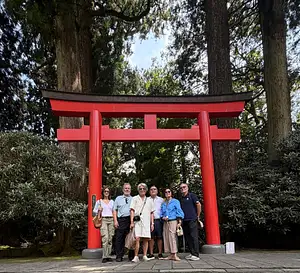
Learnt so much about Tokyo, Hakone and Japan in general. Wonderful perspective!
Let Your Curiosity Shape Your Journey
Join passionate experts on intimate walking tours that reveal a city’s unique stories, spark conversations, and leave you seeing the world—and yourself—a little differently.
Structured, never scripted
Your interests guide your Expert, leading to stories and perspectives that matter to you.
Crafted for conversation
With 12 or fewer guests, ask questions, engage with your Expert, and fully immerse yourself.
Experts, not guides
Explore with 1,200+ Experts—from historians and architects to archaeologists and chefs.
Related experiences our customers also loved

Hakone Day Trip from Tokyo
Hakone is close enough to Tokyo for a day trip, but different enough to feel like a genuine change of landscape. In a single day, the route moves from the city into volcanic valleys, mountain transport, Lake Ashi, Edo-period checkpoints, shrines, and stretches of the historic Tokaido Road. The contrast is the point. This Hakone day trip from Tokyo is not built around one headline attraction. It uses the region to show how geography has shaped travel, religion, leisure, and everyday life in Japan. Volcanic activity created the hot springs and geothermal terrain. Mountain passes influenced how people moved between Edo and Kyoto. Lake Ashi became both a transport corridor and a place of ritual significance. Modern railways, ropeways, and sightseeing boats now make that same landscape accessible in a very different way.
Yes, especially if you want one day that feels substantially different from Tokyo without committing to an overnight stay.
The journey begins by Shinkansen to Odawara, then continues through Hakone by road, ropeway, boat, and on foot. That variety is part of what makes the day worthwhile.
Hakone is especially well suited to travelers interested in:
- mountain and lake scenery
- volcanic geology and hot springs
- Edo-period travel history
- shrines and spiritual landscapes
- the possibility of Mount Fuji views
- experiencing Japan’s transport systems beyond the city
It is less suited to travelers who want a slow resort day or extensive onsen time. For that, staying overnight in Hakone is usually the better choice.
Sometimes, but never reliably.
Hakone can offer excellent views of Mount Fuji, particularly in clearer weather, but visibility depends heavily on clouds, haze, season, and time of day. The live product page correctly treats Fuji as a possibility rather than a promise. That distinction matters because Hakone is worth visiting even when Fuji is hidden.
At Owakudani, the main subject is the volcanic landscape itself: sulfur vents, geothermal activity, hot spring water, and the way living near an active volcanic zone has shaped local culture. The ropeway then changes the perspective again, carrying you across the mountains toward Lake Ashi.
A clear Fuji view can be memorable. It should be treated as a bonus rather than the sole reason to make the trip.
Tokyo has several very different day-trip options, and the best choice depends on what you want the day to add to your trip.
Choose Hakone if you want the strongest contrast with Tokyo itself: volcanic landscapes, Lake Ashi, mountain transport, hot spring culture, Edo-period travel history, and the possibility of Mount Fuji views. It is the most landscape-driven of Context’s current day trips and works especially well for travelers who want to understand how geography shapes life in Japan.
Choose Nikko if your priority is religious heritage, Tokugawa history, and monumental sacred architecture. The day centers on temples and shrines within a forested mountain landscape, including Toshogu Shrine and the legacy of Tokugawa Ieyasu. It is also the most physically demanding of the three Context excursions, with extensive walking and steep inclines.
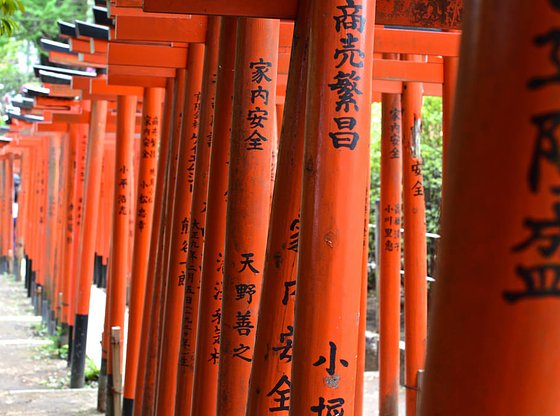
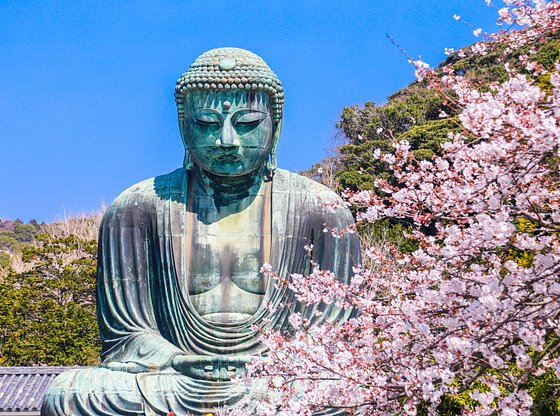
Choose Kamakura if you want a shorter, more compact excursion focused on Buddhist temples, Shinto traditions, samurai-era history, and the Great Buddha. At approximately an hour from Tokyo, it involves much less travel than Hakone or Nikko and is easier to fit into a trip where you do not want to devote an entire long day to leaving the city.
If you are still deciding, explore Context’s Day Trips from Tokyo collection, which brings Hakone, Nikko, and Kamakura together in one place, or read the Best Day Trips from Tokyo guide for additional possibilities such as Mount Takao, Mount Fuji, and other excursions beyond the capital.
If you are still deciding, explore Context’s Day Trips from Tokyo collection, which brings Hakone, Nikko, and Kamakura together in one place, or read the Best Day Trips from Tokyo guide for additional possibilities such as Mount Takao, Mount Fuji, and other excursions beyond the capital.
How long is the Hakone day trip from Tokyo?
The tour lasts approximately 10 hours from Tokyo. If you are already staying in Hakone, the live page notes that the guided day can begin at Odawara Station and last about eight hours.
How do you get from Tokyo to Hakone on this tour?
You travel with your Expert by Shinkansen from Tokyo Station to Odawara, then continue through Hakone using a combination of vehicle, ropeway, sightseeing boat, and walking.
Are train tickets included?
Yes. Transport and entrance tickets used during the experience are included.
Does the tour include the Hakone Ropeway?
Yes. The route includes the Hakone Ropeway between the volcanic area around Owakudani and Togendai, subject to operating conditions.
Does the tour include a Lake Ashi cruise?
Yes. The standard itinerary includes a sightseeing boat across Lake Ashi, subject to weather and operating conditions.
Will we see Mount Fuji?
Possibly, but it cannot be guaranteed. Clearer days provide the best chance, while clouds and haze can obscure Fuji even when the weather otherwise seems good.
Does the tour visit Owakudani?
Yes. Owakudani is one of the main stops and provides the clearest introduction to Hakone’s active volcanic landscape and hot spring geology.
What is the Old Tokaido Road?
The Tokaido was one of the principal routes connecting Edo with Kyoto during the early modern period. In Hakone, surviving cedar-lined sections and the reconstructed Hakone Sekisho checkpoint help explain how the Tokugawa government monitored movement along this strategic mountain corridor.
Does the tour visit Hakone Shrine?
Yes. The itinerary continues toward Hakone Shrine and the lakeside Peace Torii area near Motohakone.
Is lunch included?
No. The tour pauses for lunch, but food and drink are not included in the price.