Is Tsukiji Market still open?
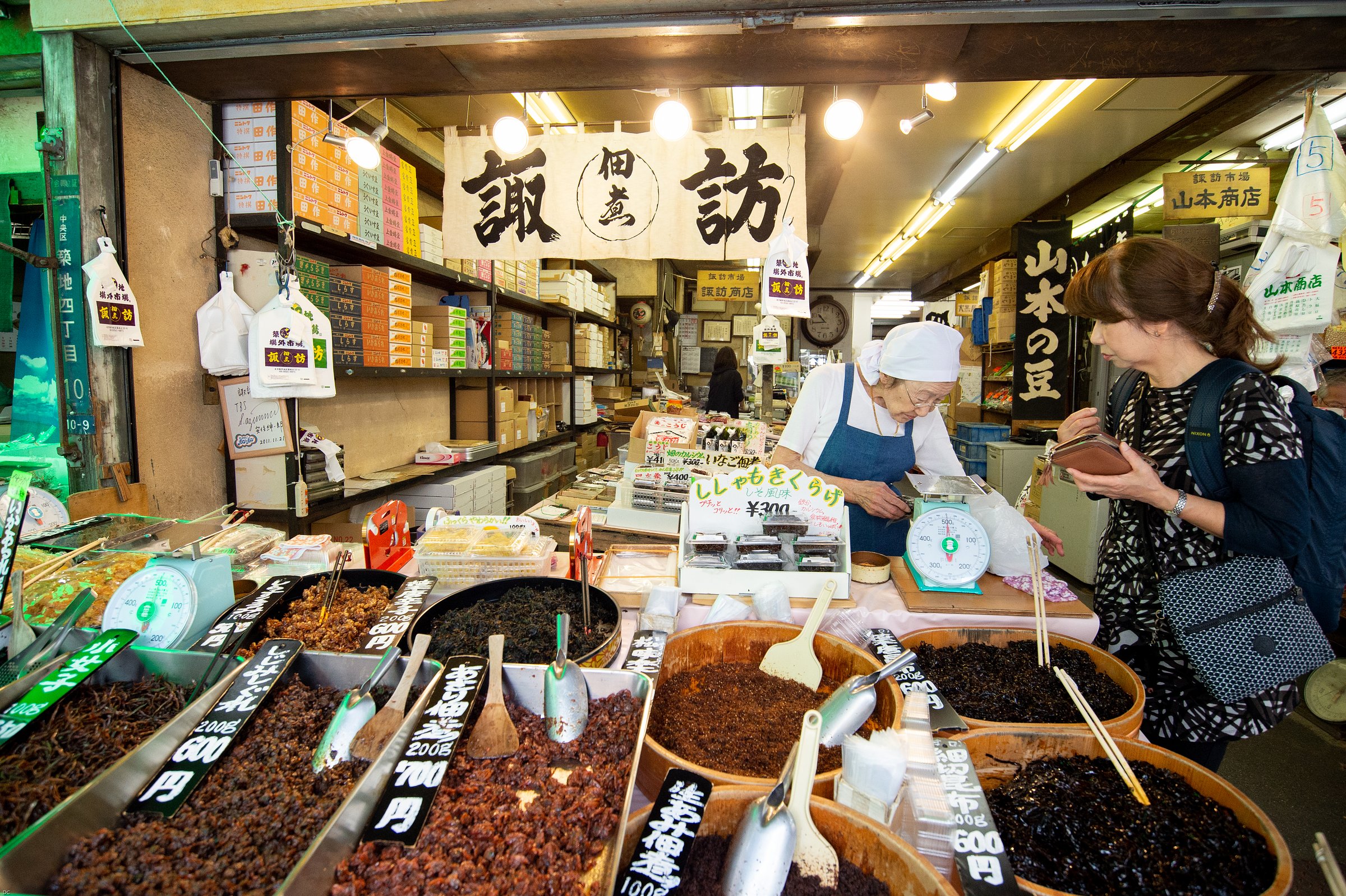
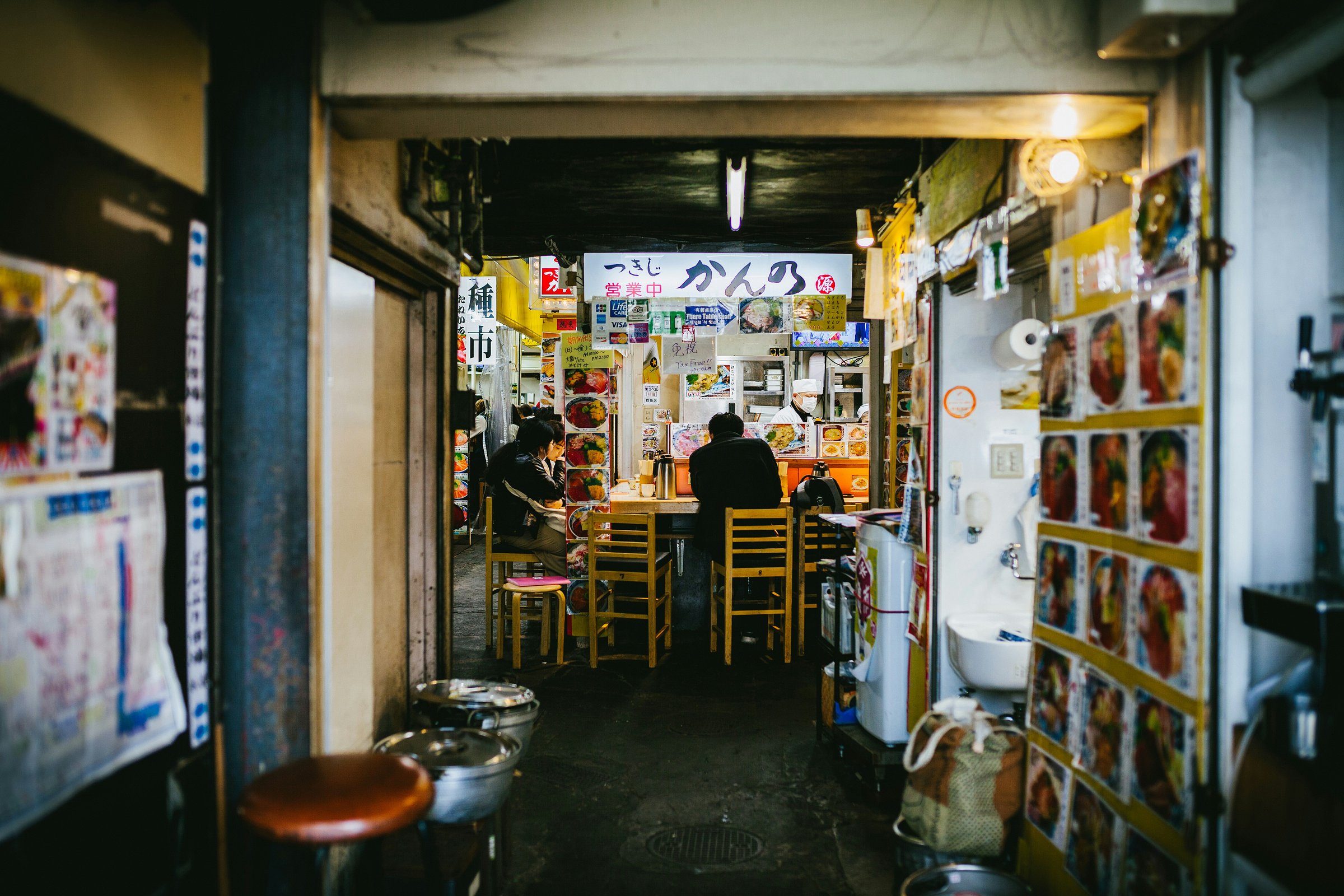
Yes. The Tsukiji Outer Market remains active with food stalls, shops, restaurants, kitchenware specialists, and seafood vendors. The former wholesale market and tuna auctions moved to Toyosu in 2018.
Is this a Tsukiji fish market tour?
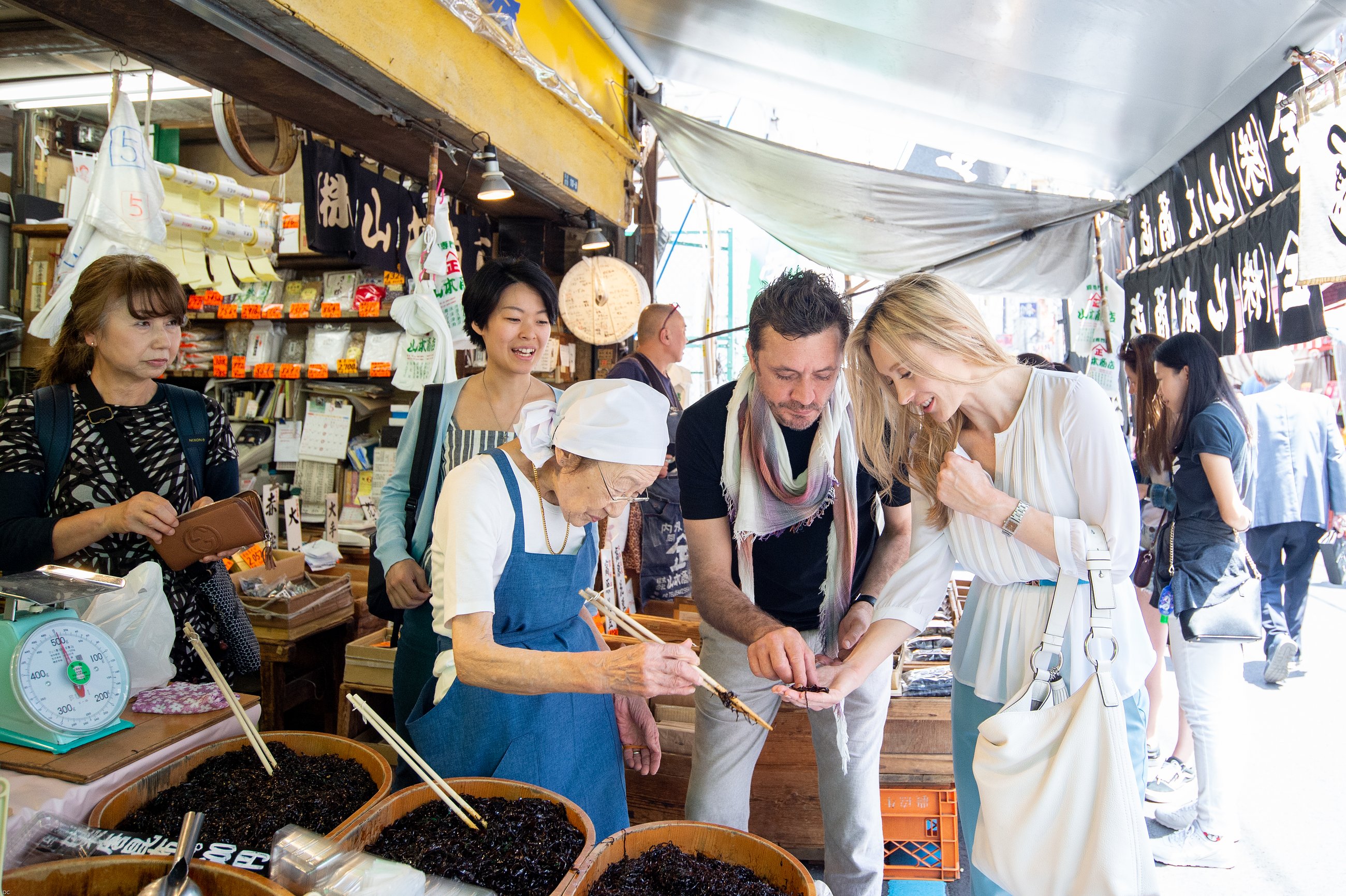
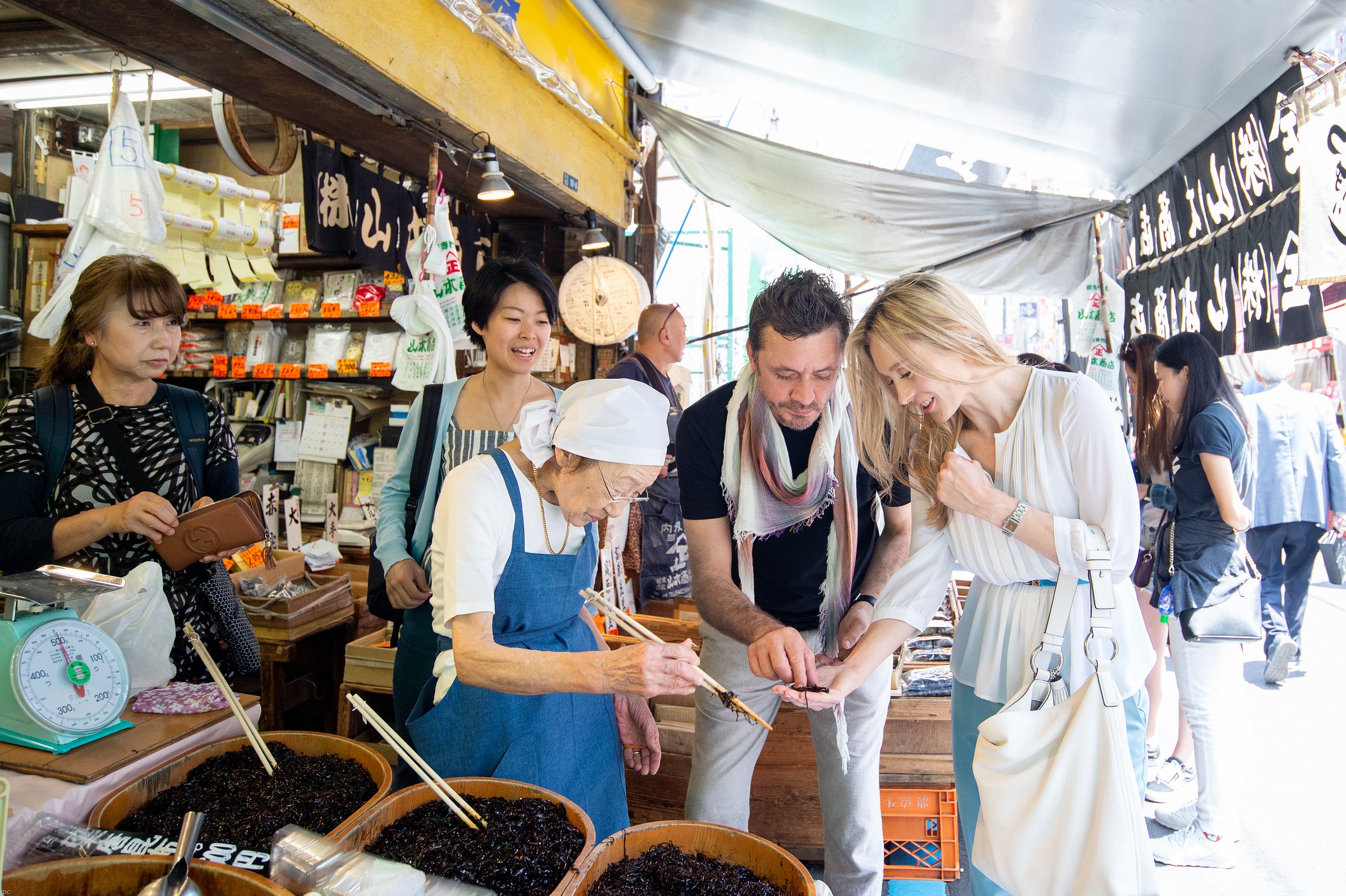
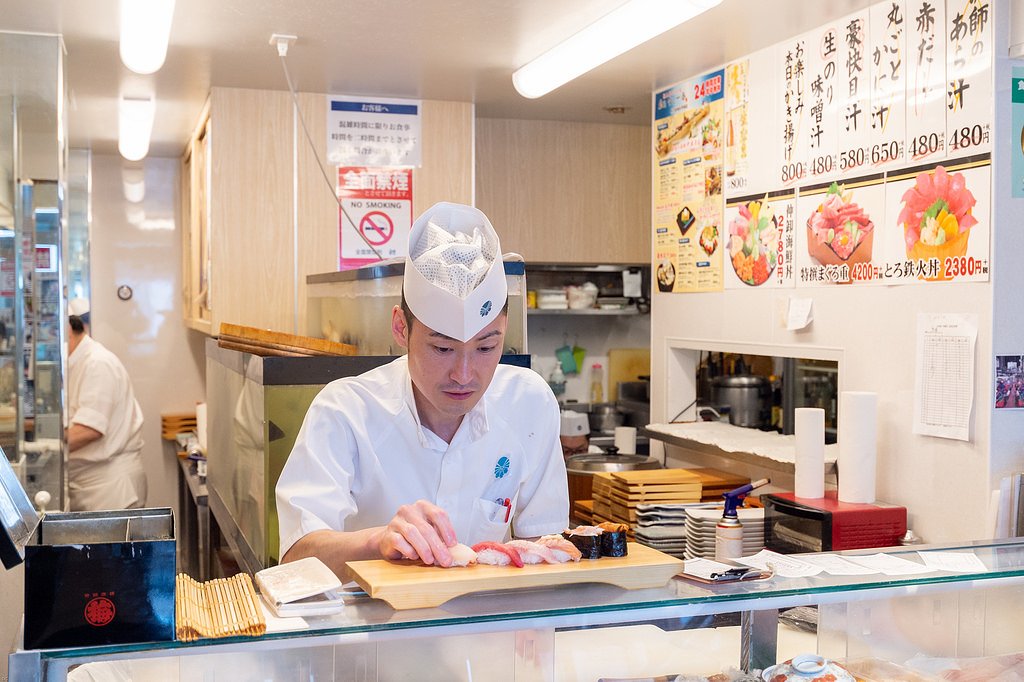
Yes, although more precisely it is a tour of the Tsukiji Outer Market. The experience focuses on seafood, food culture, vendors, ingredients, kitchen tools, and tastings rather than the wholesale auction operation that once made Tsukiji famous.
Is Tsukiji or Toyosu better for a food tour?
They offer different experiences. Toyosu is the center of Tokyo’s wholesale seafood market, while Tsukiji is better suited to walking between vendors, tasting food, exploring specialty shops, and discussing how ingredients are used in Japanese cooking.
What foods will we try at Tsukiji?
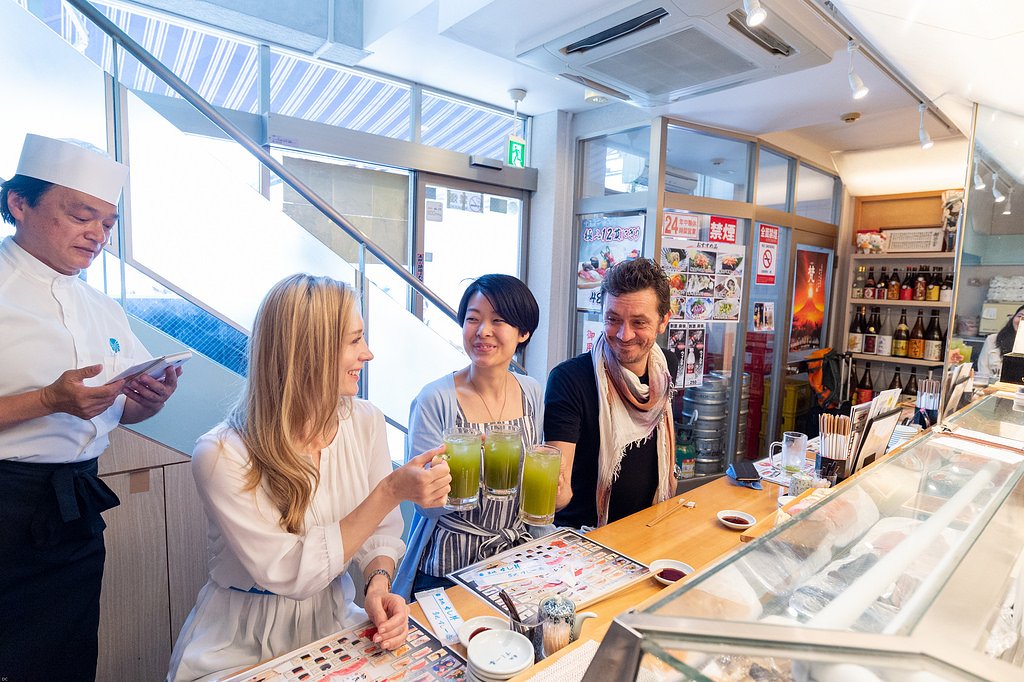
Tastings vary according to the Expert, season, availability, and your preferences. Possible foods include sashimi, tamagoyaki, pickles, rice dishes, miso-related ingredients, dumplings, sweets, and other market specialties. The experience typically ends with a more substantial dish such as kaisendon, tempura, or sushi.
Will I leave the tour hungry?
No. The current tour is structured around multiple tastings and concludes with a more substantial food stop.
How long is the Tsukiji Food Tour?
The tour lasts approximately three hours.
Is this a good Tokyo food tour for first-time visitors?
Yes, especially if you want a framework for understanding Japanese ingredients and seafood early in your trip. The emphasis on seasonality, sourcing, and unfamiliar foods can make restaurants and markets elsewhere in Japan easier to navigate afterward.
Can vegetarians take the tour?
Yes, but the experience is strongly centered on a seafood market, so vegetarian guests will have fewer tasting options. Context recommends sharing dietary requirements in advance.
Can gluten-free guests join?
Gluten-free diets can generally be accommodated, although trace amounts of wheat may occur in ingredients such as soy sauce. Dietary needs should be shared before the tour.
Is the tour suitable for seafood allergies?
Guests with severe seafood allergies should contact Context before booking. There may be suitable foods available, but cross-contamination can be difficult to avoid in a seafood-focused market environment.
Is Tsukiji very crowded?
It can be. The Outer Market has narrow pathways and can become extremely busy, which is why the current page recommends keeping groups small.
Will we see the tuna auction?
No. The tuna auctions moved from Tsukiji to Toyosu when the wholesale market relocated in 2018.
How is this different from the Shibuya Night Food Tour?
The Tsukiji tour is about the food system itself: ingredients, seafood, vendors, seasonality, and market culture.
The
Shibuya Night Food Tour is about eating out in Tokyo, including restaurants, izakayas, ordering customs, etiquette, and nightlife.
Should I take both Tsukiji and the Sushi Making Class?
They complement each other rather than duplicate one another. Tsukiji helps you understand ingredients and sourcing. The
Sushi Making Class turns the focus to technique by having you prepare food yourself.