Secure your spot on an upcoming Small Group Tour. See what's still available.
Kyoto city tour

Sites & Insights: Kyoto City Tour

Trace Kyoto’s history from Emperor to Shogun and Tea

Kyoto was shaped by two centers of power that shared a city, but not authority. See that rivalry come alive at the Imperial Palace and Nijo Castle.
Tour Highlights
  • Two powers, one Kyoto See how an emperor and shogun shaped the city through rivalry, ritual, and display.
  • Understand the Imperial Palace Discover how courtly life unfolded in spaces designed around ceremony and restraint.
  • Witness history come alive At the Imperial Palace and Nijo Castle, learn how courtiers and shoguns once lived.
  • Immerse in Kyoto's Story Skip the signage and half-translated plaques; your Expert explains Kyoto as you walk.
  • Taste a courtly tradition Visit a 400-year-old shop that served the emperor, and sample the tradition yourself.
  • Go beyond the guidebook Your Expert reveals the human tensions hidden behind Kyoto’s formal traditions.
Led by Experts, Shaped by You
Explore with an expert guide who responds to your questions, your interests, and your pace. Reveal layers of meaning most visitors miss—go from seeing to understanding.
The Finer Details
Kyoto welcomes you with quiet: gravel crunching along a garden walk, the peacefulness of preserved palace and castle rooms, the sweetness of a 400-year-old confectionery counter. Beneath that calm, the city runs on power, ritual, and reinvention–three threads pulled together on this three-hour walk. Whether this is your first time in Kyoto or a return to a city you thought you already understood, by the end, you’ll understand the power Kyoto once held.

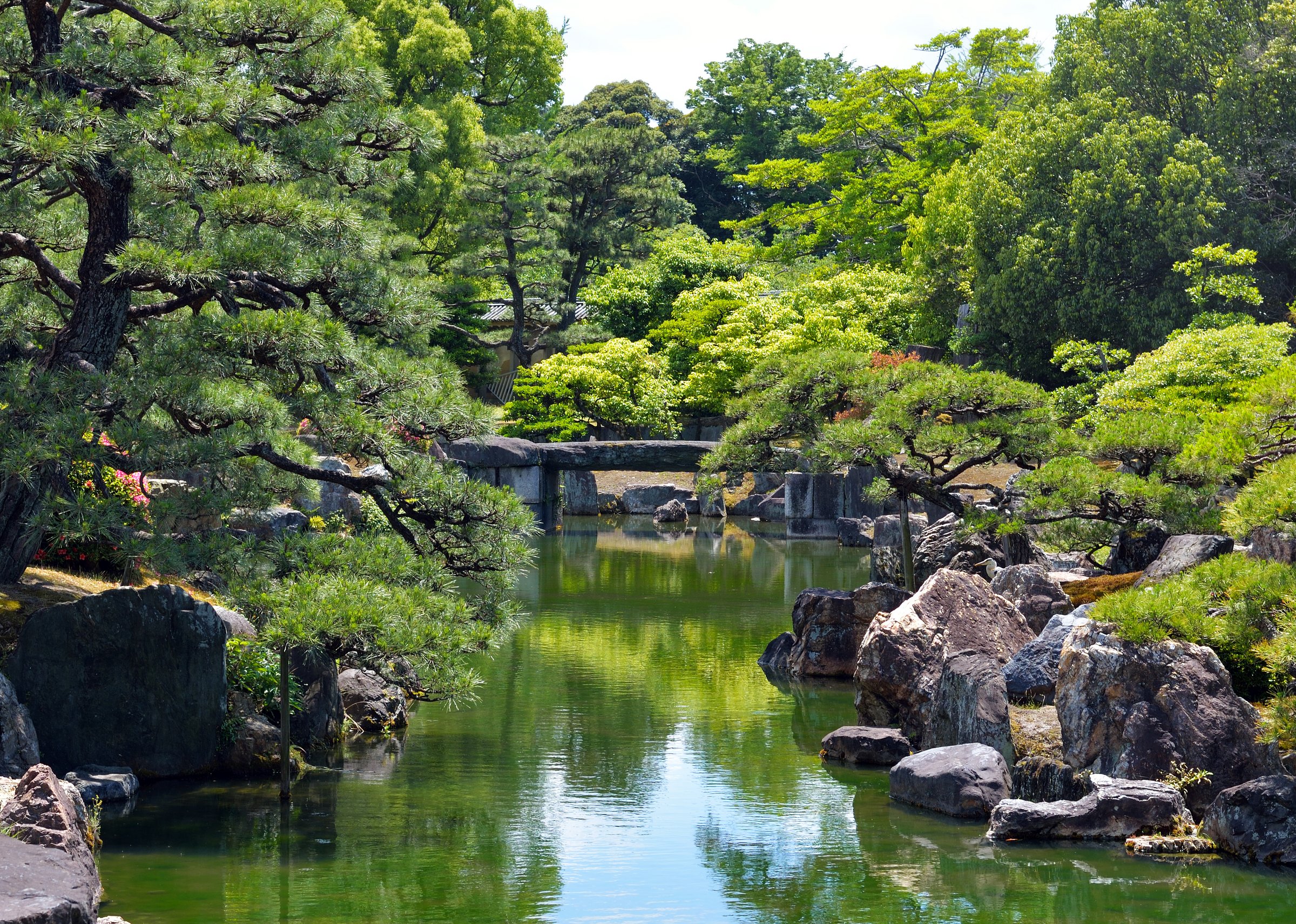
Start in Kyoto Gyoen National Garden, the green expanse surrounding the palace. Notice how carefully framed views, open lawns, and shaded paths shape the approach to the Imperial grounds. With a Context Expert guiding the conversation, the landscape becomes more than scenery; it offers a first glimpse of how Kyoto communicated ceremony and power.

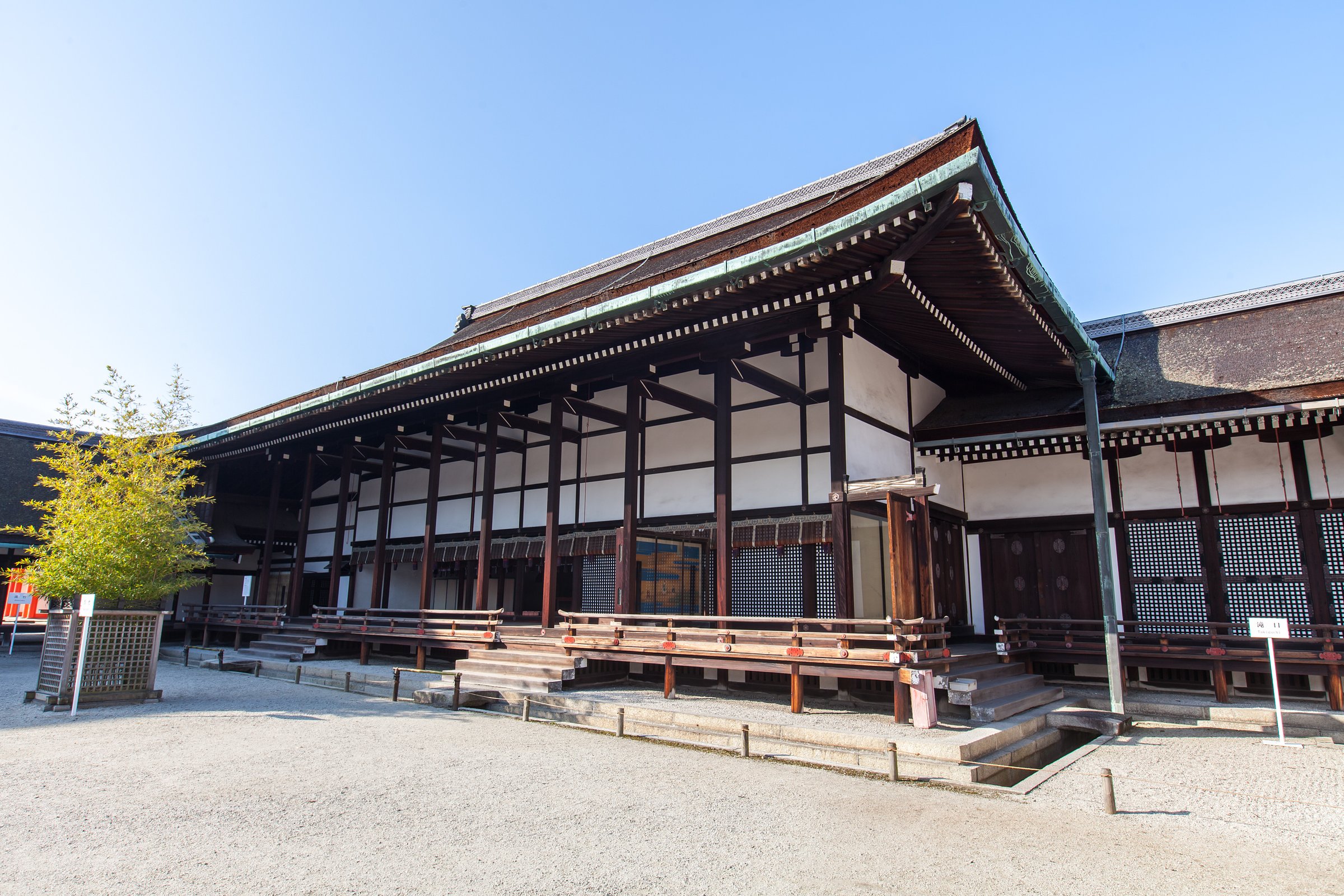
Continue to Kyoto Imperial Palace, where you’ll discover how architecture and landscape projected Imperial authority. Examine selected buildings and trace the city’s development around the Imperial court. How did an emperor remain symbolically central while political control moved elsewhere? Your Expert connects the palace, the Imperial family, and Kyoto’s former role as Japan’s political and cultural heart.

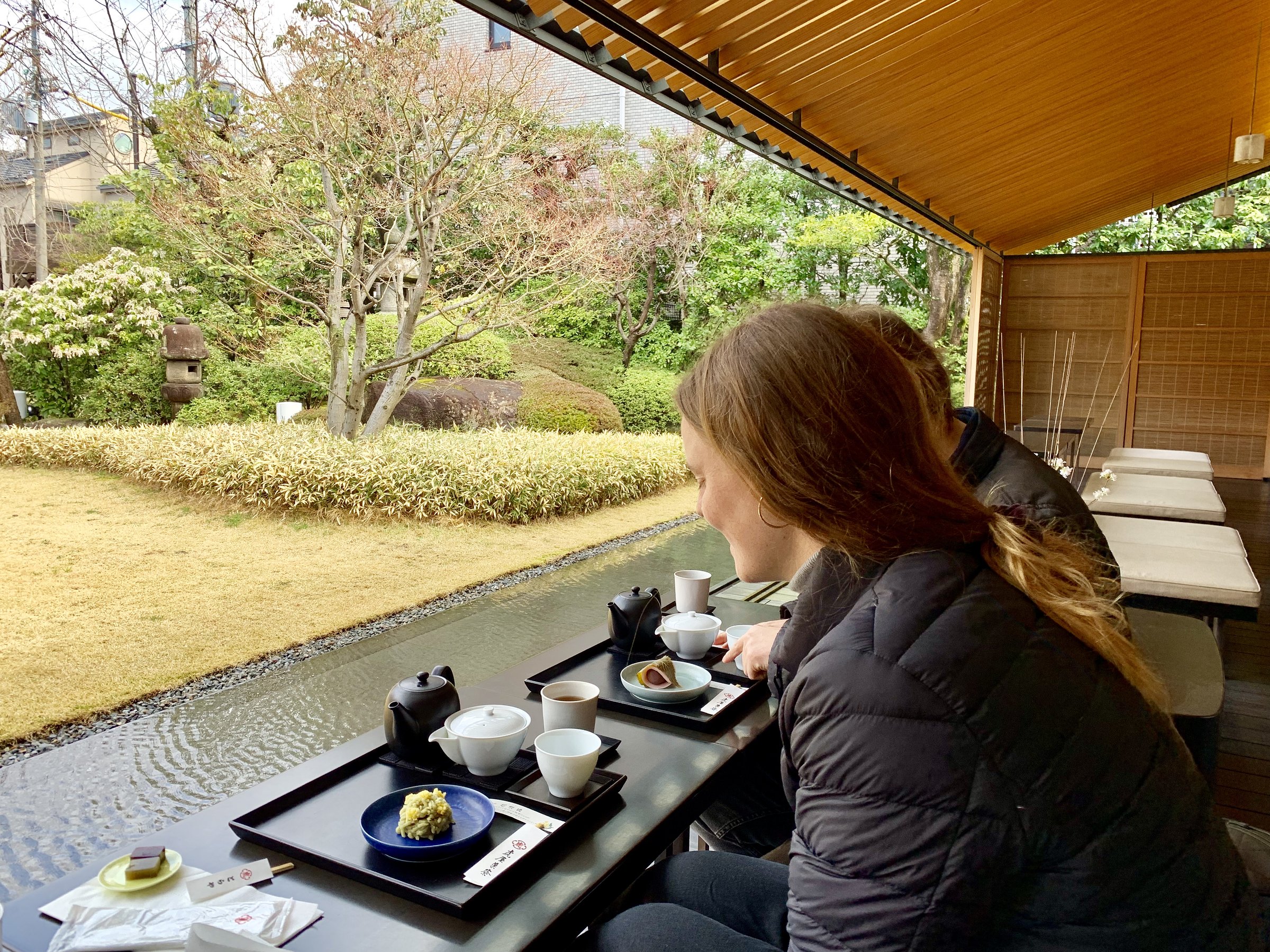
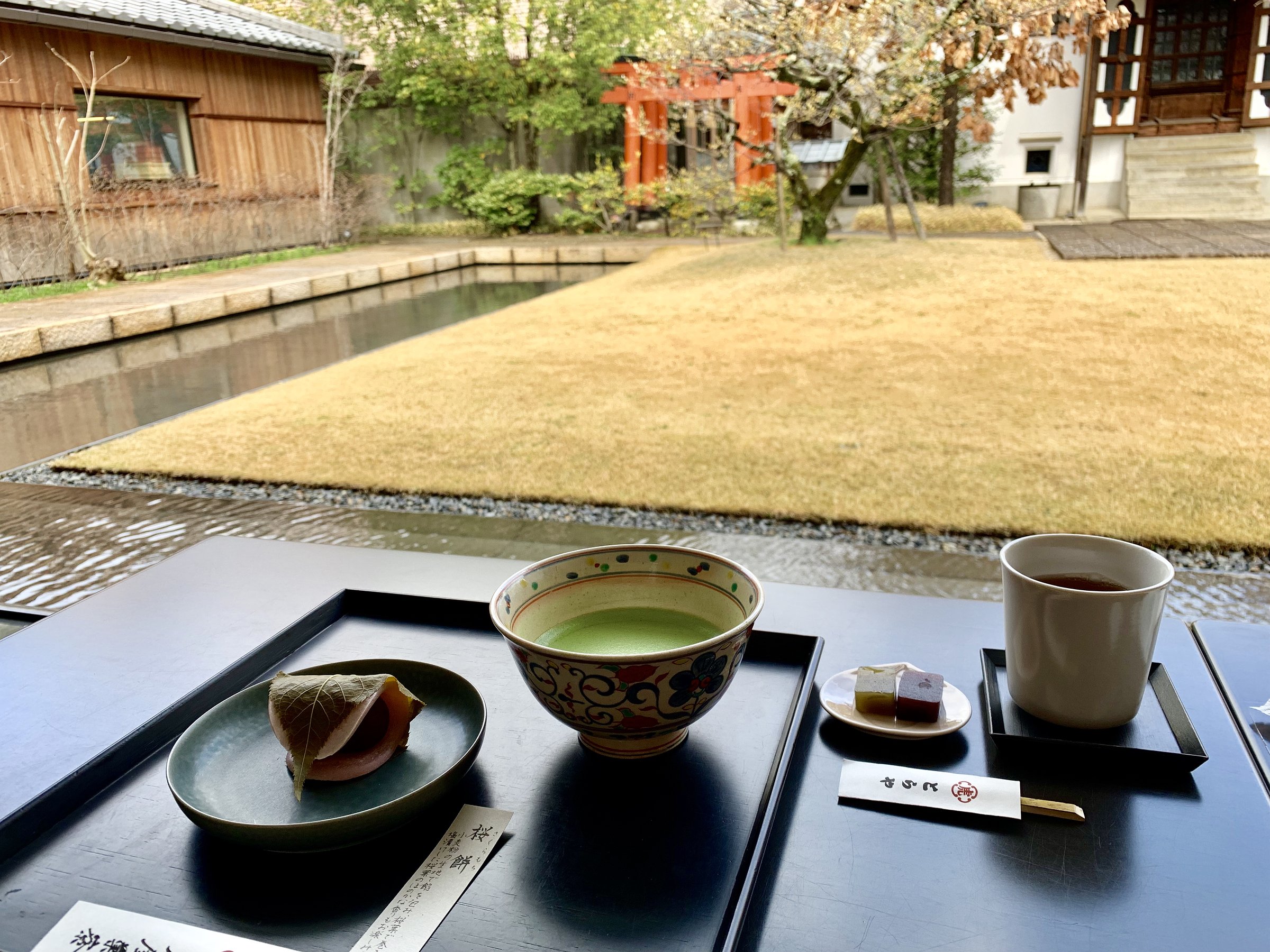
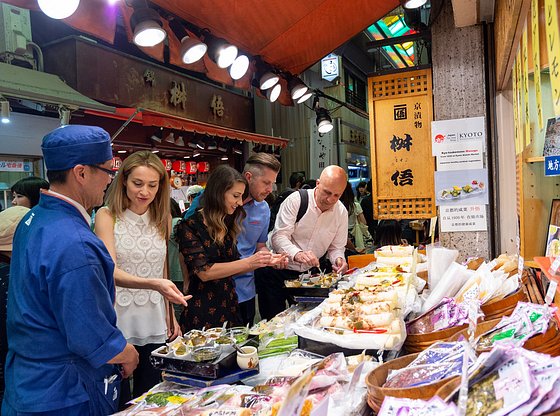
Turns out that history can also be sweet. Stop into a local confectionery shop that served the Imperial court from the time of Emperor Goyozei's reign in Kyoto (1586–1611). Sample wagashi, traditional Japanese confections, while exploring how their intricate forms relate to seasonality, aesthetics, and the tea ceremony. When the court relocated to Tokyo in the 19th century, the shop opened a second location there to keep serving the imperial family. It’s a centuries-long story that continues today. 

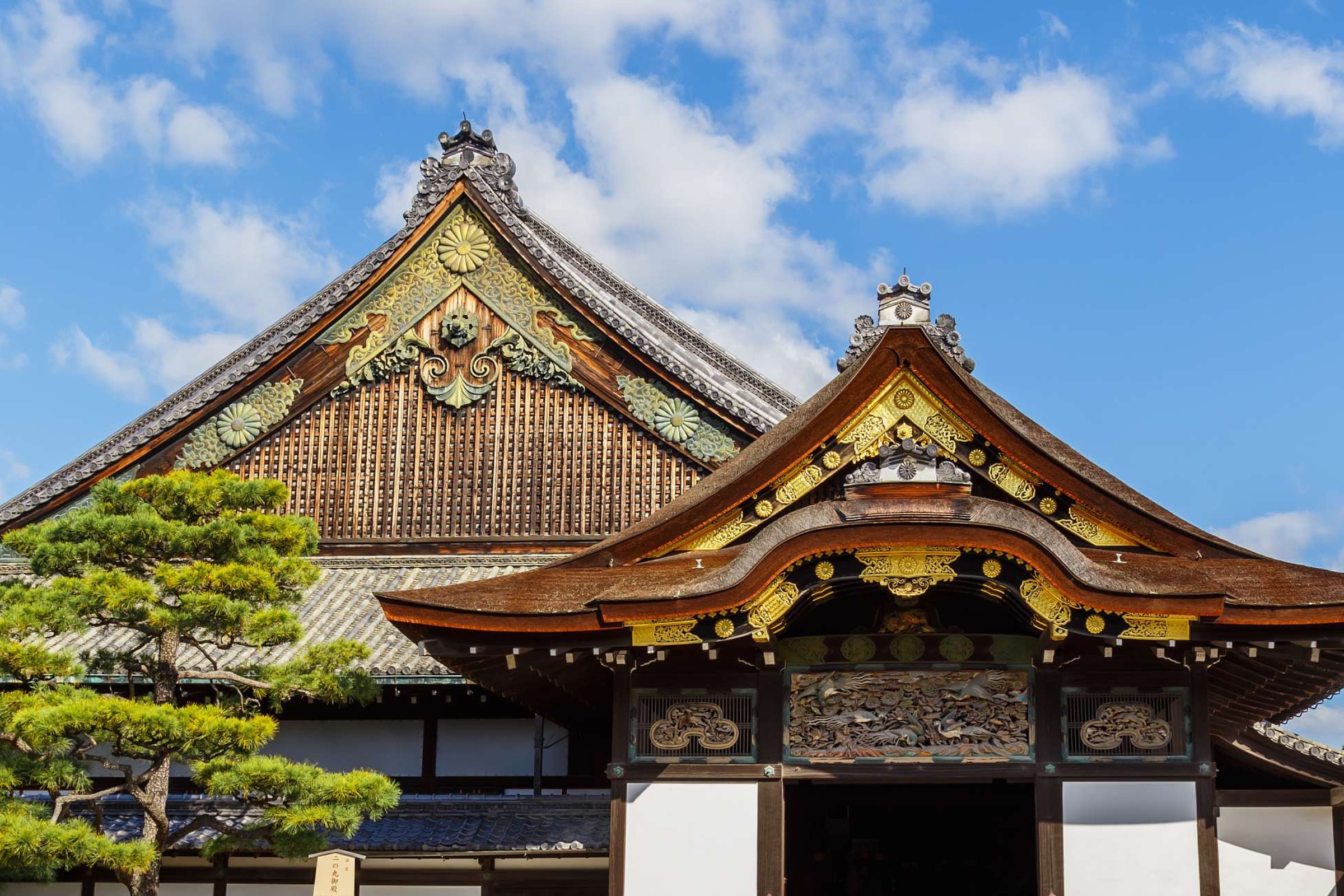
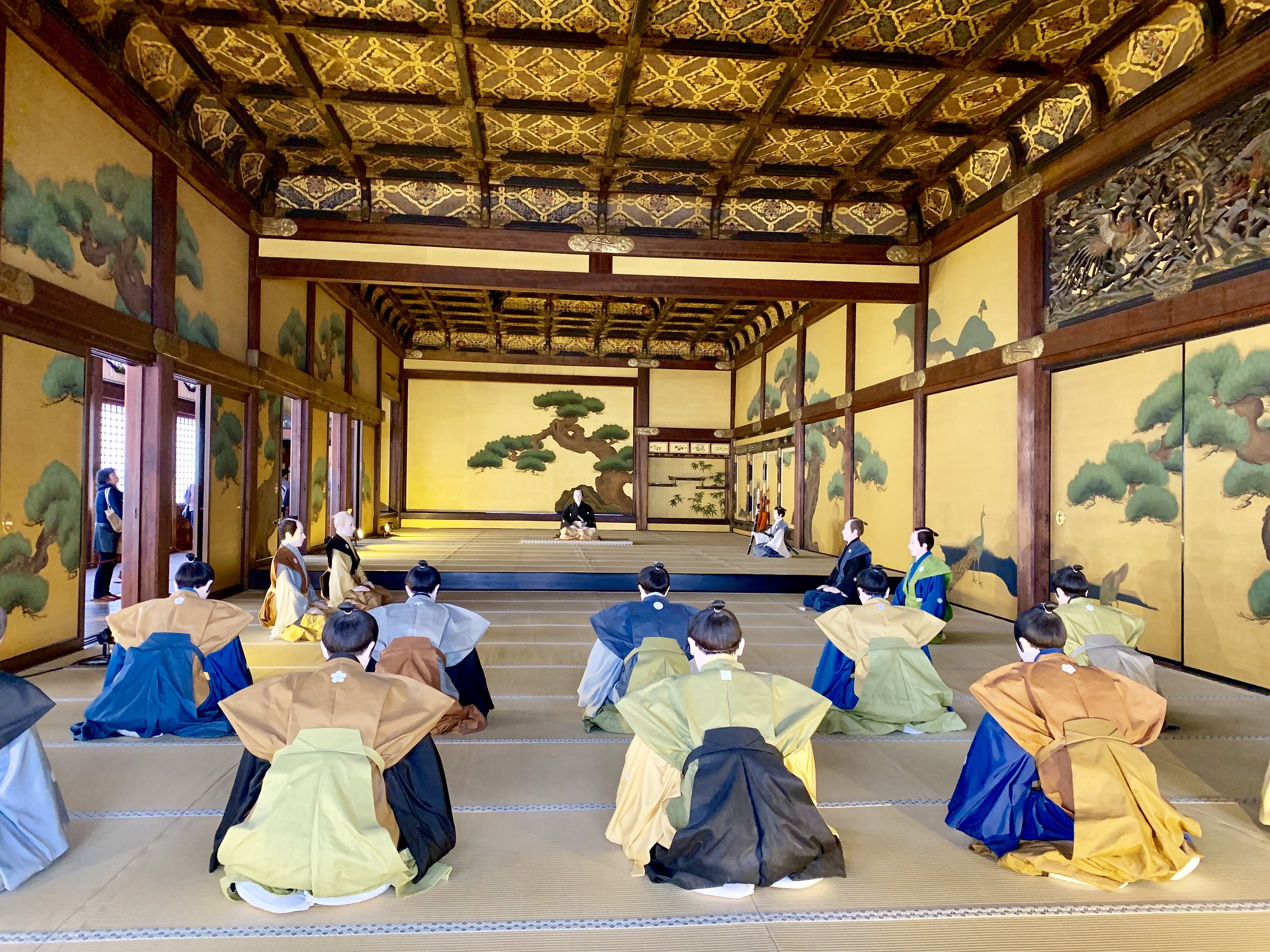
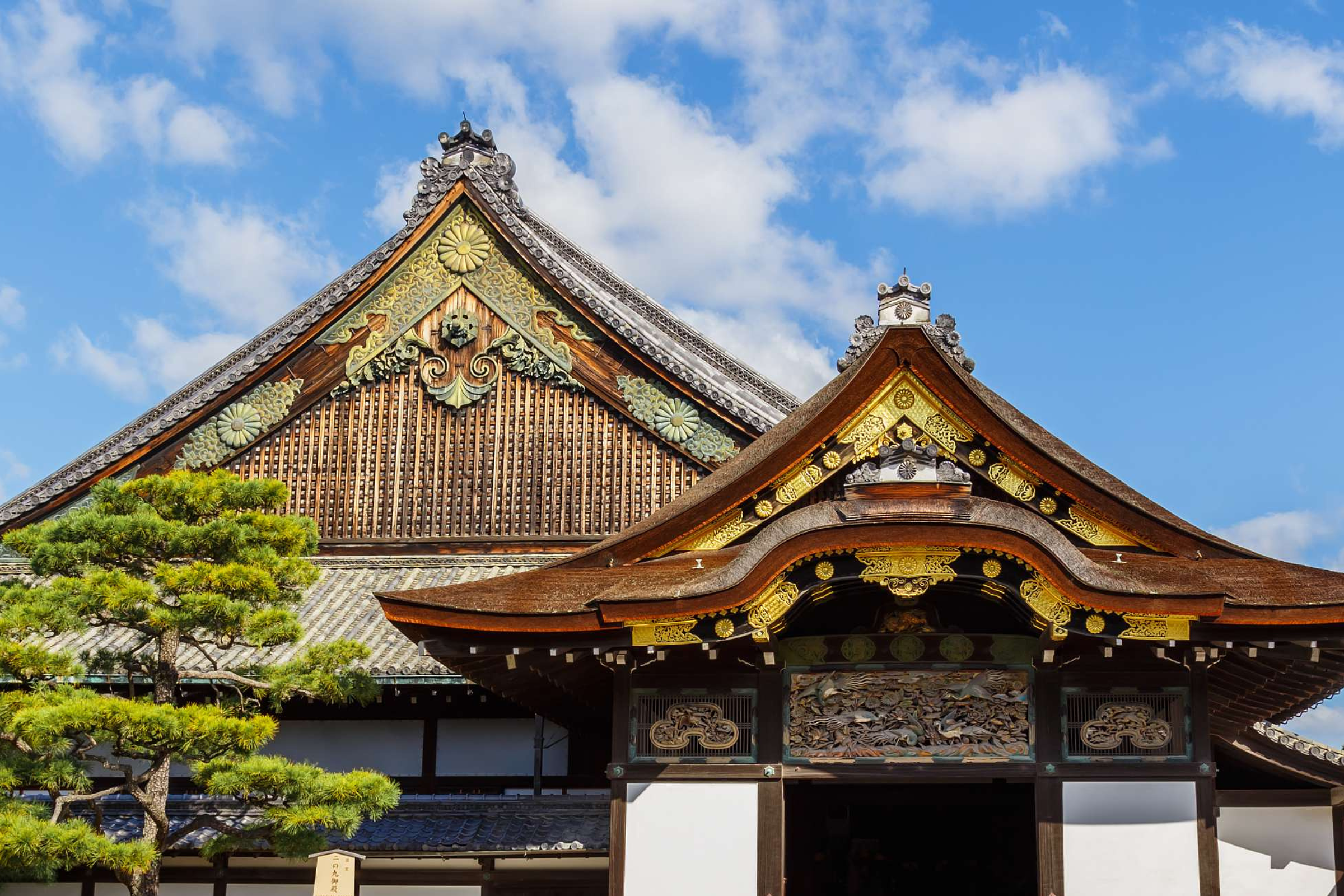
A taxi ride brings you to Nijo Castle, a UNESCO World Heritage site and the former residence of Tokugawa Ieyasu, the first in a line of shoguns who ruled Japan for over 200 years. Inside, examine the castle's fortified walls and audience halls. Learn how the moat was built to project a shogun's authority rather than an emperor's ceremony. How does a ruler outrank an emperor without ever sitting on his throne? Your Expert traces that shift in power through the Edo period, connecting it back to the palace so both sites read as two sides of the same political story.

By the end, Kyoto’s Imperial and shogunate history no longer feels like a list of distant terms. The relationship between emperor, court, and military government comes into focus through the places and objects you saw, the flavors you tasted, and the conversations had. Leave with a framework for understanding the city’s wider cultural and religious sites, plus sharper questions for whatever comes next.
Where You’ll Go

From iconic landmarks to tucked-away local favorites, these are the places you’ll explore and experience firsthand with your Expert.

  • Nijo Castle
    UNESCO site and Tokugawa shogun residence
  • Kyoto Imperial Palace
    Former residence and ruling palace of Japan’s emperor
  • Kyoto Gyoen National Garden
    Court Nobles' Residential Area in the Edo period
  • Local confectionery shop
    Sweets shop with more than 400 years of history
What’s Included As Standard
Here’s a look at what your tour covers, plus anything you’ll want to consider arranging separately, so you can plan with confidence.
Included
  • English-speaking expert guide
    Tours led in English, offering you unbroken understanding throughout.
  • Intentionally sized groups
    A smaller group means more time for conversations and questions.
  • Tickets and entrance fees
    All entry tickets included.
Not Included
  • Gratuities
    Tips aren’t included, but we encourage tipping as a way to thank your guide after your experience.
  • Food and drink
    Food and drink are not included, but your expert can provide recommendations for after the tour.
  • Transportation to and from the meeting point
    Transportation is not included. Pre- and/or post-transit can be added to some tours by request.
  • Hotel pickup or drop-off
    Travel to or from accommodation isn’t included; however, this service can be added by request.
Where You'll Explore
Map of Sites & Insights: Kyoto City Tour general meeting point area

Make the Most of Your Tour

Some helpful advice for getting the most from your experience, from practical prep to small on-the-day tips.

Dos:
  • Wear comfortable footwear
  • Check the weather and dress appropriately
  • Bring a bottle of water (no glass)
  • Feel free to ask your Expert anything
Don'ts:
  • Bring firearms or weapons
  • Bring sharp objects (e.g. knives, swiss army knives, switchblades, hiking sticks)
  • Dress inappropriately to enter religious sites or sacred monuments
Any questions? You can always contact us.

Frequently Asked Questions

Yes. Context clients generally tip anywhere from 10-25% of the purchase price of a personal service such as this, depending on the quality of the experience and their tipping habits.

This tour has an optional meeting point transfer if you'd like a private car to pick you up from your accommodation. If you choose to add this service, please add the address to your accommodation in the Additional Details section.
Book with confidence — see Context's flexible cancellation policy here.
We understand that some of our valued guests may have mobility concerns, and we want to ensure you have a comfortable and enjoyable experience throughout your tour. If there are any accessibility concerns that your tour guide will need to be aware of, please let our team know at the time of booking.

Don’t just take our word for it

251 Reviews

Laura is a true expert in her field and an absolutely wonderful guide. She has an impressive depth of knowledge and a remarkable ability to convey it in a way that is both engaging and highly entertaining. Throughout our Kyoto Sights and Insights tour, she was able to answer every question we asked in great depth, adding historical and cultural context that went far beyond the usual tourist information. We especially appreciated how naturally she adapted the tour to our interests and curiosity. If you are looking for a sophisticated and intellectually stimulating tour that offers genuine insight into Kyoto’s history, culture, and traditions — rather than simply being shown the best spots for taking photos — we can wholeheartedly recommend Laura and Context Travel. Thank you, Laura, for a truly memorable and enriching experience in Kyoto!
Wide ranging knowledge , friendly

Shohei had terrific energy and gave great vibes. If our kids had joined, teenagers, they would have loved him, so recommend him for visitors of all ages. We saw sites, had matcha in a beautiful, antqiue tea house and learned so much about different significant monuments. We had a terrific time!

Let Your Curiosity Shape Your Journey

Join passionate experts on intimate walking tours that reveal a city’s unique stories, spark conversations, and leave you seeing the world—and yourself—a little differently.

Structured, never scripted

Your interests guide your Expert, leading to stories and perspectives that matter to you.

Crafted for conversation

With 12 or fewer guests, ask questions, engage with your Expert, and fully immerse yourself.

Experts, not guides

Explore with 1,200+ Experts—from historians and architects to archaeologists and chefs.

Kyoto City Tour

Kyoto’s history becomes easier to understand when you follow the question of who held power. On this Kyoto city tour, explore the Imperial Palace, Kyoto Gyoen National Garden, and Nijo Castle with a Context Expert, tracing the relationship between the emperor, imperial court, and Tokugawa shogunate. Begin in the gardens surrounding the Kyoto Imperial Palace, where landscape, architecture, and ceremony reveal the symbolic authority of the imperial court. For more than a thousand years, Kyoto served as Japan’s imperial capital, even during periods when political power increasingly rested elsewhere. A stop at a centuries-old confectionery adds another dimension to court life. Taste wagashi, traditional Japanese sweets whose seasonal forms and presentation connect food with aesthetics, ritual, and the tea ceremony. The tour then continues by taxi to Nijo Castle, built for Tokugawa Ieyasu, founder of the shogunate that governed Japan for more than two centuries. Palace and castle become two sides of the same story: one represents imperial legitimacy and ceremony, the other the military government that exercised practical political control. By the end, Kyoto’s temples, gardens, palaces, and castles feel less like isolated landmarks and more like parts of a city shaped by competing forms of authority.

Kyoto became Japan’s imperial capital in 794 and remained the seat of the emperor for more than a millennium.

The Kyoto Imperial Palace sits within the larger Kyoto Gyoen National Garden, an open landscape of lawns, gravel paths, gates, walls, and carefully framed views. Your Expert uses the palace and surrounding grounds to explain how the imperial court communicated authority through ritual, architecture, and ceremonial space.

That authority was not always the same as political control. At different moments in Japanese history, emperors remained symbolically central while military governments exercised much of the country’s day-to-day power. Understanding that distinction is essential to making sense of Kyoto.

The palace therefore offers more than a glimpse of imperial architecture. It opens questions about legitimacy, tradition, and why political rulers continued to operate in relation to an emperor whose cultural and symbolic importance endured.
If the Imperial Palace represents one form of authority, Nijo Castle represents another.

Tokugawa Ieyasu, the first Tokugawa shogun, established the castle in the early seventeenth century as a residence and political base in Kyoto. Its fortified walls, moat, gates, and audience spaces communicated power differently from the restrained ceremonial landscape of the Imperial Palace.

Inside the castle, your Expert can examine how architecture shaped political encounters. Audience halls controlled movement, distance, and visibility, while decorative programs reinforced rank and authority. The contrast raises one of the tour’s central questions: how could the shogun rule Japan while the emperor remained at the heart of the country’s political legitimacy?

Exploring the palace and castle on the same tour makes that tension tangible. Kyoto was not simply the home of one ruling institution. It was a city where imperial ceremony and military government existed side by side.
Political history in Kyoto was expressed through more than palaces and castles. At a confectionery with centuries-long ties to the imperial court, taste wagashi while exploring how food became part of seasonal rituals, gift-giving, aesthetics, and the tea ceremony.

Traditional Japanese sweets are often designed around the calendar. Shapes, colors, textures, and ingredients may evoke flowers, weather, festivals, or other seasonal references. That attention to seasonality reflects a wider cultural vocabulary that appears throughout Kyoto in gardens, poetry, tea, architecture, and court life.

The confectionery also offers a tangible connection between historical institutions and the modern city. When the imperial court relocated to Tokyo in the nineteenth century, the business adapted while maintaining its connection to imperial patronage.

For first-time visitors, this combination of politics and everyday culture provides a useful framework for the rest of Kyoto. Temples, gardens, tea traditions, and historic neighborhoods become easier to place within the larger history of a city that spent centuries at the center of Japanese cultural life.

What does the Kyoto city tour include?

The tour includes Kyoto Gyoen National Garden, Kyoto Imperial Palace, a traditional wagashi stop, and Nijo Castle. A taxi transfer connects the palace area with the castle.

Is this a good Kyoto tour for first-time visitors?

Yes. The tour is designed as an introduction to Kyoto’s political and cultural history, helping first-time visitors understand the relationship between the imperial court, shogunate, and the city that developed around them.

Does the tour enter Kyoto Imperial Palace?

Yes. The itinerary includes the Kyoto Imperial Palace, subject to current opening conditions and official access rules.

Does the tour visit Nijo Castle?

Yes. Nijo Castle is a major part of the experience and provides the counterpoint to the Imperial Palace by showing how Tokugawa shoguns expressed military and political authority.

Why is Kyoto historically important?

Kyoto served as Japan’s imperial capital from 794 until the imperial court relocated to Tokyo in the nineteenth century. It remained a major center of court culture, religion, art, and political symbolism even during periods when military governments held practical power.

What is the difference between an emperor and a shogun?

The emperor occupied the highest symbolic and dynastic position in Japan, while shoguns were military rulers who exercised political and administrative control during long periods of Japanese history.

Want to learn more about Shoguns in Japan? Grab our Shogun pre-trip talk to get the inside story. 

What is wagashi?

Wagashi are traditional Japanese confections often made from ingredients such as bean paste, rice flour, or agar. Their shapes and colors frequently reflect the seasons and are closely associated with tea culture and ceremonial hospitality.

Is this a Kyoto walking tour?

The experience includes substantial walking around the Imperial Palace area and Nijo Castle, but a taxi is used between the two main sites.

Is this a private Kyoto city tour?

Yes. The tour can be experienced privately, allowing the discussion to respond to your interests in imperial history, architecture, court culture, food traditions, or the Tokugawa period.

How long is the Kyoto city tour?

The tour lasts approximately three hours.