The Tokyo National Museum contains one of the world’s most important collections of Japanese art and cultural objects. Its scale, however, can make an independent visit difficult to structure.
On this private Tokyo National Museum tour, a Japanese art historian or cultural specialist selects the works that best explain the country’s artistic development. Rather than attempting to see every gallery, you concentrate on objects that clarify major periods, techniques, beliefs, and social changes.
The exact route responds to the works on display, allowing the museum’s rotating collection to become an advantage rather than a complication.
Explore Japan’s Oldest National Museum
Founded in 1872, the Tokyo National Museum is Japan’s oldest national museum and one of its leading institutions for art, archaeology, and cultural heritage.
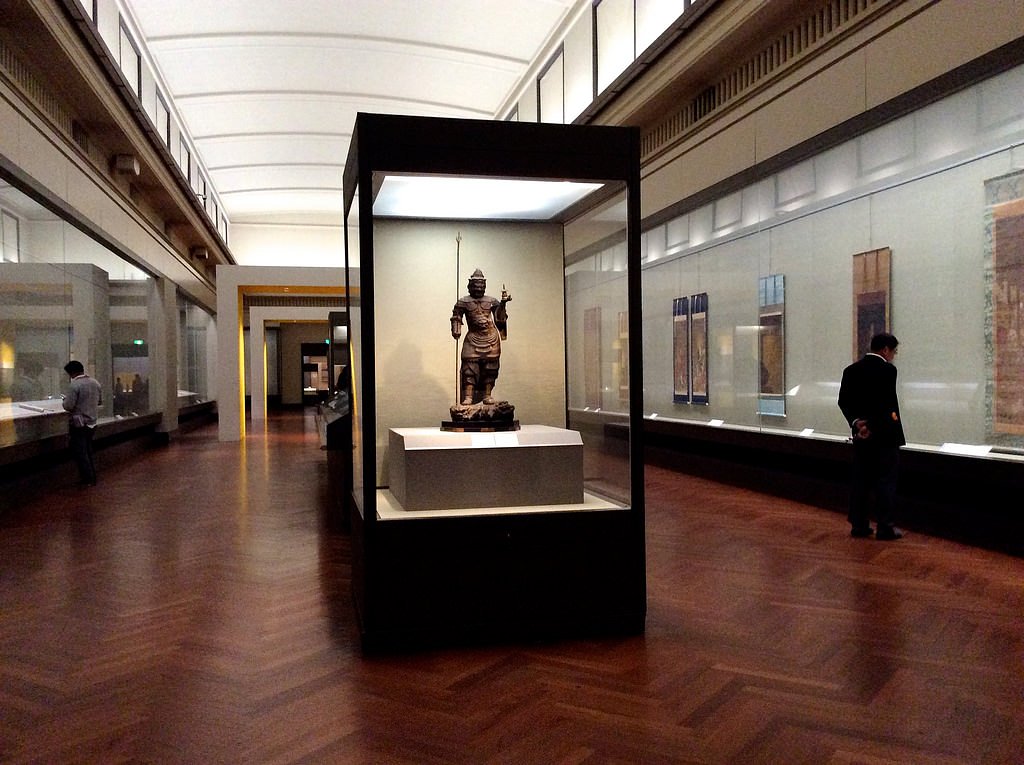
The museum is located in Ueno Park and contains several gallery buildings. This tour focuses principally on the Japanese Gallery, or Honkan, where objects trace Japan’s cultural history from ancient periods through the late nineteenth century.
Your Expert provides a clear historical structure so individual works become part of a wider account of continuity, influence, and change.
Trace Nearly 2,000 Years of Japanese Art
Japanese art can be difficult to understand without a sense of chronology.
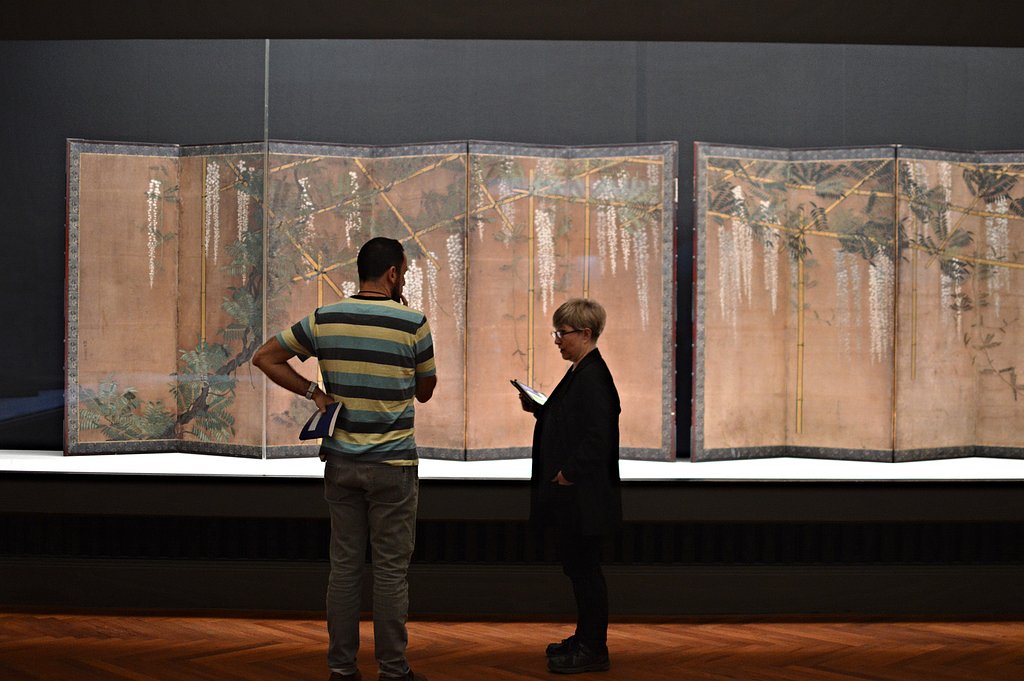
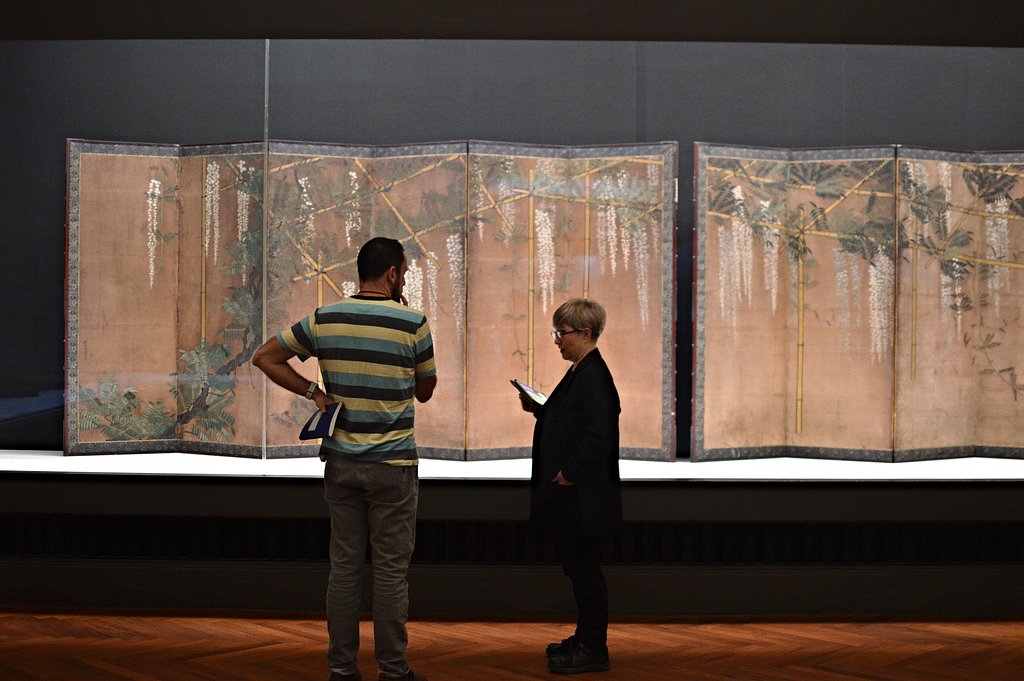
During the tour, your Expert introduces major periods and explains how political authority, religious belief, international exchange, and changing forms of patronage influenced artistic production. Ancient ritual objects may lead into Buddhist sculpture, painted screens, ceramics, woodblock prints, samurai arms, textiles, and Meiji-period painting.
Instead of memorizing dates, you build a practical map of Japanese history through the objects people created and used.
See the Best Works Available That Day
The Tokyo National Museum’s displays change frequently.
Many paintings, prints, textiles, and other works are sensitive to light and cannot remain on view indefinitely. Galleries therefore rotate objects to protect them and to draw from the museum’s extensive holdings.
A fixed list of promised masterpieces would not accurately represent the experience. Your Expert reviews the available displays and identifies the strongest works for the themes and interests of your group.
No two tours are exactly the same.
Learn How to Look at Japanese Art
The tour is not simply a sequence of names and dates.
Your Expert helps you examine material, scale, technique, composition, and use. You may consider how a screen directs movement through a room, why a ceramic vessel was valued within the tea ceremony, or what the construction of a sword reveals about craft and status.
Close observation turns each object into evidence of the society that produced it.
Understand Craft as Cultural History
The distinction between fine art and craft does not always translate neatly into the Japanese context.
Ceramics, lacquerware, textiles, carved wood, metalwork, swords, and ceremonial objects can carry artistic, religious, political, and practical significance at the same time. Their materials and methods reveal systems of apprenticeship, regional resources, elite patronage, domestic customs, and spiritual practices.
By studying craft alongside painting and sculpture, you gain a more complete understanding of Japanese aesthetics and daily life.
Explore Buddhism Through Art
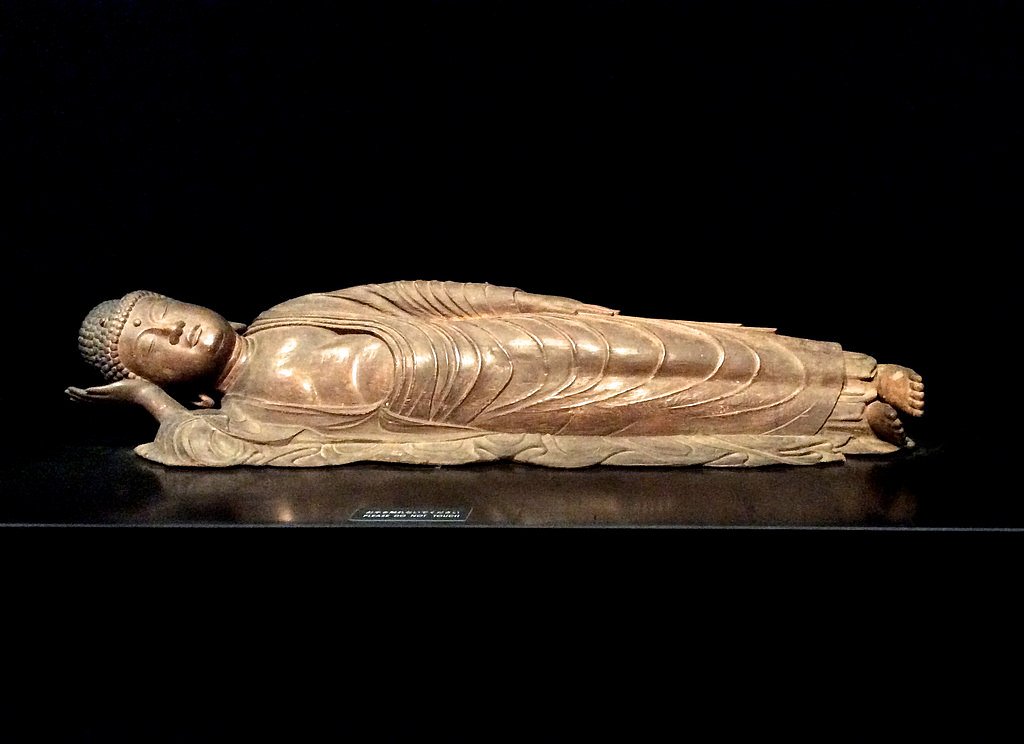
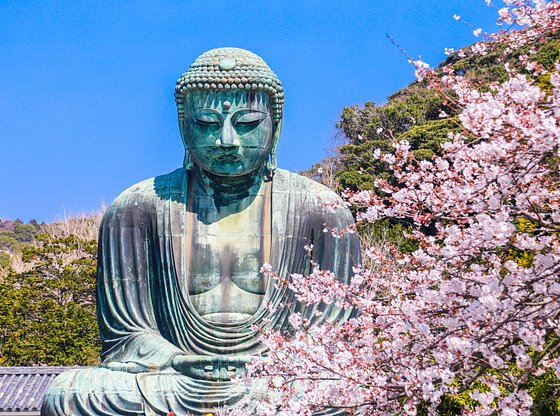
Buddhist sculpture, ritual objects, scrolls, and temple-related works form an important part of the museum’s collection.
Your Expert explains how Buddhism arrived in
Japan, how its images and traditions changed over time, and how different schools expressed belief through art. The discussion may include sacred figures, temple patronage, devotional practices, or the relationship between religious objects and the spaces for which they were created.
No previous knowledge of Buddhism is required.
Discover the World of the Samurai
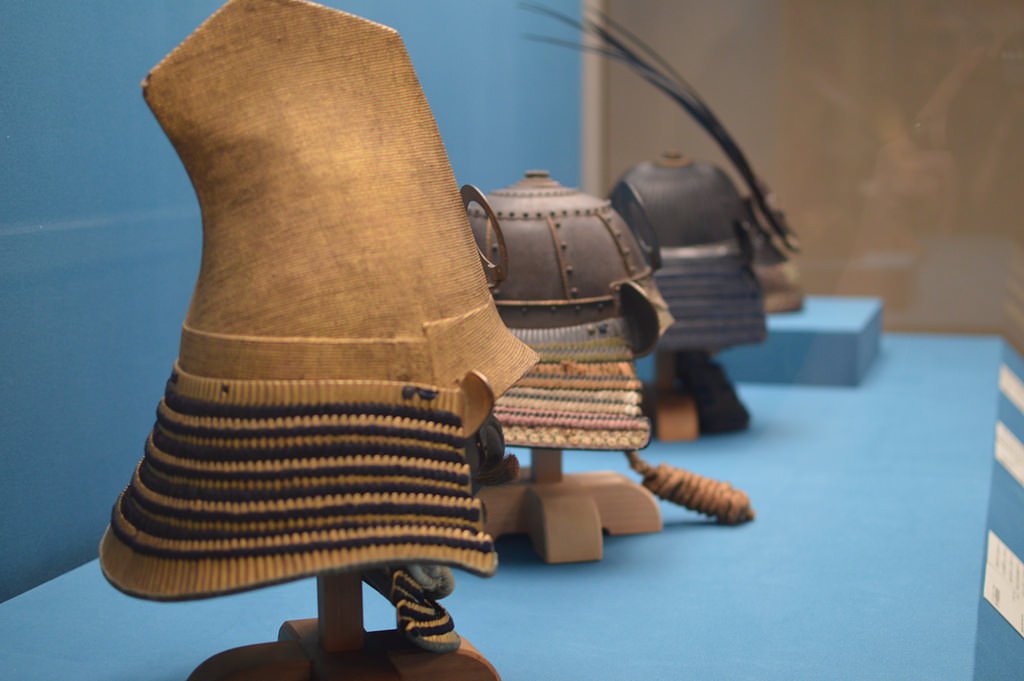
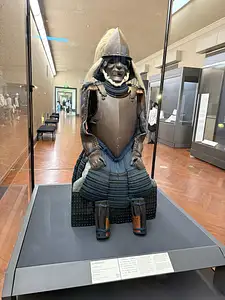
Swords and armor often attract attention for their technical beauty, but they also reveal broader ideas about hierarchy, ceremony, warfare, and political authority.
Your Expert places these objects within the history of the warrior class rather than treating them only as weapons. Decoration, materials, inscriptions, and methods of display can show how military identity became a form of cultural and social expression.
Look Beyond Hokusai
Famous artists such as Hokusai provide an accessible entry into Japanese art, but the museum’s value extends far beyond a few internationally recognized names.
When relevant works are displayed, your Expert may use a print by Hokusai or another celebrated artist to introduce woodblock techniques, urban culture, commercial publishing, or international influence. Lesser-known objects then deepen that story and prevent Japanese art from being reduced to a small number of familiar images.
Because the galleries rotate, no particular artist or artwork can be guaranteed.
Understand Woodblock Prints in Context
Ukiyo-e prints are among the best-known forms of Japanese art outside Japan.
Your Expert explains how these works were designed, carved, printed, sold, and consumed within the urban culture of the Edo period. Subjects such as actors, landscapes, courtesans, travel, and daily life reveal both popular taste and the commercial networks behind image production.
Seeing prints alongside other objects helps place them within the wider history of Japanese culture.
A Museum Tour Shaped Around Your Interests
This is a private tour rather than a fixed survey.
Your Expert can adapt the discussion according to your interests, whether you are particularly drawn to ceramics, Buddhism, woodblock prints, samurai culture, sculpture, textiles, archaeology, or Japanese aesthetics.
The works currently displayed will also influence the route. This flexibility ensures that the tour remains focused and substantive even as the museum’s exhibitions change.
Led by a Japanese Art Historian
Your tour is led by a Context Expert with specific knowledge of Japanese art, history, archaeology, religion, or material culture.
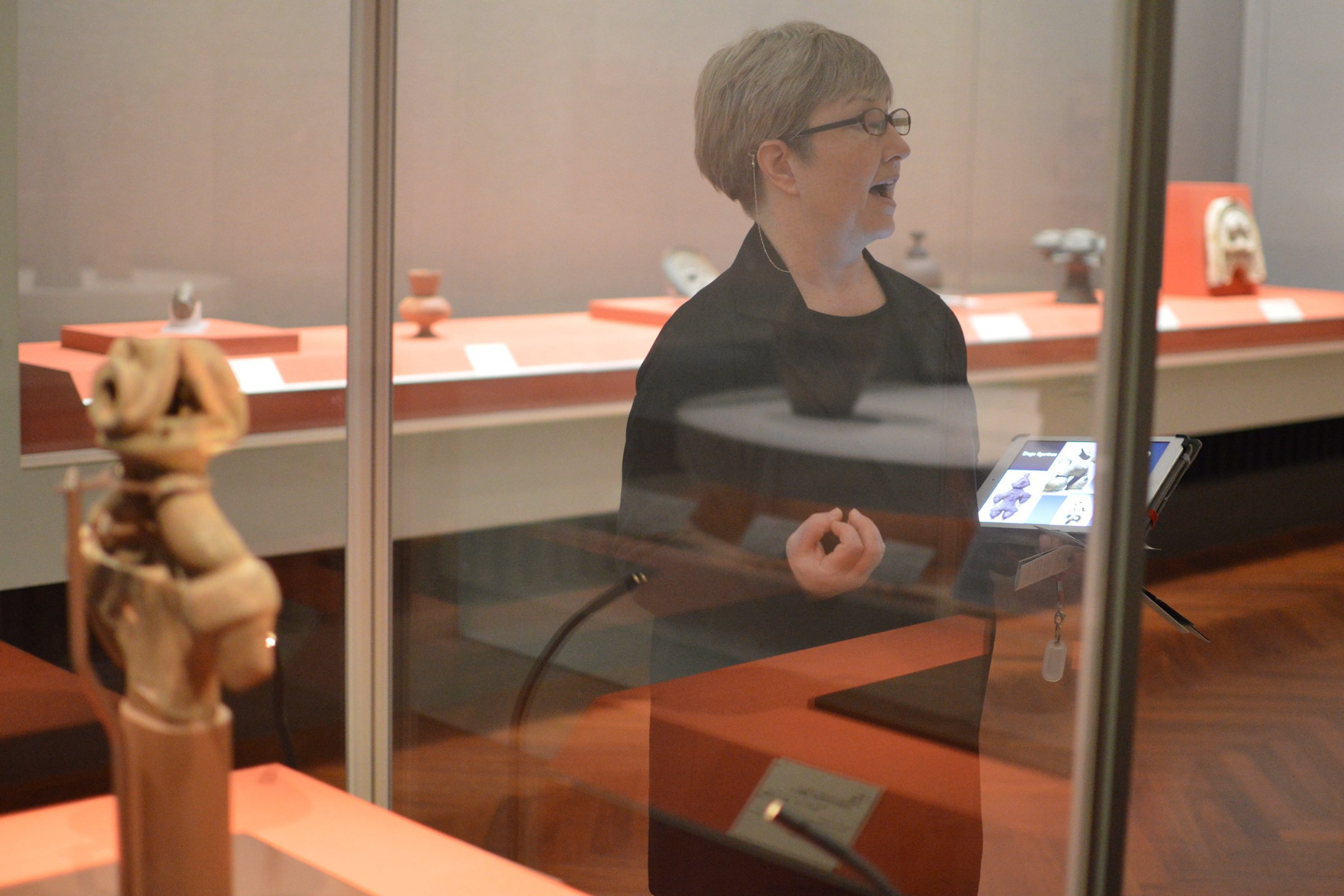
Their role is not simply to identify objects. They provide the historical framework, explain unfamiliar techniques and traditions, and draw connections across galleries. Questions are encouraged throughout, allowing the museum visit to become a conversation shaped by close looking.
Frequently Asked Questions
What does the Tokyo National Museum contain?
The Tokyo National Museum holds Japanese and Asian art, archaeological materials, religious objects, historic documents, decorative arts, and cultural artifacts. This tour focuses primarily on the Japanese Gallery and the development of Japanese art through the late nineteenth century.
Is this a guided tour of the Tokyo National Museum?
Yes. This is a private guided visit led by a specialist in Japanese art, history, or culture. The Expert selects the most relevant works on display and connects them through a clear historical narrative.
How long should I spend at the Tokyo National Museum?
The museum is large enough to occupy much of a day, but many visitors benefit from a focused two- or three-hour visit. A guided tour helps you prioritize the Japanese Gallery and understand the most significant works without attempting to cover every collection.
Can I see the whole museum during the tour?
No. The Tokyo National Museum contains several buildings and extensive collections. The tour intentionally concentrates on the Japanese Gallery and selected works that provide the strongest introduction to Japanese art and history.
Why do the objects on display change?
Many works on paper, paintings, textiles, and other fragile objects are vulnerable to light and environmental exposure. The museum rotates them regularly to protect the collection, so the exact works visible during your visit cannot be guaranteed.
Will we see a Hokusai print?
Possibly, but no individual artwork can be promised because exhibitions rotate. When a Hokusai work is available, your Expert may use it to discuss ukiyo-e, print production, Edo culture, and the artist’s wider influence.
What kinds of art will we see?
Depending on the current displays, the tour may include ceramics, Buddhist sculpture, painted screens, scrolls, woodblock prints, swords, armor, textiles, lacquerware, archaeological objects, and Meiji-period painting.
Does the tour include samurai swords and armor?
These objects may be included when relevant galleries are open and suitable works are displayed. Your Expert places them within the political, social, and artistic history of Japan’s warrior class.
Is this tour appropriate for someone who knows little about Japanese art?
Yes. The tour is designed to provide a clear introduction without assuming prior knowledge. Your Expert explains unfamiliar terms, periods, materials, and religious traditions through the works themselves.
Is the tour suitable for experienced art lovers?
Yes. The private format allows the discussion to move beyond an introductory level. Guests with specialist interests should share them in advance so the Expert can shape the visit where the collection and current displays allow.
Does the tour include special exhibitions?
No. The standard tour covers the museum’s permanent-collection galleries and does not include special exhibitions.
Are museum admission fees included?
No. Guests purchase standard museum admission on site.
Where does the tour take place?
The tour takes place entirely within the Tokyo National Museum in Ueno Park, with its principal focus on the Japanese Gallery.
Is the Tokyo National Museum worth visiting?
Yes, especially for travelers who want a structured introduction to Japanese art, religion, craft, or history. Its collections provide historical context that can deepen later visits to temples, shrines, gardens, and historic neighborhoods throughout Japan.
What makes a guided visit better than exploring independently?
The museum’s size, chronological range, specialist terminology, and rotating displays can make it difficult to know where to begin. An Expert identifies the strongest works available, explains why they matter, and connects individual objects into a comprehensible history of Japan.
Is photography allowed?
Photography policies can differ by gallery and object. Some works may be photographed without flash, while others display restrictions. Guests should follow the signage and their Expert’s guidance inside the museum.
Is the museum accessible?
The principal museum buildings are generally designed to accommodate visitors with mobility needs, but routes and gallery access can vary. Guests should share specific accessibility requirements before booking so the visit can be planned appropriately.