Excellent!!!
Nara Day Trip from Kyoto
Discover why Nara helped shape Japan's early identity
Nara is Japan's first permanent capital. Here, temples, lanterns, and a giant Buddha reveal the country's early history.
Tour Highlights
- Go beyond Nara's deer Let an Expert connect the city’s famous deer to the capital, temples, and beliefs around them.
- Ancient Japan's roots Learn about the Nara period to see how Japan's first permanent capital shaped what followed.
- Let history form a clear arc Move through temples and shrines in order, building a memorable map of early Japan.
- Leave logistics to us Travel from Kyoto with an Expert who manages the route so you can focus on Nara.
- Find faith in every detail See the meaning behind pagodas, lanterns, torii, and Buddha imagery instead of simply passing by.
- Carry home Nara's real story Return with vivid stories that reach far beyond the superficial and give old Japan lasting meaning.
Led by Experts, Shaped by You
Explore with an expert guide who responds to your questions, your interests, and your pace. Reveal layers of meaning most visitors miss—go from seeing to understanding.
The Finer Details
Nara is famous for deer, but its deeper story begins with the making of Japan itself. A short train ride from Kyoto reaches the country's first permanent capital, where Buddhism, Shinto practice, and state power took visible form. Your Context Expert handles the route and brings the early history into focus.
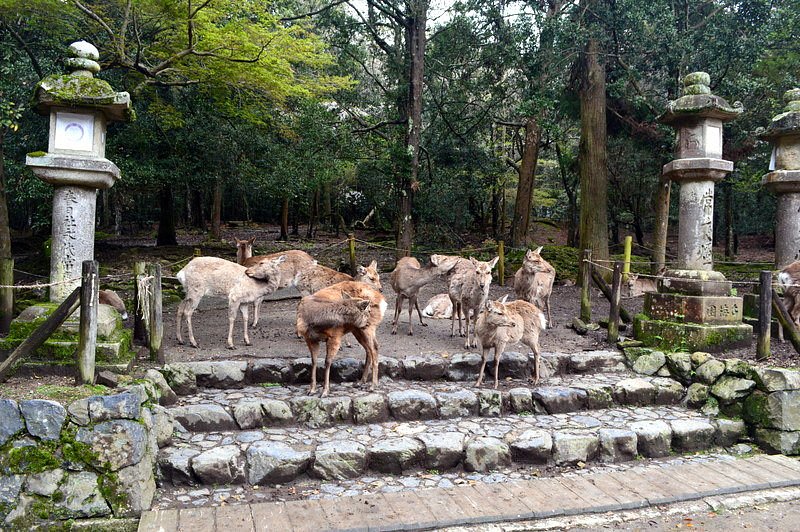
Meet your Expert at Kyoto Station and travel together to Nara. Once in Nara Park, you'll meet the city's roughly 1,300 free-roaming deer, considered sacred messengers of the gods ever since a deity is said to have ridden one here from Ibaraki to found Kasuga Taisha. Feeding them is part of the fun, but their presence also signals something deeper: this whole park has been treated as holy ground for well over a thousand years. Your Expert places the deer within a wider landscape of temples, shrines, and the Nara period, providing framing that makes the city's role in Japan's changing capitals easier to understand.
From the park, Kofuku-ji is the first stop, where pagodas and halls introduce the scale of Nara's religious ambition. The temple dates to 669, when a woman commissioned it in hopes that her husband would recover from illness. This temple moved from Kyoto to Nara in 710. Visit the Central Golden Hall, or Chukondo, the temple's main building. After destruction by war and fire, the hall was rebuilt in 2018.
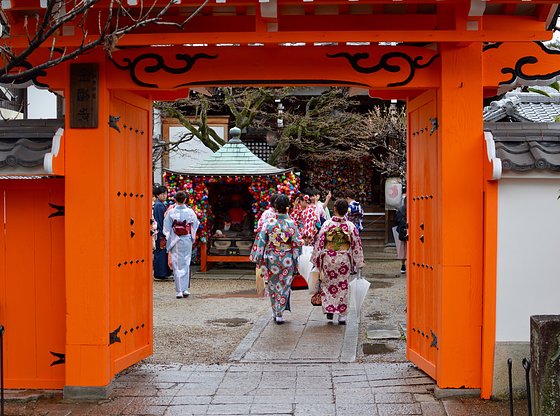
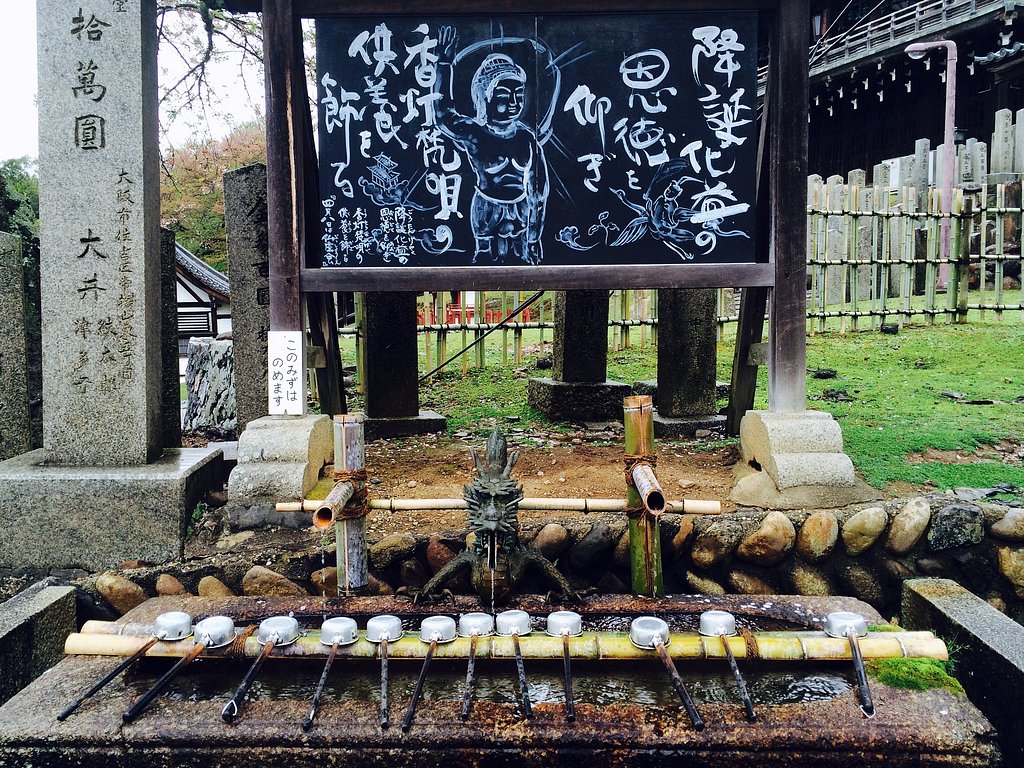
Kasuga Shrine shifts the lens from Buddhist temple life to Shinto protection. Dedicated to safeguarding Nara, the shrine is approached along a path lined with thousands of stone lanterns. Hundreds of bronze lanterns hang within the shrine, each donated by worshippers. Orange torii gates create a visual connection with Kyoto's Fushimi Inari Shrine while opening a deeper discussion of faith and civic identity.
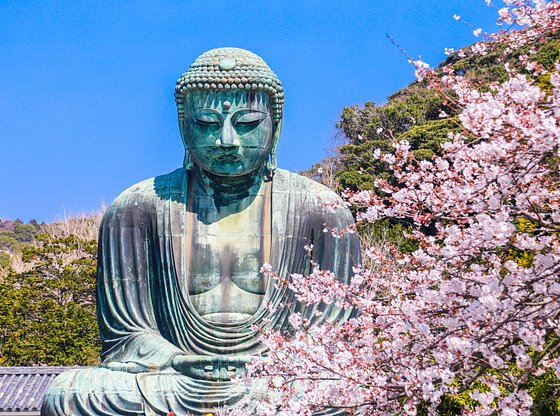
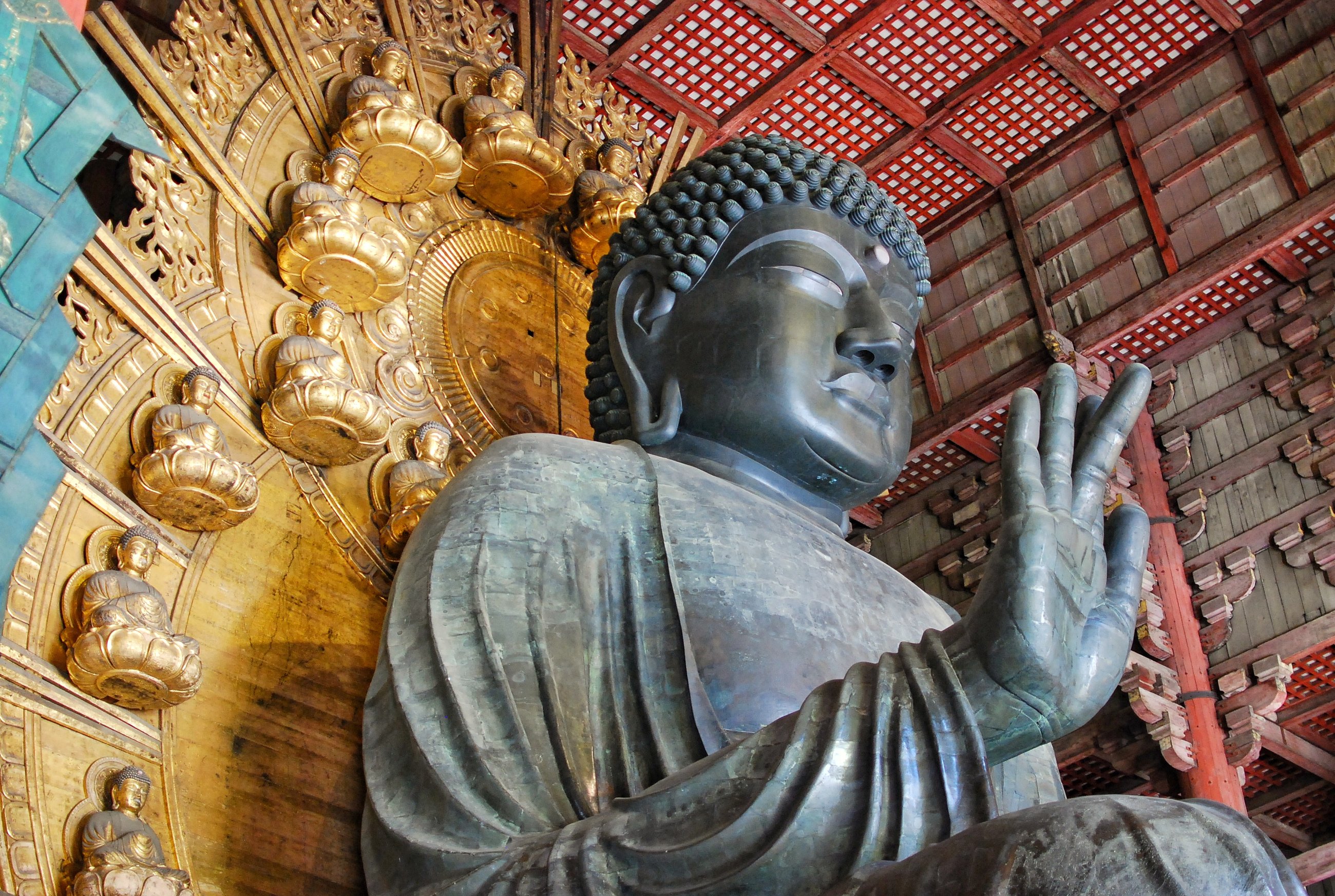
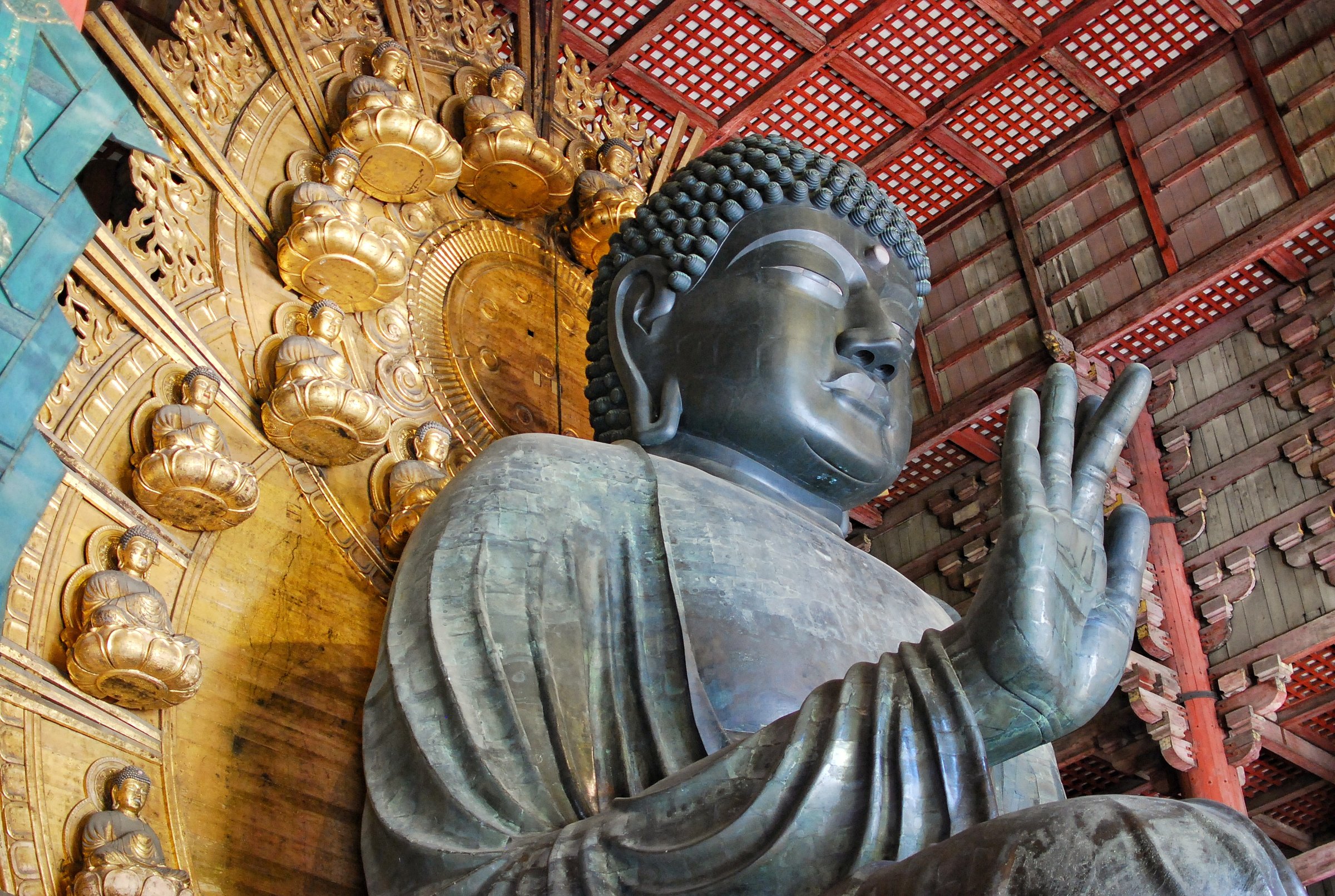
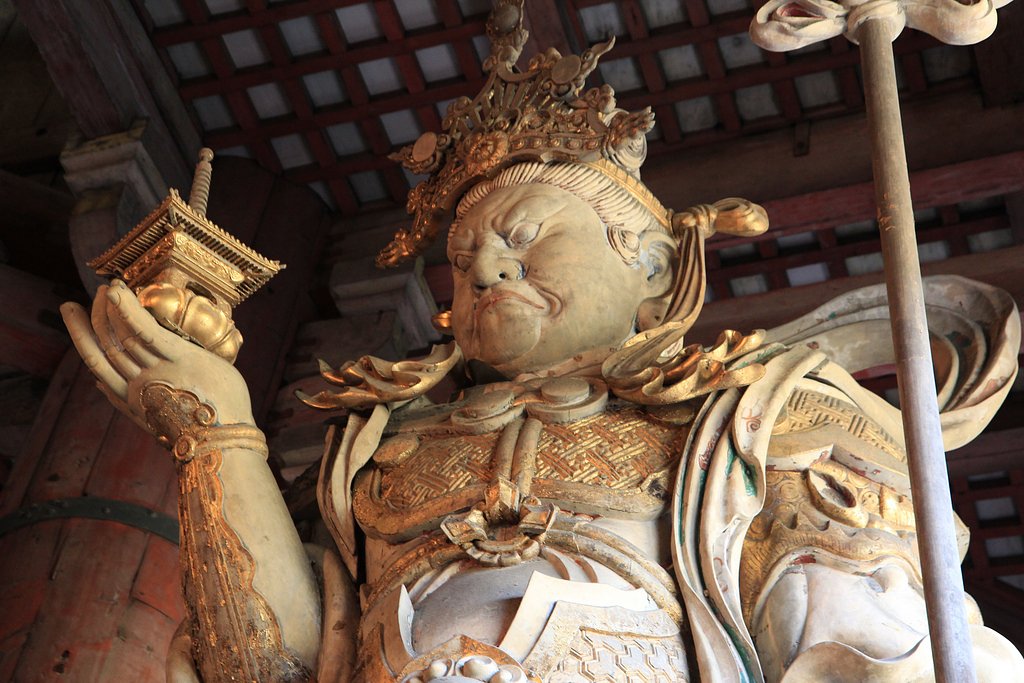
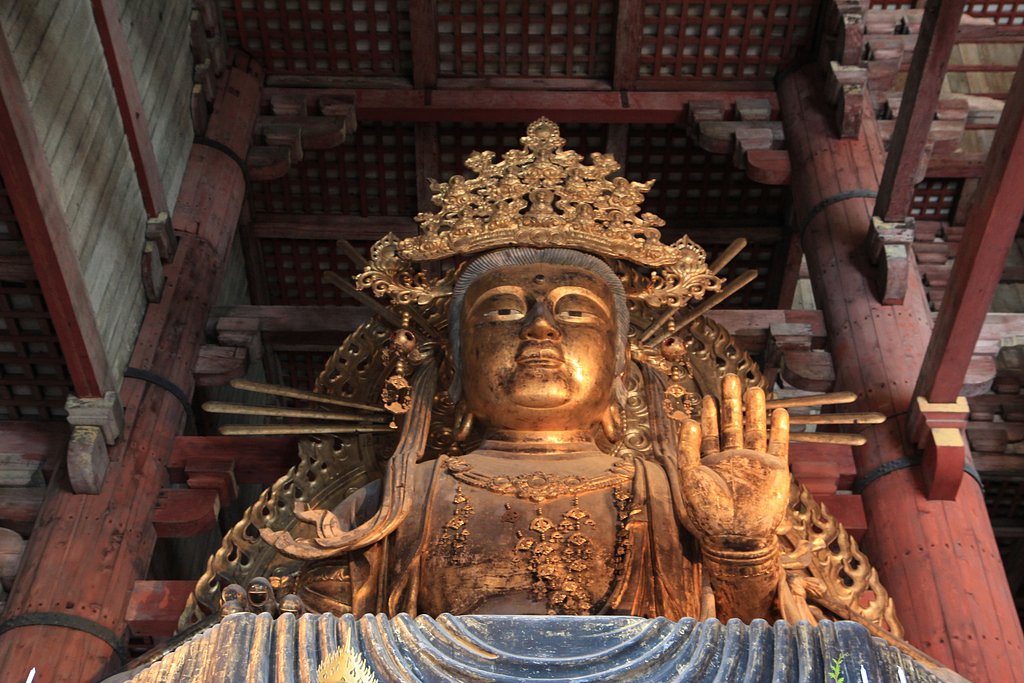
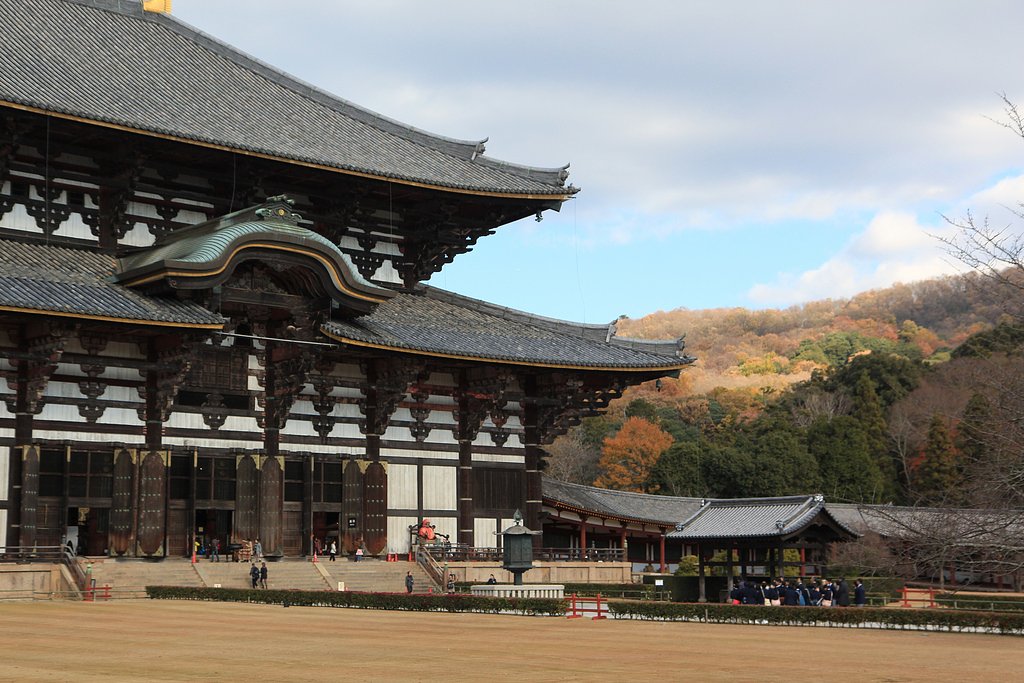
From Kasuga Shrine, the walk continues to Todai-ji, which brings the early capital's ambitions into monumental form. Dating to around 750, this Buddhist temple houses the world's largest bronze Vairocana Buddha, known in Japanese simply as the Daibutsu, or Giant Buddha. What did it take to create a figure at this scale? More than 350,000 people are believed to have worked on its construction, revealing how religion, labor, and political authority converged.
The Nara day trip from Kyoto concludes at Todai-ji, after which you're free to stay in Nara for lunch and further exploration, or make your way back to Kyoto. Across Kofuku-ji, Kasuga Shrine, and Todai-ji, the route turns early Japanese history into a history you can remember.
Leave understanding why Nara matters beyond its iconic deer and how the Nara period set the stage for Kyoto and Edo as Japan's later capitals. The practical route and expert interpretation make an ancient capital feel accessible, coherent, and worth retelling.
Meet the Experts












Where You’ll Go
From iconic landmarks to tucked-away local favorites, these are the places you’ll explore and experience firsthand with your Expert.
-
Todai-ji TempleBuddhist temple home to Nara's monumental bronze Buddha
-
Kofuku-ji TempleHistoric temple with pagodas and a rebuilt Central Golden Hall
-
Kasuga ShrineShinto shrine lined with stone lanterns and orange torii
What’s Included As Standard
Here’s a look at what your tour covers, plus anything you’ll want to consider arranging separately, so you can plan with confidence.
Included
-
English-speaking expert guideTours led in English, offering you unbroken understanding throughout.
-
Intentionally sized groupsA smaller group means more time for conversations and questions.
-
Tickets and entrance feesAll entry tickets included (unless clearly stated otherwise).
-
HeadsetsHeadsets are included on tours that need them, so every word can be heard.
Not Included
-
GratuitiesTips aren’t included, but we encourage tipping as a way to thank your guide after your experience.
-
Food and drinkUnless booking a Food & Drink tour or tasting experience, refreshments are not included.
-
Transportation to and from the meeting pointUnless noted, pre- and post-tour transport isn’t included - this service can be added by request.
-
Hotel pickup or drop-offUnless noted, travel to or from accommodation isn’t included - this service can be added by request.
Where You'll Explore
Make the Most of Your Tour
Some helpful advice for getting the most from your experience, from practical prep to small on-the-day tips.
Dos:
- Wear comfortable footwear
- Check the weather and dress appropriately
- Bring a bottle of water (no glass)
- Feel free to ask your Expert anything
Don'ts:
- Bring firearms or weapons
- Bring sharp objects (e.g. knives, swiss army knives, switchblades, hiking sticks)
- Dress inappropriately to enter religious sites or sacred monuments
Any questions? You can always
contact us.
Frequently Asked Questions
We meet near Kyoto Station. The tour ends in Nara. You can return to Kyoto after the tour (the guide usually returns after the tour) or stay and get lunch and explore Nara on your own.
No, the JR Pass trains will take you to a further (and different) station, extending unnecessarily the tour duration and disrupting the tight schedule. The Kintetsu train instead, is a lot more convenient for reaching the places that you visit on the tour. By booking our walks, all clients must adhere to our procedures to ensure the success of the tour. As this is a walking-intensive tour, using the Kintetsu train line is the best solution.
A one-way train ticket from Kyoto and Nara is included in the price of the tour, which will be bought for you by your guide on-site. We intend to allow you to have the opportunity to stay and explore Nara on your own after the tour ends.
Yes. Context clients generally tip anywhere from 10-25% of the purchase price of a personal service such as this, depending on the quality of the experience and their tipping habits.
Book with confidence — see Context's flexible cancellation policy here.
Don’t just take our word for it
Miyo was a great tour guide. Her English is amazing. It was nice to get a Japanese perspective on Nara and our questions. She was very knowledgeable and friendly. We enjoyed our time with her even though the weather did not cooperate
Wonderful day trip, well worth the time!
Let Your Curiosity Shape Your Journey
Join passionate experts on intimate walking tours that reveal a city’s unique stories, spark conversations, and leave you seeing the world—and yourself—a little differently.
Structured, never scripted
Your interests guide your Expert, leading to stories and perspectives that matter to you.
Crafted for conversation
With 12 or fewer guests, ask questions, engage with your Expert, and fully immerse yourself.
Experts, not guides
Explore with 1,200+ Experts—from historians and architects to archaeologists and chefs.