Hiroshima is a city that invites reflection and inspires awe. Rising from the ashes of its tragic past, Hiroshima has transformed into a vibrant, forward-looking destination that blends poignant history with modern charm. In just 36 hours, you can explore the city’s key historical landmarks, sample local culinary delights, and soak in its natural beauty. Here’s how to make the most of your time.
Day 1: Arrival and Evening Stroll
2:00 PM: Arrival and Check-In
Begin your journey by settling into a centrally located hotel near Hiroshima Station or Peace Memorial Park. Staying nearby ensures easy access to key sites and excellent public transport options.
3:00 PM: Hiroshima Castle
Begin with Hiroshima Castle, often called Carp Castle, a postwar reconstruction that stands as a symbol of the city’s layered resilience. Inside, exhibits introduce Hiroshima’s samurai past and feudal governance, while the top floor offers wide views of a city rebuilt with intention.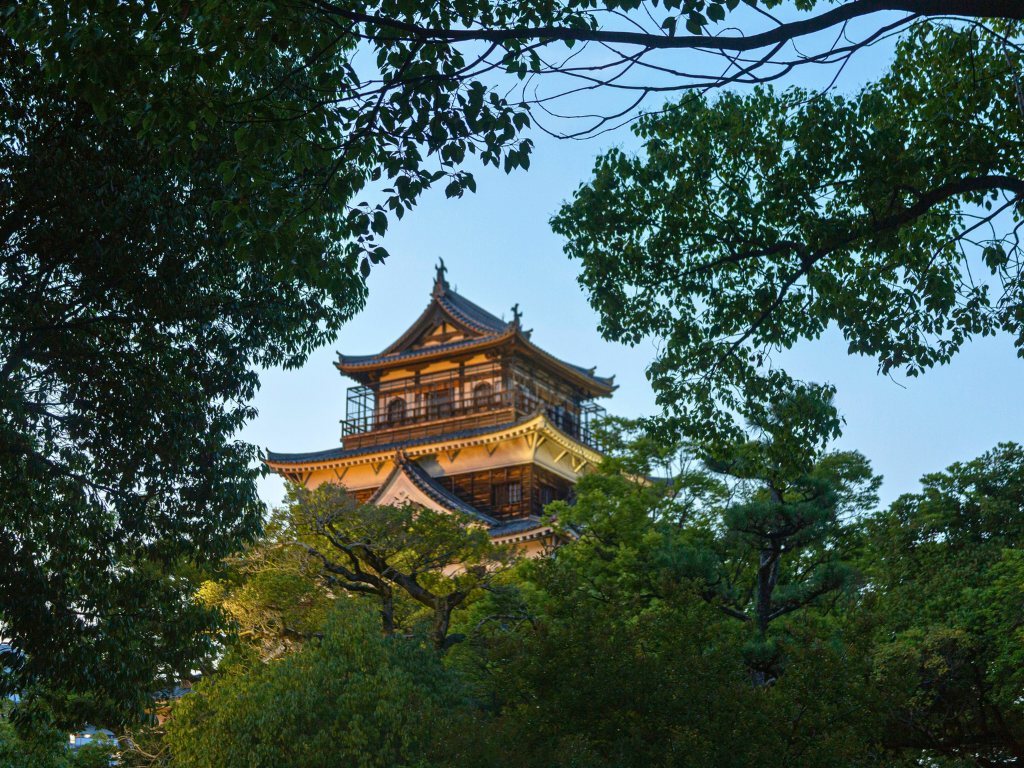
Even if you skip the interior, the surrounding moat, parkland, and nearby Gokoku Shrine make this a calm and meaningful first walk.
6:30 PM: Oyster Dinner
The Hiroshima Prefecture is responsible for nearly 70% of Japan's oyster production. Order them raw with ponzu, grilled in soy-based yakigaki-no-hayashi style, or served over rice in donburi form. Winter is peak season, but oysters are enjoyed year-round.
8:00 PM: Walk Along the Peace Boulevard
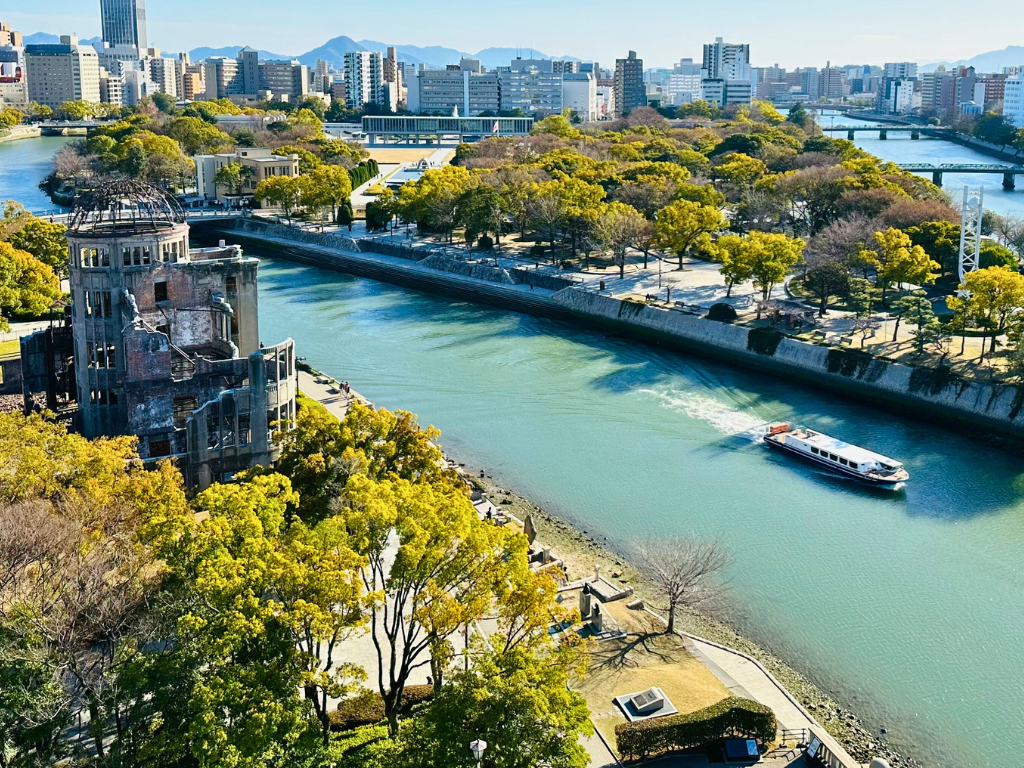
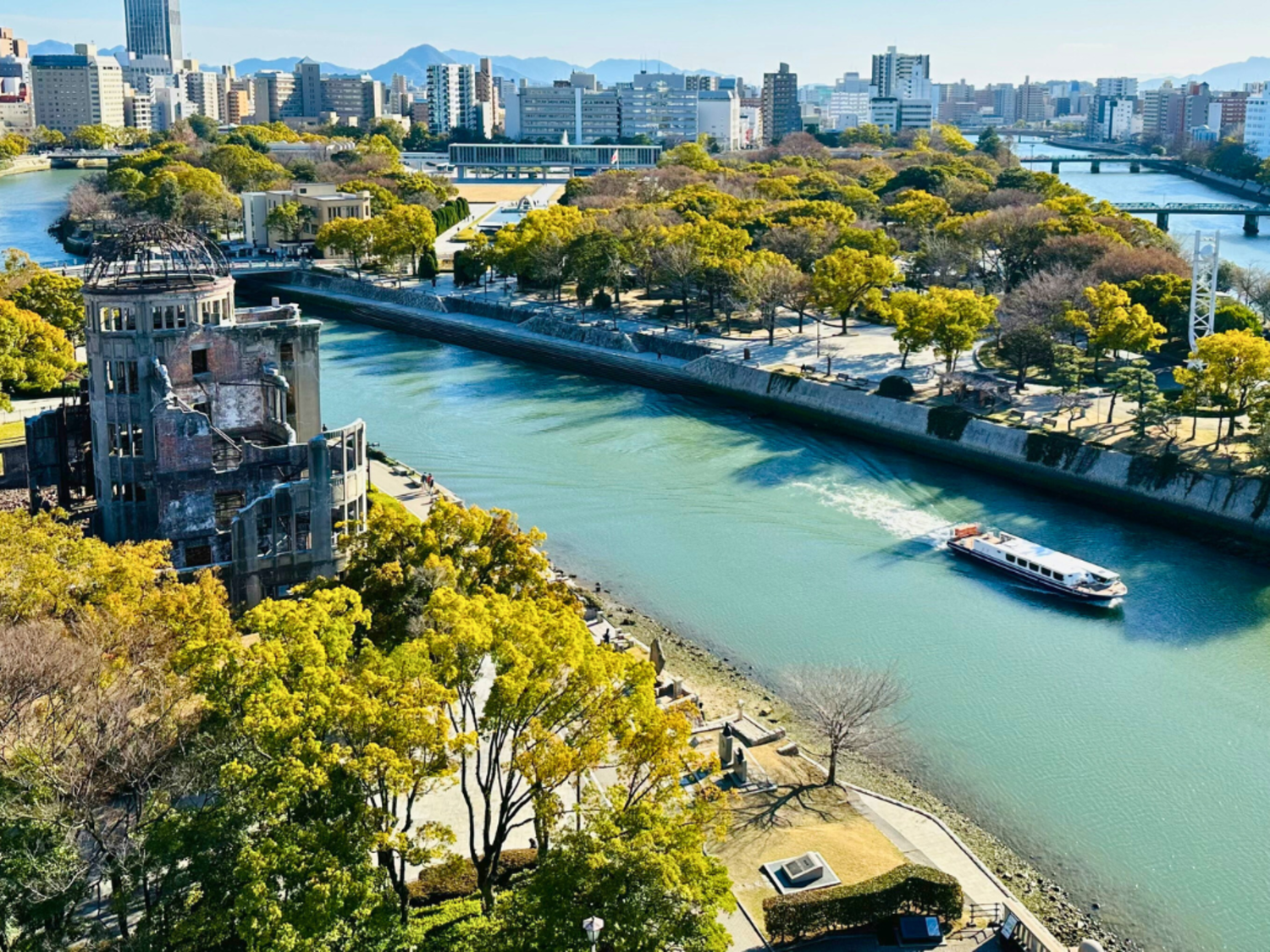
After dinner, take a serene walk along Peace Boulevard. The tree-lined avenue is beautifully illuminated at night, offering a peaceful introduction to the city. Walk through Peace Memorial Park and head toward the Atomic Bomb Dome to see it lit against the night sky—a haunting yet hopeful symbol of peace.
Day 2: History, Culture, and Scenic Views
9:00 AM: Morning at the Hiroshima Peace Memorial Park and Museum
Dedicate the morning to Hiroshima Peace Memorial Park, allowing time to move slowly and intentionally. Visit the Peace Memorial Museum, where artifacts, personal belongings, photographs, and survivor testimony document August 6, 1945 with clarity and restraint. Most visitors spend 90–120 minutes here.
Outside, pause at the Children’s Peace Monument and the Flame of Peace, both integral to understanding Hiroshima’s global message.
12:30 PM: Okonomiyaki Lunch
Kick off your time in Hiroshima by dining on the city’s signature dish, okonomiyaki, at a local favorite like Okonomimura. This savory pancake, layered with noodles, cabbage, pork, or seafood, is prepared on a hot plate right before your eyes.
2:00 PM: Travel to Miyajima
From Hiroshima Station, take the JR train to Miyajimaguchi (about 30 minutes), then the ferry to Miyajima Island (10 minutes). The route is straightforward, and ferries run frequently.
3:00 PM: Itsukushima Shrine & Miyajima Island
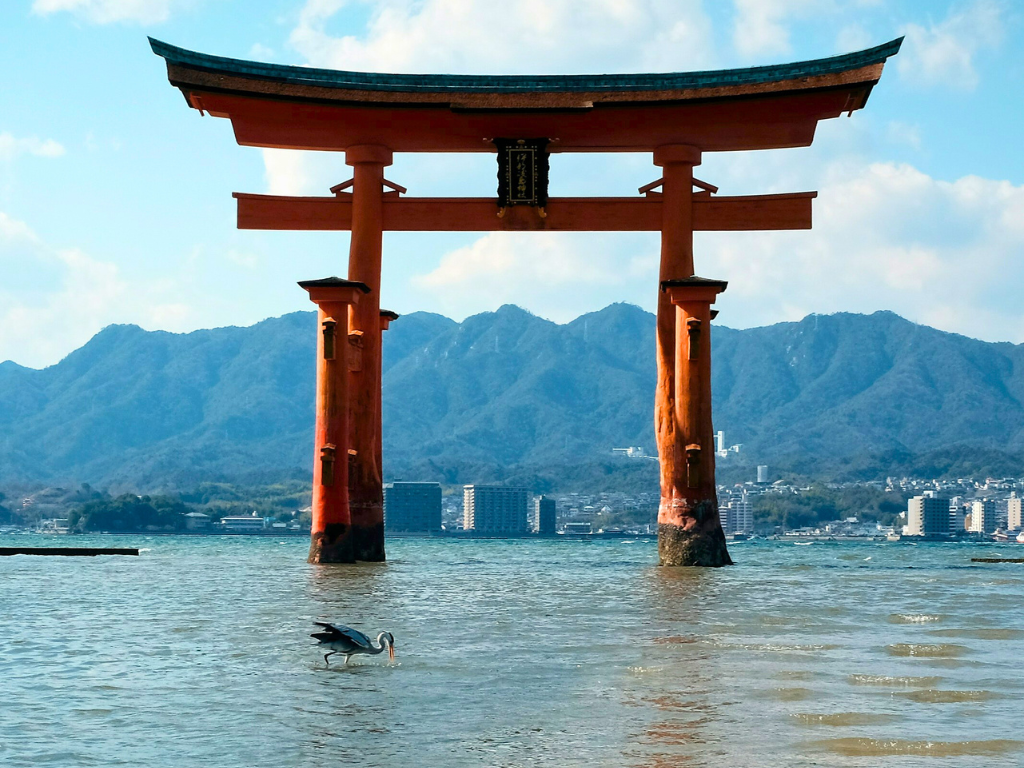
Founded in 593, Itsukushima Shrine has been rebuilt many times over centuries, preserving its distinctive Shinto architecture designed to exist in harmony with the tides. At high tide, the shrine and its restored torii gate appear to float; at low tide, visitors can walk along the shore beneath it. Checking tide tables in advance helps shape the experience.
Beyond the shrine, explore wooded paths, encounter the island’s famously curious deer, and take in views of the Seto Inland Sea. While Buddhism historically shaped Miyajima alongside Shinto practice, today the shrine itself remains a sacred Shinto site.
Spend some time navigating the island’s serene, spiritual sights, getting an in-depth background of the shrine’s religious importance and the roles that Shintoism and Buddhism have played on the island and Japanese culture as a whole.
7:00 PM: Traditional Dinner on Miyajima Island
Enjoy an early dinner on the island—fresh seafood, seasonal vegetables, and a slower rhythm than the mainland. Staying overnight on Miyajima is magical but requires advance planning; for a true 36-hour trip, return to Hiroshima by evening ferry.
Day 3: A Gentle Farewell
9:00 AM: Hiroshima Museum of Art or Shukkeien Garden
If you're keen to squeeze in one last museum stop, head to the Hiroshima Museum of Art, home to an impressive collection of European and Japanese works, including pieces by Monet, Van Gogh, and Picasso. The museum’s serene setting makes it a perfect place for reflection.
If the weather is nice, perhaps you'd prefer to walk through Shukkeien Garden that was first laid out in 1620. Remarkably, it survived the atomic bombing and was carefully restored in the postwar years. Bridges, koi ponds, and miniature landscapes create moments of stillness just minutes from the city center.
10:30 AM: Departure
Return to Hiroshima Station for onward travel. Before leaving, pick up momiji manju, the maple-leaf-shaped sweet associated with Miyajima. It's available in many flavors, from classic red bean to custard and matcha.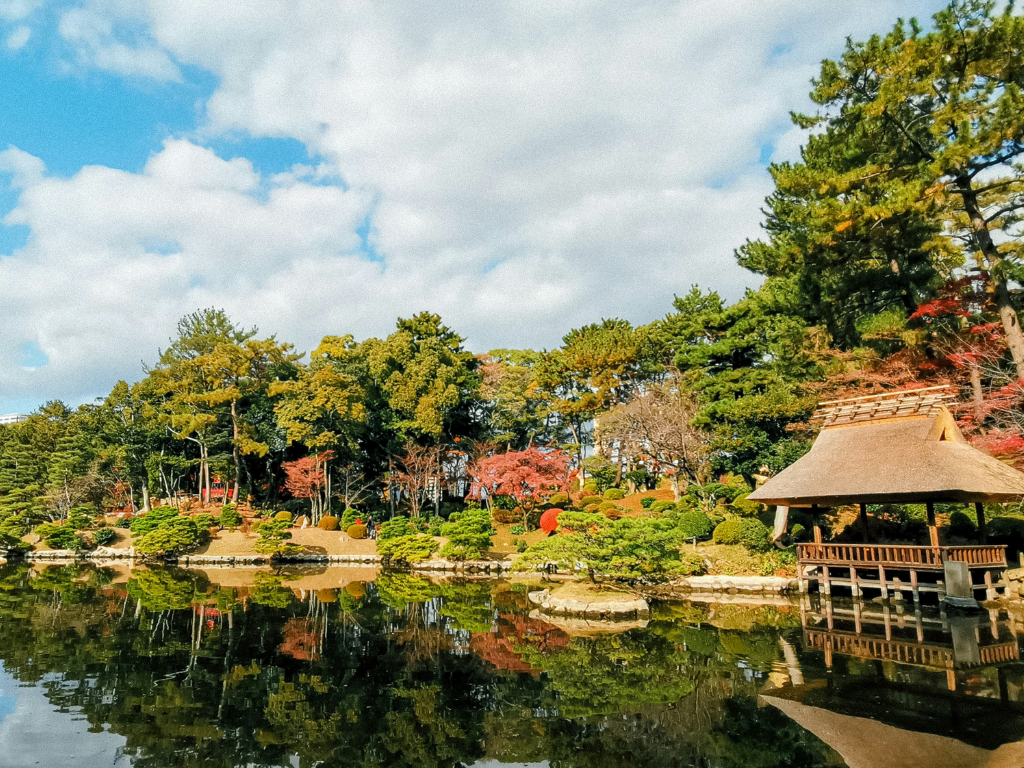
Hiroshima’s mix of history, culture, and natural beauty makes it an unforgettable destination. In 36 hours, you’ll experience its rich past, savor its culinary delights, and discover its resilient spirit—a testament to the power of hope and renewal. If you're traveling through Japan, get deep insights into cultural attractions in cities like Osaka, Kyoto, and Tokyo with Context.