By: Nicole Indovino
In conversations about Europe’s great culinary traditions, Spain is often surprisingly underrepresented. France is synonymous with technique, Italy with regional comfort and wine, and Scandinavia with innovation. Spain, by contrast, can be reduced to tapas, late dinners, and lively plazas.
Often on my tours I joke that Spain's culinary scene needs a new marketing manager. The raw ingredients coming from the Mediterranean climate are world-class. The region's diverse gastronomic landscapes make traveling from city to city a continuous adventure that never grows repetitive.
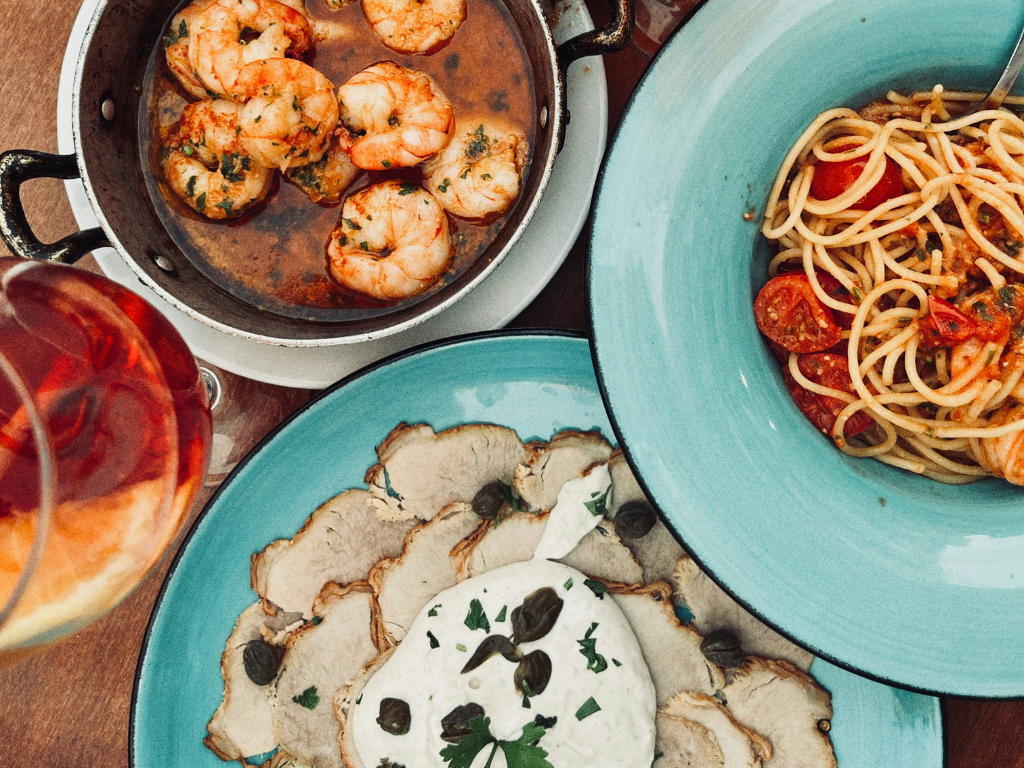
And then there is something less tangible: the social importance of gathering around the table that can only be experienced and felt in situ. To travel through Spain is not merely to eat well, but to encounter a layered culinary culture shaped by geography, history, and deeply rooted traditions.
Olive Oil Is Key Here
Spanish cuisine begins with olive oil. For many Americans, Italy comes to mind when thinking of olive oil, yet Spain is the world’s leading producer.
However, the volume alone does not explain its importance. Olive oil in Spain serves as both an ingredient and a regional attribute, with distinct local expressions that reflect its specific climates, olive varieties, and production methods.
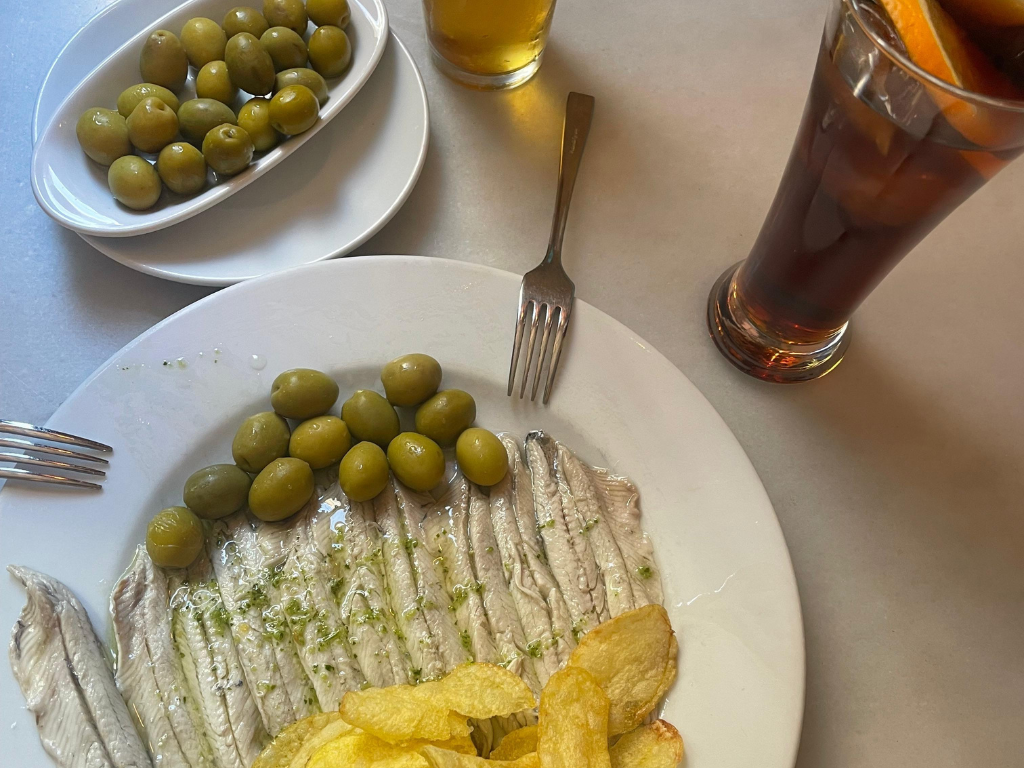
In Andalucía, the hot climate produces robust, peppery oils, while Catalonia produces milder, fruit-forward oils that lend themselves to more careful preparations. But regardless of region, you will find olive oil at the base of every meal, whether it's on bread for a breakfast of pan con tomate or soaking the potatoes in the national dish of tortilla de patatas. It is often both the base and the extra flourish in Spain’s dishes.
Jamón Ibérico and the Language of Terroir
Few products illustrate Spain’s relationship to land and tradition more clearly than Jamón Ibérico, the crown jewel of Spanish cuisine (in my opinion).
Sourced from Iberian pigs raised on acorn-rich diets in the oak groves of the southwest of the country, this cured ham embodies a uniquely Spanish convergence of agriculture, patience, and flavor.
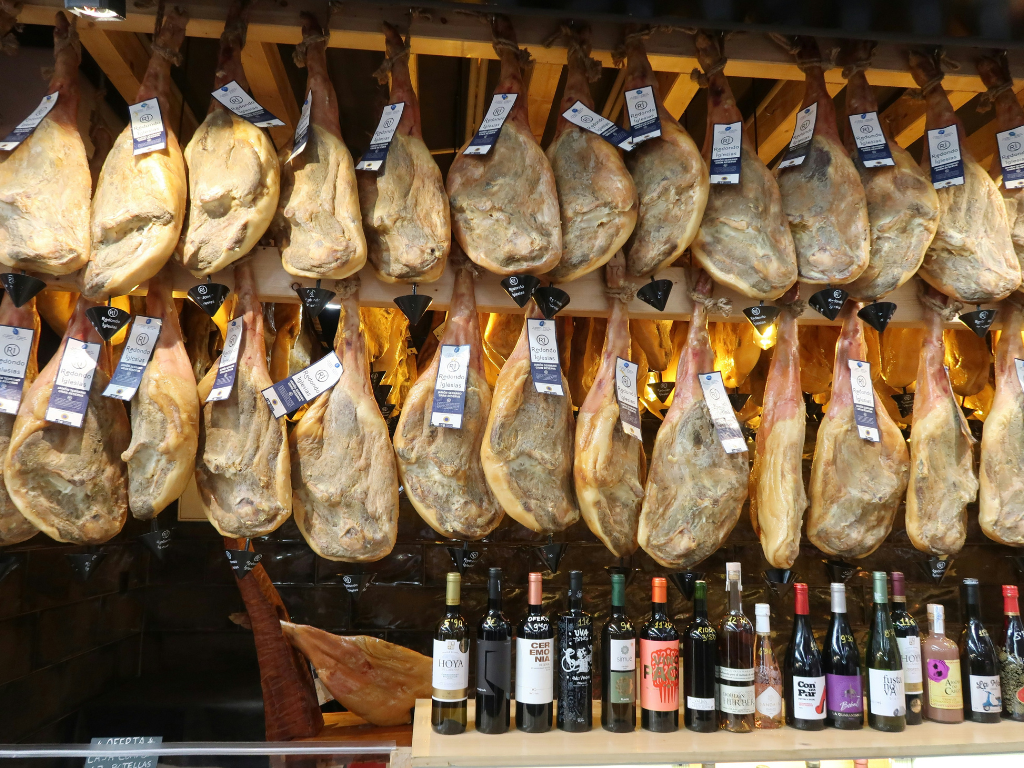
To taste Jamón Ibérico de Bellota is to engage with the concept of terroir in its most literal sense. Its flavor—complex, nutty, savory—cannot be separated from the landscapes of Extremadura or Andalucía where it originates. The best producers age the jamón in open-air drying rooms known as bodegas for more than a year, allowing moisture to sweat out of the ham leg and the flavors to concentrate. This patient waiting pays off big time in flavor and texture.
Both time and tradition improve the quality of this product in ways our modern-day food system is turning away from, and slowing down to enjoy a slice of Jamón Ibérico paired with a glass of rich Rioja wine is a way of traveling back in time.
A Nation of Distinct Culinary Identities
Perhaps the most compelling argument for Spain’s gastronomic significance lies in its diversity. Rather than a unified national cuisine, Spain offers a constellation of regional traditions, each with its own ingredients, techniques, and historical influences.
The Basque Country, for example, pairs an extraordinary concentration of innovative Michelin-starred restaurants with a deeply traditional and locally enjoyed pintxos culture. Here, culinary creativity thrives in both incredible restaurants and local bars. In Catalonia, the interplay between mountain and sea produces a cuisine that is both technically sophisticated and rooted in rural traditions.
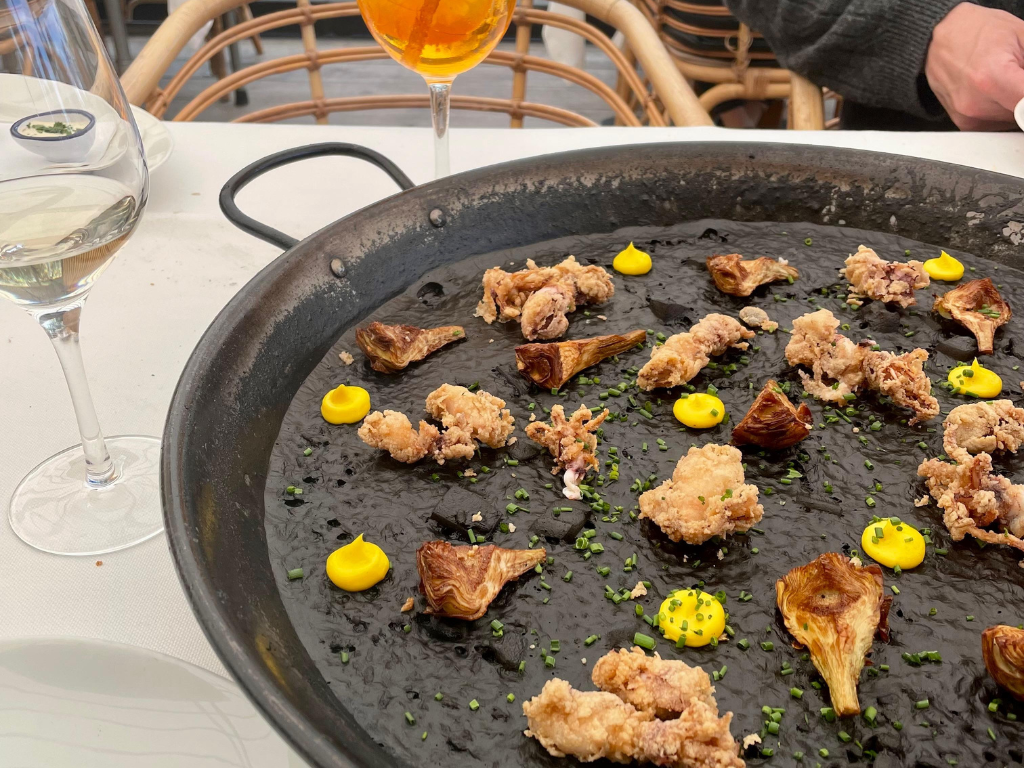
Valencia’s paella reveals the importance of local ingredients and method, while Andalucía’s cuisine reflects Moorish influences and maritime trade. In Galicia, the Atlantic dictates the table, with seafood preparations that prioritize clarity and restraint. Sometimes, doing less on the plate ends up doing more for your palate.
To move between these regions is to encounter entirely different culinary philosophies within a single country.
Food as a Way of Life
Just as important to the quality and technique of Spanish food is the social context in which it is experienced. In Spain, you do not eat to live, but live to eat.
Daily life is structured around meal times with many locals taking a long pause at lunch, slowing down to enjoy a meal and converse with family. Markets remain central to this way of life. Rather than purely transactional spaces, they function as daily meeting points where relationships between vendors and shoppers are sustained over time. Ingredients are purchased with intention and frequency, guided by what is freshest that day rather than by rigid planning. This reinforces a cuisine that is inherently seasonal and responsive to place.
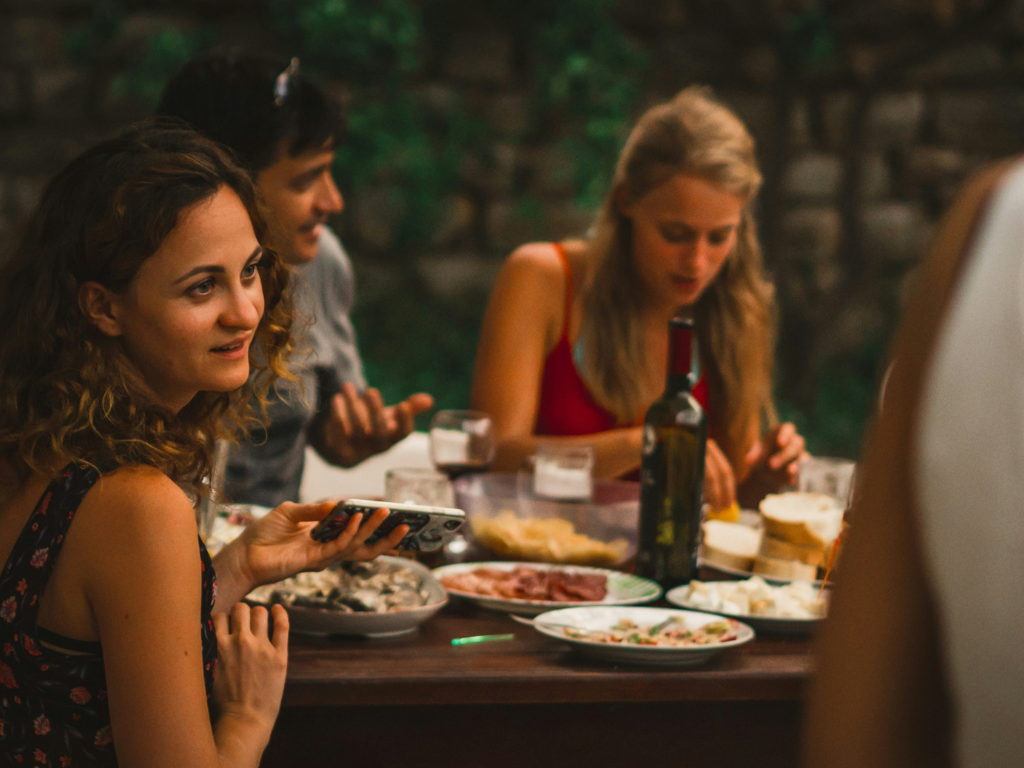
Dining, too, is deeply social. You will find that almost all social activity here revolves around eating and drinking, which is why on any given day of the week, you will find the locals gathered around tables in the streets and plazas enjoying each other’s company late into the night.
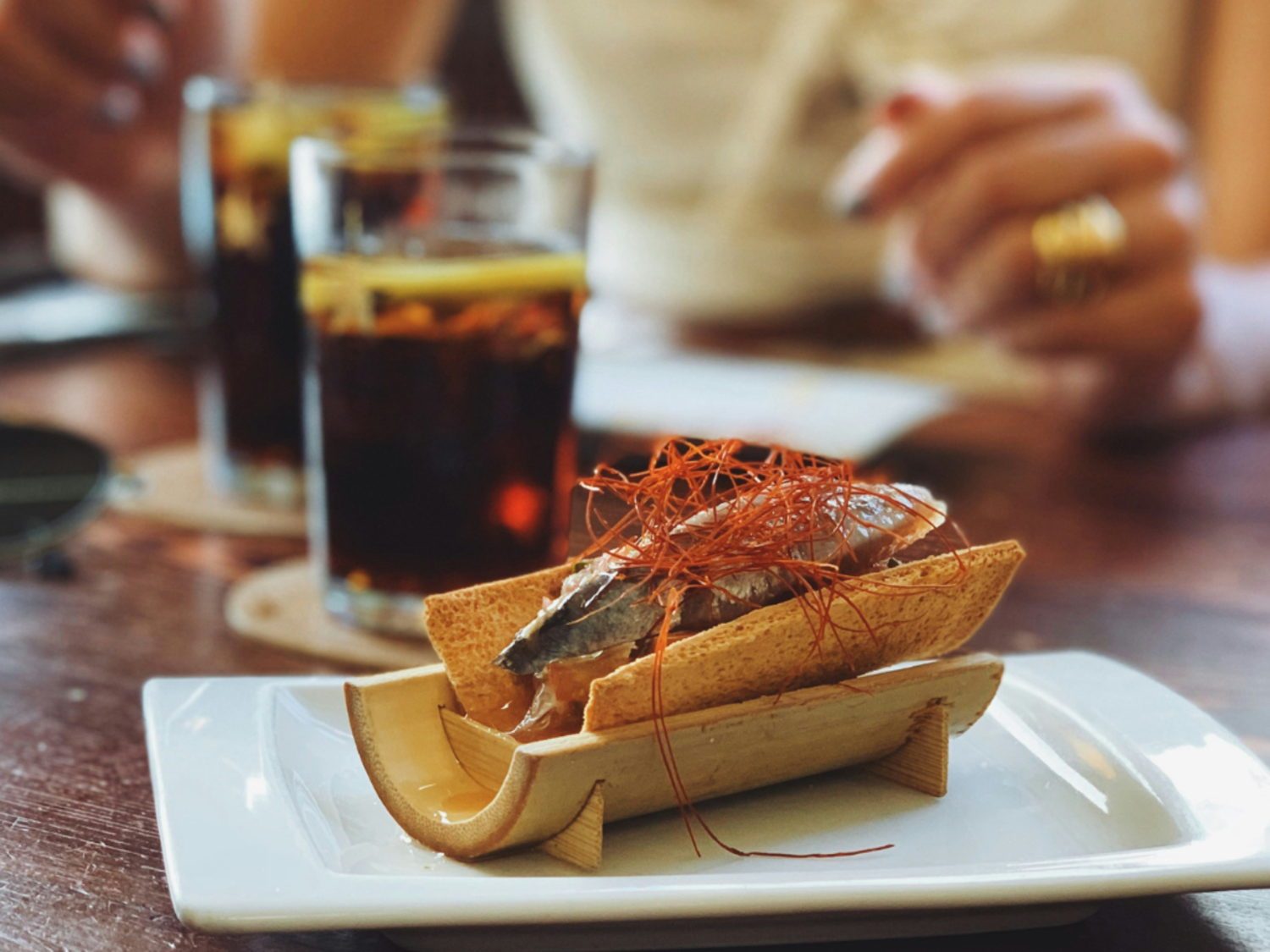
Tapas culture, frequently misunderstood as a style of food rather than a mode of eating, encourages movement, conversation, and shared experience. Plates are ordered collectively, passed around, and discussed. And in more formal settings, meals are rarely rushed; courses arrive at a measured pace, allowing time for reflection and dialogue.
The concept of sobremesa is key to understanding Spanish gastronomy. It is the cherished tradition of lingering around the table after the meal is done. Sharing stories, laughing, having a coffee.
Exploring Spain In Context
For the traveler, this cultural orientation requires a subtle shift in perspective. Understanding Spanish cuisine is not simply seeking out iconic dishes or famous restaurants; it means engaging with the cadence of daily life that shapes how and why those dishes are eaten. It is in the lingering sobremesa after a meal, the familiarity of a neighborhood bar, and the conversations with a market vendor that Spain’s gastronomic identity reveals itself most fully.
But this can be hard to achieve and uncover while just visiting a city for a short time. For those seeking a deeper understanding of Spain’s culinary landscape, guided exploration can offer a meaningful advantage. Food in Spain is inseparable from its cultural and historical contexts, and these layers are not always immediately visible.
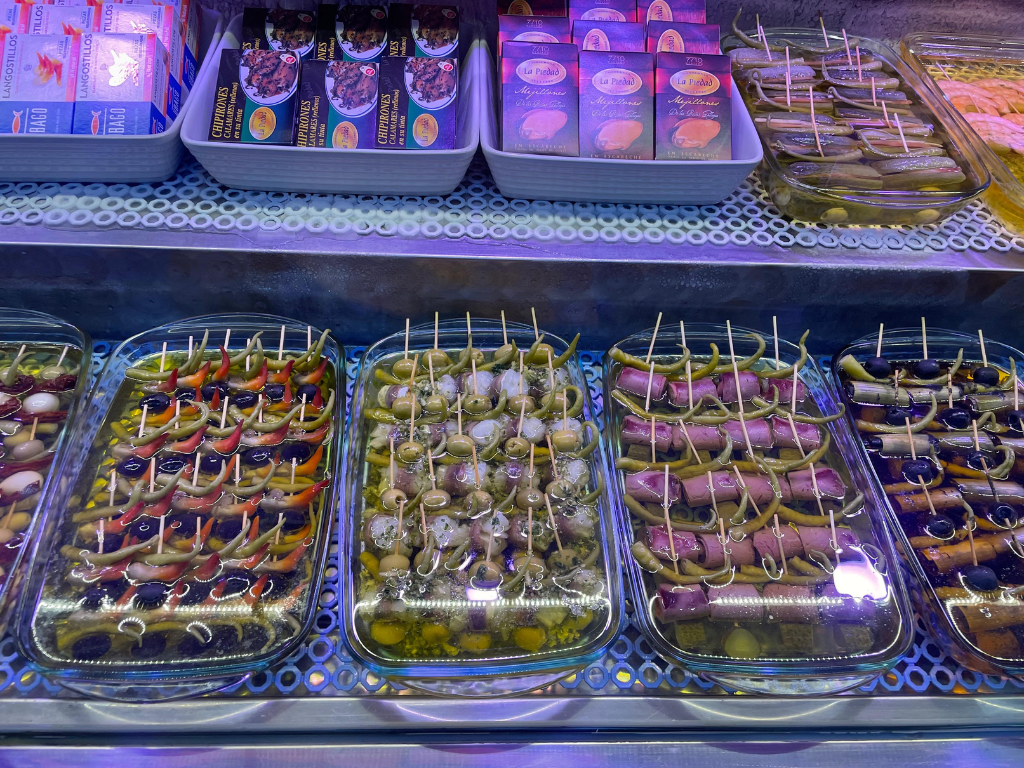
Context Travel’s expert-led experiences are designed to illuminate these connections. Whether exploring local markets in Barcelona, tapas bar-hopping in Madrid, examining the traditions behind Jamón Ibérico, or comparing traditional and innovative cuisine in San Sebastián, these tours provide the interpretive framework that transforms a meal into a richer cultural experience.
In Spain, gastronomy is not simply about what is on the plate. It is about where it comes from, how it is made, and why it matters. Approaching it with curiosity and the right context reveals one of Europe’s most rewarding and still underestimated food destinations.
About Nicole: Nicole is a winemaker who has worked several harvests throughout the world, including Napa Valley, California, Marlborough, New Zealand, Casablanca, Chile, and Sierra de Gredos, Spain. She came to Madrid a few years ago to complete her Master's in Enology (winemaking) and Viticulture (grape growing) and fell in love with Spain and Madrid, and decided to stay. Currently, she produces natural wine in Sierra de Gredos, about an hour outside of the city, while also working as a food and wine writer. She loves sharing her experiences to teach others about food and wine, while making it approachable and fun. In a city like Madrid, that is quite easy!