Hagia Sophia
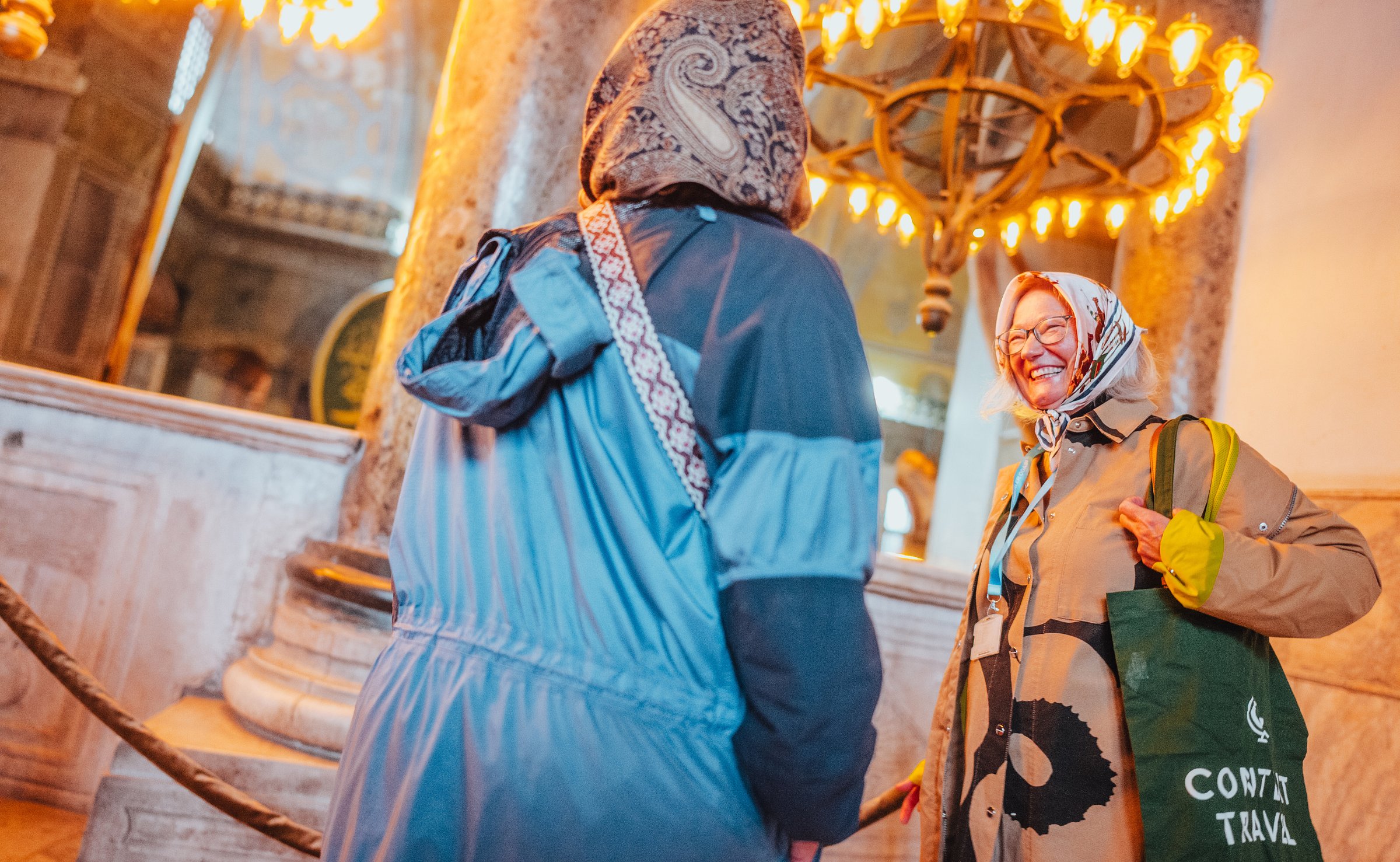
Hagia Sophia is one of the most important monuments for understanding Istanbul’s layered history.
Commissioned by the Byzantine emperor Justinian I and completed in the 6th century, it served for centuries as an imperial church before becoming a mosque following the Ottoman conquest of Constantinople in 1453. Its enormous dome, mosaics, inscriptions, and later Ottoman additions reveal how successive eras transformed the building while preserving elements of what came before.
Today, Hagia Sophia functions as a mosque, and visitor access is subject to current religious-site regulations.
Hippodrome of Constantinople
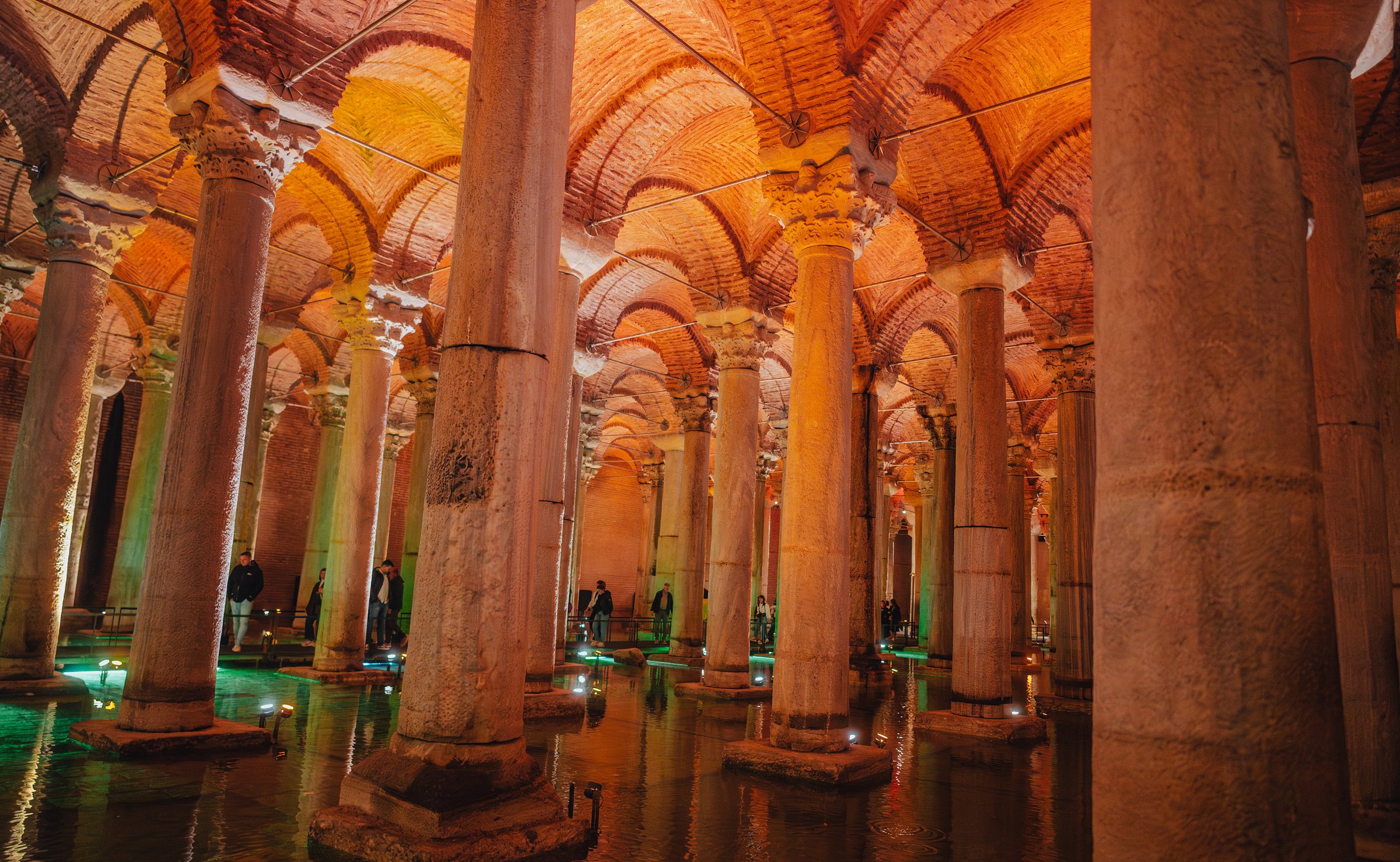
Just outside the major monuments of Sultanahmet lies the former Hippodrome, once the center of public life in Byzantine Constantinople.
Chariot races, imperial ceremonies, political demonstrations, and public celebrations all took place here. Exploring its surviving monuments provides a useful introduction to the Byzantine city that existed long before Ottoman Istanbul developed around it.
Blue Mosque
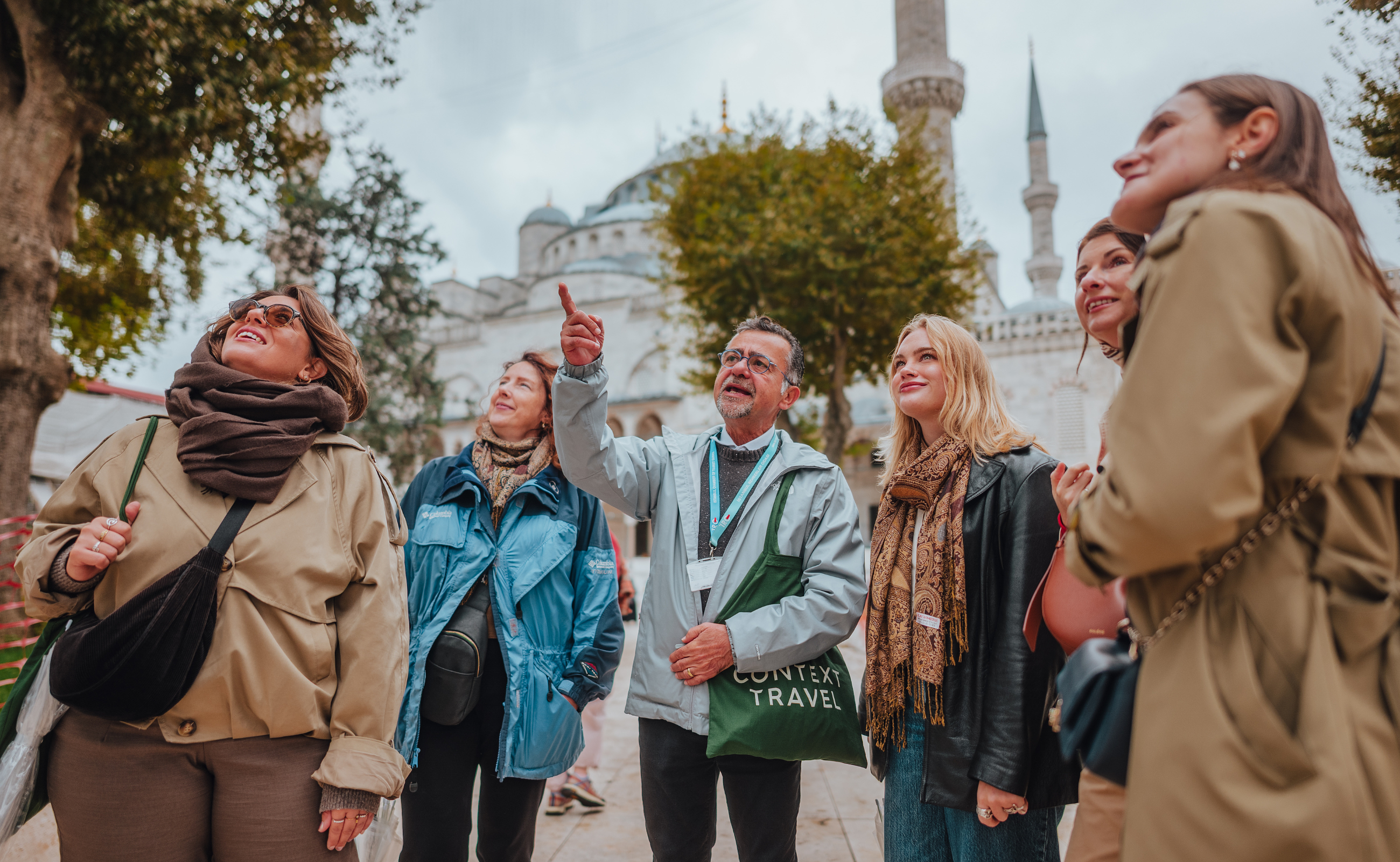
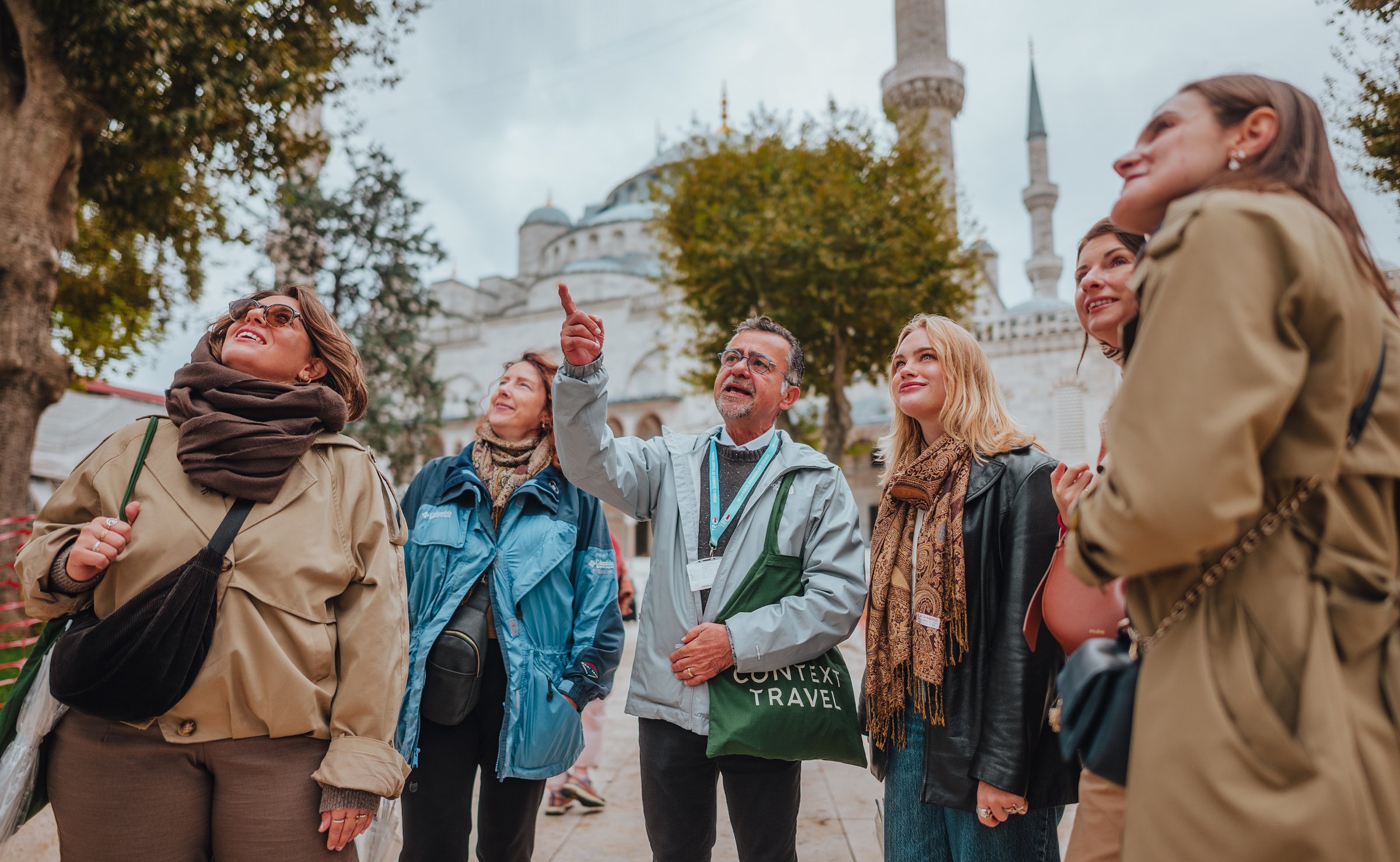
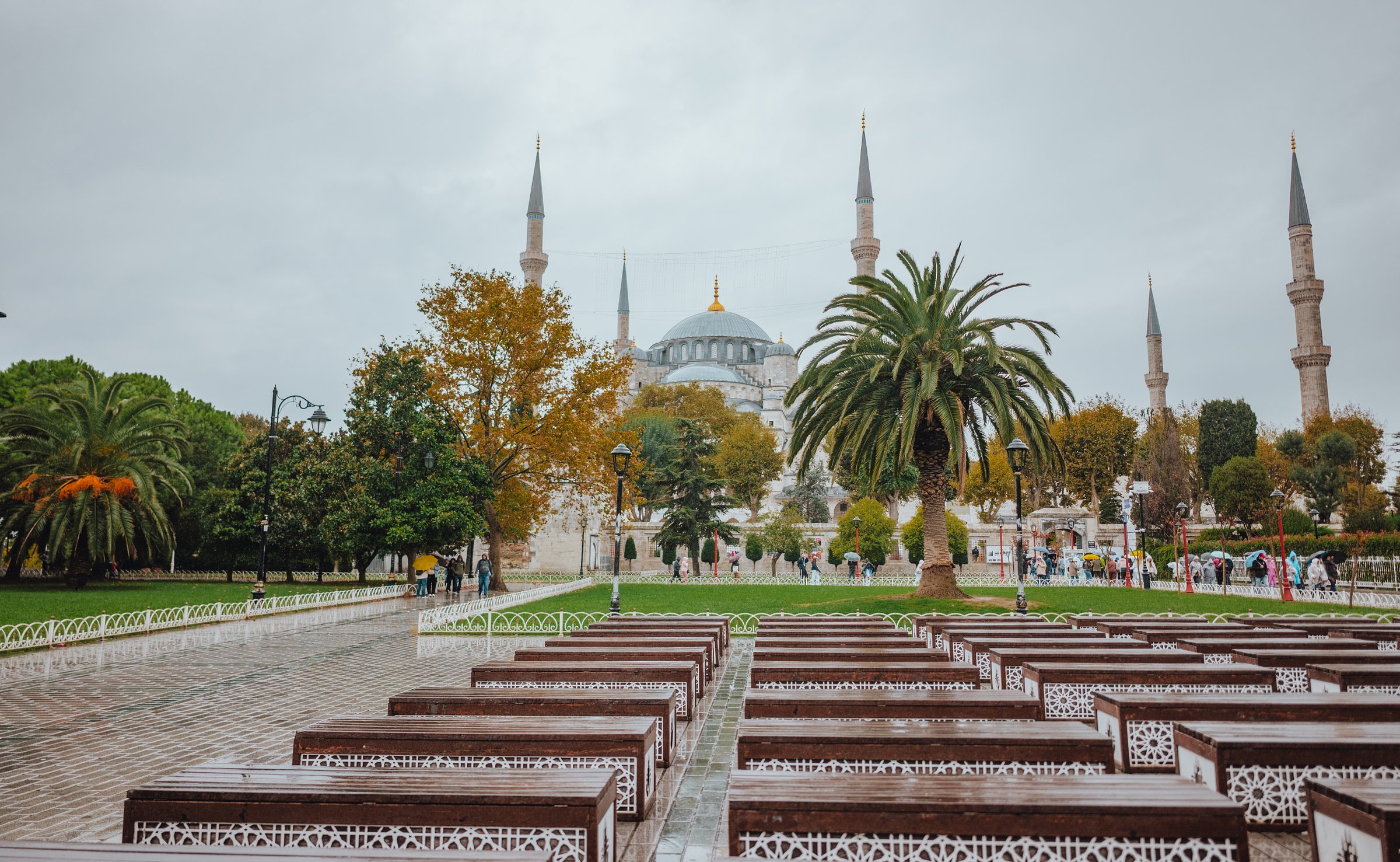
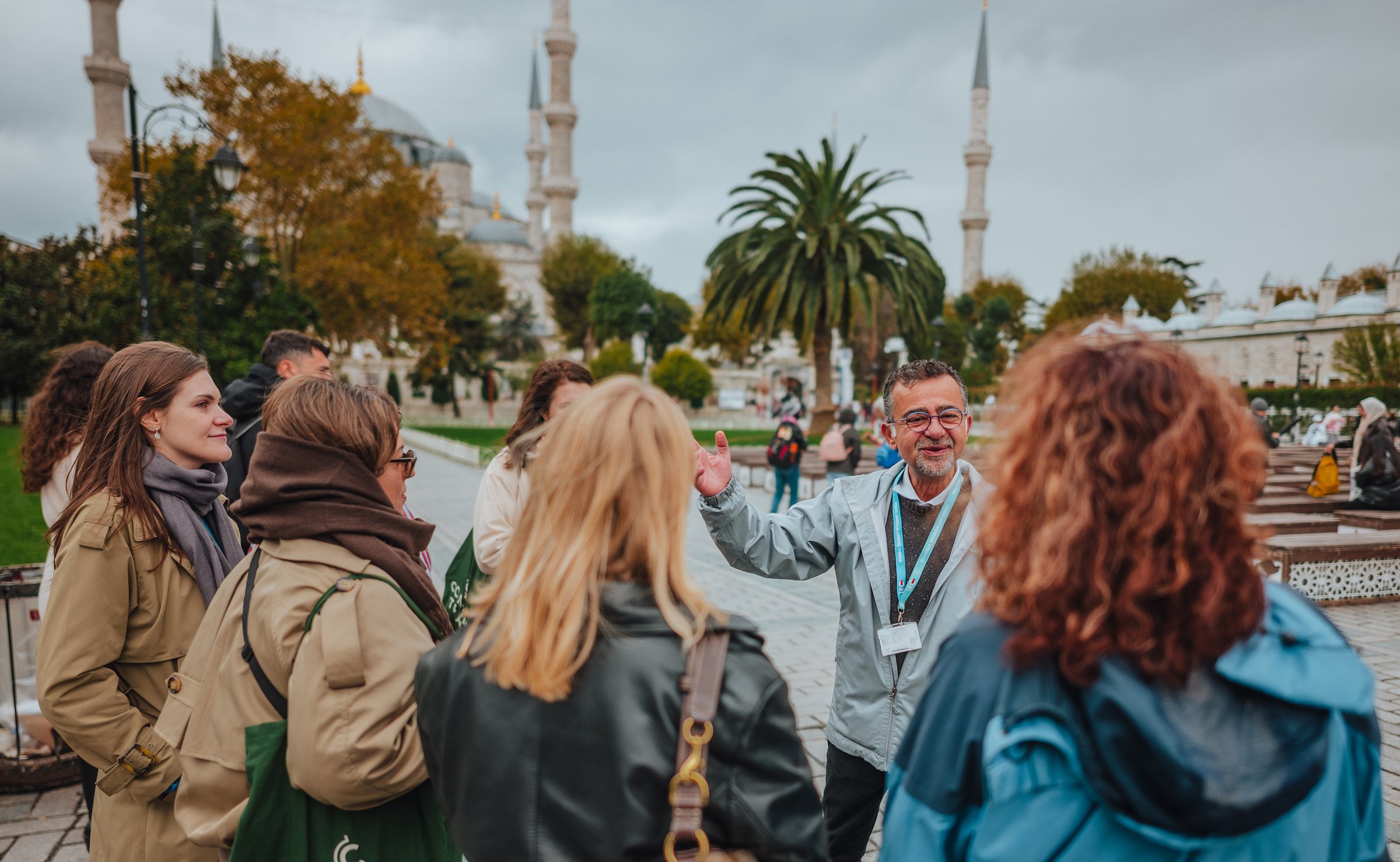
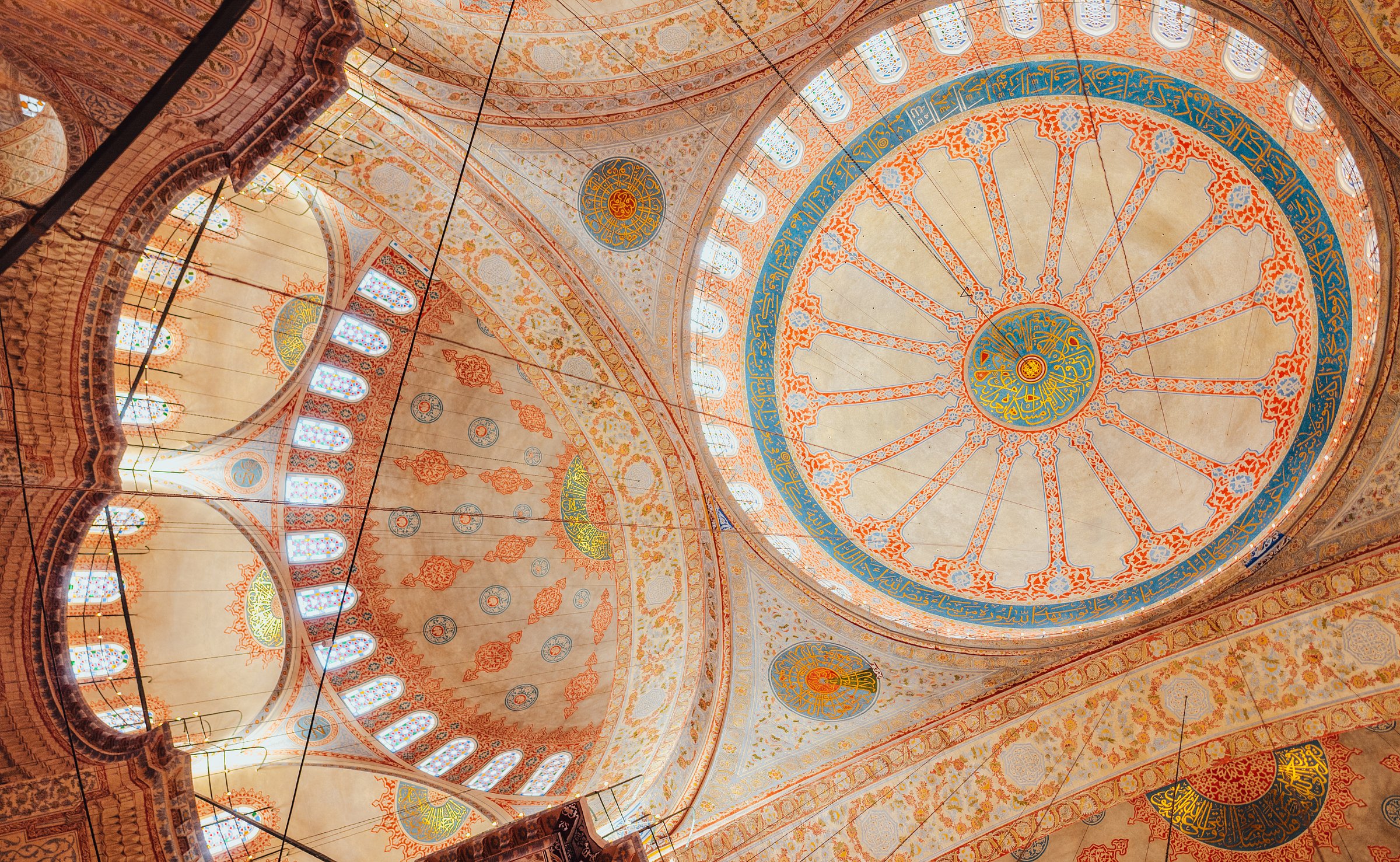
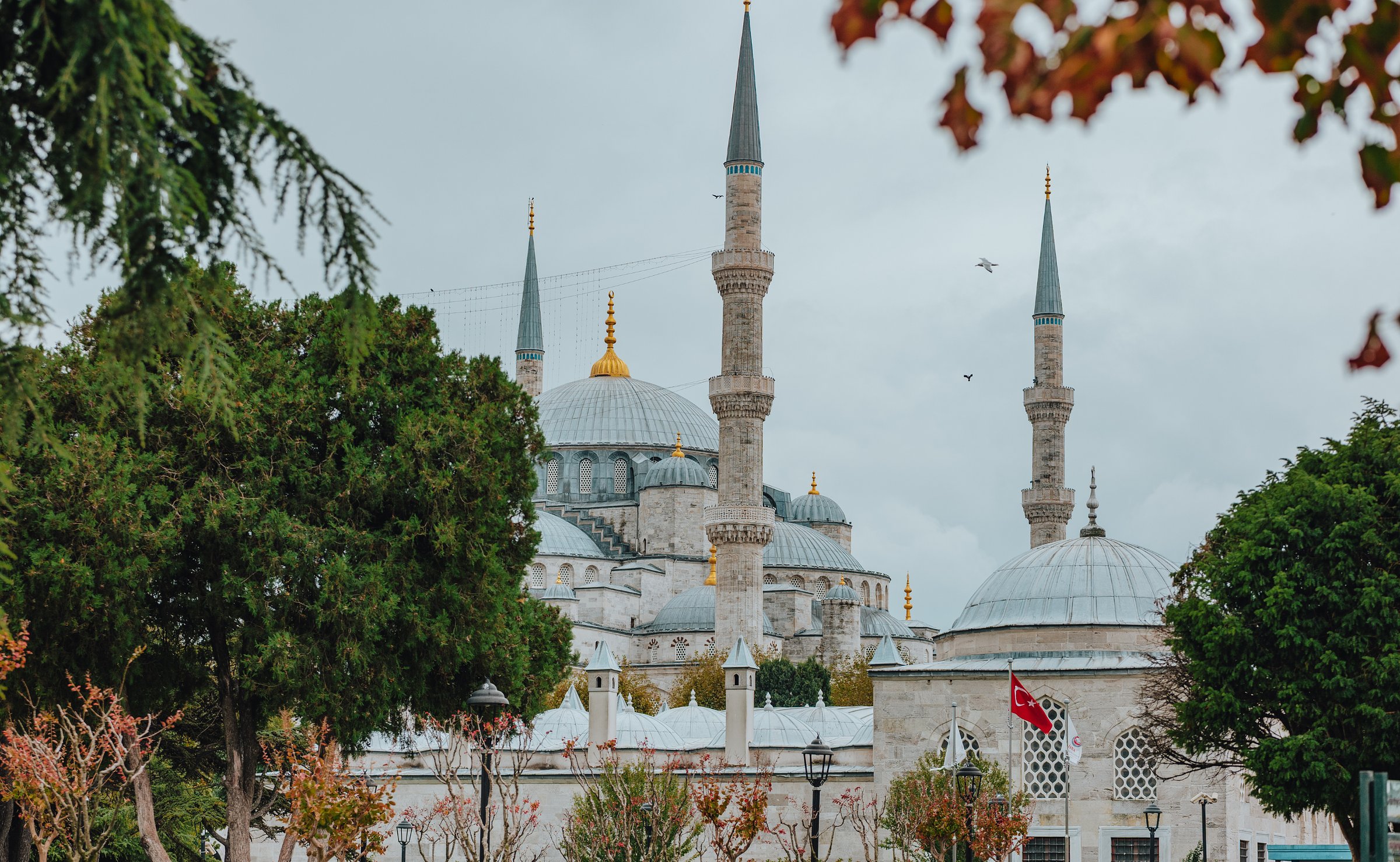
Completed in the early 17th century, the Sultan Ahmed Mosque—better known as the Blue Mosque—is one of the defining monuments of Ottoman Istanbul.
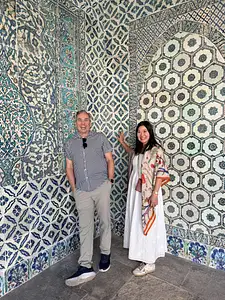
Its domes, minarets, courtyard, and İznik tile decoration provide a contrast to Hagia Sophia and help explain how Ottoman architects developed their own monumental religious architecture while responding to the Byzantine city they inherited.
Topkapi Palace
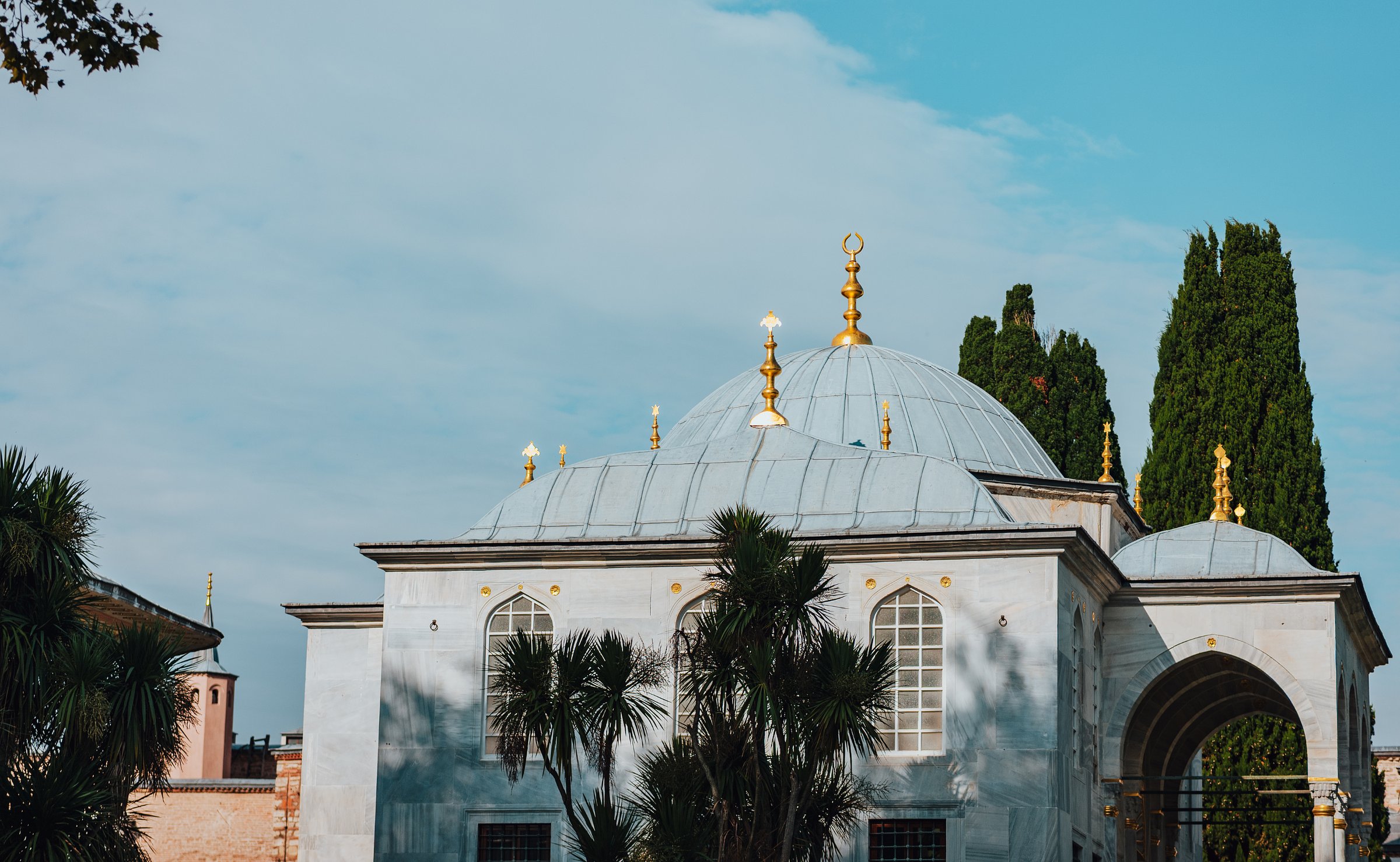
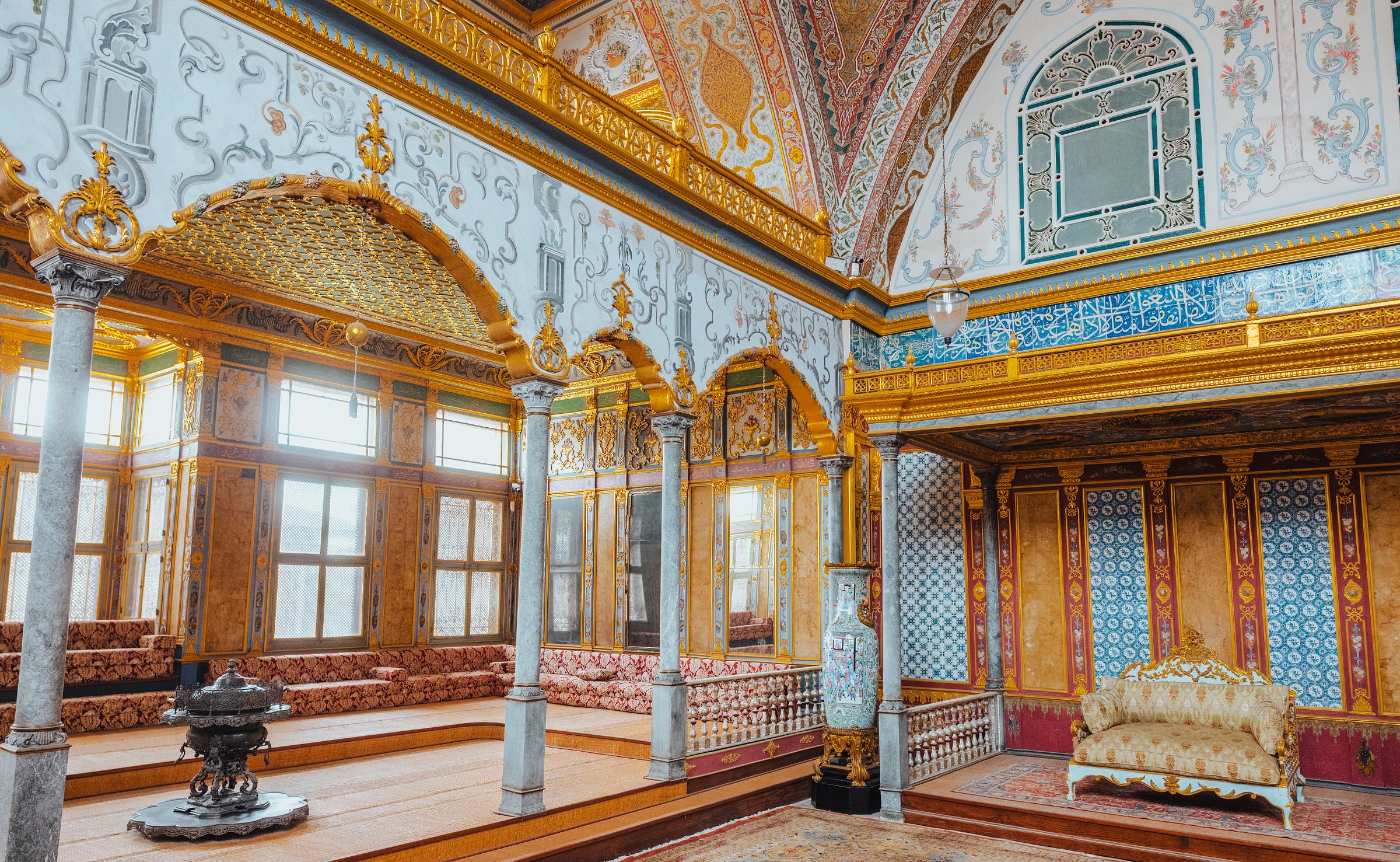
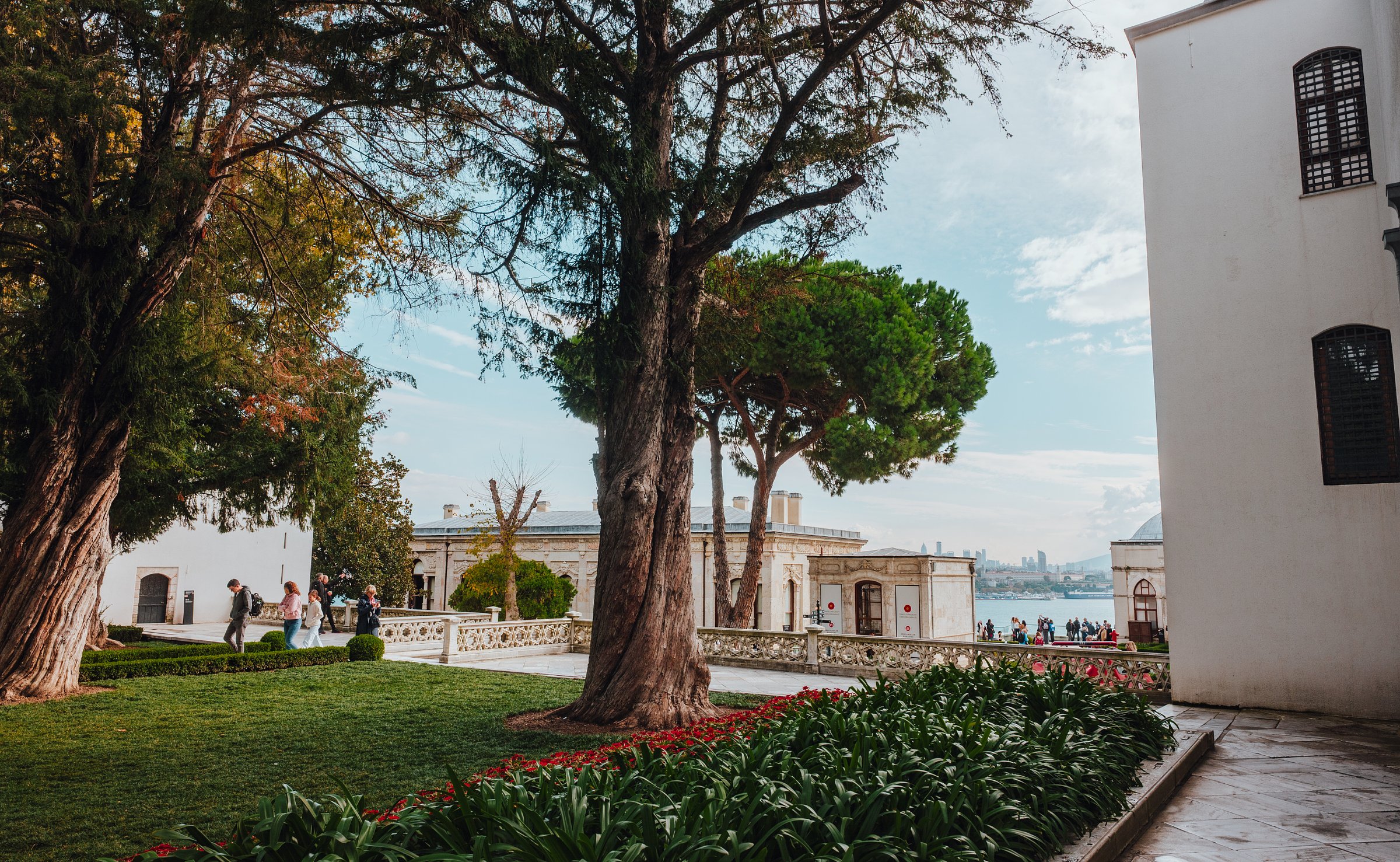
Topkapi Palace was the administrative and residential heart of the Ottoman court for centuries.
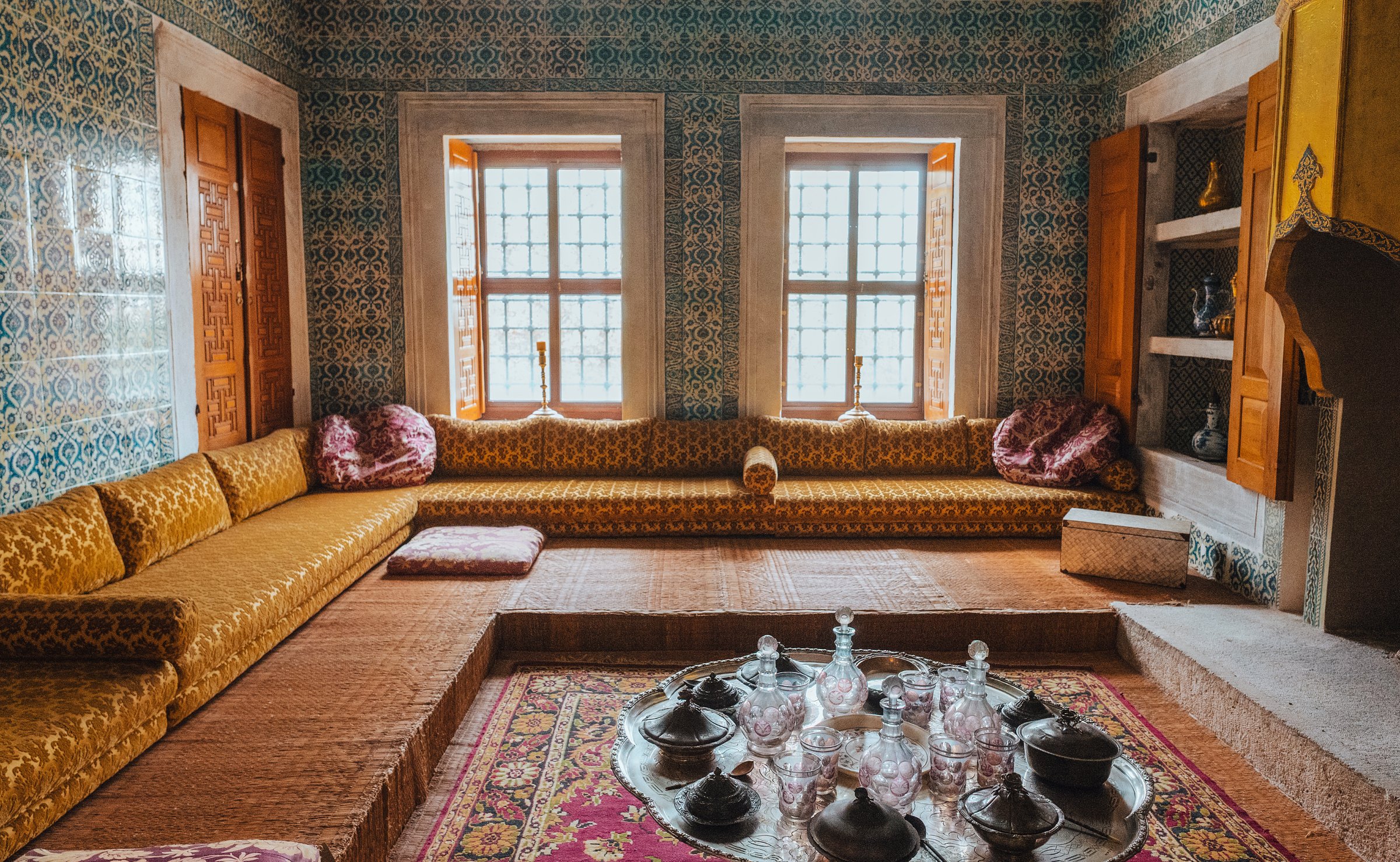
Its courtyards, ceremonial spaces, private chambers, and Harem reveal how the Ottoman imperial household functioned and how political power was organized around the sultan. Exploring the palace in the afternoon brings the day’s larger story into focus: Istanbul was not simply a city conquered by the Ottomans, but a capital they reshaped around their own institutions and traditions.