Our guide was very informative and he took us around the geisha district. His guidance allowed us to see geishas and the traditional places.
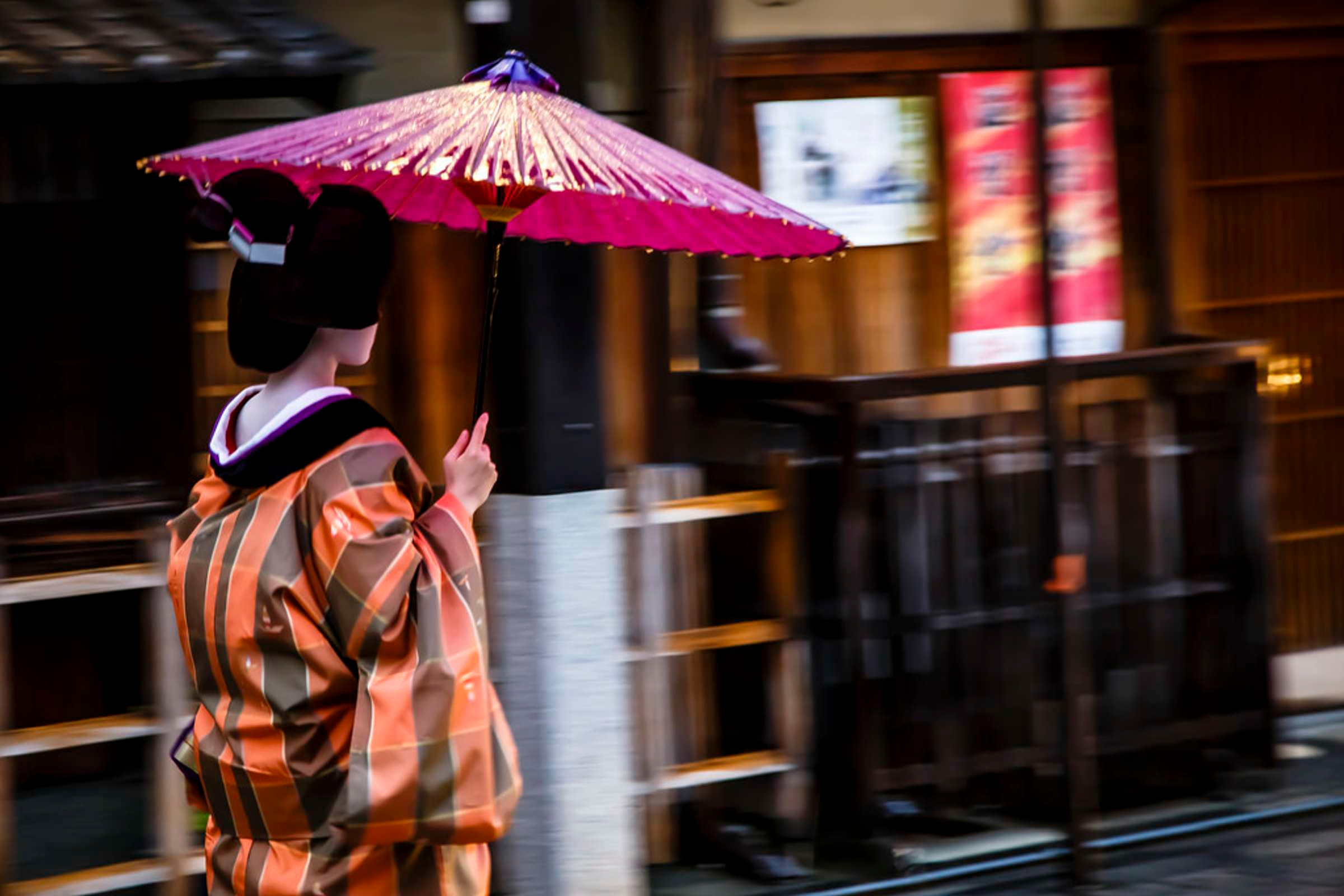
Gion Geisha District Evening Tour
Explore the neighborhood beyond familiar geisha myths
Follow softly lit lanterns through Gion with an expert who casts a more thoughtful light on Kyoto’s geisha culture.
Tour Highlights
- Gion, Without the Guesswork Let a Kyoto expert turn crowded lanes into a clear cultural map, with respect as your guide.
- Respectful Geisha Insight Understand geisha culture with nuance, care, and context beyond familiar clichés.
- Every Step Considered Experience Kyoto’s famous district with calm pacing and crowd-smart guidance at night.
- Stories Worth Carrying Home Gather meaningful details on kabuki, shrines, and geisha life to share after your time in Kyoto.
- A Clear Evening in Kyoto Trace lanterns, machiya, and canals as your expert carefully brings cultural context to the setting.
- More than Maiko Gion’s deeper cultural story stays central as a maiko glimpse is possible, but not promised.
Led by Experts, Shaped by You
Explore with an expert guide who responds to your questions, your interests, and your pace. Reveal layers of meaning most visitors miss—go from seeing to understanding.
The Finer Details
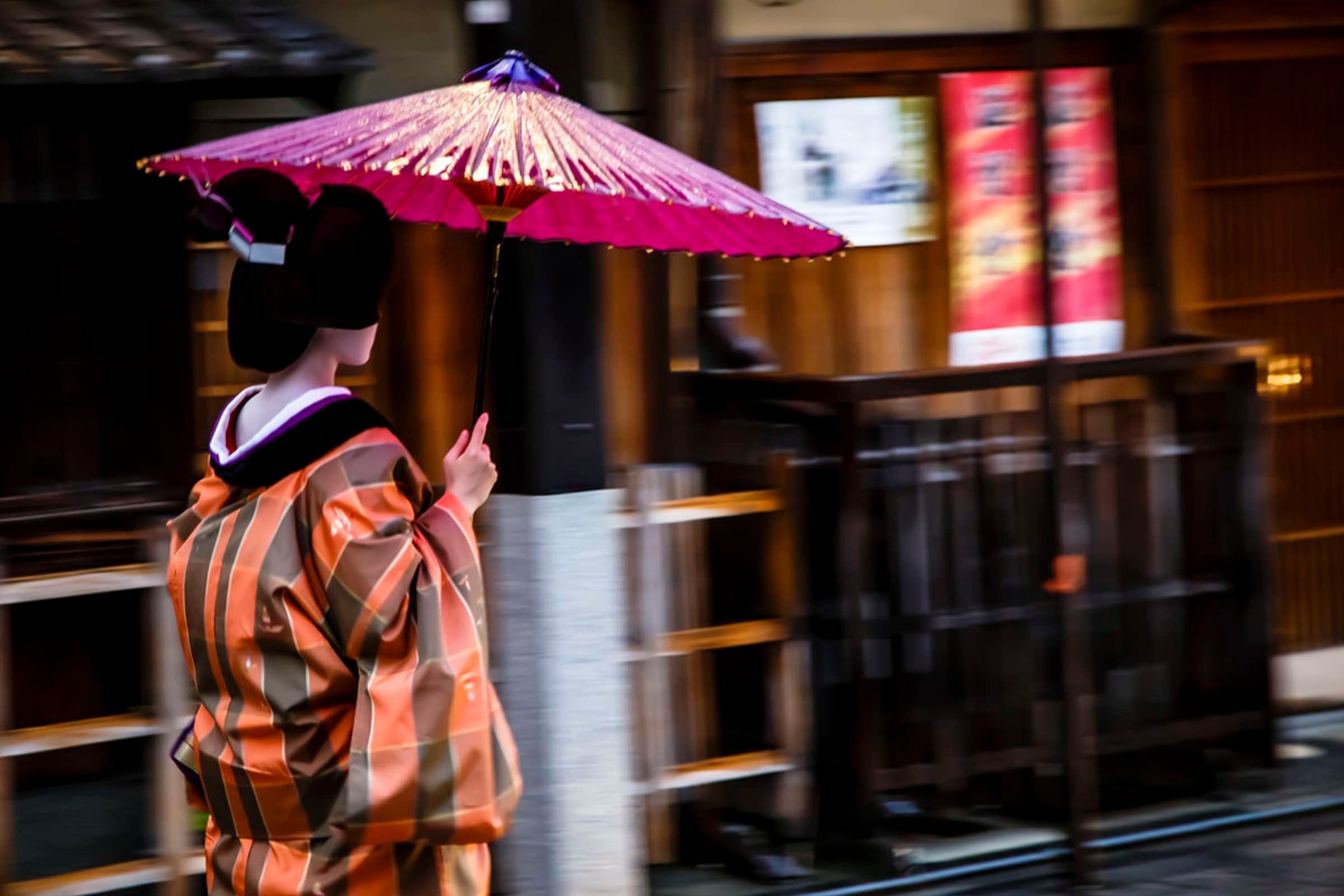
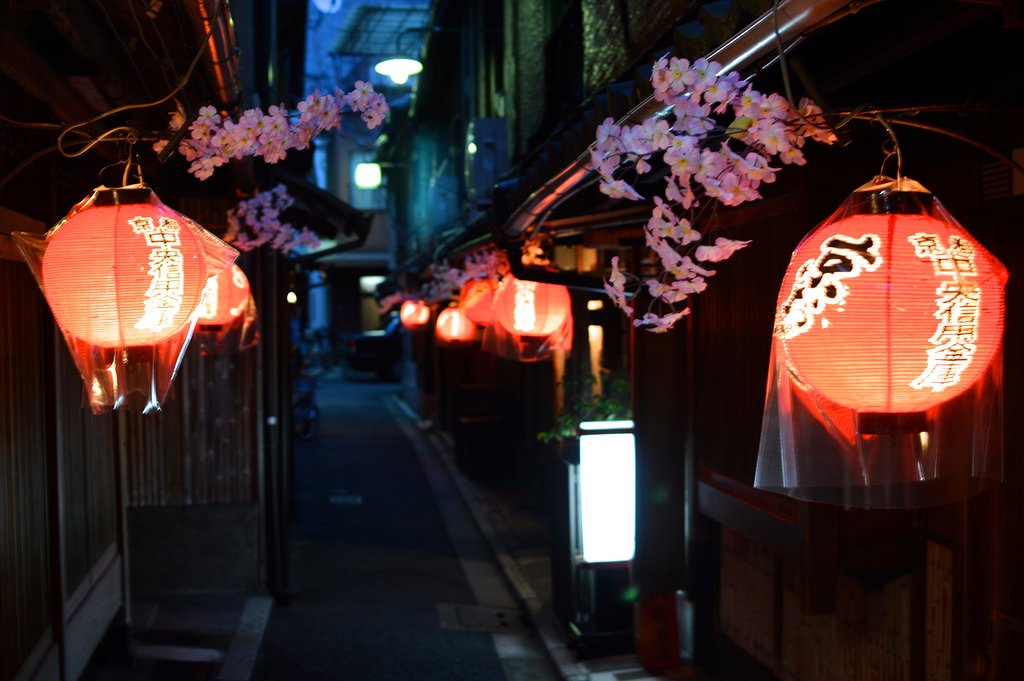
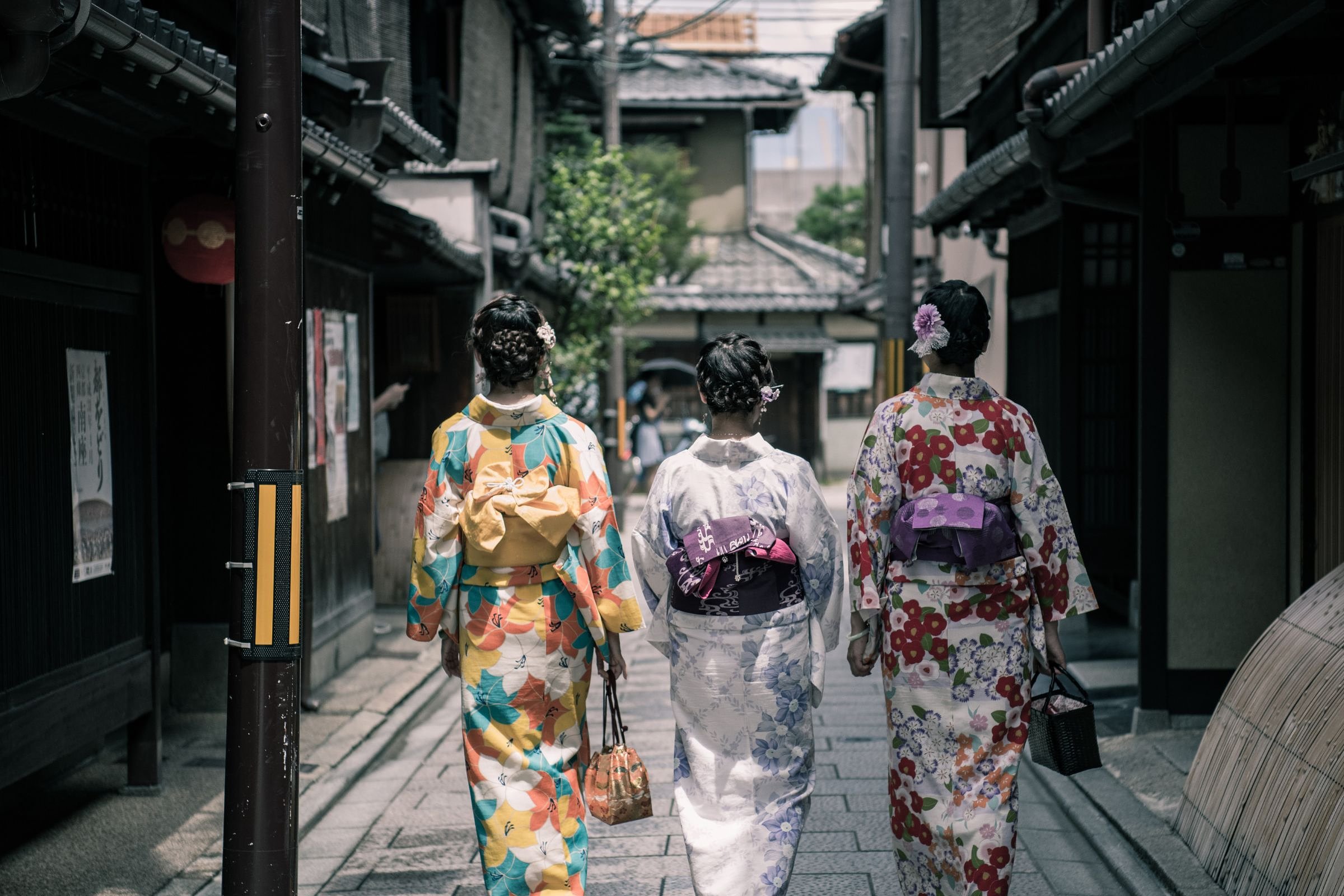
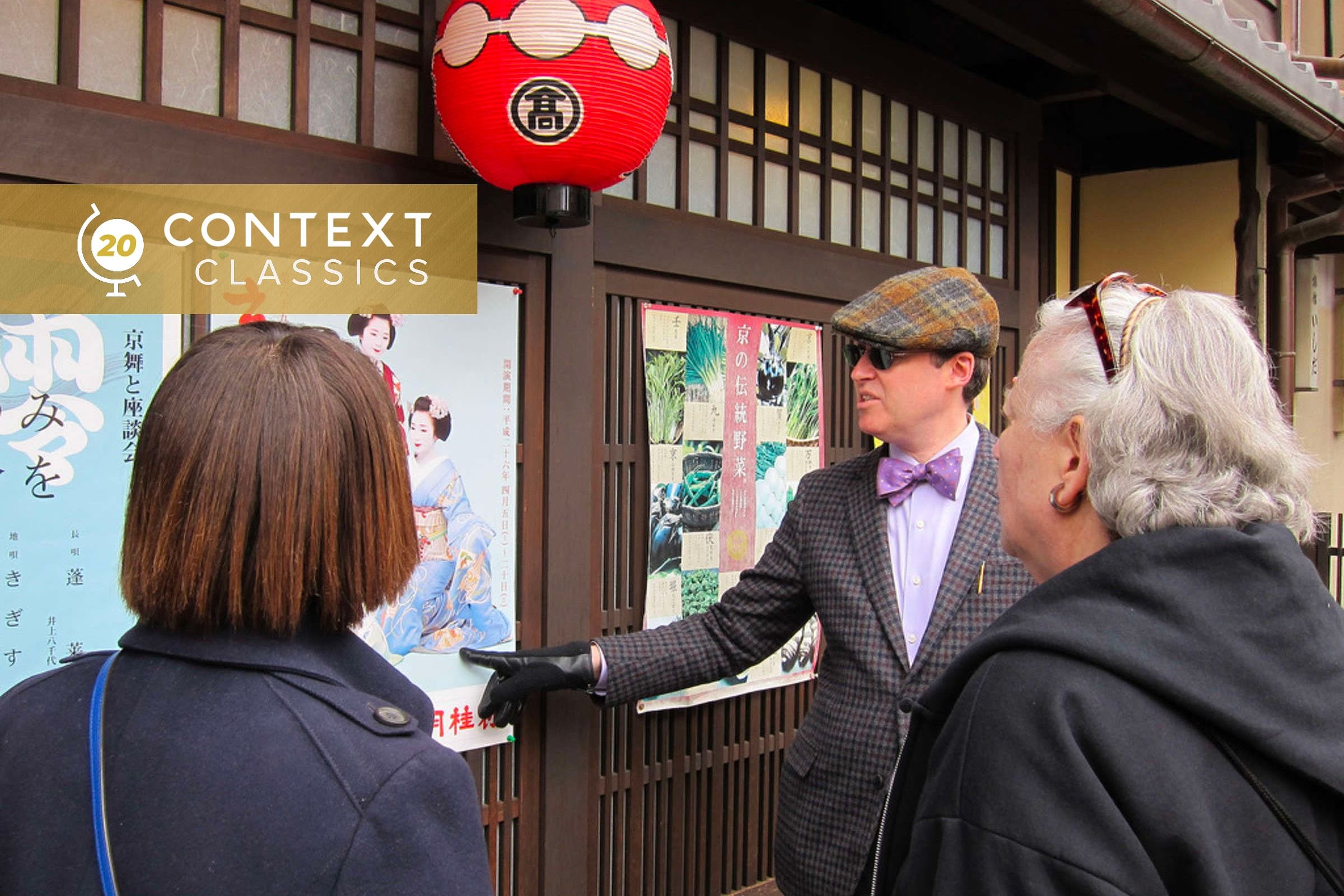
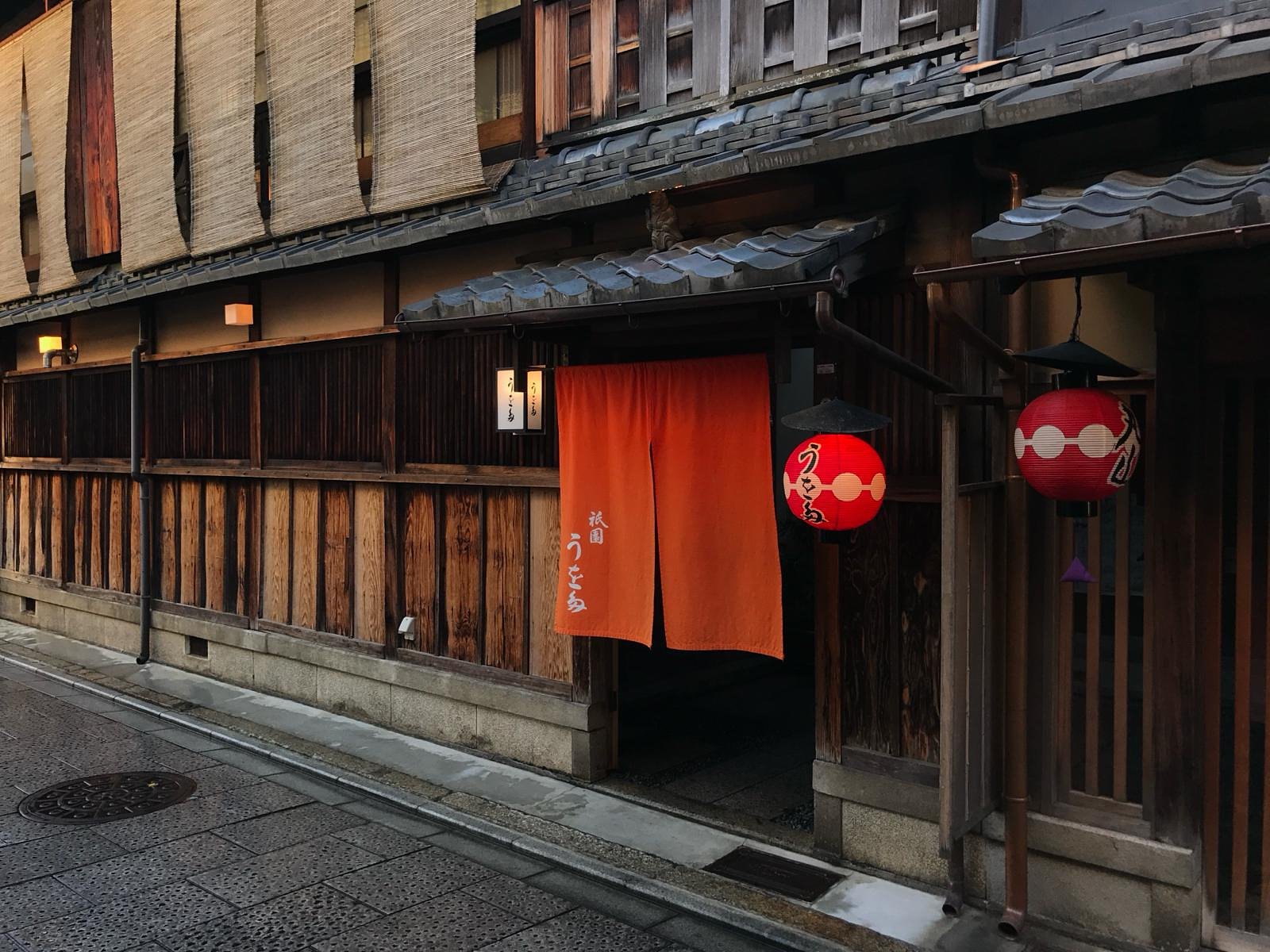
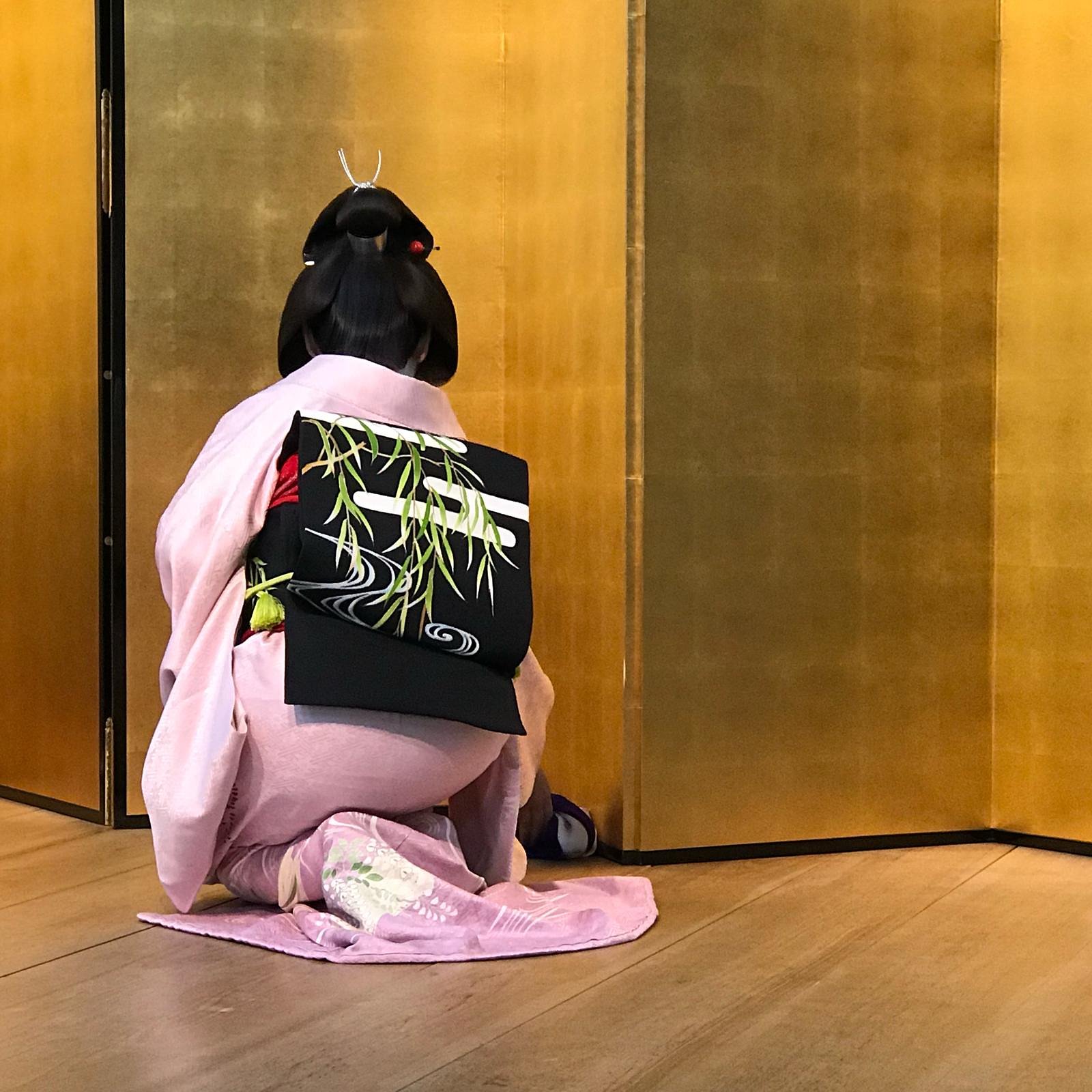
Incense drifts through lantern light, machiya fronts darken into silhouette, and laughter slips from private teahouses. This Kyoto geisha tour explores Gion, a district shaped by geisha and kabuki traditions, with a Context Expert who helps connect the scene you see with its history and deeper meanings.
Begin with Yasaka Shrine, one of Kyoto’s most revered Shinto shrines, where paper omikuji fortunes and prayer open a conversation about ritual. Near Kennin-ji, the city’s oldest Zen temple, consider the figure of Eisai, the monk credited with bringing Zen to Japan. What shifts when you see these sites through the rituals still happening inside them?
Miyagawa-cho brings the subject into sharper focus: geisha Kyoto as a working culture, not a backdrop. A glimpse of a maiko or geisha may happen, but it is never guaranteed, and the walk treats that possibility with restraint. Your Context Expert explains how to observe respectfully, follow local expectations, and avoid reducing a living art to a hurried photograph.
At Minamiza Kabuki Theater, theater history takes the stage. Costumes, color, acrobatic movement, and plots of love or betrayal reveal an art form built for spectacle and precision. Your Context Expert connects kabuki to the surrounding geisha districts, so performance and place begin to speak to each other.
The route then eases into Gion Higashi, built on the former residence of the Zeze samurai clan. Willows soften the canal, old machiya and teahouses line the water, and spring may add cherry blossoms to the scene. At Tatsumi Bridge, film fans can connect the setting to “Memoirs of a Geisha” while also separating cinematic image from local reality.
Across the river, Pontocho changes the tempo from hushed lanes to the sound of nearby restaurants coming to life for the night. Perhaps the evening’s aromas will awaken your appetites and tempt you to return after the walk? By the end, Gion feels less like a checklist and more like a neighborhood whose rules, rhythms, and stories you know and will carry with you long after your time here.
Meet the Experts










Where You’ll Go
From iconic landmarks to tucked-away local favorites, these are the places you’ll explore and experience firsthand with your Expert.
-
Hanami-kojiHistoric lane linked to Kyoto’s geisha traditions
-
Gion KobuGeisha district rooted near Yasaka Shrine
-
Minamiza Kabuki TheaterKyoto’s primary kabuki theater, founded in 1610
-
Shirakawa CanalWillow-lined canal with machiya and teahouses
What’s Included As Standard
Here’s a look at what your tour covers, plus anything you’ll want to consider arranging separately, so you can plan with confidence.
Included
-
English-speaking expert guideTours led in English, offering you unbroken understanding throughout.
-
Intentionally sized groupsA smaller group means more time for conversations and questions.
Not Included
-
GratuitiesTips aren’t included, but we encourage tipping as a way to thank your guide after your experience.
-
Food and drinkFood and drink are not included, but your expert can provide recommendations for after the tour.
-
Transportation to and from the meeting pointTransportation is not included. Pre- and/or post-transit can be added to some tours by request.
-
Hotel pickup or drop-offTravel to or from accommodation isn’t included; however, this service can be added by request.
Where You'll Explore
Make the Most of Your Tour
Some helpful advice for getting the most from your experience, from practical prep to small on-the-day tips.
Dos:
- Wear comfortable footwear
- Check the weather and dress appropriately
- Bring a bottle of water (no glass)
- Feel free to ask your Expert anything
Don'ts:
- Bring firearms or weapons
- Bring sharp objects (e.g. knives, swiss army knives, switchblades, hiking sticks)
- Dress inappropriately to enter religious sites or sacred monuments
Any questions? You can always
contact us.
Frequently Asked Questions
The "VIP Geisha Experience Tour" and the "Geisha District Night Tour: Exploring Gion" offer distinct experiences for travelers interested in the geisha culture of Kyoto. The first one provides an exclusive, intimate encounter where participants can directly interact with a geisha, learning about her life, traditions, and the art form in a private setting. This tour emphasizes personal engagement and a deep dive into the cultural nuances of geisha life.
On the other hand, the "Geisha District Night Tour: Exploring Gion" offers a more general exploration of Kyoto's geisha districts, focusing on the geisha community's historical and cultural context. This tour includes a guided walk through the atmospheric streets of Gion at dusk, providing insights into the geisha tradition against the backdrop of Kyoto's beautiful twilight.
The two tours can be combined - we recommend you let us know in advance by contacting our team to allow us to set them up correctly and to grant you a smooth and unforgettable experience.
On the other hand, the "Geisha District Night Tour: Exploring Gion" offers a more general exploration of Kyoto's geisha districts, focusing on the geisha community's historical and cultural context. This tour includes a guided walk through the atmospheric streets of Gion at dusk, providing insights into the geisha tradition against the backdrop of Kyoto's beautiful twilight.
The two tours can be combined - we recommend you let us know in advance by contacting our team to allow us to set them up correctly and to grant you a smooth and unforgettable experience.
For private walks, if you would prefer an earlier start time, please contact us or leave a note during booking and we can arrange this for you.
Yes. Context clients generally tip anywhere from 10-25% of the purchase price of a personal service such as this, depending on the quality of the experience and their tipping habits.
This tour has an optional meeting point transfer if you'd like a private car to pick you up from your accommodation. If you choose to add this service, please add the address to your accommodation in the Additional Details section.
Book with confidence — see Context's flexible cancellation policy here.
We understand that some of our valued guests may have mobility concerns, and we want to ensure you have a comfortable and enjoyable experience throughout your tour. If there are any accessibility concerns that your tour guide will need to be aware of, please let our team know at the time of booking.
Don’t just take our word for it
Very special tour and discussion about the traditional Gisha and Gisha lifestyle relates to the temple and emperor and how that tradition remains today.
Wonderful tour. Deeply informative with a true expert.
Let Your Curiosity Shape Your Journey
Join passionate experts on intimate walking tours that reveal a city’s unique stories, spark conversations, and leave you seeing the world—and yourself—a little differently.
Structured, never scripted
Your interests guide your Expert, leading to stories and perspectives that matter to you.
Crafted for conversation
With 12 or fewer guests, ask questions, engage with your Expert, and fully immerse yourself.
Experts, not guides
Explore with 1,200+ Experts—from historians and architects to archaeologists and chefs.
Related experiences our customers also loved



Kyoto Geisha Tour in Gion
A Kyoto geisha tour is most useful when it helps you understand a living cultural tradition without turning it into a spectacle. Gion is one of Kyoto’s best-known hanamachi, or geisha districts, but the neighborhood is more than a place where visitors hope to glimpse a geiko or maiko. It is a working cultural district shaped by performance, hospitality, apprenticeship, ritual, architecture, and long-standing social codes. This tour is designed to make that world more legible. With a Context Expert, the focus is not on “spotting geisha,” but on understanding what geiko and maiko do, how they train, how the district functions, and why discretion and respectful behavior matter so much in these streets. A chance encounter may happen, but it is never promised. The deeper value lies in leaving Gion with a clearer sense of the culture behind the image.
In Kyoto, the term geiko is more commonly used for a fully trained geisha, while maiko refers to an apprentice.
The distinction involves much more than age or costume.
Maiko spend years training in traditional arts such as dance, music, etiquette, conversation, and performance while gradually taking on more responsibilities within Kyoto’s entertainment culture. Geiko have completed that apprenticeship and work as professional artists and hosts.
Their clothing, hairstyles, makeup, and accessories can also communicate rank and stage of training.
For visitors, those visual differences are often the first thing noticed. But the more important distinction is professional: this is a structured artistic tradition built around long-term study, discipline, and performance.
Understanding that makes it easier to move beyond the simplified idea of “geisha as a Kyoto attraction.”
Gion developed around Yasaka Shrine and became closely associated with entertainment, teahouses, performance, and hospitality. Over time, several distinct geisha districts emerged in Kyoto, each with its own traditions, professional networks, and identity.
Gion remains the most famous, but it is not the only one. Areas such as Gion Kobu, Gion Higashi, Miyagawa-cho, Pontocho, and Kamishichiken all form part of Kyoto’s broader hanamachi culture.
That wider context matters because it prevents Gion from becoming shorthand for the whole tradition.
The streets themselves also reveal how the culture operates. Machiya townhouses, ochaya teahouses, theaters, shrines, canals, and restaurants are part of the physical setting in which geiko and maiko have worked for generations.
This is one reason a geisha district walking tour can be so useful: you are not just learning definitions. You are seeing the urban world that makes the tradition possible.
Gion is both a historic district and a place where people still live and work.
That means the best way to visit is with restraint.
Do not block narrow streets, follow geiko or maiko, touch clothing, or treat a chance sighting as an invitation for close-up photography. Some private lanes and properties have their own photography restrictions, and local rules can change.
A respectful visit also means recognizing that seeing a geiko or maiko is never guaranteed. Their work does not happen for the benefit of passersby. A glimpse on the way to an appointment is incidental, not the purpose of the tradition.
For travelers who want a deeper introduction before arriving, Context’s Introduction to Kyoto Geisha: A Pre-Trip Guide can help explain the training, terminology, and cultural background in advance.
If your priority is direct interaction rather than a district-focused walk, Context also offers a separate VIP Geisha Experience, which is designed around a more intimate encounter. The two experiences serve different purposes and can be combined.
Is this a geisha tour in Gion?
Yes. The tour explores Kyoto’s geisha districts, including areas associated with Gion, Miyagawa-cho, and nearby hanamachi culture, with the exact route shaped by the evening and local conditions.
Will I see a geisha or maiko?
Possibly, but it is not guaranteed. Geiko and maiko are working professionals, and the tour does not chase or stage encounters. A sighting may happen naturally during the walk.
What is the difference between geisha, geiko, and maiko?
“Geisha” is the general term more familiar outside Kyoto. In Kyoto, a fully trained geisha is typically called a geiko, while a maiko is an apprentice undergoing years of artistic and professional training.
Is Gion the only geisha district in Kyoto?
No. Kyoto has several traditional geisha districts, including Gion Kobu, Gion Higashi, Miyagawa-cho, Pontocho, and Kamishichiken.
Is this a Kyoto night tour?
Yes. The tour takes place in the evening, when Gion’s teahouses, restaurants, lantern-lit streets, and performance culture are particularly active.
Is it appropriate to photograph geisha in Gion?
Visitors should be cautious and respectful. Do not follow, obstruct, or photograph working geiko or maiko at close range without permission, and observe any local photography restrictions on private streets or properties.
Does the tour include a private meeting with a geisha?
No. This walking tour focuses on the history and culture of Kyoto’s geisha districts.
Travelers who want direct interaction can consider Context’s VIP Geisha Experience, which is a separate, more intimate format. The two can be combined by arrangement.
How long is the Gion Geisha District Evening Tour?
The tour lasts approximately two hours.
Is this tour good for first-time visitors to Kyoto?
Yes, especially for travelers who want to understand geisha culture before forming impressions based on popular media or chance sightings in Gion.
Is Memoirs of a Geisha an accurate guide to geisha culture?
The film and novel helped shape international perceptions of geisha, but they should not be treated as documentary accounts of Kyoto’s hanamachi culture. A guided visit can help separate cinematic imagery from the realities of training, work, and contemporary life.