

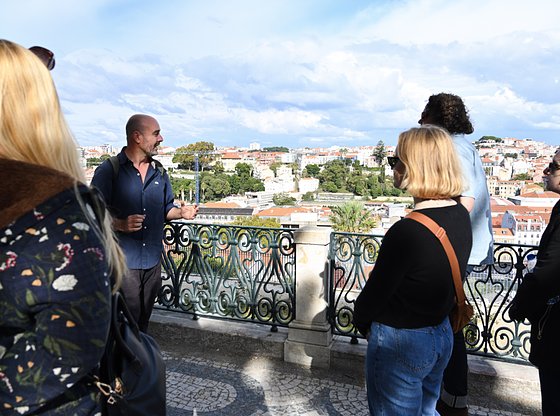


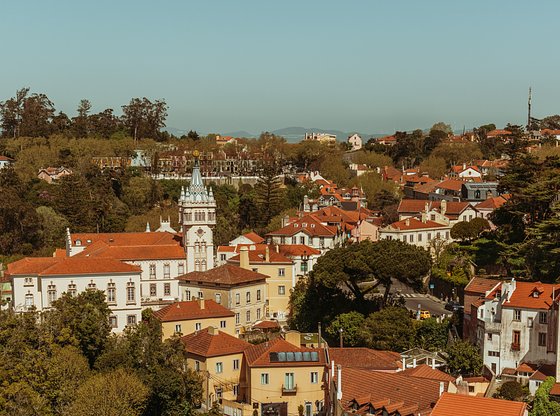


Estela is an outstanding tour guide and person. She is exceptionally knowledgeable about Portugal, Lisbon, and their history and culture. She is fun to be with and her introductory remarks set the stage for an interesting and educational time together.

Lisbon Tours
Expert-led Lisbon walking tours that turn tiled streets and maritime exploration into meaningful discoveries
Let Your Curiosity Shape Your Journey
Join passionate experts on intimate walking tours that reveal a city's unique stories, spark conversations, and leave you seeing the world—and yourself—a little differently.
Experts, not guides
Explore with 1,200+ Experts, from historians and architects to chefs and archaeologists.
Crafted for conversation
With fewer than ten guests, engage your Expert through questions and immerse fully.
Structured, never scripted
Your interests guide your Expert, leading to stories and perspectives that matter to you.
Curious or connoisseur
First-time visitor or seasoned explorer, our tours span city highlights to deep-dives.
Lisbon, Seen with Context
Lisbon isn’t just tiled streets and scenic viewpoints. Walk with an expert to see how explorers, earthquakes, and centuries of maritime life shaped the city.
%20-%202026-04-23T140854.376.png)
Hear from our customers
Jose brought Portuguese history alive! He is extremely knowledgeable and has a passion for history.
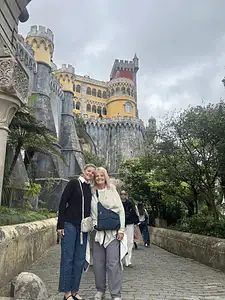
Definitely a 5 star day with Jose. He was professional, knowledgeable, and he educated us on the history of Portugal. He watched over us on our mother/daughter trip. One of the best days of our 10 day trip to Portugal and Spain. Thank you, Jose. We will never forget you.
Lisbon Tours
Lisbon sits along the Tagus River where it meets the Atlantic Ocean, a setting that shaped the city’s role in global exploration and trade. From the 15th century onward, Portuguese navigators departed from these shores during the Age of Discovery, linking Europe with Africa, Asia, and the Americas. The wealth and cultural exchange generated by these voyages transformed Lisbon into one of Europe’s most important ports.
Today, the city blends imperial monuments, tiled façades, and historic neighborhoods that climb steep hills above the river. Districts like Alfama and Bairro Alto preserve medieval street patterns while grand plazas and waterfront monuments recall Portugal’s maritime ambitions. Context Travel’s Lisbon walking tours are led by historians and cultural experts who help travelers understand how exploration, trade, religion, and urban life shaped Portugal’s capital.
Lisbon is a city shaped by movement. Empires departed from its harbor. Earthquakes reshaped its streets. Waves of trade, migration, and exploration left visible marks on its neighborhoods, food, music, and architecture.
The city can feel immediately welcoming, but many of its most important stories are easy to overlook without context. Decorative tiles reflect centuries of cultural exchange. Steep streets reveal how Lisbon adapted to its geography. Even a simple pastry or a fado performance carries layers of history behind it.
The right tour helps connect those details into a fuller understanding of Lisbon and Portugal’s place in the wider world.
Best for First-Time Visitors
If it’s your first time in Lisbon, begin with experiences that introduce both the city’s geography and historical development.
- Lisbon in a Day Tour with Bairro Alto and a View of São Jorge Castle
- Sites and Insights: An Expert-Led Lisbon Welcome Tour
These tours connect districts like Baixa, Alfama, Bairro Alto, and the castle hill, helping you understand how Lisbon evolved from a medieval port city into the center of a global maritime empire.
Best for History & the Age of Exploration
Lisbon’s rise was closely tied to Portugal’s role in navigation, exploration, and global trade.
In Belém, monasteries, monuments, and waterfront spaces reveal how Portugal projected power outward through exploration and commerce. Elsewhere, traces of Roman and medieval Lisbon show how older layers of the city survived earthquakes and reinvention.
Best for Food, Wine & Culinary Traditions
Lisbon’s food culture reflects centuries of Atlantic trade and regional traditions.
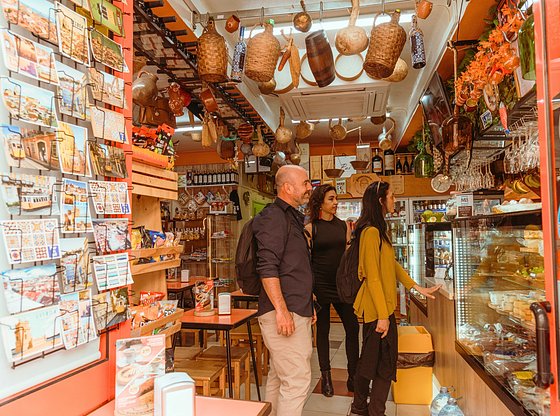
Markets, taverns, pastry shops, and neighborhood restaurants become a way to understand Portuguese identity through ingredients, migration, ritual, and daily life.
Best for Neighborhood Exploration & Local Culture
Lisbon changes dramatically from neighborhood to neighborhood.
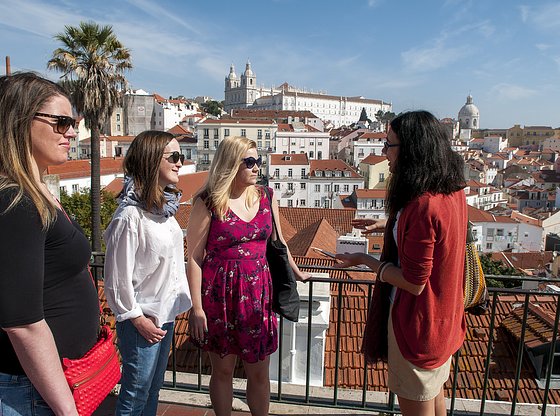
In Alfama, steep stairways, tiled façades, laundries, and local taverns still reflect older rhythms of Lisbon life. In Chiado and Baixa, cafés, bookstores, and specialty shops reveal a more cosmopolitan side of the city shaped by trade, literature, and intellectual culture. Food, shopping, and architecture all become ways of understanding how Lisbon evolved socially as well as physically.
Best for Art, Architecture & Design
Lisbon’s architecture reflects repeated adaptation and reinvention.
- Architecture of Lisbon Audio Guide
- Lisbon’s Iconic Tiles Audio Guide
- Graffiti, Tags, and Murals: Lisbon Street Art Audio Guide
These experiences explore Lisbon through design, public art, museums, and azulejos, showing how visual culture continues to shape the city from historic churches to contemporary street art.
Best for Day Trips from Lisbon
Some of Portugal’s most memorable landscapes and historic sites sit just beyond the capital.
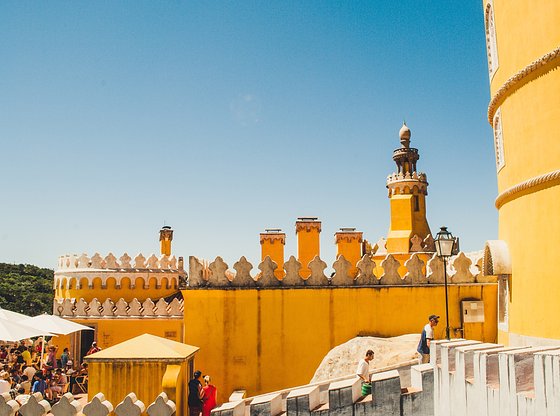
These experiences expand the story of Portugal through royal palaces, Atlantic coastlines, medieval towns, and regional traditions outside the city.
Lisbon is known for its maritime history, historic neighborhoods, and distinctive architectural and cultural traditions.
The Age of Discovery
Lisbon served as the launching point for Portuguese exploration during the 15th and 16th centuries, shaping global trade routes and cultural exchange.
Historic Neighborhoods
Districts such as Alfama, Bairro Alto, and Baixa preserve layers of medieval streets, earthquake-era planning, and everyday urban life.
Azulejos and Architectural Identity
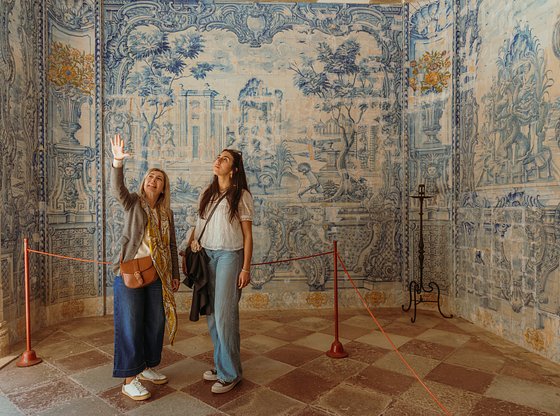
Decorative ceramic tiles, known as azulejos, appear throughout Lisbon on churches, homes, and public buildings, reflecting centuries of artistic tradition.
Monuments of the Portuguese Empire
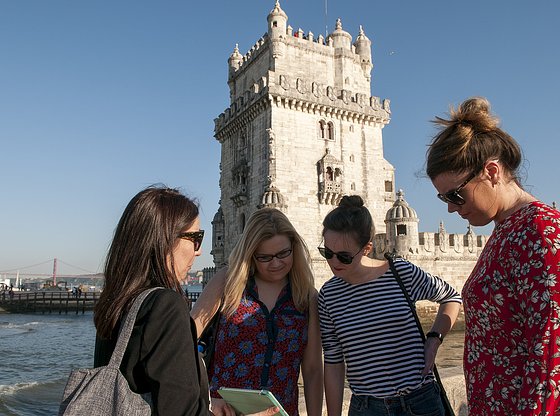
Sites such as Belém Tower and the Jerónimos Monastery commemorate Portugal’s maritime expansion and imperial history.
Music and Cultural Traditions
Lisbon is the birthplace of fado, a musical tradition that expresses the city’s identity through storytelling, longing, and memory.
For many travelers, it comes down to how they want to experience Lisbon.
It’s possible to wander Lisbon independently and still have a wonderful time. The city is naturally inviting, full of atmosphere, viewpoints, cafés, and historic streets. But many of Lisbon’s most important stories are easy to miss without context. The tiled facades reflect centuries of craftsmanship and trade. Belém’s monuments reveal Portugal’s maritime ambitions. Entire neighborhoods still carry traces of medieval Lisbon and the rebuilding that followed the devastating 1755 earthquake.
Context Travel’s Lisbon guided tours are designed to bring those connections into focus.
Led by historians, culinary experts, architects, art historians, and local specialists, our tours explore how exploration, commerce, religion, migration, and urban change shaped Lisbon into the city it is today. Whether you’re discussing Portuguese expansion in Belém, tasting regional specialties in Chiado, or walking Alfama’s narrow streets, the goal is not simply to see Lisbon, but to better understand the forces that shaped it.
We also offer several ways to explore depending on your travel style:
- Audio guides for independent travelers (starting around $20)
- Small group walking tours (starting around $93 per person)
- Private tours for more flexibility and deeper discussion (starting around $330+)
If you’re looking to move beyond Lisbon’s surface beauty and experience the city with more historical and cultural depth, many travelers find that the value is well worth it.
Lisbon appeals to travelers interested in maritime history, architecture, and vibrant neighborhood life. First-time visitors benefit from guided introductions that explain the city’s geography, historic districts, and role in global exploration. Lifelong learners often explore Lisbon’s imperial monuments and cultural traditions, while repeat visitors enjoy discovering neighborhoods, food culture, and local perspectives that reveal the rhythms of everyday life in Portugal’s capital.
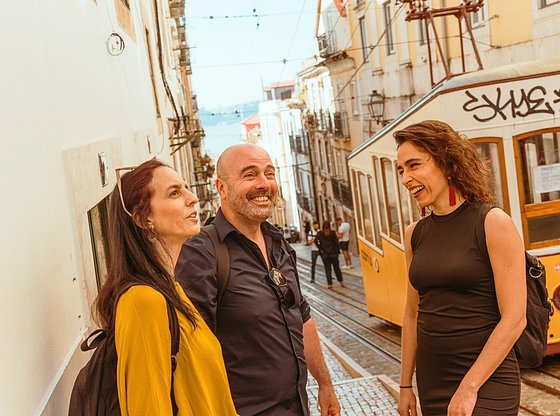
Lisbon is built across a series of hills overlooking the Tagus River, and many historic neighborhoods are best explored on foot. However, steep streets and historic tram lines mean that guided walking tours often combine walking with short rides on public transport.
Most travelers spend two to three days in Lisbon, allowing time to explore historic districts, visit major monuments, and take a day trip to nearby destinations such as Sintra or Cascais.
Portuguese is the official language, though English is widely spoken in tourism areas. Portugal uses the euro (€) as its currency.
Spring and autumn offer the most comfortable weather for exploring Lisbon on foot, though the city is a year-round destination.
What is Lisbon known for?
Lisbon is known for its maritime history, historic neighborhoods, tiled architecture, and its role during the Age of Discovery.
How many days should you spend in Lisbon?
Most travelers spend two to three days in Lisbon exploring historic neighborhoods, monuments, and nearby day trips.
Is Lisbon walkable?
Many historic districts are walkable, though the city’s steep hills can make walking challenging in some areas.
What are the best things to do in Lisbon?
Top experiences include exploring Alfama, visiting Belém Tower and Jerónimos Monastery, riding historic trams, and enjoying Portuguese cuisine.
Is Lisbon worth visiting?
Yes. Lisbon offers a unique combination of maritime history, architecture, food culture, and scenic river views.
Where should you stay in Lisbon?
Popular areas include Baixa for central access, Alfama for historic atmosphere, and Bairro Alto for nightlife and restaurants.