The tour was great. Thanks
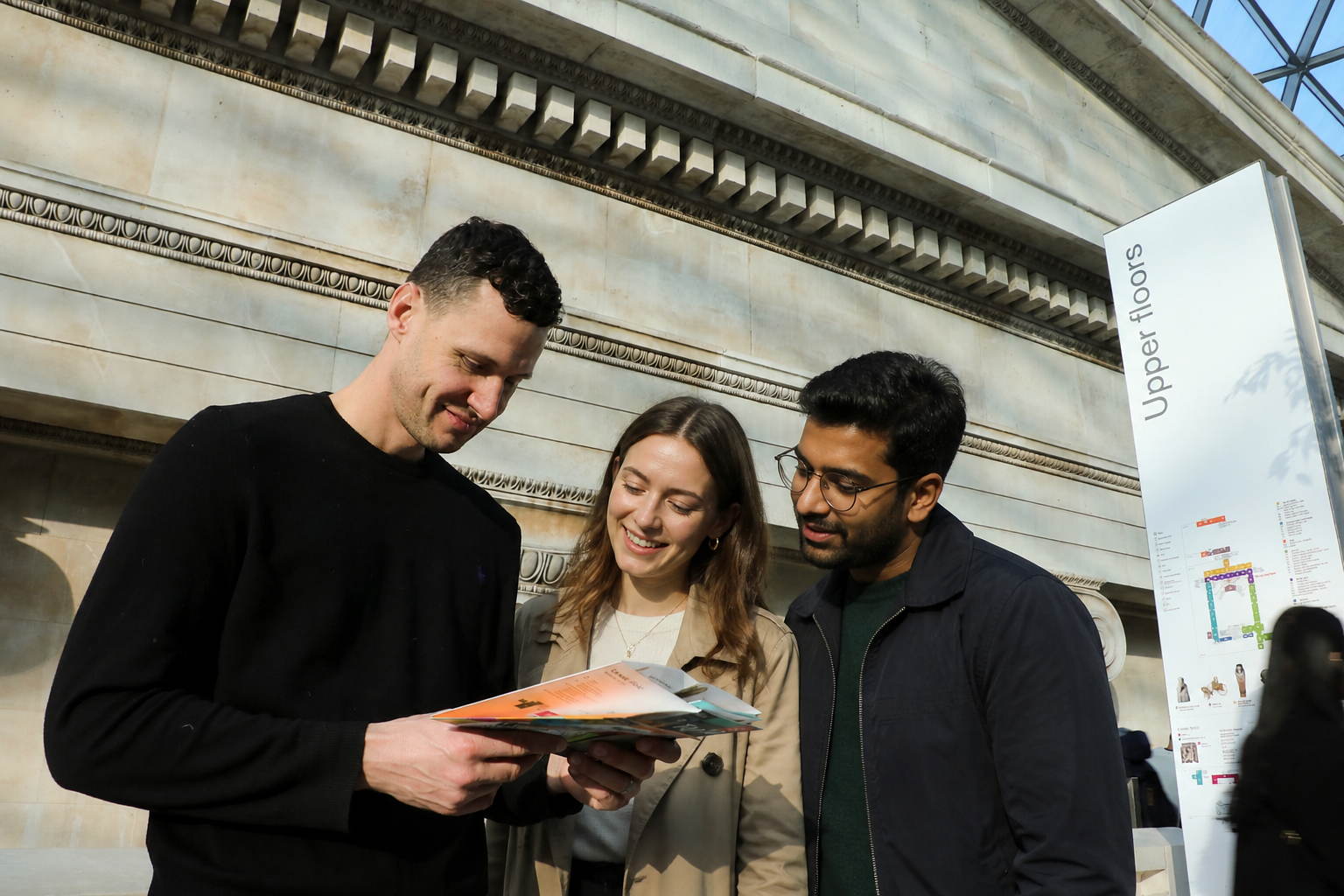
Signature British Museum Tour
Discover the objects that shaped 2,000,000 years of civilization
The Finer Details
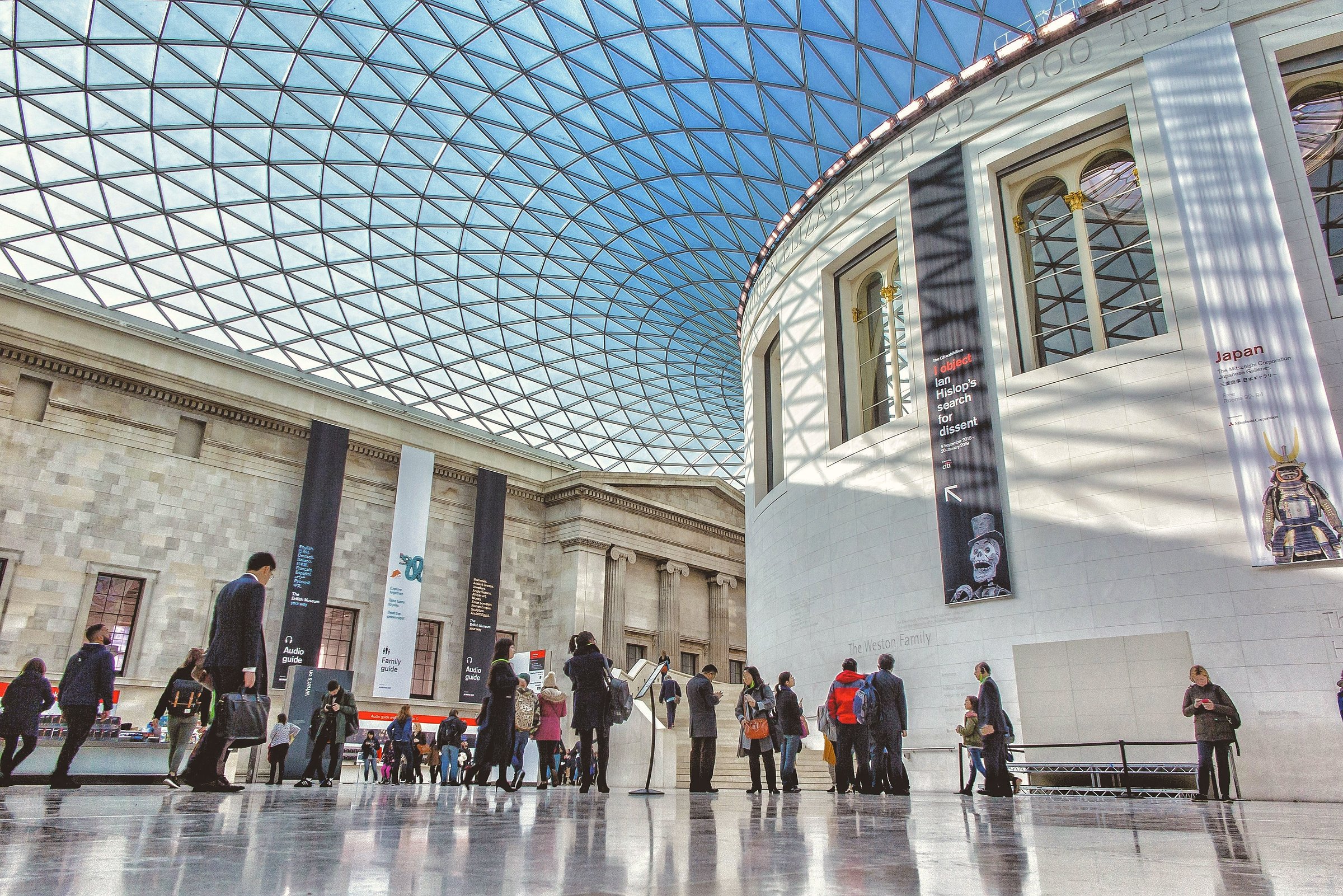
Navigating a museum with over 8 million objects can be daunting, especially with limited time on your hands. Let your expert tour guide make your visit to the British Museum a manageable experience that will stimulate your curiosity and leave you wanting more.
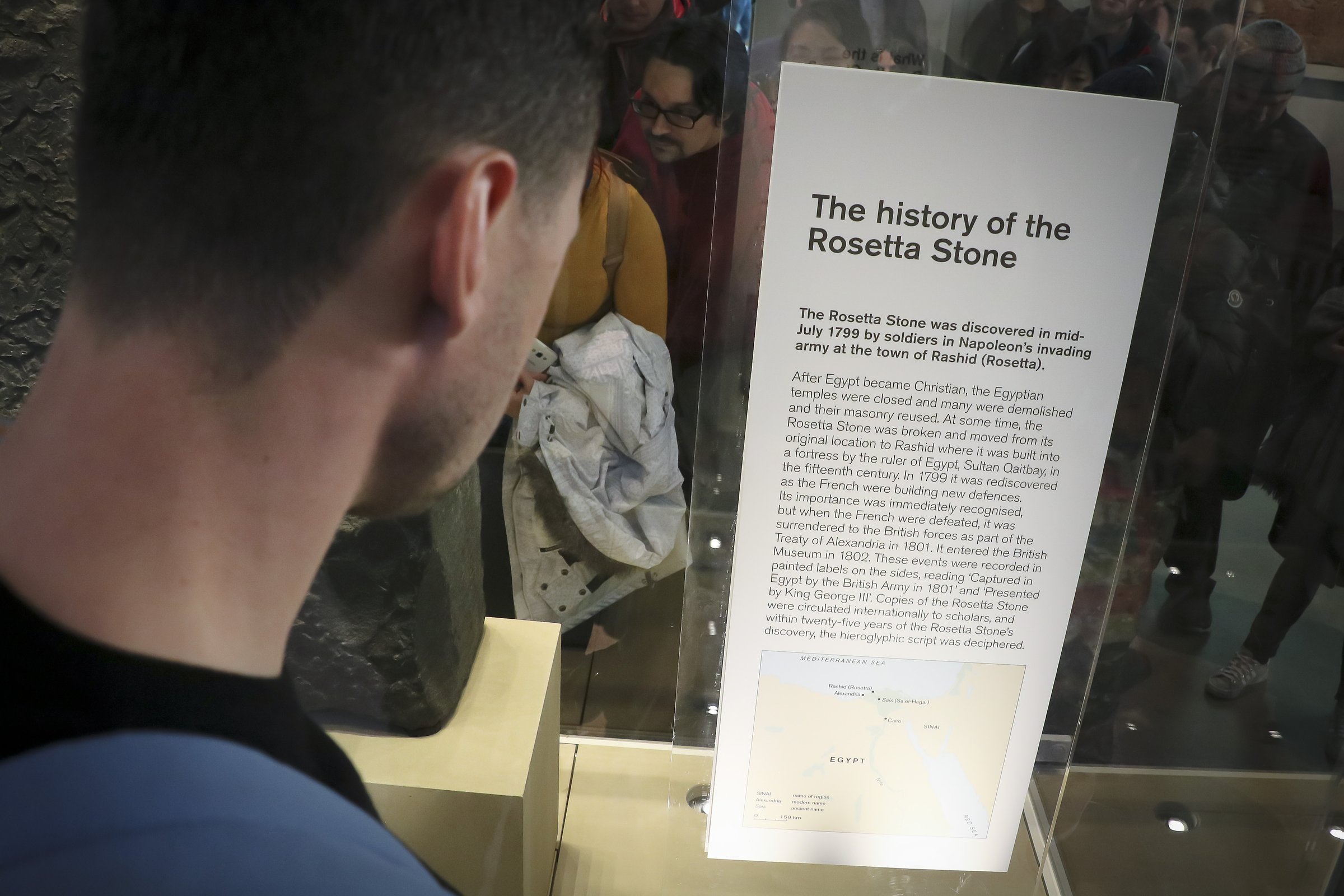
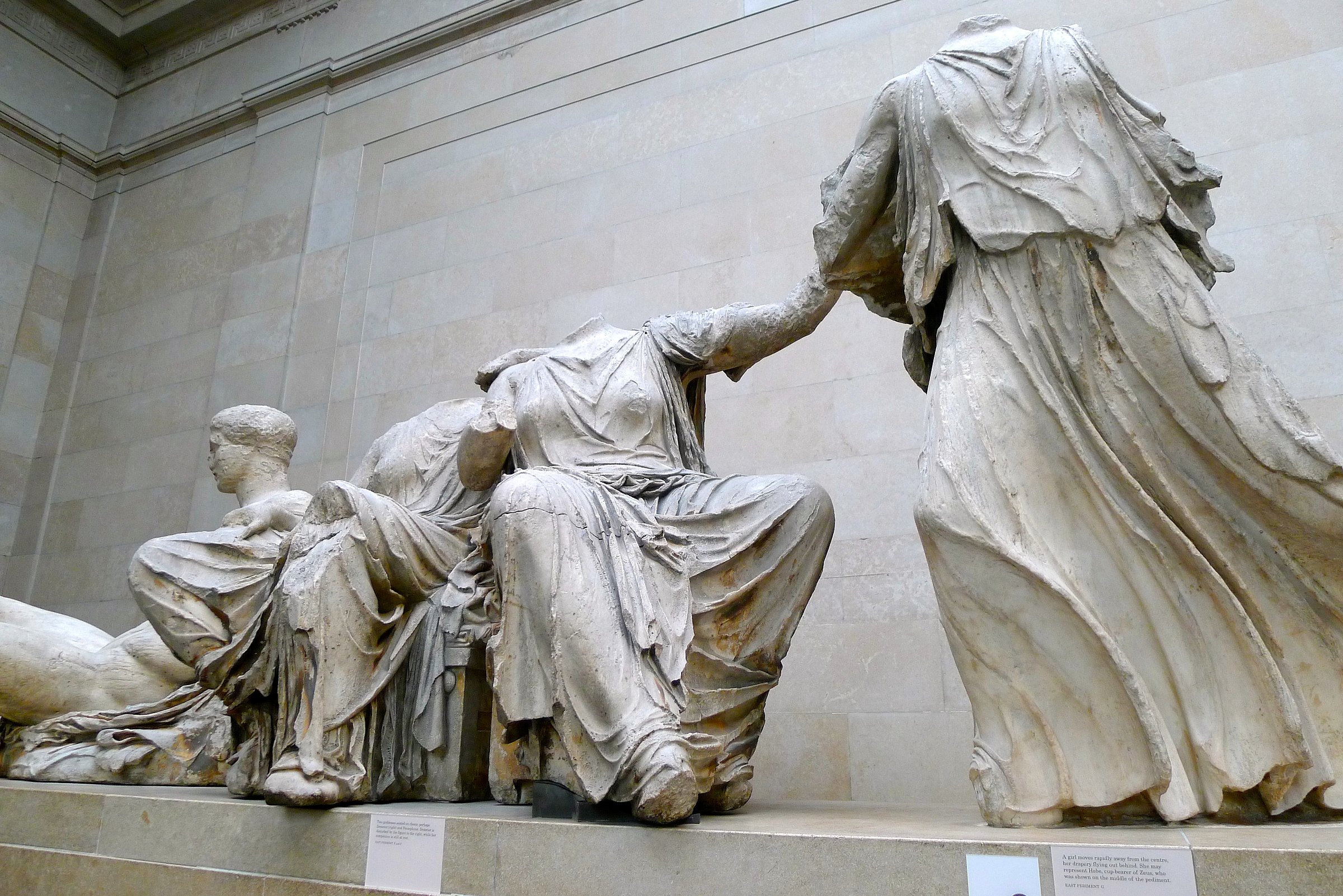
During this British Museum walking tour, you’ll experience cultures across continents and millennia. Using objects such as the Rosetta Stone, the bust of Ramesses the Great, and the Parthenon Sculptures, we’ll tell the stories of great civilizations and everyday life, and understand the development of human culture as we know it today. Depending on your interests, your historical or archaeological expert will be able to tell you the history of the world from this London address - and they might be able to tell you some of the history of the UK too!
Learn about the intricacies of ancient Egyptian rituals, the philosophical advancements of the Greeks, and the engineering marvels of the Romans. Come face to face with the preserved remains of a 2000-year-old ancient Briton and take a deep dive into a world of mysterious sacred sites.
Transform your understanding of history and gain a profound appreciation for the achievements and struggles of past civilizations.
Choose this tour if…
- The British Museum is on your bucket list and you want to make the most of it with limited time.
- You want to connect with world-famous artifacts and understand their relevance.
- You have visited before but want to delve deeper into the significance of the collection and focus on lesser-known artifacts.
Route Details
Did you know that despite being a "British" Museum, only 1% of its entire collection is from Britain? The vast majority of artifacts come from all around the world, reflecting the global reach and influence of the British Empire throughout history.
Our expert historian or archaeologist will take you on a journey through the museum's vast collection of artifacts, archaeological finds, and incredible stories. You’ll decipher ancient inscriptions and reveal the secrets of enigmatic chess players. What makes the Parthenon Sculptures so famous and how did the Benin Bronzes get to the British Museum?
Your tour will include must-see artifacts as well as lesser-known gems of the collection. You’ll gain a deep understanding of the collection, how it came together, and its role through history and today.
Logistics
Headsets
- Depending on your group size, we may be required by the venue to order headsets, in which case you’ll see a “Headset Fee” added to your order. If you would like to guarantee headsets for your tour regardless of your group size, please email us and we’ll do our best to get them reserved for you.
General Information
- There will be a break in the tour to stop and use bathroom facilities as well as opportunities to stop and rest along the way if needed. Please communicate any mobility needs or concerns with our team at the time of booking.
Additional Trip-Planning Resources
A few things that pair well with this tour:
- Get the most out of your trip to the museum with a pre-trip talk: Must-See Treasures of the British Museum
- Be sure to wear comfortable shoes. While you’re inside, you’ll still be covering a lot of ground! The British Museum is one of the largest museums in the world, after all.
- Grab your sketchpad and channel your inner artist. Drawing is allowed in the galleries.
Looking for insider recommendations? Get expert tips on seeing the true London in our London City Guide.
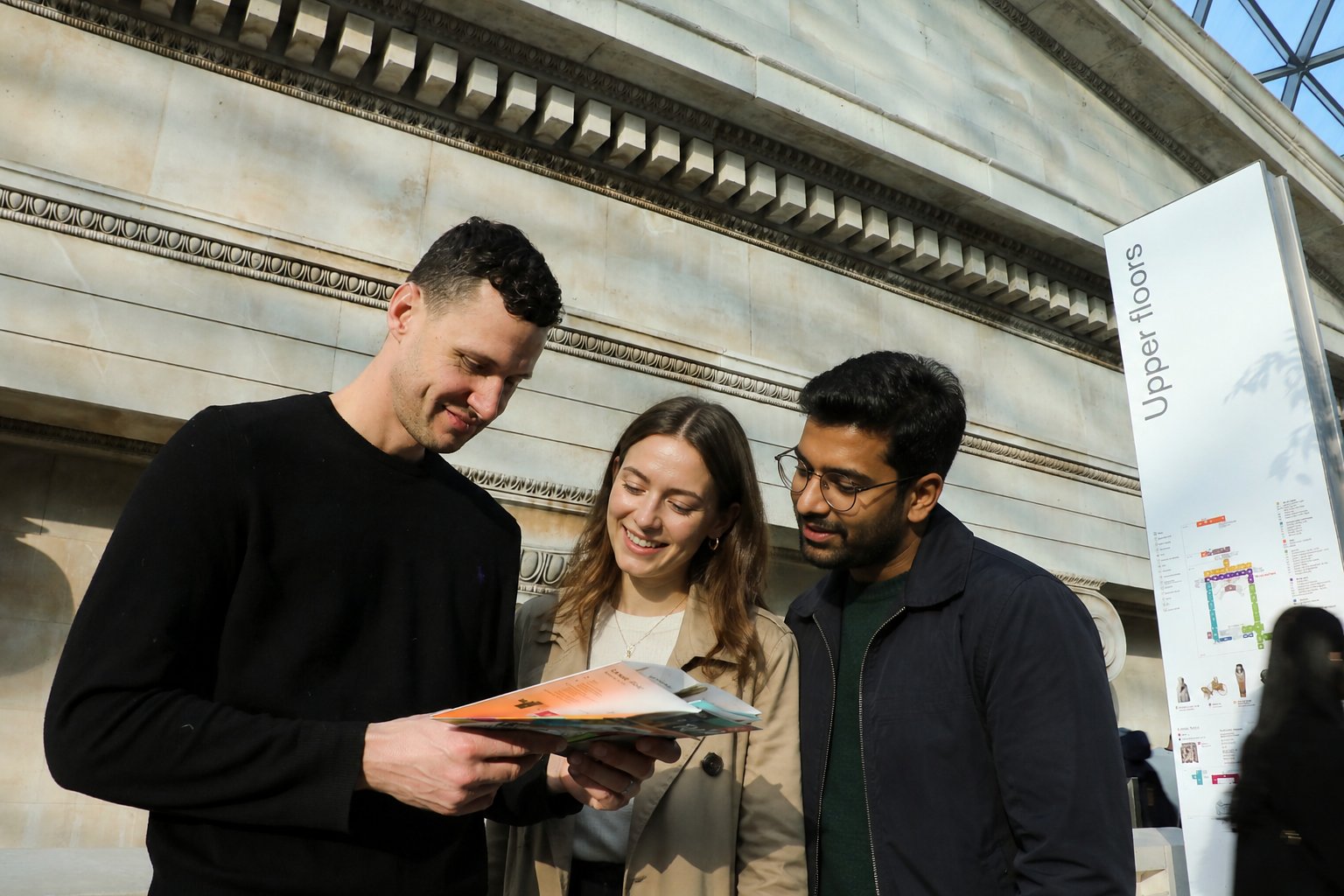
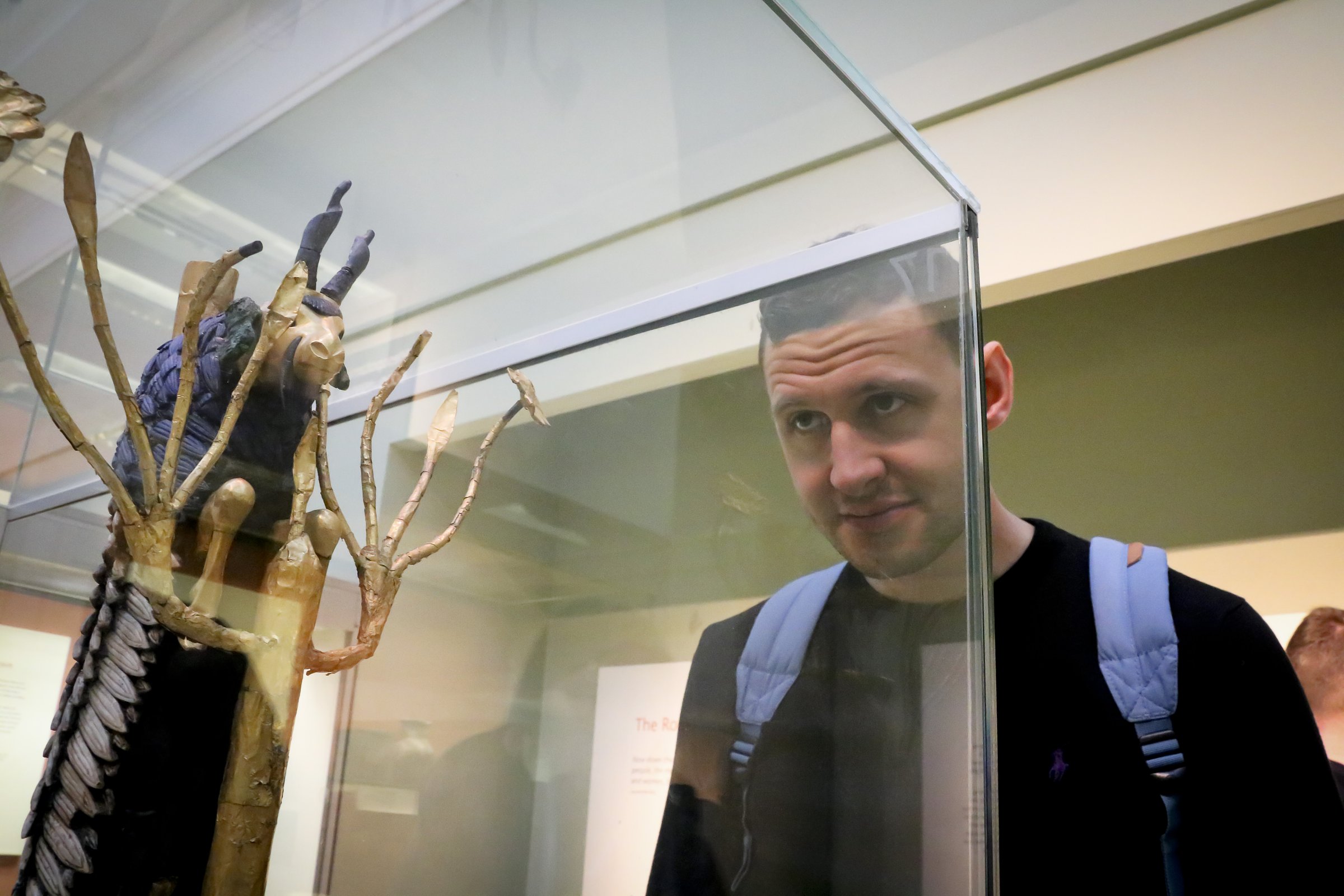








































A visit tailored around your interests guided by our knowledge
"Sean successfully navigated us around and through other tour groups and discussed a good cross-section of the artifacts of the ancient world. We had been to some of the origins of the artifacts as had Sean, so we were able to have a deeper discussion of the context of items being in the museum vs. in their location of origin. Such discussions are common with Context docents.” Lawrence B.
A master class that connects the museum to the world
"Andrew's tour was a master class...we can't wait to return home and visit The Met with our newly found insights. His knowledge and enthusiasm was unmatched and much appreciated." Thomas H.
Where You’ll Go
From iconic landmarks to tucked-away local favorites, these are the places you’ll explore and experience firsthand with your Expert.
-
British Museum
What’s Included As Standard
Here’s a look at what your tour covers, plus anything you’ll want to consider arranging separately, so you can plan with confidence.
Included
-
English-speaking expert guideTours led in English, offering you unbroken understanding throughout.
-
Intentionally sized groupsA smaller group means more time for conversations and questions.
-
Tickets and entrance feesAll entry tickets included (unless clearly stated otherwise).
-
HeadsetsHeadsets are included on tours that need them, so every word can be heard.
Not Included
-
GratuitiesWe encourage tipping as a way to thank your guide after your experience.
-
Food and drinkRefreshments are only included during a tour when clearly noted.
-
Transportation to and from the meeting pointUnless noted, pre- and post-tour transport isn’t included - this service can be added by request.
-
Hotel pickup or drop-offUnless noted, travel to or from accommodation isn’t included - this service can be added by request.
Where You'll Explore
Make the Most of Your Tour
Some helpful advice for getting the most from your experience, from practical prep to small on-the-day tips.
Dos:
- Wear comfortable footwear
- Check the weather and dress appropriately
- Bring a bottle of water (no glass)
- Feel free to ask your Expert anything
Don'ts:
- Bring firearms or weapons
- Bring sharp objects (e.g. knives, swiss army knives, switchblades, hiking sticks)
- Dress inappropriately to enter religious sites or sacred monuments
Any questions? You can always
contact us.
Frequently Asked Questions
Entry to the museum is complimentary, however, their team does appreciate your donation.
Regrettably, due to venue capacity constraints, we maintain a limit of 7 participants per group. For larger parties, we advise dividing into smaller subgroups for a better experience.
Book with confidence — see Context's flexible cancellation policy here.
We understand that some of our valued guests may have mobility concerns, and we want to ensure you have a comfortable and enjoyable experience throughout your tour. If there are any accessibility concerns that your tour guide will need to be aware of, please let our team know at the time of booking.
Is this tour wheelchair-friendly?
The Great Russell Street entrance has 12 steps with a handrail. There are self-operable lifts on both sides of the steps. There is level access at the Montague Place entrance. The majority of galleries and all special exhibitions are fully accessible.
Additional information about accessibility at the British Museum is available here.
See the British Museum with Context
Get to know one of the art historians leading this tour
Don’t just take our word for it
Alan was wonderful! He customized the tour for us and was so knowledgeable about little known exhibits and shared conflicting theories with us. Charming and funny!
Alan did a great job. He was very friendly and knowledgable which made the tour enjoyable. We appreciated hearing all his insight and details about the museum. We highly recommend this tour with Alan!
Book a Tour
Let Your Curiosity Shape Your Journey
Join passionate experts on intimate walking tours that reveal a city’s unique stories, spark conversations, and leave you seeing the world—and yourself—a little differently.
Structured, never scripted
Your interests guide your Expert, leading to stories and perspectives that matter to you.
Crafted for conversation
With 12 or fewer guests, ask questions, engage with your Expert, and fully immerse yourself.
Experts, not guides
Explore with 1,200+ Experts—from historians and architects to archaeologists and chefs.
You May Also Be Interested In…


Explore the Collection on a British Museum Private Tour
The British Museum contains around eight million objects spanning thousands of years of human history. Even though only a small portion is displayed at any one time, deciding what to see—and understanding why it matters—can still feel overwhelming.
A British Museum private tour turns that scale into a focused, coherent experience. Your Context Expert selects objects that speak to your interests while building a larger story around belief, political power, trade, conquest, collecting, and daily life.
The purpose is not to race through as many galleries as possible. It is to understand how a smaller number of carefully chosen objects can reveal entire civilizations—and why those objects are now held in London.
Why Take a Private Tour of the British Museum?
The museum is free to enter and can certainly be visited independently. Its size, however, makes it easy to move from one famous object to another without understanding the connections between them.
A private guide helps you find a route through the collection. Rather than following a fixed script, your Expert can adjust the visit around the periods, cultures, and questions that interest you most.
That might mean spending longer with ancient Egyptian writing, comparing Greek and Roman ideas of power, examining Anglo-Saxon craftsmanship, or considering how colonial expansion shaped the museum itself.
The result is not simply a list of objects seen. It is a way of thinking about the collection.
What Will You See on This British Museum Tour?
The precise route varies according to gallery access and your interests, but the tour may include several of the museum’s most significant objects.
The Rosetta Stone introduces questions of language, power, and interpretation. Its inscriptions helped scholars decipher Egyptian hieroglyphs, making it one of the most influential archaeological objects in the collection.
The monumental bust of Ramesses II reveals how royal authority was expressed through scale, material, and image in ancient Egypt.
The Parthenon Sculptures open a wider discussion about Greek religion and civic identity, while also raising contemporary questions about excavation, acquisition, ownership, and return.
At Sutton Hoo, intricate metalwork, weapons, and burial objects complicate familiar assumptions about early medieval Britain.
The Benin Bronzes demonstrate extraordinary artistic and political traditions in West Africa while confronting visitors with the violent circumstances through which many museum collections were formed.
Together, these objects reveal why the British Museum is not simply a museum of Britain, but a global collection shaped by scholarship, trade, diplomacy, excavation, empire, and conflict.
How Does an Expert Make the British Museum Easier to Understand?
Museum labels provide dates, materials, and provenance, but they rarely have room to explain the full social, political, or religious world behind an object.
Your Expert helps fill that gap.
A carved relief can reveal how rulers wanted to be seen. A funerary object can illuminate beliefs about death and the afterlife. A household tool can say as much about a civilization as a monumental sculpture.
The conversation also connects objects across galleries. Instead of treating Egypt, Greece, Rome, Africa, Asia, and Britain as separate chapters, you can examine how cultures exchanged ideas, materials, technologies, and symbols over time.
Understanding the British Museum and Empire
The British Museum was founded in the eighteenth century, but much of its collection expanded during an era of European imperial power.
Some objects entered through excavation, purchase, donation, or diplomatic exchange. Others were removed during military campaigns or acquired under colonial conditions that remain contested today.
A thoughtful British Museum guided tour should not treat those histories as an uncomfortable aside. They are central to understanding why the collection exists in its present form.
Your Expert can help distinguish between the different circumstances surrounding individual objects while exploring the broader questions museums now face: Who should control cultural heritage? What does meaningful restitution involve? Can displaying a disputed object create understanding, or does its location continue an earlier injustice?
These questions do not always have simple answers, but discussing them makes the museum more intellectually honest and historically complete.
Is a British Museum Private Tour Worth It?
A private tour is particularly valuable for visitors who want depth without becoming overwhelmed.
Instead of trying to cover every gallery, you gain a curated route, access to specialist knowledge, and time to ask questions. Because the experience is private, the discussion can respond to your existing knowledge, whether you are encountering these civilizations for the first time or returning with a specific interest.
It can also save time. Your Expert knows how to move through the museum efficiently, adapt when galleries are busy or closed, and choose objects that create a meaningful narrative rather than a checklist.
Who Is This Tour Best For?
This experience works well for:
- first-time visitors unsure where to begin;
- returning visitors who want a deeper perspective;
- travelers interested in archaeology, ancient history, or art;
- families with older children or teenagers;
- visitors curious about empire, collecting, and cultural restitution;
- anyone who prefers discussion and interpretation to a scripted overview.
No special knowledge is required. The route can begin with the fundamentals or move directly into more complex questions.
How Is This Different from a British Museum Highlights Tour?
A standard highlights tour usually follows a fixed sequence of famous objects.
This private experience is more flexible. Important works such as the Rosetta Stone or Parthenon Sculptures may anchor the visit, but the route is shaped around your interests and the connections your Expert wants to develop.
That means a celebrated object may lead to a less familiar one nearby, revealing a richer story about ritual, technology, daily life, or historical interpretation.
The goal is not simply to see the museum’s highlights. It is to understand why they became highlights in the first place.
Frequently Asked Questions
Is admission to the British Museum included?
General admission to the British Museum is free. Your booking covers the private guided experience. Any separately ticketed exhibitions are not included unless specifically stated on the product page.
Is this a private British Museum tour?
Yes. The tour is private to your party, allowing your Expert to adapt the route, pace, and level of discussion to your interests.
How long is the tour?
The experience lasts approximately three hours, providing enough time to explore a meaningful selection of galleries without attempting to cover the entire collection.
Will we see the Rosetta Stone?
The Rosetta Stone is commonly included, subject to gallery access and conditions on the day. Your Expert may adjust the route if an area is closed or especially crowded.
Does the tour discuss contested objects?
Yes. The tour can address the history and ongoing debates surrounding objects such as the Parthenon Sculptures and Benin Bronzes. The discussion emphasizes historical evidence and nuance rather than offering a single scripted conclusion.
Is this tour suitable for families?
Yes, particularly for families with older children or teenagers. Your Expert can adjust the object selection and conversation to suit different ages and interests. You can also check out our British Museum Tour for Kids.