Ten out of ten! Absolutely fantastic tour. Well, it wasn’t so much a tour as it was an art history lesson. What a privilege to be with Andrea in the Prado. It was eye opening, informative & the best 3 hours that I’ve spent in a museum in a long time. What a way to end our trip to Spain. Thank you!!
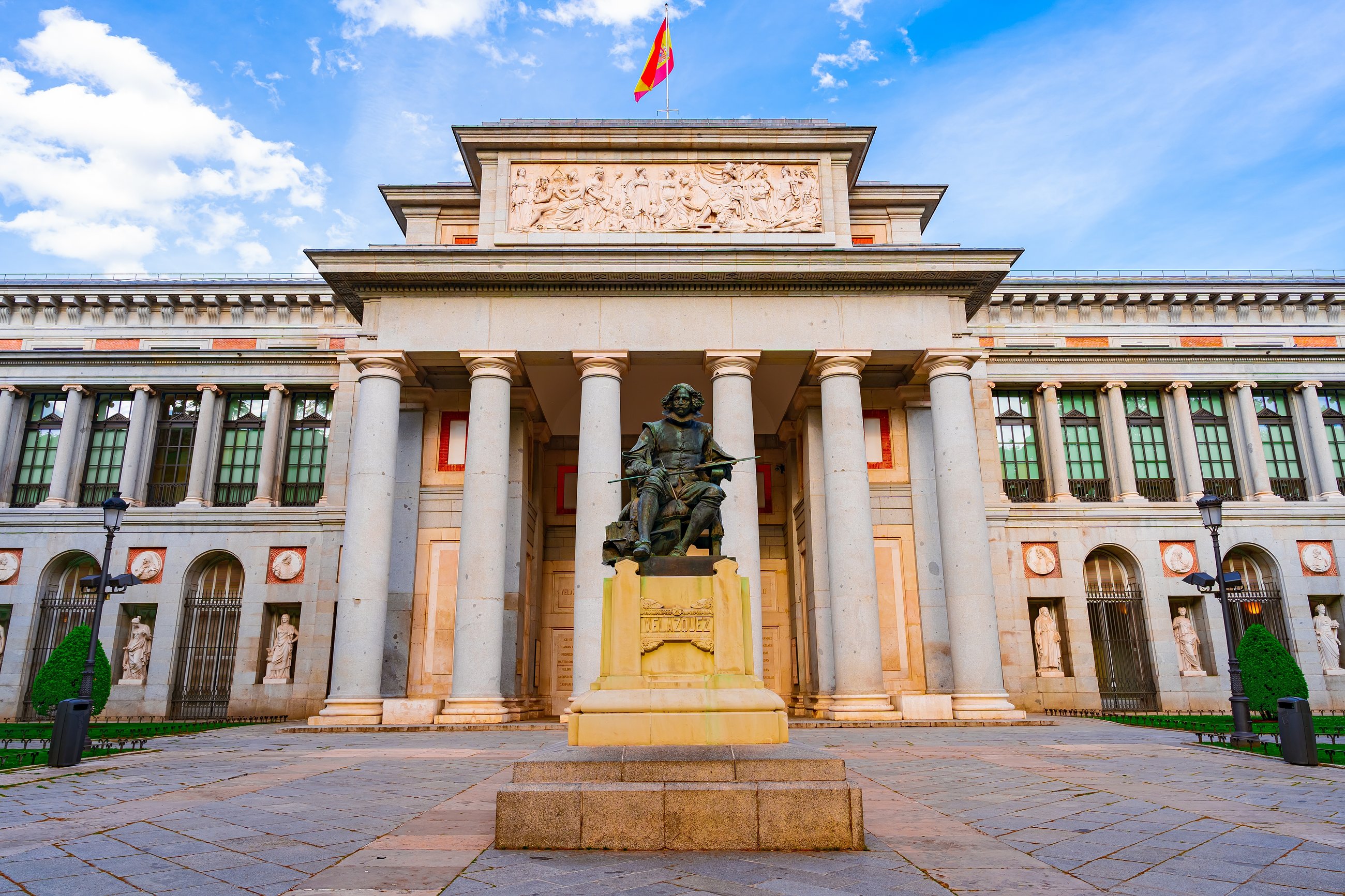
Signature Prado Museum Tour: Velázquez and Goya
Decode Spain’s great painters with an expert by your side
Make the Prado feel approachable with an art historian who turns masterpieces, royal patrons, and artists’ styles into a clear narrative.
Tour Highlights
- A clearer Prado path Let your Context Expert shape the route so time goes to meaning, not guesswork or drift.
- Major artists made legible Compare Velázquez, Goya, Bosch, Titian, and El Greco with context that keeps the meaning clear.
- Look closely with purpose Learn what to look for: posture, color, light, and composition provide meaning to each work.
- Royal collecting explained See how Spanish monarchs shaped the Prado, and why their choices still matter today.
- Less pressure, more insight Ask questions as you go, with guidance that meets curiosity at your pace and level.
- Leave with a usable story Connect threads between artists, patrons, and styles so the collection feels clear and memorable.
Led by Experts, Shaped by You
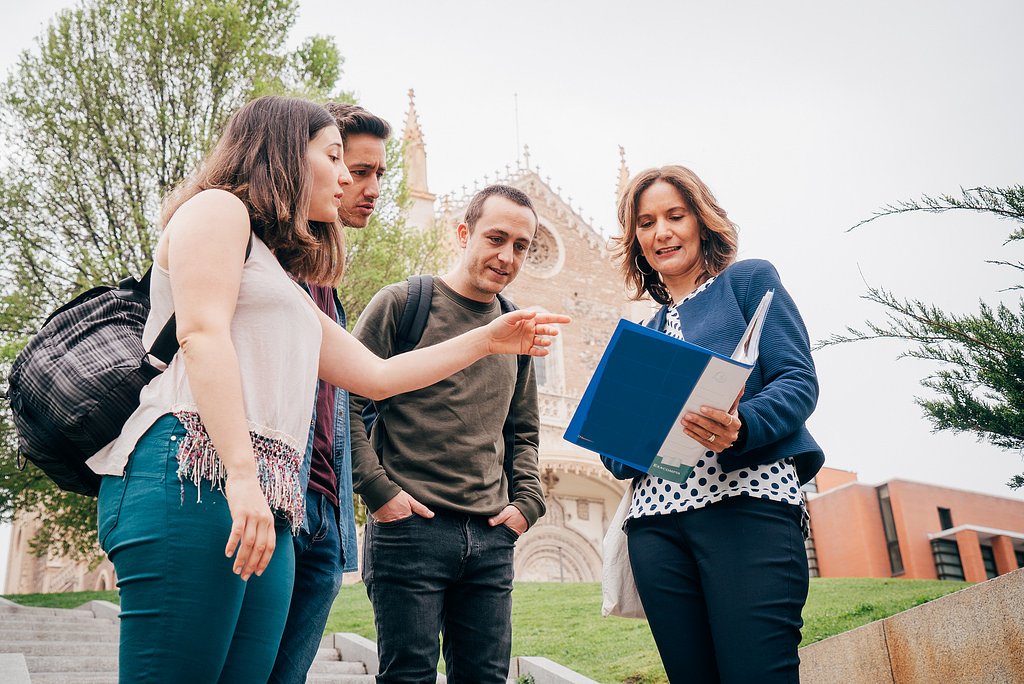
Explore with an expert guide who responds to your questions, your interests, and your pace. Reveal layers of meaning most visitors miss—go from seeing to understanding.
The Finer Details
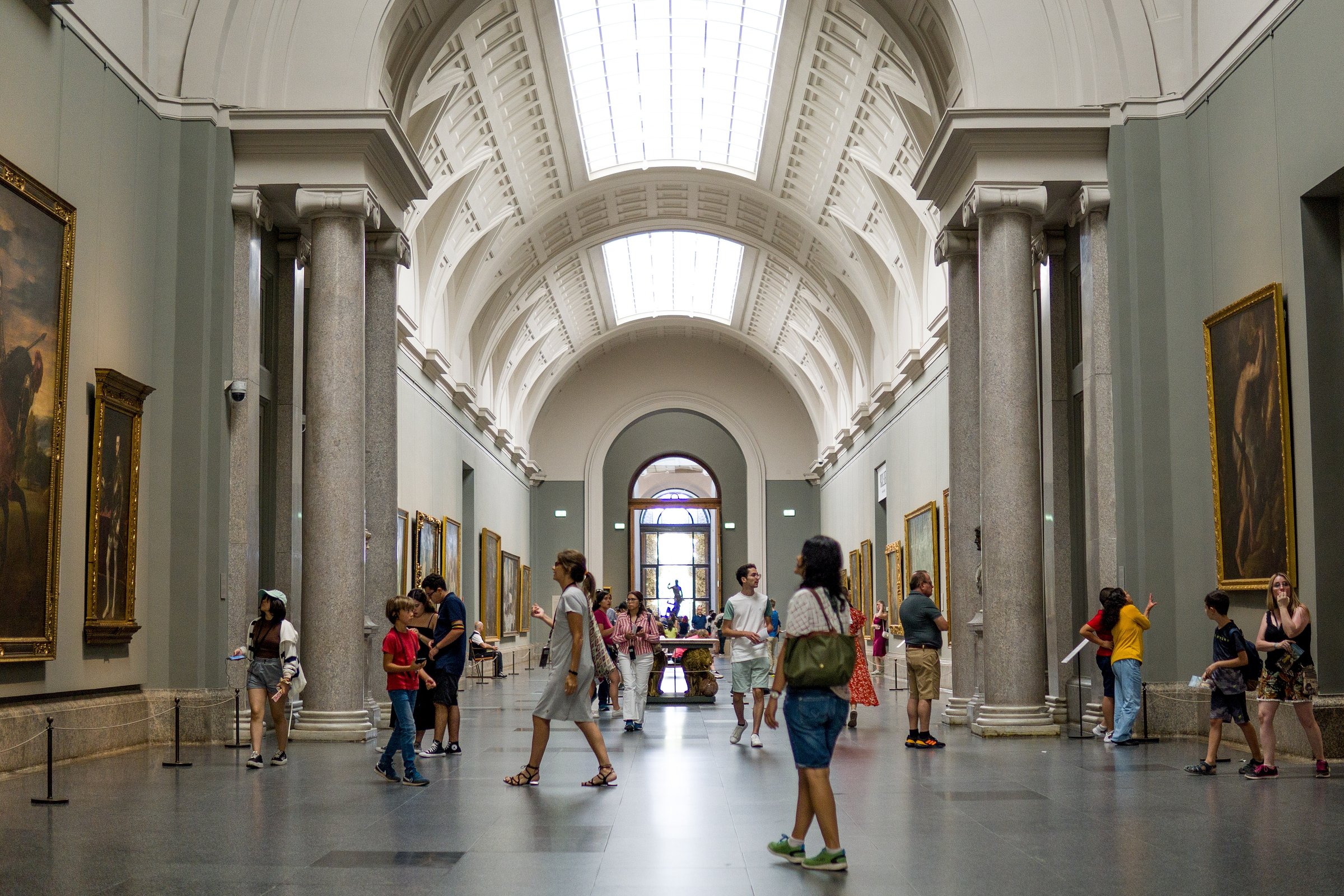
This Prado Museum guided tour turns a vast collection into a clearer story, connecting masterpieces with the artists, patrons, and ideas that made them matter. An art historian helps turn the Prado’s grand galleries into a clearer path through Spanish art and European influence. As you study works by Velázquez, Goya, El Greco, and Rubens, the museum’s paintings begin to reveal the ambitions of royal patrons, the reach of empire, and the shifting role of artists themselves. Rather than rushing from masterpiece to masterpiece, pause where the story is richest.
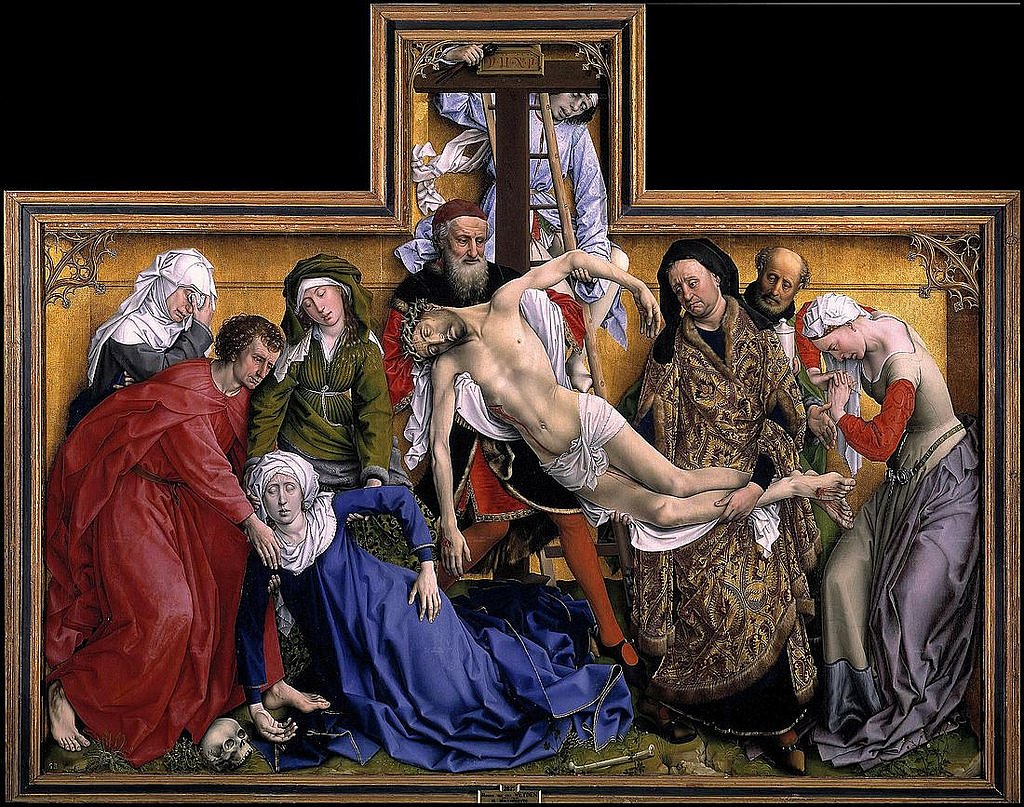
Start with works from the private collections of Spanish monarchs, the Prado’s core. Within this royal frame, Hieronymus Bosch’s “The Garden of Earthly Delights” and Roger van der Weyden’s “The Descent from the Cross” feel less like isolated masterpieces and more like choices with meaning. Your Context Expert explains how belief, patronage, and political identity shaped what entered the collection, drawing the Habsburg story into focus as you look.
Stop in front of Charles V, Philip II, and Titian to learn about the significance of royal portraits. Rather than simply naming who appears on the canvas, your expert points out how elements like fabric, posture, gaze, and setting shape the painting’s meaning. What should you look for first when a portrait seems simple at a glance? Learning how to look closely makes the museum easier to navigate long after the tour ends.
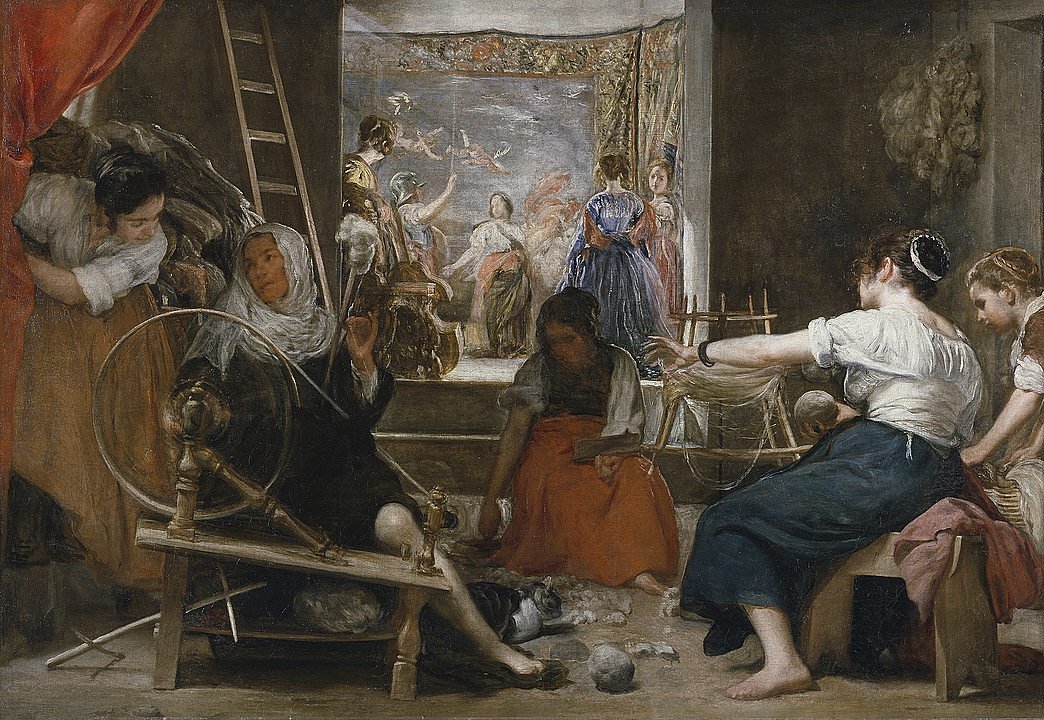
Visit the works of Velázquez and slow down with one of the Prado's most discussed artists. In “Las Meninas”, your expert untangles the painter, subject, viewer, and king without making the painting feel like a puzzle you have to solve alone. Notice how color, composition, and perspective work together, and discuss why those choices changed how later artists thought about painting. This famously complex canvas becomes something you can discuss, question, and remember.
Rubens and Goya then sharpen your eye for contrast. By comparing movement and drama with restraint, critique, and psychological depth, you begin to see how different artists made distinct contributions to the collection. In the Goya rooms, works such as “The Family of Charles IV” invite you to spot both technique and meaning. How did painters serve power while also leaving room for critique?
By the end, the Prado feels less intimidating because you now have a structure to understand its artists, patrons, and styles. The paintings no longer blur together; they hold conversations across centuries. Leave with stronger knowledge of major painters and a clearer sense of how the museum tells European history, from the Renaissance to modernity.
Meet the Experts













Where You’ll Go
From iconic landmarks to tucked-away local favorites, these are the places you’ll explore and experience firsthand with your Expert.
-
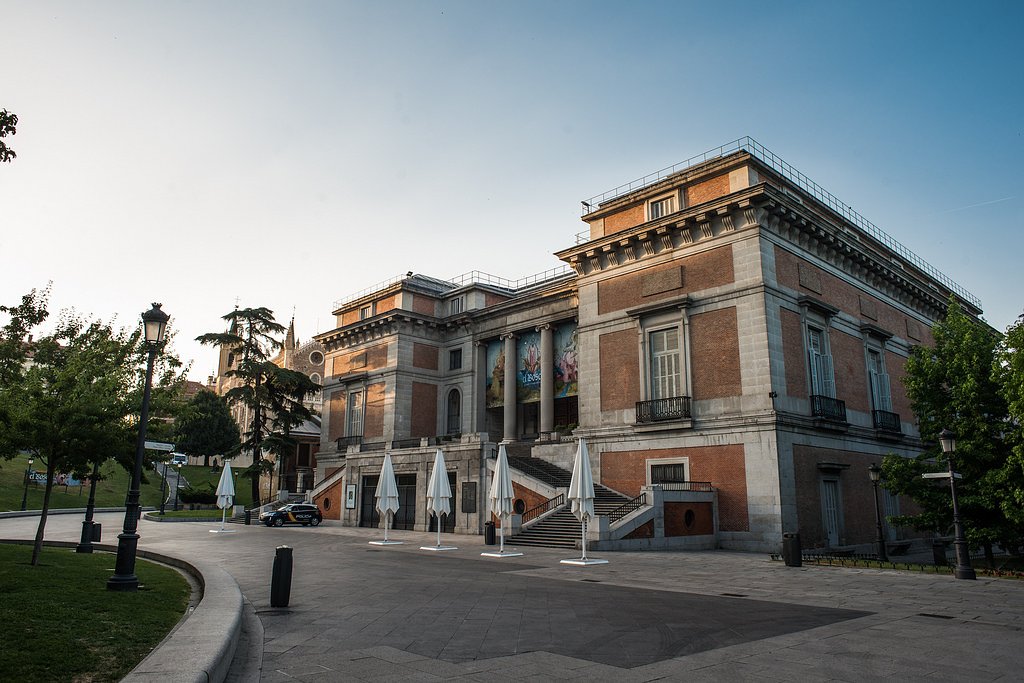
Prado MuseumMadrid museum holding Spanish and European paintings from the 12th to 19th centuries.
What’s Included As Standard
Here’s a look at what your tour covers, plus anything you’ll want to consider arranging separately, so you can plan with confidence.
Included
-
English-speaking expert guideTours led in English, offering you unbroken understanding throughout.
-
Intentionally sized groupsA smaller group means more time for conversations and questions.
-
Tickets and entrance feesAll entry tickets included (unless clearly stated otherwise).
-
HeadsetsHeadsets are included on tours that need them, so every word can be heard.
Not Included
-
GratuitiesTips aren’t included, but we encourage tipping as a way to thank your guide after your experience.
-
Food and drinkUnless booking a Food & Drink tour or tasting experience, refreshments are not included.
-
Transportation to and from the meeting pointUnless noted, pre- and post-tour transport isn’t included - this service can be added by request.
-
Hotel pickup or drop-offUnless noted, travel to or from accommodation isn’t included - this service can be added by request.
Where You'll Explore
Make the Most of Your Tour
Some helpful advice for getting the most from your experience, from practical prep to small on-the-day tips.
Dos:
- Wear comfortable footwear
- Check the weather and dress appropriately
- Bring a bottle of water (no glass)
- Feel free to ask your Expert anything
Don'ts:
- Bring firearms or weapons
- Bring sharp objects (e.g. knives, swiss army knives, switchblades, hiking sticks)
- Dress inappropriately to enter religious sites or sacred monuments
Any questions? You can always
contact us.
Frequently Asked Questions
Unfortunately not, we cannot accommodate groups larger than 6 people due to venue reservation restrictions. If your group is larger, we recommend you split into multiple groups.
Book with confidence — see Context's flexible cancellation policy here.
The museum is accessible to wheelchairs with the exception of certain areas connected to the Villanueva building due to its design. Please contact us to discuss in more detail your mobility concerns so that we can best advise.
Don’t just take our word for it
It was a fantastic tour and experience with Marta. Very knowledgeable, well-paced. She's terrific. Highly recommend.
Marta is a fantastic, friendly guide, who led us around the Prado at the perfect pace, explaining the signature works of art with depth, context and fascinating details. She's extremely knowledgable and was also great with all our questions!
Let Your Curiosity Shape Your Journey
Join passionate experts on intimate walking tours that reveal a city’s unique stories, spark conversations, and leave you seeing the world—and yourself—a little differently.
Structured, never scripted
Your interests guide your Expert, leading to stories and perspectives that matter to you.
Crafted for conversation
With 12 or fewer guests, ask questions, engage with your Expert, and fully immerse yourself.
Experts, not guides
Explore with 1,200+ Experts—from historians and architects to archaeologists and chefs.
Related experiences our customers also loved


Prado Museum Tour
The Prado is not an encyclopedic museum assembled to represent every major school equally. Its identity comes largely from the tastes of the Spanish monarchy. The collection grew from works acquired by generations of Habsburg and Bourbon rulers, which is why certain artists appear in extraordinary depth while other periods are less prominent. The Prado itself describes this as one of the collection’s defining characteristics: it is often a museum of painters rather than paintings, with exceptional groups of works by artists such as Titian, Bosch, Rubens, Velázquez, El Greco, and Goya. On this Prado Museum tour, an art historian helps make that collecting history visible. Instead of treating the galleries as a sequence of masterpieces, you begin to see how royal taste, political ambition, religion, international exchange, and artistic influence shaped what ended up in Madrid.
The answer lies in how monarchs collected.
Spanish kings were not trying to create the kind of balanced public museum we might imagine today. They acquired artists they admired, commissioned repeated works, inherited collections, and used paintings to furnish palaces and communicate power. That created unusually deep holdings.
Titian became foundational to the royal collection, and his influence extended into later painters favored by the Spanish court. Philip II collected Flemish art, including Bosch. Philip IV commissioned and acquired works by Rubens, Velázquez, Van Dyck, Ribera, and major Italian painters.
The museum that opened to the public in 1819 inherited that history. Its first catalogue listed only 311 paintings on display, even though more than 1,500 works from royal residences were already part of the collection. Understanding that origin changes the visit.
You are not looking at a neutral collection of European painting. You are looking at the accumulated preferences of rulers—and at the artists whose work those rulers helped elevate.
Velázquez’s Las Meninas is famous partly because it refuses to give the viewer one simple subject.
The scene includes the young Infanta Margarita, attendants, court figures, Velázquez himself, and the reflected images of King Philip IV and Queen Mariana. The painter also places us in a position that raises a deceptively difficult question: whose point of view are we occupying?
The Prado emphasizes the painting’s complex use of light, perspective, and illusion, as well as its unusually dense network of meanings. That complexity makes Las Meninas more than a royal portrait. It becomes a painting about representation itself: who is being looked at, who is doing the looking, what role the artist holds at court, and whether painting should be understood as manual craft or intellectual work.
Those questions also make the work a useful culmination of the Prado’s royal-collection story. Velázquez was not simply painting the monarchy. He was working inside its world.
Choose the Prado Museum Tour if your primary interests are Spanish painting, royal patronage, Velázquez, Goya, and the European artists collected by the Spanish monarchy.
If you want to understand twentieth-century Spain through Picasso, Dalí, Miró, and Guernica, Context’s Reina Sofía Museum Tour is the stronger choice.
If you want a collection that bridges older masters and modern movements through the tastes of private collectors, choose the Thyssen-Bornemisza Museum Tour.
How long is the Prado Museum Tour?
The tour lasts approximately three hours.
Is a guided Prado Museum tour worth it?
It can be especially useful because the Prado’s collection reflects centuries of royal collecting rather than a simple chronological survey. An art historian can help you understand why certain artists dominate the galleries, how paintings relate to one another, and what royal patronage had to do with the museum’s development.
What are the must-see paintings in the Prado?
Many visitors prioritize Velázquez’s Las Meninas, Bosch’s The Garden of Earthly Delights, and major works by Goya, Titian, Rubens, and El Greco.
Specific works or rooms can occasionally be unavailable, so no individual painting should be treated as absolutely guaranteed.
Why is the Prado famous?
The Prado is particularly important for the depth of its holdings in Spanish and European painting. Its collection was shaped by the tastes of Spanish monarchs, which produced unusually rich groups of works by painters including Velázquez, Goya, Titian, Bosch, Rubens, and El Greco.
Is Las Meninas in the Prado?
Yes. Velázquez painted Las Meninas in 1656, and it remains one of the Prado’s defining works.
Is the Prado mostly Spanish art?
Spanish painting is central to the collection, particularly artists such as Velázquez and Goya, but the museum also has major holdings of Flemish, Italian, and other European schools because of the international collecting interests of the Spanish monarchy.
What is the difference between the Prado and Reina Sofía?
The Prado focuses primarily on earlier Spanish and European art, especially from the Renaissance through the nineteenth century. The Reina Sofía focuses on modern and contemporary Spanish art, including Picasso’s Guernica.
Prado or Thyssen: which should I visit?
Choose the Prado for the deepest experience of Spanish Old Masters and royal collecting.
Choose the Thyssen-Bornemisza if you want a collection that fills some of the chronological and stylistic gaps between older European art and later modern movements.
Are Prado Museum tickets included?
Yes. Museum admission is included with the tour.
Is the Prado wheelchair accessible?
Most of the museum is accessible, although the current Context page notes limitations in some areas connected with the historic Villanueva building. Guests with specific mobility needs should contact Context before booking.
Why does the Prado have so much royal art?
The museum’s core collection developed from the paintings owned by Spanish monarchs. Those rulers repeatedly commissioned and collected favored artists, which is why the Prado has exceptionally deep holdings in painters such as Titian, Velázquez, Rubens, Bosch, El Greco, and Goya.