Rafael took my wife and I on a fun and enriching tour. He opened our eyes to the beauty and depth of Tokyo and we will be forever grateful!
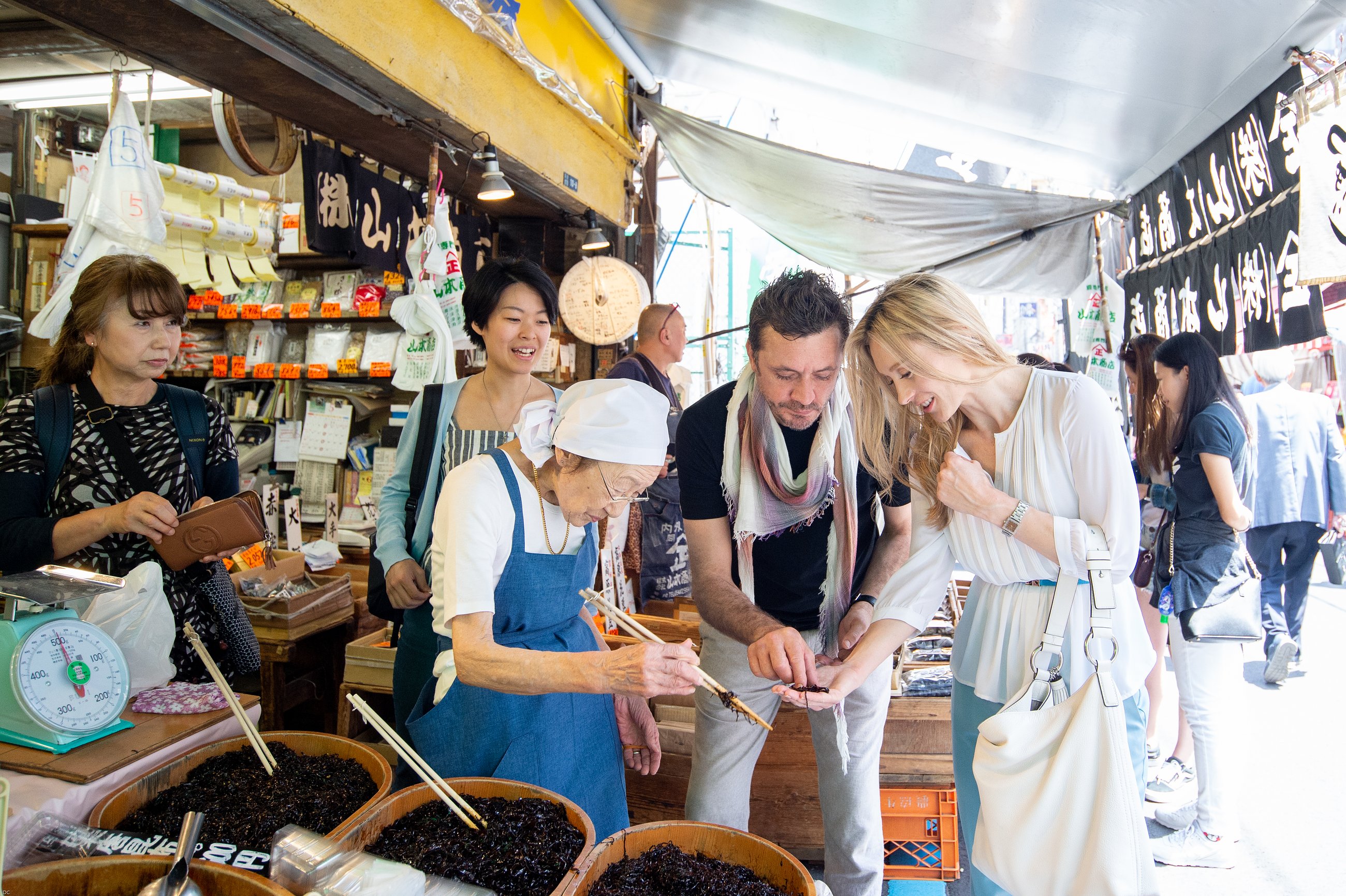
Tokyo Food Tour: Tsukiji Outer Market
Understand Tokyo’s cuisine through Tsukiji’s market culture
Taste Tsukiji with a local who knows the market’s real rhythm, where sea-to-table stories come to life with every carefully chosen bite.
Tour Highlights
- Find the stalls that matter Follow an Expert past tourist traps to vendors chosen for flavor, craft, and meaning.
- Confidence, one bite at a time Sample diverse dishes to feel confident exploring more of what Japanese cuisine has to offer.
- Ask what guidebooks miss Question unfamiliar produce, tools, and specialties with a local who can explain them.
- Taste with a clear framework Learn seasonality, geography, and seafood culture through each deliberate tasting.
- Explore Japanese knives Visit kitchenware shops and see how tools shape the precision of Japanese cooking.
- Something for every palate Share dietary needs or preferences in advance so your Expert can guide choices with thoughtful care.
Led by Experts, Shaped by You
Explore with an expert guide who responds to your questions, your interests, and your pace. Reveal layers of meaning most visitors miss—go from seeing to understanding.
The Finer Details
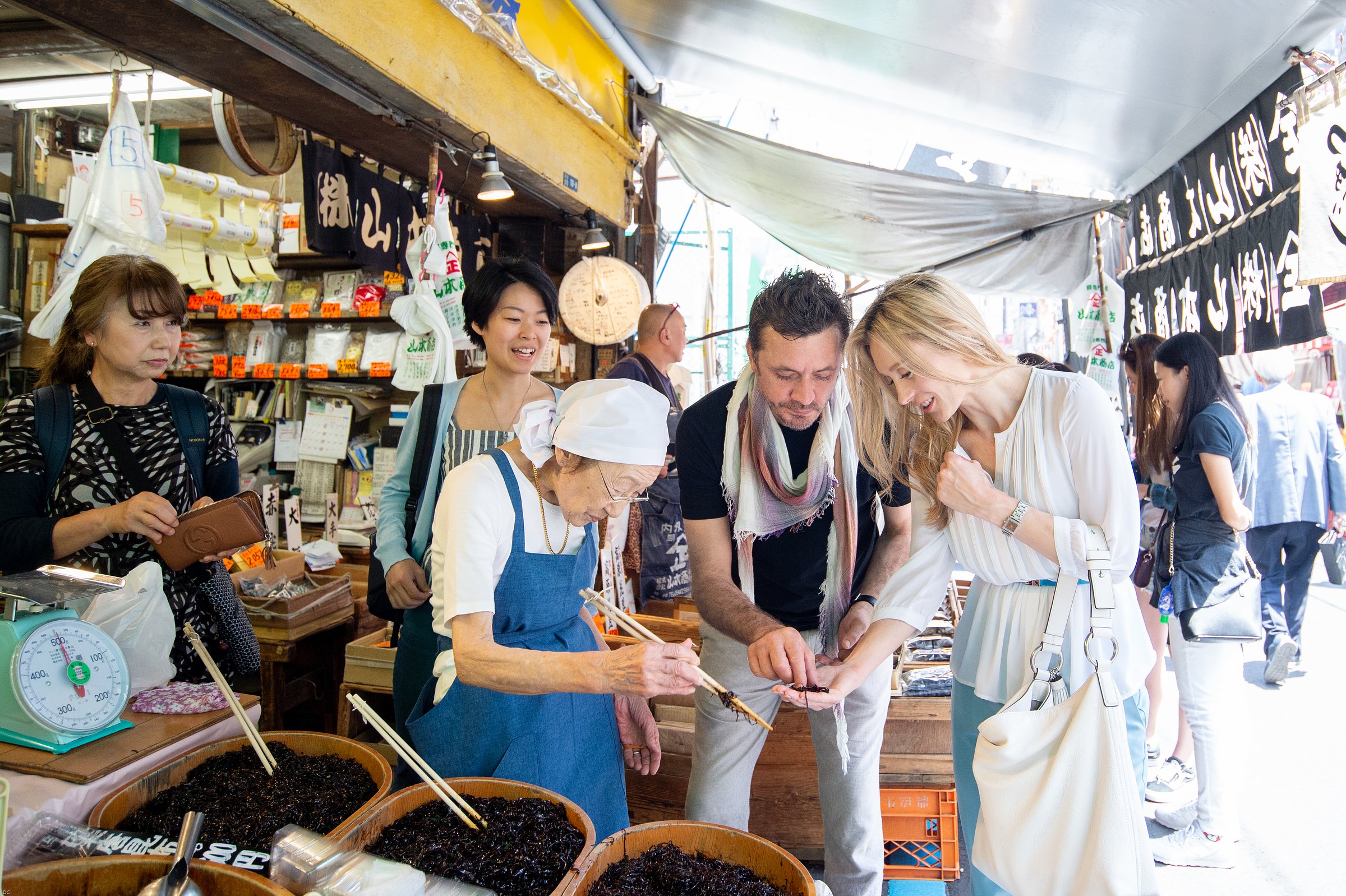
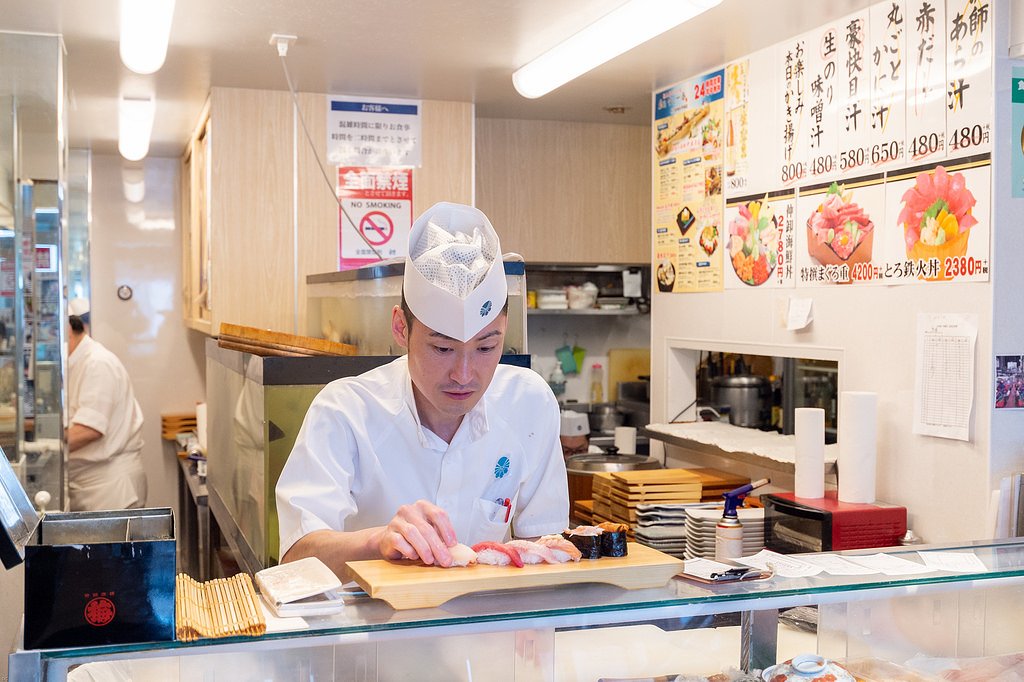
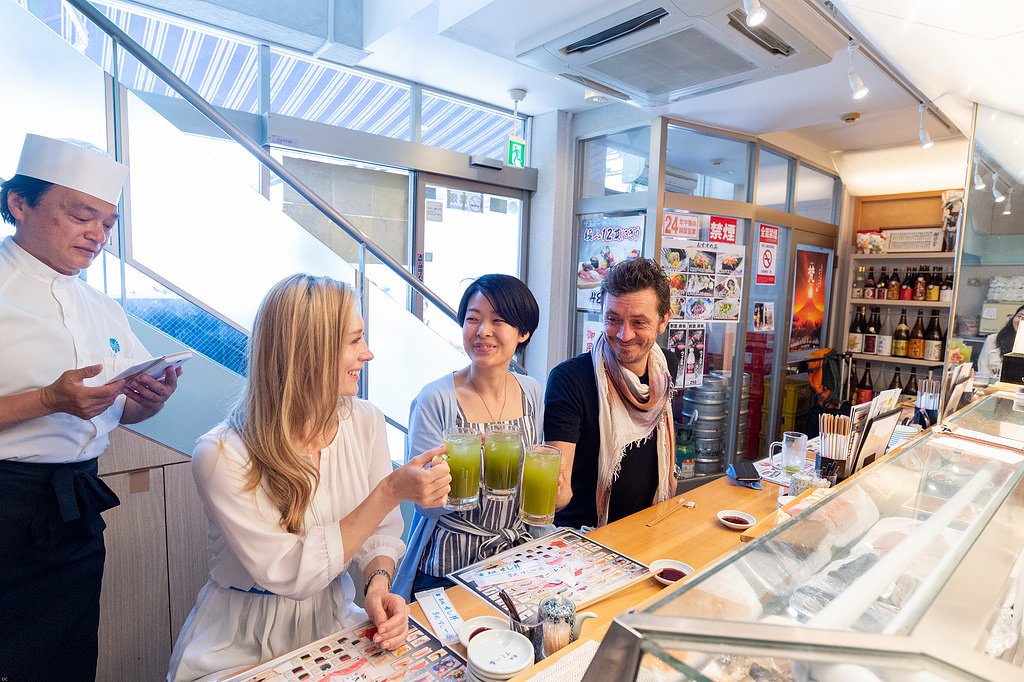
Tokyo’s food culture comes alive each morning at Tsukiji Outer Market. On this three-hour Tokyo food tour, follow a local Expert through a district shaped by seafood, seasonality, and the geography of Japan itself. Rather than sampling at random, taste your way through a market story that moves from source to craft to plate.
Built on land reclaimed from Tokyo Bay—its name literally means “reclaimed land”—Tsukiji reveals how history and trade have shaped one of the world’s great culinary cities. Begin with an exhibition of historical woodblock prints and photographs of the market’s famous tuna auctions, offering a glimpse of the district before the market opened in 1935 and providing context for the vibrant market you see today.
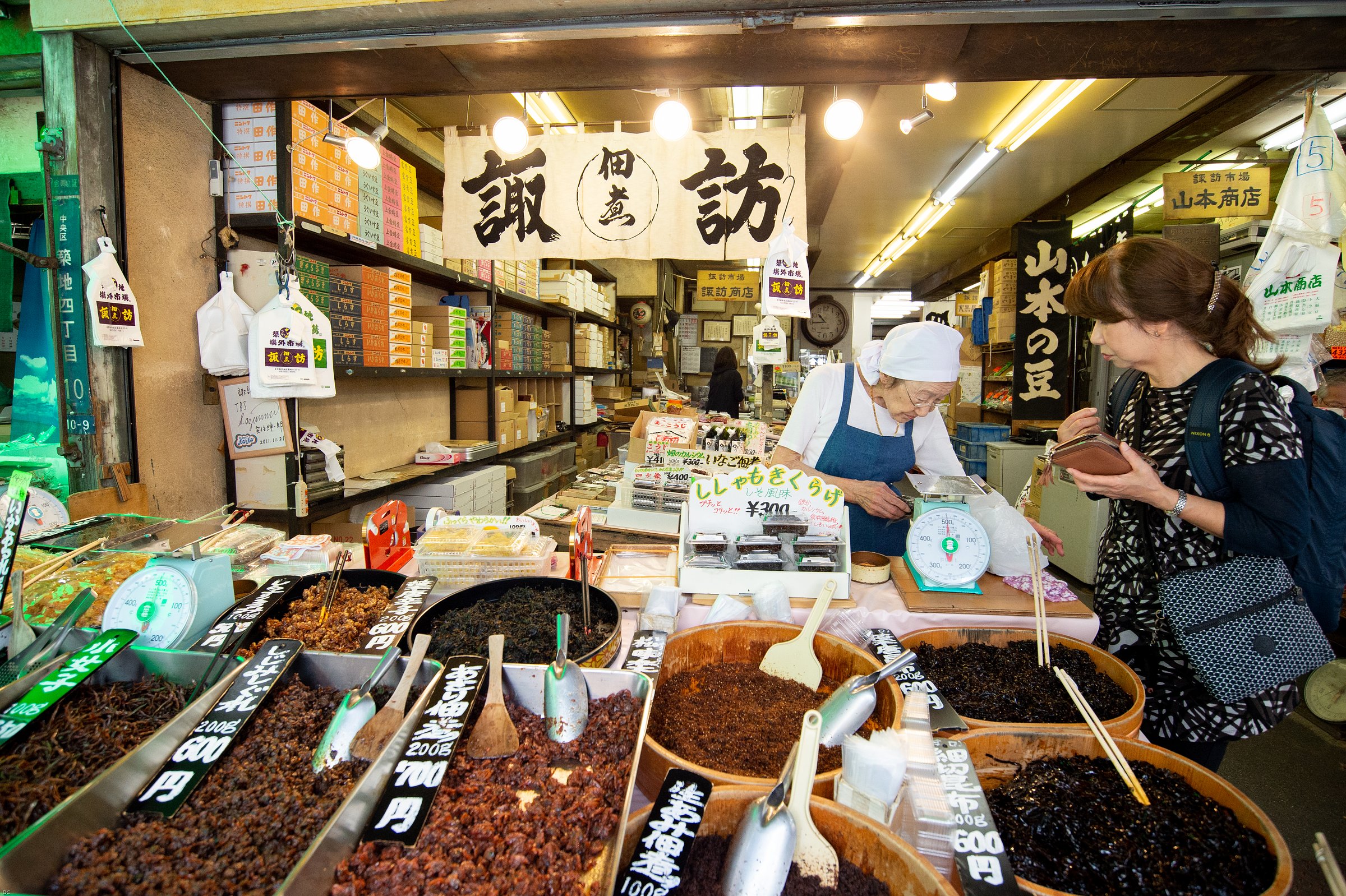
The route then turns toward small shops selling restaurant-quality kitchen supplies, including hand-forged knives. Why do Japanese knives inspire such fascination among chefs and home cooks alike? Your Expert connects blade, ingredient, and technique, revealing how craftsmanship shapes flavour long before food reaches the table.
From there, step into the heart of the market itself—a dense network of stalls and small restaurants where unfamiliar ingredients, seasonal specialties, and local favourites compete for attention. Without local knowledge, it can be difficult to distinguish long-standing specialists from stalls catering primarily to visitors. Your Expert helps you move through the noise with confidence, choosing places worth your time and appetite while steering you away from the obvious traps.
Japanese food speaks through the senses, from careful presentation to contrast in texture and taste. Sample a broad range of ingredients, perhaps humble rice balls, delicate sashimi, tsukemono pickles, Japanese plums, or miso soup broth ingredients. As unfamiliar produce, seafood, or specialties appear, ask what they are, how they are used, and why they matter.
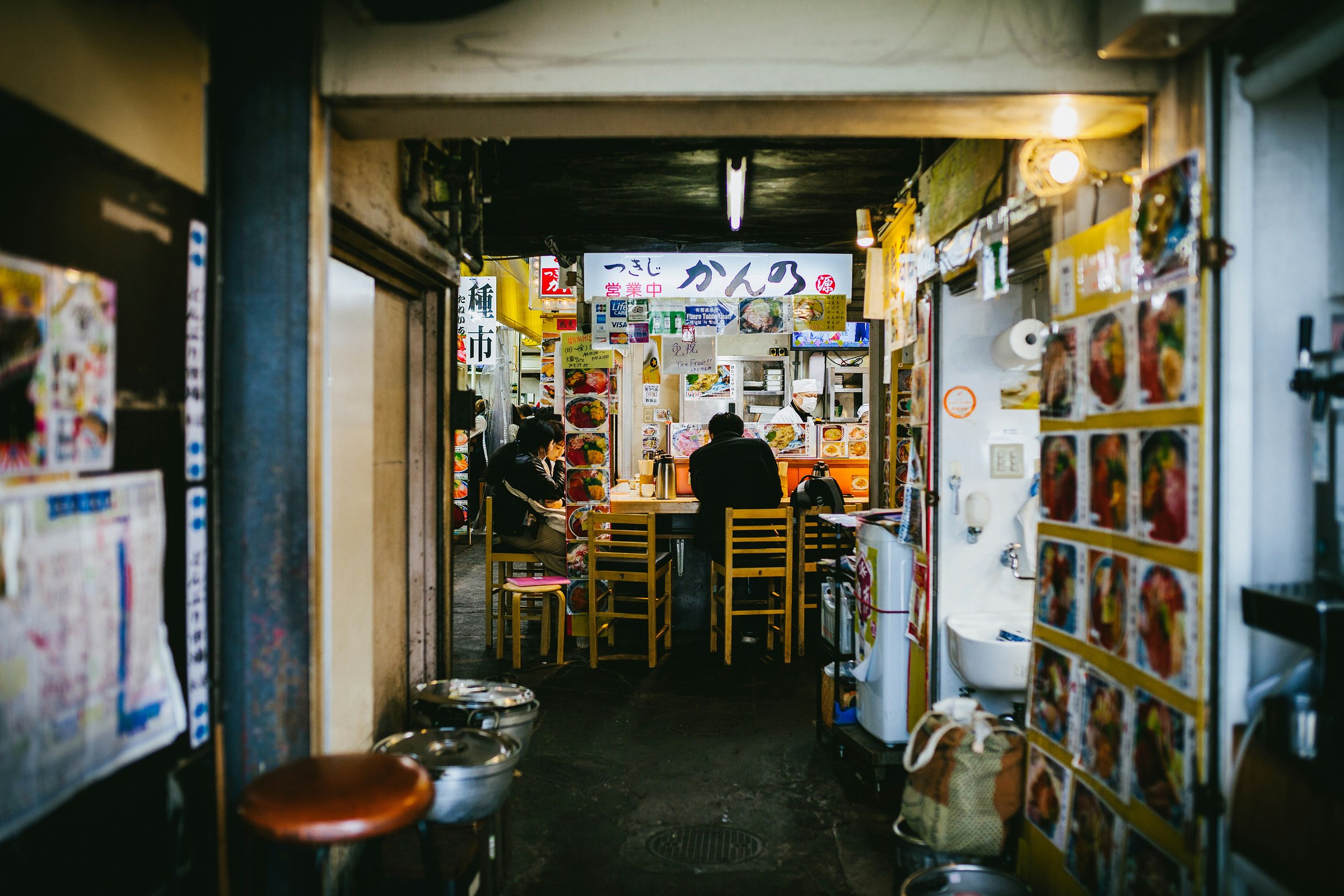
Continue eating through the outer market with possible stops for tamagoyaki, pomegranate vinegar, meat dumplings, or gluten in assorted forms. Tastings vary by guide, season, and availability, but the route is planned to offer a wide, thoughtful initiation into traditional Japanese cuisine. Leave satisfied, with all five senses awake and a clearer understanding of how sea-to-table movement, seasonality, and culture shape what Japan eats.
Meet the Experts












Where You’ll Go
From iconic landmarks to tucked-away local favorites, these are the places you’ll explore and experience firsthand with your Expert.
-
Tsukiji Outer MarketHistoric food district with stalls, shops, and market restaurants
What’s Included As Standard
Here’s a look at what your tour covers, plus anything you’ll want to consider arranging separately, so you can plan with confidence.
Included
-
English-speaking expert guideTours led in English, offering you unbroken understanding throughout.
-
Intentionally sized groupsA smaller group means more time for conversations and questions.
-
Food and drinkThis tour includes tastings that replace a meal. Please list any dietary restrictions at checkout.
Not Included
-
GratuitiesTips aren’t included, but we encourage tipping as a way to thank your guide after your experience.
-
Transportation to and from the meeting pointUnless noted, pre- and post-tour transport isn’t included - this service can be added by request.
-
Hotel pickup or drop-offUnless noted, travel to or from accommodation isn’t included - this service can be added by request.
Where You'll Explore
Make the Most of Your Tour
Some helpful advice for getting the most from your experience, from practical prep to small on-the-day tips.
Dos:
- Wear comfortable footwear
- Check the weather and dress appropriately
- Bring a bottle of water (no glass)
- Feel free to ask your Expert anything
Don'ts:
- Bring firearms or weapons
- Bring sharp objects (e.g. knives, swiss army knives, switchblades, hiking sticks)
- Dress inappropriately to enter religious sites or sacred monuments
Any questions? You can always
contact us.
Frequently Asked Questions
Generally speaking, the walk begins near Tsukiji Market. Your confirmation email will have the exact meeting point details along with a map. The walk typically ends at a restaurant nearby.
While exact tastings vary by guide and your tastes, we can guarantee that you will not leave this experience hungry. The tour through the market culminates in a sit-down stop for either a filling bowl of kaisendon, a plate of tempura, or a variety of sushi.
We do our best to accommodate everyone. If you have severe allergies to seafood or nuts, there will be items you can eat during the tasting, but cross-contamination may be a problem. The best thing to do is to let us know when you book if anyone in your party has allergies or dietary restrictions. We can check in on dishes, order ahead, and do everything possible to ensure you enjoy your tasting and meal. Vegetarians can join, but there will be fewer samples available as the vast majority of the market is seafood. Gluten-free diets are easy to accommodate; there are sometimes trace amounts of wheat in soy sauce, but it can be avoided.
Yes, we strongly recommend a max of 6 per group. Tsukiji Market is busy and the pathways are narrow.
No, unfortunately, the wholesale market section of Tsukiji Market (also known as the 'inner market') where the famous tuna auctions took place closed in October 2018 and moved to a different site.
Yes. Context clients generally tip anywhere from 10-25% of the purchase price of a personal service such as this, depending on the quality of the experience and their tipping habits.
Book with confidence — see Context's flexible cancellation policy here.
We understand that some of our valued guests may have mobility concerns, and we want to ensure you have a comfortable and enjoyable experience throughout your tour. If there are any accessibility concerns that your tour guide will need to be aware of, please let our team know at the time of booking.
Don’t just take our word for it
Susan was a fabulous host
Great market tour encompassing amazing local fish, shellfish, beef, spices, beans, and snacks. Many tastings of outstanding food. Great context and conversation with well-versed Shigenori!
Let Your Curiosity Shape Your Journey
Join passionate experts on intimate walking tours that reveal a city’s unique stories, spark conversations, and leave you seeing the world—and yourself—a little differently.
Structured, never scripted
Your interests guide your Expert, leading to stories and perspectives that matter to you.
Crafted for conversation
With 12 or fewer guests, ask questions, engage with your Expert, and fully immerse yourself.
Experts, not guides
Explore with 1,200+ Experts—from historians and architects to archaeologists and chefs.
Related experiences our customers also loved

Tsukiji Food Tour
Tsukiji is no longer Tokyo’s wholesale fish market, but it remains one of the best places to understand how the city thinks about food. On this Tsukiji food tour, the market becomes a lens on seafood, seasonality, sourcing, craftsmanship, and the relationship between ingredient and technique. Rather than sampling whatever looks interesting, you explore why particular foods matter, how vendors specialize, what changes with the seasons, and how Tokyo’s culinary culture connects the sea, market, kitchen, and table. That framework makes Tsukiji more useful than a collection of snacks. It becomes an introduction to how Japanese food is chosen, prepared, and valued.
Tsukiji’s famous wholesale market and tuna auctions moved to Toyosu in 2018. The Tsukiji Outer Market remained.
Today, its narrow streets are still filled with specialist food vendors, restaurants, kitchenware shops, seafood sellers, and businesses serving both local customers and visitors. Context’s tour takes place in this surviving Outer Market rather than the former wholesale auction area.
That distinction matters because Tsukiji and Toyosu now offer different kinds of experiences.
Toyosu is where Tokyo’s modern wholesale seafood operation is based. Tsukiji is better suited to exploring food at street level: tasting ingredients, meeting specialist vendors, looking at tools, and understanding how seafood and pantry staples move into everyday Japanese cooking.
The value of Tsukiji is no longer seeing an auction. It is learning how to make sense of a dense food district where quality, tradition, tourism, and changing tastes now sit side by side.
Japanese cuisine places unusual emphasis on shun: the period when an ingredient is considered to be at its best.
At Tsukiji, that idea becomes visible. Seafood changes with migration and fishing seasons. Produce appears and disappears. Pickles, condiments, sweets, and prepared foods reflect different moments in the calendar.
Seasonality affects more than availability. It shapes flavor, texture, presentation, price, and the cultural associations attached to a dish.
That is one reason tastings on the tour are not fixed. What makes sense to try depends on the season, the vendors open that day, and what is particularly good in the market. The live itinerary may include sashimi, tamagoyaki, pickles, miso ingredients, rice dishes, dumplings, or other specialties, but the larger lesson is how to recognize why a particular food belongs to that moment.
Choose the Tsukiji Food Tour if your main interest is ingredients, seafood, markets, seasonality, and how Japanese food moves from source to plate.
Choose the Tokyo Night Food Tour: Flavors of Shibuya if you want to understand how Tokyo eats after dark: izakayas, ordering customs, small restaurants, drinks, and the social side of dining out.
Choose the Tokyo Sake Tasting if sake itself is the priority and you want to learn about styles, tasting, etiquette, and pairing in greater depth.
Choose the Tokyo Sushi Making Class if you want a hands-on experience rather than a market walk, learning techniques by preparing sushi yourself.
The distinction is useful:
- Tsukiji for markets, seafood, ingredients, and seasonality.
- Shibuya Night Food for restaurants, izakayas, and dining culture.
- Sake Tasting for drinks, pairing, and sake literacy.
- Sushi Class for hands-on technique mastered in a local's home.
Is Tsukiji Market still open?
Yes. The Tsukiji Outer Market remains active with food stalls, shops, restaurants, kitchenware specialists, and seafood vendors. The former wholesale market and tuna auctions moved to Toyosu in 2018.
Is this a Tsukiji fish market tour?
Yes, although more precisely it is a tour of the Tsukiji Outer Market. The experience focuses on seafood, food culture, vendors, ingredients, kitchen tools, and tastings rather than the wholesale auction operation that once made Tsukiji famous.
Is Tsukiji or Toyosu better for a food tour?
They offer different experiences. Toyosu is the center of Tokyo’s wholesale seafood market, while Tsukiji is better suited to walking between vendors, tasting food, exploring specialty shops, and discussing how ingredients are used in Japanese cooking.
What foods will we try at Tsukiji?
Tastings vary according to the Expert, season, availability, and your preferences. Possible foods include sashimi, tamagoyaki, pickles, rice dishes, miso-related ingredients, dumplings, sweets, and other market specialties. The experience typically ends with a more substantial dish such as kaisendon, tempura, or sushi.
Will I leave the tour hungry?
No. The current tour is structured around multiple tastings and concludes with a more substantial food stop.
How long is the Tsukiji Food Tour?
The tour lasts approximately three hours.
Is this a good Tokyo food tour for first-time visitors?
Yes, especially if you want a framework for understanding Japanese ingredients and seafood early in your trip. The emphasis on seasonality, sourcing, and unfamiliar foods can make restaurants and markets elsewhere in Japan easier to navigate afterward.
Can vegetarians take the tour?
Yes, but the experience is strongly centered on a seafood market, so vegetarian guests will have fewer tasting options. Context recommends sharing dietary requirements in advance.
Can gluten-free guests join?
Gluten-free diets can generally be accommodated, although trace amounts of wheat may occur in ingredients such as soy sauce. Dietary needs should be shared before the tour.
Is the tour suitable for seafood allergies?
Guests with severe seafood allergies should contact Context before booking. There may be suitable foods available, but cross-contamination can be difficult to avoid in a seafood-focused market environment.
Is Tsukiji very crowded?
It can be. The Outer Market has narrow pathways and can become extremely busy, which is why the current page recommends keeping groups small.
Will we see the tuna auction?
No. The tuna auctions moved from Tsukiji to Toyosu when the wholesale market relocated in 2018.
How is this different from the Shibuya Night Food Tour?
The Tsukiji tour is about the food system itself: ingredients, seafood, vendors, seasonality, and market culture.
The Shibuya Night Food Tour is about eating out in Tokyo, including restaurants, izakayas, ordering customs, etiquette, and nightlife.
Should I take both Tsukiji and the Sushi Making Class?
They complement each other rather than duplicate one another. Tsukiji helps you understand ingredients and sourcing. The Sushi Making Class turns the focus to technique by having you prepare food yourself.