Perfect Pair Savings: Book 2+ Tours, Get 10% Off. Ends June 14, 2026.
Amsterdam Private Tours

Amsterdam Tours

Expert-led Amsterdam walking tours that turn canals, commerce, and artistic legacy into meaningful discoveries

Let Your Curiosity Shape Your Journey

Join passionate experts on intimate walking tours that reveal a city's unique stories, spark conversations, and leave you seeing the world—and yourself—a little differently.

Experts, not guides

Explore with 1,200+ Experts, from historians and architects to chefs and archaeologists.

Crafted for conversation

With fewer than ten guests, engage your Expert through questions and immerse fully.

Structured, never scripted

Your interests guide your Expert, leading to stories and perspectives that matter to you.

Curious or connoisseur

First-time visitor or seasoned explorer, our tours span city highlights to deep-dives.

Amsterdam, Seen with Context

Amsterdam isn’t just canals and bicycles. Walk with a local expert to discover how trade, art, and a spirit of independence shaped this remarkable city.

Hear from our customers

2,527 Reviews

Vanessa was very knowledgeable and had great energy
Photo Shared by Sarah with their review

It was excellent. Our guide was extremely knowledgeable about the history and architecture of the museum and about the paintings we were interested in seeing. She gave us time in each gallery, talked about the historical significance of several paintings in each, connected them to others we might see, and allowed us sufficient time to explore. She was extremely personable, and eager to make sure we had the benefit of her considerable knowledge.

Sabry was deeply knowledgeable about art, and we particularly enjoyed his explanations of the meaning of colors and objects in various paintings.

Amsterdam Walking Tours

Amsterdam is often reduced to canals, bicycles, and postcard views. But beneath the surface is a city shaped by trade, migration, religion, colonial ambition, artistic experimentation, and a long tradition of independence.

The challenge isn’t finding beautiful places to walk. It’s understanding why the city looks and functions the way it does.

The right tour helps connect Amsterdam’s canals, museums, neighborhoods, and daily life into a deeper story about how the Dutch capital became one of Europe’s most influential cities. 

Best for First-Time Visitors

If it’s your first time in Amsterdam, begin with experiences that introduce both the historic center and the broader story of the Dutch Golden Age.

These tours connect the canal belt, Dam Square, merchant houses, and museums into a clearer understanding of how Amsterdam grew through commerce, engineering, and global exchange. 

Best for Art & Museums

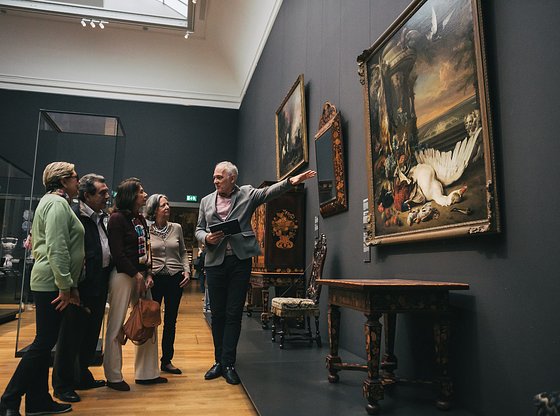
Amsterdam’s museums hold some of Europe’s most important artistic collections, but context transforms them from galleries into conversations about identity, wealth, religion, and daily life.

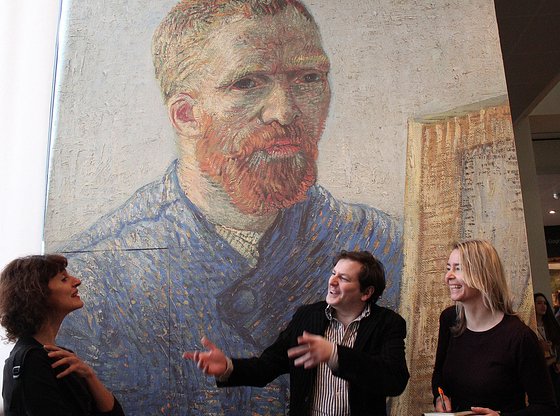
With art historians and curators leading the experience, works by Rembrandt, Vermeer, Frans Hals, and Van Gogh become part of a larger story about Dutch society and artistic innovation. Many of Context’s Amsterdam experts have backgrounds at institutions like the Rijksmuseum, Van Gogh Museum, and university art history departments. 

Best for History & the Dutch Golden Age

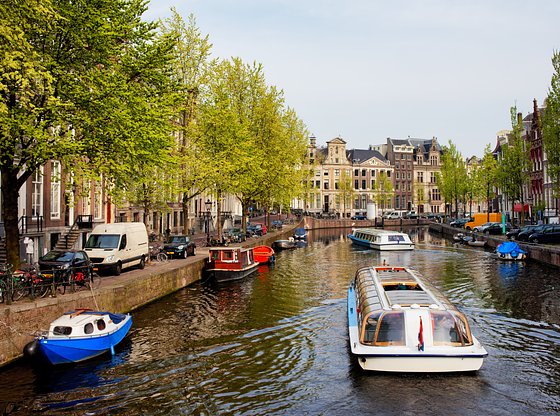
Amsterdam’s canal system was not built simply for beauty. It reflected wealth, planning, and global trade during the seventeenth century.

These experiences explore how shipping, finance, religion, and colonial trade shaped the city’s rise and left visible marks on its architecture and urban design. 

Best for Families

Amsterdam works especially well for families because of its compact scale and interactive museums.

These tours are designed to engage children through storytelling, visual observation, and conversation rather than passive explanation. 

Best for Day Trips from Amsterdam

Some of the Netherlands’ most revealing landscapes and cultural sites sit beyond the city.

These experiences broaden the story of the Netherlands through gardens, engineering, modern art, and political history. 
Amsterdam sits at the mouth of the Amstel River in the Netherlands, where trade, engineering, and cultural exchange shaped one of Europe’s most distinctive cities. 

In the 17th century, Amsterdam became the center of a global trading network during the Dutch Golden Age, producing extraordinary wealth, groundbreaking art, and ambitious urban planning. Its canals, merchant houses, and museums still reflect that moment of prosperity, even as the city continues to evolve as a center of design, sustainability, and social experimentation. 

Today, Amsterdam rewards travelers who look beyond the picturesque canals to understand how commerce, creativity, and tolerance shaped the city. Thoughtful exploration reveals a place where art, architecture, and daily life remain deeply connected.
Amsterdam rewards travelers who enjoy exploring cities through stories, ideas, and layered history. 

First-time visitors will appreciate an expert introduction to the canal district and the city’s Golden Age foundations. 

Lifelong learners will find rich connections between art, politics, religion, and commerce in the city’s museums and historic streets. 

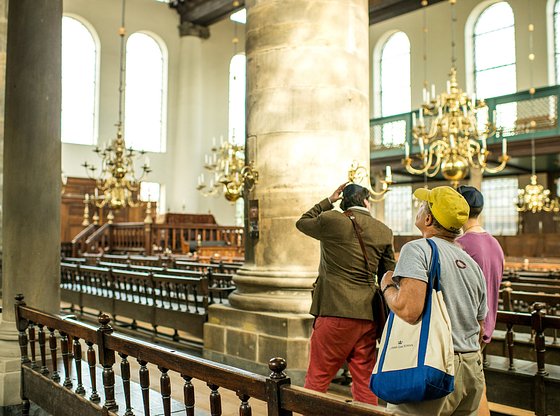
Families often enjoy Amsterdam’s walkable scale and engaging museum experiences, while repeat visitors can explore deeper themes such as Jewish heritage, urban design, and the legacy of global trade.
For many travelers, it comes down to how they want to experience Amsterdam.

You can absolutely walk the canals, visit the museums, and explore the neighborhoods independently. But Amsterdam’s deeper story is easy to miss without context. The canal belt may look picturesque until you understand how it reflected global trade and engineering ambition. Dutch paintings become much richer once you understand the society that produced them. Even the city’s famous openness and tolerance carry a more complicated history than many visitors expect.

Context Travel’s Amsterdam guided tours are designed to bring those connections into focus.

Led by historians, curators, art historians, and local specialists, these tours help travelers understand how commerce, religion, migration, art, and urban planning shaped Amsterdam into the city it is today. Many of Context’s experts have worked at institutions like the Rijksmuseum or Van Gogh Museum, bringing firsthand academic and museum experience into the conversation. 

We also offer several ways to explore depending on your travel style:
  •  Audio guides for independent travelers (starting around $20) 
  •  Small group walking tours (starting around $122–$144 per person) 
  •  Private tours for more flexibility and deeper discussion (starting around $400+) 

If you’re looking to move beyond the postcard version of Amsterdam and better understand the city’s art, history, and everyday culture, many travelers find that value well worth it.
Amsterdam is a compact and walkable city, making it well suited for guided walking tours and neighborhood exploration. Most visitors spend 2–3 days exploring the historic center, canal district, and museum quarter, though longer stays allow time to experience surrounding neighborhoods and cultural institutions.

The best time to visit is spring through early autumn, when outdoor walking tours and canal views are particularly enjoyable. Tulip season typically runs from mid-March through mid-May, with peak blooms often occurring in April.

Public transportation is efficient, with trams, buses, and trains connecting neighborhoods and nearby cities. Bicycles remain the preferred mode of transportation for locals, so visitors should stay aware of dedicated bike lanes when walking through the city. English is widely spoken, and the local currency is the euro.

How many days do you need in Amsterdam?

Most travelers spend two to three days in Amsterdam, which allows time to explore the canal district, major museums like the Rijksmuseum and Van Gogh Museum, and key historical neighborhoods.

Is Amsterdam safe for visitors?

Yes, Amsterdam is considered one of the safest capital cities in Europe. Travelers should still stay aware of bicycles, busy pedestrian areas, and crowded tourist zones.

What is Amsterdam known for?

Amsterdam is known for its historic canal system, Golden Age art, world-class museums, and a long history as a center of international trade and cultural exchange.

What should you do in Amsterdam?

Many visitors begin with the canal district and museum quarter, exploring landmarks like the Rijksmuseum, Van Gogh Museum, and historic merchant houses before discovering neighborhoods such as Jordaan or De Pijp.

Is Amsterdam easy to explore on foot?

Yes. Much of the historic center is compact and walkable, making Amsterdam walking tours one of the best ways to understand the city’s history and urban design.