Why is Amsterdam’s Canal Belt a UNESCO World Heritage Site?
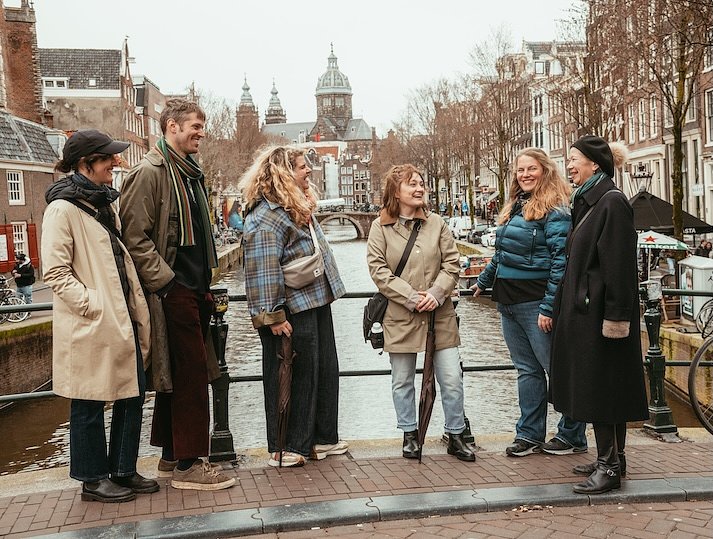
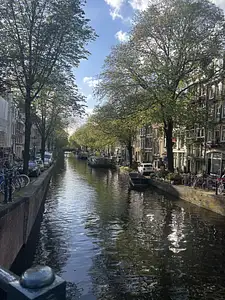
The seventeenth-century Canal Belt is recognized because it represents an unusually ambitious and coherent example of large-scale urban planning. Its canals, streets, plots, and architecture reflect the way Amsterdam expanded during a period of rapid economic and population growth.
How old are Amsterdam’s canals?
Some waterways in Amsterdam are medieval, but much of the famous Canal Belt dates to the seventeenth century. The major expansion began during the Dutch Golden Age, when the city needed new residential, commercial, and transport infrastructure.
What is a saloon boat?
A saloon boat is a smaller enclosed or partially enclosed vessel traditionally designed for comfortable private travel on the canals. The boats used on this tour are restored historic vessels, giving the experience a very different character from a large commercial sightseeing boat.
Why are Amsterdam canal houses so narrow?
Canal houses were built on long, narrow plots extending back from the street or water. That urban layout produced the tall, slender façades that now characterize much of central Amsterdam.
Why do Amsterdam houses have hooks at the top?
Many historic canal houses have projecting beams or hooks near the roofline. Because internal staircases were often narrow, large furniture and goods could be hoisted through upper windows using ropes and pulleys.
Is a private canal tour worth it if I have already taken a canal cruise?
Yes, particularly if your first cruise was primarily sightseeing. A private historian-led experience can focus much more closely on architecture, trade, urban planning, water management, and the specific questions that interest you.