Perfect Pair Savings: Book 2+ Tours, Get 10% Off. Ends June 14, 2026.
Barcelona private walking tours

Barcelona Tours

Expert-led Barcelona walking tours that turn bold architecture and Catalan identity into meaningful discoveries

Let Your Curiosity Shape Your Journey

Join passionate experts on intimate walking tours that reveal a city's unique stories, spark conversations, and leave you seeing the world—and yourself—a little differently.

Experts, not guides

Explore with 1,200+ Experts, from historians and architects to chefs and archaeologists.

Crafted for conversation

With fewer than ten guests, engage your Expert through questions and immerse fully.

Structured, never scripted

Your interests guide your Expert, leading to stories and perspectives that matter to you.

Curious or connoisseur

First-time visitor or seasoned explorer, our tours span city highlights to deep-dives.

Barcelona, Seen with Context

Barcelona isn’t just Gaudí and seaside boulevards. Walk with an expert to see how medieval merchants, Catalan identity, and bold architecture shaped the city.

Hear from our customers

3,859 Reviews

Anna was an excellent guide and wonderful person to spend the day with as we toured. I would highly recommend her to friends.

Very pleasant and knowledgeable! Skipped the lines as well. Great several hours.

Ines was a great tour guide! We had a great time with her!

Barcelona Private Walking Tours

Barcelona is a city that wears many identities at once. Roman foundations sit beneath medieval streets. Gaudí’s architecture bends against the logic of the modern grid. Markets, beaches, political movements, and neighborhood traditions all shape the rhythm of daily life.

The challenge isn’t finding things to do. It’s understanding how those pieces connect.

The right tour helps reveal the deeper story behind the city’s architecture, food, and Catalan identity.

Best for First-Time Visitors

If it’s your first time in Barcelona, begin with experiences that connect the city’s major districts and historical layers.

These tours trace Barcelona from its Roman origins through the Gothic Quarter and into the modern expansion of the Eixample, helping you understand how the city evolved politically, architecturally, and culturally. 

Best for Gaudí & Architecture

Barcelona is one of the world’s great architectural cities, but Gaudí’s work becomes far more meaningful with context.

With an architect or art historian, these buildings reveal themselves not simply as landmarks, but as experiments in symbolism, religion, engineering, and Catalan Modernisme. 

Best for History & Catalan Identity

Barcelona’s history is deeply tied to questions of language, regional identity, and political power.

These experiences explore the tensions and movements that shaped modern Catalonia, from medieval autonomy to the Spanish Civil War and contemporary independence debates. 

Best for Food & Culinary Culture

Barcelona’s food culture reflects both Mediterranean traditions and Catalonia’s distinct regional identity.

Markets, tapas bars, and specialty food shops become a way to understand trade, migration, seasonality, and daily life in the city. 

Best for Art & Creative Life

Barcelona shaped some of the twentieth century’s most important artistic figures.

This experience traces Picasso’s formative years in Barcelona, exploring the cafés, neighborhoods, and artistic circles that influenced his early work and creative identity. 

Best for Day Trips from Barcelona

Catalonia’s broader landscape adds another dimension to understanding Barcelona.
  •  Montserrat Day Trips 
  •  Girona Day Trips 

These experiences connect Barcelona to pilgrimage traditions, mountain landscapes, medieval towns, and the wider cultural history of Catalonia. 
Barcelona is highly walkable, particularly in historic districts such as the Gothic Quarter, El Born, and the Eixample. Most visitors spend three to four days exploring the city’s major sites, museums, and neighborhoods, often combining walking tours with time for independent exploration.

Spring and fall provide the most comfortable weather for Barcelona walking tours, while summer visits often benefit from early morning or evening experiences. Public transportation—including metro, buses, and trains—connects the city efficiently, making it easy to reach neighborhoods and nearby destinations. Catalan and Spanish are both spoken locally, and the currency used throughout Spain is the euro.
Barcelona is known for its architecture, cultural identity, and a regional cuisine shaped by Mediterranean geography and centuries of trade.

Modernisme and Gaudí’s Architecture
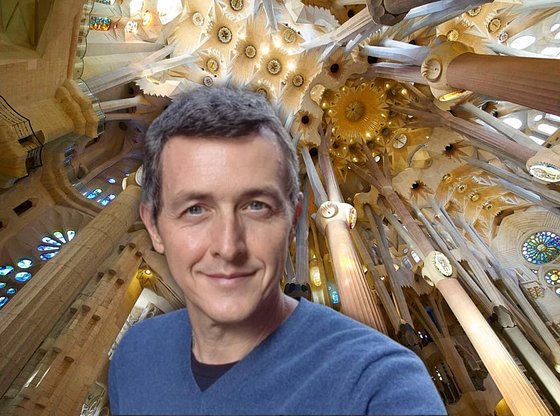
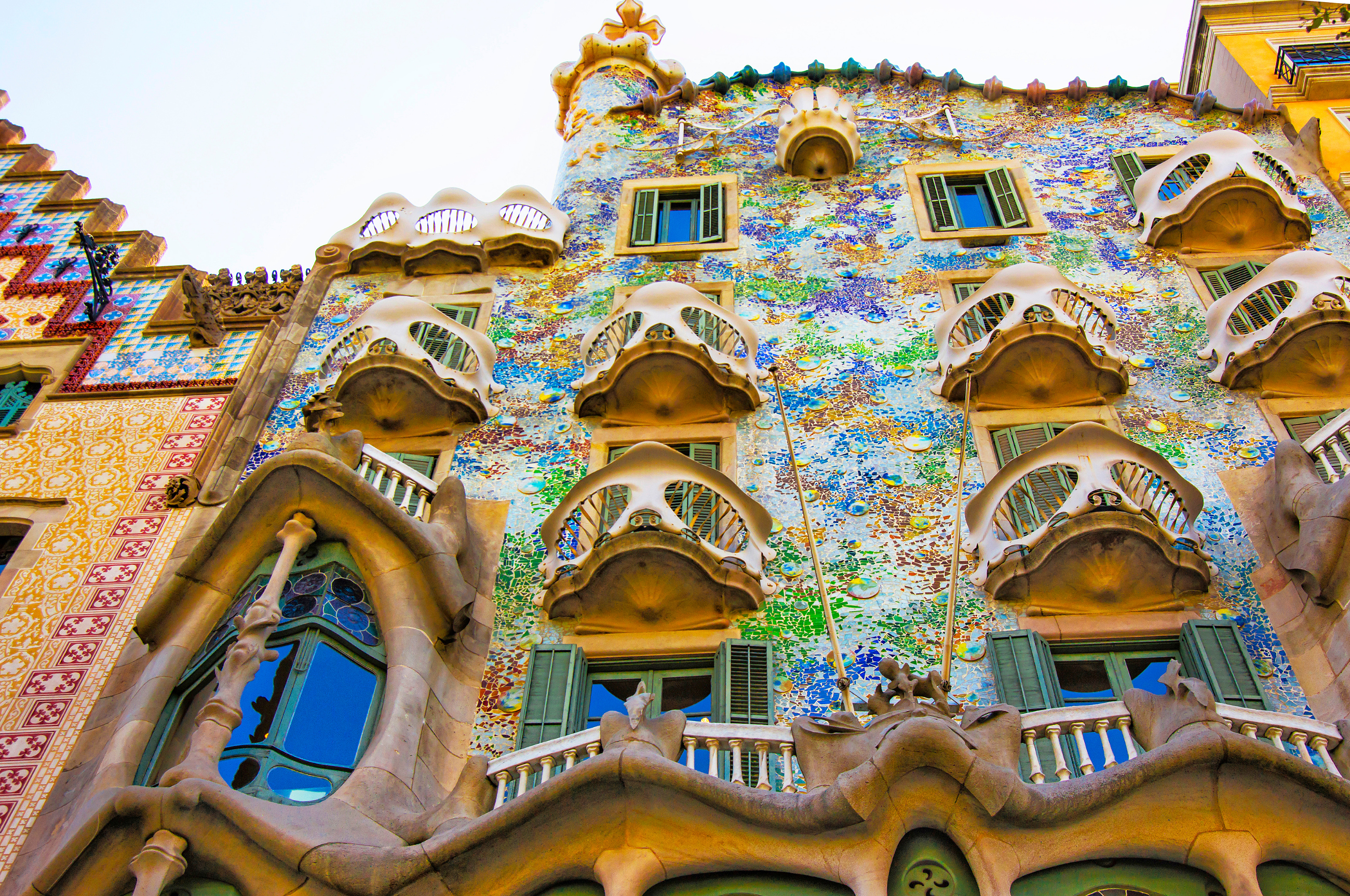
Barcelona is the center of the Catalan Modernisme movement, best represented by Antoni Gaudí’s imaginative buildings such as the Sagrada Familia and Casa Batlló, which combine engineering innovation with symbolism drawn from nature and religion.

Roman and Medieval Foundations
The city began as Roman Barcino, traces of which remain in the Gothic Quarter. Medieval trade later transformed Barcelona into one of the Mediterranean’s most important commercial ports.

Catalan Culture and Identity
Barcelona is the cultural heart of Catalonia, where language, festivals, and civic traditions reflect a strong regional identity distinct from the rest of Spain.

Markets and Mediterranean Cuisine
Barcelona’s culinary culture is rooted in markets like La Boqueria and dishes shaped by the Mediterranean pantry, including olive oil, seafood, seasonal produce, and Catalan staples such as pa amb tomàquet.

Urban Design and Public Space
The city’s 19th-century Eixample district introduced innovative grid planning and wide boulevards, reflecting Barcelona’s ambition to combine beauty, efficiency, and modern urban life.

For many travelers, it comes down to how they want to experience Barcelona.

It’s possible to visit the Sagrada Familia, wander the Gothic Quarter, or explore markets independently. But Barcelona’s meaning often sits beneath the surface. Gaudí’s architecture can feel purely visual until you understand the religious symbolism and political context behind it. Neighborhoods like Gràcia or El Born become much richer once you understand how local identity, migration, and urban planning shaped them.

Context Travel’s Barcelona guided tours are designed to make those connections clearer.

Led by architects, historians, art historians, chefs, and licensed local experts, our tours focus on helping travelers understand how Barcelona evolved—from Roman Barcino to a medieval trading city to the cultural heart of modern Catalonia. Whether you’re exploring the Sagrada Familia, tasting your way through La Boqueria, or discussing Catalan identity in Gràcia, the goal is not simply to see the city, but to understand how it works.

We also offer several ways to explore depending on your travel style:
  •  Audio guides for independent travelers (starting around $20) 
  •  Small group walking tours (starting around $100 per person) 
  •  Private tours for more flexibility and deeper conversation (starting around $430+) 

If you’re looking to move beyond landmarks and experience Barcelona with more clarity, depth, and local insight, many travelers find that value well worth it.
Barcelona rewards travelers who want to understand how architecture, culture, and daily life intersect. 

First-time visitors benefit from guided introductions that connect landmarks like the Sagrada Familia and the Gothic Quarter into a clear narrative of the city’s development. 

Lifelong learners are drawn by Gaudí’s architecture, Catalan identity, and the political history that shaped the region. 

Families appreciate the city’s walkable neighborhoods and engaging storytelling around art and architecture, while repeat visitors often explore food culture, markets, and neighborhoods beyond the main sights.
Barcelona is highly walkable, particularly in historic districts such as the Gothic Quarter, El Born, and the Eixample. Most visitors spend three to four days exploring the city’s major sites, museums, and neighborhoods, often combining walking tours with time for independent exploration.

Spring and fall provide the most comfortable weather for Barcelona walking tours, while summer visits often benefit from early morning or evening experiences. Public transportation—including metro, buses, and trains—connects the city efficiently, making it easy to reach neighborhoods and nearby destinations. Catalan and Spanish are both spoken locally, and the currency used throughout Spain is the euro.

How many days should you spend in Barcelona?

Most travelers spend three to four days in Barcelona to explore major landmarks, museums, neighborhoods, and possibly take a day trip into Catalonia.

Is Barcelona walkable?

Yes. Neighborhoods such as the Gothic Quarter, El Born, and Eixample are compact and well-suited to walking tours that reveal the city’s history and architecture.

What is Barcelona known for?

Barcelona is known for Antoni Gaudí’s architecture, the Sagrada Familia, its medieval Gothic Quarter, Catalan culture, and a culinary tradition rooted in Mediterranean ingredients.

What should you see in Barcelona?

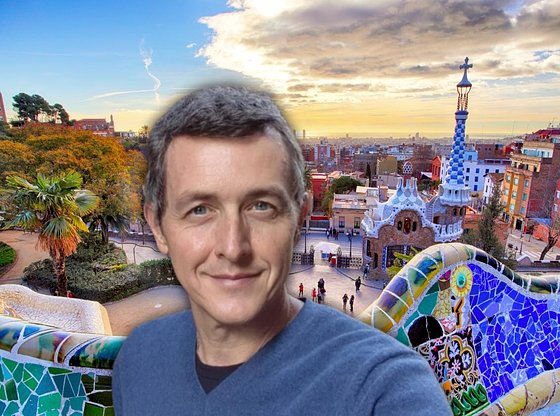
Many visitors begin with the Sagrada Familia, Park Güell, and the Gothic Quarter before exploring markets like La Boqueria, modernist buildings in the Eixample, and nearby destinations such as Montserrat.

Are guided walking tours worth it in Barcelona?

Because Barcelona’s architecture, history, and regional identity are deeply interconnected, expert-led Barcelona walking tours help travelers understand the city beyond its landmarks.