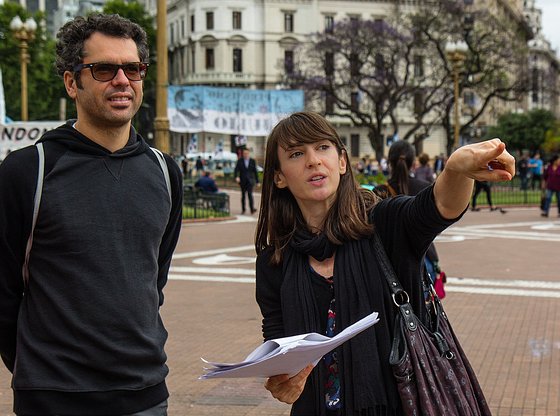







Gabby was great knew her material and more. Pleasant to be with outstanding tour. I have been using Context guides since the beginning. Never failed me or my friends who I recommend them to. Thank you Gabby for holding up the reputation. My only compliant was the pre tour information. Did not get thru to me properly and in a timely manner.

Buenos Aires Tours
Expert-led Buenos Aires private tours that turn tango, architecture, and cultural passion into meaningful discoveries
Let Your Curiosity Shape Your Journey
Join passionate experts on intimate walking tours that reveal a city's unique stories, spark conversations, and leave you seeing the world—and yourself—a little differently.
Experts, not guides
Explore with 1,200+ Experts, from historians and architects to chefs and archaeologists.
Crafted for conversation
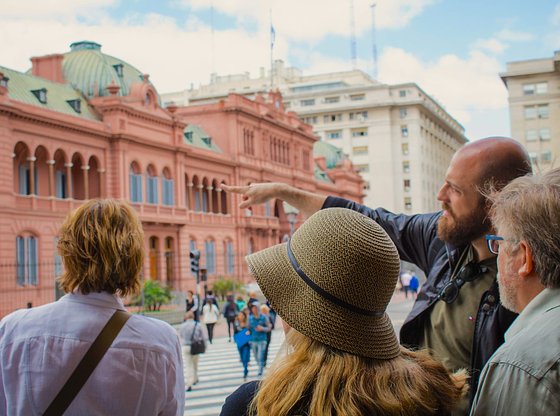
With fewer than 12 guests, engage your Expert through questions and immerse fully.
Structured, never scripted
Your interests guide your Expert, leading to stories and perspectives that matter to you.
Curious or connoisseur
First-time visitor or seasoned explorer, our tours span city highlights to deep-dives.
Buenos Aires, Seen with Context
Buenos Aires isn’t only tango and grand avenues. Walk with an expert to uncover how immigration, politics, and artistic passion shaped Argentina’s capital.
Hear from our customers
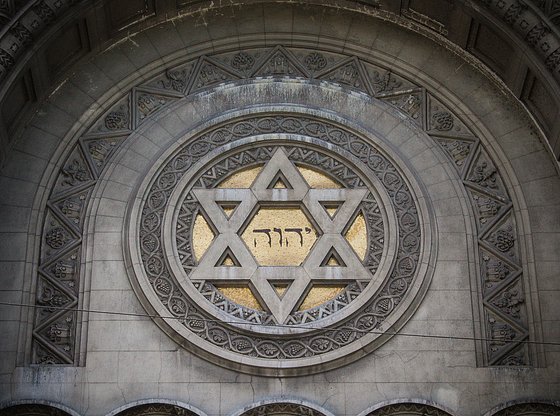
We had a great experience with Gaby on our tour. She is articulate, knowledgeable, helpful and very accommodating. We learned a lot about the history, culture and aspirations of the local Jewish community and Argentina in general. She even helped us with shopping Information and great places to dine. The Jewish gauchos and colonies and communes that they founded was something we had never heard or knew about before. All together we highly recommend Gaby for your next tour in Buenos Aires.
Juan did a fantastic job and we enjoyed the tour very much.
Buenos Aires Walking Tours
Buenos Aires sits along the Río de la Plata in eastern Argentina, a city shaped by waves of immigration, political transformation, and cultural exchange. Founded during the Spanish colonial period, the city grew rapidly in the late 19th and early 20th centuries as European immigrants arrived in search of opportunity. Their influence reshaped Buenos Aires’ architecture, cuisine, and identity, creating a city that blends Latin American energy with European cultural traditions.
Today Buenos Aires is known for its vibrant neighborhoods, historic cafés, and artistic life—from tango music to literature and theater. Yet the city’s character is best understood by exploring how these influences intersect in everyday life. Context Travel’s Buenos Aires tours are led by historians, cultural experts, and local specialists who help travelers connect the city’s neighborhoods, architecture, and traditions into a deeper understanding of Argentina’s past and present.
Buenos Aires is known for its rich cultural life, European-influenced architecture, and traditions that reflect Argentina’s diverse heritage.
European Architecture in South America
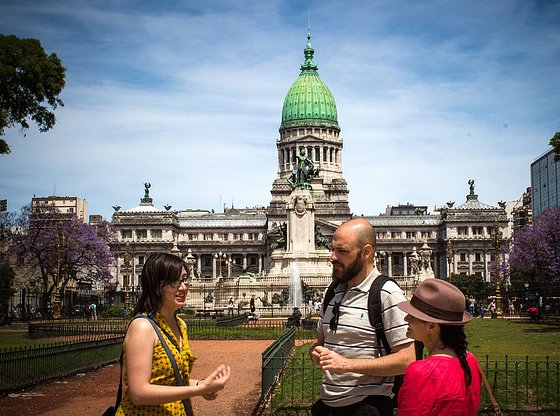
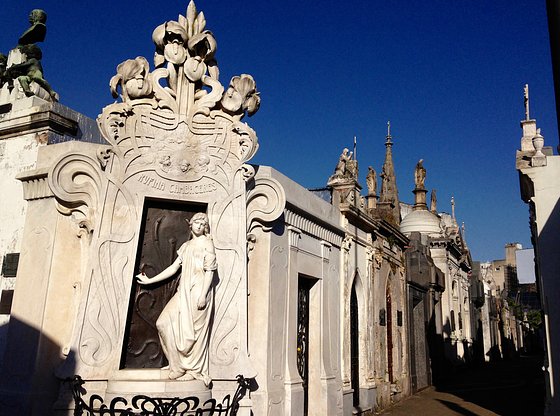
Many buildings in Buenos Aires reflect French, Italian, and Spanish architectural styles introduced during the city’s economic boom in the late 19th century.
Tango and Musical Culture
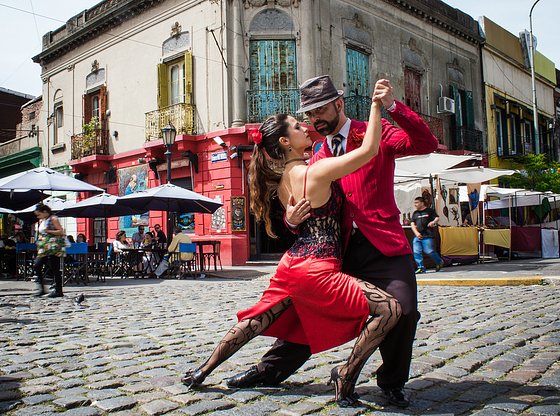
Tango emerged in Buenos Aires’ working-class neighborhoods in the late 1800s and remains one of Argentina’s most influential cultural expressions.
Historic Cafés and Literary Life
Buenos Aires has long been a center of intellectual and literary culture, with historic cafés that served as gathering places for writers, artists, and political thinkers.
Neighborhood Identity
Districts such as San Telmo, La Boca, and Recoleta reflect different chapters of the city’s social and cultural history.
Argentine Culinary Traditions
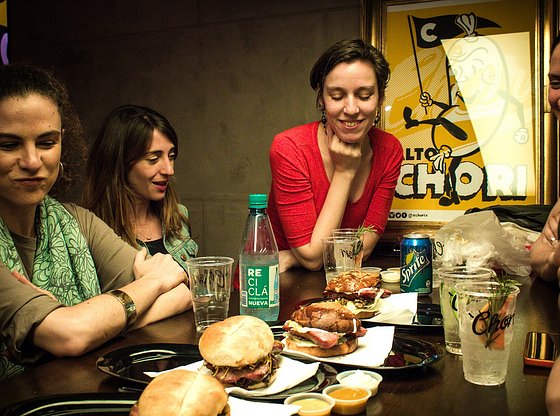
The city’s food culture highlights Argentine beef, wine, and regional specialties shaped by both European and local influences.
Buenos Aires appeals to travelers interested in culture, architecture, and everyday city life. First-time visitors benefit from guided introductions that connect the city’s neighborhoods and landmarks into a coherent story of immigration and national identity. Lifelong learners are drawn to Buenos Aires’ literary traditions, political history, and cultural movements such as tango. Couples and repeat travelers often enjoy exploring historic cafés, markets, and neighborhoods that reveal the city’s distinctive rhythm and character.
Buenos Aires is a large city, but many of its most historic neighborhoods, including San Telmo, Recoleta, and Palermo, are well-suited for private walking tours. Taxis and public transportation make it easy to travel between districts.
Most travelers spend three to four days in Buenos Aires exploring neighborhoods, museums, and cultural sites. Spring and autumn offer the most comfortable weather for walking tours.
Spanish is the primary language spoken in Buenos Aires, though English is commonly spoken in tourism and hospitality settings. Argentina uses the Argentine peso (ARS) as its currency.
What is Buenos Aires known for?
Buenos Aires is known for tango music, European-influenced architecture, historic cafés, and vibrant neighborhoods that reflect Argentina’s cultural diversity.
Is Buenos Aires worth visiting?
Yes. Buenos Aires offers a rich mix of culture, architecture, and culinary traditions, making it one of South America’s most dynamic cities.
How many days should you spend in Buenos Aires?
Most travelers spend three to four days exploring the city’s neighborhoods, museums, and cultural traditions.
Is Buenos Aires walkable?
Many neighborhoods are walkable, though the city is large. Walking tours are a great way to explore individual districts.
Why is Buenos Aires called the “Paris of South America”?
The nickname reflects the city’s European-style boulevards, architecture, and cultural institutions developed during Argentina’s economic boom in the late 19th century.
What food is Buenos Aires famous for?
Buenos Aires is famous for Argentine beef, empanadas, wine from Mendoza, and a strong café culture rooted in European traditions.
Does Context offer private walking tours in Buenos Aires?
Yes. Context offers private tours in Buenos Aires led by local Experts, including experiences that explore parts of the city on foot. Routes, themes, duration, transportation, and included sites vary by tour.