







Hiroshima requires care and attention, not easy answers. This Hiroshima day trip from Kyoto begins with travel by shinkansen with a local historian. The train journey gives you time to frame the conversation with details on wartime decisions, the scale of civilian loss, and the question of how a city carries memory. By the time you reach Hiroshima, the day has already begun to take shape as an inquiry into destruction, responsibility, and peace.
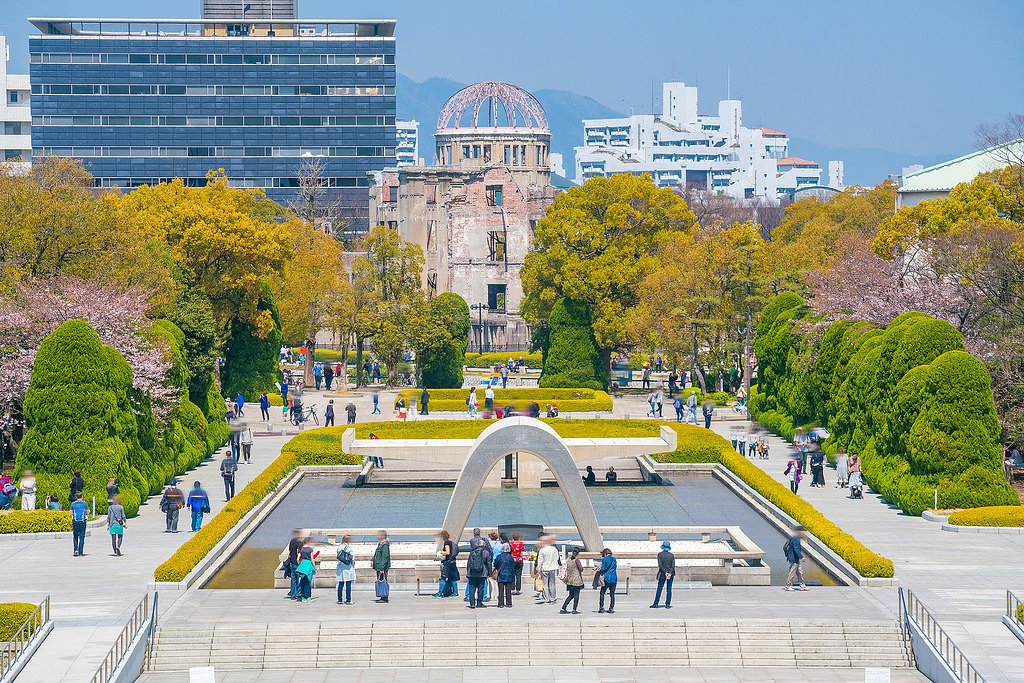
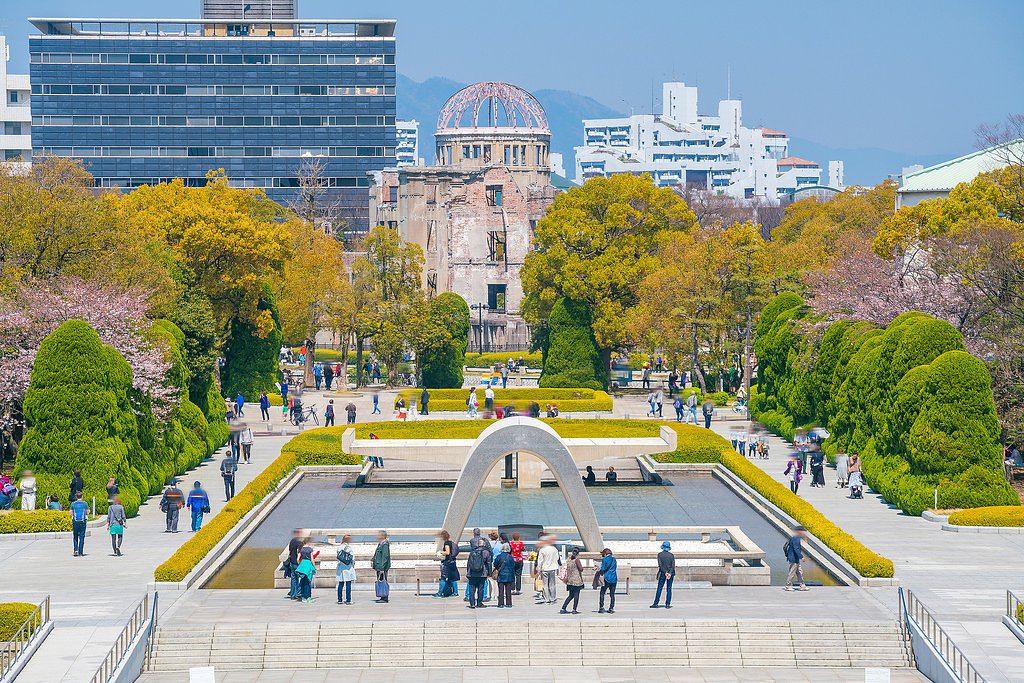
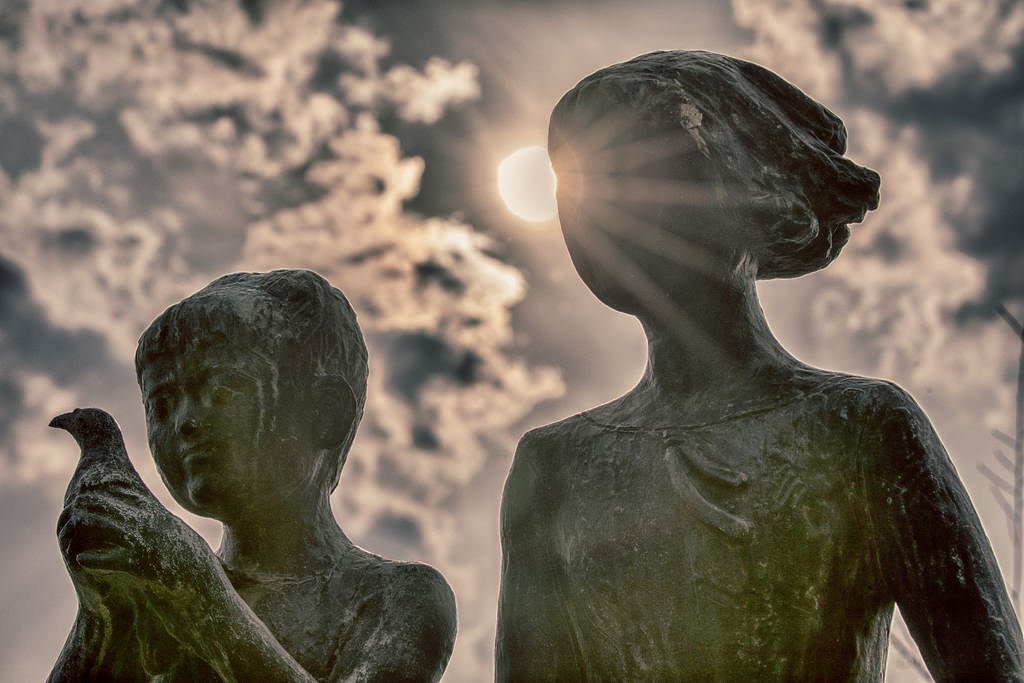
After stepping off the train, enter Hiroshima Peace Memorial Park, once the city’s political and commercial center and home to thousands of residents. The park now holds monuments dedicated to remembrance, including the Flame of Peace, Hall of Remembrance, Memorial Cenotaph, and Children's Peace Monument. Your Context Expert helps you navigate the landscape with care, connecting each memorial to the human lives behind them. What does a city choose to preserve when loss is almost too vast to hold?
Inside the Hiroshima Peace Memorial Museum, the bombing is brought out of abstraction and into reality through artifacts, photographs, film footage, and records. The material can be difficult, and it is meant to be approached slowly. Discuss what happened without spectacle, and trace how personal belongings and testimony reveal a history that belongs to Hiroshima, Japan, and the wider world.
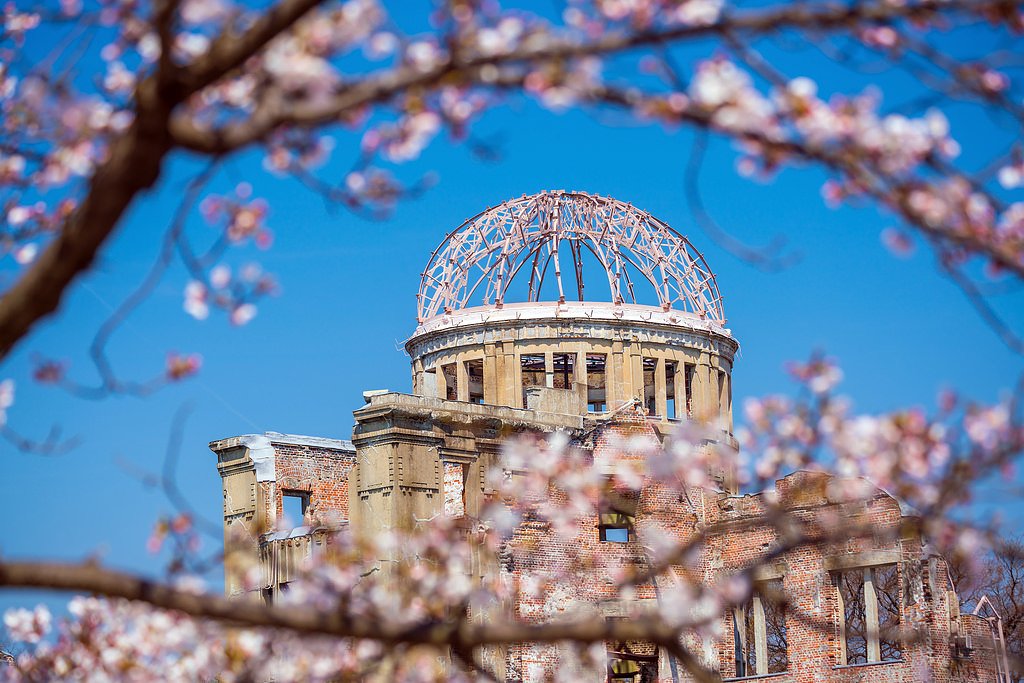
Nearby, the Atomic Bomb Dome offers a different kind of witness. Designed by Czech architect Jan Letzel in 1915 as the Hiroshima Prefectural Industrial Promotion Hall, its shell survived because the bomb detonated almost directly above it. Standing before the ruin, examine how a damaged building became a memorial to those killed. The site also opens space for the question that underpins the day: how did Hiroshima become both a target and a symbol of peace?
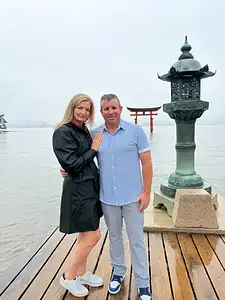
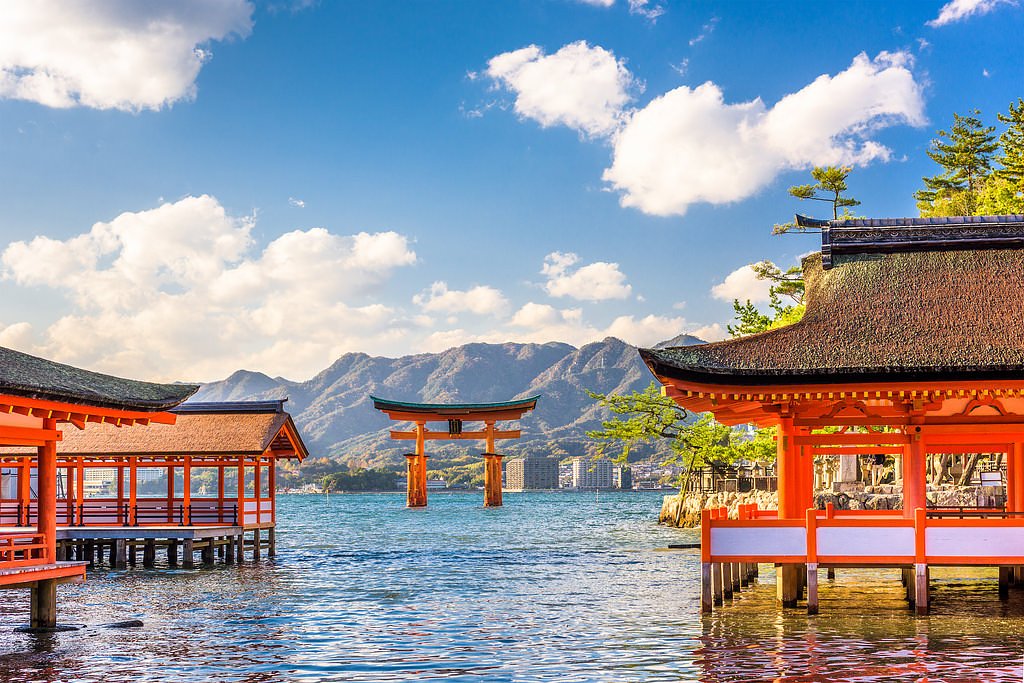
After time for reflection, pause for a quick lunch with your Expert before the tone of the day shifts toward Miyajima Island. The name means shrine island, and its association with Itsukushima Shrine gives the landscape a quieter register. Built in 593, the UNESCO-listed shrine includes 17 buildings and a large torii gate that can appear to float at high tide. Here, vermilion wood, water, and mountain air widen the story from wartime memory to Japanese spiritual practice.
Moving through Miyajima’s spiritual sights, consider how Shintoism and Buddhism have shaped the island and Japanese culture more broadly. The route then returns to the mainland and the train back to Kyoto, with logistics and timing held together so you can stay present to the meaning of the day. Come away with a fuller understanding of Hiroshima: the horror of the atomic bombing, the city’s reconstruction, and the peace culture that now sits at the heart of its identity.