Full-Day Hiroshima Day Trip from Kyoto

Enrich your understanding of this city's rebirth from tragedy to cultural capital

From US$1,601 privately
Book a Tour
Tour Details
Duration
12 hours
Product Type
Tour
Venues
  • Atomic Bomb Dome
  • Hiroshima Peace Memorial Museum
  • Itsukushima Shrine
  • Miyajima Island
Photos & Highlights
  • A comprehensive day-long view into the history and culture of Hiroshima, for Kyoto-based travelers
  • Led by a local historian
Select a date
Tour Description
Hiroshima will forever be scarred by the atomic blast it suffered at the end of World War II, making it a necessary place to visit to understand the incomprehensible degree of destruction wrought during the war. It is also, however, a lively city with a stellar food scene, excellent museums, and plenty of festivals. 

On this full-day Hiroshima excursion from Kyoto, we’re joined by a local historian who will help us grapple with the destruction this city faced, as well as how it was rebuilt to become the thriving hub it is today. We’ll visit the Hiroshima Peace Memorial Park and Museum and the Atomic Bomb Dome before grabbing a quick lunch and heading to Miyajima Island, known for its shrine, torii gate, and stunning views. This tour digs into the contrasts that define Japan—war and peace, urban development, and serene nature, providing a fully fleshed-out idea of what life is like in this important city.
Experts
Marcin Marcin
University Lecturer
Janusz Janusz
Local Guide
John John
Professor
Kana Kana
Local Guide
Arina Arina
Local Guide
Nathan Nathan
Adjunct Professor; Guide
Marc Marc
Scholar
Preston Preston
Musician and Tour Guide
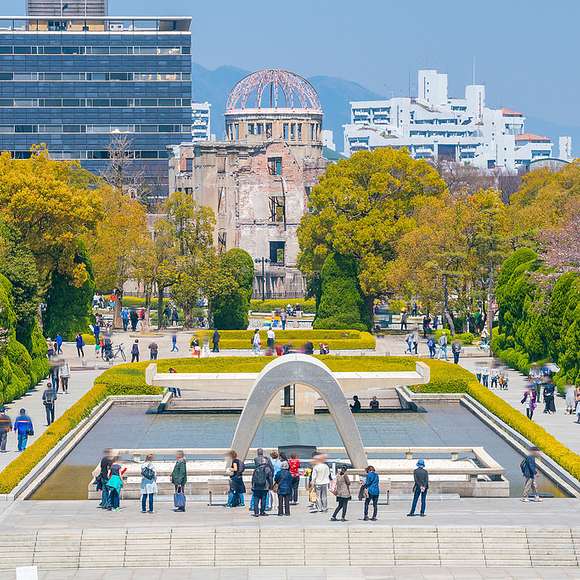
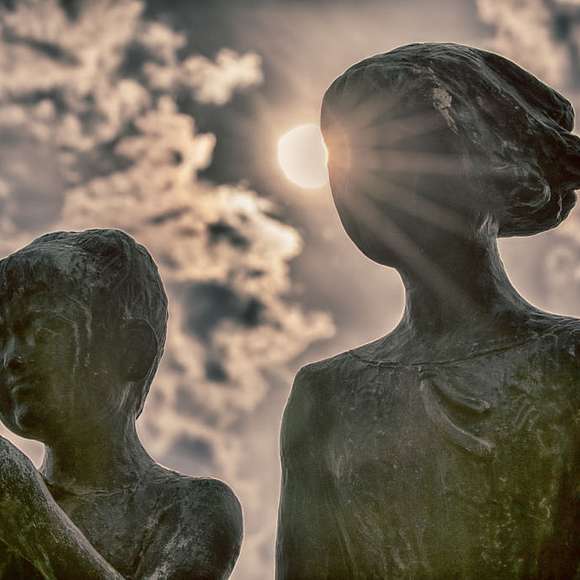
We’ll start our day early, meeting in the lobby of a hotel adjacent to Kyoto Station. Walking over to the station and hopping on our shinkansen (bullet train), we’ll spend the ride getting acquainted with one another, as well as getting a historical overview of the city of Hiroshima. After we step off the train, we’ll head over to Hiroshima Peace Memorial Park—once the political and commercial center of Hiroshima, as well as home to 6,500 people. Hoping for eternal world peace, the park was established near the epicenter of the atomic bomb explosion in remembrance of the victims and as a memorial to peace. As we walk through the park, we will visit various peace monuments scattered about, such as the Flame of Peace, Hall of Remembrance, Memorial Cenotaph, Children’s Peace Monument, and Hiroshima Peace Memorial Museum—the latter of which we will enter to view artifacts ranging from belongings and photos of victims, important film footage, and historical records.

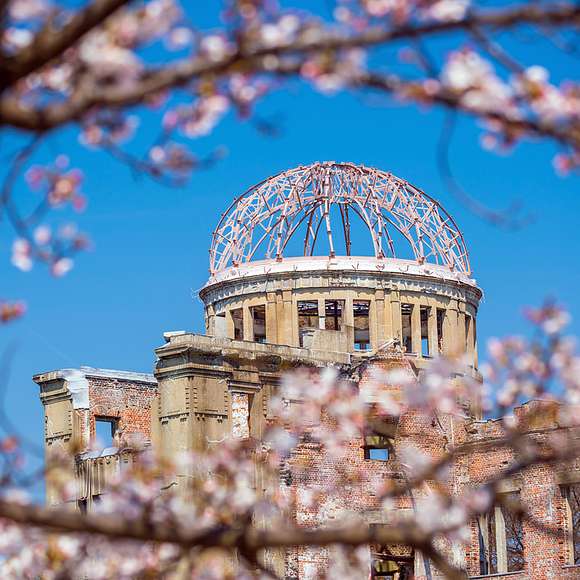
Finally, we’ll pay a visit to the Atomic Bomb Dome. Originally the Hiroshima Prefectural Industrial Promotion Hall, the building and its distinctive dome were designed by Czech architect Jan Letzel in 1915. Because the bomb detonated almost directly above the building, the vertical support columns were able to withstand the impact of the blast; the ruins of the building were eventually converted into a memorial to those killed in the blast.

Off to Miyajima Island

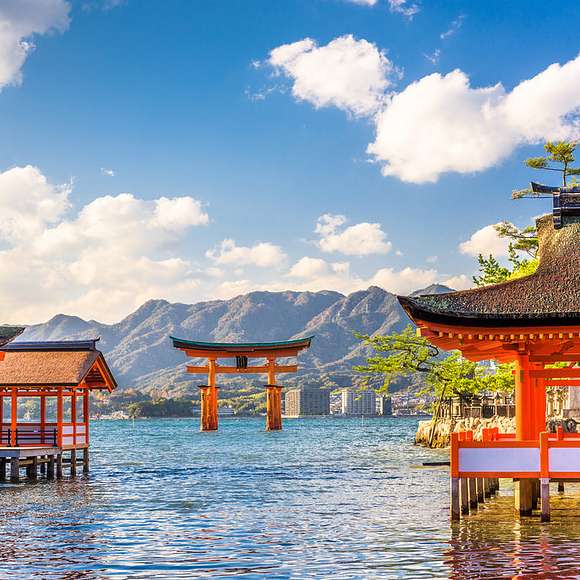
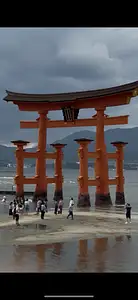
Having spent a few hours visiting the most important sites in remembrance of the horror that took place in the city, we’ll take a quick break, getting some lunch with our guide before proceeding to the next portion of the tour: Miyajima Island. The word ‘Miyajima’ means ‘shrine island,’ named due to its association with its most famous site, Itsukushima Shrine. Built in 593, this UNESCO World Heritage Site consists of 17 buildings and a large torii gate, all of which appear to float on the water during high tide. The torii gate and vermilion color of the shrine are considered to keep evil spirits away. The island is considered one of the three destinations that make up ‘Nihon Sankei’, meaning the top three scenic views of Japan. We’ll spend some time navigating the island’s serene, spiritual sights, getting an in-depth background of the shrine’s religious importance, and the roles that Shintoism and Buddhism have played on the island and Japanese culture as a whole.

Take Aways

Heading back to the mainland, we’ll proceed to the train station, where we’ll begin our return journey. We’ll leave this walk with a deeper understanding of the history of Hiroshima, the terror and destruction that the atomic bomb wreaked upon the city, and how it revitalized itself into a vibrant, thriving city. We’ll also get a taste of Japanese spirituality by visiting one of the nation’s most famous shrines on Miyajima Island.
Where does it start? Where does it end? You'll meet near Kyoto Station. The confirmation email will have the exact spot. After your busy day in Hiroshima, you will return to Kyoto with your guide and end the tour there.

Is it possible to add more participants to my group after checkout?
If you add participants after the time of booking, we cannot guarantee it can be accommodated within 30 days before your tour date. Please reach out as soon as you know to inquire about the possibility. 

Are train tickets included? Your return bullet train tickets are included in your order, and your guide will purchase them ahead of time. There will likely be additional entrance fees or public transport tickets that occur once you are in Hiroshima, so it's a good idea to have some local currency or a credit card on hand for these.

I have a JR Pass. Can I use it instead of the train ticket that the guide will buy for me?
Unfortunately, not: the only way for you to sit with the guide on the train is by using tickets bought directly by the guide; therefore, you must purchase tickets through us.

Is this tour suitable for children? This walk is not a part of our official family program. Being 12 hours long and involving significant travel time and walking, this tour can be tricky to manage with children. For a day trip from Kyoto that is less time-intensive and more family-friendly, see our Nara Day Trip.

Is it okay to tip my guide in Japan?
Yes. Context clients generally tip anywhere from 10-25% of the purchase price of a personal service such as this, depending on the quality of the experience and their tipping habits.
Where You'll Start
Map of Full-Day Hiroshima Day Trip from Kyoto general meeting point area
(4.81) 33 Reviews

Reviews can only be left by Context customers after they have completed a tour. For more information about our reviews, please see our FAQ.

Thanks Preston for a memorable day in Japan.
Photo Shared by Sonica with their review
Marc was extremely knowledgeable and added a fantastic perspective around the Hiroshima and Nagasaki atomic bomb events. He also shared a detailed account of the changing trends from historical Japan to current. He is truly a Renaissance man and we really enjoyed discussing a broad range of topics. We leave Japan with an incredibly meaningful understanding of the history, culture and lifestyle of the country. Marc is a friendly and very likable guide. We really enjoyed spending the day with him. We appreciated his flexibility to accommodate our schedule.
Arina was very knowledgeable and interesting to learn from. She was good at keeping us moving and taking breaks when needed because it was so warm. I would highly recommend a tour with Arina.

Tour Overview

This Hiroshima day trip from Kyoto takes travelers by high-speed Shinkansen to Hiroshima city to explore its most significant historical and cultural sites in a single day. The trip focuses on how the atomic bombing shaped the city and its legacy of peace, as well as the living heritage of Hiroshima and nearby sites, such as Miyajima Island

Who Is This Tour For?

This day trip is well-suited to travelers interested in WWII history and modern Japanese identity. It is ideal for guests comfortable with significant travel time (via bullet train) and a full-day itinerary. The tour is best for those who value scholarly interpretation and contextual framing over a quick stop, and who are ready for an intellectually engaging, narrative-driven day of exploration. Given the length and pace of the day, it may be less suitable for very young children or travelers desiring a light, unstructured visit. 

Tour Highlights

The day trip brings together moments of remembrance, cultural insight, and lived experience. In Hiroshima, travelers visit the Peace Memorial Park, Atomic Bomb Dome, and (where included) the Hiroshima Peace Memorial Museum, engaging with histories of war, resilience, and reconstruction. In some versions of this day trip, visitors also see Miyajima Island to witness the floating Itsukushima Shrine and experience a quieter cultural landscape that contrasts with Hiroshima’s urban narrative. 

What Travelers Can Expect

The journey begins early from Kyoto Station on the Shinkansen (bullet train), which generally reaches Hiroshima in around 1 hour 40 minutes to 2 hours.  Upon arrival, your party moves through Hiroshima’s central historical sites with a local expert guiding discussions about the city’s wartime destruction and postwar recovery. The tour then travels onward by local transport and ferry to Miyajima Island, where traditional shrine architecture and scenic views add cultural depth to the narrative. At the end of the day, your group returns to Kyoto in the evening, completing a full-day exploration. 

What’s Included and What’s Not

Included:
  • Round-trip high-speed train travel between Kyoto and Hiroshima (as specified in the tour details)
  • Licensed expert guide with historical and cultural expertise
  • Entry to specified monuments/sites as described in your booking
  • Quick lunch with your expert
Not Included:
  • Gratuities
  • Transportation to/from Kyoto meeting point not specified in the booking
  • Optional site entries not explicitly included in the tour description

Practical Considerations

This day trip involves significant train travel on Japan’s Shinkansen system, which provides comfort and speed but also requires punctuality and stamina for a long day. Travelers should be prepared for substantial walking, changing public transit modes, and crowded sites, especially around major memorials and ferry terminals. Given the travel times and dense itinerary, this tour is best appreciated by those who enjoy historical depth and structured narration.

Context for Independent vs Guided Exploration

While it is possible to visit Hiroshima independently from Kyoto using public transportation, a guided day trip gives historical and cultural framing that is difficult to reconstruct alone. The presence of an expert allows travelers to connect the atomic bombing’s legacy with broader themes of resilience, peace advocacy, and regional identity—a narrative dimension that serves those seeking more than surface-level sightseeing.