Laura is a true expert in her field and an absolutely wonderful guide. She has an impressive depth of knowledge and a remarkable ability to convey it in a way that is both engaging and highly entertaining. Throughout our Kyoto Sights and Insights tour, she was able to answer every question we asked in great depth, adding historical and cultural context that went far beyond the usual tourist information. We especially appreciated how naturally she adapted the tour to our interests and curiosity. If you are looking for a sophisticated and intellectually stimulating tour that offers genuine insight into Kyoto’s history, culture, and traditions — rather than simply being shown the best spots for taking photos — we can wholeheartedly recommend Laura and Context Travel. Thank you, Laura, for a truly memorable and enriching experience in Kyoto!
Sites & Insights: Kyoto City Tour
Trace Kyoto’s history from Emperor to Shogun and Tea
- Two powers, one Kyoto See how an emperor and shogun shaped the city through rivalry, ritual, and display.
- Understand the Imperial Palace Discover how courtly life unfolded in spaces designed around ceremony and restraint.
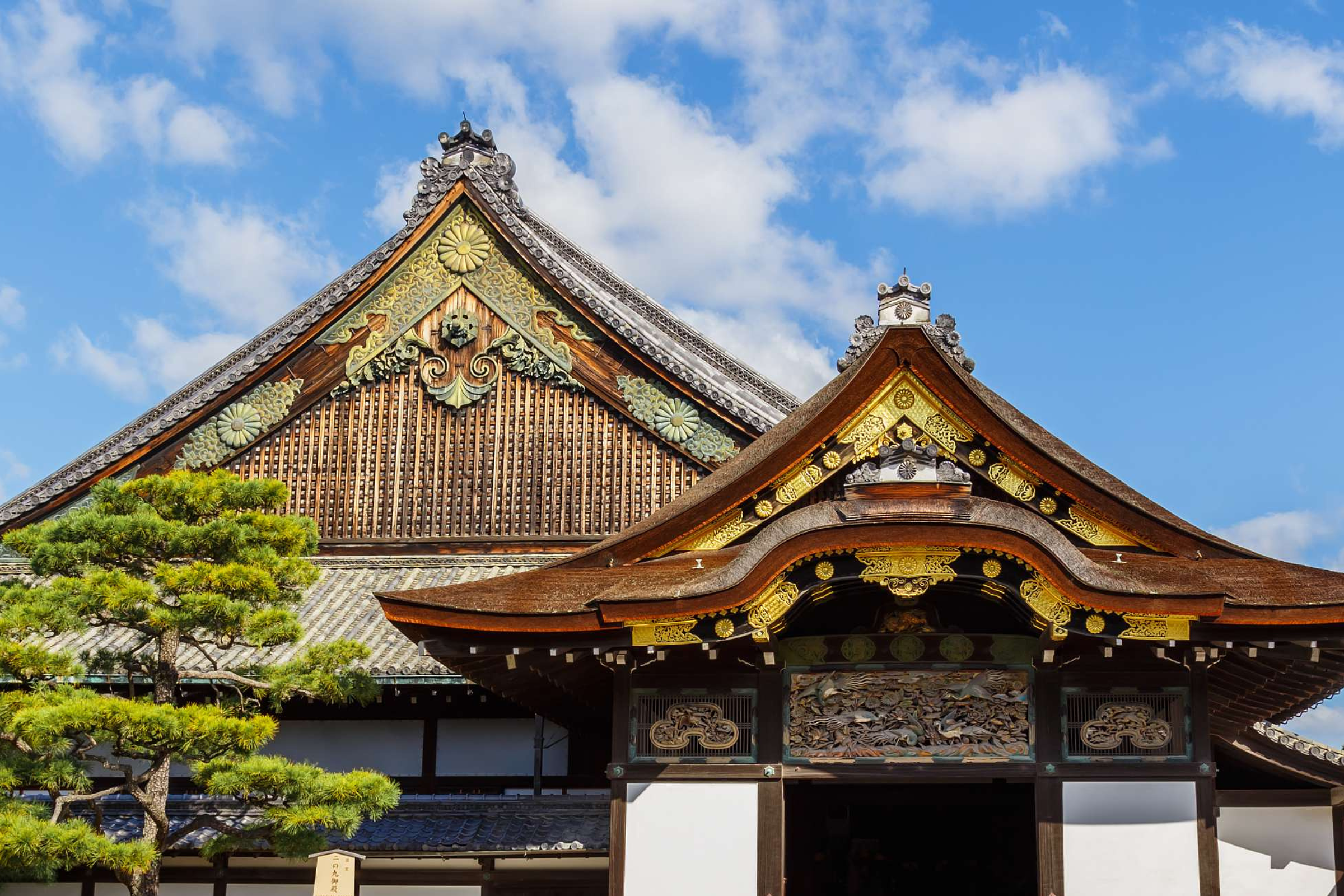
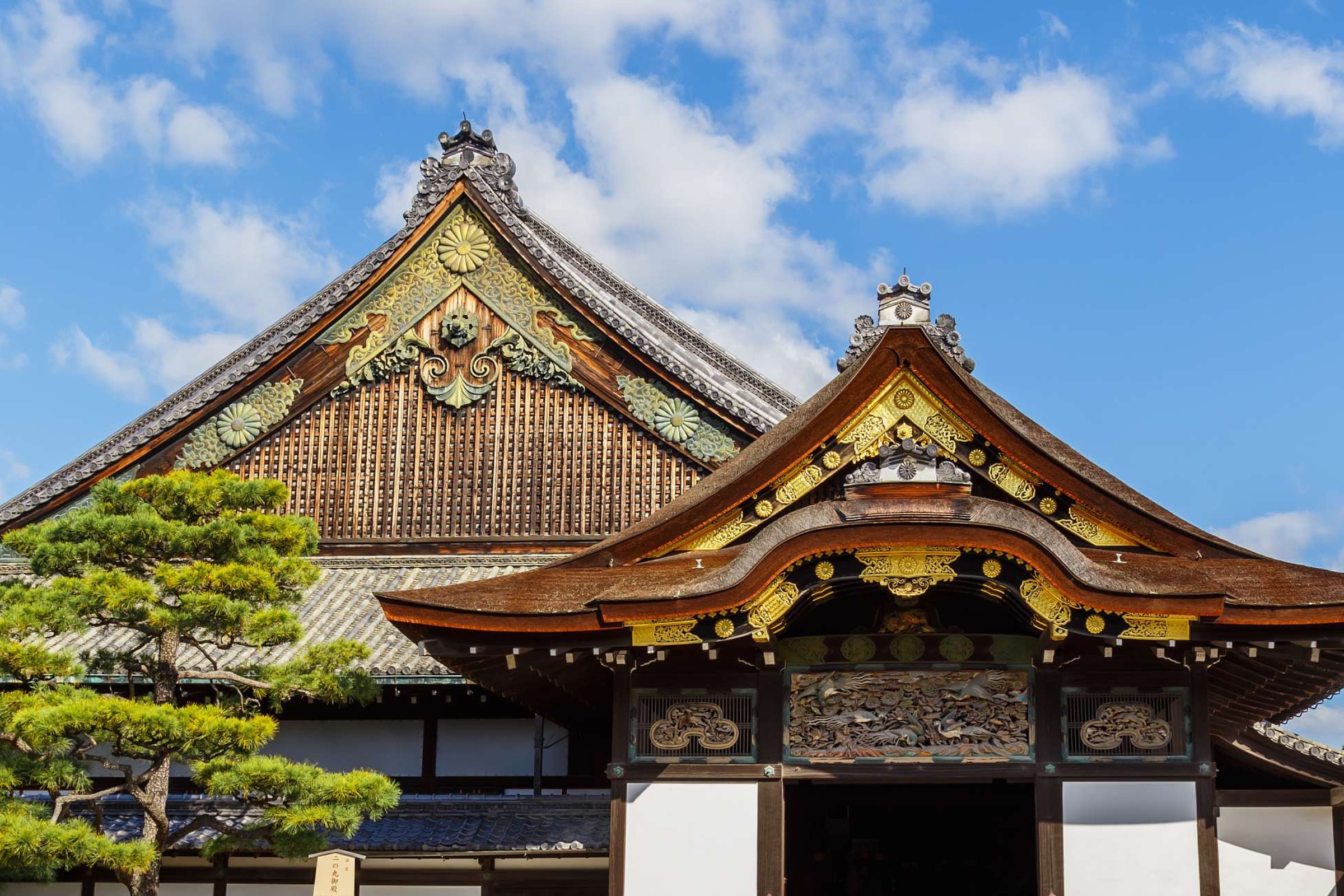
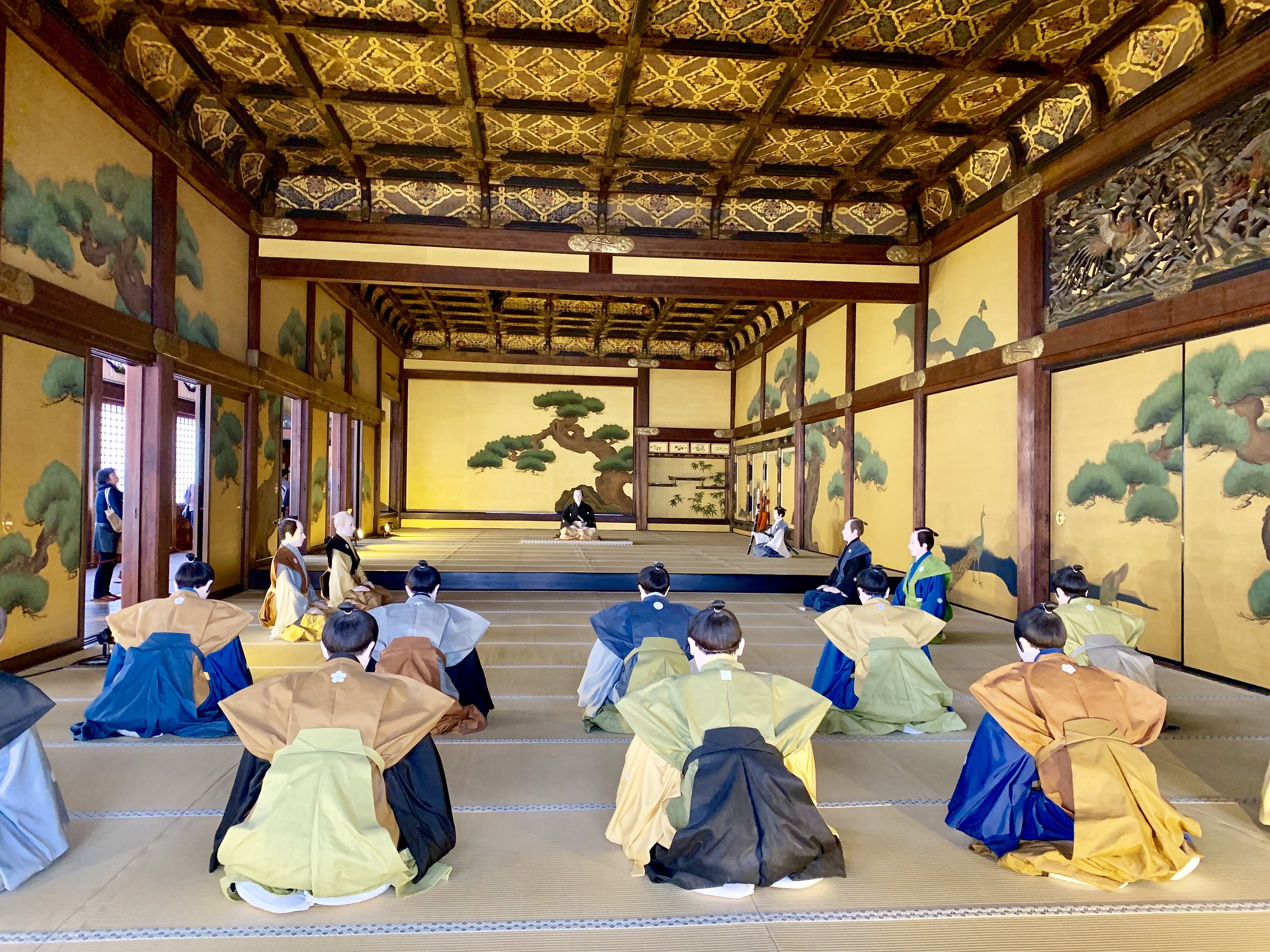
- Witness history come alive At the Imperial Palace and Nijo Castle, learn how courtiers and shoguns once lived.
- Immerse in Kyoto's Story Skip the signage and half-translated plaques; your Expert explains Kyoto as you walk.
- Taste a courtly tradition Visit a 400-year-old shop that served the emperor, and sample the tradition yourself.
- Go beyond the guidebook Your Expert reveals the human tensions hidden behind Kyoto’s formal traditions.
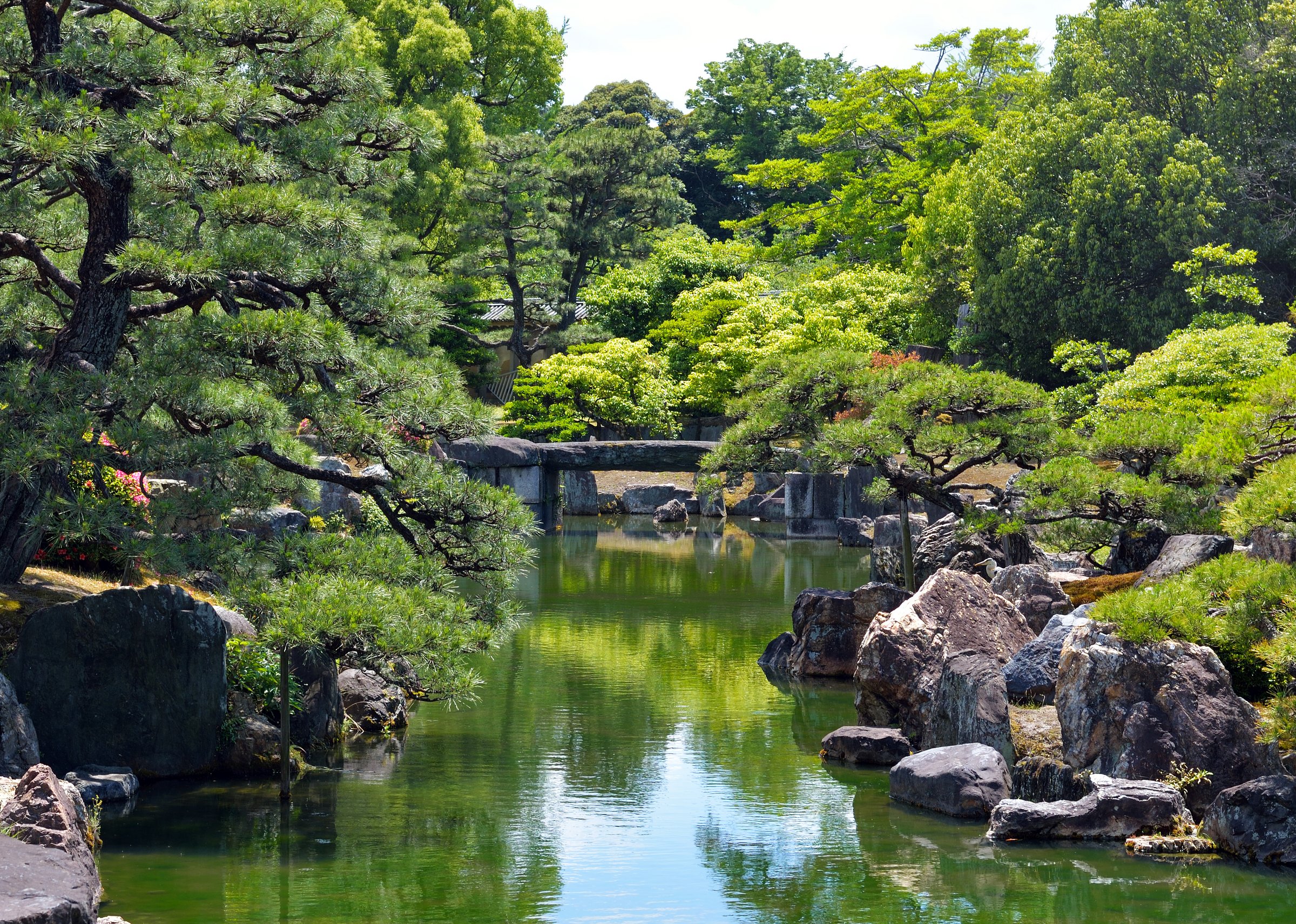
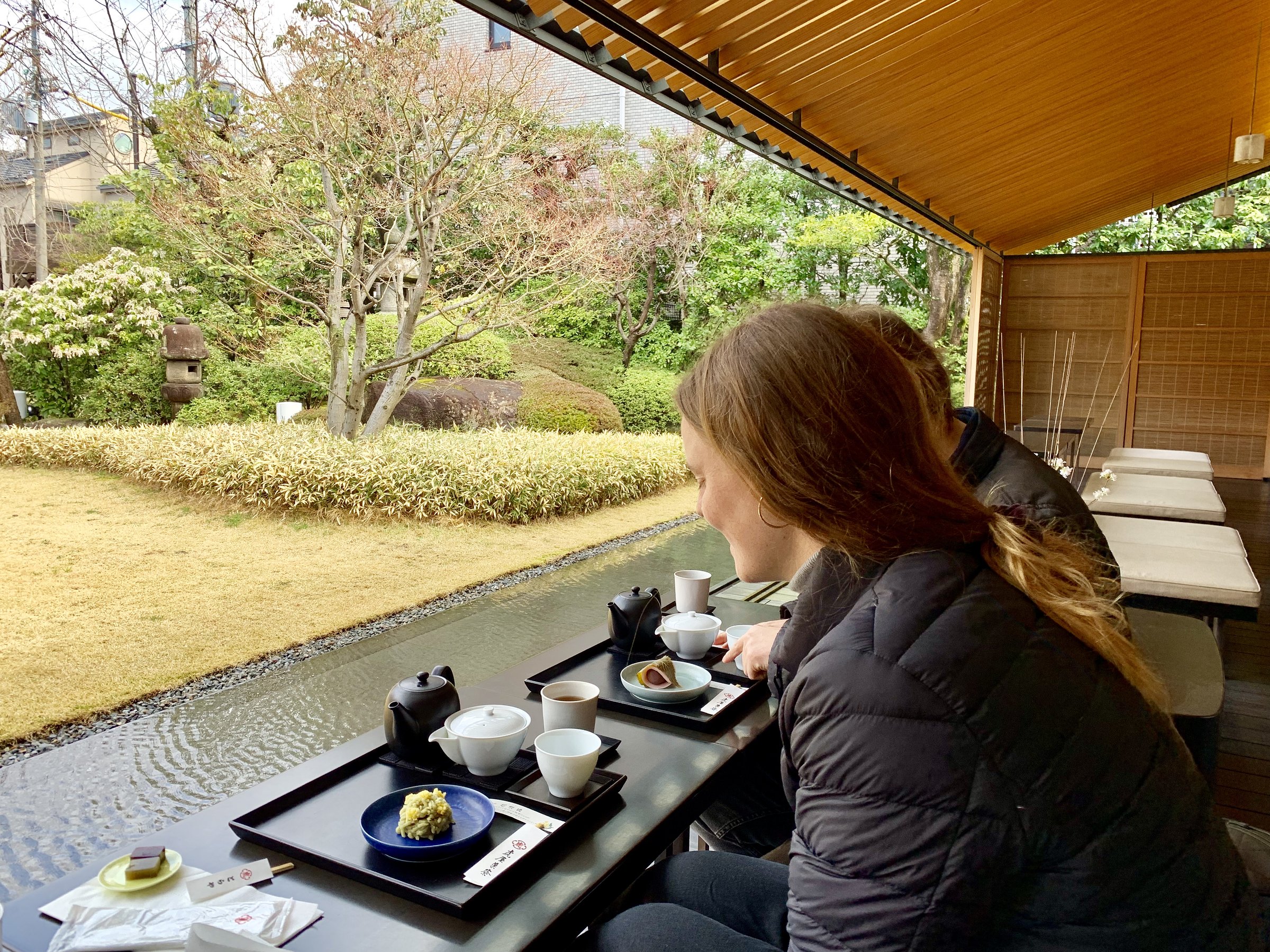
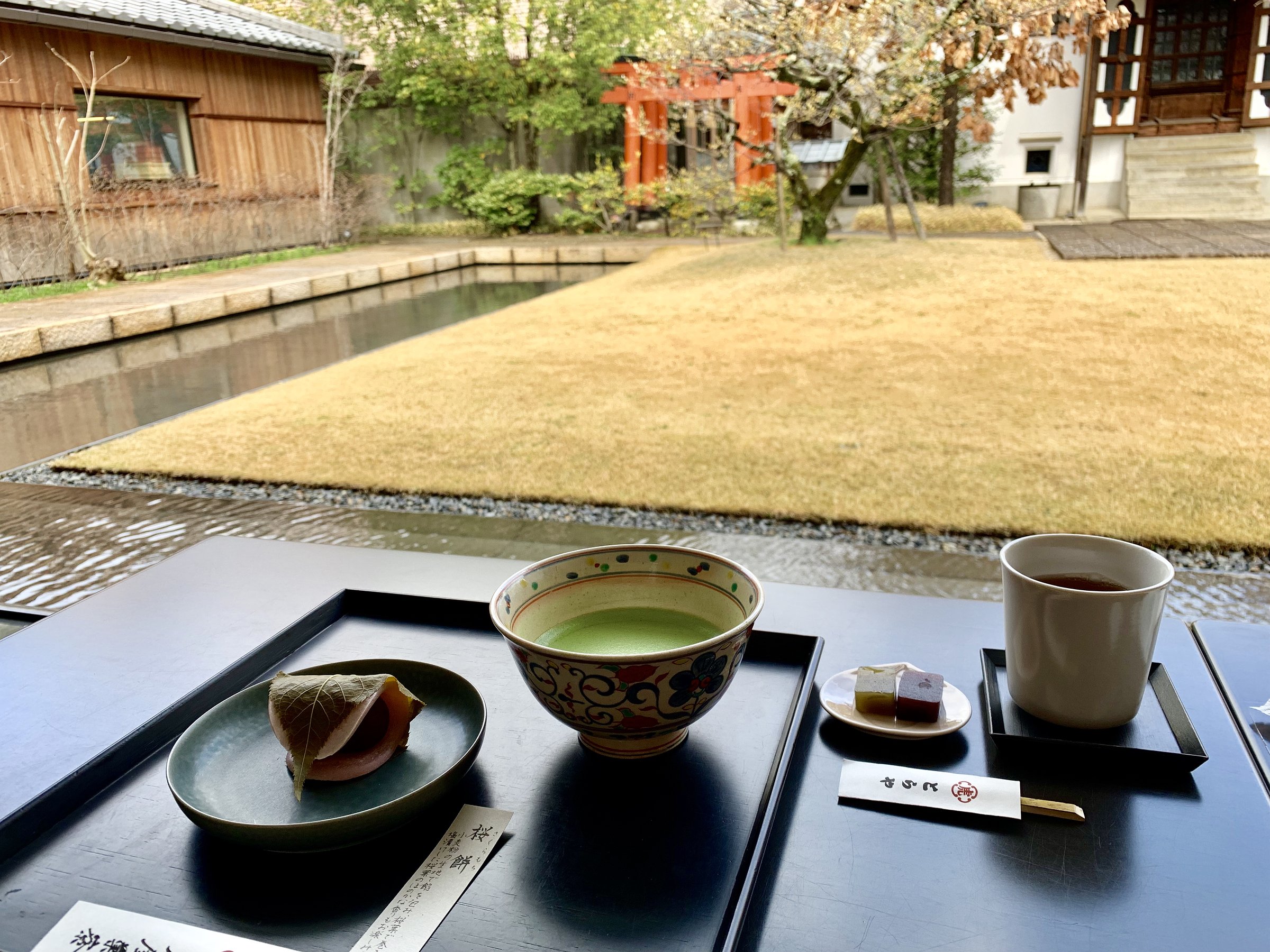
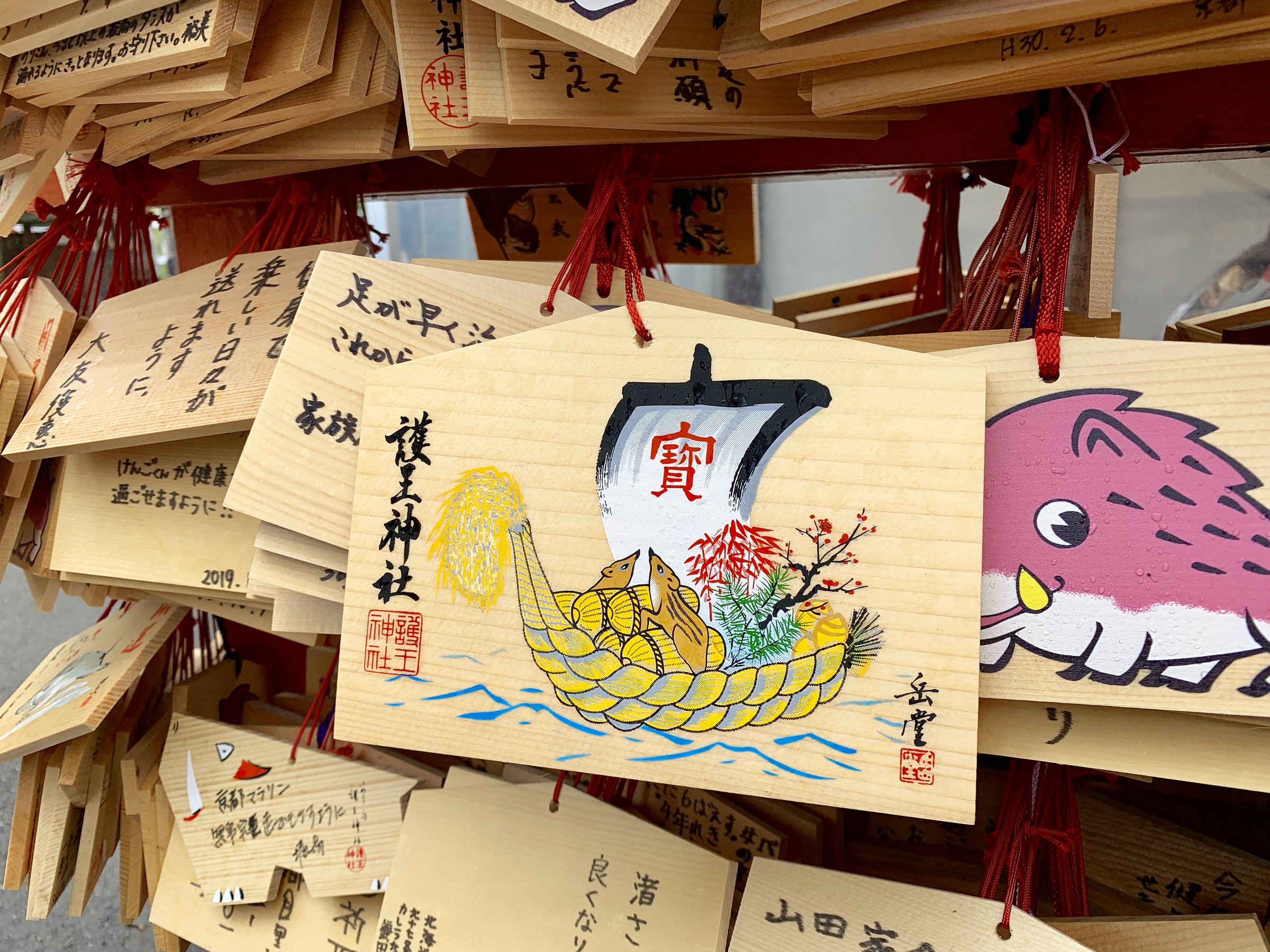
Start in Kyoto Gyoen National Garden, the green expanse surrounding the palace. Notice how carefully framed views, open lawns, and shaded paths shape the approach to the Imperial grounds. With a Context Expert guiding the conversation, the landscape becomes more than scenery; it offers a first glimpse of how Kyoto communicated ceremony and power.
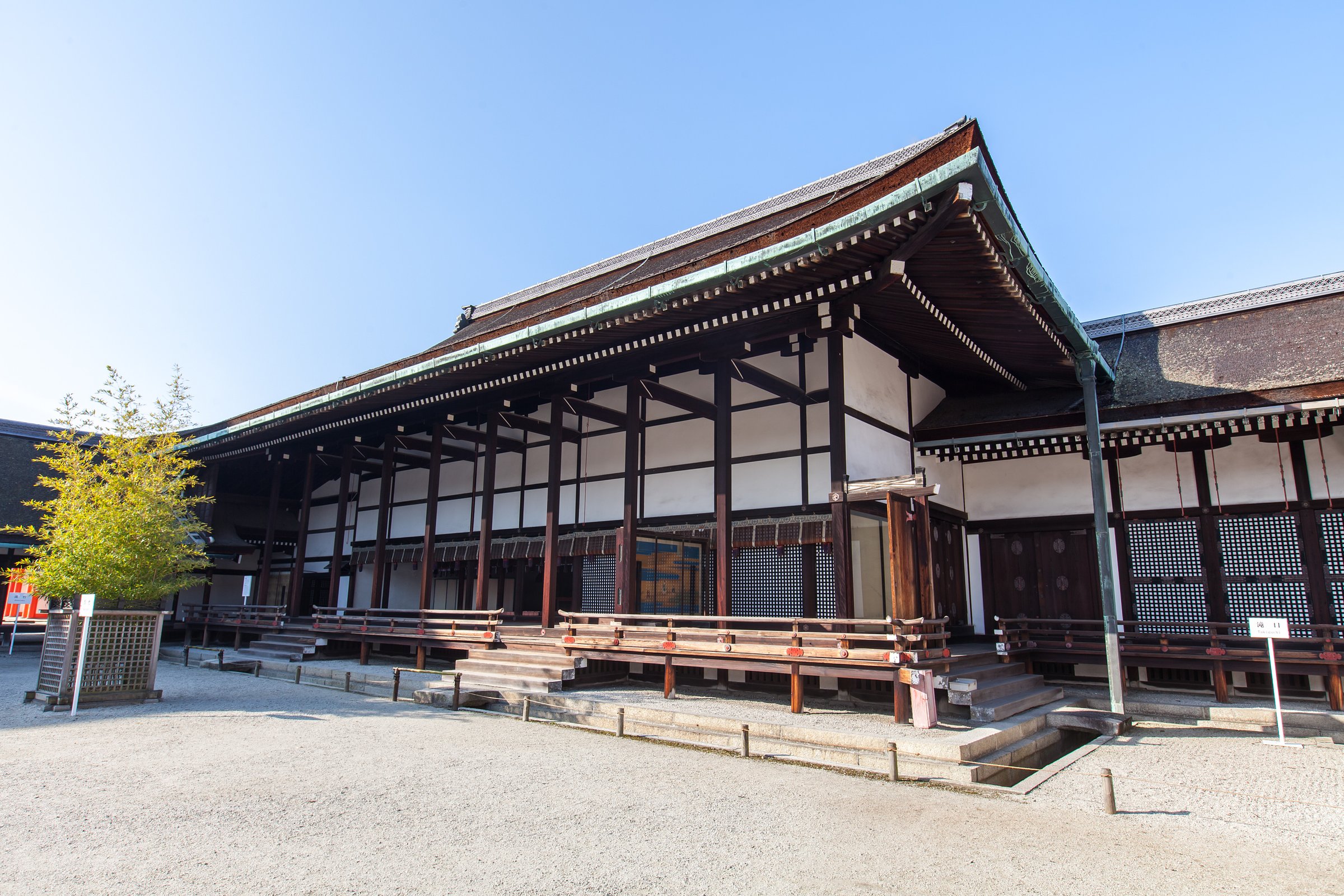
Continue to Kyoto Imperial Palace, where you’ll discover how architecture and landscape projected Imperial authority. Examine selected buildings and trace the city’s development around the Imperial court. How did an emperor remain symbolically central while political control moved elsewhere? Your Expert connects the palace, the Imperial family, and Kyoto’s former role as Japan’s political and cultural heart.
By the end, Kyoto’s Imperial and shogunate history no longer feels like a list of distant terms. The relationship between emperor, court, and military government comes into focus through the places and objects you saw, the flavors you tasted, and the conversations had. Leave with a framework for understanding the city’s wider cultural and religious sites, plus sharper questions for whatever comes next.
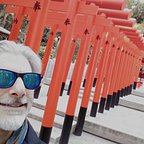

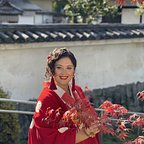






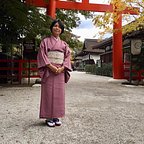








From iconic landmarks to tucked-away local favorites, these are the places you’ll explore and experience firsthand with your Expert.
-
Nijo CastleUNESCO site and Tokugawa shogun residence
-
Kyoto Imperial PalaceFormer residence and ruling palace of Japan’s emperor
-
Kyoto Gyoen National GardenCourt Nobles' Residential Area in the Edo period
-
Local confectionery shopSweets shop with more than 400 years of history
-
English-speaking expert guideTours led in English, offering you unbroken understanding throughout.
-
Intentionally sized groupsA smaller group means more time for conversations and questions.
-
Tickets and entrance feesAll entry tickets included.
-
GratuitiesTips aren’t included, but we encourage tipping as a way to thank your guide after your experience.
-
Food and drinkFood and drink are not included, but your expert can provide recommendations for after the tour.
-
Transportation to and from the meeting pointTransportation is not included. Pre- and/or post-transit can be added to some tours by request.
-
Hotel pickup or drop-offTravel to or from accommodation isn’t included; however, this service can be added by request.
Make the Most of Your Tour
Some helpful advice for getting the most from your experience, from practical prep to small on-the-day tips.
- Wear comfortable footwear
- Check the weather and dress appropriately
- Bring a bottle of water (no glass)
- Feel free to ask your Expert anything
- Bring firearms or weapons
- Bring sharp objects (e.g. knives, swiss army knives, switchblades, hiking sticks)
- Dress inappropriately to enter religious sites or sacred monuments
Frequently Asked Questions
Don’t just take our word for it
Wide ranging knowledge , friendly
Shohei had terrific energy and gave great vibes. If our kids had joined, teenagers, they would have loved him, so recommend him for visitors of all ages. We saw sites, had matcha in a beautiful, antqiue tea house and learned so much about different significant monuments. We had a terrific time!
Let Your Curiosity Shape Your Journey
Join passionate experts on intimate walking tours that reveal a city’s unique stories, spark conversations, and leave you seeing the world—and yourself—a little differently.
Structured, never scripted
Your interests guide your Expert, leading to stories and perspectives that matter to you.
Crafted for conversation
With 12 or fewer guests, ask questions, engage with your Expert, and fully immerse yourself.
Experts, not guides
Explore with 1,200+ Experts—from historians and architects to archaeologists and chefs.
Related experiences our customers also loved
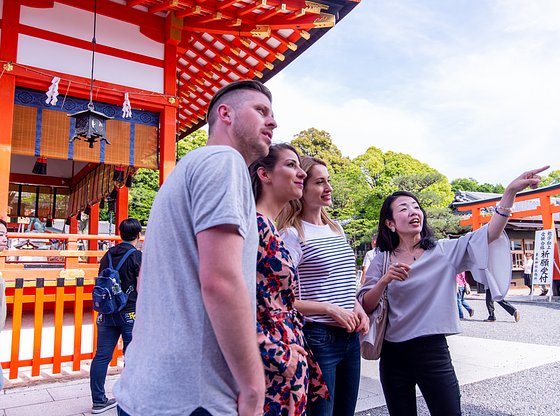

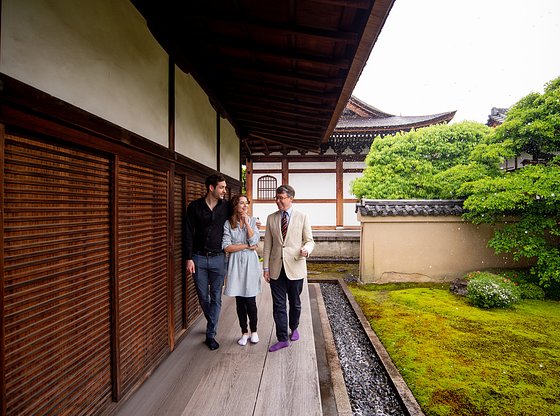
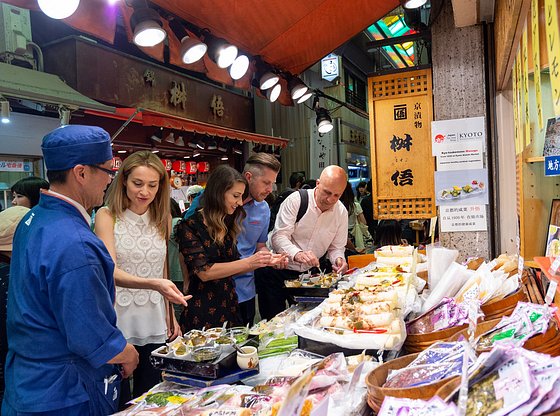

Kyoto City Tour
Kyoto’s history becomes easier to understand when you follow the question of who held power. On this Kyoto city tour, explore the Imperial Palace, Kyoto Gyoen National Garden, and Nijo Castle with a Context Expert, tracing the relationship between the emperor, imperial court, and Tokugawa shogunate. Begin in the gardens surrounding the Kyoto Imperial Palace, where landscape, architecture, and ceremony reveal the symbolic authority of the imperial court. For more than a thousand years, Kyoto served as Japan’s imperial capital, even during periods when political power increasingly rested elsewhere. A stop at a centuries-old confectionery adds another dimension to court life. Taste wagashi, traditional Japanese sweets whose seasonal forms and presentation connect food with aesthetics, ritual, and the tea ceremony. The tour then continues by taxi to Nijo Castle, built for Tokugawa Ieyasu, founder of the shogunate that governed Japan for more than two centuries. Palace and castle become two sides of the same story: one represents imperial legitimacy and ceremony, the other the military government that exercised practical political control. By the end, Kyoto’s temples, gardens, palaces, and castles feel less like isolated landmarks and more like parts of a city shaped by competing forms of authority.