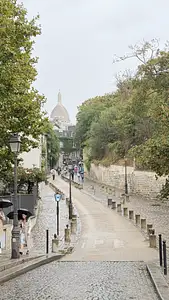
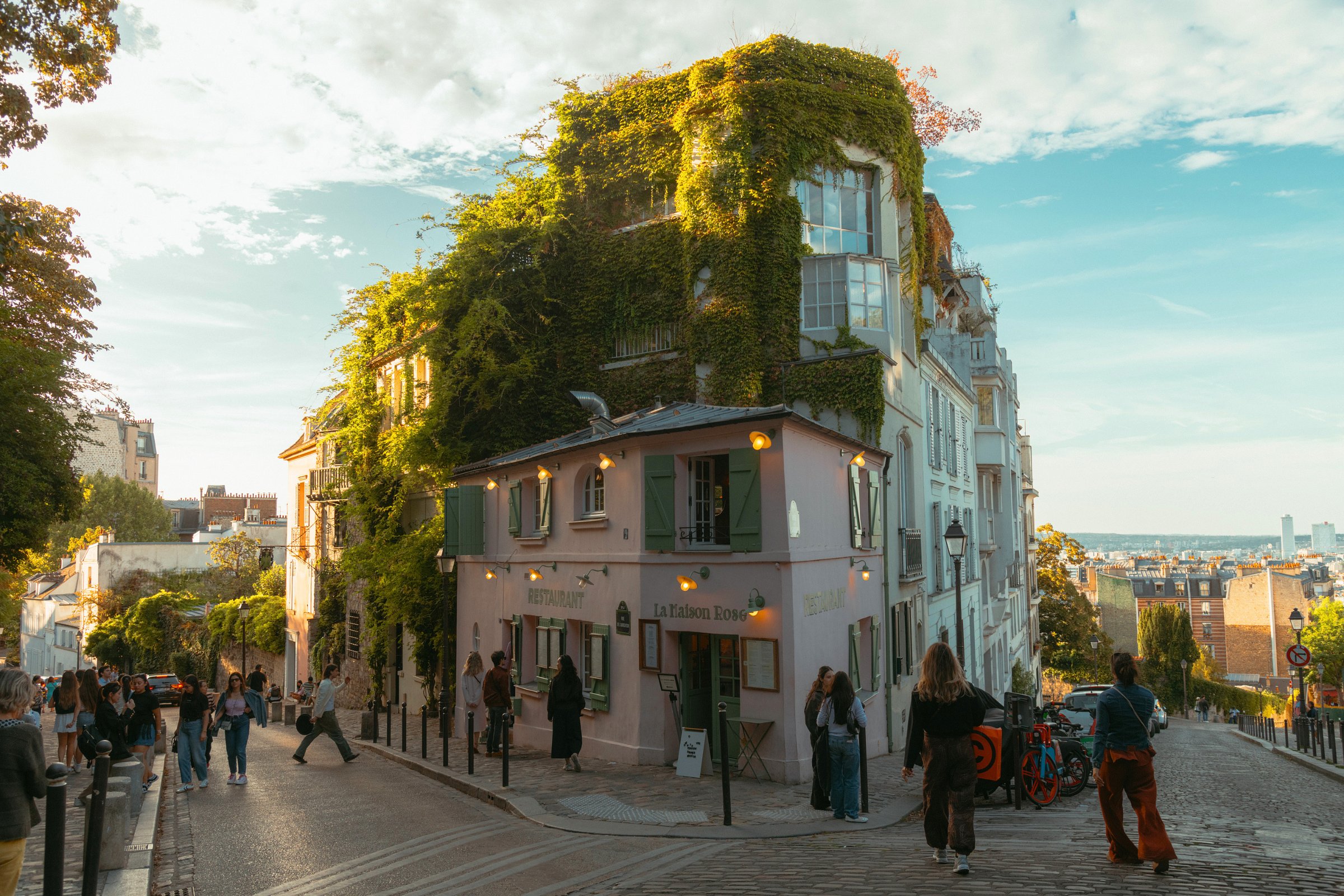
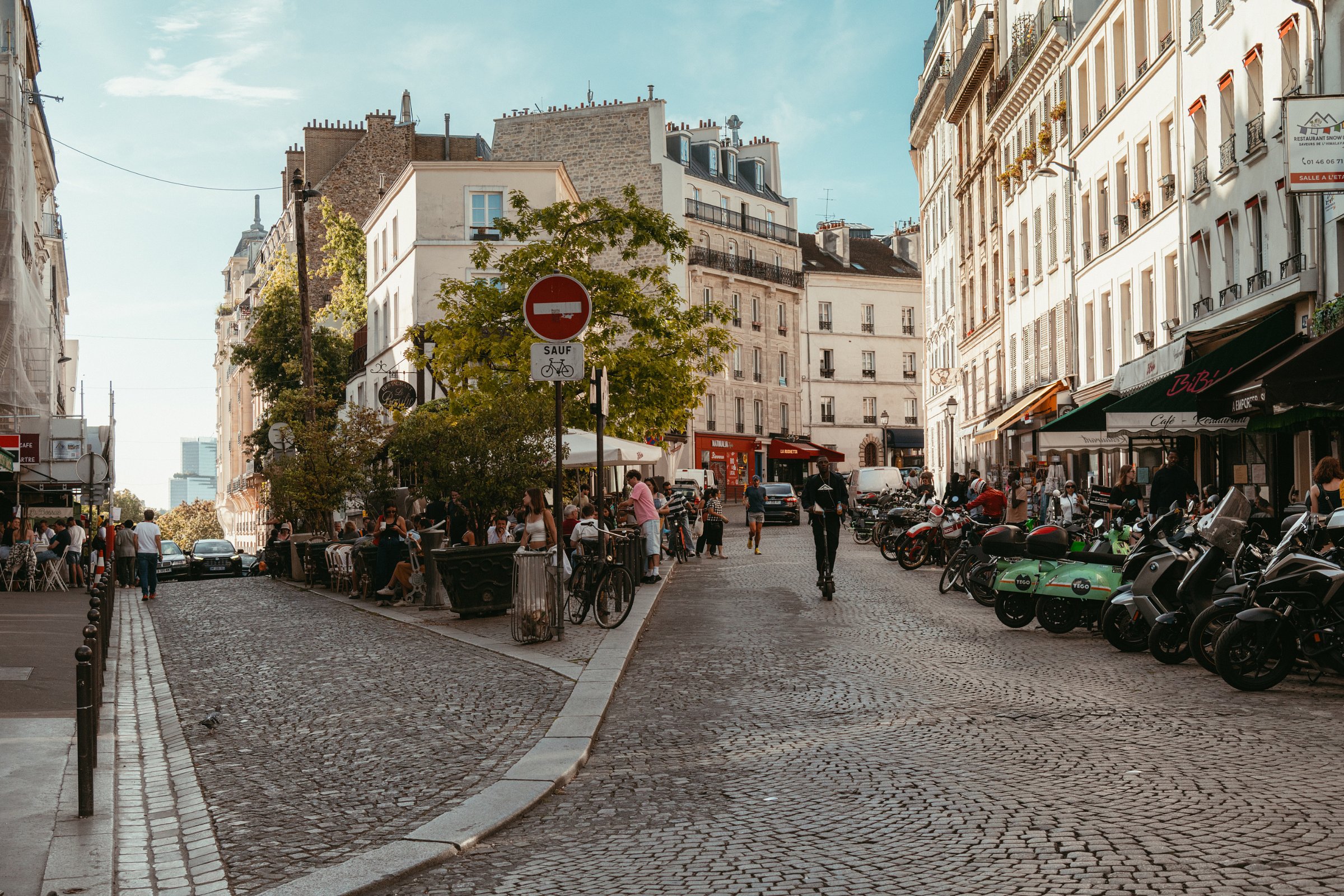
Montmartre offered something that central Paris increasingly did not: affordable space and distance from established artistic institutions.
During the late nineteenth and early twentieth centuries, painters, writers, performers, and musicians gathered in inexpensive studios, cafés, cabarets, and dance halls across the neighborhood.
Artists including Pablo Picasso, Vincent van Gogh, Pierre-Auguste Renoir, and Henri de Toulouse-Lautrec lived or worked on the hill during different periods.
Their presence was not simply a coincidence. Lower rents, active nightlife, informal communities, and a degree of freedom from official Paris helped make Montmartre a place where new artistic ideas could develop.
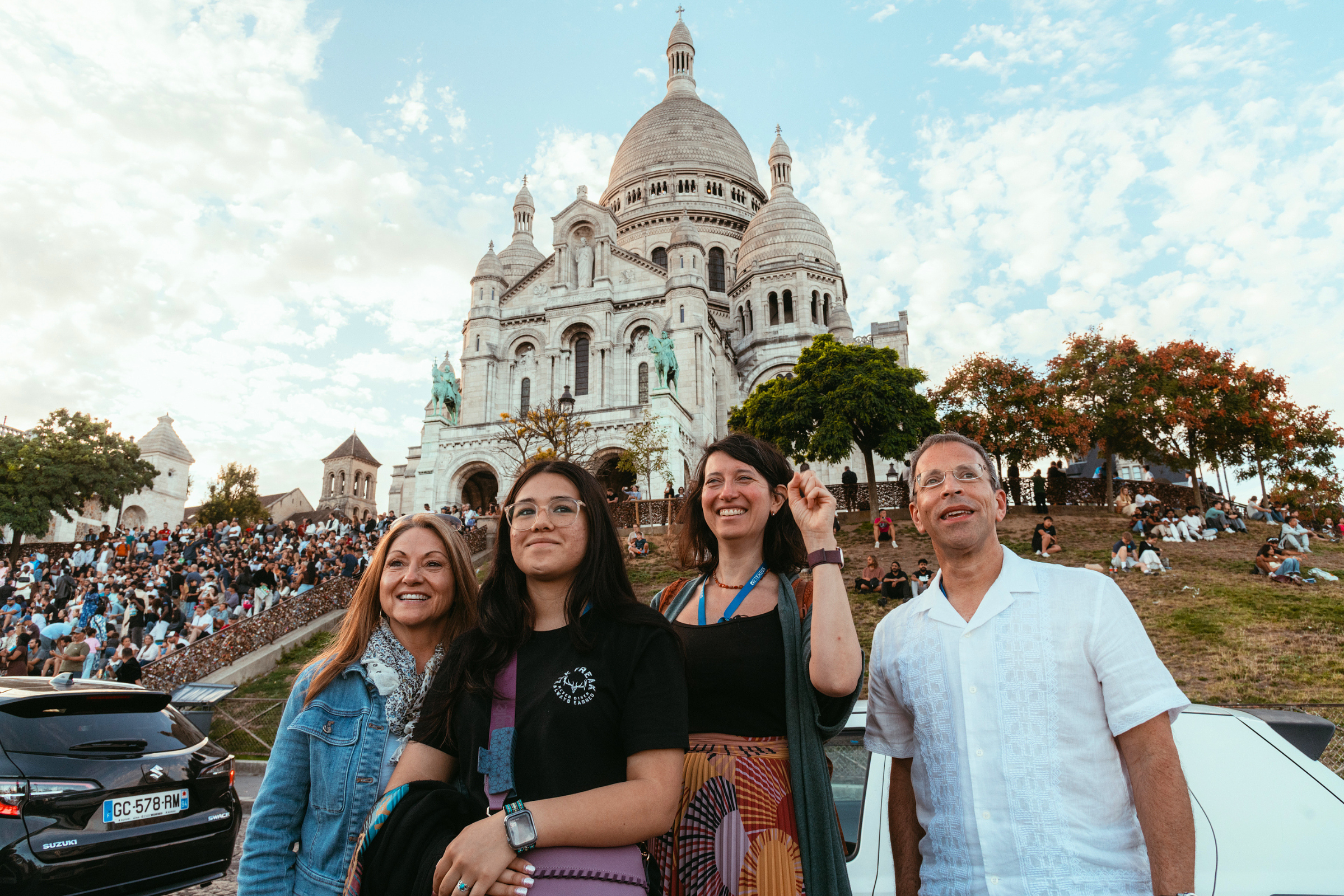
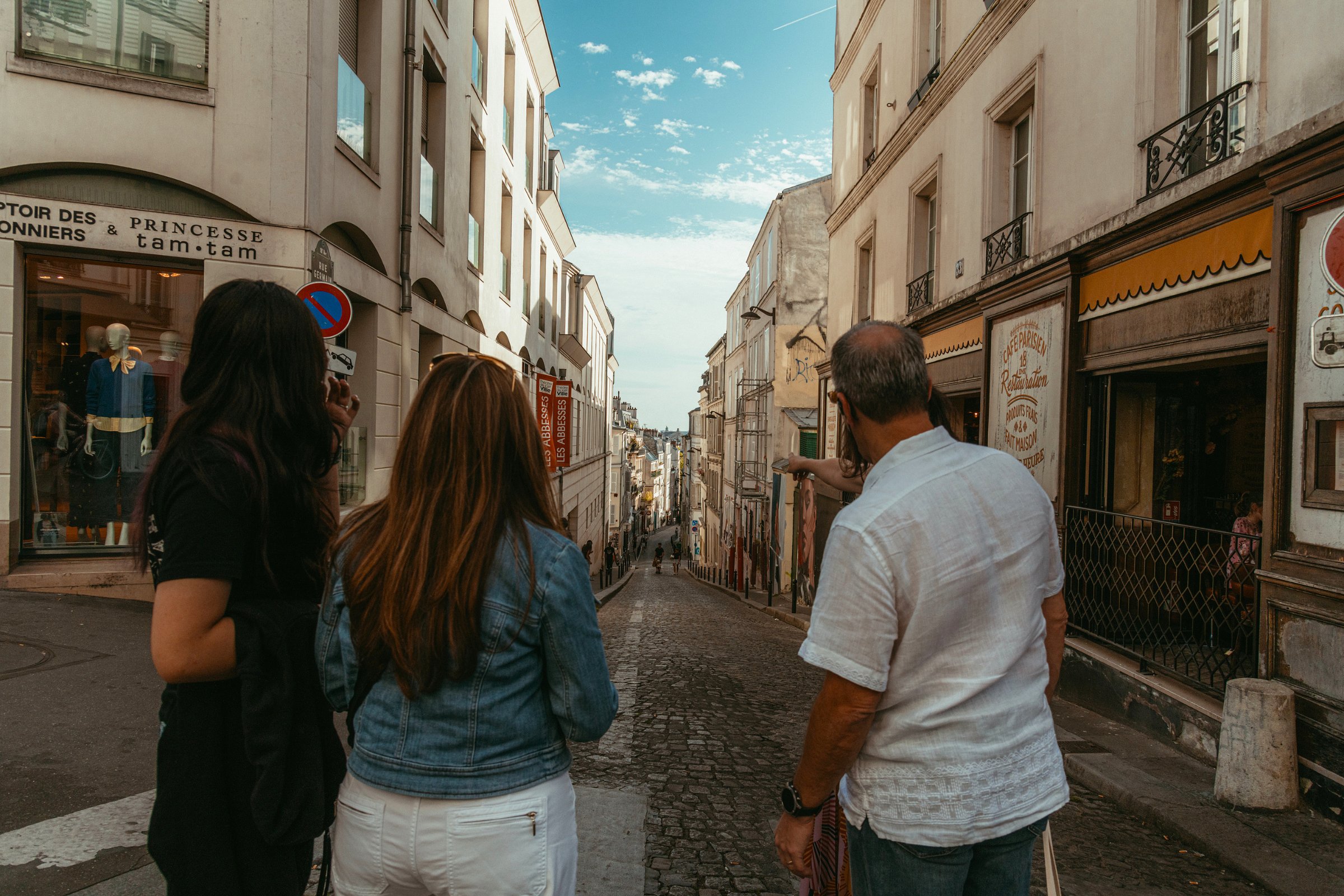
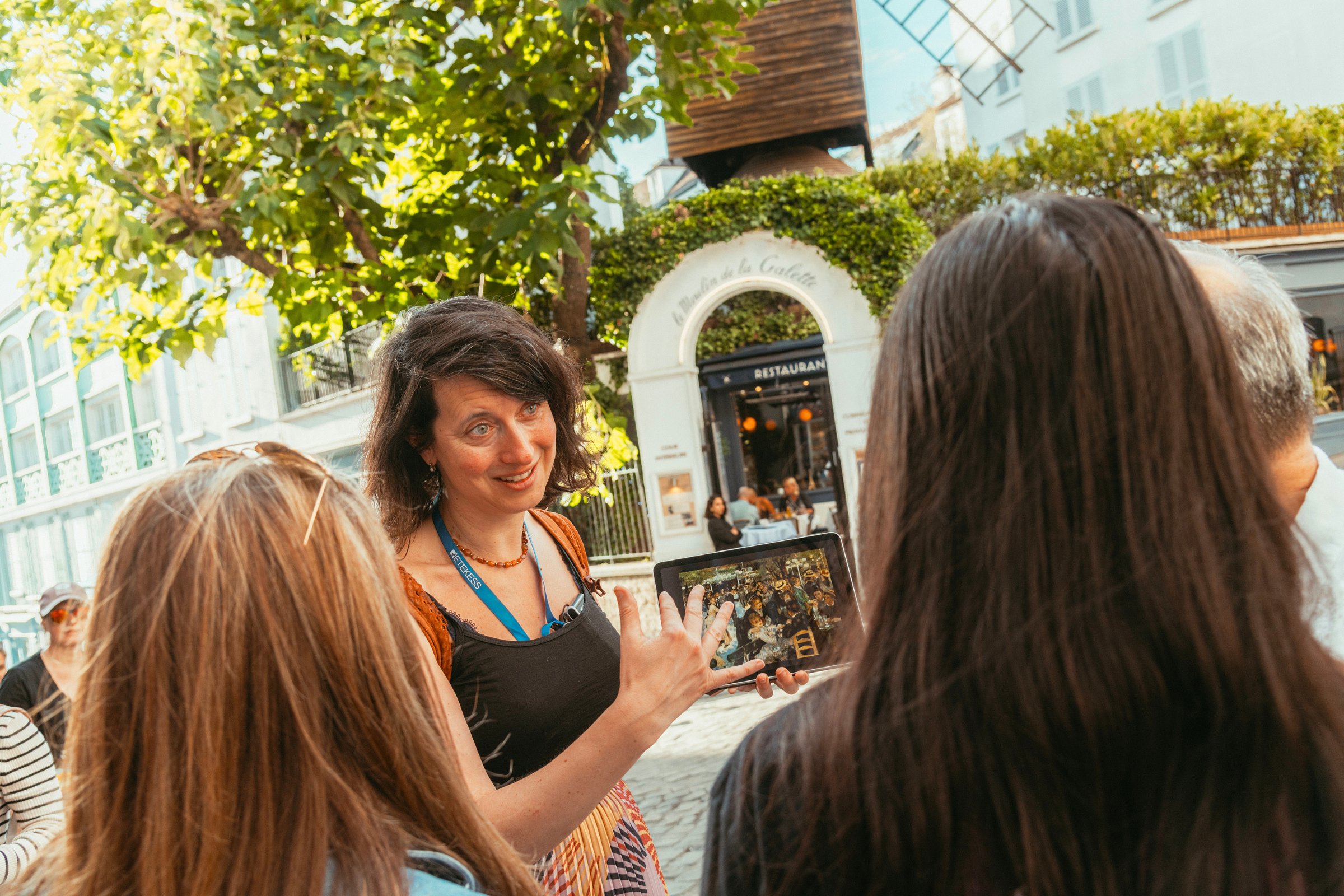
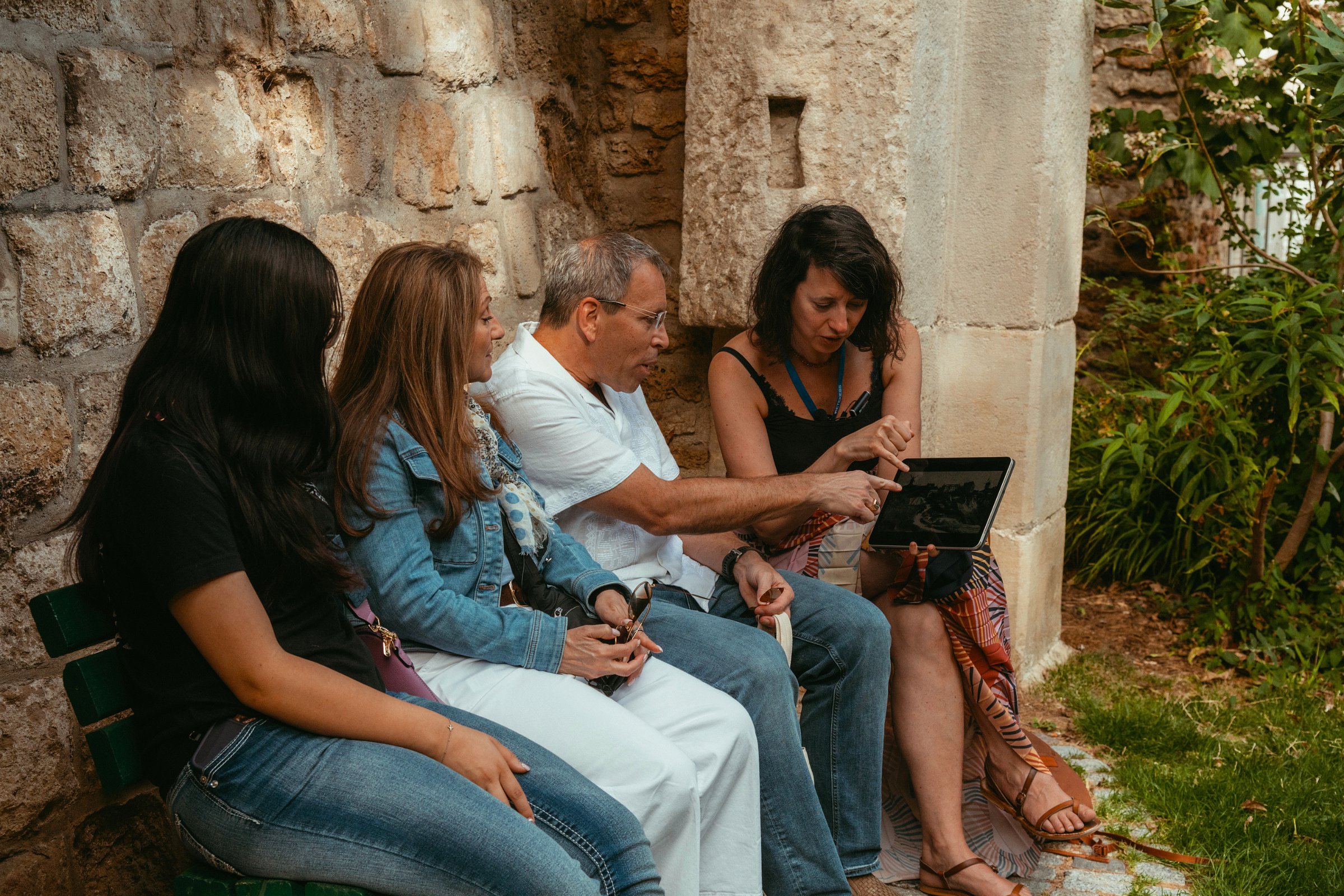
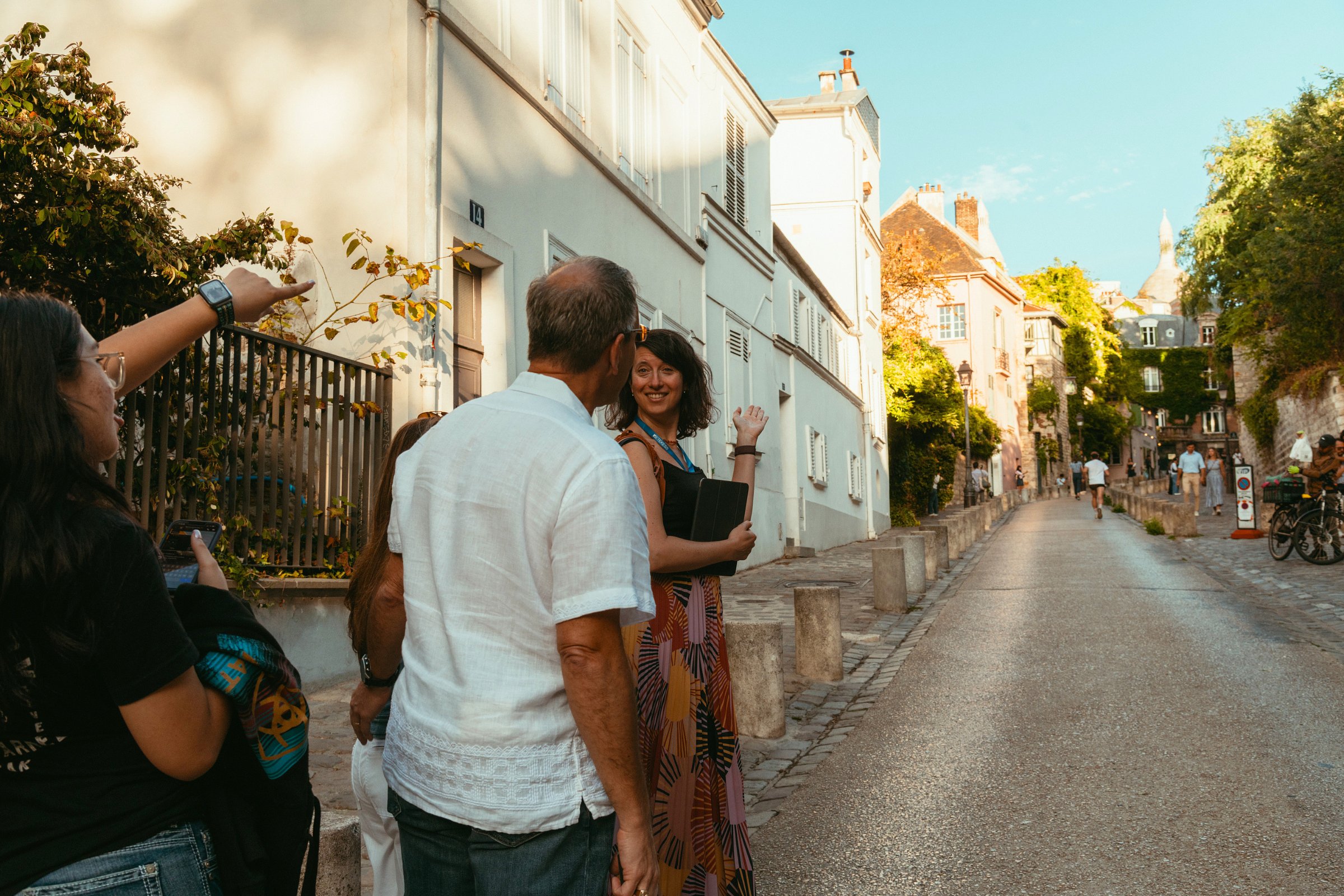
A guided walk allows you to connect the paintings now hanging in museums with the actual streets and social world in which many of them were created.
Bateau-Lavoir and the Birth of Modern Art
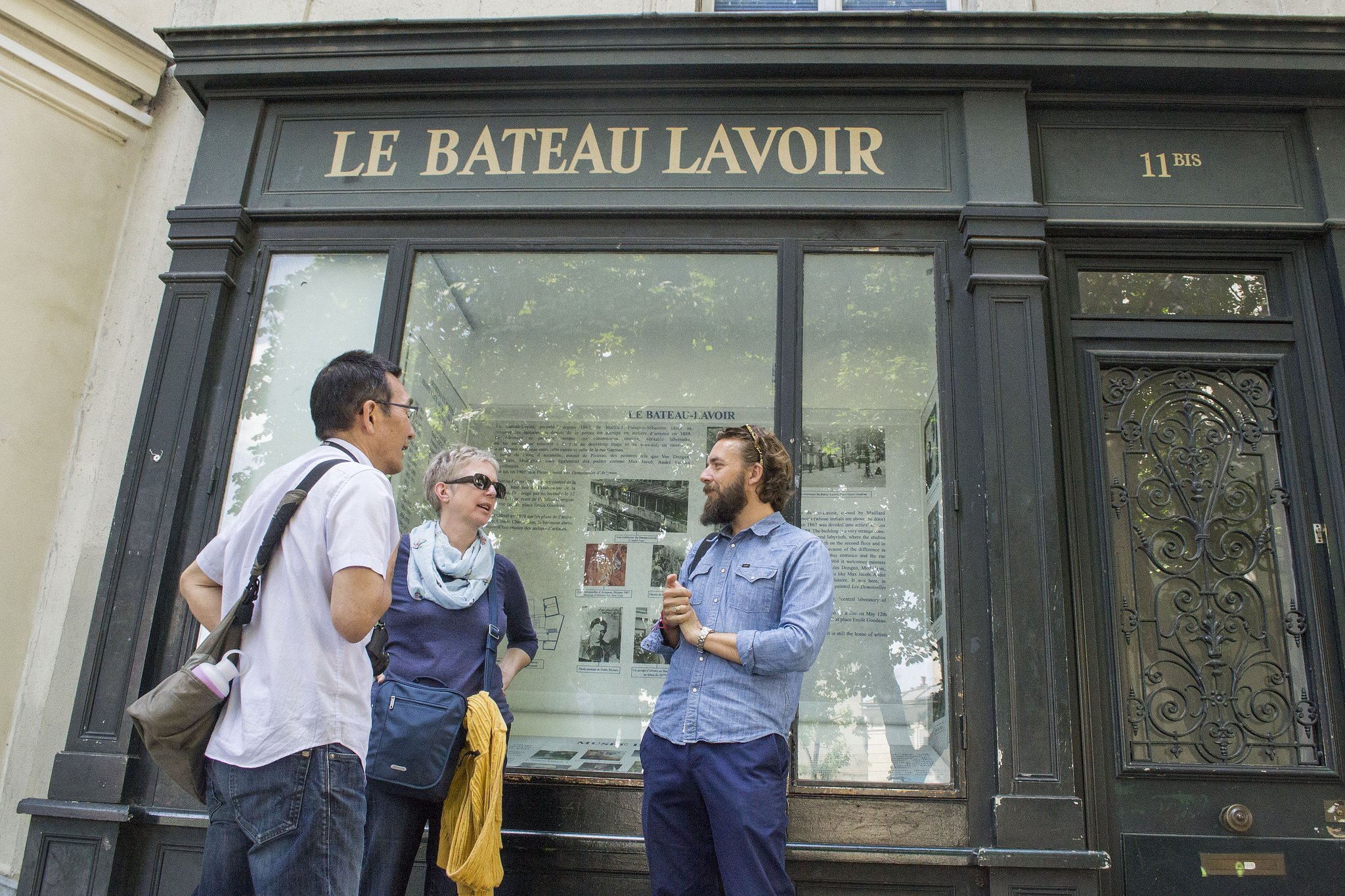
Bateau-Lavoir became one of the most famous artists’ addresses in Montmartre.
Its studios were basic, but the building brought together painters, poets, writers, and other members of Paris’s avant-garde. Pablo Picasso lived and worked here during an important period in his career.
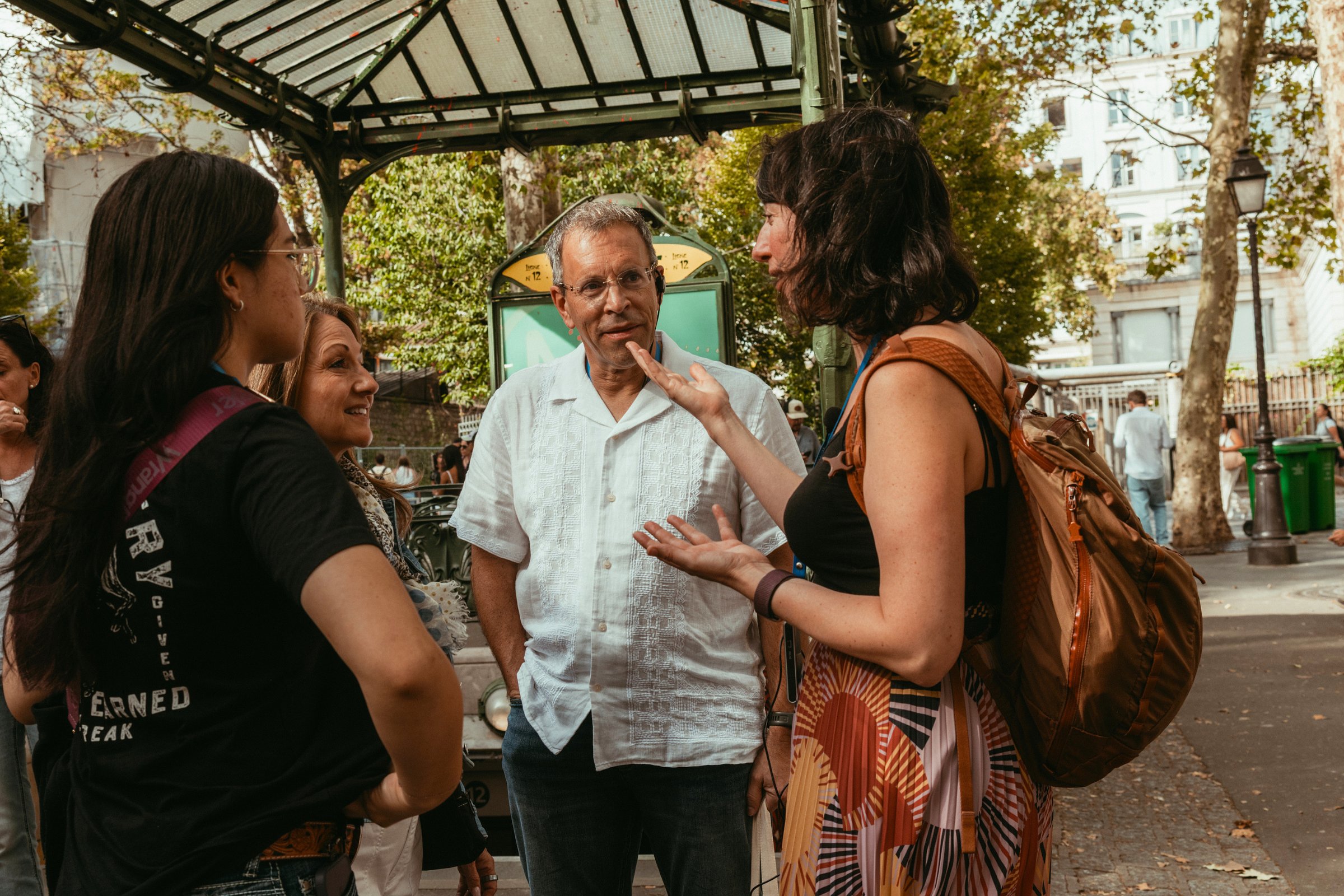
Rather than treating Bateau-Lavoir simply as a site associated with famous names, your Expert helps reconstruct the community around it.
The conversations, friendships, rivalries, and experiments taking place in Montmartre mattered because modern art was not created by isolated figures alone. It developed within a neighborhood where artists constantly encountered one another.
Cabarets, Cafés, and Creative Life
Art was only one part of Montmartre’s creative culture.
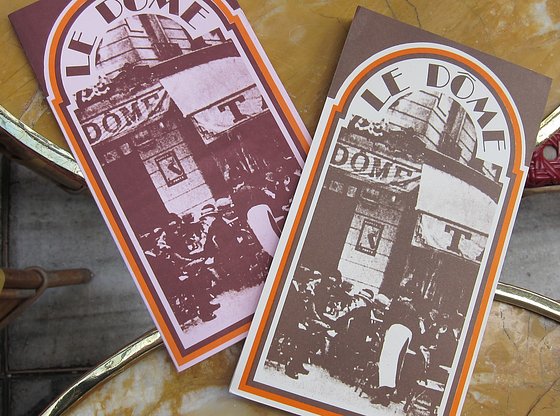
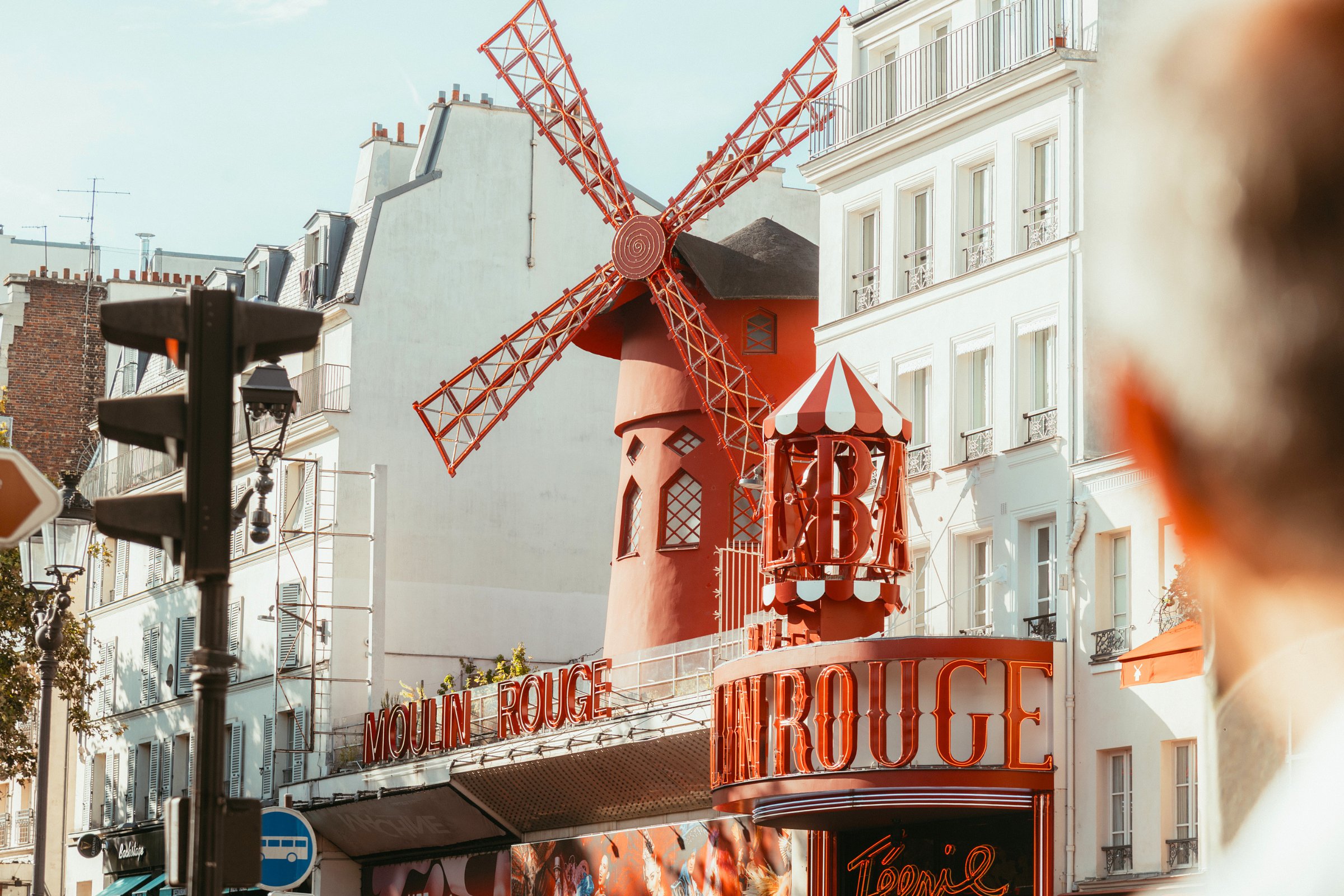
Cabarets, cafés, dance halls, and performance venues gave artists, writers, musicians, workers, and visitors places to meet. Entertainment and experimentation existed alongside serious artistic ambition.
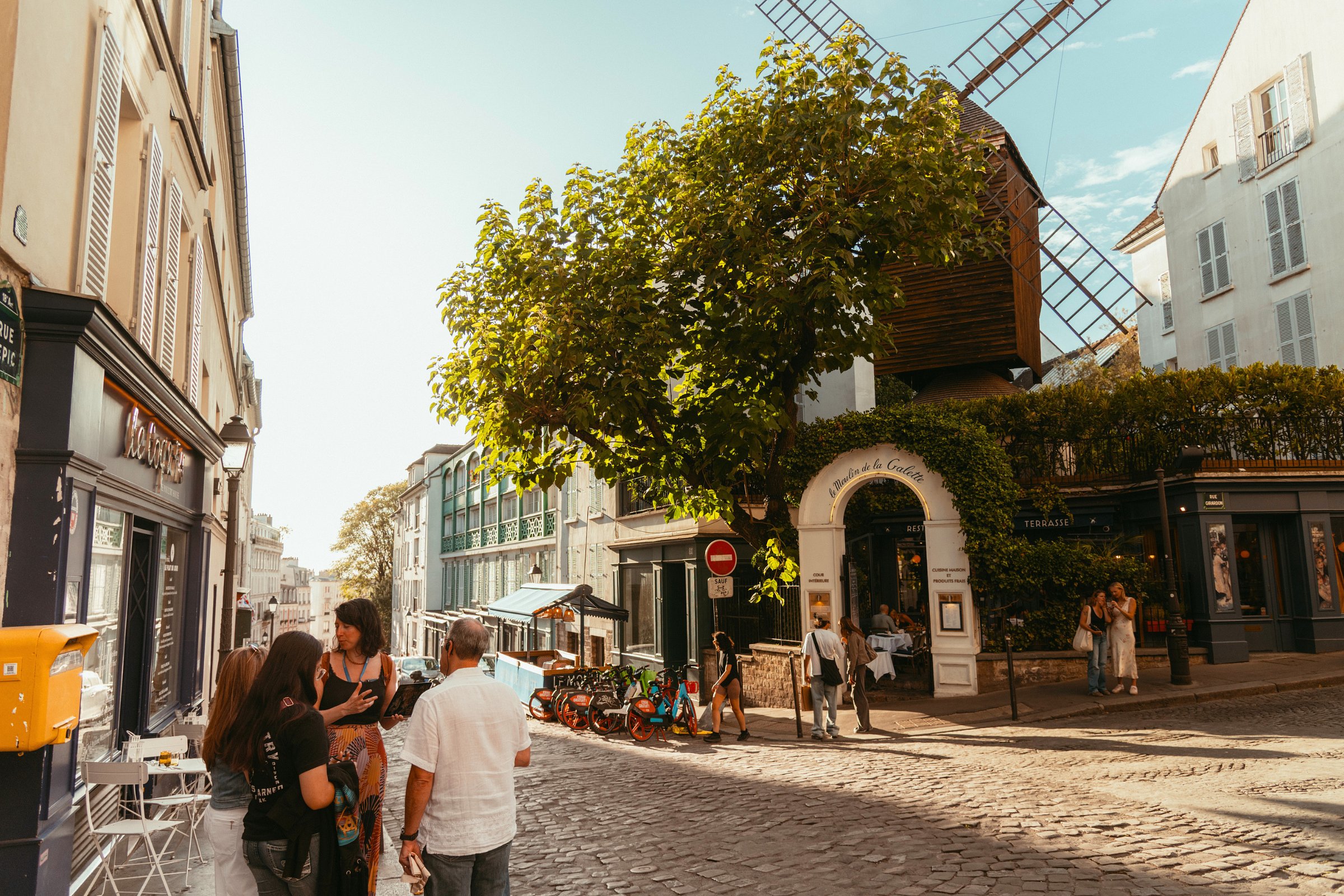
Places associated with the Moulin de la Galette, Lapin Agile, and other venues became part of the mythology of Montmartre.
Some stories grew larger in the retelling, while others preserve important clues about the neighborhood’s social world.
Understanding both the history and the mythology helps explain how Montmartre became not only an artistic district, but an idea that Paris repeatedly sold to itself and to the world.
Place du Tertre Beyond the Easels
Today, Place du Tertre is famous for artists drawing and painting in the square.
Its contemporary appearance can make the area seem like a surviving fragment of bohemian Paris, but the story is more complicated.
The square belongs to the older village center of Montmartre and sits within a neighborhood whose relationship with art changed dramatically over time.
Your Expert helps separate the working artistic communities of the nineteenth and early twentieth centuries from the tourist mythology that developed around them later.
That distinction makes the neighborhood’s enduring association with artists much more interesting.



















































%20-%202026-04-23T140946.304.png)